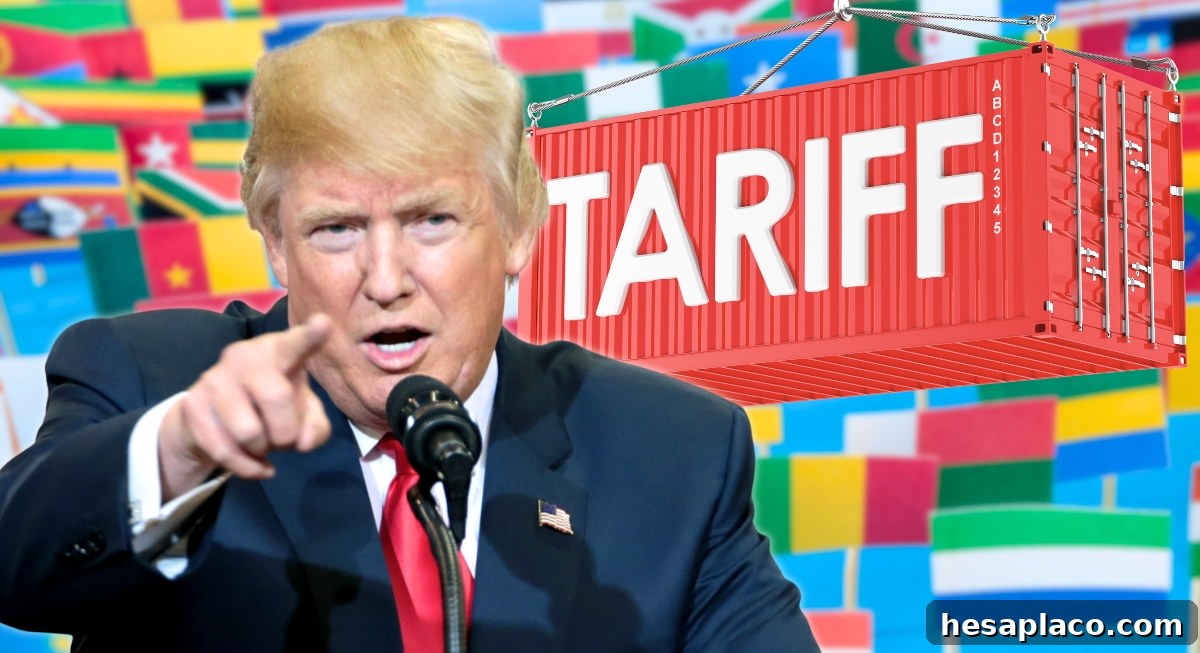
Tariff policy rarely makes for light reading, but when former President Donald Trump announced his latest set of duties, the global response ranged from stunned silence to immediate diplomatic damage control. Fifteen countries were hit hardest—some targeted for trade imbalances, others for alleged cooperation failures tied to fentanyl or security, and several simply caught in the crossfire of tough negotiations.
Brazil
Credit: Getty Images
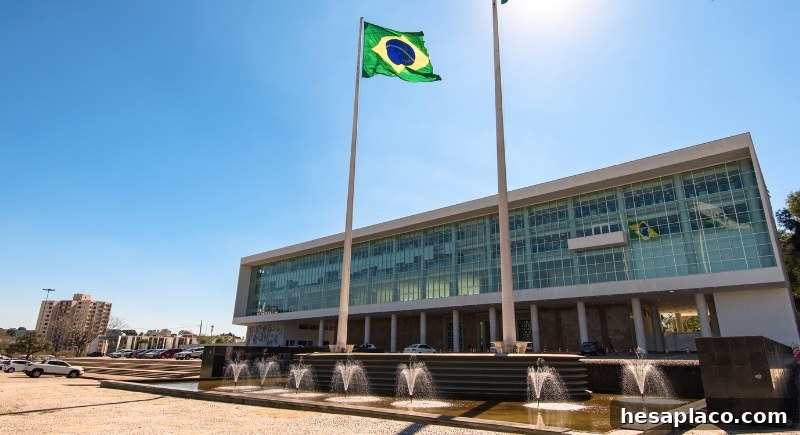
Brazil faced a substantial 50% tariff on key exports—primarily steel and other metals. While tensions over trade policies between the countries had a history, the timing was particularly damaging: the tariff came just as Brazil was seeking to deepen industrial collaboration with the United States.
Switzerland
Credit: Canva
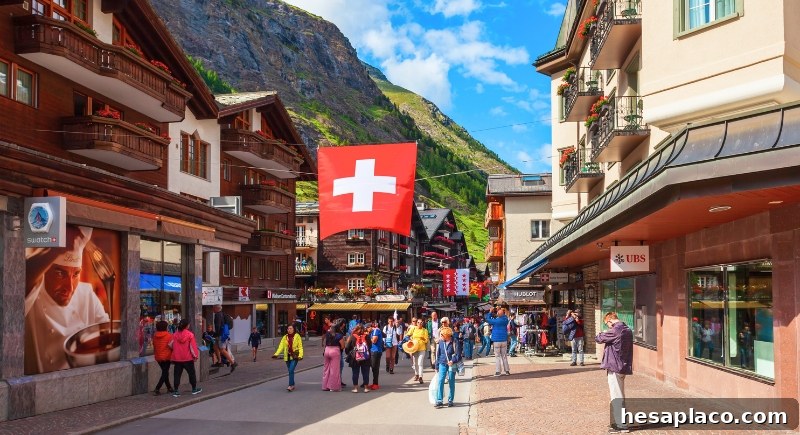
Famed for watches and chocolate rather than political confrontation, Switzerland unexpectedly faced a 39% tariff. The administration pointed to Switzerland’s trade surplus and what it described as misalignment on security matters. Swiss officials registered “deep concern,” and businesses warned consumers could see price increases on a range of products.
India
Credit: Getty Images
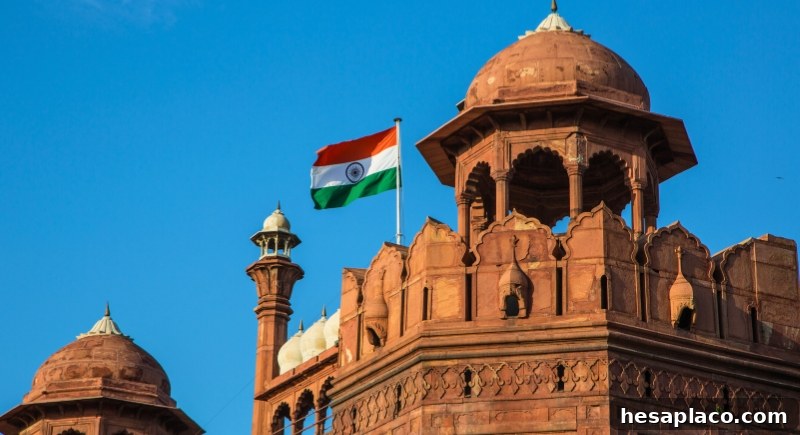
A 25% duty was imposed on a broad set of Indian goods. U.S. officials described the hike as a response to trade imbalances and strategic divergences. India’s Commerce Ministry warned it might take retaliatory steps, but initial reactions were measured and tactical—aimed at preserving the wider U.S.-India partnership.
South Africa
Credit: Getty Images
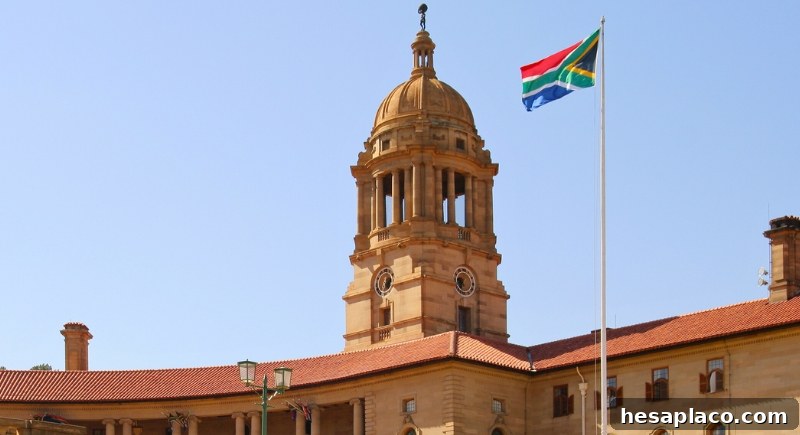
Just as Pretoria was expanding diplomatic ties with Washington, it was added to the tariff list. The administration applied a 30% increase with little prior notice and minimal public explanation, citing “non-aligned economic behavior.” South African officials criticized the move as unfair and abrupt.
Taiwan
Credit: Canva
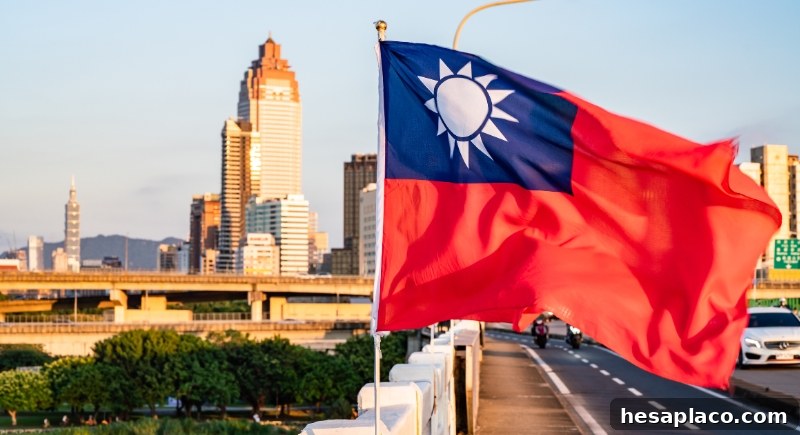
Even with strong technology links to the United States, Taiwan was hit with a 20% tariff. Officials framed it as a response to an “uneven trade relationship.” Observers questioned the rationale given Taiwan’s central role in the global semiconductor supply chain, but the administration maintained its position.
Canada
Credit: Getty Images
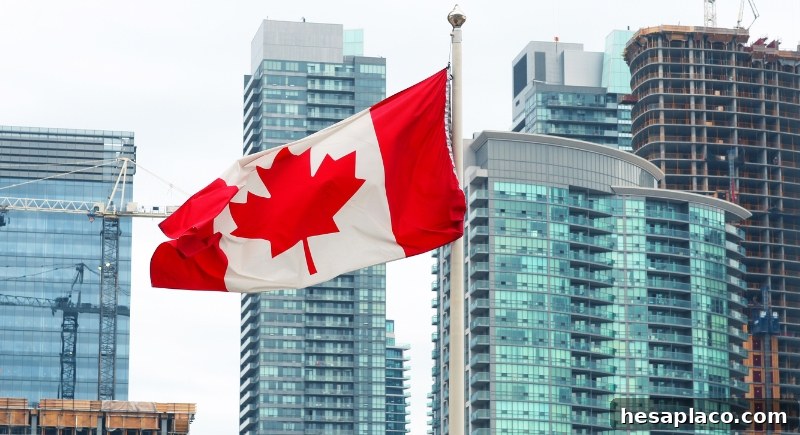
Canada has a recent history of tariff disputes with the administration, but this round added a new element: a 35% tariff on goods tied to fentanyl precursor components. The White House accused Ottawa of insufficient cooperation to stem illicit flows, a claim Canadian officials rejected as inaccurate and unjustified.
Laos
Credit: Getty Images
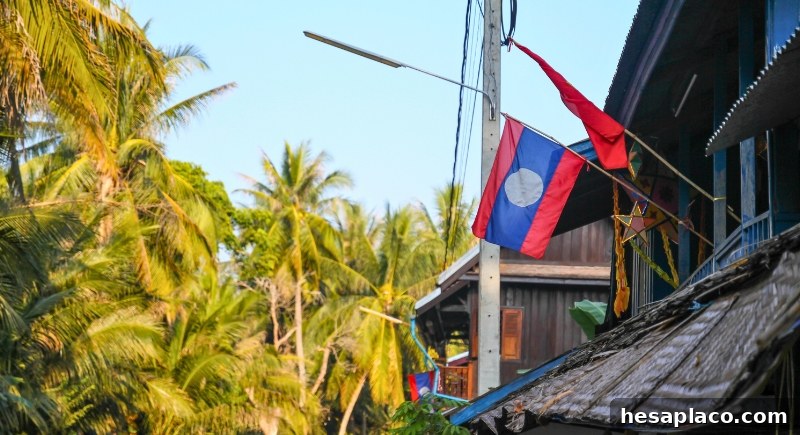
Laos received a 40% tariff attributed to an unspecified trade imbalance and lack of cooperation with U.S. trade objectives. Though Laos exports relatively little to the American market, the symbolic penalty resonated through Southeast Asia and prompted analysts to suggest it could nudge Laos closer to China economically.
Syria
Credit: iStockphoto
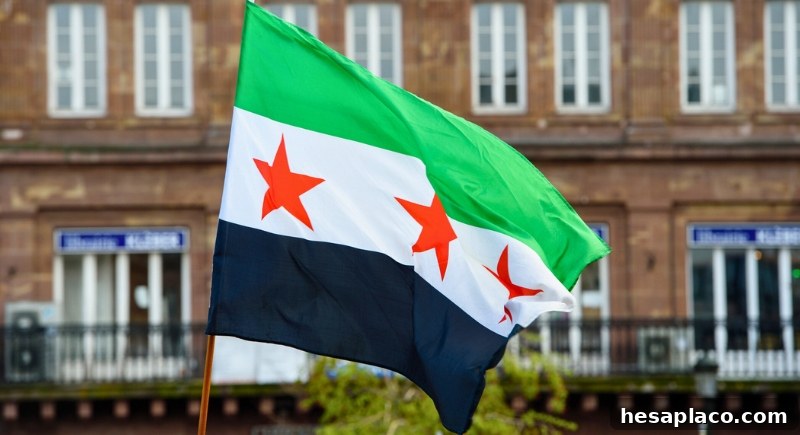
Syria received the highest rate in the list—a 41% tariff. Given longstanding sanctions and minimal trade with the United States, the measure is largely symbolic. The administration, however, cited non-cooperation and misalignment on economic and security matters as the justification.
Iraq
Credit: iStockphoto
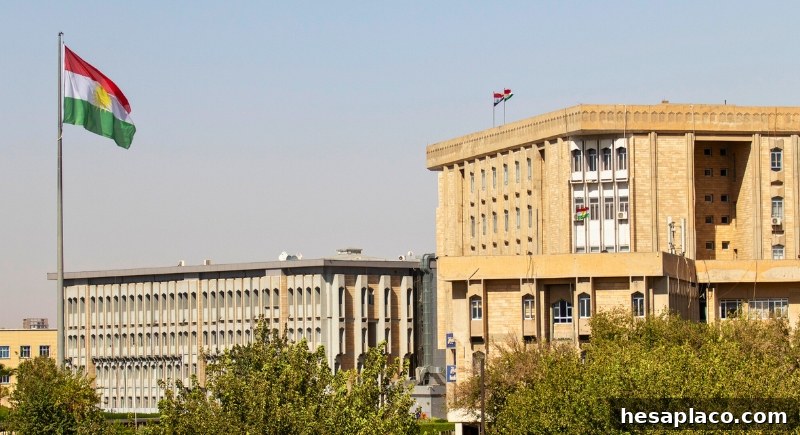
Iraq’s exports to the United States are modest but varied, spanning industrial and specialty goods. A 35% tariff was applied, with U.S. officials pointing to trade balance and national security concerns. Economists note that the actual economic impact will depend on enforcement details and any negotiated exemptions.
Serbia
Credit: Getty Images
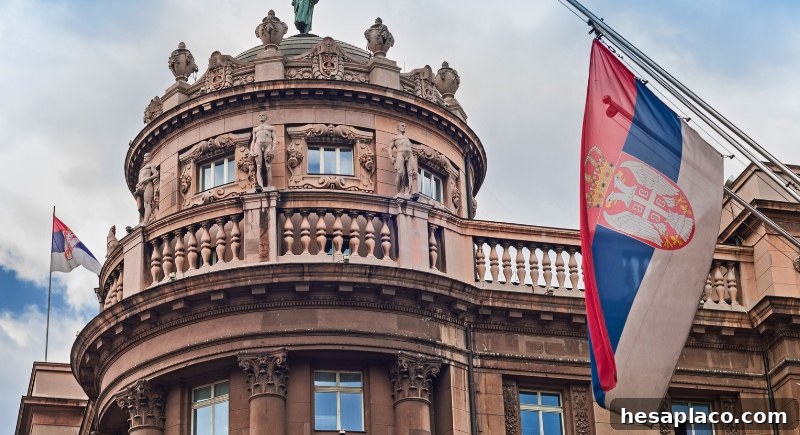
Serbia had been expanding trade ties with the United States, particularly in technology and automotive sectors. The new 35% tariff threatens to slow that momentum. Serbian commentators framed the move as a signal to diversify trade partners and strengthen economic links with Eastern Europe and China.
Bosnia and Herzegovina
Credit: pexels
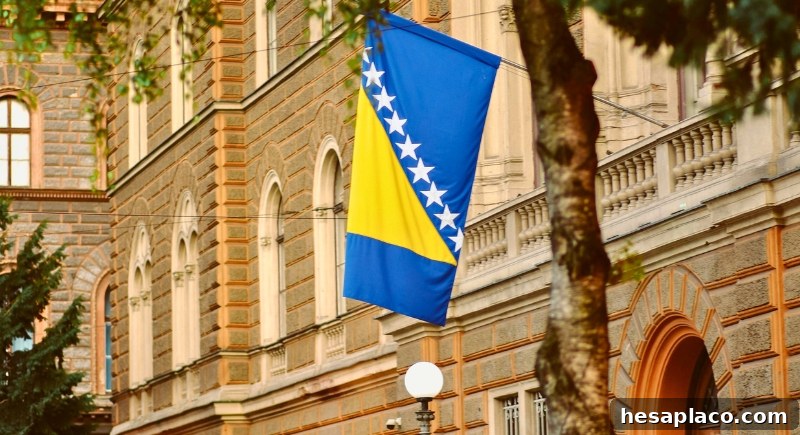
As Bosnia and Herzegovina worked to rebuild economic links with the United States—especially in textiles and raw materials—it was flagged for “limited transparency” in trade practices and hit with a 30% tariff. Local companies warned the duty could undermine recent gains, particularly for smaller exporters.
Myanmar
Credit: iStockphoto
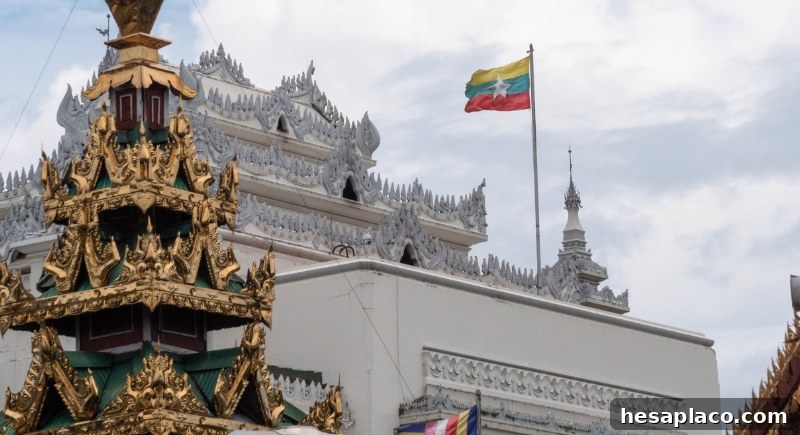
Listed as Burma in the tariff order, Myanmar was assigned a 40% duty amid ongoing human rights concerns and shifting regional policy. Trade volumes with the U.S. remain limited, so the steep tariff functions primarily as a political signal rather than a large-scale economic blow.
Libya
Credit: iStockphoto
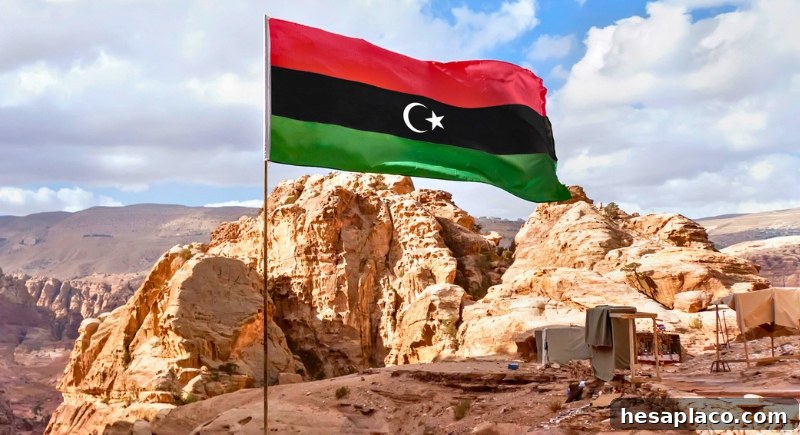
Libya, not a major U.S. trading partner, was nevertheless slapped with a 30% tariff across its exports. U.S. officials mentioned national security alignment as a factor. Given Libya’s ongoing internal divisions, the tariff is unlikely to have a large economic impact but does add another layer to international relations.
Algeria
Credit: Getty Images
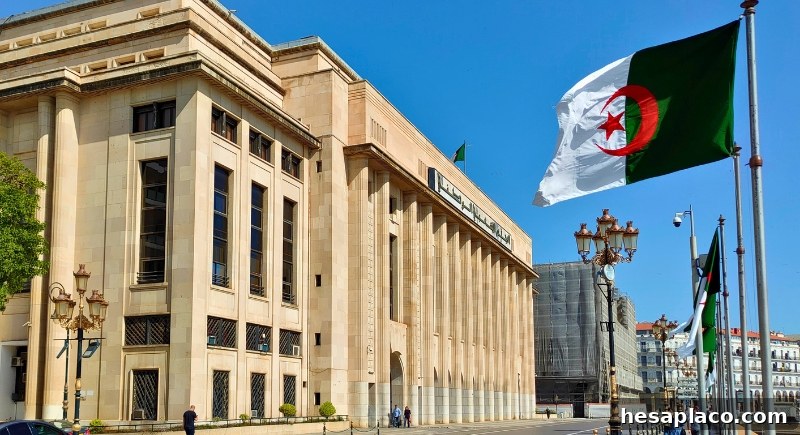
Algeria expressed surprise at the imposition of 30% tariffs, noting recent participation in U.S.-Africa trade forums. Analysts suggested Algeria’s close energy ties with Europe and China may have influenced the decision. Sectors affected include raw minerals, textiles, and some agriculture, prompting exporters to reassess markets and pricing.
Mexico
Credit: Getty Images
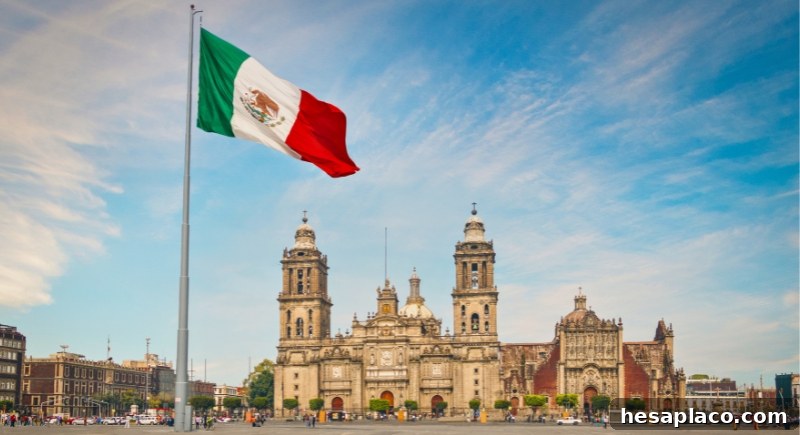
Following a phone call between President Trump and Mexico’s President Claudia Sheinbaum, many non-auto and non-metal exports were given relief—provided they comply with USMCA rules. Still, Mexico faces steep duties: 50% on steel, aluminum, and copper, and 25% on cars and products linked to fentanyl. The country avoided a wholesale hit but remains subject to significant targeted tariffs.
Overall, the tariff list reflects a mix of economic grievances, security concerns and political signaling. For some countries the measures are largely symbolic; for others they carry the potential for real disruption in key industries. The unfolding diplomatic responses and any reciprocal measures will determine how deeply these tariffs affect global trade patterns in the months ahead.