
There’s a running joke that Gen Z can’t afford houses because they spend all their money on iced coffee. It’s a meme, but it misses the reality. Behind the jokes and viral videos, Gen Z faces real, widespread financial strain.
They entered adulthood while the rules around work, income, and security were shifting. The American dream their parents described—stable jobs, affordable homes, reliable retirement—feels like a moving target, increasingly difficult to reach.
Rather than dwelling on what’s already been lost, the urgent question is what kind of future Gen Z can realistically build. Young adults worry their chances to secure homes, raise families, and retire comfortably are slipping away.
The Price Of Just Existing

Image via Getty Images/Makidotvn
Everyday costs have risen sharply. In 2024, Gen Z spent roughly 31 percent more on housing than millennials did at the same age, even after adjusting for inflation, according to Bureau of Labor Statistics data. Car insurance for young drivers more than doubled between 2012 and 2022, and health insurance costs rose nearly 50 percent over the same period. By contrast, typical incomes grew only about 26 percent.
Rent is a major drain on savings. RentCafe’s analysis indicates that by age 30, Gen Z will have spent around $145,000 on rent compared with about $126,000 for millennials. That gap helps explain why many twenty-somethings stay in family homes longer or share housing with more roommates than they anticipated. Saving for a down payment feels less like a concrete five-year goal and more like wishful thinking.
Drowning In Debt Before The Swim Starts
Debt is a defining issue for this generation. A 2025 Vola Finance report put average personal debt for Gen Z at $94,101—far higher than the roughly $59,000 for millennials and $53,000 for Gen X. The report also found that 63 percent of Gen Z users experienced delinquency, compared with 37 percent of older generations.
Credit card debt is a particular hazard: by 2024, about one in seven Gen Z adults had maxed out cards, the New York Fed reported—the highest rate among age groups. With average interest rates around 22 percent, balances escalate quickly. Student loan burdens add pressure too: borrowers aged 20 to 25 carried about $21,000 on average, roughly 13 percent more than millennials at the same age.
Work, Or The Lack Of It
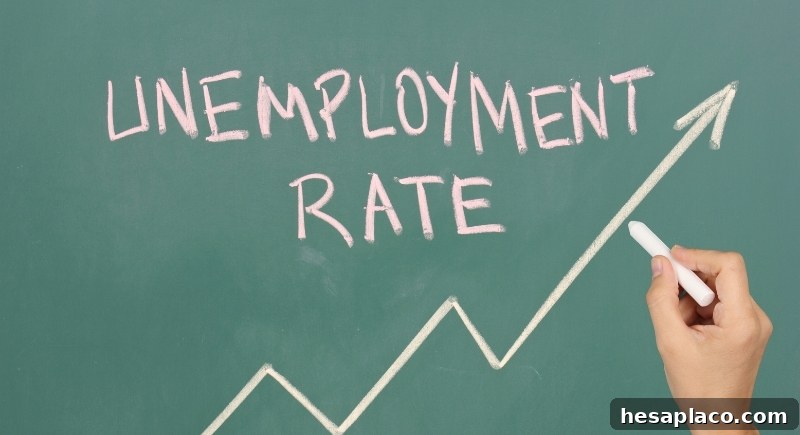
Image via Getty Images/numbeos
Securing stable employment is no guarantee. In Canada, youth unemployment reached one of its highest levels outside the pandemic years, according to Statistics Canada, leaving graduates sending hundreds of applications just to get a few interviews. Economists warn that starting a career in a weak labor market can cause “wage scarring,” where earnings never fully recover compared to peers who began work during stronger economic periods.
In the United States, new graduates have also struggled: the New York Fed observed that for the first time, recent college graduates were more likely to be unemployed than the broader population. Layoffs in tech and automation replacing entry-level roles have pushed many into jobs that don’t match their qualifications, limiting income growth and career progression.
Life Plans On Hold
The financial pressure is reshaping life choices. Surveys reveal Gen Z is delaying dating, postponing moving out, and putting off having children because of cost concerns. About half report having no emergency savings, and more than 40 percent say they aren’t on track to save for retirement in the next five years. Some are withdrawing from retirement accounts early or selling possessions to make ends meet.
Despite these setbacks, many still aspire to homeownership, marriage, and parenthood. Yet the math is harsh: as one 27-year-old teacher in Illinois noted in 2025, even the cheapest one-bedroom nearby costs roughly $1,300 a month on a $32,000 salary, making progress toward long-term goals slow or impossible for many.
A Generation Wide Awake
It’s easy to compare Gen Z to millennials, but the challenges are broader and deeper. Millennials faced the Great Recession; Gen Z confronts the combined effects of a global pandemic, heavy personal debt, soaring housing costs, and stagnant wages. Older generations often benefited from stronger safety nets and different labor markets; Gen Z lacks the same cushion.
Still, the picture is not entirely bleak. Research shows many young people are cutting discretionary spending, building whatever savings they can, and rejecting peer pressure to overspend. Financial prudence is prized in relationships, with responsibility frequently rated as a top quality. The generation shows resilience and discipline—but whether the economy will afford them a fair chance to translate that resilience into long-term stability remains an open question.