
Huge jackpots come with long odds, and winning doesn’t guarantee security or happiness. Many lottery winners have faced lawsuits, criminal investigations, or devastating personal losses within months of their windfalls. Others lost their fortunes through gambling, poor financial planning, or fraud. A small number gave away large sums and later declared bankruptcy. Even winners of billion-dollar prizes have confronted house fires, serious health problems, and intense public scrutiny. Lottery money has undeniably changed lives—sometimes in permanent and painful ways.
Edwin Castro

Credit: Instagram
The winning ticket that produced the largest U.S. jackpot in history came from a gas station in Altadena, California. After claiming the $2.04 billion prize, Edwin Castro faced a lawsuit from a man who alleged the ticket had been stolen. The court dismissed the claim, but Castro later suffered another loss when a wildfire destroyed his Malibu home. His experience illustrates how sudden wealth can attract legal challenges and unwanted attention, and how unforeseen disasters can still affect those with newfound money.
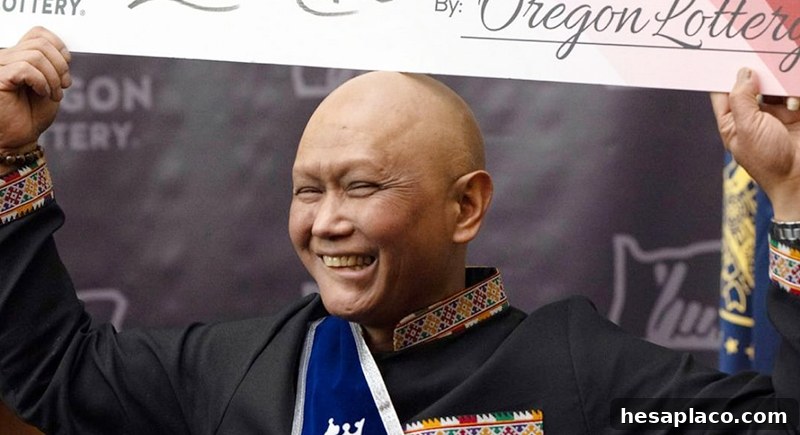
Charlie Saephan
Credit: Instagram
After claiming a $1.3 billion prize in 2024, Charlie Saephan focused on long-standing health challenges. Nine years into cancer treatment, he used part of his winnings to continue medical care and scheduled two surgeries shortly after the win. He stayed in Portland, where he lived before the drawing, and chose not to make dramatic lifestyle changes. Saephan’s case underscores that a lottery win does not erase ongoing personal struggles, and that many winners prioritize health and stability over flashy spending.
Lara and Roger Griffiths

Credit: Facebook
This U.K. couple claimed a £2.4 million jackpot in 2005 and initially enjoyed new luxuries—a Porsche, home upgrades, and overseas trips. Their fortunes turned when an underinsured house burned down, and subsequent reports of infidelity and separation surfaced. Within five years the money was gone, and their marriage did not survive much longer. Their story highlights how sudden wealth can strain relationships and leave winners vulnerable to unforeseen setbacks.
Jack Whittaker

Credit: Instagram
Jack Whittaker won $315 million just before Christmas in 2002 and soon faced problems he attributed to the money itself. Thieves repeatedly broke into his car and stole large sums, legal battles targeted his business, and his family endured tragic losses, including the death of his granddaughter under troubling circumstances. Whittaker later said the experience exposed his family to unwelcome attention and caused long-lasting harm.
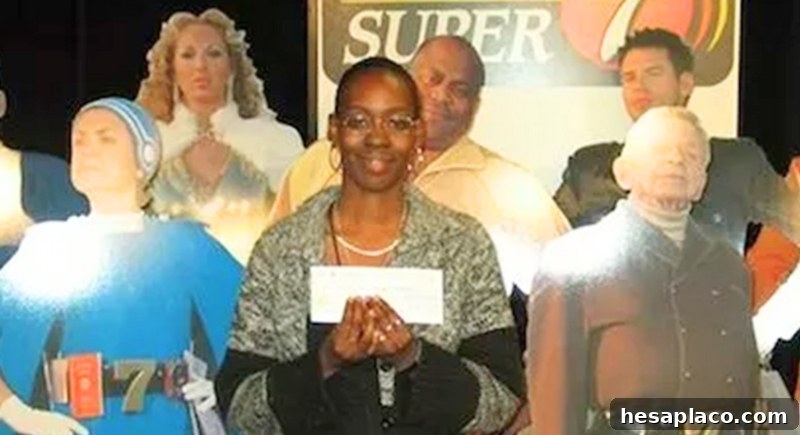
Sharon Tirabassi
Credit: lottoanalyst
When a $10 million check arrived for Sharon Tirabassi in 2004, she had been living on welfare. She spent freely on parties, designer goods, loans to friends, and travel. Less than a decade later she was back riding the bus and working part-time while renting. Tirabassi did create trusts for her six children, which they can access at age 26, but her story illustrates how large, sudden sums can be depleted quickly without careful planning and financial guidance.
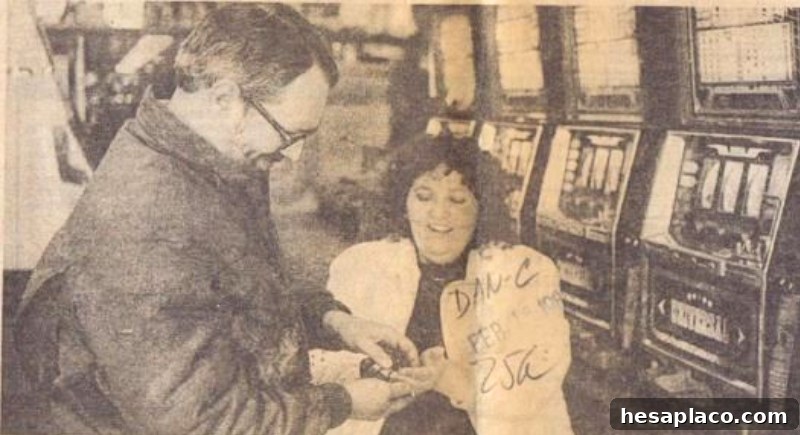
Evelyn Adams
Credit: Alchetron
Evelyn Adams won back-to-back jackpots in the mid-1980s that totaled more than $5 million. She became a frequent visitor to Atlantic City casinos, and later reports showed she lost much of her winnings to gambling. Adams said she felt overwhelmed by constant requests for money, and her name became an early example in media accounts about lottery winners who struggled financially after their wins.
Theodorus Struyck

Credit: Reddit
Months after participating in a $1.76 billion Powerball jackpot, retired UPS worker Theodorus Struyck was still seen driving his old truck. He stayed with relatives in San Diego while reportedly searching for a home in the area. Struyck shared some of his winnings with friends and chose to keep his plans largely private. His situation shows that many winners prefer to maintain familiar routines and gradual changes rather than sudden, dramatic shifts in lifestyle.
Bud Post
Credit: Instagram
After a $16.2 million payout in 1988, Bud Post’s life spun into legal troubles, unpaid bills, and personal threats. A former girlfriend successfully sued for a large portion of the prize, and his brother later tried to hire a hitman to kill him. Post launched several businesses that failed and had a public altercation that ended with him firing a gun during a dispute with a bill collector. His ordeal highlights the extreme and dangerous fallout that can accompany sudden wealth.
Michael Carroll
Credit: Reddit
At 19, Michael Carroll won nearly £10 million and spent heavily on cars, drugs, and parties, becoming a fixture in British tabloids. Within about five years the money was gone, and legal troubles followed. Carroll’s highly publicized downfall was used repeatedly as a cautionary tale about impulsive spending and a lack of long-term financial planning.
Janite Lee

Credit: SBS
Janite Lee became known for her generosity after winning $18 million, donating significant sums to political campaigns and funding a university reading room. Those early gifts earned praise, but behind the public philanthropy she struggled with gambling losses and mounting credit card debt. By 2001 she filed for bankruptcy, demonstrating that charitable giving and public praise do not shield winners from poor financial outcomes when spending and debts grow unchecked.
These stories illustrate a common lesson: winning the lottery can create opportunities, but it also brings risks. Without careful planning, legal protection, and emotional support, sudden wealth can amplify existing problems or create new ones. For most winners, prudent financial advice, secure estate planning, and measured personal decisions are essential to preserving both money and well-being over the long term.