
When economic stability falters, the currency often takes the sharpest blow. In those moments, some assets and preparations become far more valuable than others. A practical, well-rounded approach increases your chances of weathering upheaval without being caught unprepared. Think beyond bank balances—consider durable goods, alternative currencies, and skills that maintain independence.
Below are effective strategies to protect yourself if the dollar weakens significantly.
Foreign Currency Holdings
Credit: Getty Images
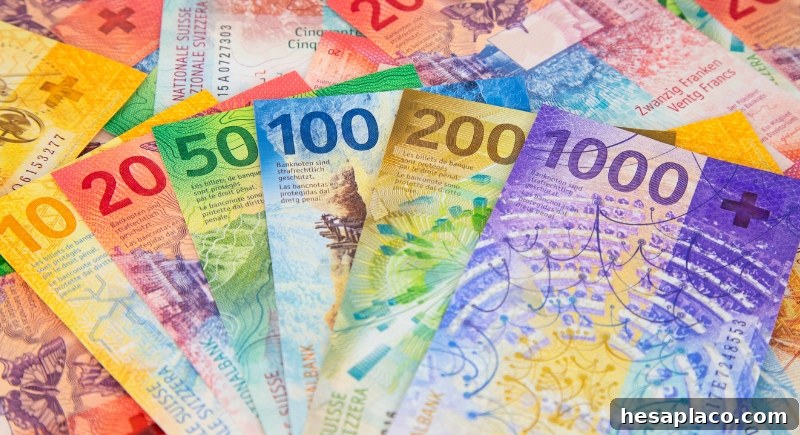
Not all paper currencies react the same way to shocks. Historically, the Swiss franc and Japanese yen have shown relative stability and discipline, often not plunging as quickly during global anxiety. Holding a portion of savings in stronger foreign currencies can reduce exposure to sudden dollar swings.
Gold and Precious Metals

Credit: pexels
Gold remains a traditional hedge in times of currency stress: it is scarce, broadly recognized, and not tied to any single government. Silver, platinum, and palladium can offer similar protection and sometimes benefit from industrial demand. Allocating a portion of wealth to physical precious metals or well-regulated funds offers diversification when paper money loses purchasing power.
Bitcoin and Other Cryptocurrencies
Credit: Canva
Cryptocurrencies like Bitcoin are volatile, but their independence from central banks and political systems is what attracts many investors during crises. For those comfortable with price swings, cryptocurrencies can serve as an alternative store of value and a hedge against traditional financial system risks. Treat them as part of a diversified plan rather than a sole solution.
Income-Generating Real Estate

Credit: Getty Images
Residential and commercial properties that produce rental income tend to retain practical value, particularly if rents can be adjusted to reflect inflation. Unlike some investments that fall on bad headlines, an occupied rental can continue to provide cash flow, making real estate a durable component of a crisis plan.
Dividend-Paying Equities

Credit: Getty Images
Stocks that consistently pay dividends—particularly from stable, essential industries—can provide steady income during turbulent periods. While dividends may not always outpace inflation, they add resilience and passive cash flow that helps offset market volatility.
Short-Term Bonds for Stability
Credit: Getty Images
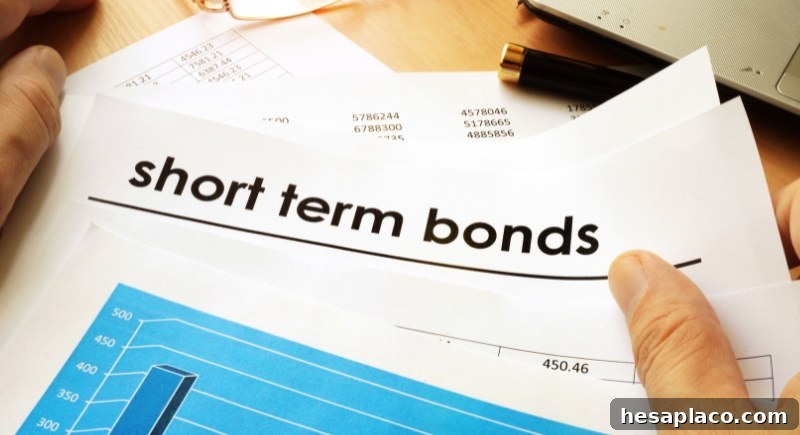
Short-term government securities, like short-dated Treasury bills, are commonly used to preserve capital and provide liquidity. They offer lower returns than riskier assets but typically reduce volatility and protect purchasing power over short horizons.
Foreign Stock Investments
Credit: Canva
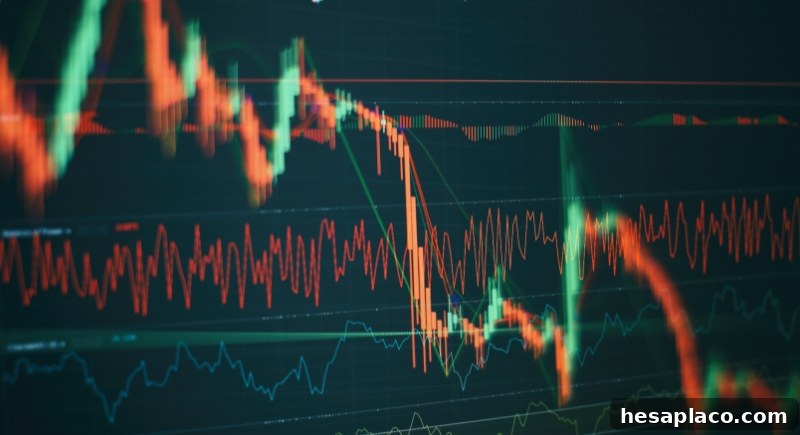
Geographic diversification helps. Investing in companies that earn revenue in other currencies or operate across many countries reduces concentration risk. Global companies with diversified customer bases are less likely to be crippled by the collapse of any single currency.
Tradeable Everyday Items
Credit: Canva
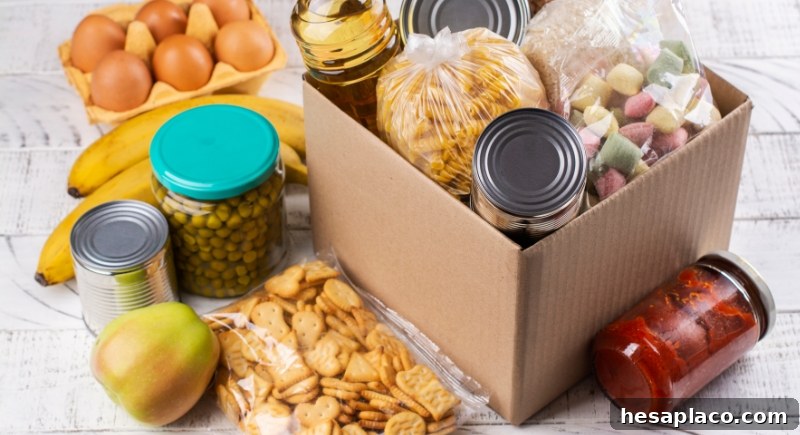
When currency values fall or supply chains break down, everyday staples such as soap, alcohol, and canned goods gain practical and barter value. Stocking tradeable essentials ensures you can meet personal needs and exchange necessities in disrupted markets.
Stored Food and Clean Water
Credit: Syda Productions
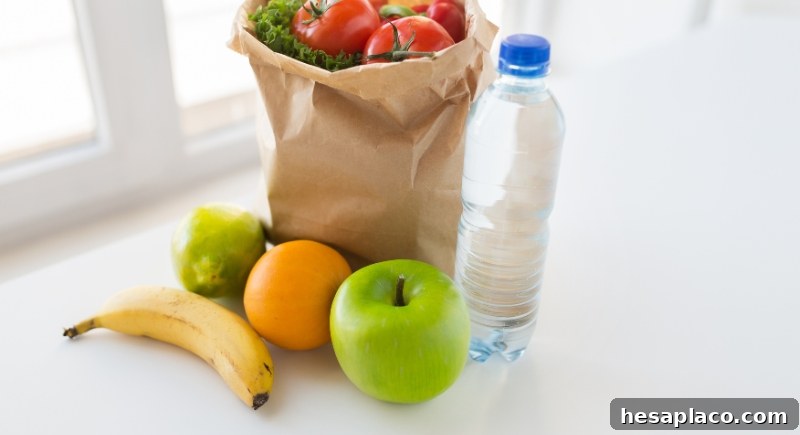
Non-perishable foods like rice, beans, and oats, along with reliable water storage and filtration, are foundational. These supplies reduce dependence on strained distribution networks and provide tangible security when shopping and supply access become uncertain.
Skills That Support Independence
Credit: pexels
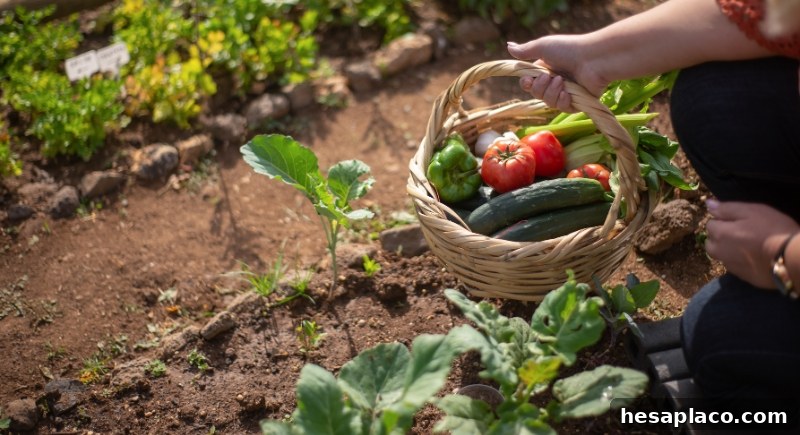
Practical skills—sewing, gardening, basic plumbing, first aid—become invaluable when services and stores are limited. Those who can repair, grow, or provide basic medical care reduce dependence on strained systems and often become community resources.
Manual Tools for Repairs
Credit: Canva
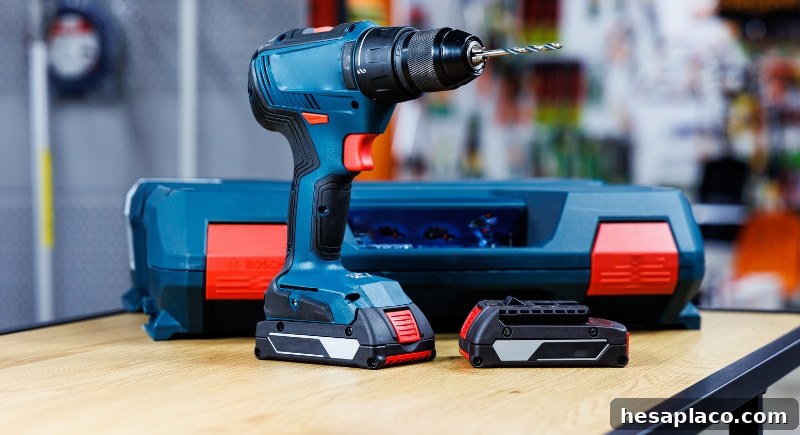
A good set of hand tools—wrenches, saws, hammers, pliers—lets you handle common repairs without relying on contractors. Tools also support bartering and longer-term self-reliance when services are unavailable or expensive.
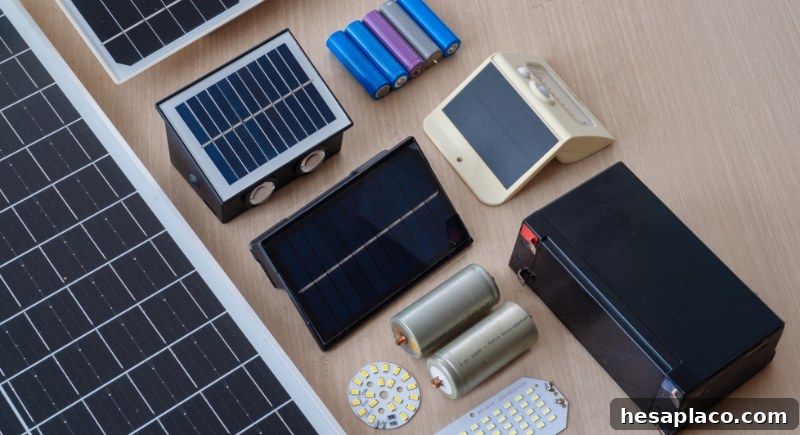
Alternative Energy Solutions
Credit: Canva
Portable solar chargers, battery storage, and off-grid energy systems can keep essential devices running during outages or fuel shortages. These solutions maintain communication, lighting, and basic refrigeration when grid power is unreliable.
Durable Clothing and Footwear

Credit: pixelshot
Invest in durable, functional clothing—waterproof boots, weatherproof outerwear, and versatile layering pieces. Quality items last longer, reduce replacement costs, and keep you comfortable in adverse conditions, stretching tight budgets and lowering consumption.
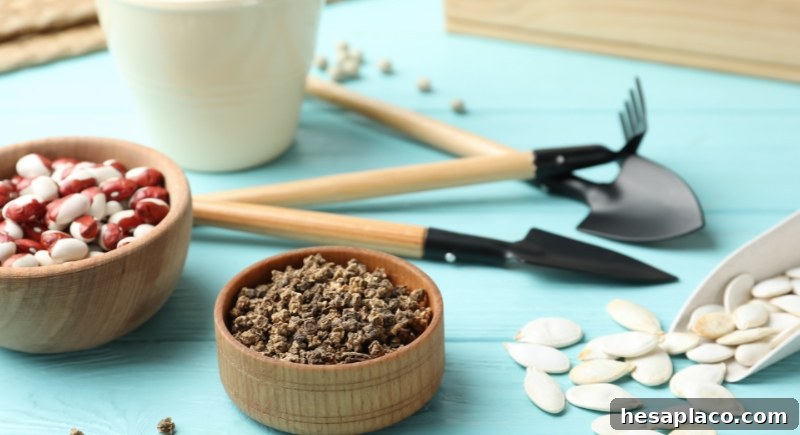
Seeds and Garden Tools
Credit: Africa images
Heirloom seeds and basic gardening tools enable small-scale food production, increase self-sufficiency, and reduce exposure to inflation in grocery prices. Even modest plots can produce valuable fresh food and serve as tradeable goods in times of scarcity.
Whole Life Insurance With Cash Access

Credit: Getty Images
Certain whole life insurance policies accumulate cash value that policyholders can borrow against, providing an alternative source of liquidity outside traditional banking channels. For some investors, these policies serve as a conservative component of a diversified risk-management plan.
No single strategy guarantees protection against a collapsing currency. A balanced approach—mixing liquid assets, tangible goods, income-producing investments, practical skills, and basic preparedness—improves resilience. Evaluate your risk tolerance, local conditions, and time horizon, then build a plan that reflects both financial and practical readiness.