
Over the past year, headlines have regularly warned that artificial intelligence is coming for your job. If you or someone you know has been laid off from a white-collar role recently, it’s easy to assume a chatbot is to blame. While AI is changing how work gets done, the root causes of the white-collar layoffs in 2024 and 2025 are more complex—driven primarily by corporate strategy shifts, macroeconomic tightening, and traditional cost-cutting rather than a single technology replacing workers overnight.
ChatGPT didn’t pull the trigger on layoffs. It didn’t decide which roles to eliminate or alter org charts. What’s unfolding is a multifaceted, human story of companies recalibrating after a period of rapid growth and investor pressure to improve margins.
The Layoff Landscape: It’s Not Just Tech
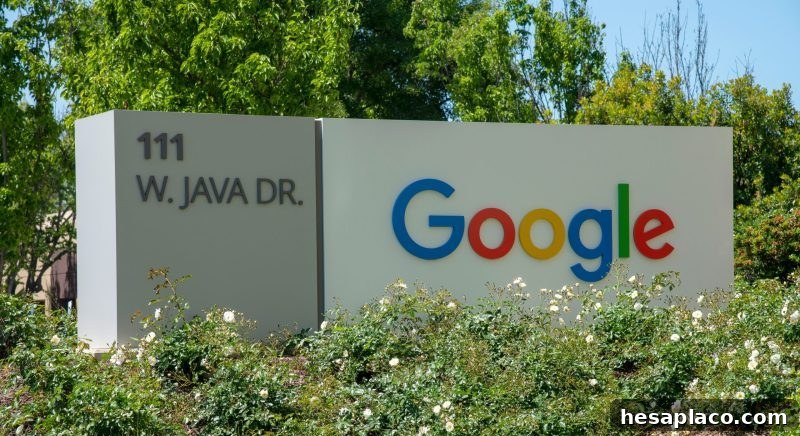
Image via Unsplash/Greg Bulla
While big tech companies—Microsoft, Google, Amazon, and Meta—grabbed headlines for large-scale reductions in force, they were not alone. Businesses across media, finance, consumer goods, and other sectors cut roles as they reassessed staffing levels. Many of those layoffs affected high-paying roles such as software engineering, sales, HR, and middle management.
Data from the U.S. Bureau of Labor Statistics shows a slowdown in hiring for the professional and business services sector in 2024 and into early 2025, with a reported -0.4% change in job growth in May. Meanwhile, other sectors like healthcare and construction continued to add workers—healthcare alone added roughly 62,000 jobs—revealing a mixed labor market where white-collar positions have been more exposed to reductions.
What’s Actually Behind the Layoffs
Economists tracking the labor market are cautious about blaming AI as the primary force. Cory Stahle of job search site Indeed summarized the situation as an economic story more than an AI disruption—at least for now. Similarly, analysts at the Roosevelt Institute point out that white-collar job growth had already slowed well before generative AI entered public conversation.
Companies that expanded rapidly during and after the pandemic are now correcting course. Overhiring in 2021 and 2022, higher interest rates, slower market growth, and pressure from investors to demonstrate profitability all contribute to reductions in headcount. Those factors explain much of the recent activity more clearly than the idea that AI is autonomously replacing workers.
The Middle Manager Problem
Mid-level managers have been frequent targets in the restructuring wave. A move that began subtly in 2023 accelerated as companies sought flatter organizations and faster decision-making. Even top executives have publicly questioned multi-layered management structures. At several large firms, mid-level management ranks were trimmed and reconfigured into smaller, more autonomous teams with simpler reporting lines.
McKinsey research suggests that many middle managers spend a minority of their time on direct people management, instead devoting hours to reporting, meetings, and process administration. Those activities are often seen as expendable when firms streamline operations—making managers vulnerable in reductions that are more about structure and efficiency than a specific technology taking over.
Yes, AI Is In the Room—But It’s Not Running It

Image via Freepik/rawpixel.com
AI tools are being adopted to boost efficiency, and in some cases their introduction has coincided with workforce reductions. Executives at companies like Amazon and Klarna have spoken about using generative AI to streamline operations and support smaller teams. AI can take on repetitive tasks—data entry, initial content drafts, routine customer replies—freeing human employees for more complex work.
However, AI does not replace leadership, relationship-building, strategic planning, or complex decision-making. A 2024 analysis from Indeed found that among thousands of job skills examined, fewer than 1% were “very likely” to be fully replaced by generative AI, while the majority of skills were judged “unlikely” or “very unlikely” to be automated soon. That suggests AI is an augmenting force rather than an immediate wholesale substitute.
Specialization, Not Automation, Is the Bigger Deal
Another important factor is the labor market’s tilt toward specialization. Job postings increasingly demand specific tools, niche certifications, or expertise in emerging areas such as AI governance and data science. Employers have become less willing to invest in long training periods for generalists—many prefer candidates who can be productive quickly.
This shift means that many capable professionals now compete for fewer, more narrowly defined roles. While elite positions—especially in AI research and development—still command very high compensation packages, those openings are limited. For the typical corporate worker, the market has become more competitive and specialized.
There has also been a broader psychological and strategic shift. The post-pandemic growth mindset gave way to caution as economic conditions tightened. Many companies moved from a “growth at all costs” approach to focusing on efficiency and sustainable profitability, which translates into slower hiring and tougher workforce decisions.
So, What Now?
If you’re working in a white-collar role that feels less secure, your concern is valid—but it’s not mainly because a chatbot is replacing you. The current round of job cuts reflects intertwined economic pressures, restructuring choices, and a move toward specialized hiring. Generative AI remains a valuable tool that automates routine tasks, but it lacks the capacity for nuanced judgment, emotional intelligence, and strategic creativity that human professionals provide.
The immediate challenge for many workers is adapting to a labor market that prizes specific skills and demonstrable value. Staying competitive will often mean updating technical competencies, cultivating domain expertise, and emphasizing the human capabilities—leadership, critical thinking, client relationships—that AI cannot replicate. In short, resilience and continuous skill development are the best responses to a changing corporate landscape.