
Technology rarely waits for permission before moving forward. One moment a device feels indispensable; the next it sits forgotten in a drawer, replaced by something thinner, faster, more connected, or simply more convenient. Below is a look at everyday tools and gadgets likely to fade away as new technologies become the norm.
Physical Credit Cards

Credit: Canva
Contactless payments, digital wallets, bank apps, and biometric authentication are steadily displacing plastic cards. With a growing share of consumer spending moving to cashless transactions, services such as Apple Pay and Google Wallet make purchases faster and more secure. As mobile and biometric options expand, many consumers are carrying fewer physical cards.
Gaming Consoles

Credit: Canva
Cloud gaming services like GeForce Now and Xbox Cloud Gaming enable players to stream high-end titles to phones, tablets, and laptops with minimal local hardware. With fast internet and a compatible controller, many gamers no longer need a dedicated console. As cloud infrastructure and streaming libraries grow, console-free gaming becomes increasingly practical.
Remote Controls
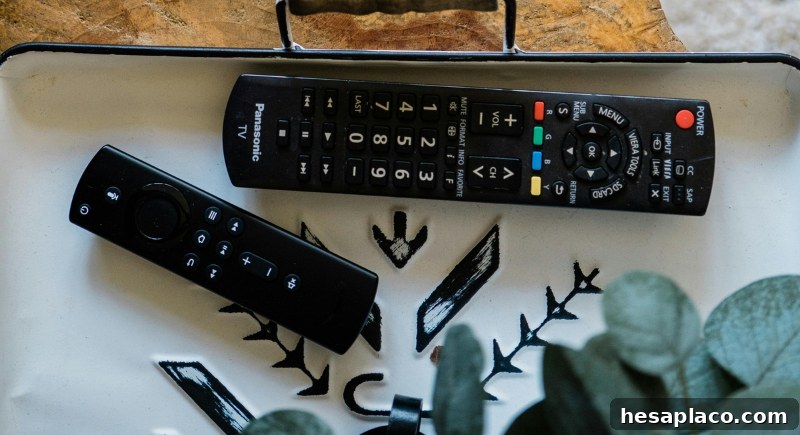
Credit: pexels
Voice assistants and smart speakers are replacing the traditional remote. Amazon Echo, Google Assistant, and built-in TV voice controls handle streaming, volume, and connected-device commands without buttons. As these systems improve, households are embracing voice and app-based controls over multiple physical remotes.
LCD Televisions

Credit: iStockphoto
OLED panels offer thinner profiles, better color and contrast, and improved energy efficiency compared with traditional LCDs. Innovations such as ultra-thin “wallpaper” displays have begun pushing LCDs out of high-end markets. As OLED manufacturing scales and prices fall, many consumers will opt for the superior picture quality and slimmer designs of OLED TVs.
Wired Phone Chargers
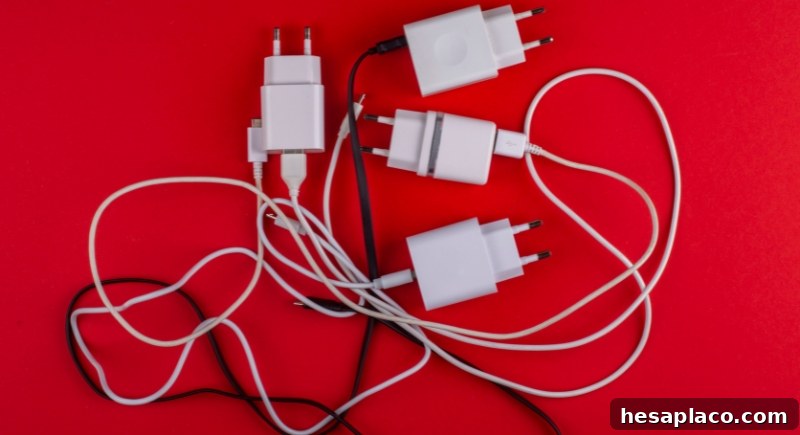
Credit: Getty Images
Wireless charging pads are now standard in bedrooms, cars, and public spaces, and the Qi standard is widely supported by major manufacturers. Research into over-the-air power delivery continues, and experimental systems that harvest energy from ambient signals suggest a future with fewer cords. As wireless options improve, traditional wired chargers may become less common.
LED Light Bulbs
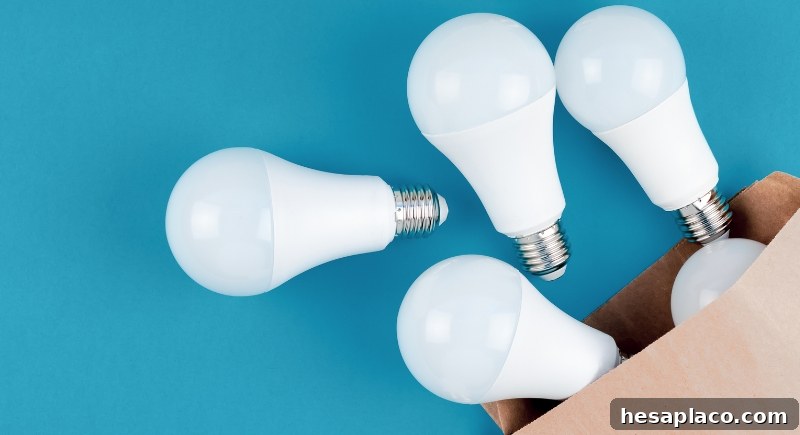
Credit: Canva
OLED lighting panels provide even illumination, are thin and flexible, and produce less heat than point-source LEDs. Lighting manufacturers are investing in OLED technology for architectural and design applications, and market forecasts point to growing adoption. For spaces where uniform light and design flexibility matter, OLED panels are becoming the preferred option.
Optical Storage Media
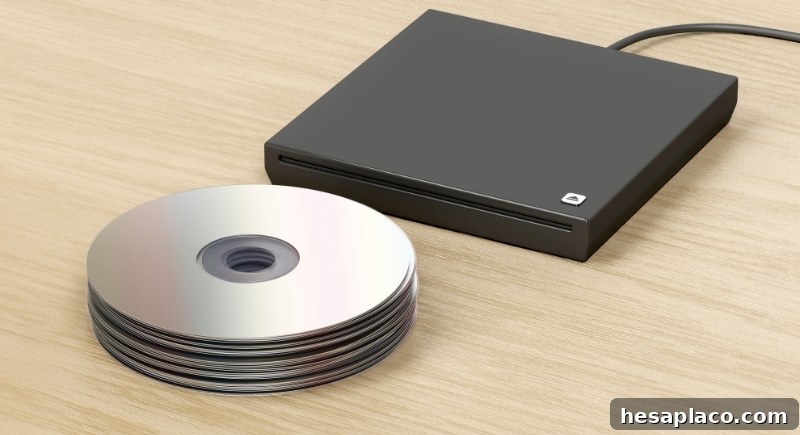
Credit: Canva
Streaming platforms and cloud storage have relegated CDs, DVDs, and Blu-rays to niche uses. Consumers increasingly stream or download music and movies instead of keeping physical discs. With high-speed internet widely available, optical media are increasingly unnecessary for everyday listening and viewing.
Media Streaming Devices
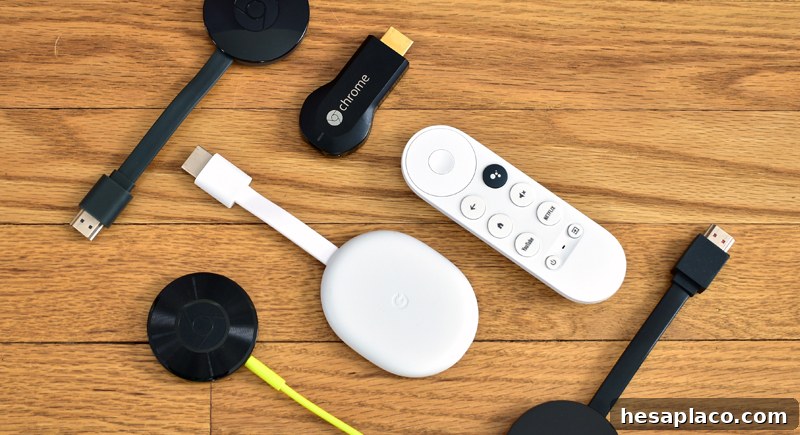
Credit: Wikimedia Commons
Many modern TVs come with built-in smart platforms, reducing the need for separate streaming sticks and boxes. As smart TV operating systems become more capable and app ecosystems improve, external media devices are losing their appeal for the average viewer.
Traditional Alarm Clocks

Credit: Canva
Smartphones, smartwatches, and voice assistants handle alarms, sleep tracking, and wake-up routines, making standalone alarm clocks redundant for many people. Integrated features such as sunrise simulations and personalized sleep alarms offer richer functionality than simple alarm devices.
Intel-Based MacBook Pro
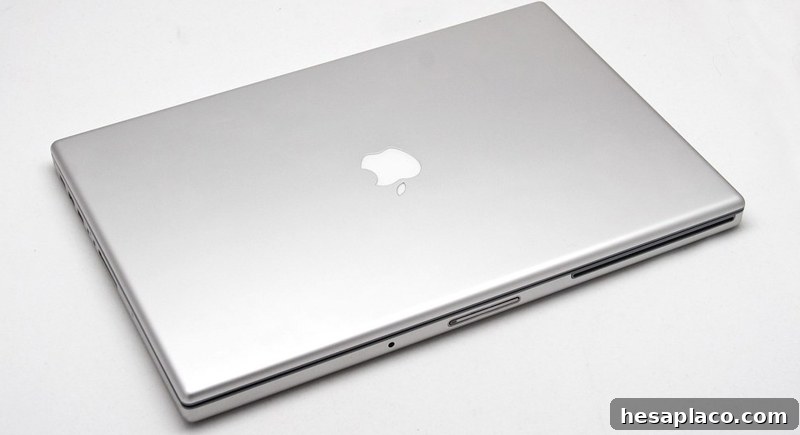
Credit: flickr
Apple’s shift to its in-house M-series processors has rapidly changed expectations for MacBook performance and battery life. M-series models offer notable improvements in efficiency and speed, and as Apple continues the transition, Intel-based MacBooks are becoming legacy devices with diminishing support and appeal.
Upright Vacuums

Credit: flickr
Robot vacuums have captured a significant share of the market by offering automated, convenient cleaning without cords or heavy lifting. While upright vacuums remain useful for deep cleaning and certain tasks, many consumers favor the hands-off convenience of robotic models for daily maintenance.
Passwords

Credit: Getty Images
Biometric authentication—face ID, fingerprint readers, and voice recognition—is increasingly used in place of typed passwords. Industry standards like passkeys are gaining support, aiming to reduce reliance on passwords and improve security by adopting stronger, user-friendly authentication methods.
Physical Car Mirrors

Credit: Getty Images
Digital mirror systems that use cameras and interior displays offer improved visibility and flexibility compared with conventional mirrors. Automotive suppliers are integrating camera-based systems into production vehicles, and as driver-assistance technologies advance, traditional mirrors may be phased out in favor of camera feeds and enhanced sensor suites.
Standalone GPS Devices
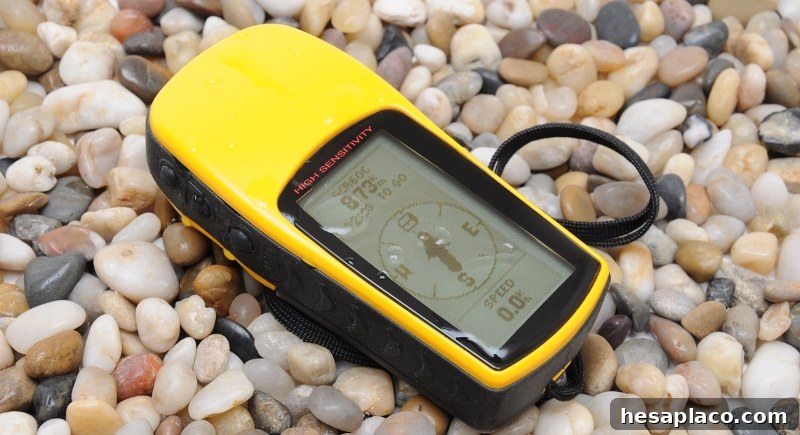
Credit: Getty Images
Navigation apps on smartphones and integrated car infotainment systems provide real-time traffic, rerouting, and voice guidance for free. As these apps become more accurate and ubiquitous, dedicated portable GPS units have seen steep declines in demand.
Fax Machines
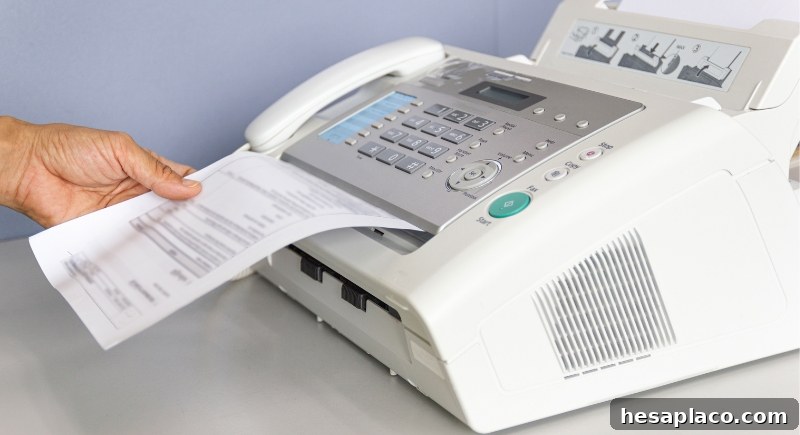
Credit: Getty Images
Email, e-signatures, and cloud document-sharing platforms have greatly reduced the need for faxing. Digital signature services and secure document transfers are now widely accepted across industries, encouraging organizations to move away from paper-based transmission methods.
Portable DVD Players
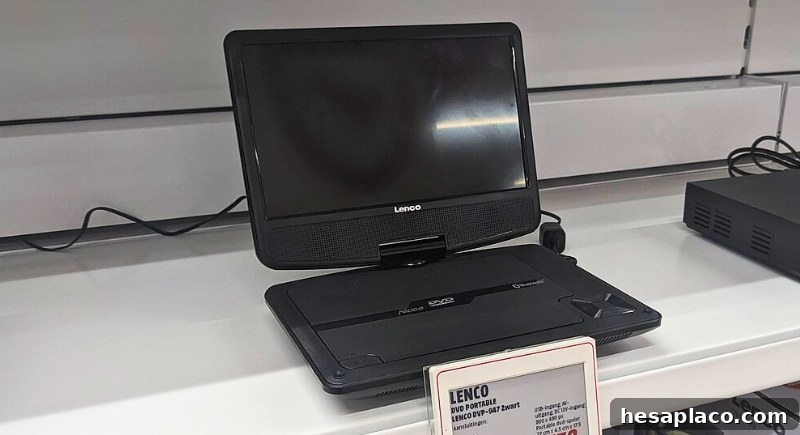
Credit: Wikimedia Commons
Tablets and smartphones now deliver high-definition streaming and large offline libraries, making portable DVD players largely obsolete for travel entertainment. As streaming becomes the dominant way people watch video, disc-based portable players are becoming rare.
E-Readers Without Backlights
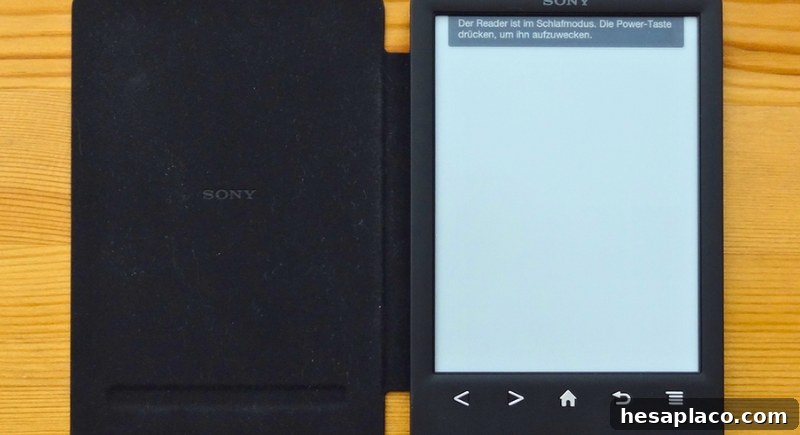
Credit: Wikimedia Commons
E-readers with built-in front lights and waterproofing have made older models without illumination less attractive. Modern devices allow comfortable reading in varied lighting conditions, broadening when and where people read digital books and reducing demand for basic, unlit e-readers.