
A new travel ban takes effect Monday at 12:01 a.m., imposing full or partial restrictions on 19 countries. Twelve nations face a full ban while seven face targeted limitations. The policy resembles travel measures from previous administrations but covers a broader set of countries and is justified by concerns about identity verification, document reliability, and cooperation on security and deportation procedures. Below is a clear, concise overview of the countries affected and the reasons cited for each designation.
Afghanistan
Credit: Getty Images
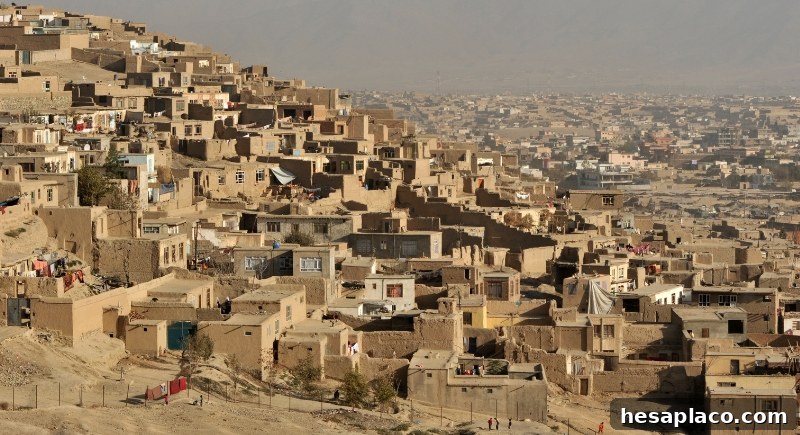
Afghanistan is included on the full ban list, though an exception has been made for Afghans holding Special Immigrant Visas. U.S. officials point to unreliable passport issuance, weak civil documentation systems and insufficient screening capabilities as core reasons for the restriction.
Haiti
Credit: Getty Images
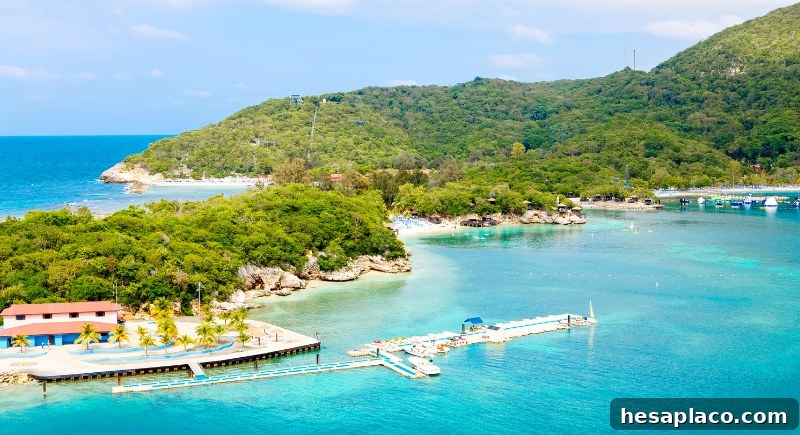
Haiti faces a full ban due to high visa overstay rates, political instability and weakened central authority. Officials flagged law-and-order concerns in Port-au-Prince and the government’s limited capacity to reliably verify traveler identities.
Iran
Credit: pexels
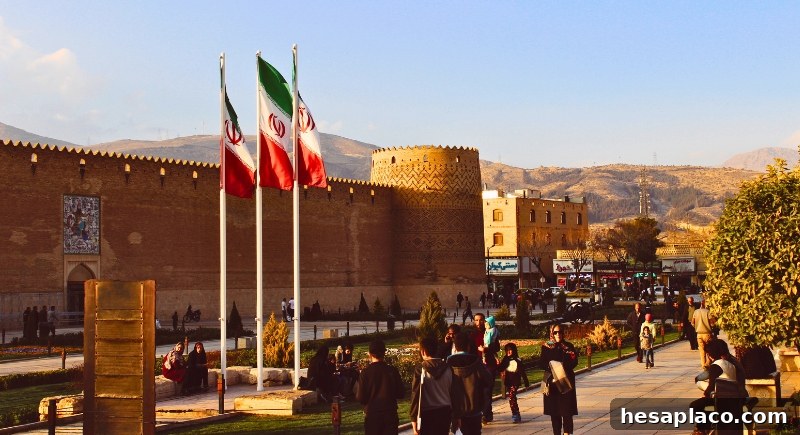
Iran remains subject to tight entry restrictions. Under the updated policy, most visitors are barred unless they qualify for narrowly defined humanitarian or religious visas. The move aligns with prior executive actions focused on security screening of Iranian nationals.
Libya
Credit: Getty Images
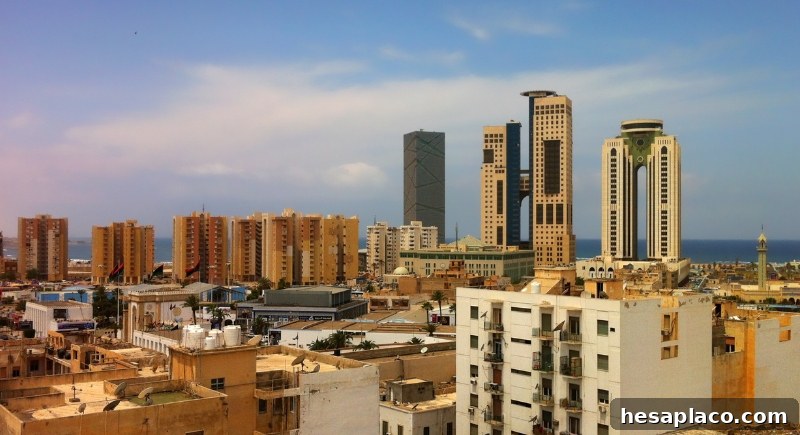
Libya remains on the no-entry list because divided governance and ongoing militia activity have undermined reliable identity verification. U.S. officials cited poor documentation systems and limited cooperation with vetting requirements as reasons for the ban.
Myanmar

Credit: Getty Images
Myanmar is included due to the ongoing impacts of the 2021 coup, violent rule and the breakdown of reliable civil registration systems. Authorities say these conditions hamper effective background checks and identity verification for travelers.
Somalia
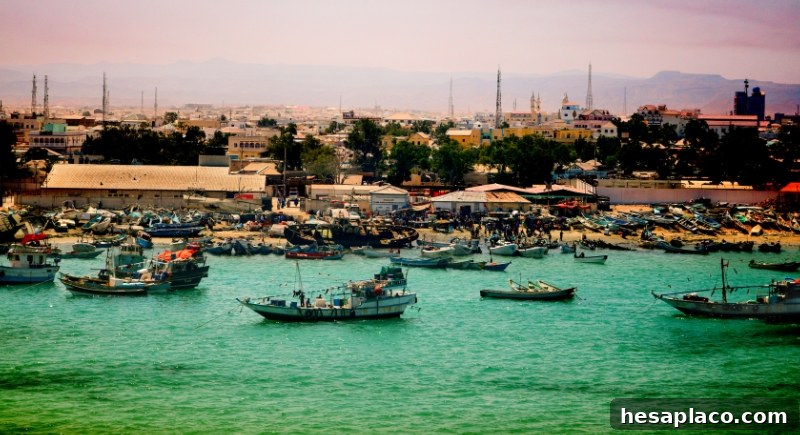
Credit: Getty Images
Somalia remains on the restricted list because of long-standing governance challenges, active extremist groups and unreliable documentation. U.S. officials emphasize that verifying Somali-issued documents to an acceptable standard has proven difficult.
Sudan
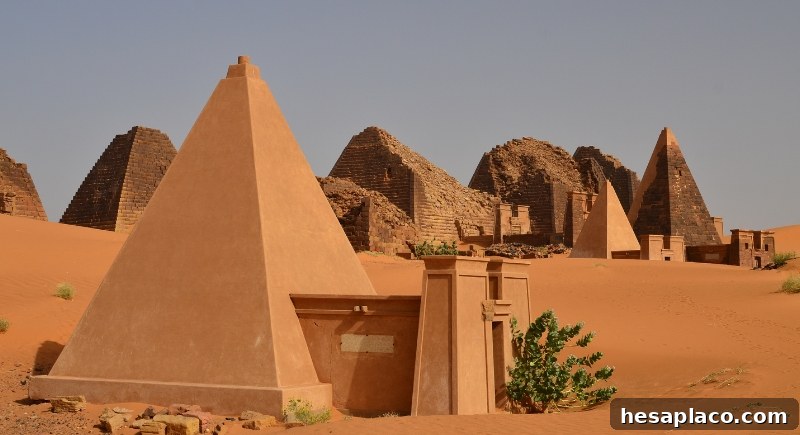
Credit: Getty Images
Sudan is listed because intense fighting between rival factions and a fractured leadership have disrupted civil services and border controls. The instability makes it harder to vet travelers and to arrange safe repatriation when required.
Yemen
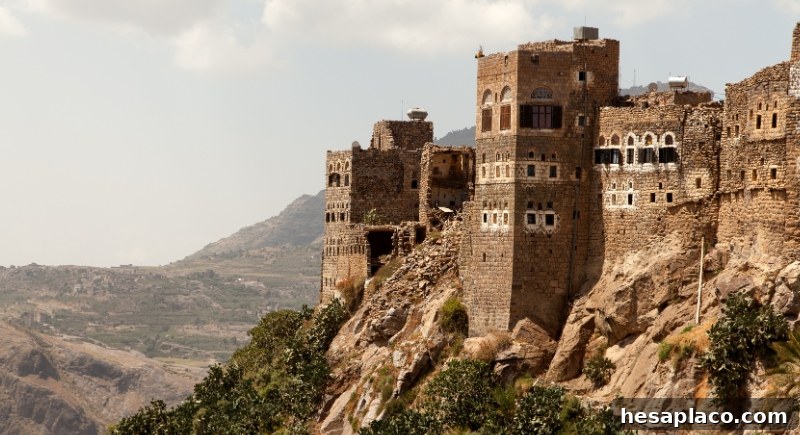
Credit: Getty Images
Yemen’s prolonged conflict continues to disrupt essential civil functions such as border management and identity registration. The U.S. cited those disruptions and an overall inability to reliably assess traveler backgrounds as grounds for restricting travel.
Chad
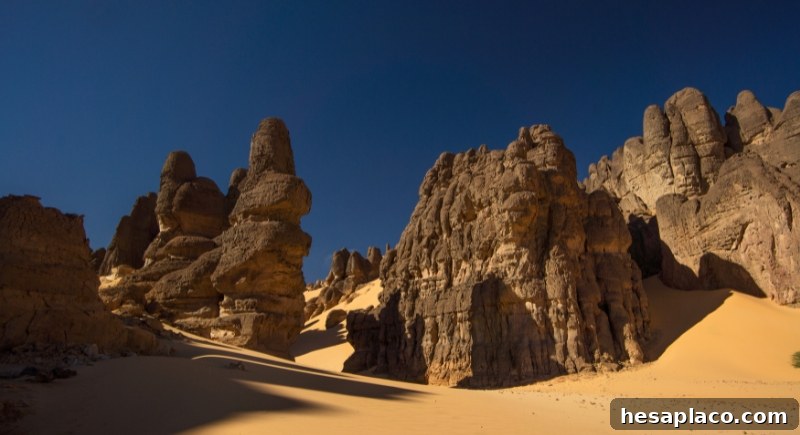
Credit: Getty Images
Chad returns to the restricted list after earlier removal, primarily for failing to meet information-sharing and biometric-data standards. U.S. officials noted concerns about passport validation and a pattern of visa overstays.
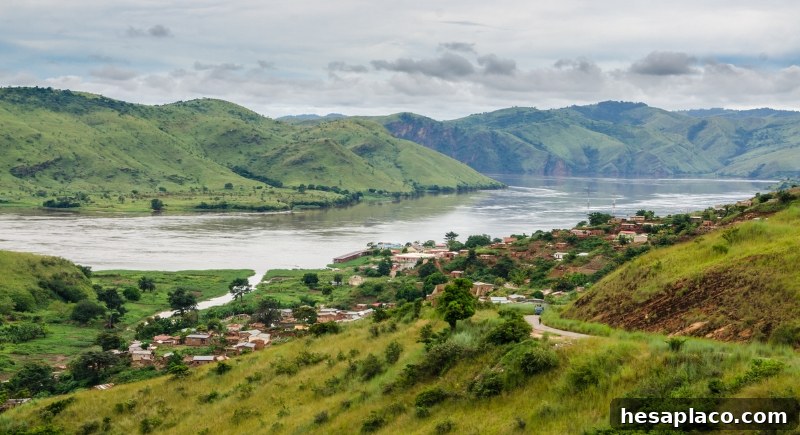
Republic of Congo
Credit: Canva
The Republic of Congo faces a full ban because of chronic governance problems and unreliable civil documentation. Washington says the central government has not provided adequate law enforcement or identity data needed for robust vetting.
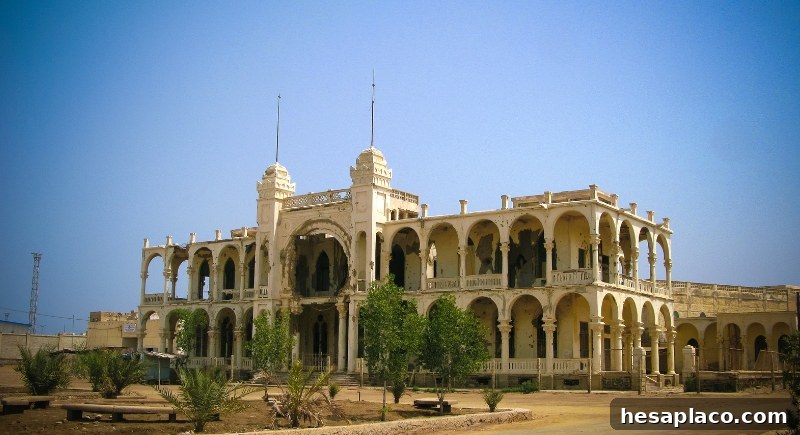
Eritrea
Credit: Getty Images
Eritrea was designated for the list due to its lack of cooperation on deportations and limited sharing of security information. U.S. officials cited persistent doubts about the reliability of Eritrean documentation and a lack of transparency.
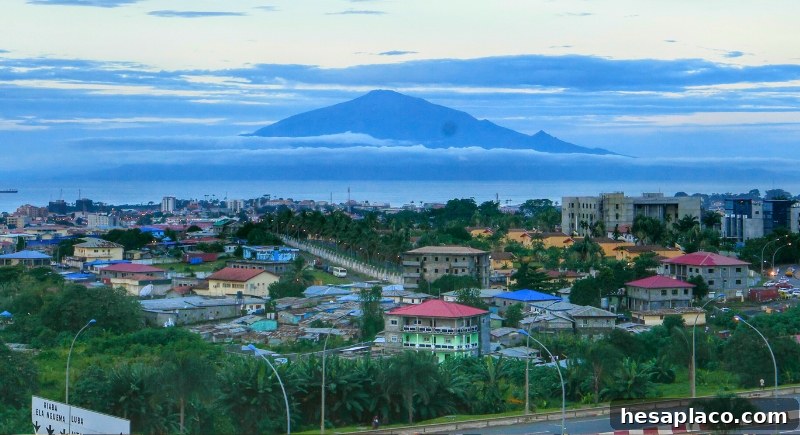
Equatorial Guinea
Credit: iStockphoto
Equatorial Guinea is included because of poor cooperation on deportations and weak screening practices. Although small and rarely in the headlines, officials say the country presents risks under the criteria set by the executive order.
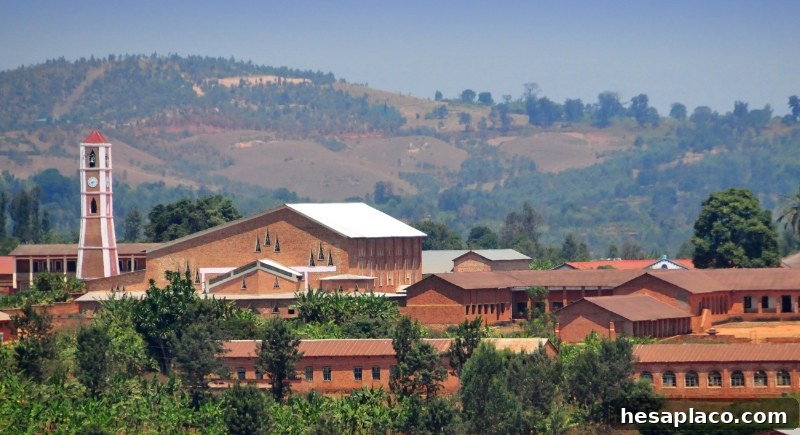
Burundi (Restricted)
Credit: Getty Images
Burundi is subject to targeted restrictions rather than a full ban. New limits affect certain visa categories because of concerns about document fraud and overstays. The approach aims to tighten vetting while still permitting legitimate travel in many cases.
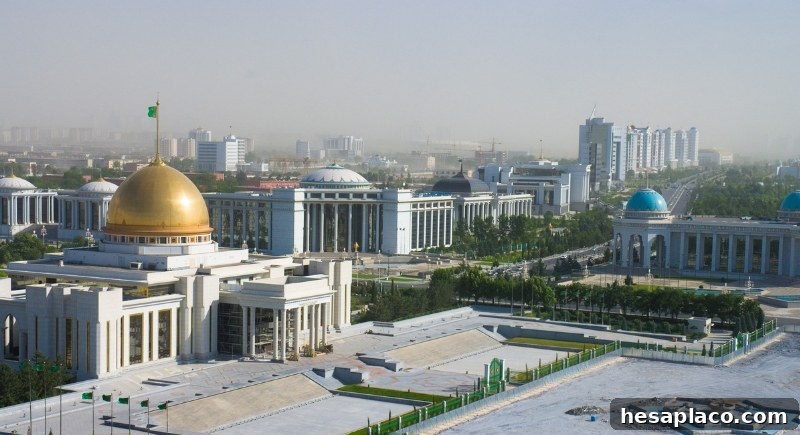
Turkmenistan (Restricted)
Credit: Getty Images
Turkmenistan faces restrictions because U.S. officials identified gaps in information sharing, passport verification and vetting processes. While not a full ban, travelers will encounter stricter checks and additional requirements.
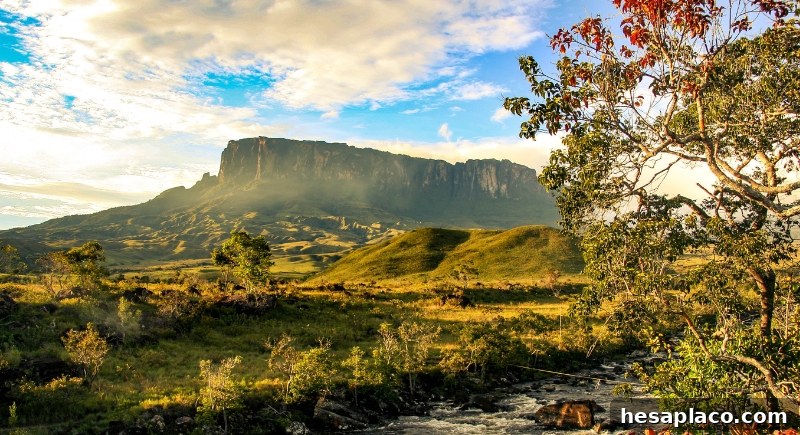
Venezuela (Restricted)
Credit: Getty Images
Venezuela is under targeted restrictions that primarily affect certain government officials and their families, rather than the general population. The policy echoes prior administrations’ efforts to limit travel for authoritarian leaders while allowing most ordinary citizens to travel when documentation is verifiable.
These designations reflect an administrative effort to balance national security and immigration control with humanitarian and diplomatic considerations. The restrictions focus on countries where U.S. officials say documentation, vetting, information sharing or cooperation on deportations are inadequate to meet current security and immigration standards.