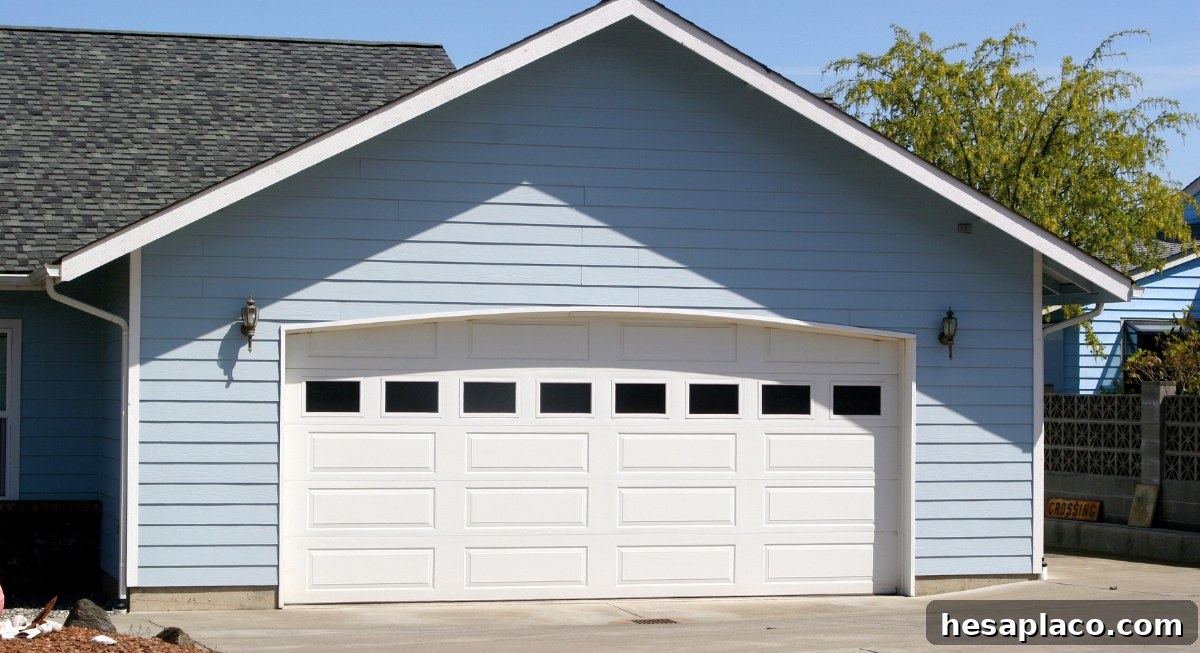
Large corporations often seem to emerge fully formed, complete with sprawling campuses and busy cafeterias. The truth is more modest and human: many of today’s most valuable companies started in cramped, improvised spaces where money was tight and ambition did the heavy lifting. Garages, sheds, and small rooms served as testing grounds for big ideas—concrete floors, extension cords, long nights, and a lot of persistence.
Amazon

Credit: Facebook
In 1994 Jeff Bezos left a New York hedge fund and relocated to Bellevue, Washington. He rented a house and used the garage as the initial workspace to build an online bookstore. Over roughly a year he programmed the original Amazon.com, which launched in July 1995. The garage eventually proved impractical—so many computers overloaded the circuit breakers—but the humble start laid the groundwork for what would become a global e-commerce and cloud powerhouse.

Credit: Wikimedia Commons
Before Google became the search giant it is today, Larry Page and Sergey Brin worked out of a rented garage in Menlo Park in 1998. The space, owned by Susan Wojcicki, doubled as a makeshift headquarters for the team that had started their project at Stanford. The garage helped cover mortgage costs for their host and served as a launching point until the company moved into a more formal office the following year.
Apple

Credit: pexels
Apple’s origin story is famously linked to the garage at Steve Jobs’ parents’ home in Los Altos, California. In 1976 the space served as a venue for assembling and testing early computers before they were sold. While key engineering work happened elsewhere, the garage became a powerful symbol of Apple’s beginnings and is now regarded as a historic site associated with one of the world’s most valuable technology companies.
Microsoft

Credit: Wikimedia Commons
Bill Gates and Paul Allen launched Microsoft in 1975 while working out of a garage in Albuquerque to develop software for the Altair 8800. As demand grew they briefly used a nearby motor hotel for convenience, then moved the company to Washington State in 1979. That modest start grew into one of the largest software companies and employers in the tech industry.
Mattel

Credit: Wikimedia Commons
Mattel began in a Southern California garage in 1944 when Harold Matson and Elliot Handler crafted picture frames and used leftover wood to make dollhouse furniture. Those small pieces sold better than the frames, prompting a pivot toward toys that ultimately led to huge successes like the Barbie doll. The garage-born company developed into a major toy manufacturer.
Hewlett-Packard
Credit: Wikimedia Commons
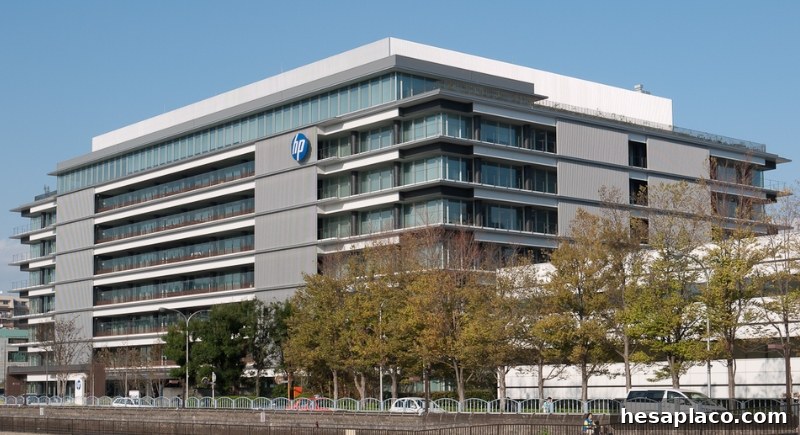
Bill Hewlett and Dave Packard rented a one-car garage in Palo Alto in 1938 and used it part-time to develop electronic test equipment. That small space is often credited as an origin point for Silicon Valley. Their first product, an audio oscillator used to test sound equipment, helped establish a company that would grow into a major technology firm.
Disney

Credit: Wikimedia Commons
In the early 1920s Walt Disney set up a cartoon studio in his uncle’s garage in Hollywood after a failed distribution deal. Using a modest used camera, he and his brother Roy produced the Alice Comedies, which helped launch the Disney Brothers Cartoon Studio. From those humble beginnings the company expanded into a global entertainment empire.
Dell
Credit: Wikimedia Commons
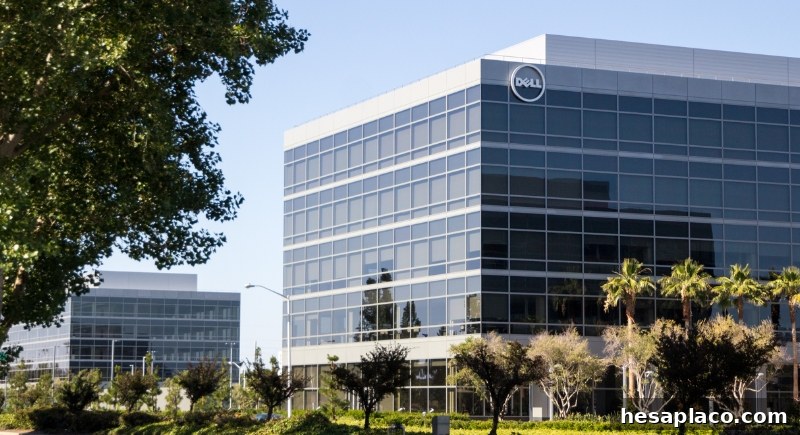
Michael Dell started selling custom-built PCs in 1984 from his dorm room at the University of Texas at Austin. As orders multiplied he moved operations into a nearby garage to gain workspace. Dell soon left college to focus full time on the business, which later grew into a major computer company.
Lotus Cars
Credit: Wikimedia Commons
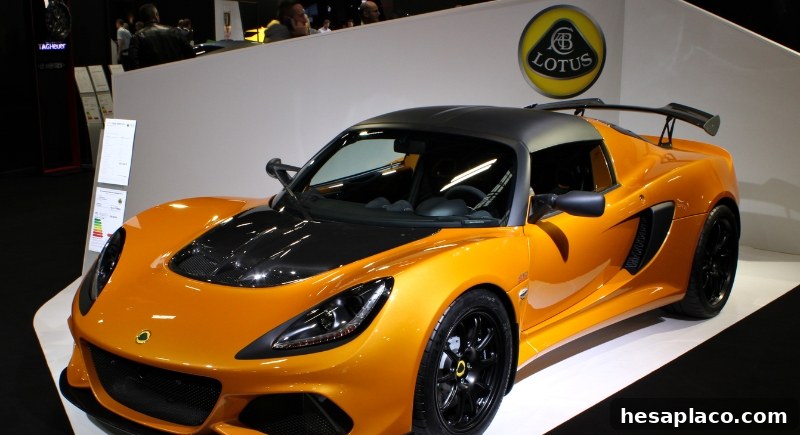
Lotus Cars began when Anthony Colin Bruce Chapman built his first car in a stable adjacent to a hotel in Hornsey, London, in 1948. At just 20 years old and working with limited tools, Chapman experimented with lightweight engineering principles that would define Lotus’s reputation for agile, performance-focused cars. From these modest beginnings the marque developed into a respected sports and racing brand.
Harley-Davidson
Credit: pexels
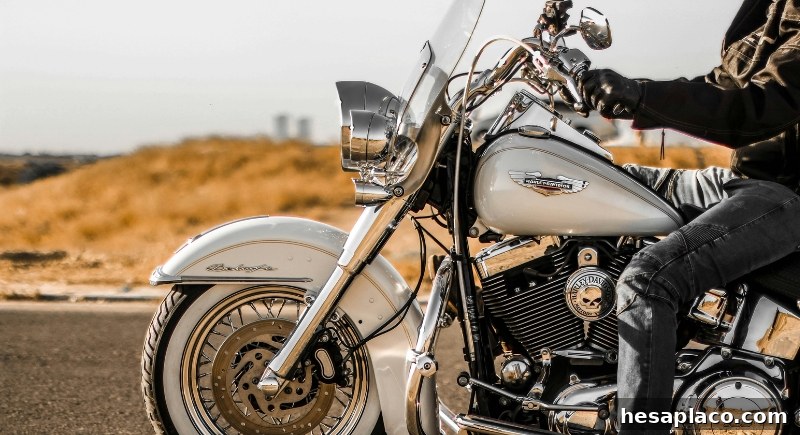
The first Harley-Davidson motorcycle was assembled in 1903 inside a 10-by-15-foot wooden shed in Milwaukee. William S. Harley and Arthur Davidson used the small workspace as a shop and promotional surface, painting the company name on the door. Their early machines quickly earned a reputation for power and durability, helping establish a brand that remains iconic in motorcycling.