It’s one thing for a political leader to spar with the press or an opposing party—expected part of public life. But when a sitting or former president targets universities, tech companies, law firms, cultural institutions, and even major sports leagues all at once, the clashes take on a different scale. Below is a clear, SEO-friendly overview of 20 organizations Donald Trump has publicly clashed with, ranked by how consequential those fights appear and what they reveal about strategy and stakes.
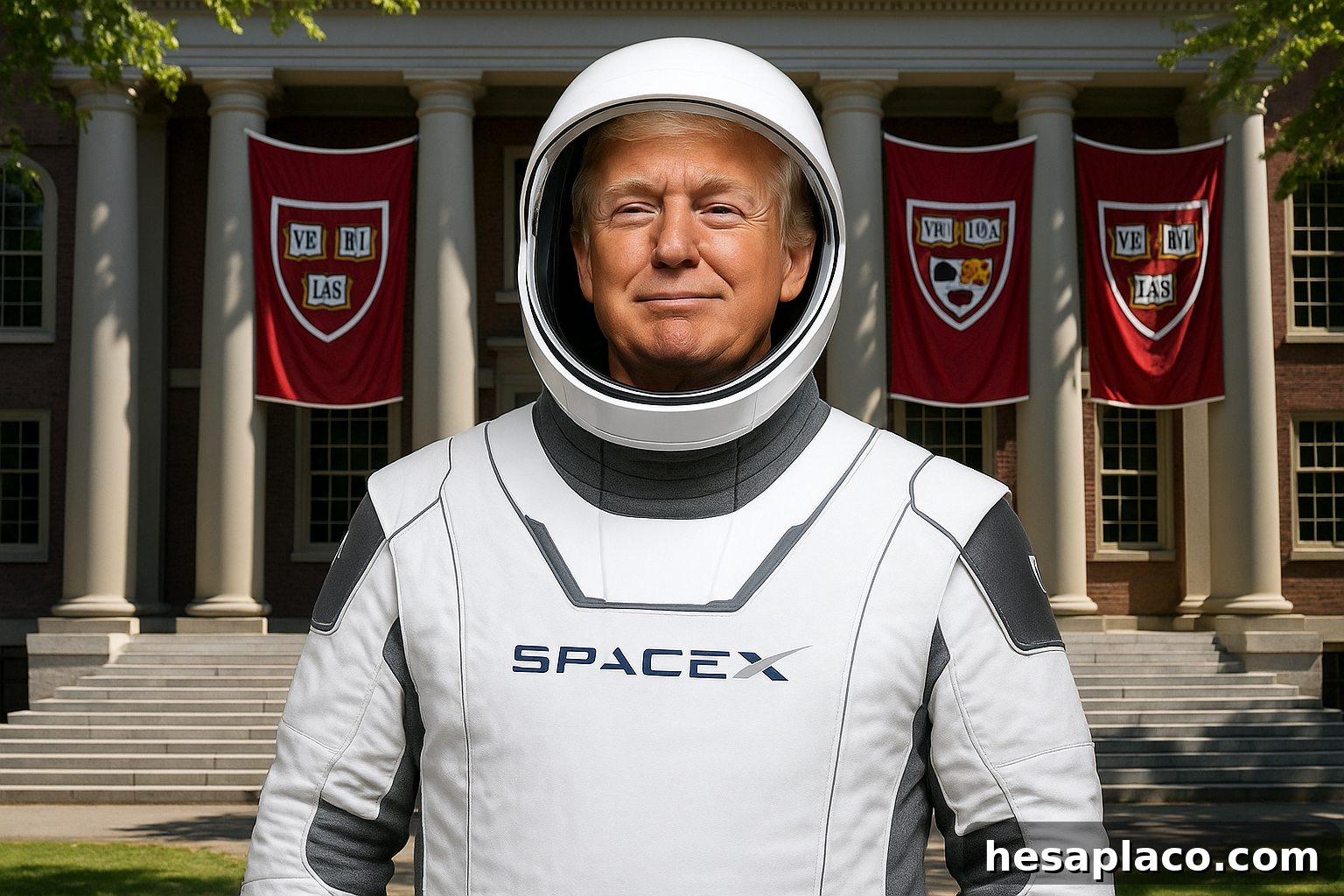
Harvard University

Credit: Wikimedia Commons
The confrontation with Harvard blends policy and personnel leverage. The administration froze billions in federal research funding, restricted the university’s role in sponsoring international students, and publicly floated revoking nonprofit status. Officially, the rationale centers on alleged suppression of conservative viewpoints. Observers note a more personal edge, too—longstanding rumors that perceived slights against Trump date back decades, and those grievances now appear to inform federal pressure. The stakes are high because the measures affect research, international enrollments, and higher-education funding nationwide.
Tesla

Credit: flickr
Trump’s posture toward Tesla targeted the company’s economic lifelines. By promising to eliminate electric-vehicle subsidies and dismissing green policies as scams, he directly threatened a major driver of Tesla’s growth. That rhetoric, combined with threats of tariffs and regulatory pressure, rattled investors and contributed to sharp stock fluctuations. The clash also revealed the shifting alignment of tech leaders who once seemed politically flexible.
SpaceX

Credit: Wikimedia Commons
SpaceX’s dispute with the president is quieter but potentially more consequential. Trump has threatened to reassess NASA and military contracts tied to SpaceX, placing uncertainty over the company’s government-dependent revenue streams. For a firm deeply embedded in federal programs—from satellite launches to contributions to Artemis—the threat of contract reevaluation is a serious operational risk rather than mere political theater.
New York Times
Credit: Wikimedia Commons
The New York Times remains one of the most frequent targets. The attacks range from public denunciations to legal threats and efforts to trigger federal scrutiny. What’s notable is how this features within a broader campaign to discredit legacy news organizations and challenge journalistic accountability structures that have long shaped public debate.
Planned Parenthood

Credit: Wikimedia Commons
Abortion rights and reproductive-health providers have returned to the president’s list of priorities. Beyond calls to defund, rhetoric has included support for criminal referrals and more aggressive state-level enforcement—moves consistent with a broader hard-right posture aimed at mobilizing conservative voters on social issues.
Twitter/X

Credit: Reddit
The relationship with Elon Musk’s X platform is unpredictable: occasional use, public criticism, and simultaneous promotion of rival apps. The dynamic lacks a cohesive strategy and instead feels volatile, with mutual toleration more than partnership. That ambiguity leaves room for ongoing friction without clear resolution.
The Federalist Society
Credit: X
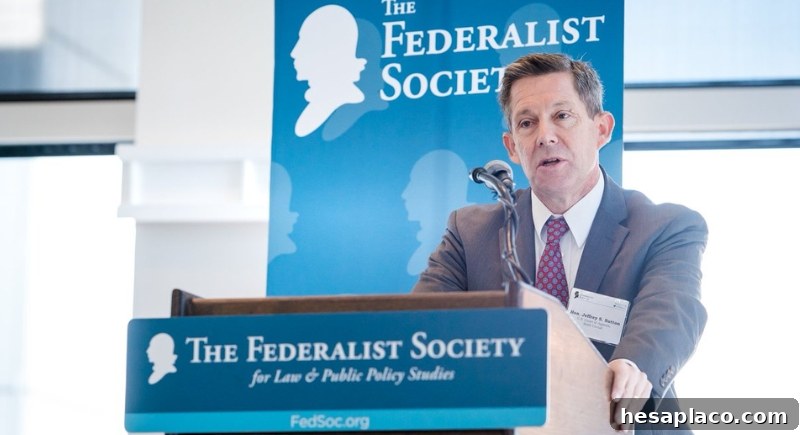
Once a close ally in shaping the judicial agenda, the Federalist Society is now entangled in a public falling out. Trump’s attacks against prominent figures inside the organization—particularly after unfavorable rulings—underscore a transactional loyalty: institutions are valued only insofar as they deliver desired results.
Perkins Coie
Credit: X
Perkins Coie, a major law firm that has represented Democratic clients, has been targets of blacklisting from federal work and public condemnation. Efforts to bar particular law firms from government contracts reflect an attempt to weaponize procurement and executive authority against legal adversaries—an approach already facing legal challenges.
CNN, ABC, CBS, NPR, PBS, and AP
Credit: iStockphoto
Traditional broadcast and public media organizations have faced escalation from rhetorical attacks to threats against regulatory licenses and public funding. Targeting public broadcasters in particular fits a broader strategy of using governmental levers to punish media perceived as hostile, testing the limits of executive influence over press access and funding.
NFL
Credit: Facebook
The NFL resurfaced as a target over cultural flashpoints such as anthem protests and long-standing grievances related to team ownership ambitions. Trump’s public calls for boycotts and criticism aim to energize cultural conservatives, even as the league resists policy changes to appease political pressure.
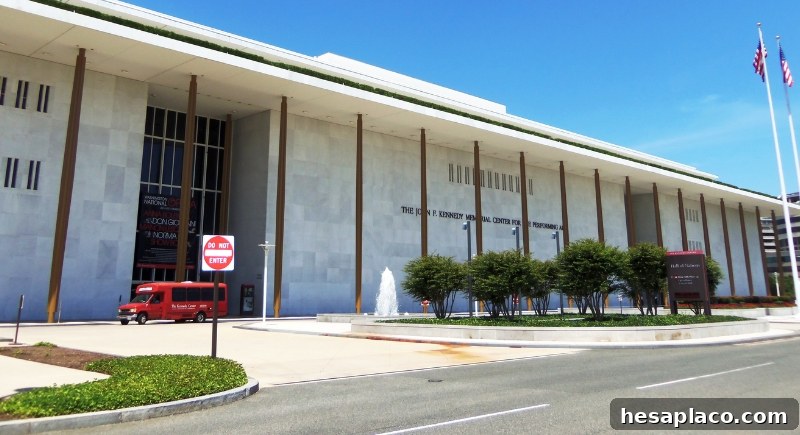
Kennedy Center for the Performing Arts
Credit: Wikimedia Commons
By reshaping the Kennedy Center’s board and promoting religious and conservative programming, the administration has signaled an intent to influence cultural institutions directly. Board purges and leadership changes prompted resignations and drew attention to political control over federally supported arts organizations.
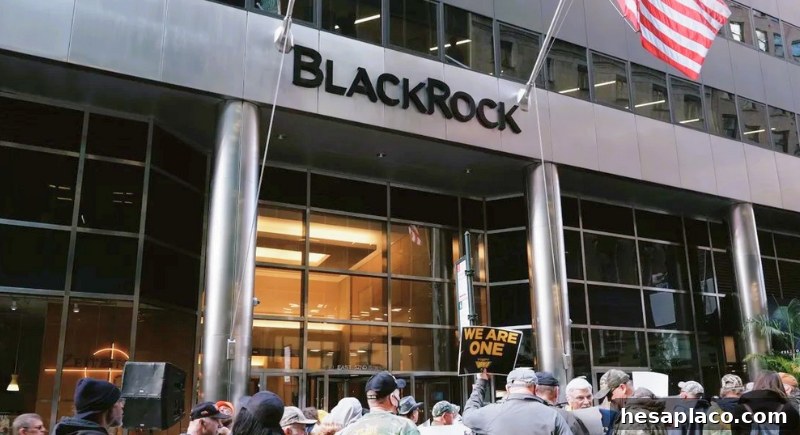
BlackRock
Credit: X
BlackRock has been singled out over ESG investing and alleged politicization of asset management. The administration’s rhetoric and probes into pension-management practices have spurred some state treasuries to reconsider allocations. Targeting a major asset manager is part policy critique, part cultural signaling against “woke capitalism.”
World Economic Forum
Credit: flickr
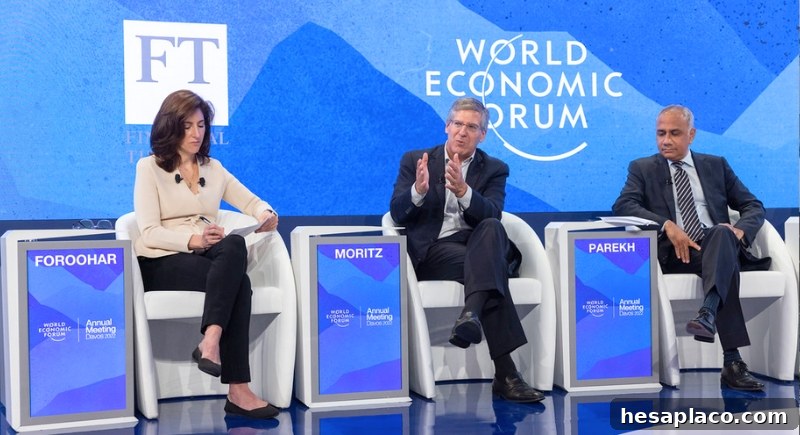
The World Economic Forum and Davos have been portrayed as emblematic of global elites out of touch with everyday Americans. Trump’s public rejections and mocking of WEF leaders reinforce a populist posture that sells well with certain voter segments. The rhetoric is largely symbolic, but it’s a clear brand decision to oppose globalist institutions publicly.
ACLU
Credit: flickr
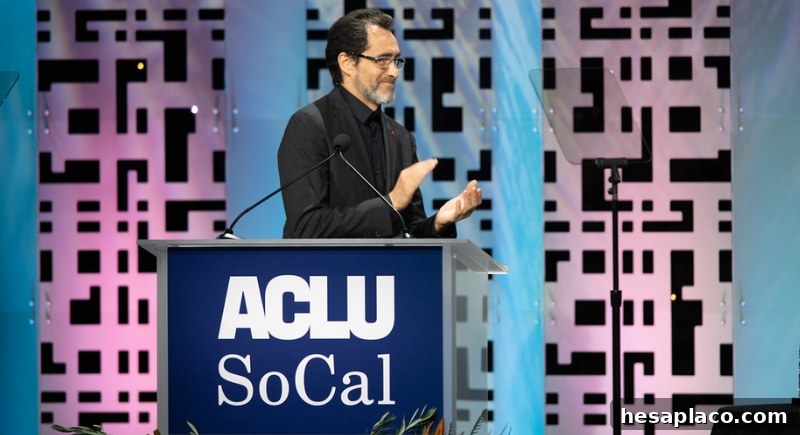
Given the ACLU’s legal challenges to multiple administration policies, threats to revoke nonprofit status and use audit mechanisms follow a familiar pattern. These moves aim to constrain advocacy groups through financial and legal pressure rather than engage on the merits of policy disputes.
Disney

Credit: Wikimedia Commons
Disney’s cultural decisions—representation, casting, and family-oriented messaging—have prompted sustained criticism. The rhetoric has moved beyond criticism into talk of regulatory and legal scrutiny, including antitrust and intellectual-property questions. In this conflict, cultural disagreements intersect with potential government intervention into corporate strategy.
Columbia University

Credit: Wikimedia Commons
Protests on campus and public statements critical of foreign policy have put Columbia in the administration’s crosshairs. Threats to restrict funding and student visas mirror the Harvard approach, creating chilling effects for institutions that host contentious speech or activism.
Meta (Facebook/Instagram)

Credit: Wikimedia Commons
Complaints about shadowbanning, algorithmic bias, and content moderation continue to fuel threats of tougher regulation. Meta’s position as a dominant platform places it at the center of debates about speech, elections, and corporate responsibility—making it a predictable target for executive and rhetorical pressure.
YouTube (Google/Alphabet)

Credit: twinsterphoto
Allegations that YouTube suppressed election-related content and conservative creators prompted proposals to break up Google and other strong regulatory threats. Reinstating accounts has not fully quelled tensions; the broader conflict remains over platform governance and influence.
Ford

Credit: Facebook
Ford’s investments in electric vehicles and its public posture toward unions and federal incentives provoked criticism for allegedly favoring political opponents. The company’s attempts at neutrality didn’t prevent it from being drawn into political attacks, illustrating how corporate decisions on technology and labor policy can become partisan flashpoints.
CREW (Citizens for Responsibility and Ethics in Washington)
Credit: X
Watchdog organizations like CREW that investigate financial and ethical questions related to public officials have long faced pushback. The response has included efforts to compel audits and challenge nonprofit status—tactics aimed at limiting the operational capacity of groups that pursue legal accountability.
Across these 20 cases, a pattern emerges: political disputes that once played out through rhetoric and litigation increasingly involve executive tools—funding decisions, regulatory threats, procurement leverage, and public oversight. Whether targeting universities, media, tech giants, or cultural institutions, the strategy mixes symbolic cultural appeals with concrete policy levers intended to deliver real-world consequences.