If you browsed the Trump International Hotel gift shop or the Trump Store online, you likely noticed patriotic branding, a red-white-and-blue color scheme and slogans about bringing jobs back to the United States. Look closer at the labels and the price tags, however, and a different picture emerges: many of these products are manufactured overseas and sold at steep markups.
Trump Bomber Jacket (Made in China)
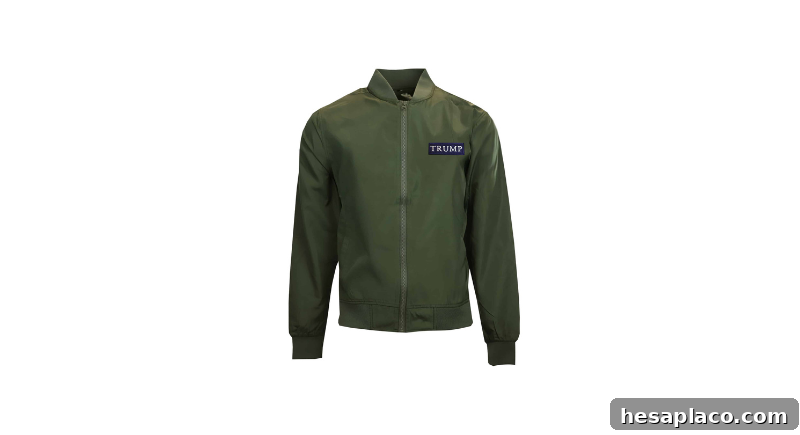
Priced at $159 in retail settings, this military‑styled nylon jacket carries a Trump patch and the look of mainstream menswear. Wholesale equivalents produced in China, however, can cost as little as $11–$17. The result is a large retail margin and a product that highlights the contrast between patriotic marketing and globalized manufacturing.
MAGA Hat (Made in Bangladesh)
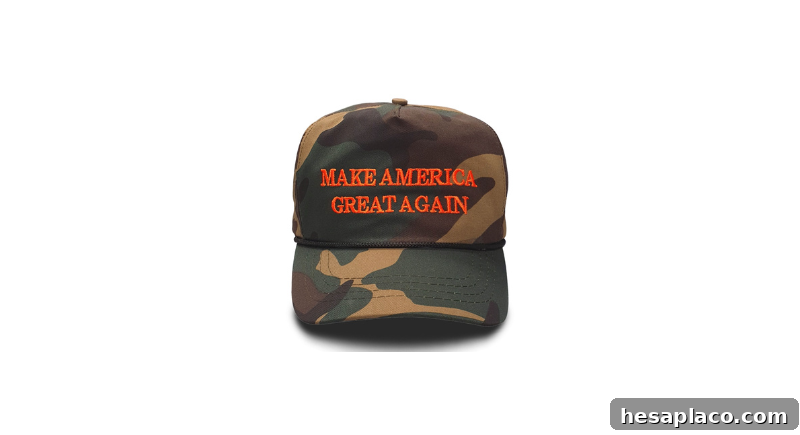
The signature red hat that became synonymous with the Trump brand has often been produced in Bangladesh. While these hats retail for around $50 in branded outlets, the manufacturing cost to produce them can be under $2. Even the hats sold at Trump properties frequently show their country of origin on the interior tag, revealing a clear gap between the slogan of domestic job growth and real supply chains.
Firework Tumbler (Designed in Oregon, Made in China)
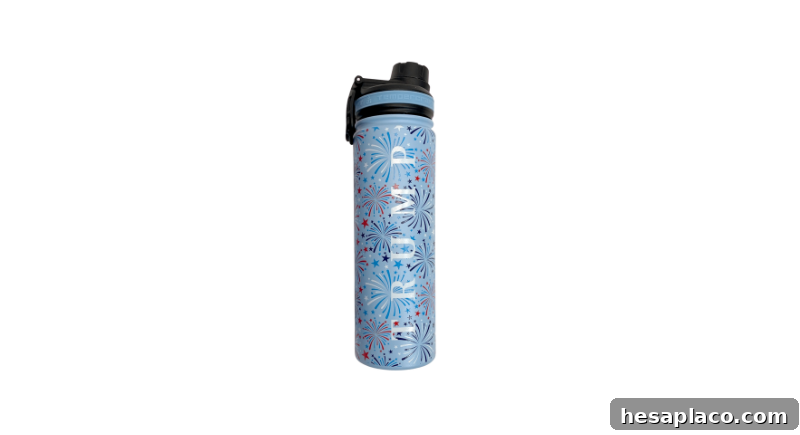
Marketed as “Designed in Oregon,” this 20-ounce insulated travel tumbler sells for about $38 but is produced in China at a very low unit cost. It features a screw-off canteen top and thin stainless‑steel walls—functional, but illustrative of how design and branding can be separated from where an item is manufactured.
Classic Stanley-Style Cup (Made in China)
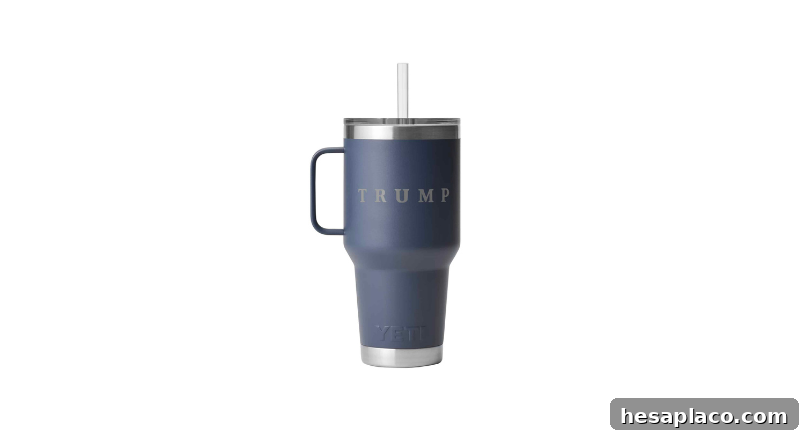
What appears to be a premium handled mug, positioned similarly to high‑end brands, actually resembles a low‑cost import. Priced at about $62, the 35‑ounce Trump‑branded cup is often made in China and reflects a significant markup over the manufacturing cost; in many cases buyers pay more for the logo than for the underlying product quality.
Trump Circle Trinket Dish (Made in China)
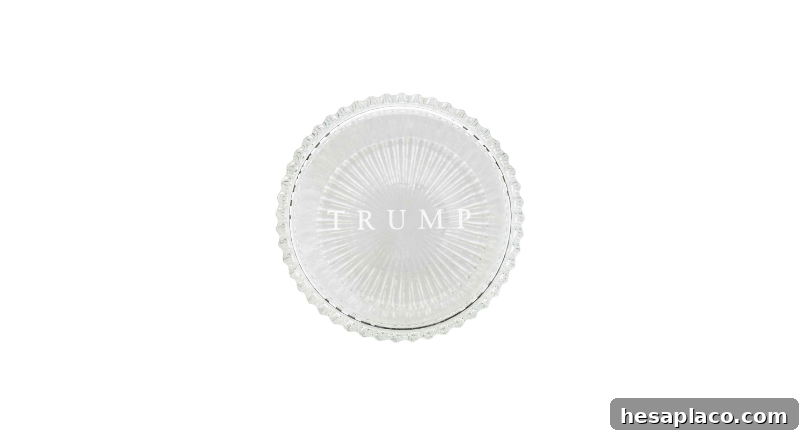
Sold in hotel gift shops as a decorative keepsake, the ceramic trinket dish is another example where the origin is obscured until a label is inspected. Its “Made in China” stamp is often hidden beneath packaging or a sticker, revealing that an item positioned as a boutique souvenir was manufactured abroad.
Trump Dress Shirts (Made in China, Bangladesh, Honduras, Vietnam)
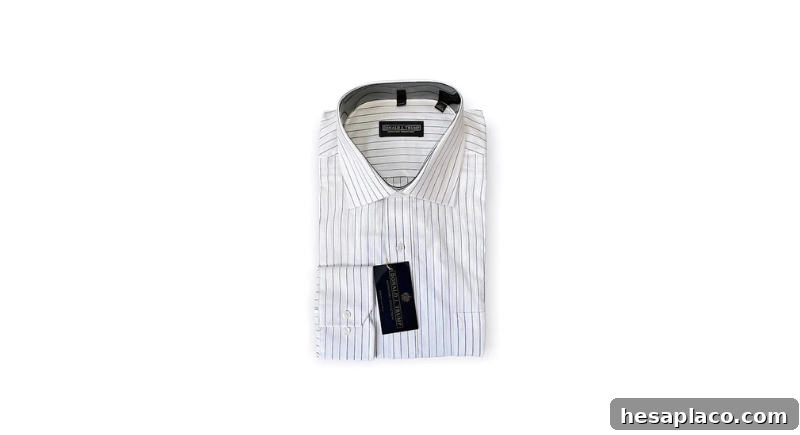
Trump‑branded dress shirts have surfaced with a wide variety of factory tags: Honduras, Bangladesh, China and Vietnam all appear on labels. Using multiple low‑cost manufacturing locations is a common retail strategy to reduce costs, but it underscores a dissonance between nationalist rhetoric and the global sourcing practices behind many branded garments.
Trump Suits (Made in Mexico, Indonesia, Possibly Both)
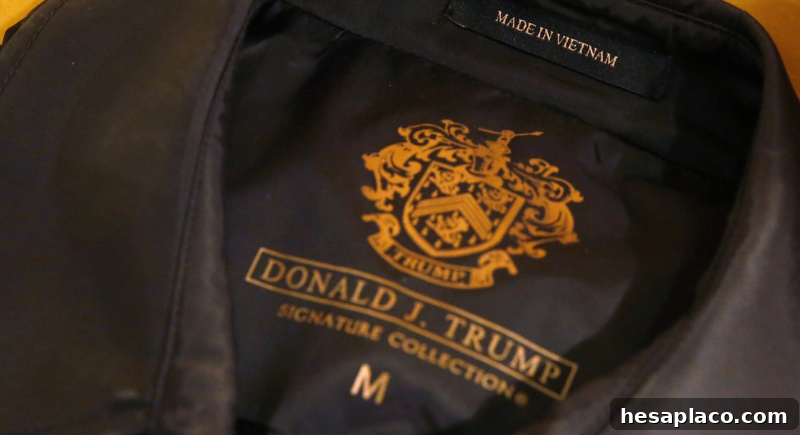
Reports and listings have shown inconsistencies in origin labeling for Trump‑branded suits: some packages say “Imported,” others list Indonesia or Mexico. Older production runs were made in Mexico while newer ones have appeared from Indonesian factories. The mixed labeling highlights how inventory shifts and sourcing decisions can produce confusing messages for consumers seeking domestically produced clothing.
Trump Eyeglasses (Made in China)
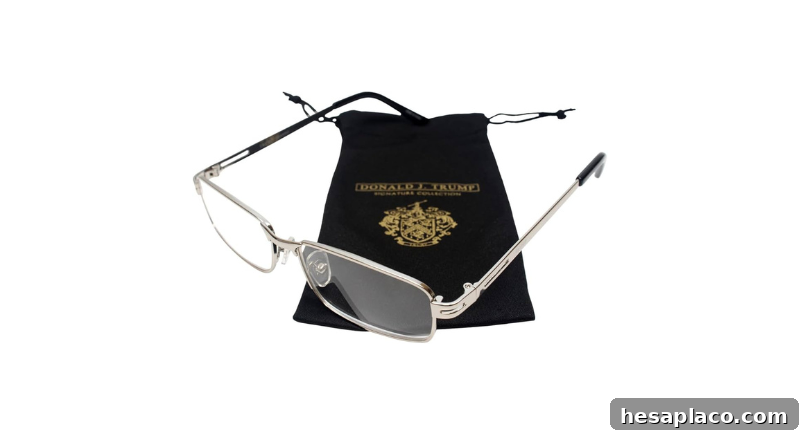
Frames and sunglasses sold under the Trump name were largely manufactured in China and distributed through various online retailers. Although some listings neglected to show the country of origin, photos of interior tags shared by buyers made the production source clear. The eyewear line illustrates a consistent pattern of overseas manufacturing across accessory categories.
Trump Home Furniture (Made in Turkey and Germany)
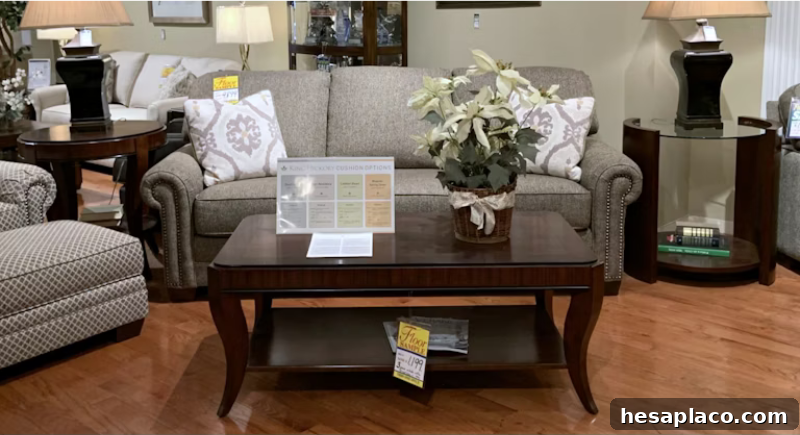
The Trump Home Dorya collection was positioned as a luxury furniture offering, combining Turkish‑made wood elements with German stainless accents. Marketed as bespoke and high‑end, these pieces were produced abroad for a global clientele and then rebranded with a prominent American surname—another example of luxury branding relying on international manufacturing.
Trump Home Accessories (Made in China and India)
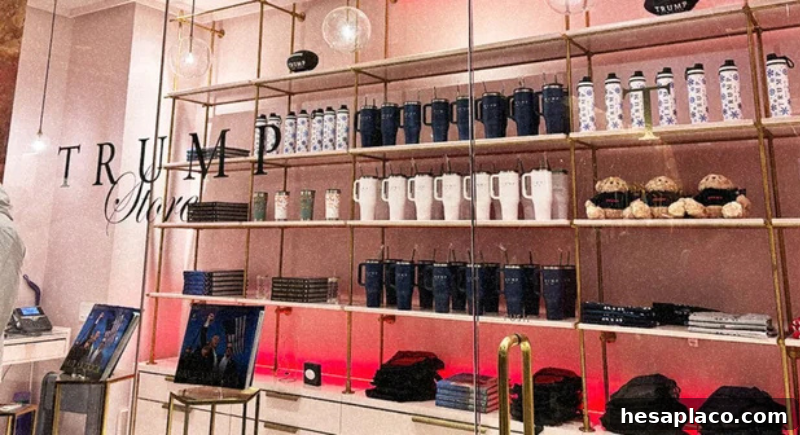
The Trump Home accessories range—mirrors, lamps, frames, vases and decorative items—often came from factories in China and India. Many photo frames and smaller home goods bear stamps indicating their origin in those countries. For a brand whose public messaging sometimes criticized outsourcing, the home collection quietly relied on overseas suppliers.
Trump Hotel Toiletries (Made in China, Taiwan, South Korea)
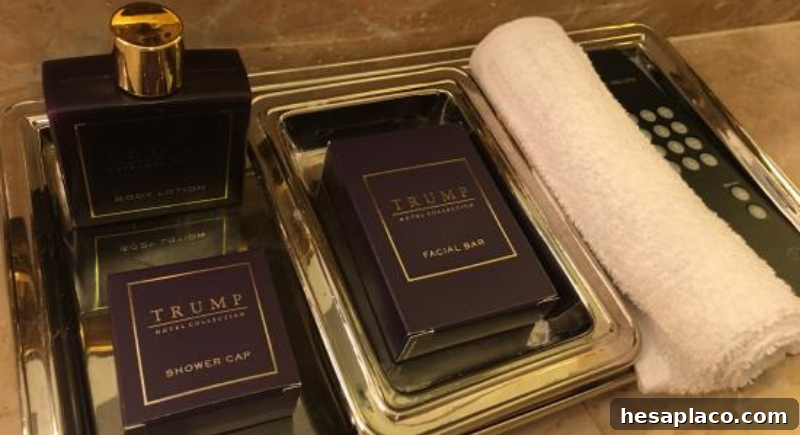
Toiletries provided in Trump Hotels—shampoos, body washes, shower caps and even pens—were predominantly imported. China supplied a large share of these items, with additional products coming from Taiwan and South Korea. While bedding and other textiles sometimes advertised domestic origins, many smaller guestroom amenities were sourced overseas.
Trump Vodka (Made in the Netherlands, Later Israel)
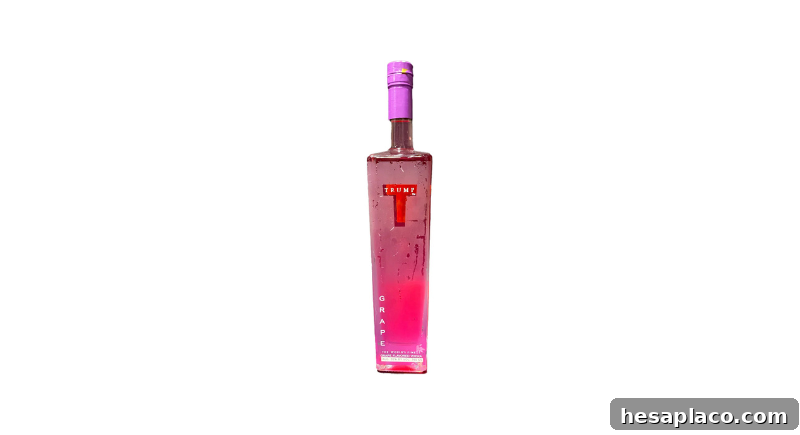
Trump Vodka was initially produced in the Netherlands, distilled from European wheat, and later had a kosher‑for‑Passover iteration produced in Israel. The product did not have domestic U.S. roots and was withdrawn from many shelves by the early 2010s. Its production history demonstrates that even consumables bearing the Trump name were often internationally manufactured.
Trump Golf Shirt (Made in Italy)
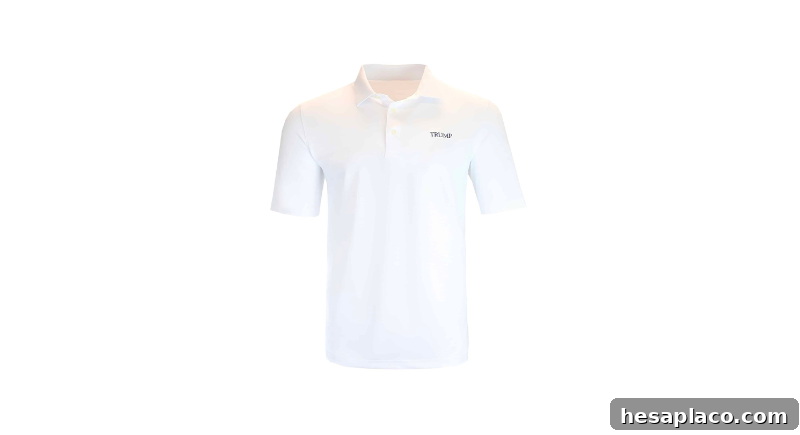
Some items in the Trump apparel lineup were explicitly imported and marketed for their craftsmanship. A golf shirt labeled “Made in Italy” was presented as a premium offering, with the origin stated openly and priced to match. In this case, the foreign origin was embraced as a selling point rather than obscured.
Trump Crystal and China Tabletop (Made in Slovenia)
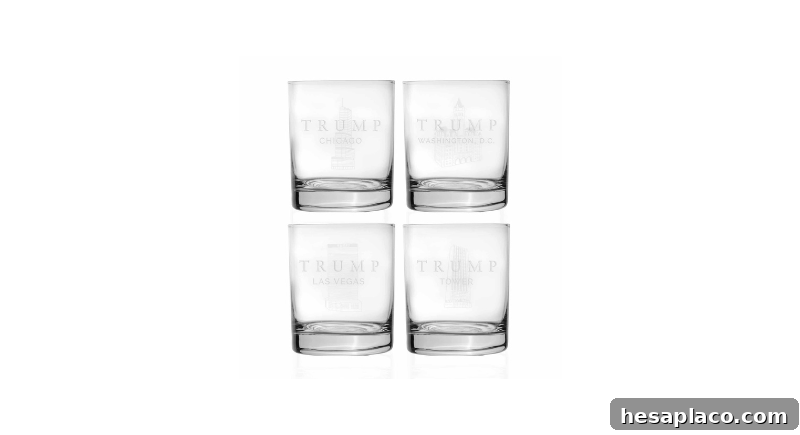
The Rogaska partnership produced Trump‑branded crystal and china in Slovenia, delivering formal dinnerware and stemware with a luxury presentation. These items were manufactured overseas and positioned for buyers seeking high‑end table settings, reinforcing the broader pattern that many Trump‑labeled products, from everyday accessories to upscale home goods, originated abroad despite domestic messaging.
Across clothing, accessories, home goods and hotel amenities, the Trump brand has relied heavily on international manufacturing. Whether labeled openly or revealed by a peeled sticker, the country of origin for many items runs counter to the “America first” rhetoric often associated with the name—illustrating how branding, sourcing and pricing can tell very different stories.