
There are many truths behind the Subway menu that customers want to know. From misleading calorie impressions to surprising ingredients and inconsistent practices, these insider tips help you make smarter choices. Whether your goal is freshness, saving money, or healthier eating, read on for practical advice to improve your Subway experience.
Complaining About Quality Can Get You a Free Sandwich

Credit: freepik
Employees report that a polite, specific complaint about quality often results in a complimentary sandwich. If something’s wrong—stale bread, incorrect order, or undercooked meat—explain the problem calmly and respectfully. Staff are usually willing to correct the mistake or offer a replacement rather than let a customer leave unhappy.
Calorie Counts Can Be Higher Than You Expect
Credit: Wikimedia Commons
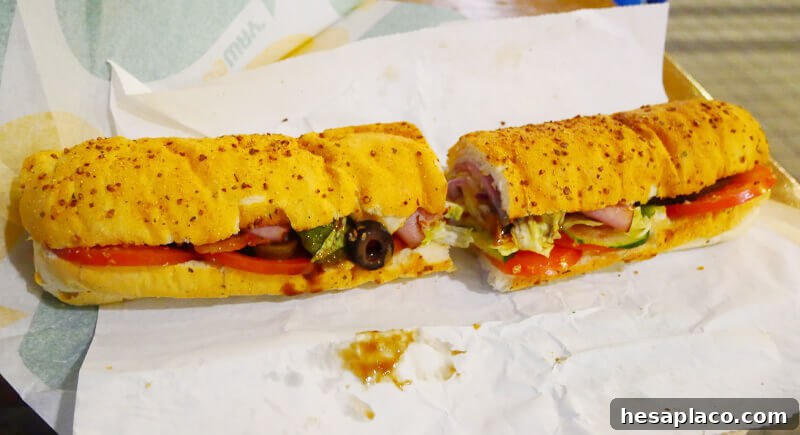
Many sandwiches that seem diet-friendly can add up quickly once sauces, cheeses, and extras are included. To keep calories in check, choose lean proteins, load up on vegetables, avoid heavy sauces, or ask for dressings on the side. Smaller portion sizes and flatbreads can also reduce overall calories.
“Light” Mayo May Not Be Much Different
Credit: flickr
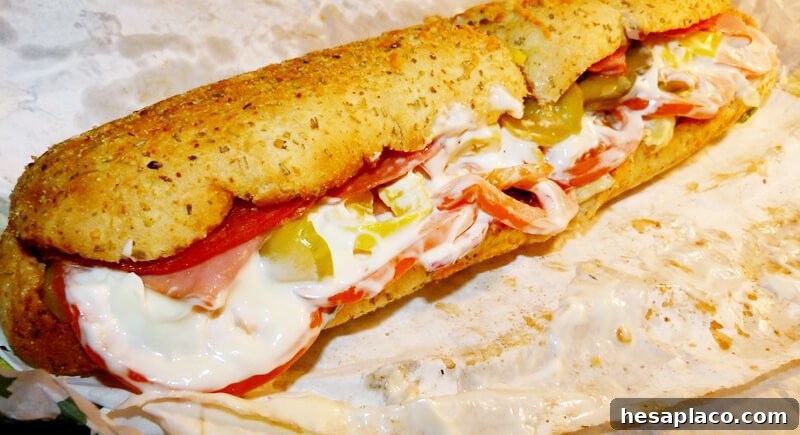
Some employees say lighter-condiment bottles are sometimes replaced with regular mayonnaise bottles during busy shifts, which can undermine calorie savings. If mayonnaise matters to you, request it on the side or skip it entirely to be sure of what you’re getting.
Turkey and Other Processed Meats May Contain Fillers
Credit: flickr
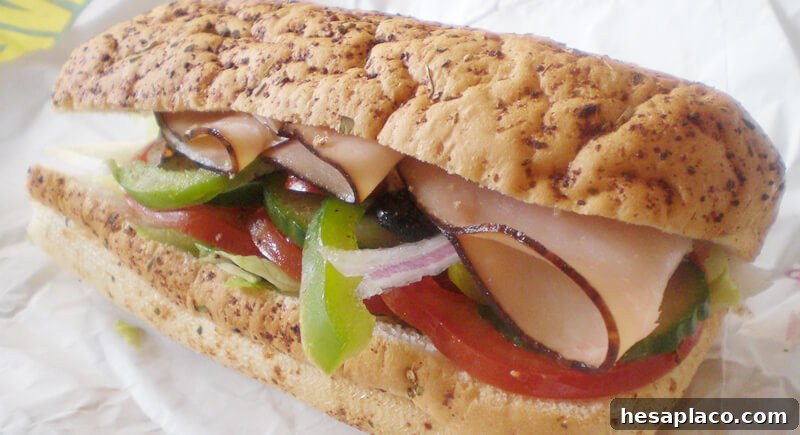
Some processed meats, including sliced turkey, can include fillers, additives, and flavoring agents—meaning the meat portion may not be 100% pure. If you prefer less-processed options, choose whole cuts like roasted chicken or steak when available, or select vegetarian fillings and extra vegetables.
Flatbread Is Often a Better Bread Choice
Credit: Youtube
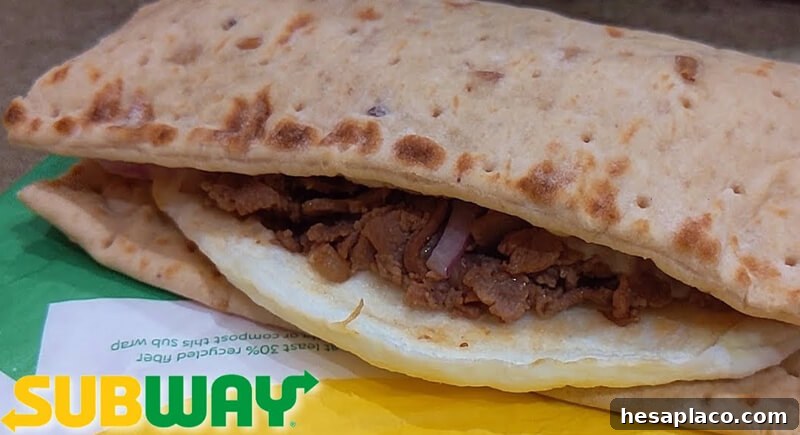
If you want a lighter, fresher-feeling sandwich, flatbread is a good swap. Many people find it lower in sugar and sometimes higher in fiber compared with thicker buns. Ask staff about fresh options and which breads were baked most recently to help your choice.
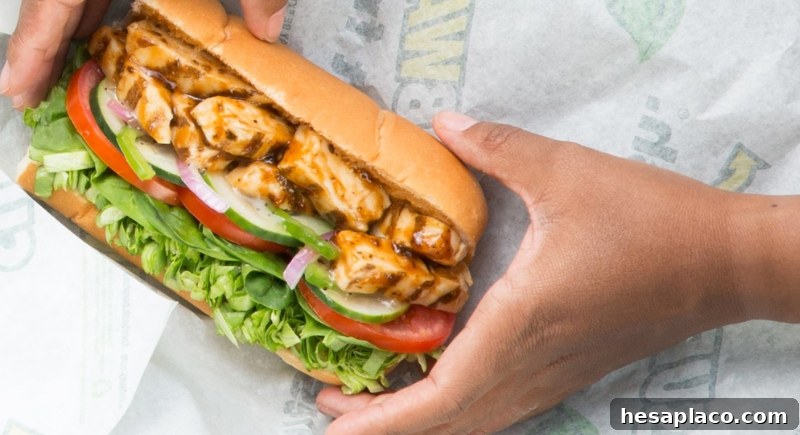
Avoid Certain Chicken Varieties if You’re Concerned About Additives
Credit: Facebook
Some flavored chicken options—like chipotle or teriyaki—tend to be higher in sodium and contain more preservatives and sauces. If you want fewer additives, choose grilled, plain chicken or a vegetable-focused sandwich and season it lightly yourself.
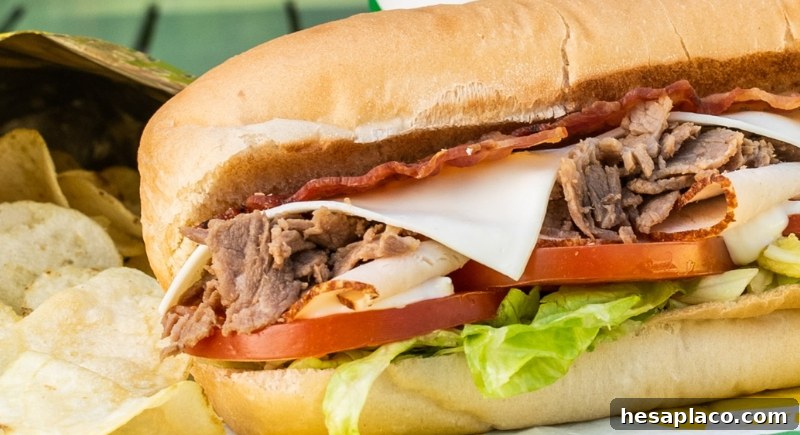
Steak Is Often a Less-Processed Choice
Credit: Facebook
Steak selections are usually cooked from larger cuts and can be less processed than some deli meats. For customers seeking a fresher-feeling protein, steak or roasted options tend to be a reliable pick. Still, check ingredient lists if you have specific dietary concerns.
Discounts Often Appear Between 7pm and 9pm

Credit: Facebook
Many locations offer discounts in the evening to reduce waste on unsold sandwiches. Visiting between 7pm and 9pm can sometimes yield lower prices on select items. Availability and discount amounts vary by store, so ask your local Subway about any daily deals.
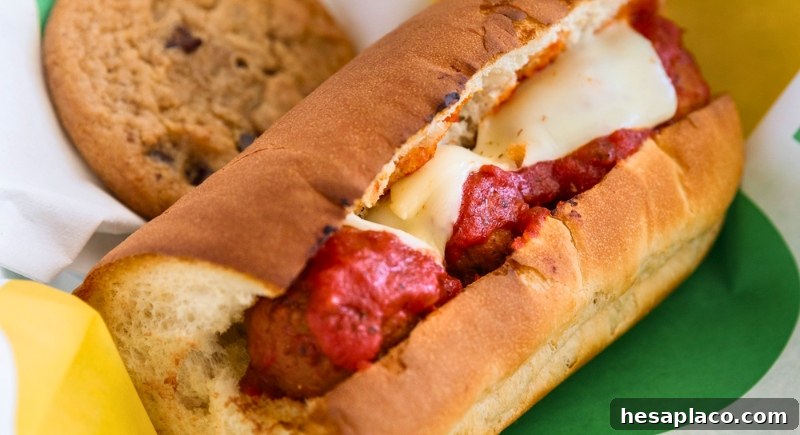
Check Meatball Freshness Early in the Day
Credit: Facebook
Meatball subs may sometimes use portions prepared the previous day. If you want fresher meatballs, ask staff whether they were made that morning before ordering. Staff will typically tell you if an item was remade or reheated from an earlier batch.
Cheese May Contain Fillers

Credit: Facebook
Some cheese varieties used in fast-casual chains include stabilizers and other ingredients to improve melting and shelf life. If you prefer pure dairy cheese, consider skipping the processed slices and adding extra vegetables or choosing a location that offers fresher cheese options.
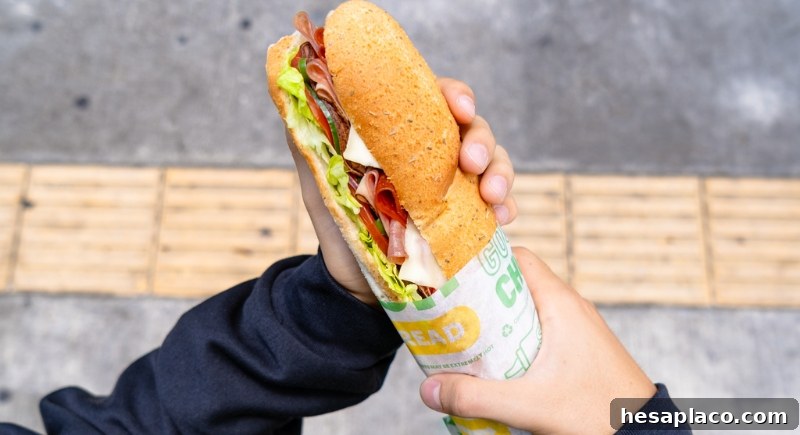
Footlongs Are Now Standardized to 12 Inches
Credit: Facebook
Following past disputes over portion sizes, most locations now provide footlong sandwiches that measure a true 12 inches. If you ever feel shorted, politely measure or ask staff about portion standards at that shop.
Expiration Dates and Freshness Practices Vary
Credit: flickr
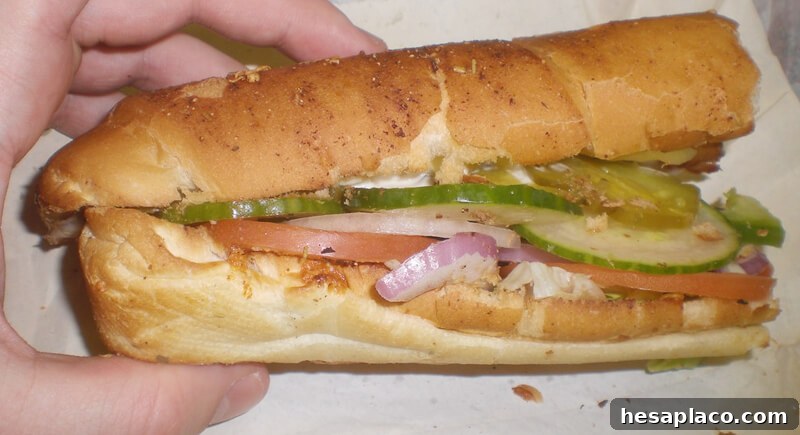
Some employees report that expiration dates and labeling are handled inconsistently at times. To protect yourself, order at well-trafficked locations where stock turns over quickly, check packaging dates when available, and ask staff about restock schedules for perishable items.
Glove Use and Cross-Contamination Can Be an Issue

Credit: Youtube
Although chains promote food safety, glove changes and handwashing can be inconsistent during busy periods. If you’re concerned about cross-contamination, request that staff change gloves before handling your order or watch the preparation to ensure sanitary practices.
Frozen Bread May Have Been Stored a Long Time

Credit: Youtube
Bread is often delivered frozen and baked in-store. In some cases, loaves can have been in frozen storage for a long time. Ask when the bread was baked or pick a location known for high turnover to improve your chances of getting fresher loaves.
Tuna Salad Can Be Heavy on Mayonnaise
Credit: Facebook
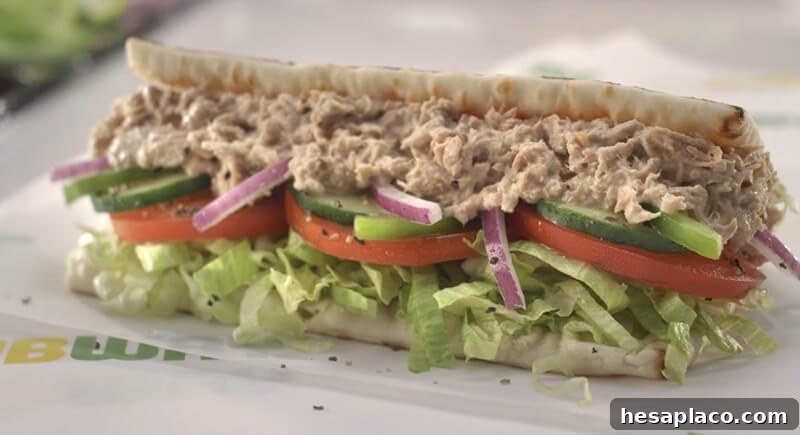
Customers who order tuna report that the mix can be quite mayonnaise-heavy, which increases calories and fat. To lighten it up, ask for less mayo or request extra vegetables and a lighter dressing to balance the flavor.
In short, getting a better Subway meal comes down to knowing what to ask for and when to visit. Prioritize less-processed proteins, request dressings on the side, choose busier locations for fresher stock, and speak up politely if something’s amiss. Small changes in your ordering habits can lead to fresher, healthier, and more satisfying sandwiches.