
We’ve all been there: watching the clock and wishing we could escape the daily grind of office life. What turns a regular office day into an objectively awful one? From overzealous air conditioning to endless group chats, here are 15 compelling reasons your office day might feel terrible — and why they matter.
The Unforgiving Commute

Credit: Canva
Mornings begin long before you reach your desk for many workers. A lengthy commute drains energy, reduces free time and increases stress before the workday even starts. With a large share of people commuting alone by car, traffic and delays can make you arrive already exhausted. That lost time could otherwise be used for sleep, exercise, family or personal projects — all of which would improve focus and wellbeing at work.
Arctic Tundra Office Temperature

Credit: Wikimedia Commons
Temperature control in offices often feels out of sync with occupants’ comfort. Many workplaces use standards set decades ago that don’t reflect today’s diverse workforce. When the space feels like an icebox, staying focused on tasks becomes a challenge. Comfort matters: a pleasant temperature improves concentration and morale, while extremes distract and frustrate employees.
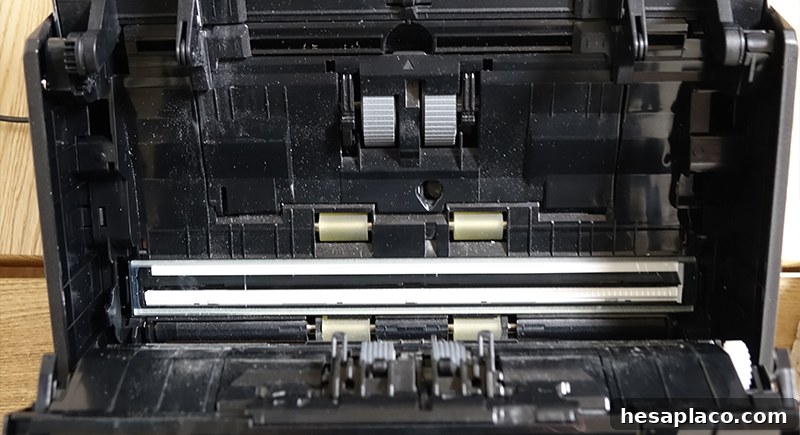
The Phantom Printer Jam
Credit: Wikimedia Commons
Printers have a knack for failing at the worst possible moment. Unexpected jams, low toner and finicky paper trays cost time and patience. Those interruptions add up over weeks and months, turning a simple print job into an aggravating ritual. Reliable equipment and quick support would prevent a lot of needless delays.
The Meeting That Could Have Been an Email

Credit: pexels
Many people sit through meetings that produce little value. When meetings lack clear agendas or decisions, they become time sinks that interrupt deep work. Reducing unnecessary meetings, setting precise objectives and encouraging concise updates can restore hours of productive time each week.
Mystery Fridge Smells

Credit: flickr
The shared fridge can be a source of unpleasant surprises. Forgotten meals and spoiled food create bad odors and hygiene concerns. A simple set of rules and regular cleanouts would keep the kitchen area pleasant, reduce health risks and avoid awkward discoveries at lunchtime.
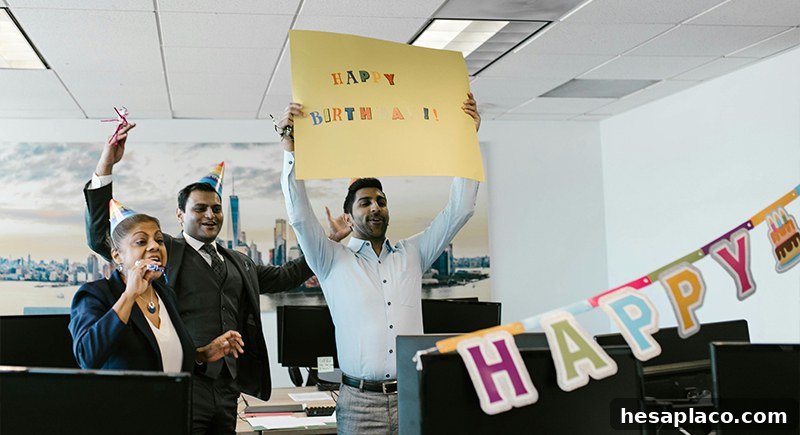
Endless Birthday Celebrations
Credit: pexels
Recognizing milestones and birthdays builds camaraderie, but constant celebrations can interrupt workflows and create calendar clutter. Consolidating celebrations or offering low-key acknowledgements preserves team spirit without repeatedly breaking concentration or disrupting the workday.
The Overly Chatty Coworker

Credit: pexels
Friendly conversation is healthy, but excessive chatter can erode focus. Open-plan offices in particular magnify distractions. Encouraging designated social areas and quiet zones helps balance interaction with uninterrupted work time, improving productivity for everyone.
The Unreliable Wi-Fi

Credit: iStockphoto
In an era of cloud tools and video calls, dependable internet is essential. Slow or unstable Wi-Fi interrupts meetings, delays work and causes frustration. Investing in robust connectivity and backup options is vital to maintaining workflow and reducing wasted time.
The Invisible Janitor

Credit: iStockphoto
Clean, tidy spaces support health and morale. When common areas and restrooms are neglected, employees notice and productivity suffers. Regular maintenance and clear responsibility for shared spaces keep the environment pleasant and respectful for everyone.
The Nosy Manager

Credit: pexels
Micromanagement undermines trust and reduces motivation. Employees perform better when given autonomy and clear expectations rather than constant oversight. Training managers to support and empower teams leads to higher engagement and better results.
The Never-ending Group Chat

Credit: flickr
Work chat apps are useful, but constant notifications can be overwhelming. Unstructured group chats filled with GIFs, off-topic banter and late-night messages fragment attention. Setting norms for channels, using threads and enabling do-not-disturb periods help preserve focus and respect personal time.
The Perpetual Dieter

Credit: iStockphoto
Food and health conversations are common, but constant commentary about diets or snacks can become intrusive. Respecting colleagues’ choices and keeping lunchtime private when preferred helps create a comfortable workplace culture.
The Questionable Office Coffee

Credit: pexels
For many, coffee is essential to get through the day — yet office coffee often disappoints. Poor-quality brew can become a small but persistent low-level annoyance. Upgrading coffee options or offering alternatives shows care for employee comfort and can improve morale.
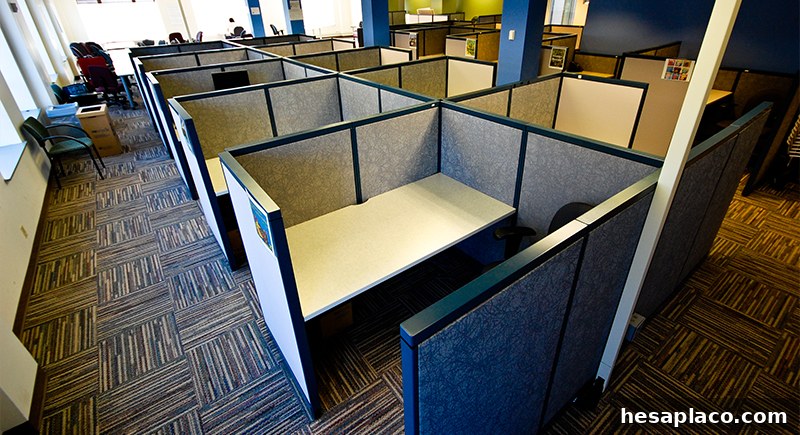
The Soul-Sucking Cubicle
Credit: Wikimedia Commons
Stark, cramped cubicles can feel demotivating and stifle creativity. Thoughtful workspace design — natural light, plants, color and flexible areas — supports well-being and performance. Small environmental improvements make a big difference in how people feel at work.
The Five O’Clock Tease

Credit: flickr
The minutes before the end of the day can drag endlessly when energy is low and tasks remain. That feeling of time stretching is familiar to many employees. Better workload planning, realistic deadlines and micro-breaks during the day can make the final hours more tolerable and preserve energy for after work.
None of these problems are insurmountable. Addressing commute options, improving facilities, clarifying communication norms and redesigning workspaces all contribute to better days at the office. Small changes add up to a healthier, more productive workplace — and fewer reasons to dread the workday.