
Today, a person’s zip code often shapes their opportunities and life chances. Some are born into substantial privilege, while many others work hard just to maintain basic stability. The wealth gap in the United States is vast: a small fraction of the population holds a disproportionate share of resources, creating profound social and economic consequences. This imbalance affects access to education, healthcare, housing, transportation, and more—impacting everyday life and long-term prospects. Below, we examine key areas where economic inequality produces concrete outcomes for individuals and communities.
Education Equity Gap

Credit: pexels
Students from higher-income families enjoy clear advantages: better-funded schools, more academic supports, tutoring, and extracurricular opportunities that strengthen college applications. These advantages contribute to significant disparities in college access and graduation rates, which in turn shape career trajectories and lifetime earnings.
Healthcare Disparities

Credit: pexels
Income profoundly affects access to healthcare. People with limited financial resources are more likely to be uninsured or underinsured, leading to delayed care, unmet medical needs, and poorer health outcomes. Preventive services and timely treatment are often out of reach for those facing economic barriers.
Housing Discrimination

Credit: pexels
Discriminatory practices in the housing market continue to limit options for many renters and buyers, restricting access to safe neighborhoods, quality schools, and essential services. These barriers perpetuate segregation and concentrate disadvantage across generations.
The Debt Trap

Credit: freepik
Growing levels of consumer and student debt constrain many young adults. Large loan balances can delay homeownership, entrepreneurship, family formation, and retirement savings. For households already living paycheck to paycheck, debt payments quickly erode financial resilience.
Transportation Challenges
Credit: pexels
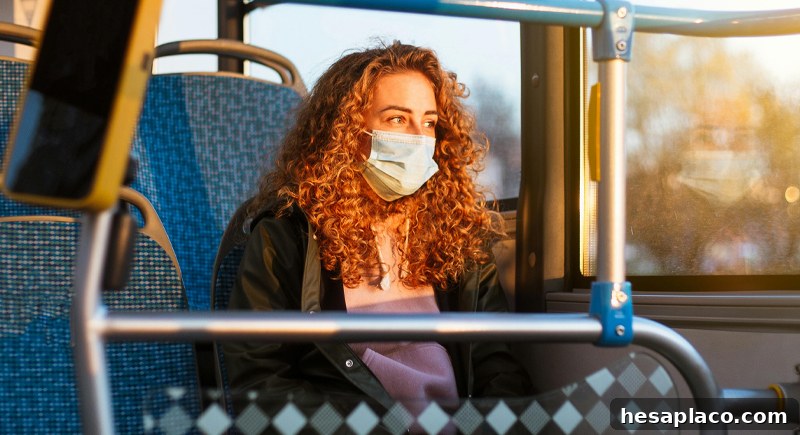
Reliable transportation is a gateway to jobs, education, and services. In areas designed for cars, people without dependable vehicles face longer commutes, limited employment choices, and less access to healthcare and childcare. Transportation gaps intensify economic isolation.
Unconscious Bias

Credit: pexels
Implicit biases and stereotypes related to names, addresses, education, and perceived socioeconomic status influence hiring, lending, and everyday interactions. These biases can limit opportunities even when qualifications and experience are equivalent.
Keeping Up with the Joneses
Credit: pexels
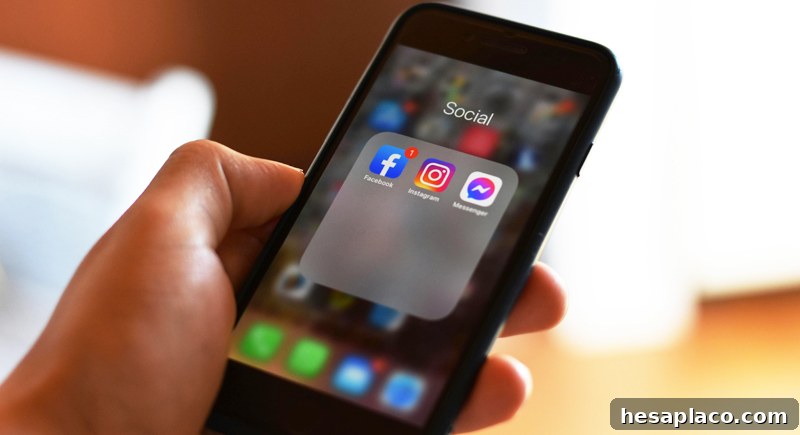
Social media and cultural pressures often promote visible consumption as a marker of success. For many, striving to match these portrayals can lead to overspending and increased financial stress, undermining long-term financial stability.
Investment Inequality

Credit: pexels
Access to investment opportunities is uneven. Many households lack the resources, knowledge, or access to financial markets that enable wealth accumulation through stocks, retirement accounts, and real estate. This gap makes it harder for lower-income families to build intergenerational wealth.
Food Insecurity

Credit: pexels
Limited income often forces hard choices between food, housing, and healthcare. Food insecurity affects physical health, cognitive development, and educational performance, especially among children.
The Digital Divide
Credit: flickr
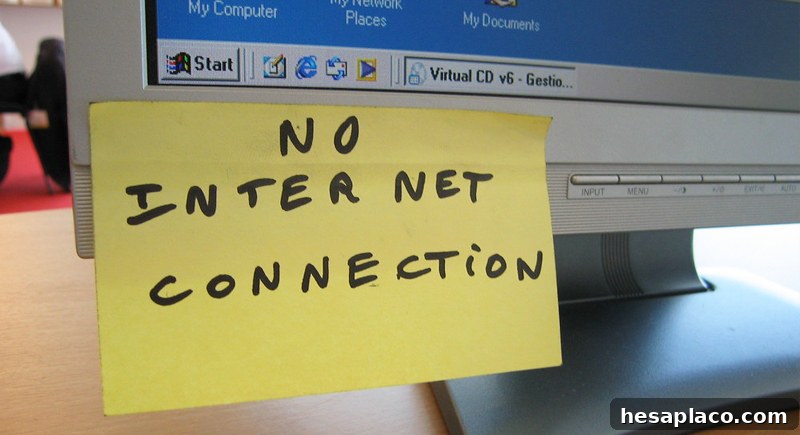
Access to reliable internet and digital tools is essential for education, job searching, telehealth, and government services. Households without broadband or adequate devices face ongoing barriers to participation in the modern economy and civic life.
Financial Stress and Health

Credit: pexels
Chronic financial strain takes a toll on mental and physical health. Persistent worry about bills, debt, and instability contributes to stress-related conditions, undermining well-being and productivity.
Negative Stereotypes

Credit: pexels
People experiencing poverty are often subject to harmful stereotypes that mischaracterize their abilities, motivations, and character. Such stigmatization can hinder access to resources and erode social support.
The Emergency Buffer

Credit: pexels
Many households lack savings to absorb unexpected expenses. Without an emergency cushion, a single car repair, medical bill, or temporary job loss can trigger a cascade of financial hardship and instability.
Generational Wealth Gap

Credit: pexels
Wealth is often transmitted across generations through homeownership, education, and financial assets. Families with fewer resources face structural barriers that make it harder for their children to advance economically, reinforcing persistent inequality.
Money in Politics

Credit: pexels
Significant financial contributions can amplify the political influence of wealthy donors and organizations, shaping policy priorities and regulatory environments. When money plays an outsized role in politics, it can perpetuate policies that favor those with greater economic power.
Addressing economic inequality requires thoughtful policy, community investment, and initiatives that expand access to quality education, healthcare, housing, and financial tools. Reducing disparities is not only a matter of fairness, but also a practical step toward a healthier, more prosperous society for everyone.