
Affluent Millennials (born 1981–1996) and Baby Boomers (born 1946–1964) may both command significant financial resources, but their spending habits reveal clear generational differences. Heavier student loan burdens, the rise of e-commerce, and a prevailing preference among younger adults for experiences over possessions have shaped Millennials’ choices—favoring ride-sharing, wellness retreats, sustainable products, subscriptions, and travel adventures. Boomers, in contrast, often emphasize homeownership, car ownership, traditional saving and giving patterns, and more conventional consumption. Below are 15 notable ways these generations tend to spend differently.
The American Dream Redefined

Credit: freepik
Homeownership was a central milestone for many Boomers, often representing the classic “American Dream.” Millennials, however, are more likely to rent for longer periods. High housing costs, shifting career paths, and student loan obligations have made long-term renting more common among younger adults.
Education and the Cost of Opportunity

Credit: freepik
Many Boomers attended college when tuition was comparatively lower, reducing their debt burden after graduation. Millennials, by contrast, often start their adult lives with significant student loans, which affects decisions about housing, saving, and discretionary spending.
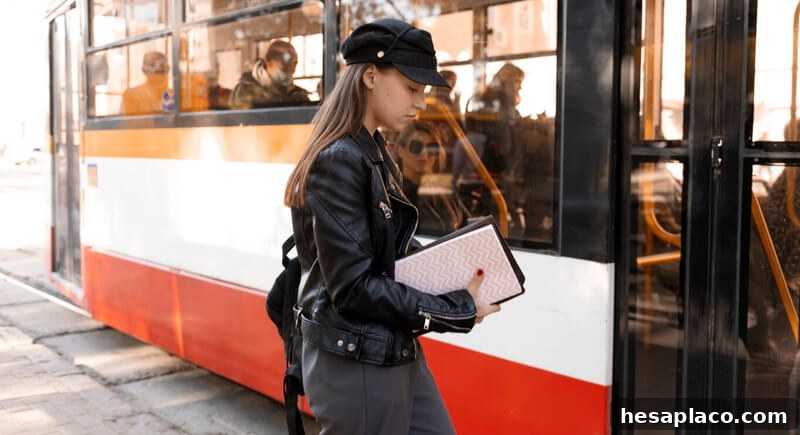
From Car Culture to Ride-Sharing
Credit: freepik
Where Boomers frequently leaned on personal vehicles for daily life and travel, many Millennials—especially in urban areas—favor ride-hailing, car-sharing, biking, and public transit. This reduces the emphasis on car purchases and ownership-related expenses for younger adults.
Experiences Over Luxury Goods

Credit: freepik
Many Millennials prioritize experiences—travel, concerts, festivals, and unique outings—over expensive status items. Boomers may still value certain luxury purchases and traditional vacations, though individual preferences vary widely across both groups.
Food and Dining Habits

Credit: freepik
Millennials tend to spend more on dining out and exploring diverse, health-focused cuisine, while Boomers often opt for home-cooked meals or familiar chain restaurants. Culinary curiosity among younger consumers has helped fuel growth in specialty food, plant-based options, and experiential dining.
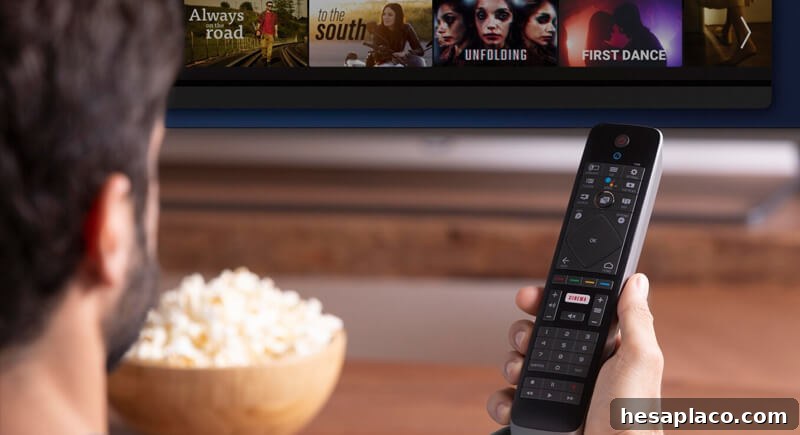
Subscription Economy
Credit: freepik
Millennials have embraced subscription services—from streaming platforms to meal kits and software-as-a-service—valuing convenience, variety, and access. Boomers may be more resistant to recurring fees or prefer outright ownership of physical media and products.
Technology as a Lifestyle

Credit: freepik
Growing up alongside rapid tech advances, Millennials often prioritize spending on smartphones, laptops, wearables, and smart-home devices. Boomers may purchase technology more selectively, focused on practical, user-friendly solutions rather than the latest trends.
Wellness and Self-Care

Credit: freepik
Millennials often invest in wellness—gym memberships, fitness classes, mental health services, and retreats—viewing these as integral to quality of life. Boomers may also prioritize health but sometimes focus spending on medical care or more traditional leisure activities.
Prioritizing Live Entertainment

Credit: freepik
Younger generations often allocate more of their discretionary budget to live experiences—concerts, festivals, and curated events—while Boomers may split entertainment spending between live events and more traditional, familiar pastimes.
Sustainable and Ethical Spending

Credit: freepik
Environmental and social responsibility often influence Millennials’ purchases; many are willing to pay more for eco-friendly, ethically produced goods. Boomers may value quality and longevity, but sustainability is sometimes a lower purchasing priority.
Charitable Giving, Evolved

Credit: freepik
Millennials often support causes online, through crowdfunding and recurring small donations to organizations aligned with their values. Boomers may prefer more traditional methods like single larger donations, check-writing, or attending fundraising events.
Planning for a Financially Uncertain Future

Credit: freepik
Facing student loan burdens and economic volatility, many Millennials take a cautious and strategic approach to finances, often seeking early advice from financial planners. Boomers benefited from different economic conditions that made wealth accumulation more straightforward for some, though individual outcomes vary.
New Investment Patterns

Credit: freepik
Millennials often use digital investment platforms and explore alternative assets such as cryptocurrencies and fractional ownership. Boomers are typically more inclined toward traditional investment strategies—stocks, bonds, and real estate—though many in both groups diversify their portfolios.
Retirement Realities

Credit: freepik
Millennials may need to save more aggressively for retirement due to longer life expectancies and later starts to stable incomes, while Boomers often benefited from pensions and earlier entry into the workforce. This shifts how each generation allocates income toward long-term savings.
Debt and the Spending Trade-Off

Credit: iStockphoto
Heavy student loan loads and other forms of debt can limit Millennials’ disposable income and shape spending choices. Even so, many young adults still prioritize meaningful experiences and lifestyle investments, balancing short-term enjoyment with long-term financial responsibilities.
While these trends highlight broad generational tendencies, individual circumstances differ widely. Preferences and priorities evolve with life stage, income, family situation, and broader economic forces—so spending patterns will continue to shift as both Millennials and Boomers move through different phases of life.