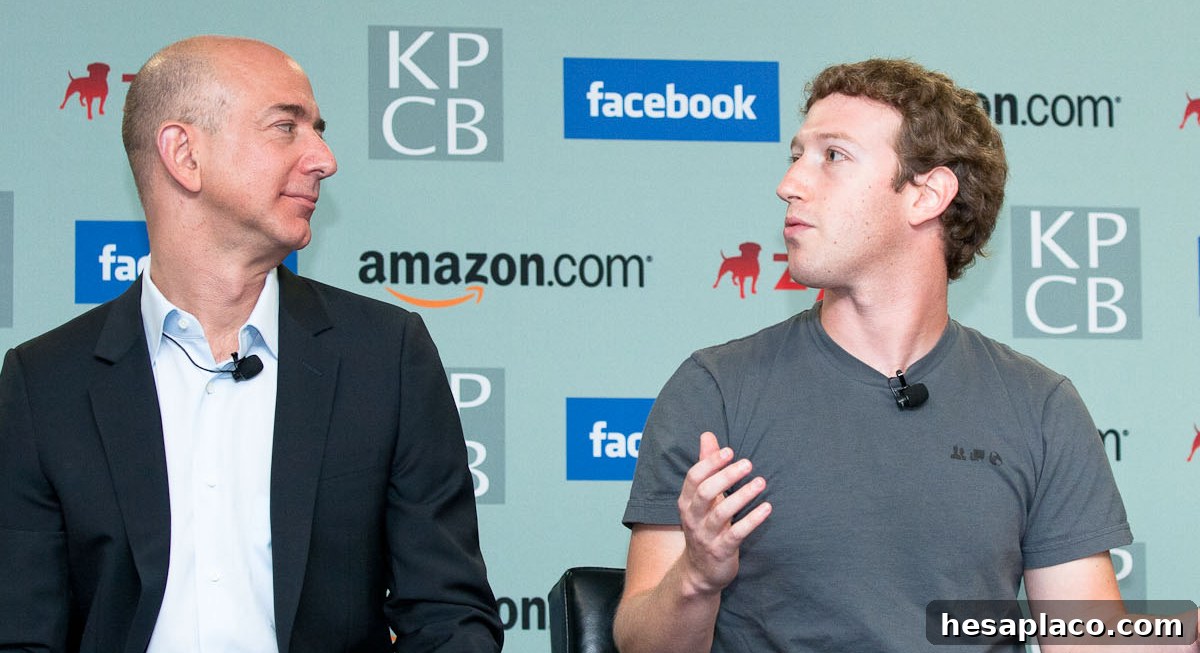
The world of chief executives is highly competitive, pressured, and often personal. Rivalry among CEOs can arise from many sources: competing market positions, differing philosophies, clashes of personality, or highly visible public disputes. Below are common reasons CEOs may find themselves at odds with one another, explained in clear, professional terms.
Competitive Threats

Credit: pexels
When companies operate in the same market, CEOs naturally view one another as direct threats to revenue, growth, and market share. A rival that out-innovates or outperforms your company can create pressure that quickly turns professional rivalry into personal animosity. Competitive moves—aggressive pricing, exclusive partnerships, or disruptive products—raise the stakes and heighten tensions.
Differing Business Philosophies

Credit: pexels
CEOs often clash over the fundamentals of how a company should be run. Some prioritize long-term sustainability, ethical sourcing, or social impact; others emphasize short-term financial performance and shareholder returns. These opposing priorities can lead to public disagreement, criticism, and mutual distrust—each side perceiving the other as either naive or morally compromised.
Leadership Style Conflicts

Credit: pexels
Personality and leadership approach matter. A CEO with an authoritarian, top-down approach can clash with a peer who leads collaboratively, or a visionary risk-taker may conflict with a cautious operator. These differences can create mutual incomprehension and a lack of respect that spills into public forums, board meetings, and industry events.
Public Relations Battles

Credit: pexels
Reputation is central to corporate success. PR strategies that elevate one firm’s image can indirectly harm a competitor, and when companies engage in aggressive or negative campaigns, disputes can become personal. Media narratives, press statements, and crisis communications can escalate conflicts quickly if CEOs publicly criticize or undermine rivals.
Talent Poaching

Credit: pexels
Skilled executives, engineers, and senior leaders are valuable assets. When a rival company hires away key talent, the losing CEO can perceive the move as a direct assault. Talent departures can disrupt strategy, weaken institutional knowledge, and create lingering resentment—especially if the hiring firm gains a measurable advantage as a result.
Disagreements Over Industry Standards

Credit: iStockphoto
Industry-wide issues—regulatory compliance, environmental footprints, labor practices, or safety standards—often divide leaders. CEOs who champion stricter rules may publicly call out competitors who resist them, creating friction. These disputes can shape public policy debates and influence customer perceptions, raising the emotional and political temperature between executives.
Boardroom Egos

Credit: pexels
High-stakes negotiations around mergers, acquisitions, joint ventures, or partnerships frequently involve conflicting valuations and visions. Heated discussions over strategic control, deal terms, or board seats can leave lasting resentment. When talks collapse, personal pride and professional consequences can intensify the rivalry.
Social Media Spats

Credit: pexels
Social networks have shortened the distance between executives and the public. A pointed tweet, a loaded comment, or a defensive corporate post can ignite or escalate disputes. These interactions are amplified by media and followers, turning what might once have been discreet disagreements into widely visible spats that affect brand reputation.
Awards and Recognition Jealousy

Credit: Wikimedia Commons
Prestige matters in executive circles. Industry awards, media profiles, or public lists that celebrate certain CEOs can create envy among peers who feel overlooked. When recognition translates into tangible advantages—talent attraction, investor interest, or partnership opportunities—jealousy can become a strategic concern, not just a personal irritation.
Personal Values Misalignment

Credit: pexels
Beneath strategic disagreements are often deeper differences in values. Political stances, philanthropic priorities, or personal beliefs that shape a CEO’s public persona and corporate culture can clash with those of their peers. When values are central to leadership identity, disputes can become personal and enduring, extending beyond the boardroom into public debate.
In short, CEO rivalries are driven by a mix of market forces, personality clashes, and public visibility. Understanding the sources of tension—competition for market share, conflicting priorities on ethics and strategy, leadership style differences, and the amplification effect of modern media—helps explain why conflicts among top executives can become so intense and public. For organizations, recognizing these dynamics is essential to managing reputation, securing talent, and navigating partnerships amid a landscape of high-stakes leadership competition.