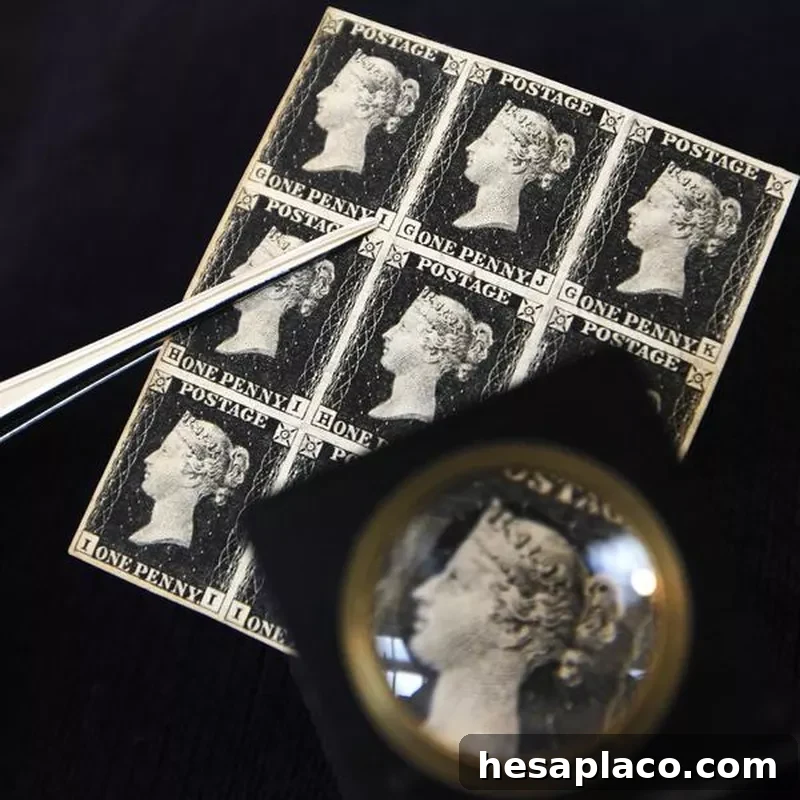
The first adhesive postage stamp was issued in Great Britain on May 1, 1840. Collecting stamps began almost immediately.
Within a year, a woman placed an advertisement in The Times of London seeking “cancelled” stamps to wallpaper her dressing room; she had already amassed 16,000. Imagine what that collection would be worth today.
For more than 180 years, collectors—philatelists—have valued rare stamps at extraordinary prices, from hundreds of thousands to millions of dollars. Below is a rounded, SEO-friendly guide to some of the world’s most valuable stamps, summarizing their stories and auction values.
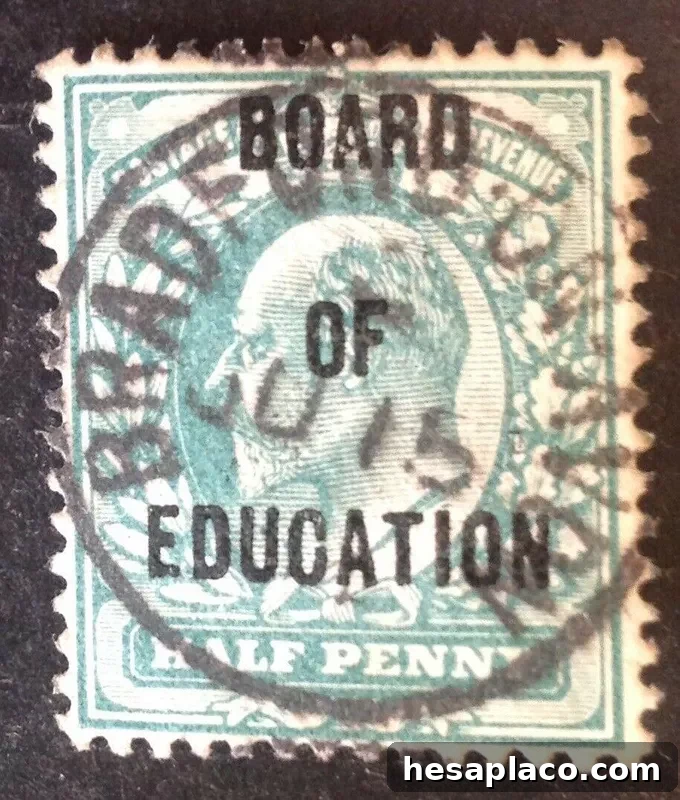
27. UK 1902 ½d British Board of Education
wellingtonshare
Value: $234,000
Issued in 1902 with the British Board of Education overprint, this stamp is extremely rare—only about five examples are believed to exist. One sold at auction for $234,000.
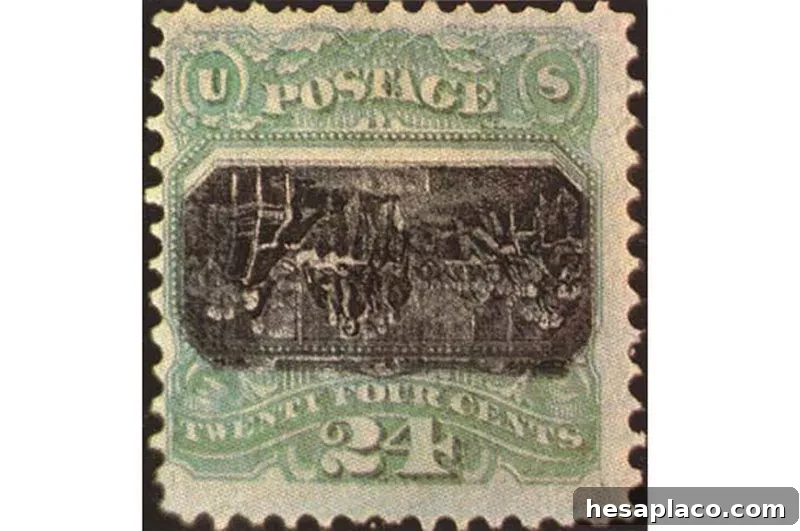
26. USA 1869 24¢ Inverted Center — Declaration of Independence
Filbert
Value: $275,000
Part of the ornate 1869 pictorial issue, the 24-cent Declaration of Independence stamp is prized for its detail. Inverted-center examples—where the central vignette is upside down—are especially valuable.
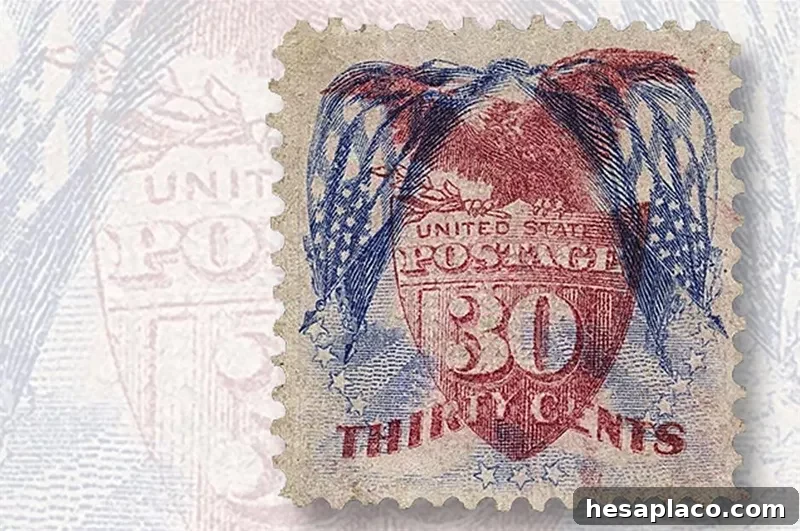
25. USA 1869 30¢ Inverted — Shield, Eagles and Flags
Robert A. Siegel
Value: $310,500
The 30-cent Pictorial from 1869 included a few sheets printed with the flag design inverted. Those error examples are rare and can command six-figure sums at auction.
24. USA 1873 23¢ “Lost Continental”
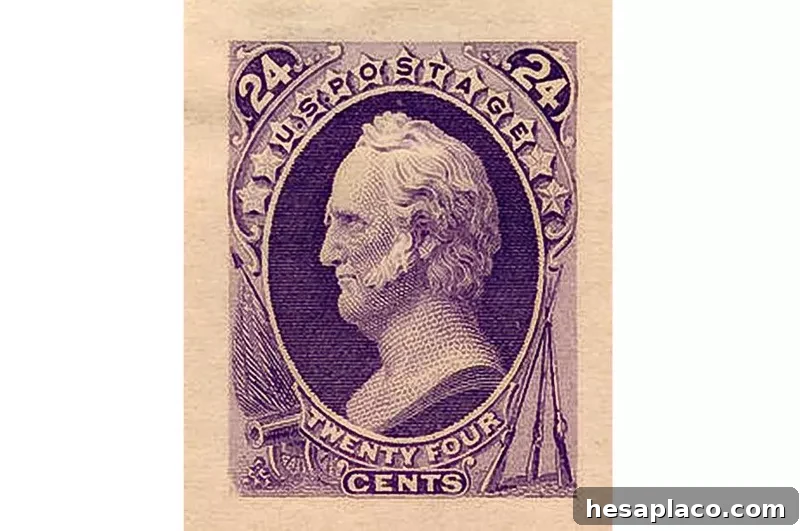
Wikimedia Commons
Value: $325,000
Nicknamed the Lost Continental because only a single example has ever been found, this 1873 Continental Banknote Company issue depicting General Winfield Scott is one of the rarest U.S. classics.
23. Penny Black
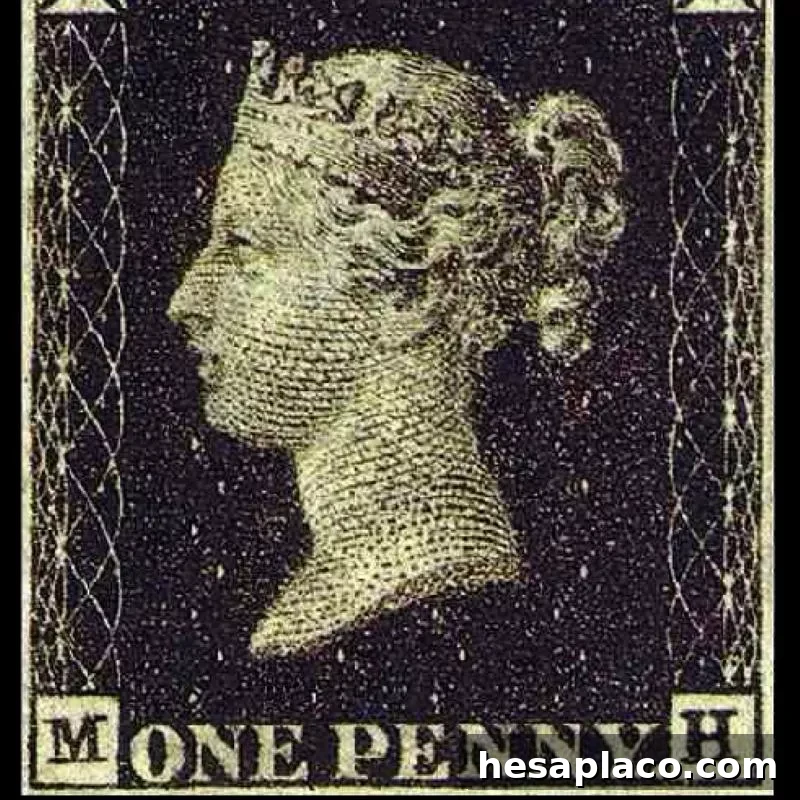
Wikimedia
Value: $345,100 (record sale)
The Penny Black, issued in 1840, was the world’s first adhesive postage stamp. While many survive and ordinary examples are inexpensive, rare early-registration Penny Blacks have sold for hundreds of thousands of dollars at auction.
22. Hong Kong 1941 $2 Inverted — Dr. Sun Yat-sen
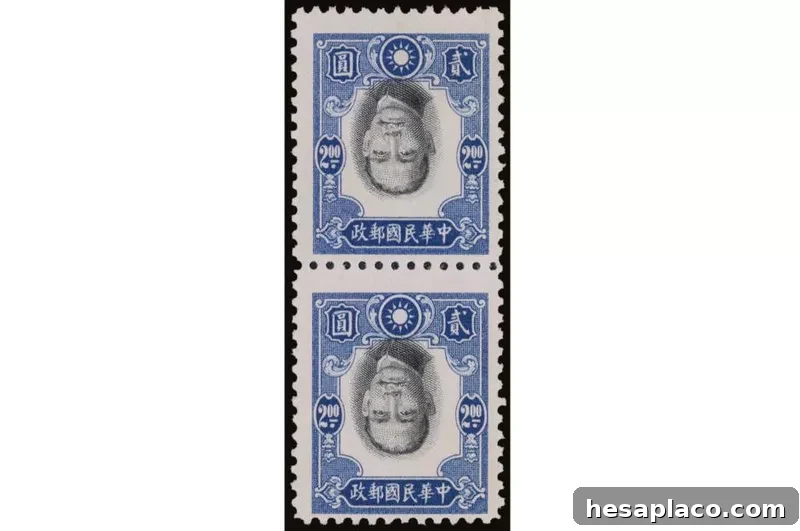
Love Money
Value: $353,850 (single stamp; pairs have sold for more)
Printing errors often boost value. In 1941 a sheet of $2 Hong Kong stamps was printed with Dr. Sun Yat-sen inverted; only about 50 error stamps are known. Pairs and multiples of this error have achieved substantially higher totals.
21. China 1953 800Y Blue Military
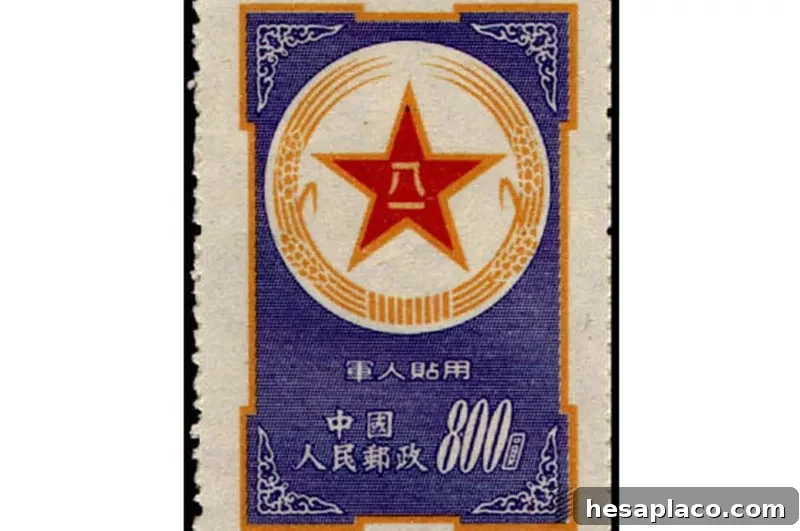
Catawiki
Value: $428,700
A military issue recalled due to a printing defect—the paper was partially transparent—this blue 800 yuan stamp survives in only a few examples and is highly coveted by collectors.
20. China 1897 2¢ Red “Maiden in the Green Robe” (Red Revenue)
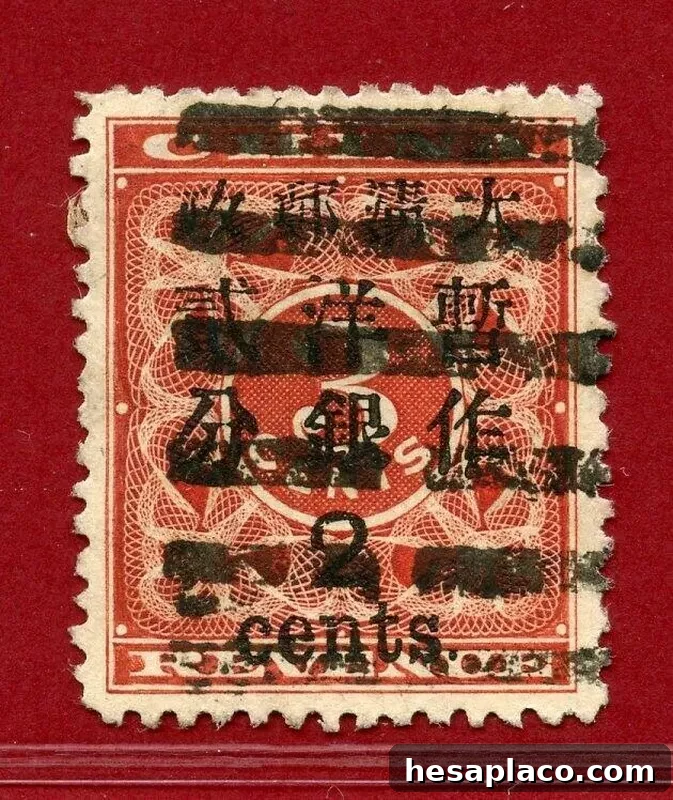
robinphila
Value: $444,477
Known as Red Revenue, this 1897 overprint was produced during currency changes and survives in very small numbers. Its rarity makes it a top Chinese classic at auction.
19. Canada 1851 12d Black “Empress”
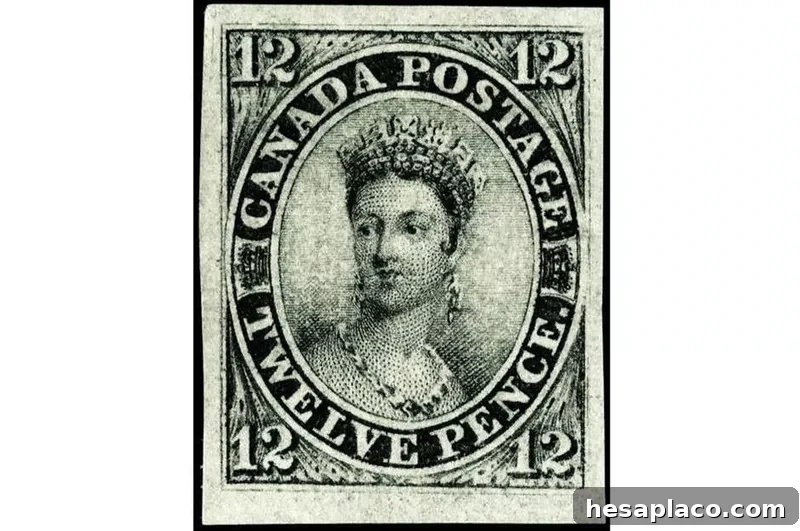
Wikimedia Commons
Value: up to $445,000
The 1851 12d Black Empress is among Canada’s most valuable early issues. Few unused examples survive, and high-grade examples achieve six-figure prices.
18. UK 1904 6d Pale Dull Purple I.R. Official
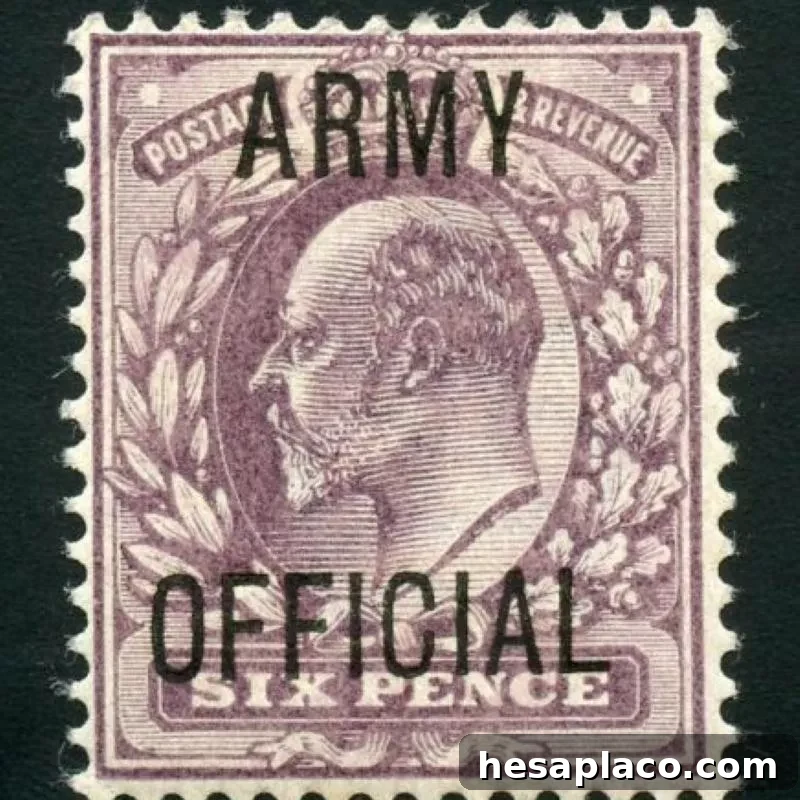
I.R. Official overprint
Value: $535,204
Nineteen sheets of this 1904 overprinted “I.R. Official” issue were reportedly destroyed or recalled the day they were issued, leaving very few survivors. Government official overprints and recalled issues are especially prized by specialist collectors.
17. Hawaiian Missionary, 1851 2¢
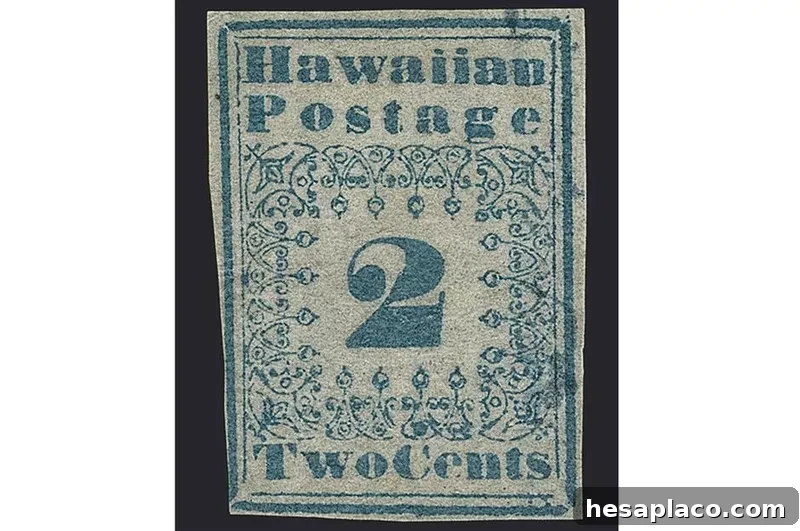
Robert A. Siegel
Value: $619,500
Hawaiian Missionary stamps are among the rarest early U.S. or U.S.-related issues. This 2¢ example, formerly in the collection of William H. Gross, fetched over $600,000 at auction.
16. UK 1863 Penny Red, Plate 77
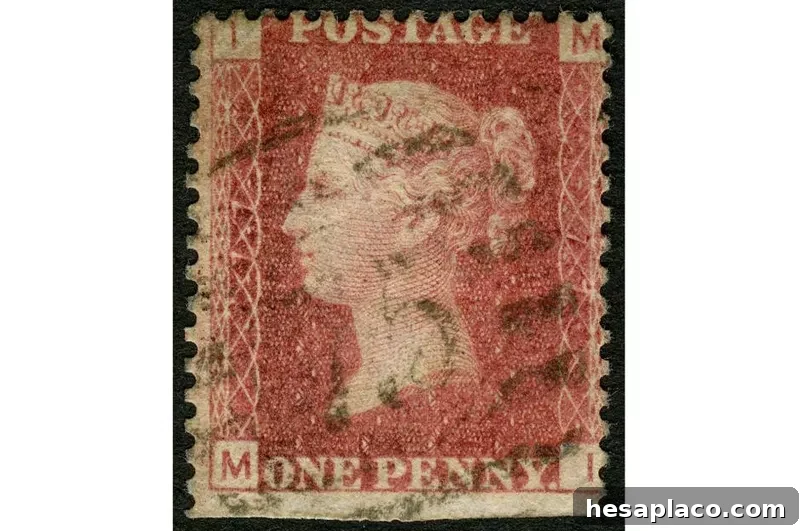
Stanley Gibbons
Value: $645,000
Penny Reds printed from plate 77 suffered a perforation fault that made most sheets unusable; almost all were destroyed. Only a handful of individual stamps from plate 77 survive and are extremely valuable.
15. Plate 77 Penny Red (range)
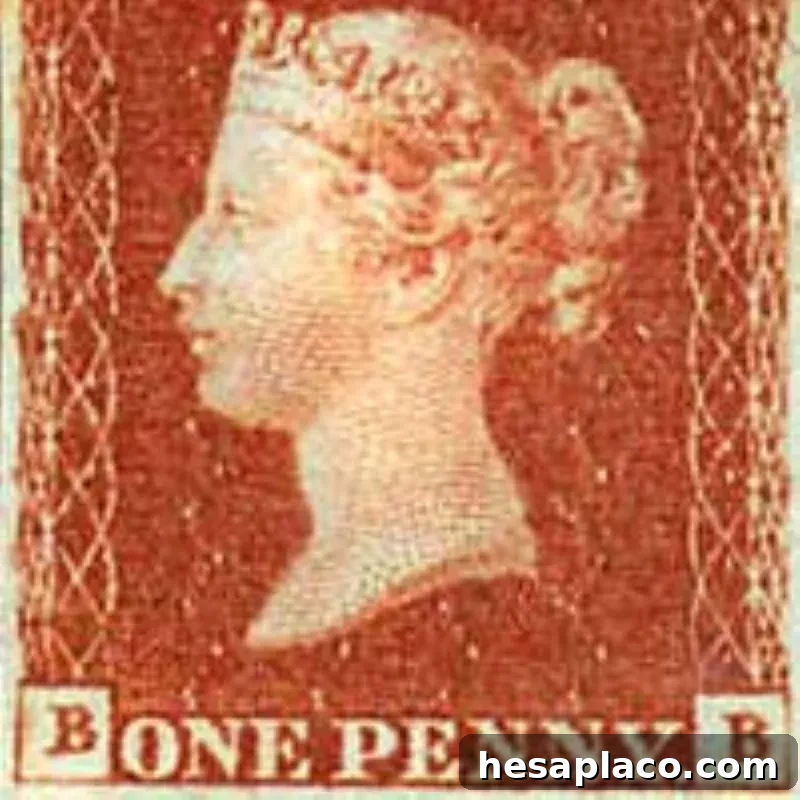
Wikimedia
Value: $662,000–$736,000 (record sales)
A rare surviving group of Penny Reds from plate 77 have achieved different high prices at auction. A few sales in the 2010s set record prices for these elusive examples.
14. China 1897 10¢ on 9 Candareen (inverted surcharge)
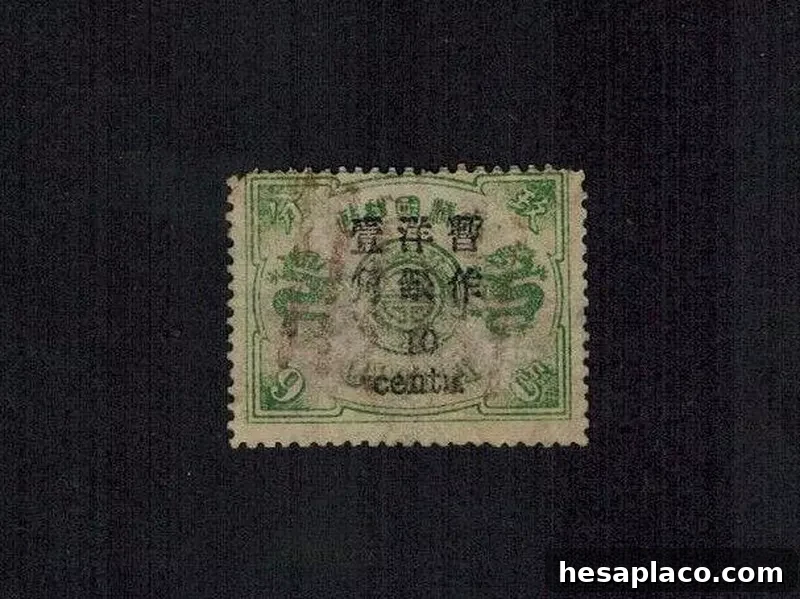
markgospel8.37
Value: $770,000
An inverted 10¢ surcharge on the 9 Candareen Dragon-and-Shou issue is one of only three verified examples; one sold at a Hong Kong auction for a high six-figure sum. This is the only known unused specimen among them.
13. 1897 Red Revenue One Dollar (Small)
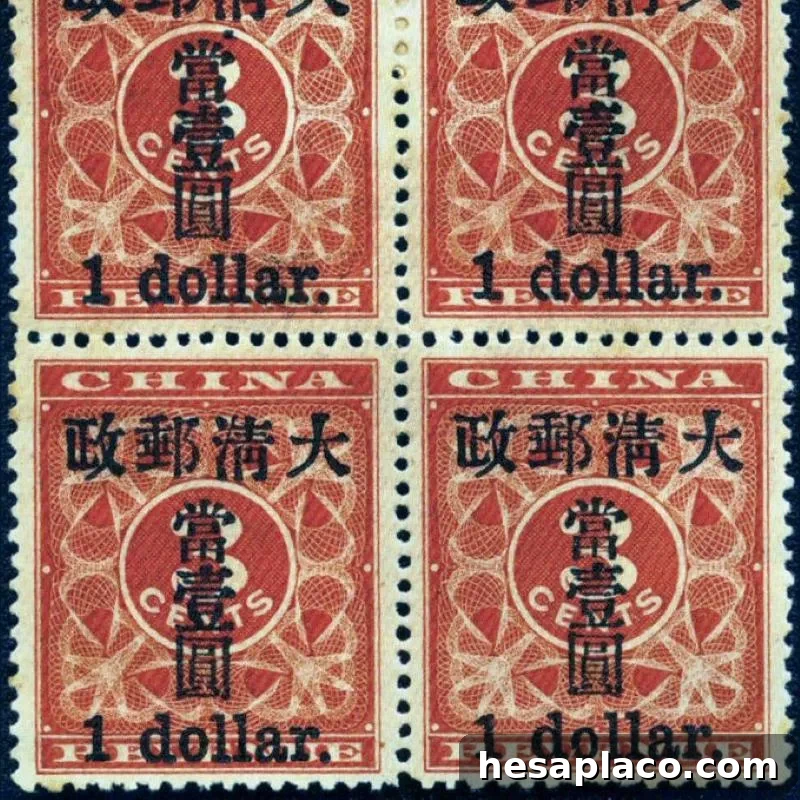
Wikimedia
Value: $889,765
Part of China’s earliest postal issues, the Red Revenue One Dollar Small was quickly withdrawn because the lettering was too small. Only a few dozen are known, making it one of China’s most valuable classics.
12. Benjamin Franklin “Z” Grill (1¢)
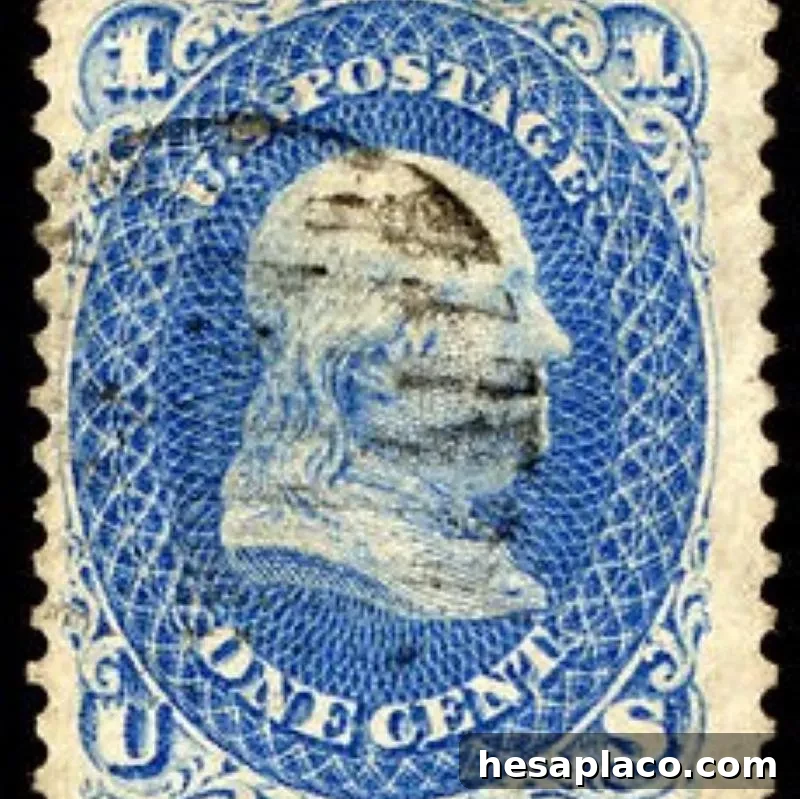
Wikimedia
Value: $935,000–$3,000,000 (depending on trade/sale)
The Z grill—tiny Z-shaped indentations pressed into the stamp—was used briefly in the 1860s. Only two 1¢ Z grill stamps are known. One sold for $935,000; another was later traded as part of a swap valuing it at the multi-million-dollar level.
11. Alexandria “Blue Boy”
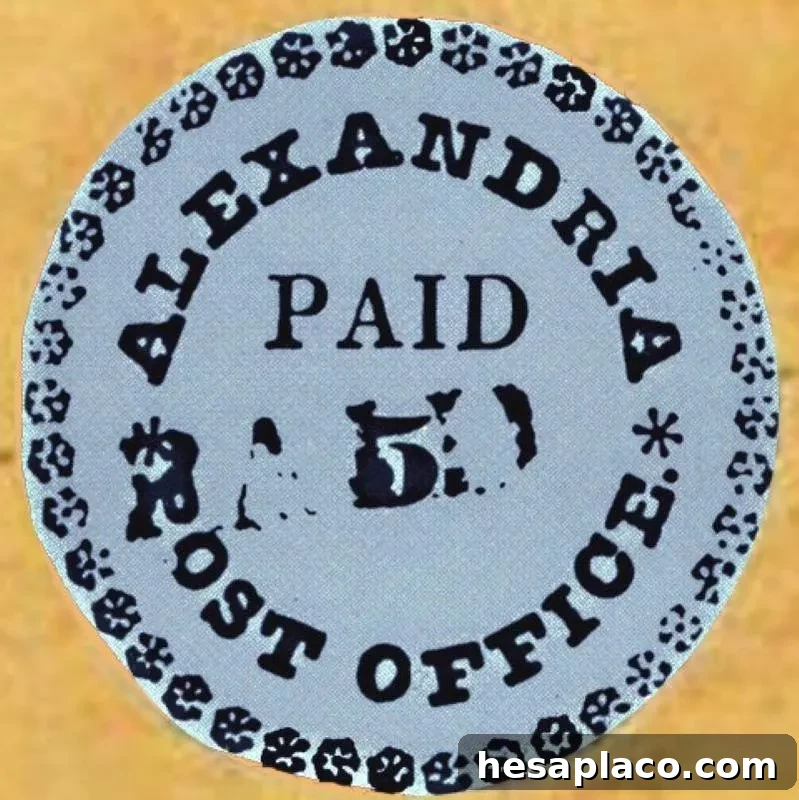
Wikimedia
Value: $1.18 million
Also called the Alexandria “Blue Boy,” this unique circular blue issue from the mid-1840s is the only known example. It has a romantic history and has fetched seven figures at auction.
10. 1868 George Washington “B” Grill
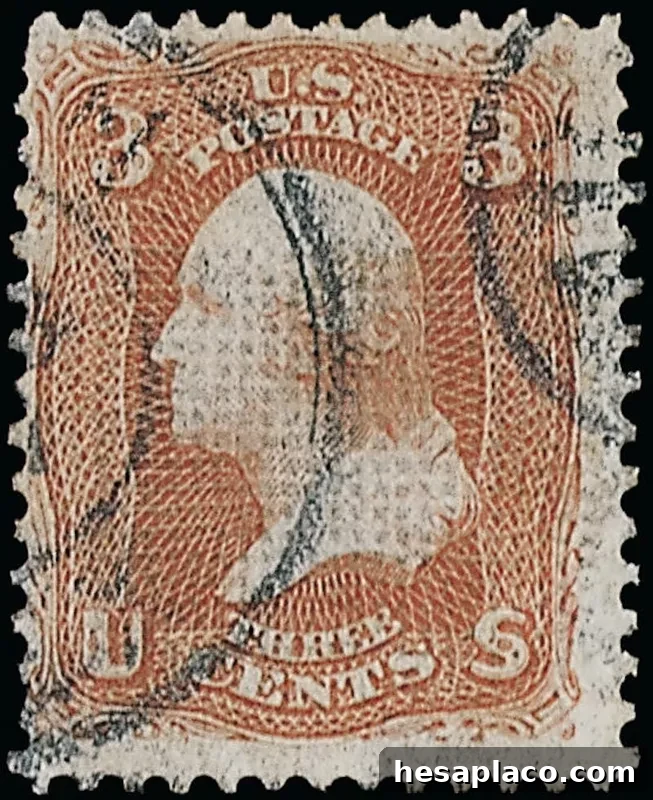
Robert A. Siegel Auction Galleries
Value: $1,035,000
B-grill stamps are identifiable by tiny upward-pointing dents introduced to prevent reuse. Only four George Washington B-grills are known, and one sold for over $1 million.
9. Inverted 1869 “Declaration of Independence”
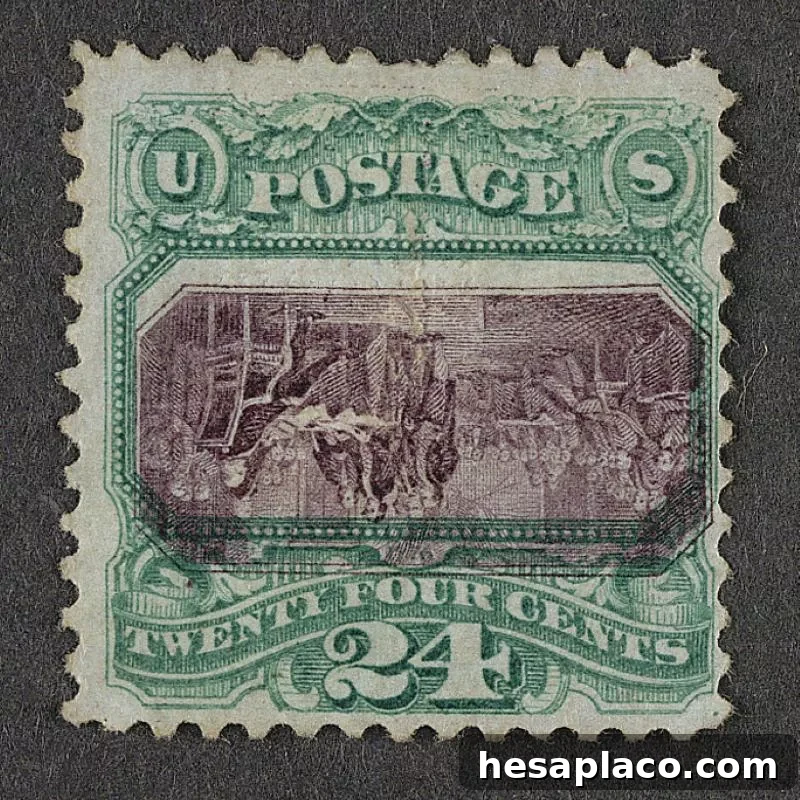
British Library
Value: $1.2 million
An unused 24¢ 1869 pictorial with the center vignette inverted sold for $1.2 million. Only a handful of these iconic inverts are known.
8. Mauritius “Two Penny Blue”
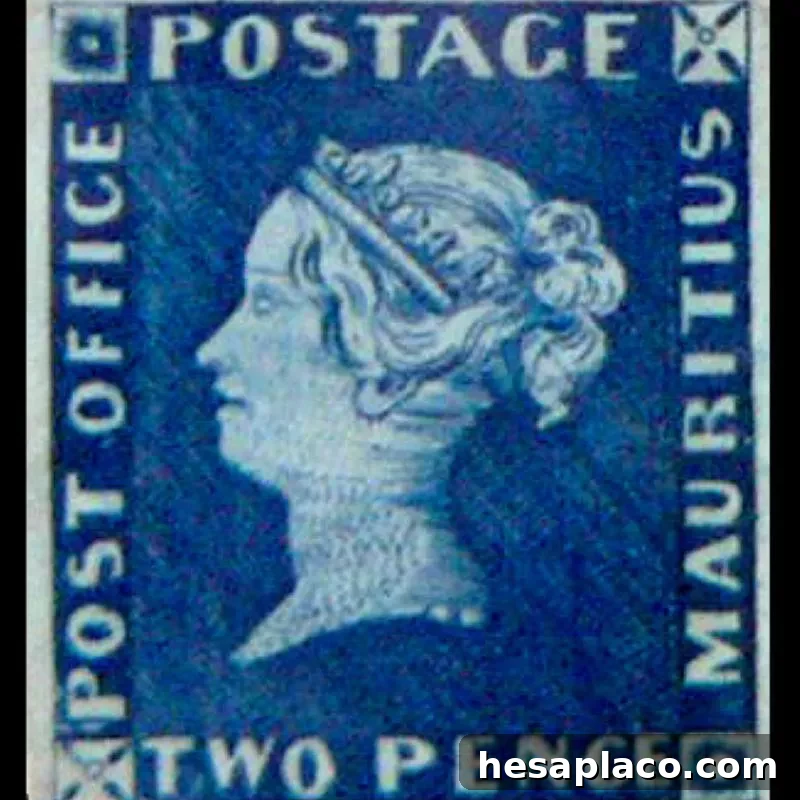
Wikimedia
Value: roughly $1.4–1.8 million (historical conversions)
The Mauritius Post Office issues from 1847—especially the Two Penny Blue and One Penny Red—are legendary. These colonial-era stamps fetched record prices through the 20th century and remain among the most famous rarities.
7. Baden 9 Kreuzer Error (1851)
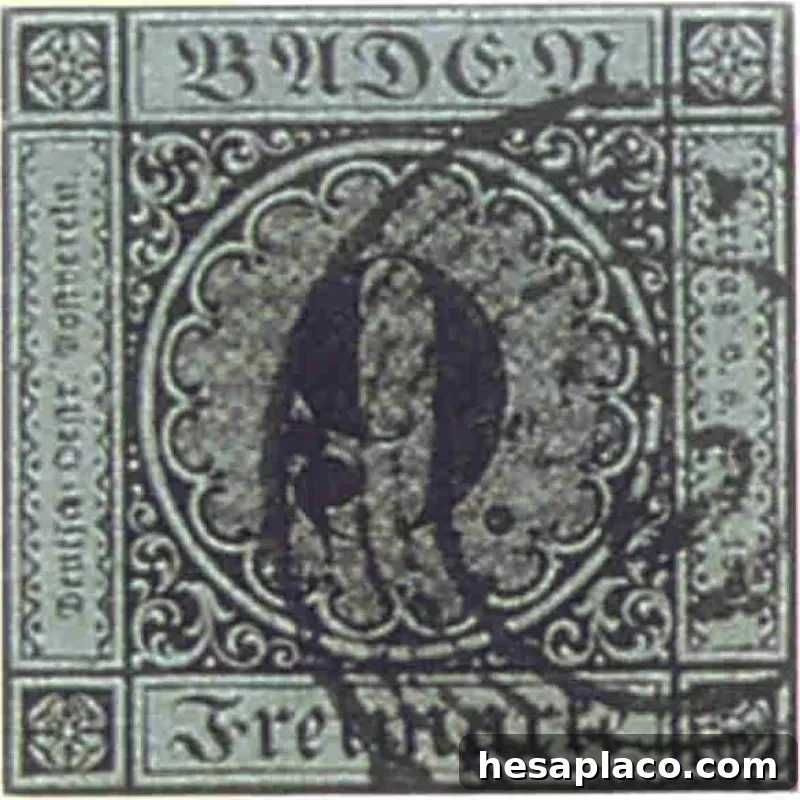
Wikimedia
Value: $1.545 million
A printer’s error produced a green-toned 9 Kreuzer instead of the intended rose color. For decades only a handful were known; one sold for over €1.3 million, and additional discoveries continue to surface rarely.
6. 1918 “Inverted Jenny” (24¢)
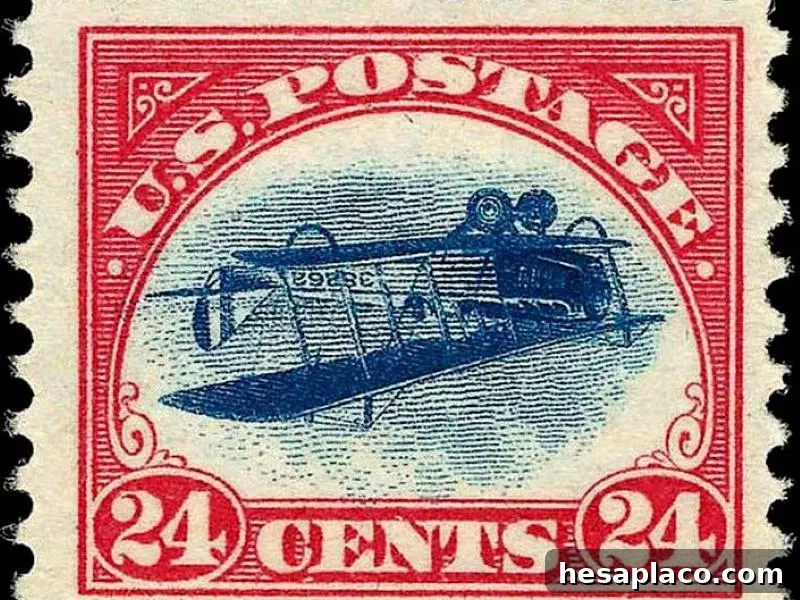
Wikimedia
Value: $1.593 million (record sale for a single stamp)
The famous Inverted Jenny shows the Curtiss JN-4 biplane printed upside down. Only 100 were issued; at least 86 survive. A pristine example kept in a safe deposit box for a century sold for a record price in 2018.
5. “The Whole Country Is Red” (China, 1968)

Wikipedia
Value: $2 million
Issued during the Cultural Revolution, this politically charged stamp—nicknamed the “Big Patch of Red”—is known from only a few examples. One pristine copy sold for about 13.8 million yuan (~$2 million) in 2018.
4. Mauritius Post Office Stamps (Bordeaux Cover pair)
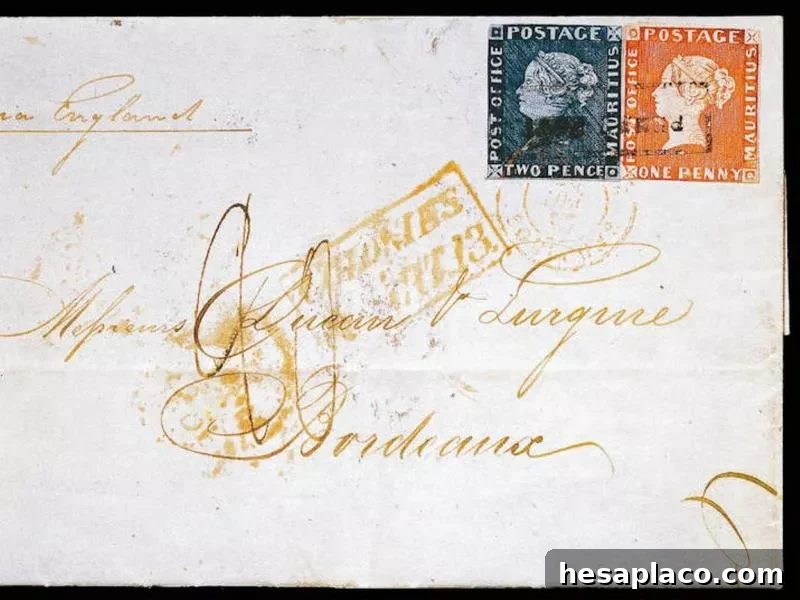
Wikimedia
Value: $3.8 million (pair on the Bordeaux Cover)
A famous postal cover combining a One Penny red and Two Penny blue Mauritius Post Office stamp—known as the Bordeaux Cover—sold for several million dollars. The Post Office issues remain among the most celebrated rarities.
3. 1859 Sicilian “Error of Color”
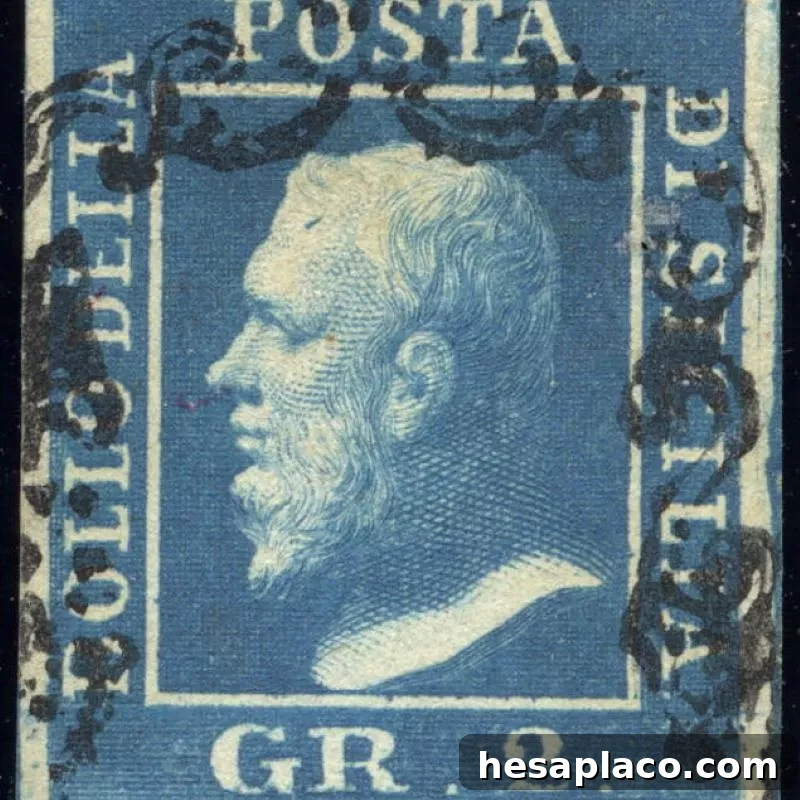
Wikipedia
Value: $2.6 million
One of only two known examples, this Sicilian stamp was printed in blue instead of orange. It sold for a multi-million-euro price at a Swiss auction and ranks among the most valuable philatelic rarities.
2. Treskilling Yellow (Sweden, 1855)
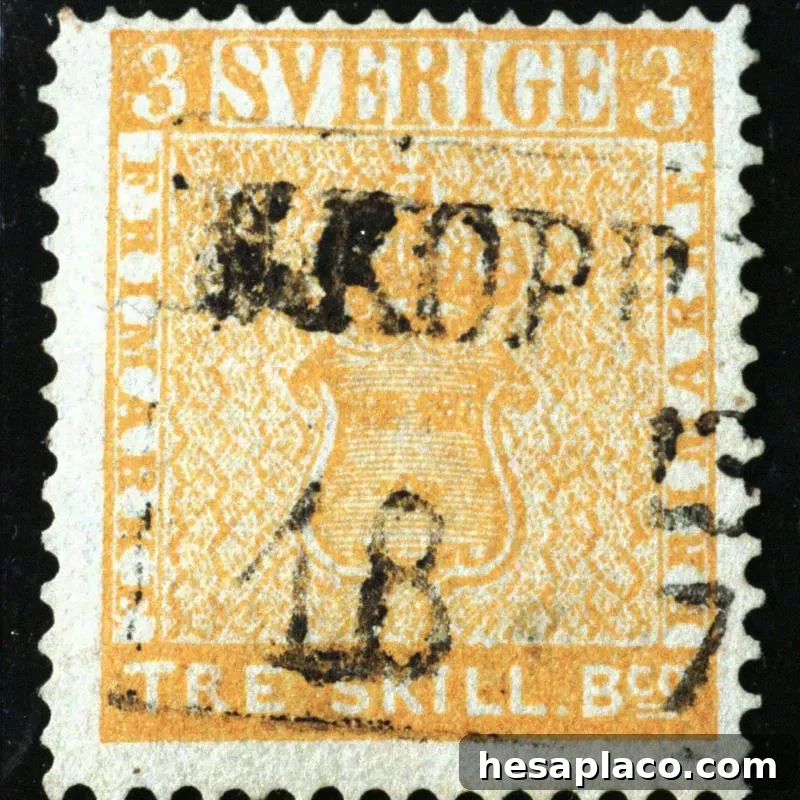
Donald Stampfli / AP
Value: historically reported $2.3 million and higher
The Treskilling Yellow is a one-of-a-kind color error: a three-skilling stamp mistakenly printed in the yellow color intended for the eight-skilling issue. It has changed hands privately several times for undisclosed sums, with public sales previously reported in the multi-million-dollar range.
1. British Guiana 1¢ Magenta (1856)
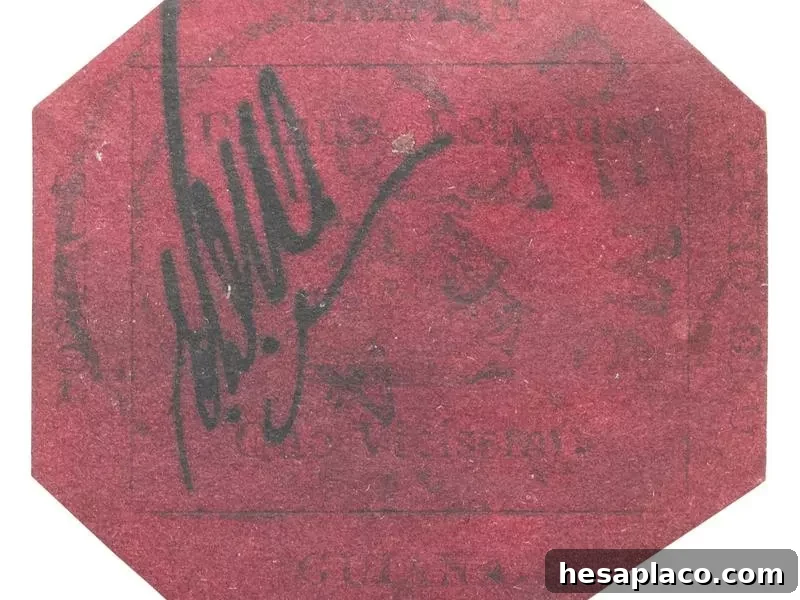
Wikimedia
Value: $9.48 million (record sale)
Printed in 1856 when the colony’s postmaster authorized provisional issues, the British Guiana 1¢ Magenta is unique—this single surviving example has passed through many famous collections. It realized $9.48 million at Sotheby’s in 2014, making it the most valuable stamp ever sold at public auction.
These highlights show why philately attracts both dedicated collectors and serious investors: small pieces of paper carry considerable history, extreme rarity, and sometimes spectacular auction returns. If you inherit old letters or stamps, it can be worthwhile to have them examined by a knowledgeable dealer or auction house—sometimes remarkable treasures turn up in attics and family albums.