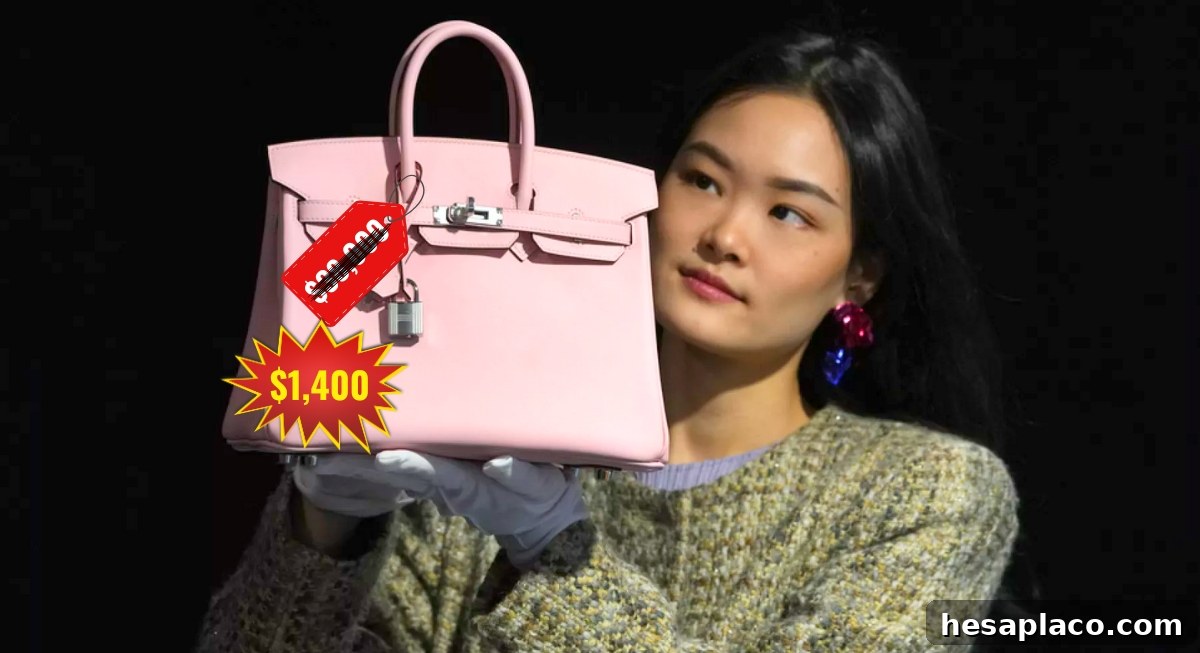
For many who grew up valuing the cachet of labels like “Made in Italy” or “Crafted in France,” the modern luxury supply chain can be a surprise. Dig beneath the surface and you’ll often find that much of the work attributed to European craftsmanship is actually completed elsewhere—frequently in Chinese factories. Social media didn’t invent this reality, but platforms like TikTok have amplified insider accounts and factory footage that make the outsourcing more visible than ever.
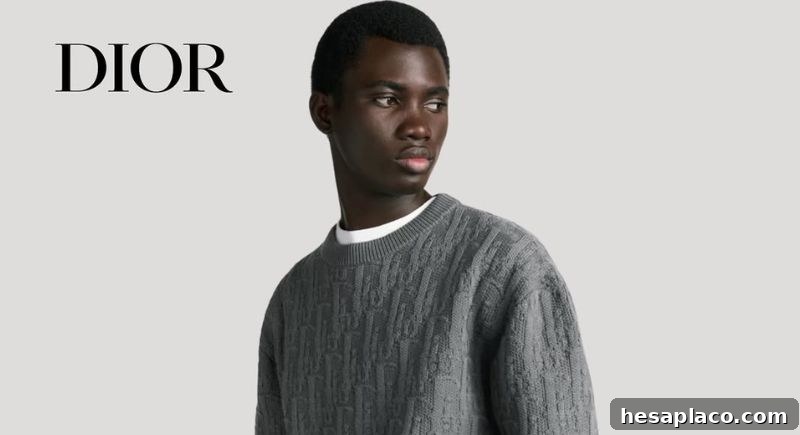
Dior Knitwear
Credit: Instagram
Industry insiders and creators on social platforms have shared evidence that some of Dior’s cardigans and ready-to-wear knits are produced in China. Suppliers like Beyond Garments have been mentioned in those reports. While final touches or embellishments may be completed in Europe, core knitting, assembly, and much of the labor can originate in Chinese workshops.
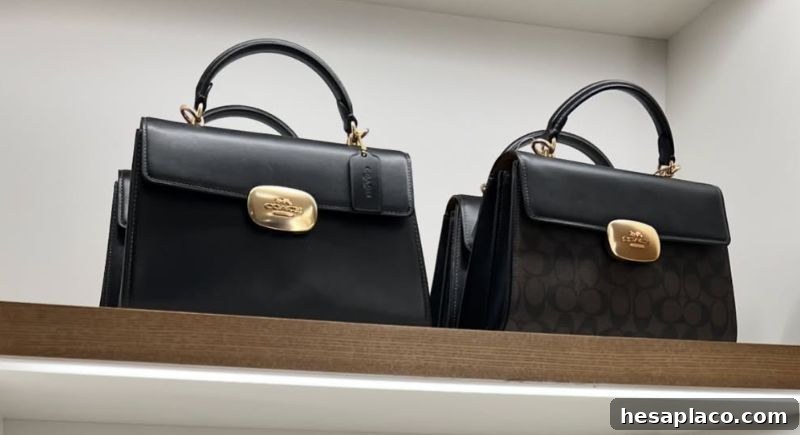
Coach and Michael Kors
Credit: Instagram
Coach and Michael Kors are long-associated with outsourcing practices that have become public knowledge. Videos have shown skilled workers in China assembling Kors bags, with some creators pointing out U.S. branding tags applied late in the process. Outlet shoppers and bargain hunters have often purchased items that were produced in Asia despite their Western branding.
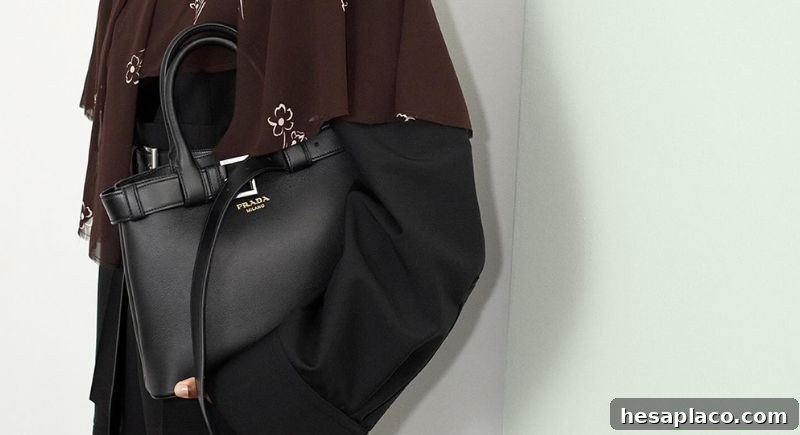
Prada Bags
Credit: Instagram
Prada has been relatively open about sourcing a portion of production from China. What surprises some consumers is the level of parity—many components like leather, hardware, and stitching match European-made pieces. The distinction often lies in where final assembly or quality checks occur, complicating the narrative of exclusively Italian manufacturing.
Dior Cosmetics
Credit: Instagram
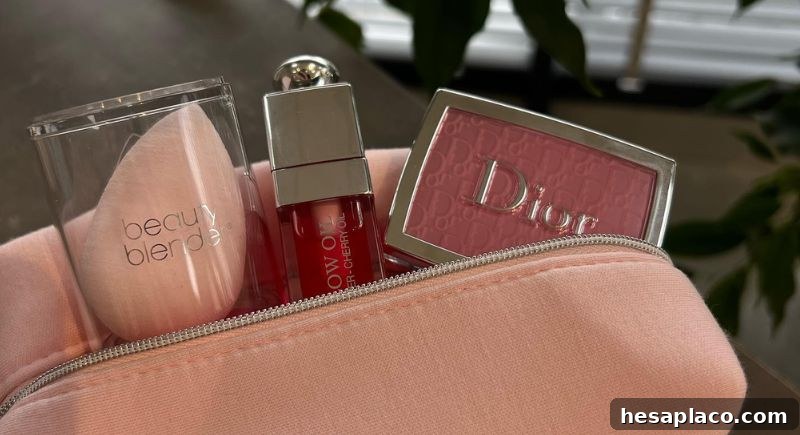
Luxury cosmetics often carry an aura of in-house lab creation, but many mainstream cosmetic brands use large contract manufacturers. Some Dior makeup lines are reported to be produced by suppliers within groups that operate extensive facilities in China. Packaging and components are commonly sourced from industrial hubs such as Shenzhen, making the finished product a mix of global inputs.
Gucci’s 80% Factory Leak
Credit: Instagram
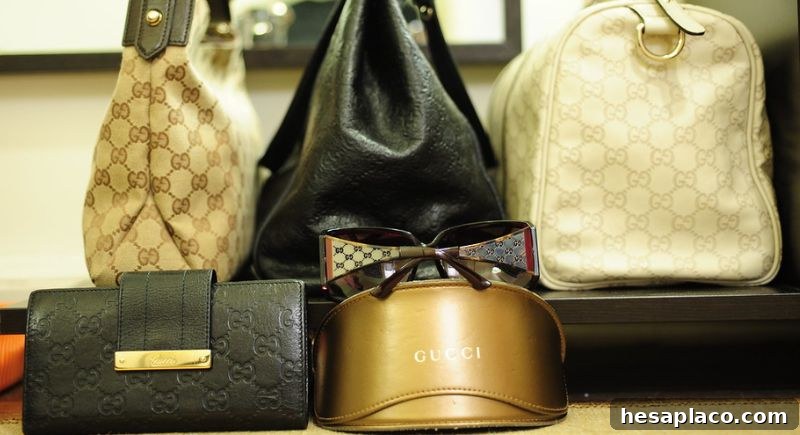
Claims circulating on social platforms suggest a large share of Gucci items are assembled in China and then receive finishing touches or final quality control in Europe. The components and construction can be consistent with brand standards, but labels and country-of-origin designations may reflect only part of the production journey.
Lululemon Leggings at $5 a Pop

Credit: Instagram
Though not a luxury label, Lululemon demonstrates similar dynamics in pricing versus production cost. Footage from factory floors suggests the material and assembly cost for a pair of leggings can be extremely low compared with retail prices. The takeaway for many viewers is that high retail marks often reflect branding, design, and distribution margins rather than just manufacturing costs.
Dior Packaging and Accessories: From 24-Hour Shenzhen Plants
Credit: Instagram
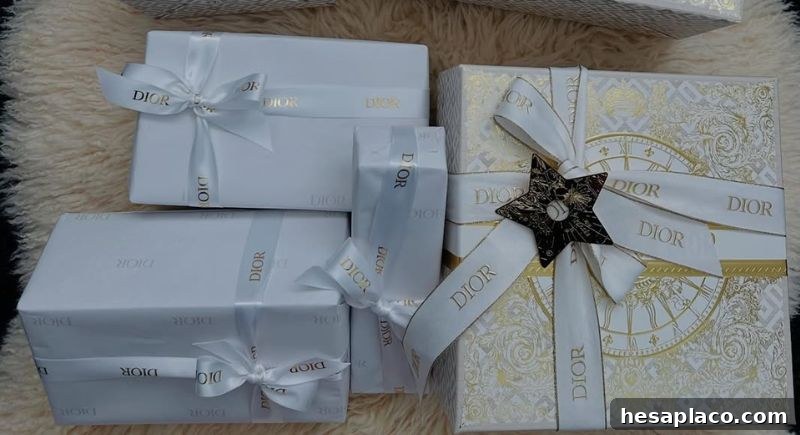
Luxury presentation—the boxes, bags, ribbons, and embossed labels—often originates from specialized manufacturing centers in China. Factories in Shenzhen and other manufacturing hubs produce high-quality packaging components at scale. These suppliers serve both high-end and mass-market clients, which explains the visual consistency of packaging across price tiers.
Balenciaga’s Quiet Outsourcing
Credit: Instagram
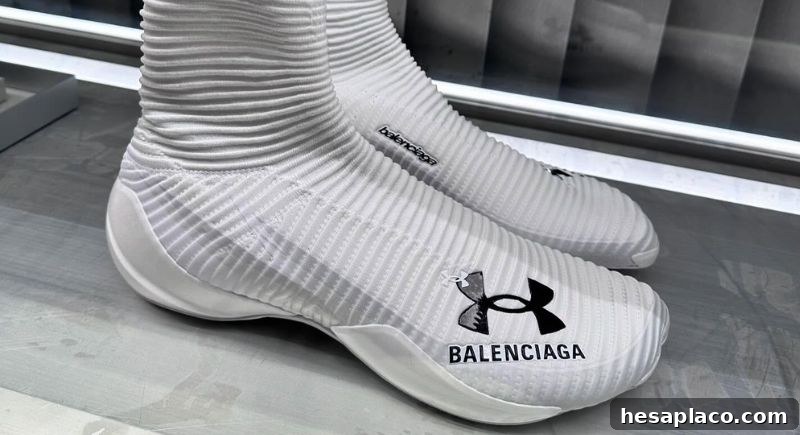
Balenciaga’s avant-garde branding and runway shock value sit alongside a supply chain that includes Chinese factories for many basics like t-shirts, hoodies, and footwear. The company does not hide subcontracting relationships, but those details are rarely emphasized in marketing, which focuses on design and cultural relevance.
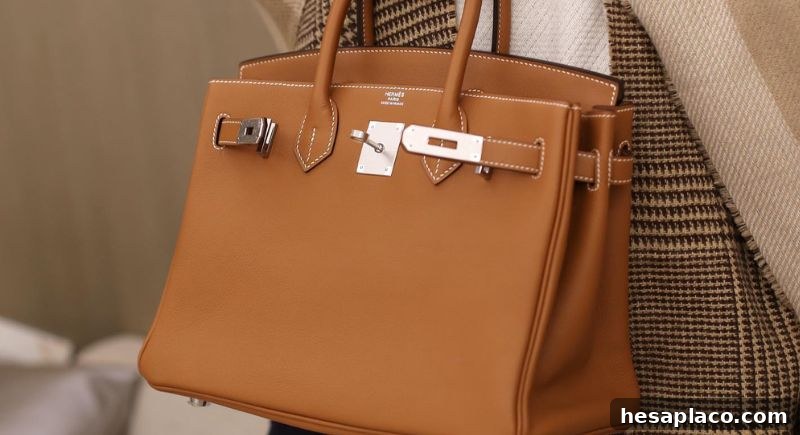
Hermès: The Materials Origin Debate
Credit: Instagram
Hermès is renowned for its artisanal tradition and French workshops, yet parts of its supply chain—such as base leathers and certain hardware—may come from international sources, including China. Some reports indicate that items can be nearly complete before final French assembly, which raises questions about how origin and craftsmanship are communicated to consumers.
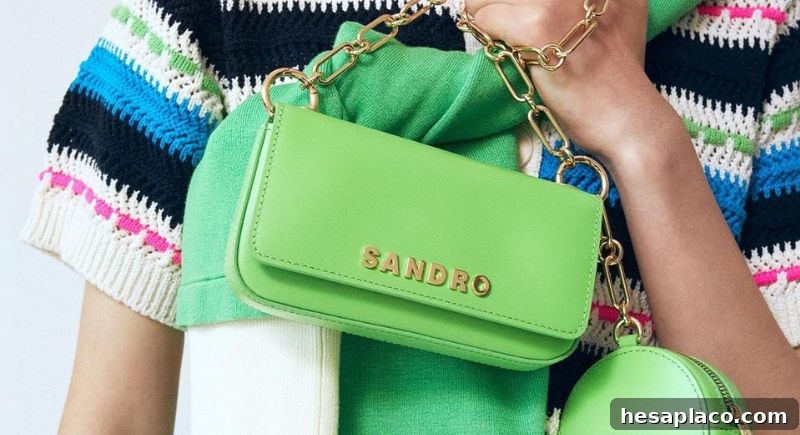
Maj, Sandro, and Other Mid-Luxury Names
Credit: Instagram
Many mid-luxury and contemporary European labels rely on the same global factories that serve high-end brands. That means garments from Parisian labels marketed as accessible luxury may share suppliers, materials, and assembly processes with more expensive houses, resulting in overlapping production footprints.
LVMH and the Birkenstock Surprise

Credit: Instagram
When LVMH acquired a stake in Birkenstock, it drew attention to brand origin and manufacturing. Some footage and claims suggest that while Birkenstock markets certain lines as German-made, visually similar or nearly identical items may be produced elsewhere, including China. Whether those are unauthorized copies or legitimate OEM runs, the situation shows how complex origin stories can be.
Beyond the Bags: Chinese Cashmere’s Rise

Credit: Instagram
Cashmere, once primarily associated with European luxury knitwear, increasingly traces back to supply chains in China and Mongolia for raw fiber and large-scale processing. High-quality cashmere can originate from the same regions and mills used by various global brands, which complicates simple associations between country-of-origin labels and material provenance.
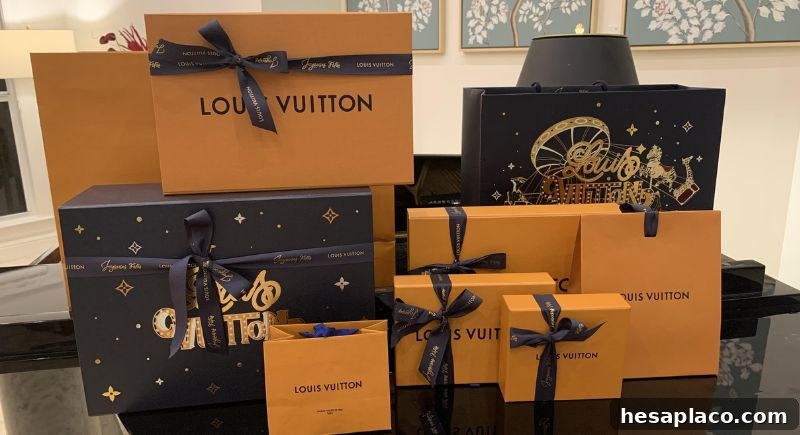
The Packaging Scam No One Talks About
Credit: Reddit
Packaging contributes heavily to the luxury experience, but the sophisticated boxes, magnetic closures, and molded trays are often manufactured by the same vendors that supply non-luxury brands. The result: premium presentation can be achieved at scale by specialist suppliers, narrowing the gap between high- and low-cost products in terms of appearance.
AI-Boosted TikToks Roasting American Factories

Credit: flickr
Social media content—some AI-assisted—has contrasted production speeds and efficiency between factories in different countries. Those clips can be provocative and inflammatory, but they underscore a wider perception: Chinese manufacturing has developed advanced capabilities and scale that many consumers and creators find impressive compared with older Western manufacturing models.
Fake or Not, It Feels the Same
Credit: Getty Images
Creators comparing authentic luxury pieces with high-quality replicas have often found the differences hard to distinguish. When production quality, materials, and components are similar, the primary distinction left to consumers is the brand name and the surrounding narrative—heritage, exclusivity, and marketing—not necessarily perceptible product performance.
Loro Piana Knitwear

Credit: Instagram
Loro Piana is celebrated for premium fibers such as cashmere and vicuña and is known for finishing many garments in Italy. However, large volumes of raw cashmere are sourced from regions like Inner Mongolia, and the initial processing of raw fibers can take place internationally before final weaving and finishing occur in Italy’s ateliers.
Armani Handbags and Accessories
Credit: Instagram
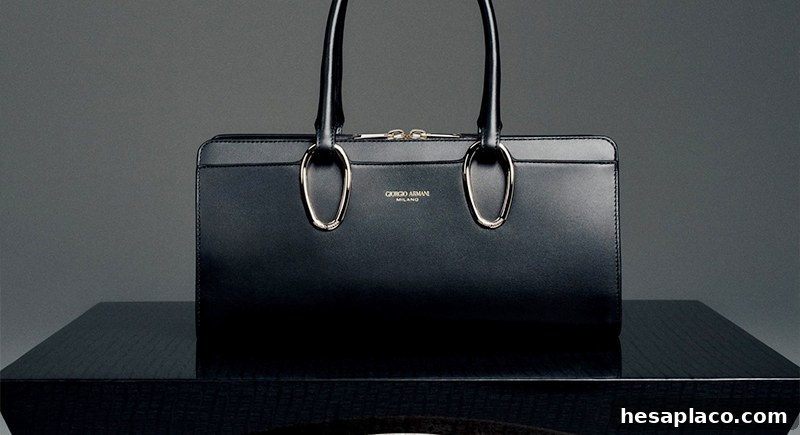
Armani often markets leather goods as Italian-made, and many items do carry “Made in Italy” labels. At the same time, investigative reporting and industry accounts have revealed that some components and portions of the production process can involve subcontractors and workshops with international ownership or ties, reflecting the interconnected nature of today’s supply chains.
Ultimately, what these revelations emphasize is the complexity of modern luxury manufacturing. Materials, assembly, finishing, and packaging can span continents, and brand origin labels sometimes represent a portion of the process rather than the entire production story. For consumers, the evolving landscape invites closer attention to provenance, transparency, and what qualities they value most—heritage and origin, or materials and construction.