
Green energy is more than a catchphrase; it represents a practical path to a cleaner, healthier future. As the world faces growing environmental and economic challenges, shifting to renewable energy is essential. Renewables protect ecosystems, support economic growth, and improve public health while delivering affordable, reliable energy. Picture a future with cleaner air, resilient local economies, and sustainable power—this is the promise of green energy. Here’s a clear, practical look at the benefits of investing in and adopting clean energy today.
Environmental Benefits
Credit: pexels
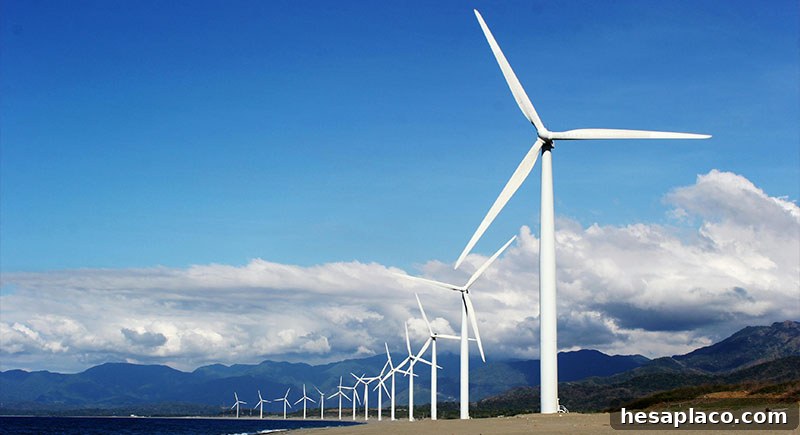
Switching to renewable energy sharply reduces greenhouse gas emissions and other pollutants that harm air and water quality. Unlike fossil fuels, solar, wind, and other renewables generate electricity without releasing large amounts of carbon dioxide or toxic particulates. The result is cleaner air, healthier waterways, and a lower contribution to climate change—benefits that protect current and future generations.
Economic Growth and Job Creation

Credit: Reddit
The green energy sector is a major engine of job creation, spanning manufacturing, installation, maintenance, engineering, and research. As demand for clean energy technologies grows, so do opportunities for skilled and unskilled workers alike. Investing in renewables strengthens local labor markets and stimulates broader economic activity, making it both an environmental and economic priority.
Energy Independence

Credit: pexels
Relying on domestic renewable resources like sun, wind, and geothermal reduces exposure to volatile international fuel markets and geopolitical risks. Local generation keeps energy spending within communities, improves supply security, and builds resilience against price shocks and supply disruptions. Greater energy independence also supports stable long-term planning for households, businesses, and governments.
Technological Innovation

Credit: pexels
Investment in renewables drives research and development that lowers costs and improves performance. Advances in energy storage, smart grids, and efficiency technologies enhance the value of renewable generation and enable new business models. Continued innovation makes clean energy increasingly competitive and expands the range of applications across industries and communities.
Health Benefits

Credit: pexels
Reducing fossil fuel combustion directly improves public health by lowering rates of respiratory and cardiovascular diseases linked to air pollution. Cleaner air means fewer emergency visits and chronic health issues, which lowers healthcare costs and improves quality of life, particularly for vulnerable populations such as children and the elderly.
Long-term Cost Savings

Credit: pexels
Although initial installation costs for solar panels, wind turbines, or efficient systems can be significant, operating and maintenance expenses are often lower than fossil fuel alternatives. Over time, declining technology costs, longer lifespans, and energy savings deliver strong returns on investment for homeowners, businesses, and utilities.
Increasing Consumer Demand

Credit: Wikimedia Commons
Consumers and investors increasingly favor sustainable products and companies with strong environmental performance. Businesses that adopt renewable energy can differentiate themselves, attract eco-conscious customers, and meet rising market expectations. Early adopters build competitive advantage as sustainability becomes a standard part of purchasing and investment decisions.
Government Incentives and Support
Credit: flickr
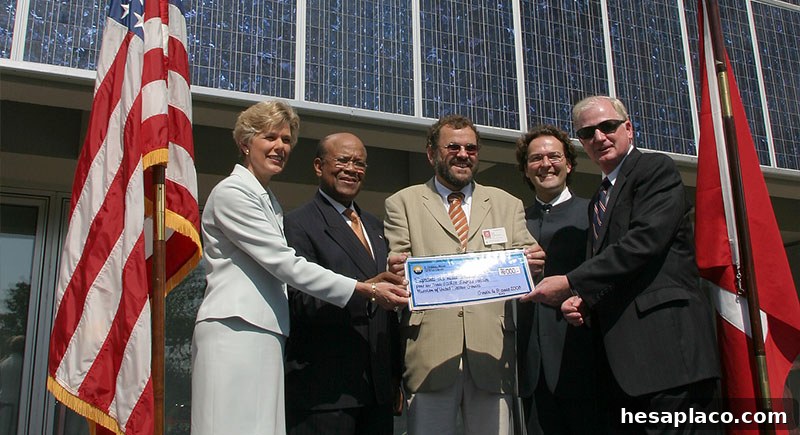
Many governments offer financial incentives—tax credits, rebates, grants, and favorable financing—for renewable energy projects. These policies lower upfront costs and help de-risk investments, accelerating deployment and making clean energy accessible to more households and businesses.
Corporate Responsibility and Brand Image
Credit: pexels
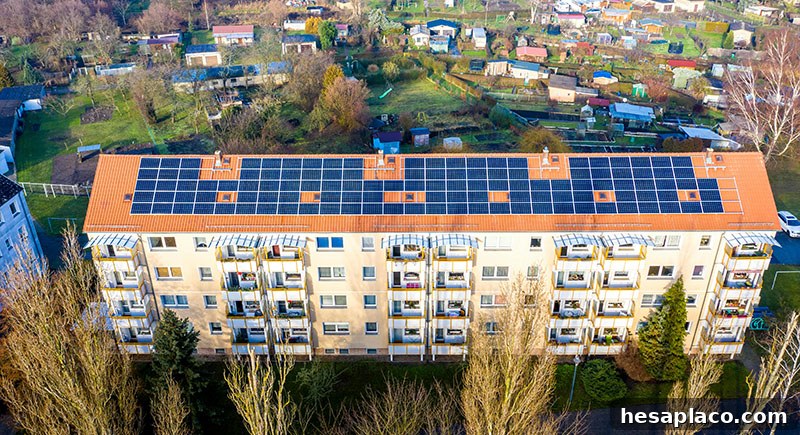
Adopting renewable energy demonstrates corporate responsibility and strengthens brand reputation. Consumers and partners increasingly evaluate companies based on environmental performance, so committing to renewables can enhance trust, loyalty, and stakeholder relationships.
Risk Management
Credit: flickr
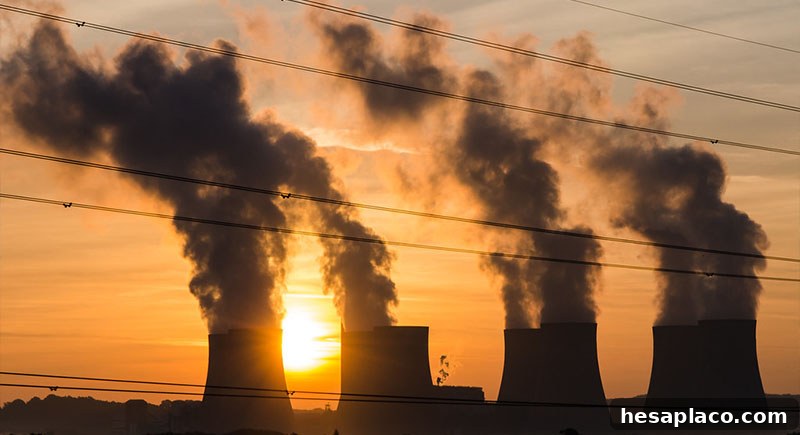
Renewable energy reduces exposure to price volatility and regulatory risks tied to fossil fuels. By diversifying energy portfolios and investing in predictable, low-operating-cost assets, individuals and organizations can better manage financial and regulatory uncertainty.
Investment Opportunities

Credit: pexels
The clean energy sector offers diverse investment options—from corporate and infrastructure investments to community projects and green bonds. As technologies scale and policy support continues, many renewable investments are delivering competitive returns alongside environmental benefits.
Global Leadership
Credit: pexels
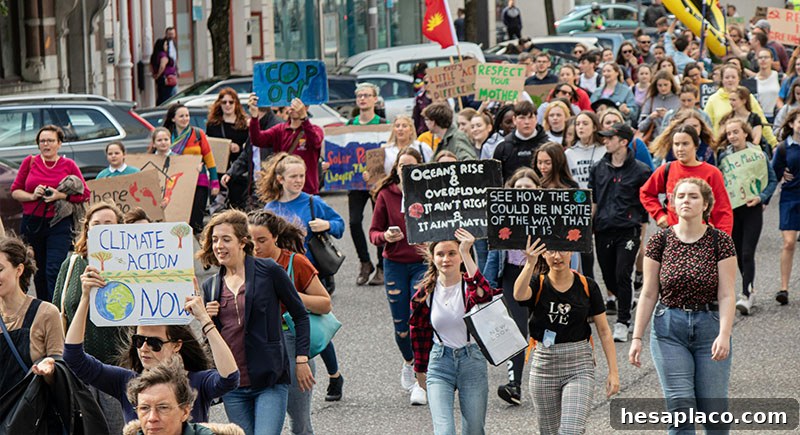
Adopting and promoting clean energy signals global leadership and commitment to climate goals. Countries, cities, and companies that lead the transition inspire others, accelerate innovation, and shape international standards and markets for sustainable energy.
Protection of Natural Resources

Credit: pexels
Every unit of energy generated from renewable sources reduces pressure on finite resources like coal, oil, and natural gas. Using abundant, renewable inputs helps conserve ecosystems, reduce habitat loss and pollution, and preserve biodiversity for future generations.
Community Benefits

Credit: pexels
Local renewable projects often bring jobs, lower energy costs, and infrastructure improvements that benefit entire communities. Community-owned or locally operated installations can keep economic value within the region and strengthen resilience and social cohesion.
Legacy for Future Generations

Credit: pexels
Adopting renewable energy is a long-term investment in the planet we leave to our children. It supports a thriving, livable world by reducing environmental harm, improving public health, and fostering economic opportunities—creating a legacy of stewardship, foresight, and resilience for generations to come.