
You prepared thoroughly for your job interview: your resume is polished, you researched the company, and you rehearsed answers to common questions. But did you prepare your body language? In interviews, the saying “actions speak louder than words” rings true. Nonverbal cues often shape the interviewer’s impression as much as—if not more than—what you say.
“Words are only one channel of communication,” says emotional intelligence expert Harvey Deutschendorf. “Our bodies convey thoughts and feelings and send signals others use to judge us. Becoming aware of those signals helps us shape the full message we give and have the impact we want.”
Many people carry unnoticed body-language habits formed over years. In a high-pressure situation like an interview, these habits can become exaggerated. The good news is you can unlearn unhelpful behaviors by paying attention and practicing new, purposeful responses until they feel natural.
Below are 15 practical body-language tips to help you present the confident, engaged version of yourself that interviewers want to see.
Have a Firm Handshake

Getty Images
Your first physical contact with an interviewer is often a handshake, and it leaves a lasting impression. A limp grip can suggest nervousness or disinterest, while an overly strong grip can be perceived as aggressive. Aim for a confident, vertical handshake—don’t put your hand on top of theirs—and make steady eye contact while shaking. If you’re shaking a woman’s hand, use the same firm, vertical approach you would with a man; firm your hand before contact to avoid crushing theirs.
Be Aware of Personal Space

Getty Images
Cultural norms affect comfort with physical distance, but as a general rule avoid standing too close or too far. Invading someone’s space can feel aggressive; standing too far away can suggest discomfort or low confidence. Studies identify an invisible comfort boundary that typically begins around 8 to 16 inches from the face—keeping a respectful distance helps interviewers feel at ease.
Square Your Body During Conversation

Getty Images
Small shifts in posture communicate engagement. Turning away signals disengagement or distrust. Face the interviewer directly—keep your shoulders parallel and lean in slightly to show you’re attentive. When seated, consider the “lava game”: sit on the front half of the chair rather than leaning back. Sitting all the way back often looks like you’re leaning away and less interested.
Use Power Positions

Getty Images
Sitting and standing up straight signals confidence and self-respect. These “power positions” show you value the conversation and are engaged. In contrast, slouching can convey boredom or low self-esteem. Maintain an upright posture to project professionalism and interest.
Make Appropriate Eye Contact

Getty Images
Eye contact is crucial. Avoiding it can suggest you’re hiding something or lack confidence; staring too intensely can feel aggressive. Aim to hold eye contact for a few seconds, then glance away briefly before returning your gaze. When you look away, glance to the side rather than down to avoid appearing self-conscious. And never roll your eyes—it communicates disrespect.
Keep a Friendly Facial Expression

Getty Images
A natural, relaxed smile helps people warm to you. If smiling feels forced, choose a neutral but pleasant expression instead—forced smiles can seem insincere. Avoid stern or hostile expressions, which can create defensiveness. Aim for warmth balanced with professionalism.
Travel Light

Getty Images
If you’re traveling in for an interview, minimize baggage. Carrying a lot can make it harder to present polished body language and distract from the interaction. If possible, check luggage with a hotel concierge or use a locker until after the interview.
Manage Your Clothes

Getty Images
Dress professionally and avoid items that encourage fidgeting—long scarves, dangling jewelry, or sleeves that can be twirled or grabbed. Choose clothing that looks neat and lets you move comfortably without distraction.
Keep Your Hands in Plain Sight

Getty Images
Hand gestures reinforce your words. Use gestures in plain view—above the table or out from behind barriers—so the interviewer sees them. People instinctively trust visible hands more; hiding your hands can unconsciously signal deception or discomfort. When your hands are visible and purposeful, you appear more genuine and engaging.
Don’t Use the High Steeple

Getty Images
The “high steeple”—fingertips touching to form a roof-like shape near your face—radiates authority and expertise. It’s commonly used by leaders and expert witnesses, but in an interview it can appear arrogant unless you’re a very senior, seasoned professional. For most candidates it’s best to avoid this gesture.
Use the Middle Steeple Sparingly

Getty Images
The middle steeple—fingertips together near the chest—signals moderate confidence and thoughtfulness. Use it occasionally for important or serious points. To emphasize sincerity, open your hands afterward with palms slightly outward while speaking; this reinforces trust and openness.
Avoid the Low Steeple
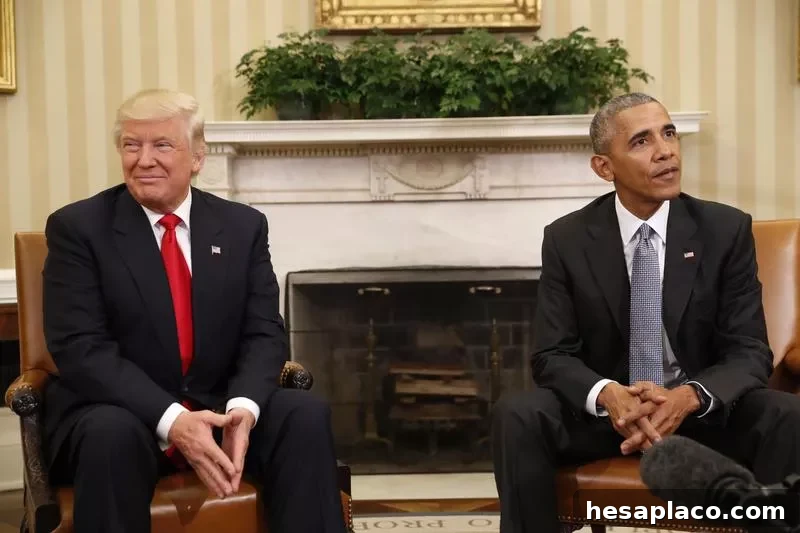
Pablo Martinez Monsivais / AP Photo
The low steeple places the fingertips together near the lap and typically keeps hands below the table. In interviews this reads as low confidence and is best avoided. While the low steeple can convey humility in personal contexts, it does not translate well to a professional interview setting.
Display Open Palms

Getty Images
Open palms are a universal signal of honesty and lack of threat. If you sense skepticism from the interviewer, briefly show open palms with your arms slightly apart to indicate transparency and trust. This simple gesture can subtly shift the tone of the conversation toward greater openness.
Don’t Cross Your Arms
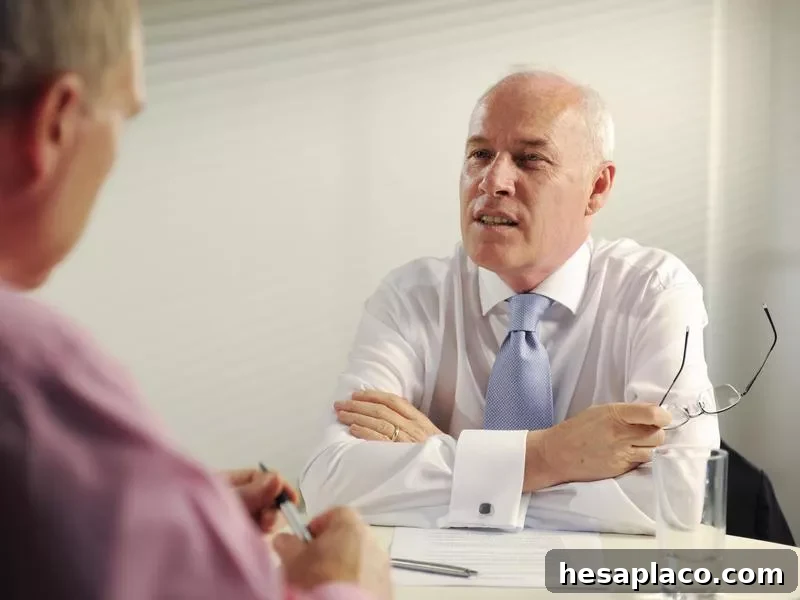
Getty Images
Crossed arms create a physical barrier and signal defensiveness or resistance. Keep your arms relaxed and visible. Avoid touching or hugging your own arms, which can give the impression you’re closed off to discussion or feedback.
Mirror the Interviewer

Getty Images
Mirroring—subtly copying the interviewer’s posture, gestures, or tone—can build rapport because people tend to favor those who seem similar to them. Mirroring should be gentle and natural; overt imitation feels fake. Simple acts like matching the interviewer’s level of enthusiasm or reflecting a calm posture can foster connection without drawing attention to the behavior.
By integrating these body-language strategies—firm but friendly handshake, respectful personal distance, purposeful posture, appropriate eye contact, visible hands, and measured gestures—you’ll present as confident, sincere, and engaged. Practice them beforehand so they feel natural, and you’ll be better positioned to make a strong, memorable impression in your next interview.