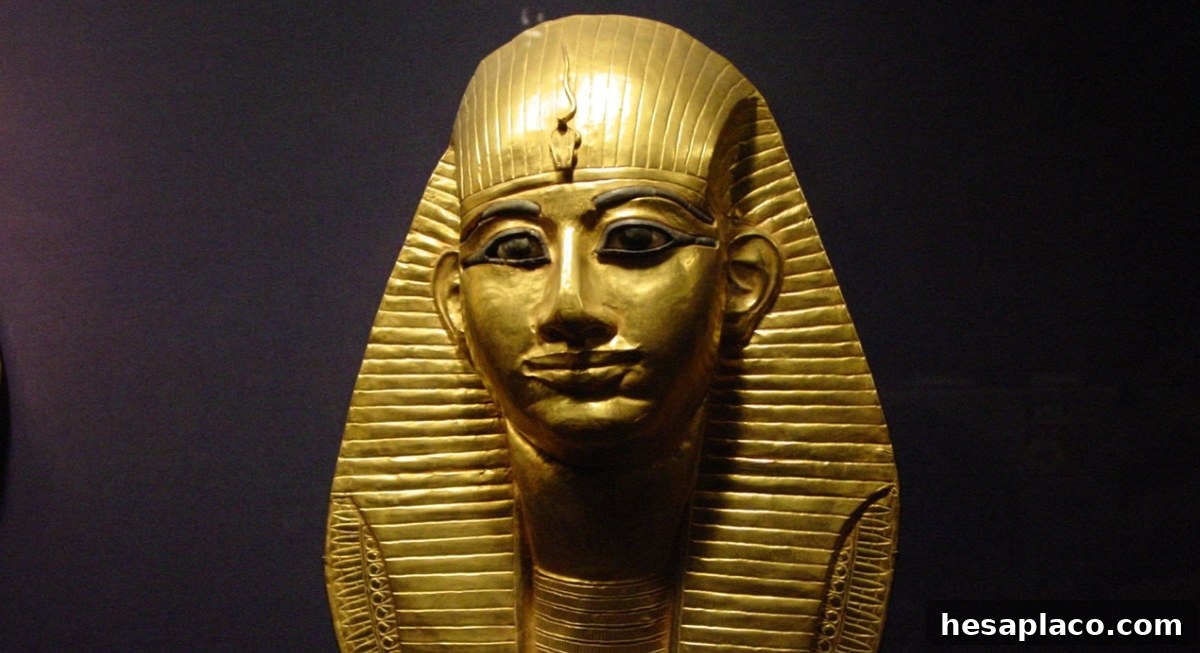
At Cairo’s Egyptian Museum, a 3,000-year-old gold bracelet disappeared from a locked safe in the conservation laboratory. Investigators later determined that a museum employee had stolen the piece and passed it through a chain of small transactions. Ultimately, the ancient treasure was melted down and sold for roughly the price of a used car.
The bracelet, fashioned from gold and strung with lapis lazuli beads, belonged to Amenemope, a pharaoh of Egypt’s 21st Dynasty who reigned from about 993 to 984 BC. Archaeologists found it in Tanis in the tomb where Amenemope had been reburied after his first burial site was looted. That tomb was one of only three intact royal burials ever discovered in Egypt, which makes the loss of this artifact particularly devastating for historians and the public alike.
A Museum Insider’s Betrayal
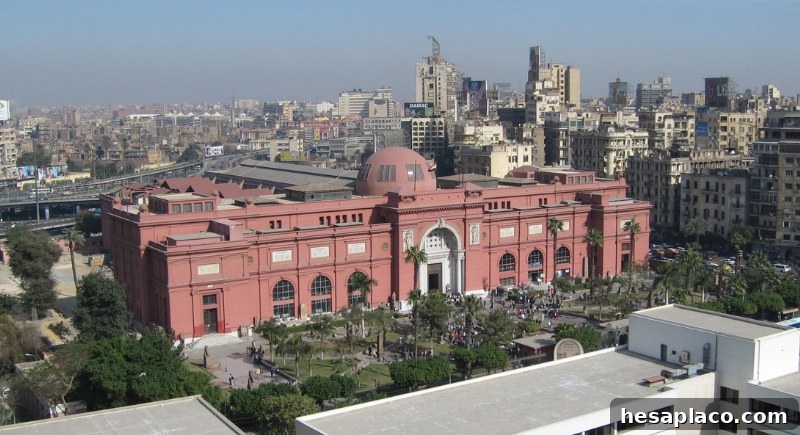
Image via Wikimedia Commons/V Manninen
Egyptian authorities say the theft occurred on September 9, 2025. The suspect was a restoration specialist who had authorized access to restricted areas of the museum. After removing the bracelet from the safe, the employee contacted a silver trader in Cairo who helped arrange the sale.
The piece was sold first to a gold dealer for 180,000 Egyptian pounds, roughly $3,735, and then quickly resold to a foundry worker for 194,000 pounds, about $4,000. By the time officials became involved, the bracelet had already been melted down and mixed with other scrap gold to produce ordinary jewelry.
Security footage later emerged that showed a bracelet being cut in two, though authorities could not definitively prove the footage depicted the stolen item.
A Loss With Terrible Timing
The theft came to light only when museum staff were preparing pieces for a Treasures of the Pharaohs exhibition in Rome. The bracelet’s absence was noticed during an inventory check. The discovery came at an especially sensitive moment: Egypt was also preparing for the long-delayed opening of the Grand Egyptian Museum in Giza, placing additional scrutiny on the care and security of the nation’s heritage.
Egypt’s interior ministry confirmed that four suspects were arrested and that they admitted involvement in the scheme. Officials recovered the cash used in the transactions, but money can do little to restore the cultural and historical value of the lost artifact. A specialized committee was tasked with reviewing every object in the conservation lab to ensure no other items had been taken.
Not the First High-Profile Loss
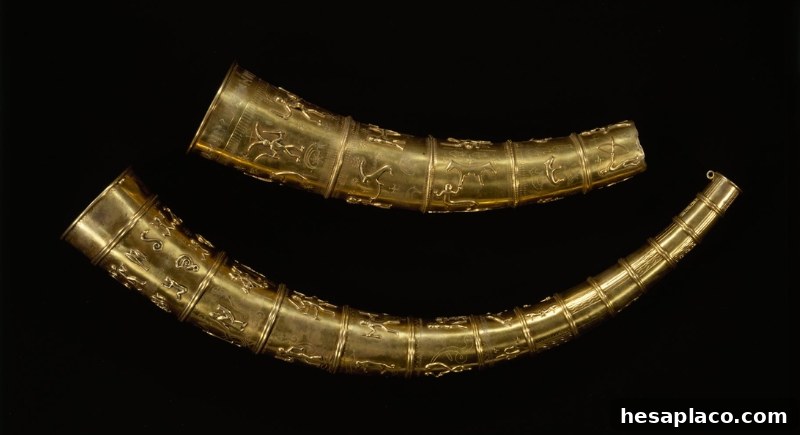
Image via Wikimedia Commons/Nationalmuseet
Egypt has faced high-profile thefts before. Vincent van Gogh’s Poppy Flowers, estimated to be worth around $55 million, was stolen from a Cairo museum in 1977, recovered, and then stolen again in 2010; it remains missing. During the political turmoil of 2011, looters ransacked museums and archaeological sites across Egypt, sending thousands of artifacts into private collections worldwide.
Similar losses have occurred elsewhere in history. Denmark’s Golden Horns of Gallehus, decorated with intricate Nordic and Roman motifs, were stolen and melted down in 1802. A treasure associated with Childeric I, a Frankish king, was stolen and destroyed in 1831. In 2019, burglars stole Maurizio Cattelan’s solid gold toilet artwork in England; authorities suspect it was melted and sold as well.
What survived for more than three millennia ended within days in a furnace. The pharaoh’s bracelet now survives only in excavation records and in photographs, a reminder of how fragile the physical links to our shared past can be when entrusted to human hands.