
Buying a waterfront home looks idyllic in photos, but the reality often brings steep costs, ongoing maintenance, and compromises to privacy. Waterfront properties can be beautiful investments, yet they carry unique risks and responsibilities that make some affluent buyers walk away. Below are practical reasons to think carefully before committing to life by the water.
Flood Insurance Is Expensive
Credit: Getty Images
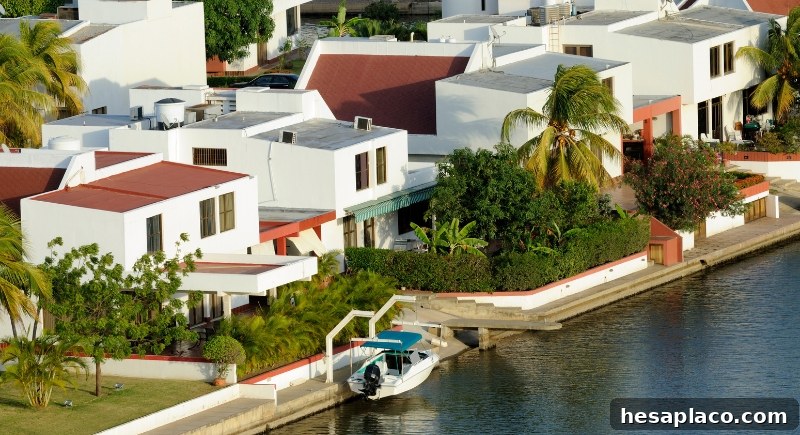
Most waterfront homes must carry flood insurance, and premiums can be substantial. Average policies may be several hundred to nearly a thousand dollars per year, while homes in high-risk zones can see premiums that exceed several thousand dollars annually. Flood coverage typically supplements—rather than replaces—standard homeowners insurance, and many policies exclude certain types of personal property and damage above or beyond specific limits.
Saltwater Is Hard on Buildings
Credit: iStockphoto
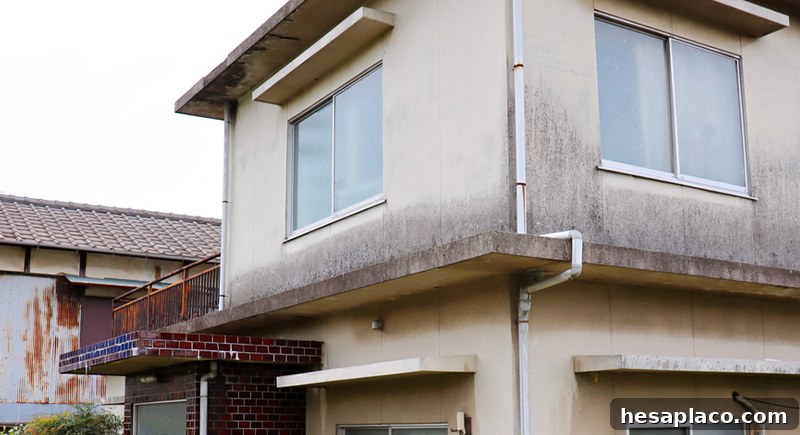
Salt in coastal air accelerates corrosion and degrades building materials. Metal fittings rust faster, HVAC systems and outdoor equipment wear out sooner, paint peels more quickly, and wood can warp or rot without constant attention. Living near the ocean means ongoing maintenance or higher bills for contractors who specialize in salt-tolerant repairs.
Property Lines Can Be Confusing
Credit: iStockphoto
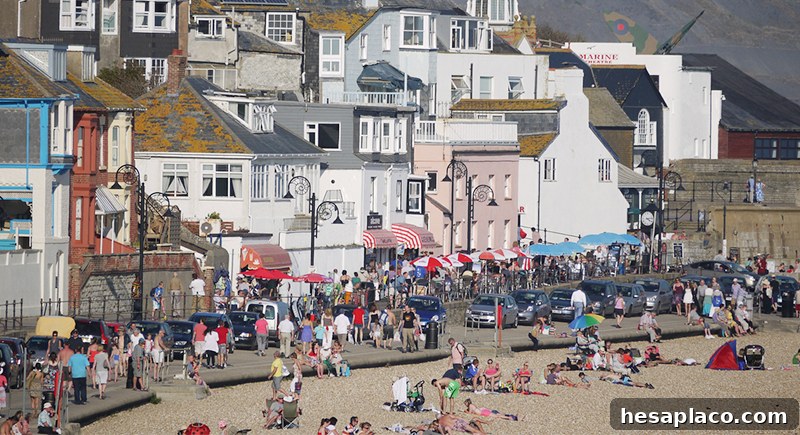
Boundaries along shorelines aren’t always clear-cut. In many coastal and lakeside areas, private property ends at the mean high tide or another legally defined line, meaning parts of the beach or shoreline may be public. That can allow strangers to walk, sit, or fish right in front of your view, reducing the privacy you expected when you bought the property.
Resale Can Be Challenging

Credit: Getty Images
Waterfront homes attract a narrower buyer pool because of higher prices, maintenance demands, and insurance or environmental concerns. During economic slowdowns, interest in second homes and vacation properties often declines first, which can lengthen the time your property sits on the market or force price reductions.
Mold and Mildew Become Common Problems

Credit: Getty Images
Higher humidity near water increases the risk of mold and mildew, especially in basements, bathrooms, and crawl spaces. Many owners run dehumidifiers year-round to control moisture. Professional mold remediation can be costly, ranging from a few hundred dollars for localized cleanup to several thousand for larger infestations, and untreated mold can harm both property and health.
Environmental Regulations Restrict Changes

Credit: Getty Images
Waterfront properties are often subject to strict zoning and environmental protections. Want to build a dock, expand a deck, or alter the shoreline? Expect permits, studies, and possible restrictions. Environmental agencies may limit construction that could affect habitats, wetlands, or shoreline stability, delaying projects or increasing costs significantly.
Financing Can Be Difficult

Credit: Getty Images
Lenders scrutinize waterfront property loans closely. Flood insurance is usually required, but coverage may be unavailable or prohibitively expensive for some homes, and without acceptable insurance, lenders can refuse to finance the purchase. Buyers sometimes lose deals late in the process because insurer quotes or property assessments don’t meet lender requirements.
Docks and Waterfront Structures Require Ongoing Care
Credit: Getty Images
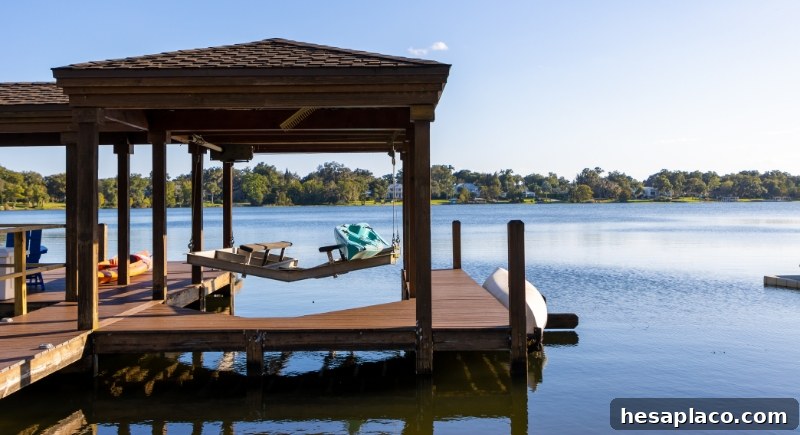
Private docks, boat lifts, and other waterfront amenities need regular maintenance. Wooden docks deteriorate quickly from constant moisture and algae, requiring annual repairs and periodic replacement that can run into thousands of dollars. Electrical systems, safety features, and boat equipment add to the long-term budget for upkeep.
Bad Weather Has Bigger Consequences
Credit: Getty Images
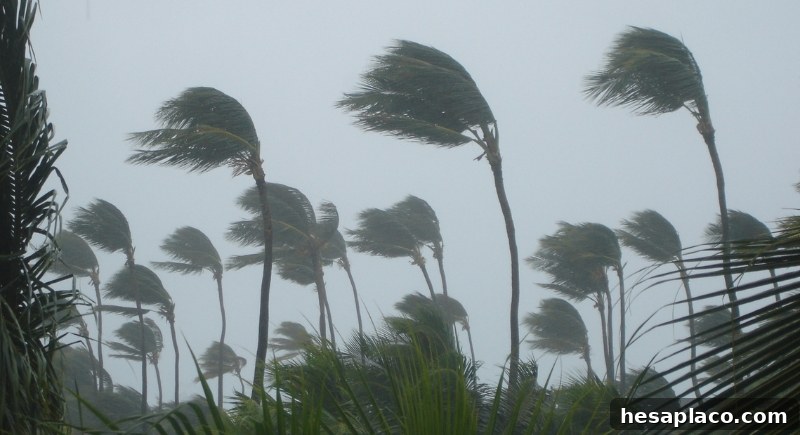
Waterfront areas face stronger impacts from hurricanes, storm surges, and heavy rain. Even elevated homes are vulnerable to wind and water damage. Flooding is one of the most common natural disasters, and properties near water are among the first affected, often requiring costly repairs or mitigation measures.
Shoreline Erosion Is Real
Credit: Getty Images
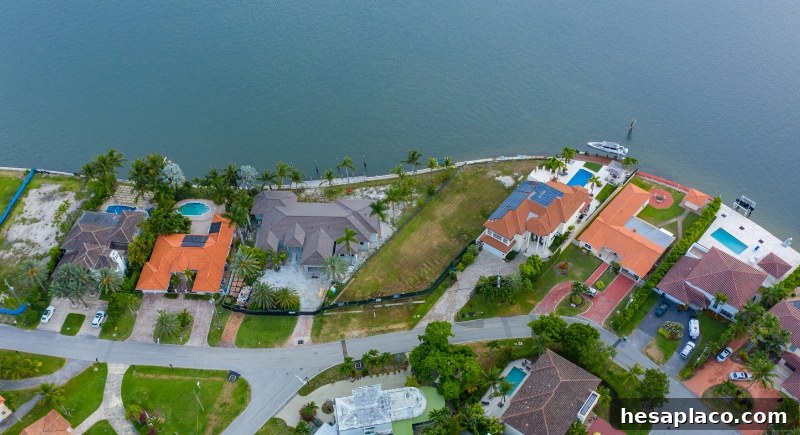
Shorelines shift over time due to waves, currents, and rising water levels. Erosion can reduce usable land and threaten foundations. Some owners install seawalls or riprap to slow erosion, but those solutions are expensive and may require permits or ongoing maintenance, and they don’t guarantee permanent protection.
Crowds and Tourism Affect Privacy

Credit: Getty Images
Popular beach and lake towns attract visitors, especially during peak seasons. Tourists, day-trippers, and seasonal renters can create traffic, crowd local businesses, and make formerly quiet streets busy and noisy. If you prized your waterfront home for solitude, seasonal crowds can undermine that expectation.
Seasonal Access Can Limit Use
Credit: Getty Images
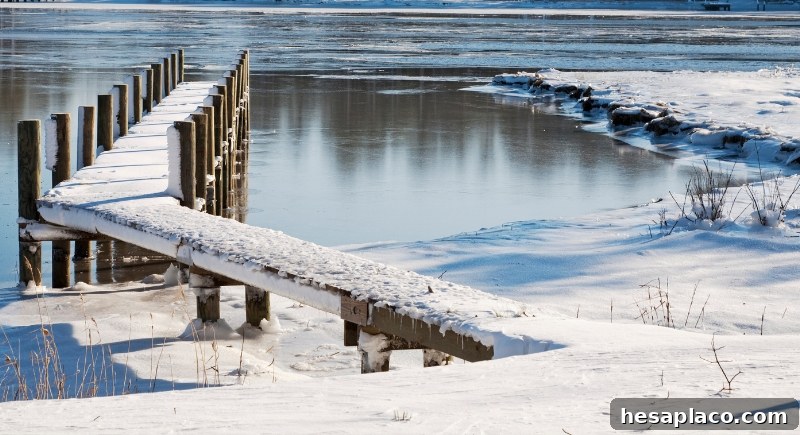
Many waterfront properties are seasonal in practice. Winter weather can make roads treacherous, freeze pipes, or render docks unusable. If you plan to use the home year-round, factor in access challenges and extra winterization costs that could make a second home far less practical than it appears in summer photos.
Expect Regular Contractors

Credit: Getty Images
Owning a waterfront home often means scheduling frequent contractor visits: dock specialists, gutter and roof crews, mildew remediation teams, pest control, and seasonal landscapers. Skip the pros and you’ll spend weekends on repairs; hire them and the costs add up. Either way, many owners find their calendars filled with maintenance tasks.
HOAs Can Be Strict
Credit: Getty Images
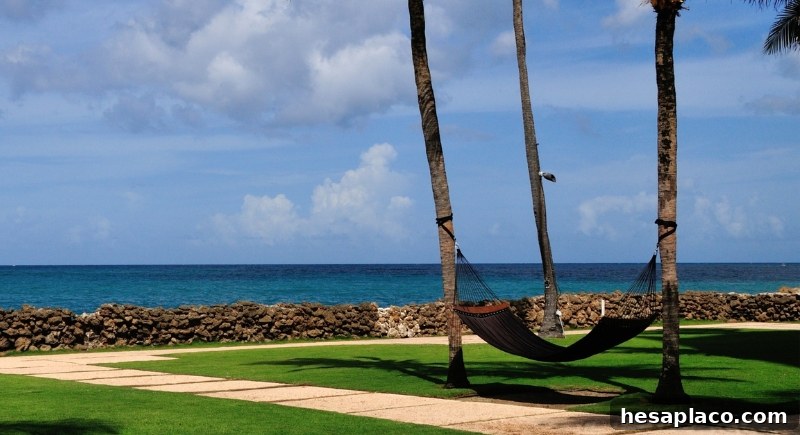
Many waterfront communities are governed by homeowner associations with strict rules on things like landscaping, exterior colors, rentals, and docks. Even if you own the land, community rules can limit how you use it. Review HOA covenants closely before buying to avoid surprise restrictions.
Wildlife Encounters Are Common

Credit: Getty Images
Water attracts wildlife, which can be charming but occasionally problematic. Raccoons and rodents may raid trash, snakes or other animals can appear under decks, and in some regions larger species like alligators may inhabit nearby waters. Be prepared for occasional encounters and for the cost of wildlife control when needed.