
Many people consider relocating when they retire, but the stereotypical move to Florida or Arizona is no longer automatic. Climate matters, but it’s far from the only criterion. Retirees weigh cost of living, taxes, healthcare access, crime rates, cultural amenities and community support—often placing those practical concerns above year-round sunshine.
Colder states may not appeal to everyone for outdoor leisure like golfing or paddleboarding, yet they often offer lower taxes, safer communities, stronger healthcare systems and robust services for older adults. Below are the best and worst states for retirement based on those broader measures.
1. New Hampshire
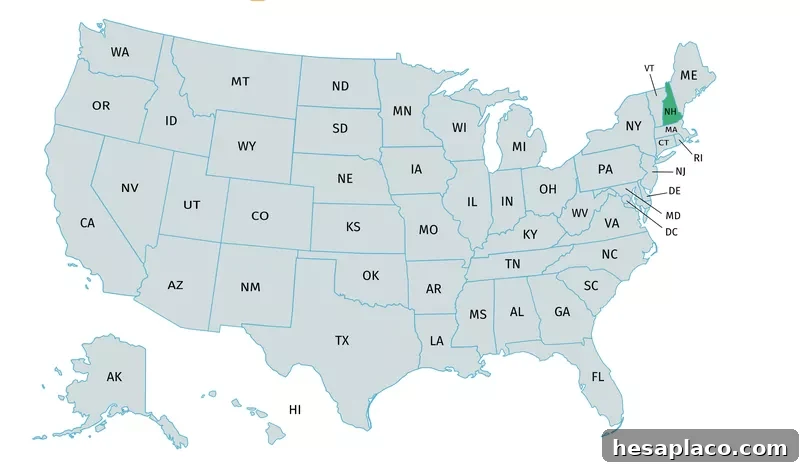
New Hampshire Rankings
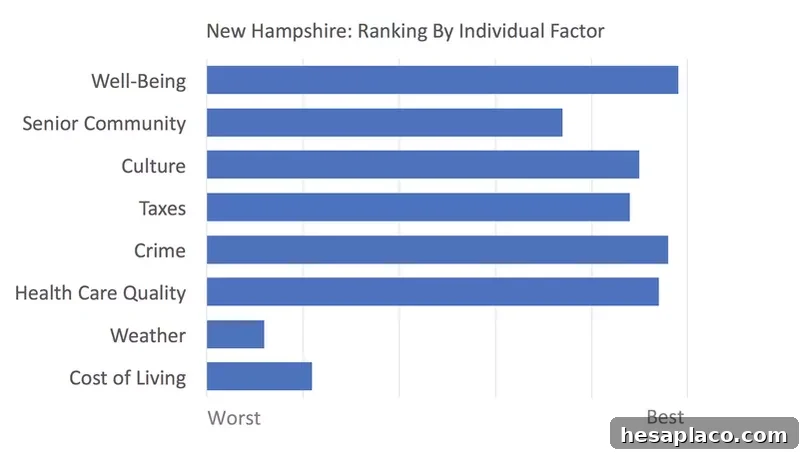
Bankrate Retirement Rankings
Bottom Line: New Hampshire’s tax structure is a major attraction. While the state taxes dividends and interest at 5 percent, wages and withdrawals from retirement accounts like IRAs and 401(k)s are not taxed. There is no general sales tax, and political resistance to changes keeps the state reliant on property taxes. Although the Northeast location raises the cost of living, New Hampshire remains considerably cheaper than neighboring Massachusetts and New York. Median home prices have generally been more affordable than the Greater Boston area, making it an appealing option for retirees who prioritize favorable taxes and quieter communities.
2. Colorado
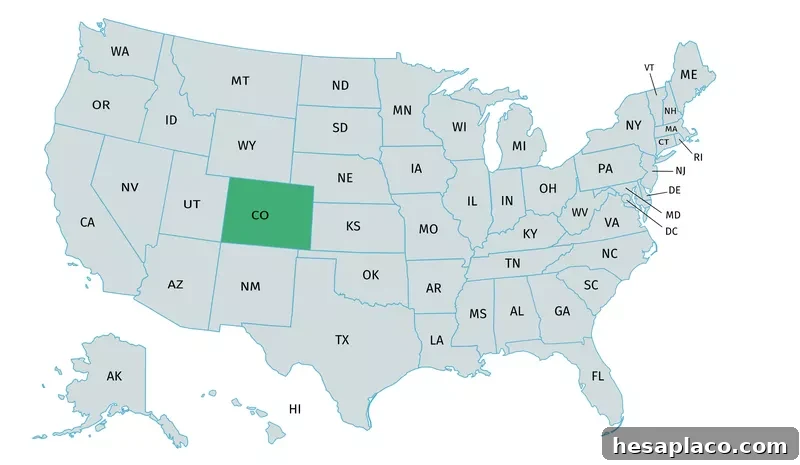
Colorado Rankings
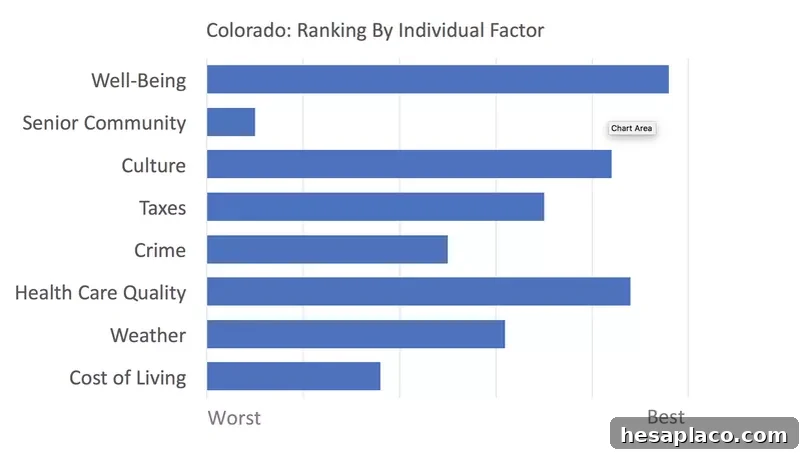
Bankrate Retirement Rankings
Bottom Line: Colorado offers retiree-friendly tax breaks—many residents are allowed to deduct a significant portion of retirement income—and maintains one of the nation’s lower property tax burdens. The state’s overall tax burden falls slightly under the national average. Colorado also promotes healthy, active lifestyles, with above-average life expectancy and low obesity rates. For retirees who value outdoor recreation and strong public health indicators, Colorado is a solid choice.
3. Maine
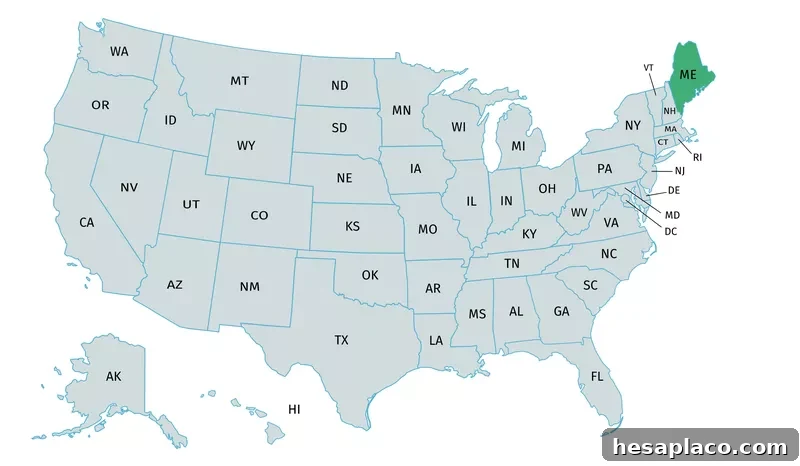
Maine Rankings
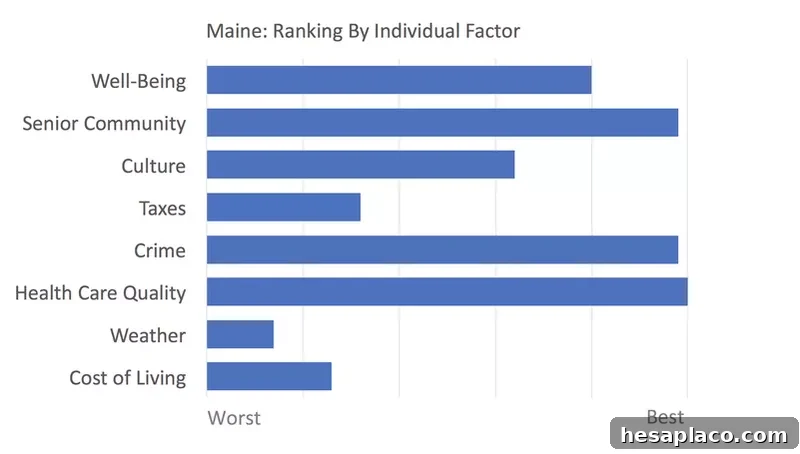
Bottom Line: Maine has one of the country’s oldest populations and strong support systems for seniors, including Area Agencies on Aging that provide counseling, fitness and caregiver support. Cost of living is close to the national average, though homes in premium coastal spots can be costly. Maine offers low violent crime rates, accessible coastal towns and well-regarded medical centers—advantages that appeal to many retirees who want safety, services and a slower pace of life.
4. Iowa
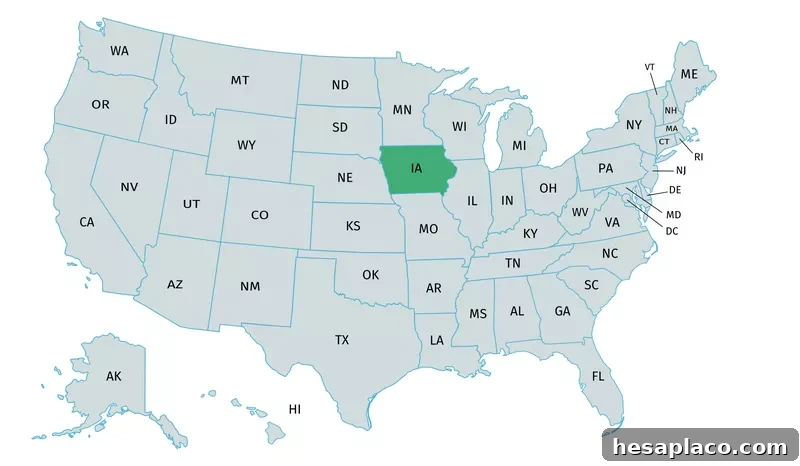
Iowa Rankings
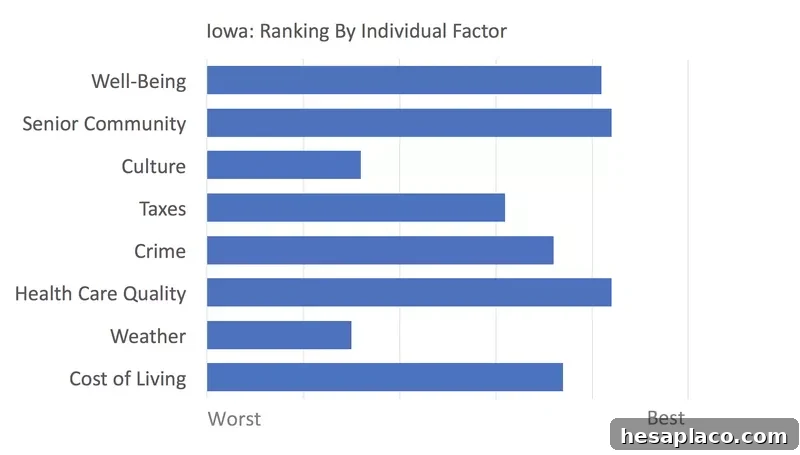
Bankrate Retirement Rankings
Bottom Line: Iowa scores above average across most retirement factors: low crime, good healthcare access and a reasonable cost of living. While culture and weather rank lower, Iowa provides balance for retirees who want their savings to stretch and who value healthcare access and community stability.
5. Minnesota
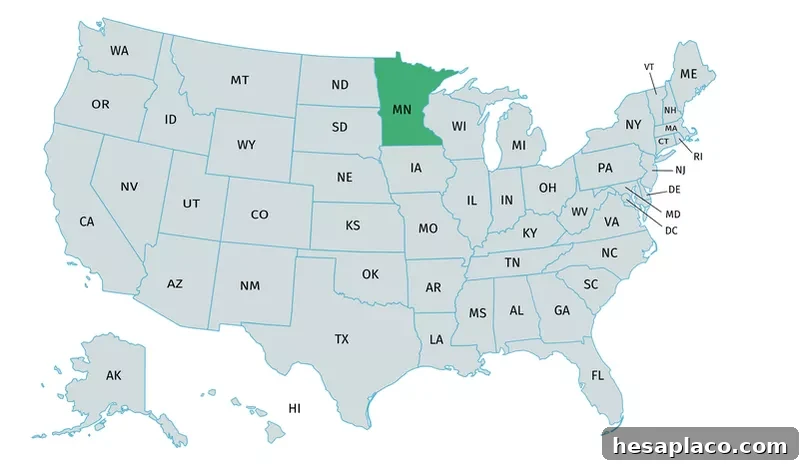
Minnesota Rankings
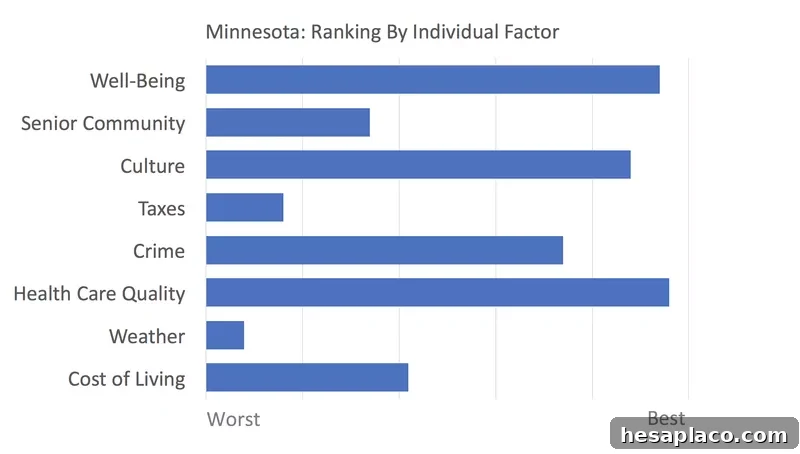
Bankrate Retirement Rankings
Bottom Line: Minnesota’s long winters and heavy snowfall may deter some, but the state is highly rated for healthcare and overall well-being. Assisted living costs are below the national average, and an engaged culture of outdoor recreation and community activities often offsets the colder climate for those who enjoy an active retirement.
6. Virginia
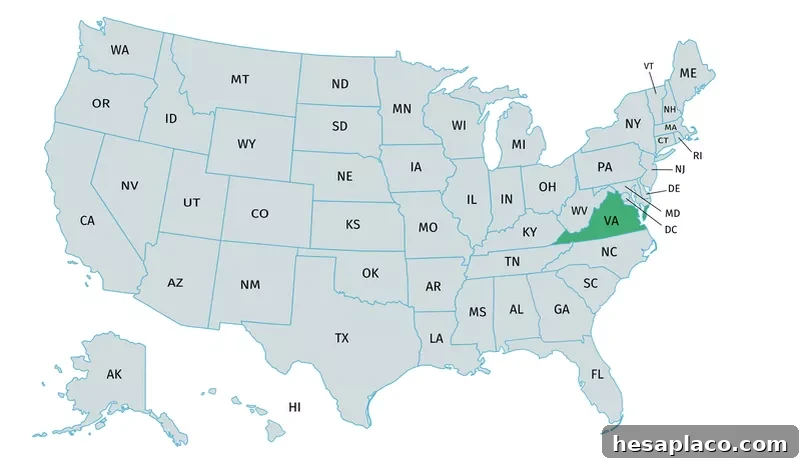
Virginia Rankings
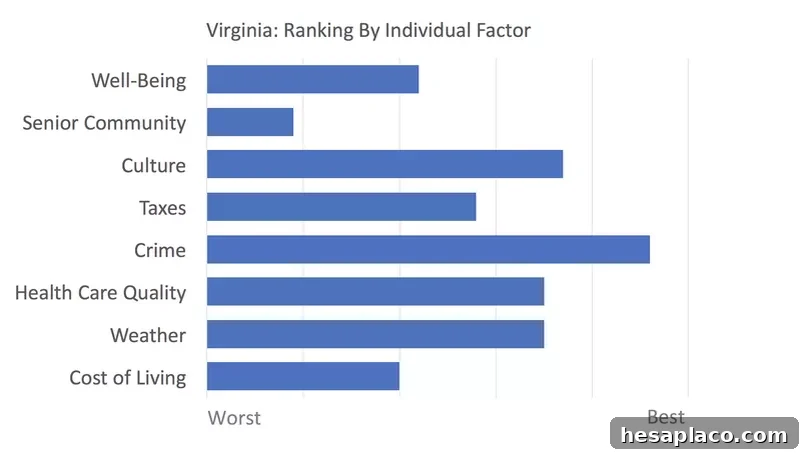
Bankrate Retirement Rankings
Bottom Line: Virginia attracts many retirees from the Sun Belt seeking milder summers and more temperate humidity. The state does not tax Social Security benefits, and retirees may deduct a portion of retirement account withdrawals. Although the overall cost of living is somewhat higher than the national average, affordable housing in many areas and abundant outdoor recreation make Virginia appealing.
7. Massachusetts
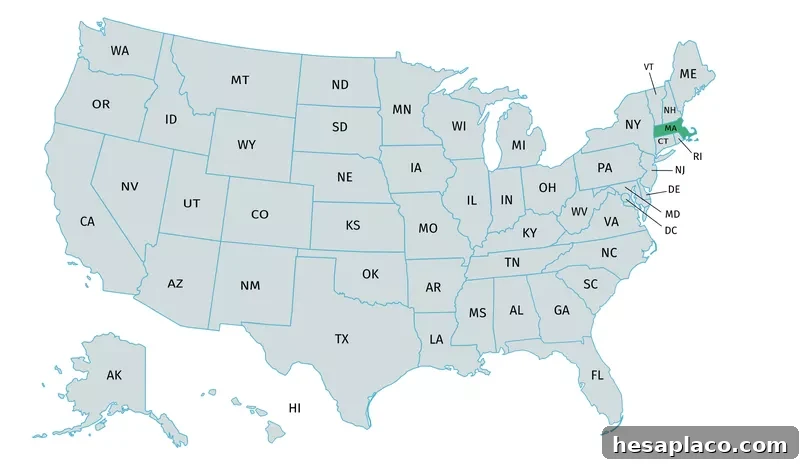
Massachusetts Rankings
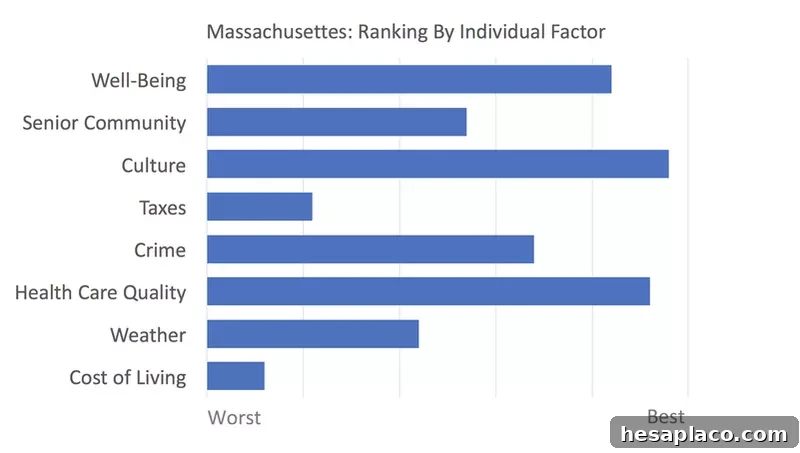
Bankrate Retirement Rankings
Bottom Line: High-quality healthcare, cultural institutions and academic resources make Massachusetts attractive, especially for retirees who prioritize medical care and cultural life. Although costs and housing prices are higher than average, the state’s public and private medical centers are among the best in the nation.
8. South Dakota
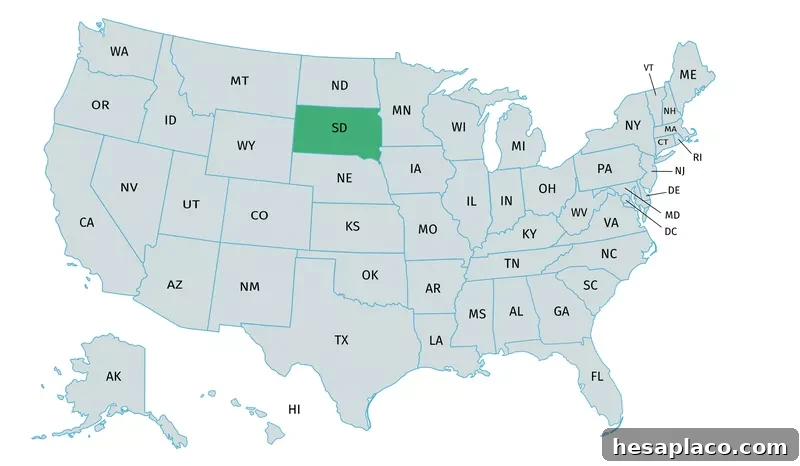
South Dakota Rankings
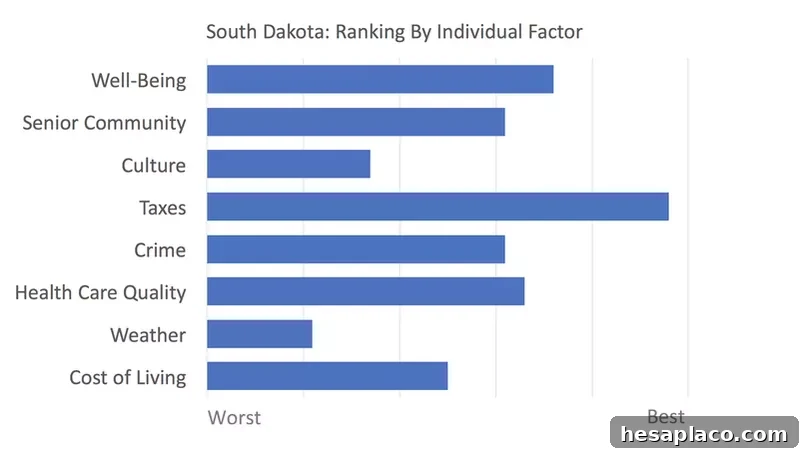
Bankrate Retirement Rankings
Bottom Line: South Dakota levies no state income tax, and most retirement income—Social Security and pensions—is tax-free. Low home prices and a cost of living well below the national average make it financially attractive. The state’s steady economy and low unemployment also provide opportunities for those who want part-time work during retirement.
9. Wisconsin
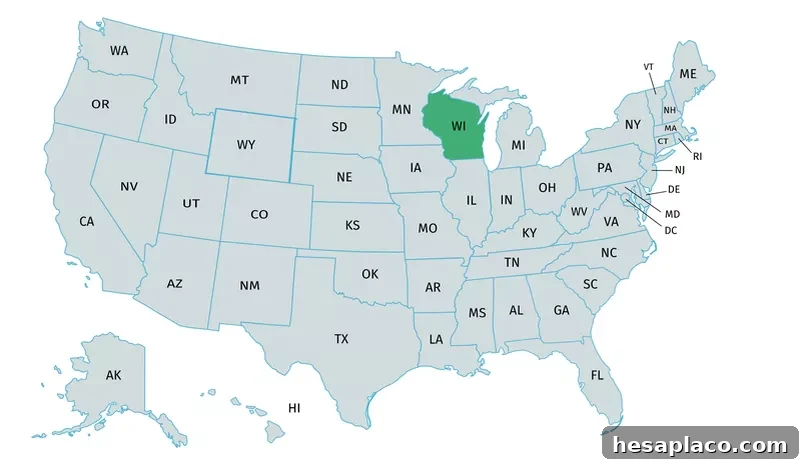
Wisconsin Rankings
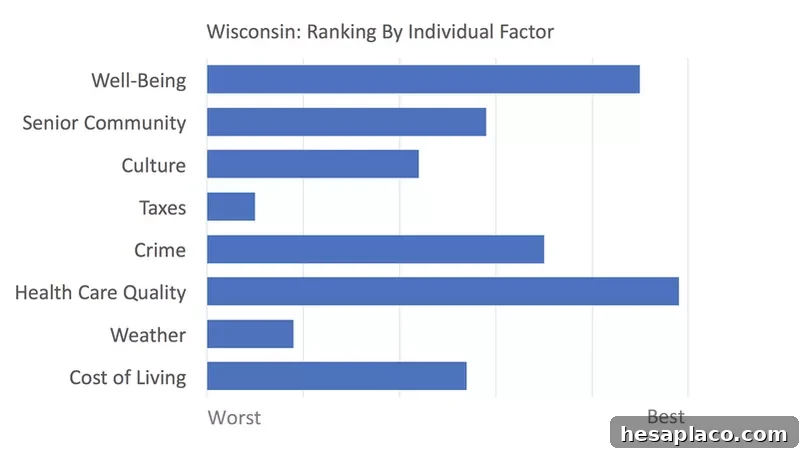
Bankrate Retirement Rankings
Bottom Line: Wisconsin taxes withdrawals from retirement accounts, though at generally modest rates, while Social Security benefits remain untaxed. The state is known for strong hospitals and vibrant university towns that offer culture and healthcare within a small-town setting, appealing to retirees seeking both amenities and community.
10. Idaho
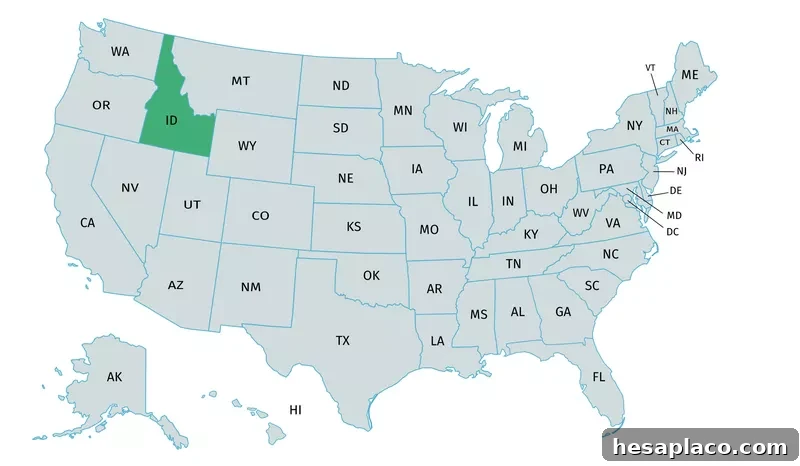
Idaho Rankings
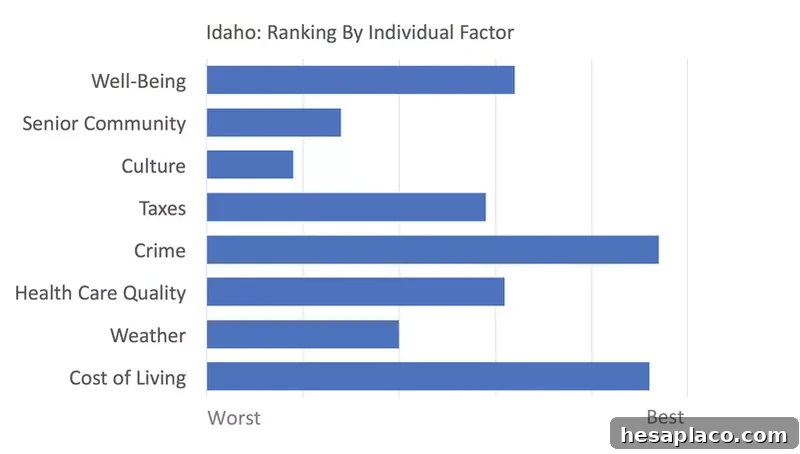
Bankrate Retirement Rankings
Bottom Line: Idaho offers low costs, low crime and abundant outdoor recreation, which helped it rank among the top states for retirement. While some areas are remote and receive significant snowfall, communities like Boise provide a surprising range of cultural offerings for a state known primarily for nature-based activities.
Bottom 10 States for Retirement
41. Mississippi
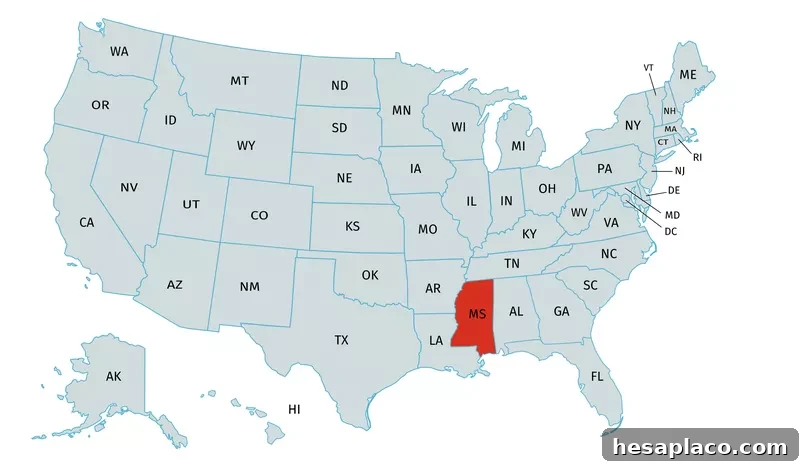
Mississippi Rankings
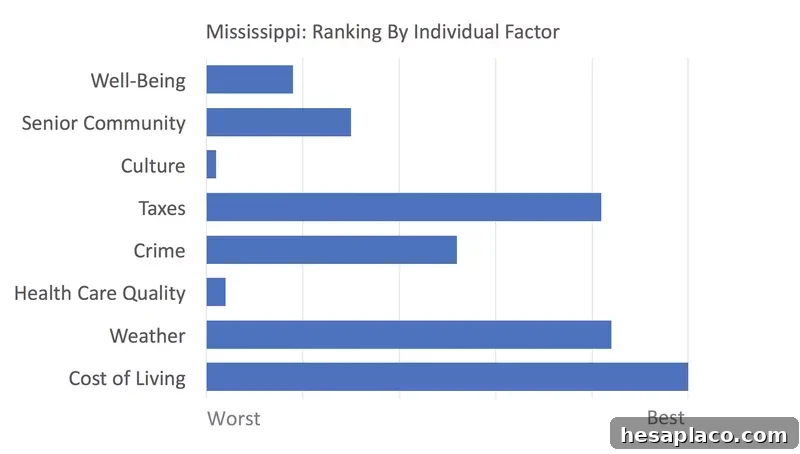
Bankrate Retirement Rankings
Bottom Line: Mississippi’s very low cost of living comes with trade-offs: limited cultural amenities and some of the weakest healthcare rankings in the nation. For retirees who need strong medical services or vibrant cultural life, Mississippi may be less appealing despite its affordability.
42. California
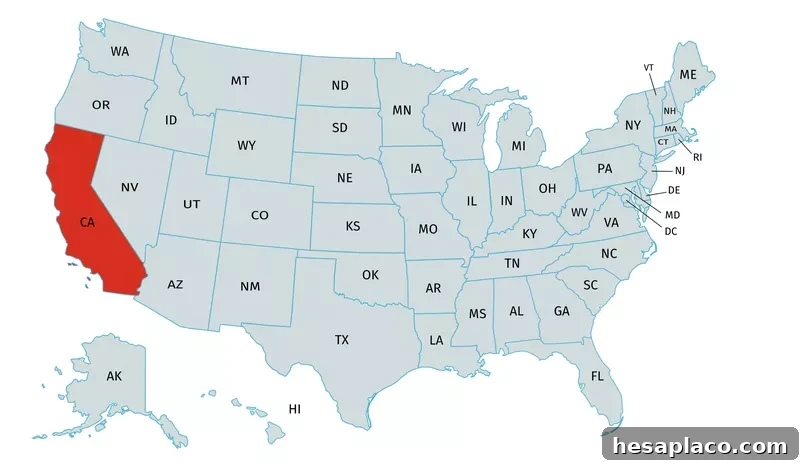
California Rankings
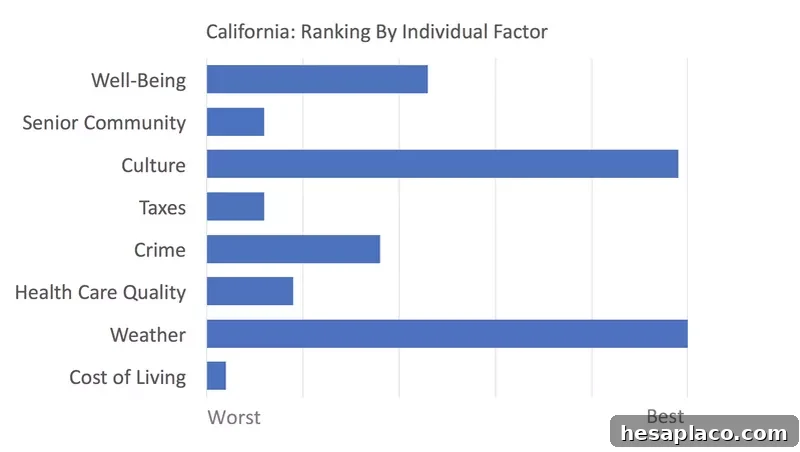
Bankrate Retirement Rankings
Bottom Line: California offers top-tier medical care and cultural life, but its high cost of living and taxes reduce its appeal for many retirees. The state’s demographic profile also skews younger, which affects available resources and community makeup for older adults.
43. Oklahoma
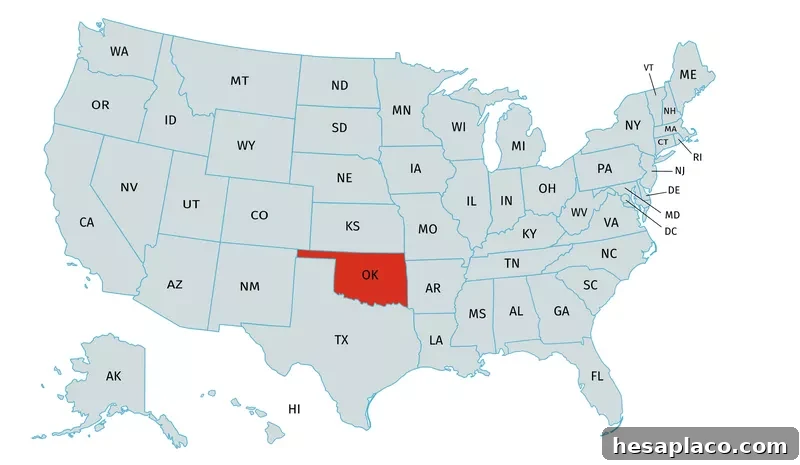
Oklahoma Rankings
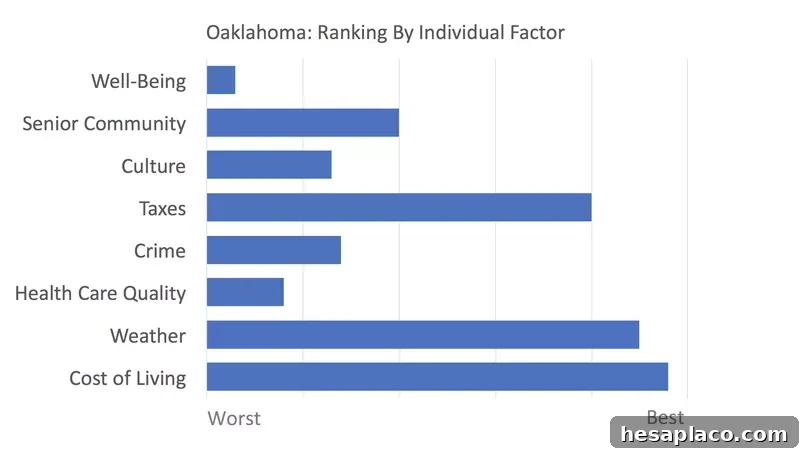
Bankrate Retirement Rankings
Bottom Line: Oklahoma’s low cost of living and mild climate are tempered by severe shortages in primary care access. With far fewer physicians per capita than the national average, healthcare availability is a major concern for retirees who need reliable medical services.
44. Nevada
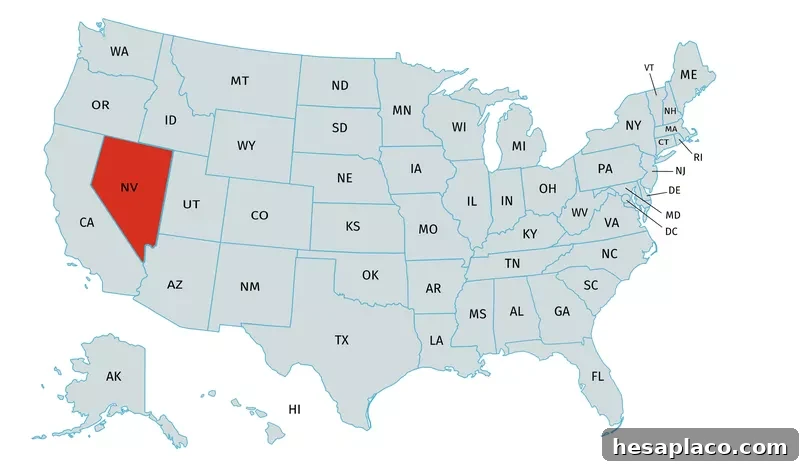
Nevada State Rankings
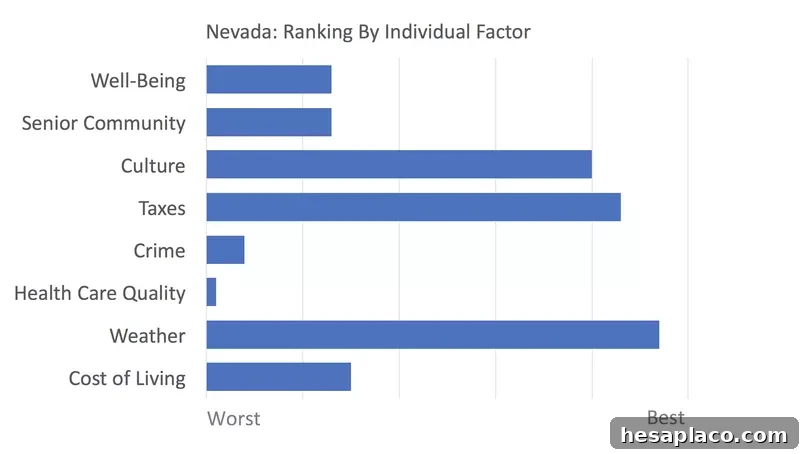
Bankrate Retirement Rankings
Bottom Line: Although Nevada has no state income tax, shortcomings in healthcare quality and a relatively high cost of living can offset that benefit for retirees who prioritize medical care and affordable everyday expenses.
45. Kentucky
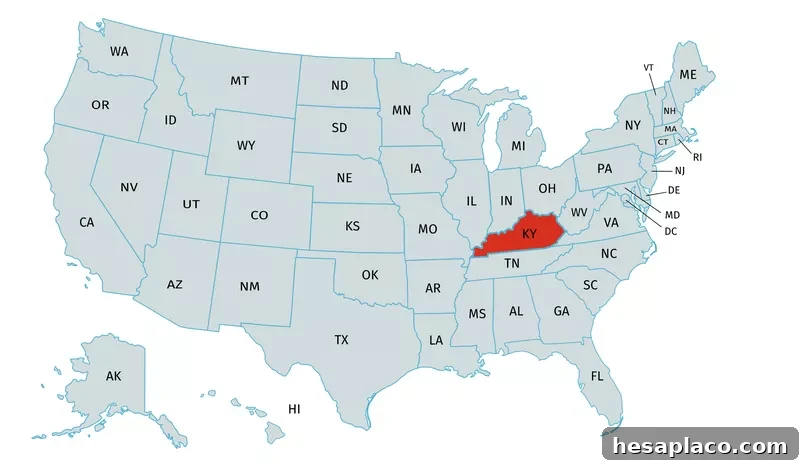
Kentucky Rankings
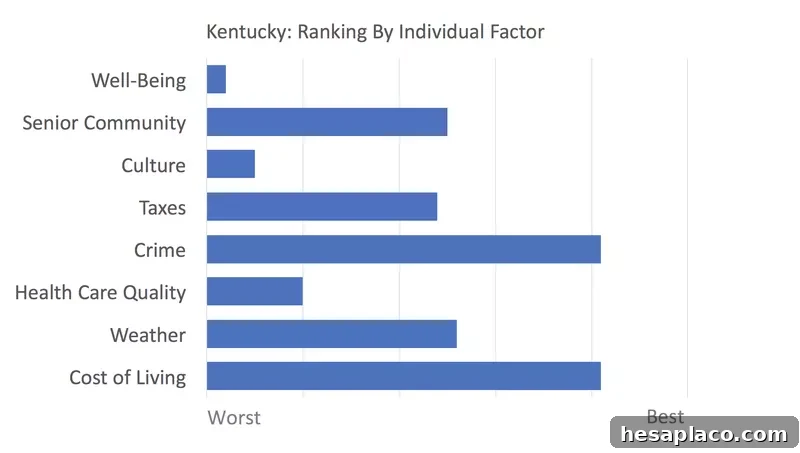
Bankrate Retirement Rankings
Bottom Line: Kentucky faces challenges for retirees, including limited job opportunities for older adults, weak cultural options and healthcare shortfalls. Those counting on part-time employment or extensive local services may find better alternatives elsewhere.
46. Louisiana
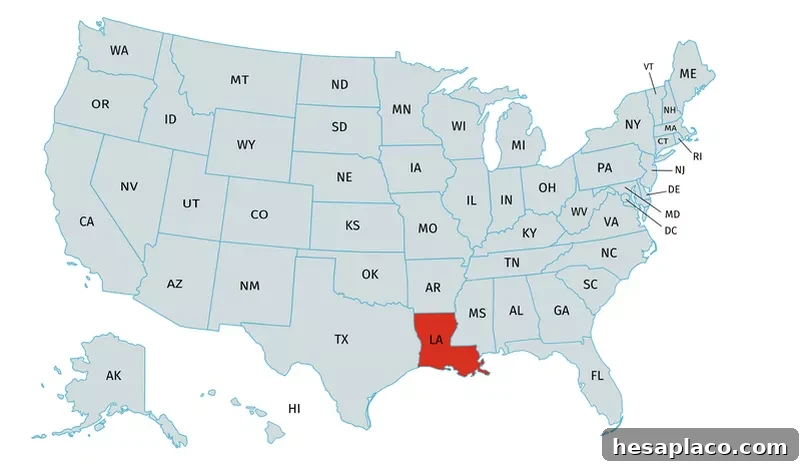
Louisiana Rankings
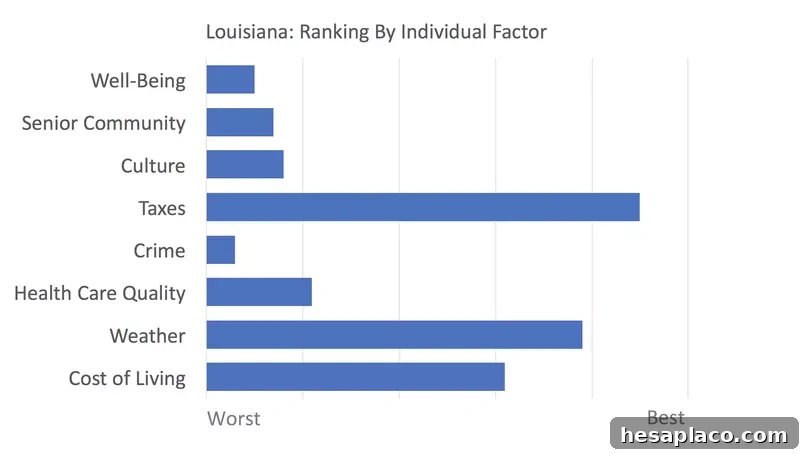
Bankrate Retirement Rankings
Bottom Line: High crime rates, hot and humid weather and lower well-being scores make Louisiana a difficult choice for many retirees. Limited healthcare and fewer services geared to seniors reduce its overall appeal.
47. New Mexico
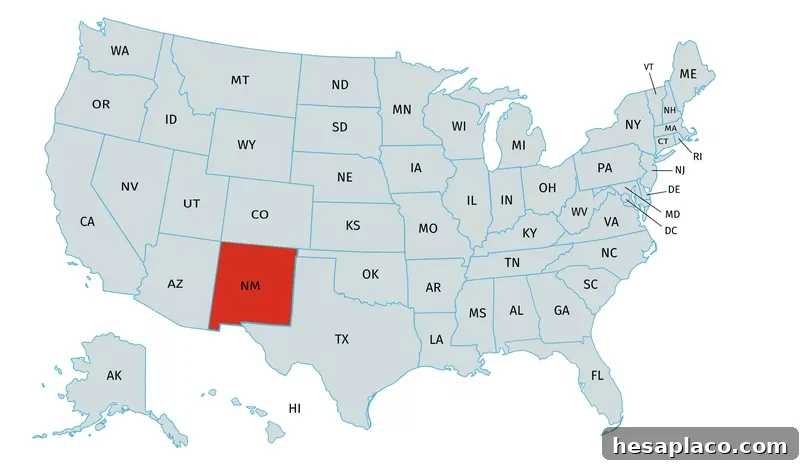
New Mexico Rankings
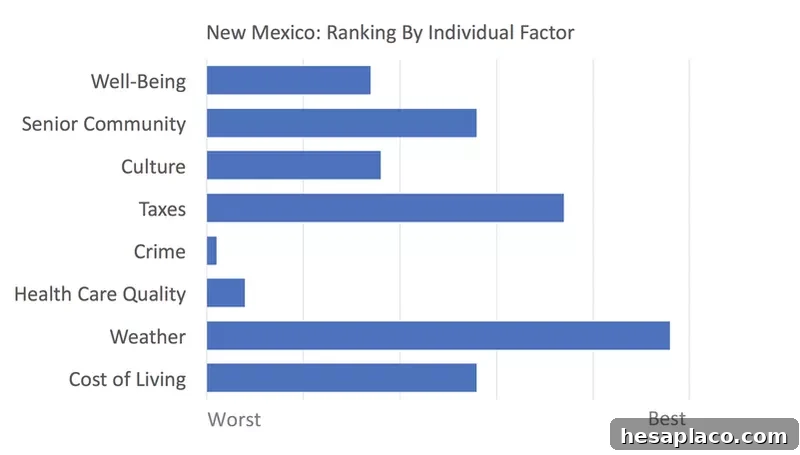
Bankrate Retirement Rankings
Bottom Line: While New Mexico enjoys abundant sunshine, it is among the states that tax Social Security income and struggles with higher crime rates—factors that weigh heavily against its sunny climate for retirees who depend on fixed incomes and safe communities.
48. Arkansas
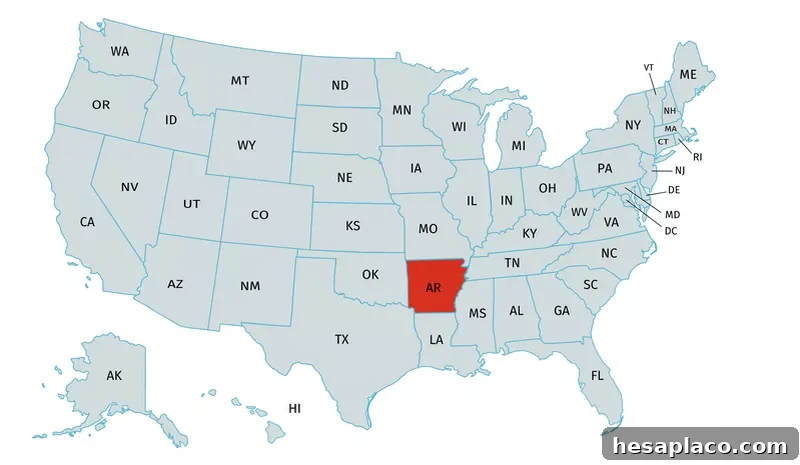
Arkansas Rankings
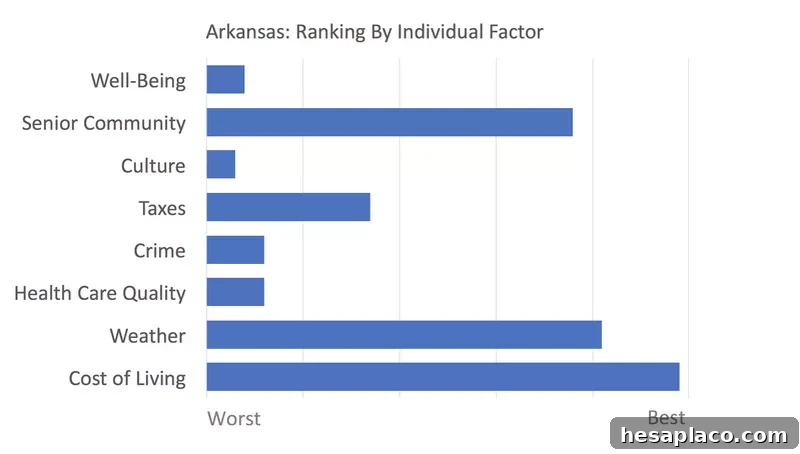
Bankrate Retirement Rankings
Bottom Line: Arkansas shows improvement over earlier years but still ranks poorly for healthcare, safety and cultural resources. Retirees who need comprehensive medical care or vibrant amenities may find better options elsewhere.
49. West Virginia
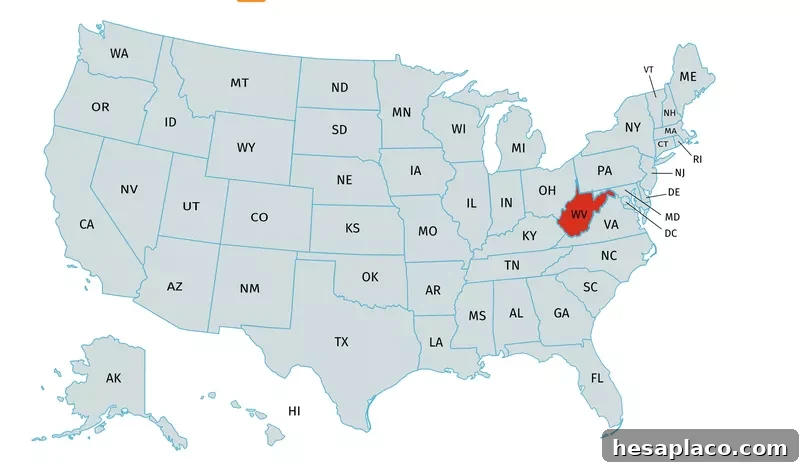
West Virginia Rankings
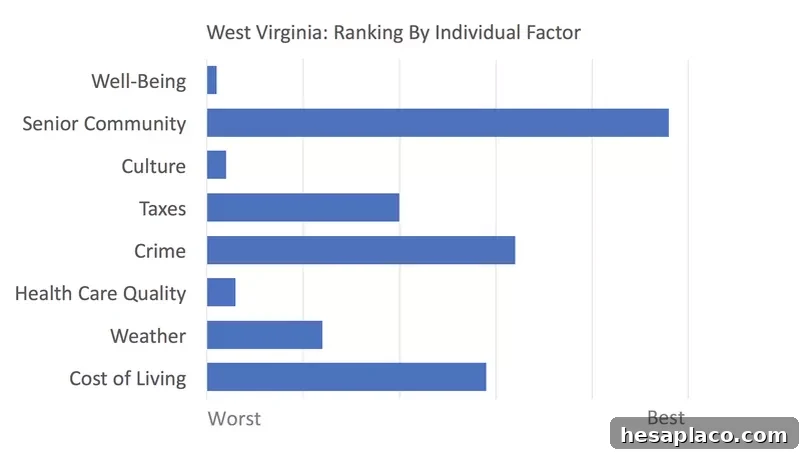
Bankrate Retirement Rankings
Bottom Line: West Virginia taxes Social Security and offers only limited deductions for retirement income. High poverty rates and constrained services can make the state less appealing for retirees seeking financial security and reliable healthcare access.
50. Alaska
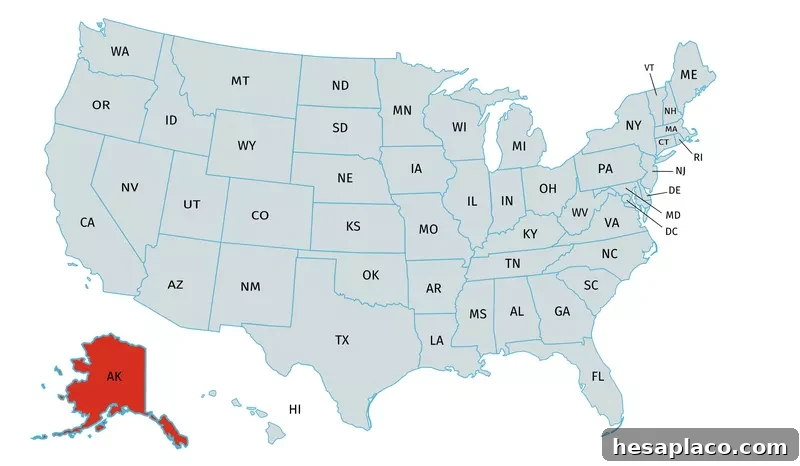
Alaska Rankings
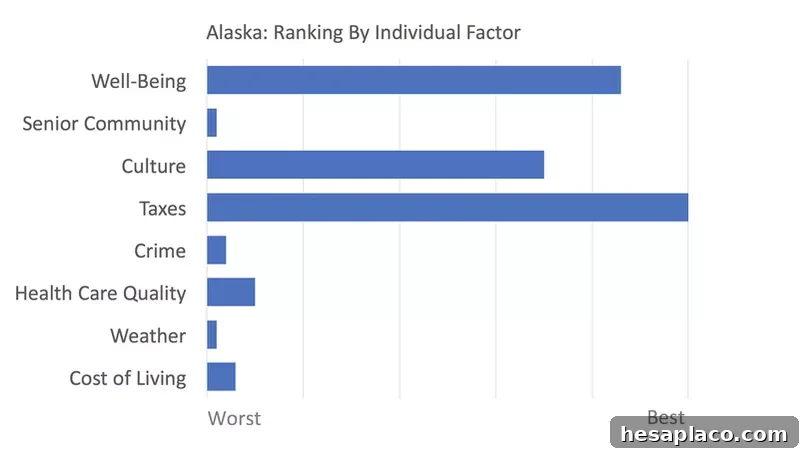
Bankrate Retirement Rankings
Bottom Line: Alaska’s natural beauty and unique lifestyle appeal to some, but the high cost of living—roughly one-third higher than the national average—and remote access to quality healthcare make it difficult for many retirees. In rural areas, traveling long distances or flying to reach medical specialists is often necessary.
Each state presents trade-offs. The best retirement destination depends on your priorities: affordable housing and low taxes, top-quality healthcare, cultural amenities, mild climate, or strong local services for seniors. Consider those factors carefully when planning where to spend your retirement years.