As summers grow hotter due to climate change, homes face increasing stresses. Rising temperatures push air conditioning systems, expose weaknesses in traditional building designs, and raise energy costs. Buyers are becoming more selective, preferring properties that can stay cool and efficient without large utility bills. That shift is prompting real estate companies to adopt smarter approaches to heat resilience.
Why Heat Protection Matters for Homes
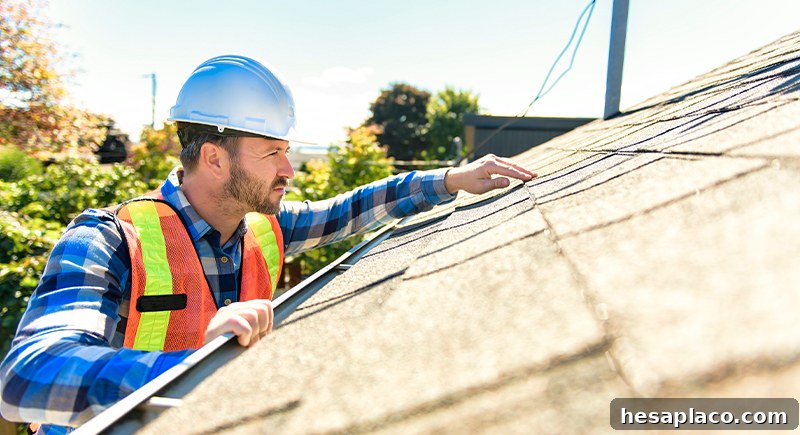
Image via iStockphoto/LSOphoto
Excessive heat can damage both a home’s exterior and interior. Roofs and exterior materials degrade faster under prolonged sun and heat; landscaping can desiccate and increase fire risk; and soil movement during droughts may lead to foundation cracking. Inside, wooden floors and framing can warp, while HVAC and electrical systems experience increased wear from extended use. Collectively, these impacts translate into higher maintenance and repair costs over time.
For sellers and developers, integrating heat-aware design and systems makes properties more appealing to climate-conscious buyers and helps protect long-term value.
This Real Estate Company’s Smart Technology Usage
Technology is playing a key role in making buildings more resilient and energy-efficient. Runwise, a New York–based firm, deploys wireless sensors and detailed weather data to optimize when boilers, chillers, and other climate-control equipment operate. By running systems only when conditions demand, the platform reduces wasted energy while maintaining comfortable indoor environments.
Runwise’s software and sensor setup have been installed in more than 10,000 buildings across multiple states, reporting cumulative energy savings in excess of $100 million. The company continues to expand and refine its algorithms to improve performance and savings nationwide.
Easy Upgrades for Homeowners
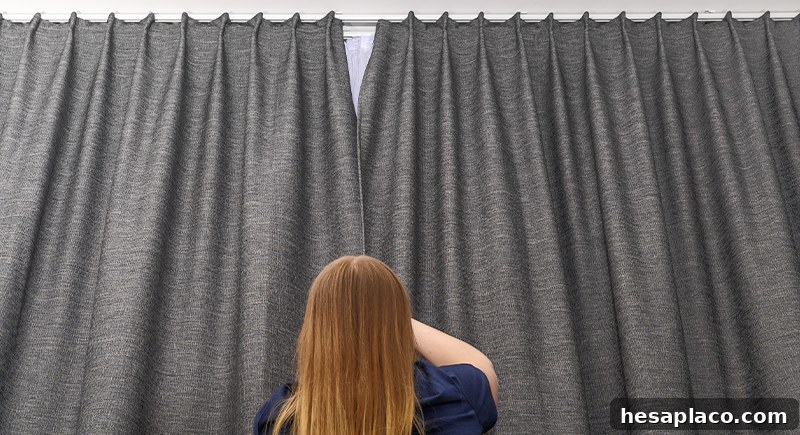
Image via iStockphoto/Pawel Kacperek
While smart building programs scale up, homeowners can adopt simple measures to reduce indoor heat and energy consumption. Blackout or reflective curtains block solar gain and keep rooms cooler during peak sun. Choosing low-heat cooking methods—such as microwaves or air fryers—limits extra heat generation in kitchens. Using ceiling fans in tandem with air conditioning improves air circulation and lets owners set thermostats a few degrees higher without sacrificing comfort.
Routine HVAC maintenance is critical: regular filter changes, duct inspection, and system tune-ups keep equipment operating efficiently and extend service life. Smart thermostats add finer control and learning capabilities that reduce wasted cooling. For those concerned about power interruptions during heat waves, appropriately sized backup generators (including natural gas options where permitted) can keep critical cooling and refrigeration running during outages.
Designing for the Future

Image via Canva/studioroman
Rising summer temperatures are a long-term challenge for builders and homeowners alike, but practical strategies can make homes safer and more comfortable. Thoughtful design, targeted technology, and straightforward homeowner upgrades reduce heat stress on buildings and lower operating costs.
The benefits are immediate comfort and enhanced resilience, as well as preserved property value over time. Companies like Runwise and builders who prioritize heat-conscious design are distinguishing themselves in the market, and homeowners who invest in improvements protect both their families and their homes’ long-term worth.