
You prepared thoroughly, slept well, and answered every interview question with thought and clarity. As the meeting with the hiring manager winds down, there’s one final prompt:
“Is there anything you’d like to ask us?”
Career experts often point to this moment as one of the most important parts of an interview. You’re still being evaluated, and the questions you ask now can distinguish you from other applicants. This isn’t the time to ask about vacation days or parking — it’s the time to finish strong.
“In the many interviews I’ve conducted, there are questions I wish candidates had asked,” says Mike Smith, founder of SalesCoaching1. “Asking the right questions can propel someone ahead of other candidates; when that difference is clear, an offer often follows much sooner.”
The questions you pose demonstrate that you’ve researched the company and thought about the role. They also let you clarify any points you may not have emphasized earlier. Offering a generic question is unhelpful; saying nothing at all is worse. If you don’t have questions after researching the company, it can signal disinterest or a lack of curiosity.
Come prepared with at least two thoughtful questions that reflect genuine interest and avoid questions that can be answered with a simple “yes” or “no.” Treat the interview as a conversation and give the interviewer something to engage with. These questions will deepen your insight into the company, its culture, and your potential future there. Remember: an interview helps both sides determine whether the fit is right.
Below are suggested questions to tailor to the role and organization you’re interviewing with.
Get a Sense of the Workplace
There’s rarely a “typical” day in many roles, but asking about day-to-day responsibilities helps you assess whether the position aligns with your skills and interests. Learning the routine tasks also gives you content to reference in a follow-up thank-you note and shows you’re thinking practically about how you’ll contribute.
Probe the Corporate Culture
The interviewer’s response will reveal what behaviors are valued or discouraged. Thom Fox, chief people officer at Giombetti Associates, notes that understanding accepted and unaccepted behaviors helps you evaluate whether you fit the organization from a behavioral perspective.
Prompt Stories About the Company
Dana Case, who oversees hiring at MyCorporation, recommends questions that invite stories—especially when a role is new. Those narratives often include practical context and historical background that reveal how the position was created and what success looks like.
Signal a Career Mindset
Asking about growth and future possibilities signals you’re thinking about building a career there, not just taking the next job. April Klimkiewicz, a career coach, explains that such questions communicate long-term interest while helping you understand potential advancement and trajectory for the role.
Inquire About Management Style
While you may pick up clues throughout the interview process, explicitly asking about how you’ll be managed clarifies expectations. RaShea Drake, an HR specialist, notes that the best candidates ask about management styles to ensure they’ll mesh well with supervisors. Some people prefer autonomy, while others want frequent feedback — asking ahead helps avoid surprises.
Glimpse Behind the Scenes
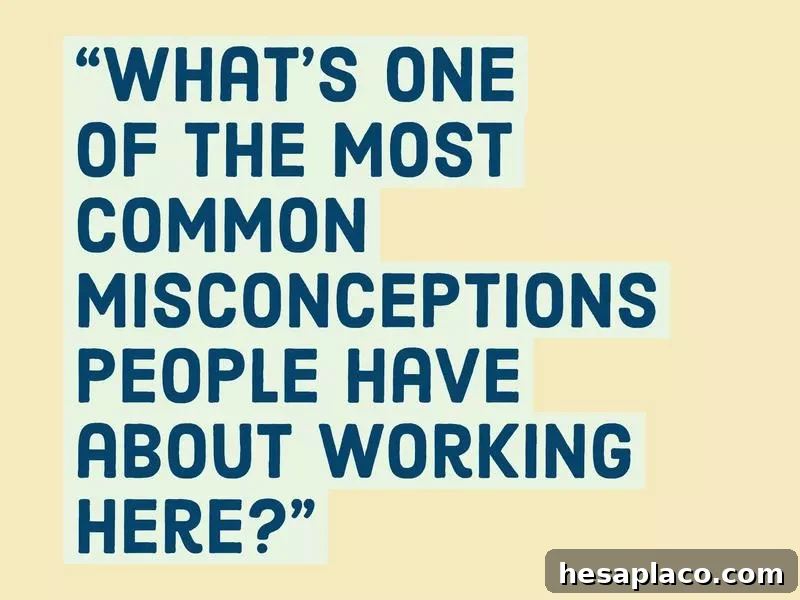
Asking for candid insights into what daily life is really like shows you want to go beyond public perception or press-driven narratives. Career consultant Joseph Liu says this question often yields a behind-the-scenes view that helps you decide whether the work environment matches your expectations.
Ask About Projects
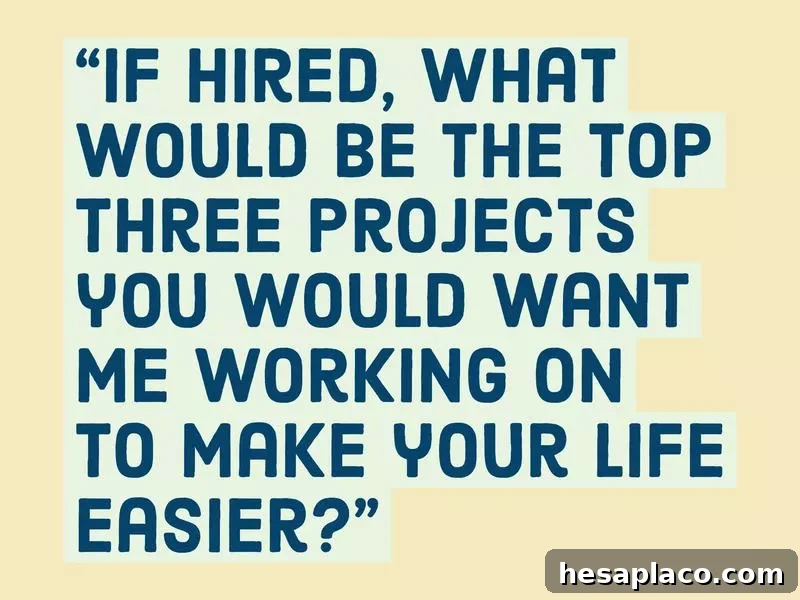
Learning about current or upcoming projects helps you picture yourself in the role. Anne Stuart of Lanetix recalls an interview where asking about projects allowed the interviewer to imagine her in the position and tailor a 30-60-90 day plan around priorities—information that can be invaluable for both sides.
Gauge Expectations
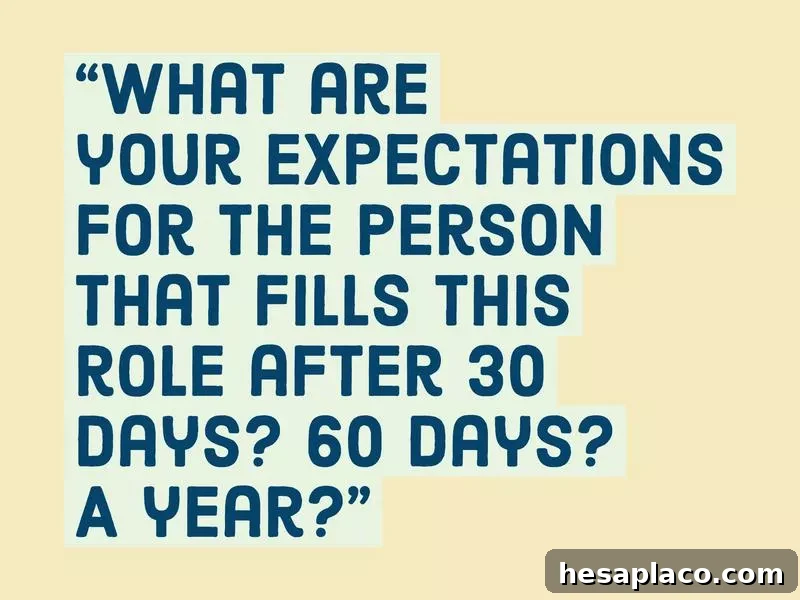
Asking about expectations for the first few months clarifies where you should focus initially. This question gives you a clear sense of success metrics and helps you understand what the manager will value when evaluating your performance.
Fitting In
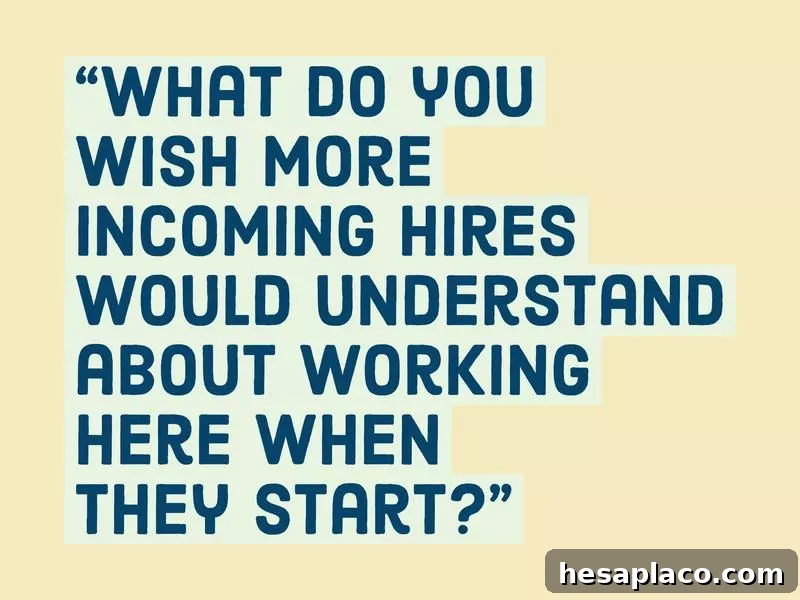
Framing questions about how teams work together or how people succeed offers another angle on culture without asking directly. Joseph Liu says asking how people typically succeed signals your desire to understand the norms and expectations so you can perform effectively if hired.
Investigating the Culture
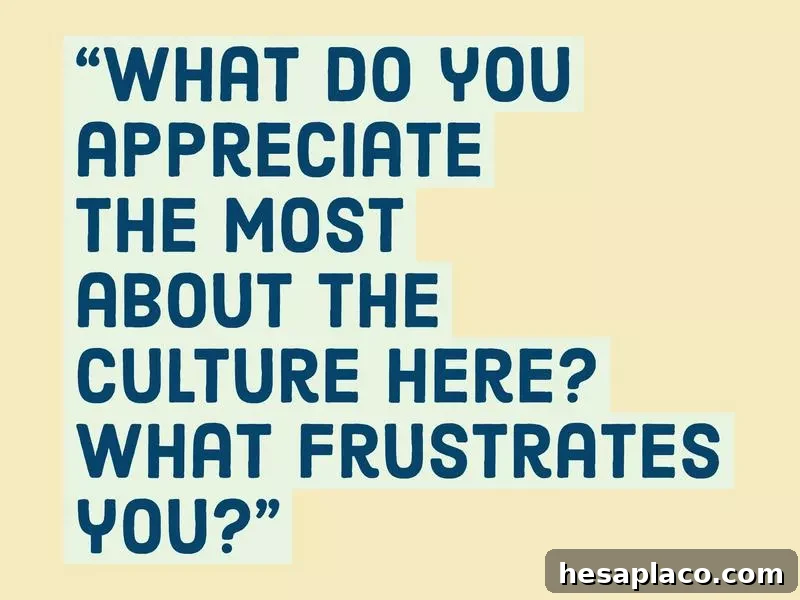
Asking for the interviewer’s perspective on effective ways of working not only reveals cultural elements but also demonstrates that you want to fit in. Hiring managers appreciate candidates who take the time to learn how to work well within the organization.
Looking Into the Future
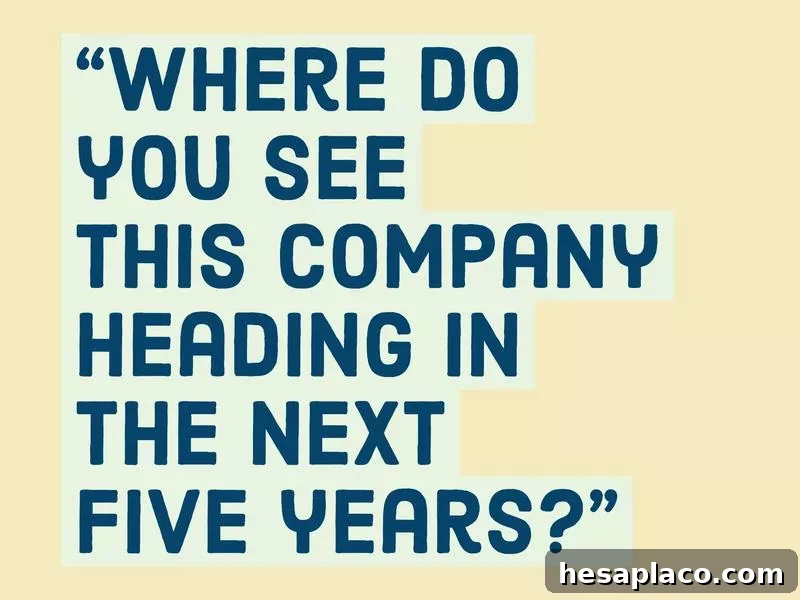
Questions about the company’s long-term vision help you determine whether it’s a place you’d like to grow with. They also signal to the hiring manager that you’re thinking about a long-term commitment rather than a short-term stop. If you’re interviewing for contract or short-term work, consider asking about the biggest challenges the company faces now to frame your contribution in a practical way.
Be in the Hunt
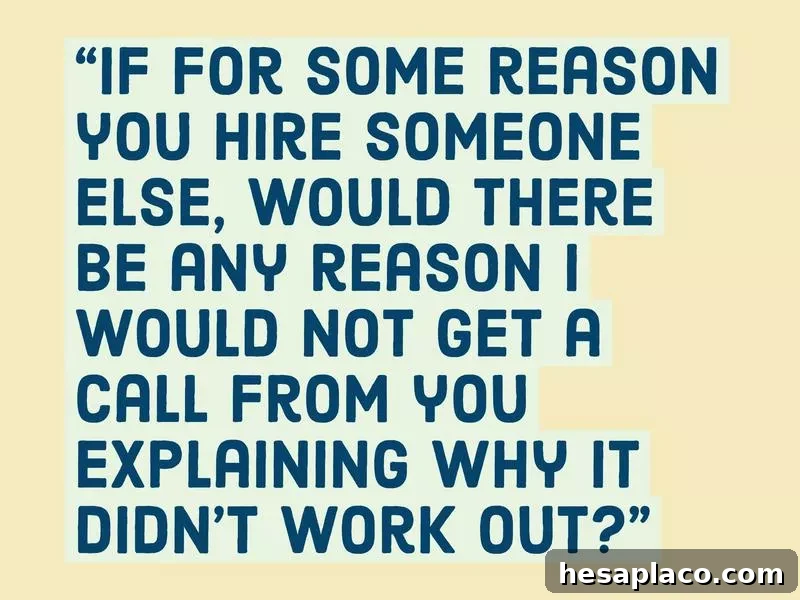
Mike Smith suggests demonstrating that you’re actively interviewing elsewhere—kept appropriate and honest, this can show you’re a competitive candidate. If asked what you’d do if they chose someone else, a measured answer about other interviews or offers can underscore your interest in their company specifically.
Address Perceived Weaknesses
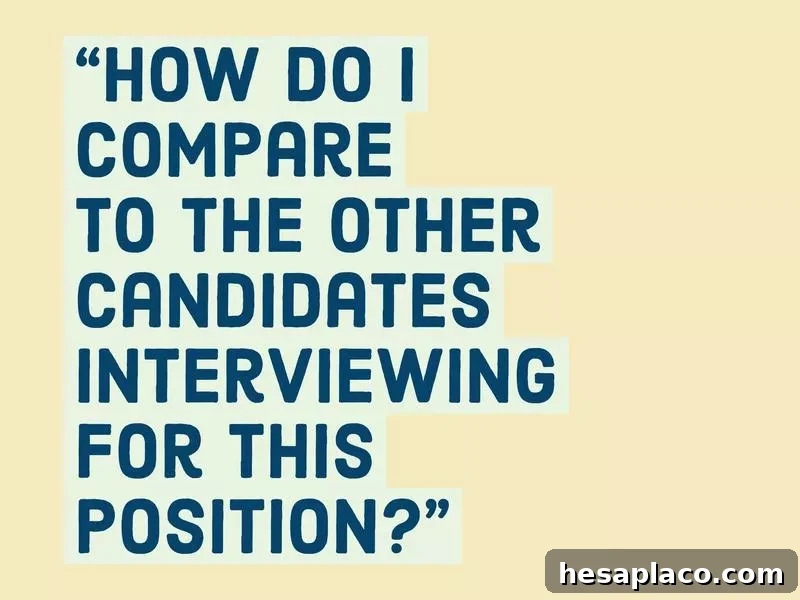
Asking directly about concerns the interviewer might have about your fit can be risky, but when rapport is strong this approach allows you to address reservations on the spot. If handled thoughtfully, it can turn potential negatives into opportunities to clarify strengths and demonstrate self-awareness.
Ultimately, asking well-chosen questions at the end of an interview does more than satisfy curiosity — it reinforces your professionalism, reveals whether the company is the right match, and leaves a memorable impression that can help you stand out.