Sometimes a movie’s success is startling. While many modern blockbusters are action or superhero fare, horror films still attract huge audiences. Because horror movies can often be produced on modest budgets, a major hit can deliver enormous profit margins for studios and filmmakers alike.
Definitions of horror vary—does it require gore? Can supernatural or extraterrestrial elements cross into science fiction? This list uses a broad, traditional approach, covering a wide range of subgenres. You’ll find jump scares, psychological dread, twists, and plenty of memorable mayhem.
Below are the most financially successful horror films of all time, ranked by estimated net profit.
50. Friday the 13th (2009)
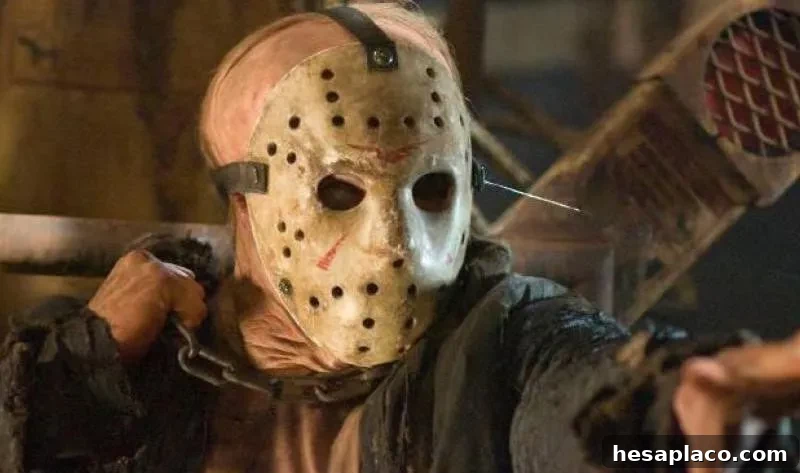
Derek Mears as Jason in “Friday the 13th” (2009). New Line Cinema
Year: 2009
Budget: $19 million*
Worldwide gross: $91,379,051
Net: $72,379,051
*Budget and worldwide gross figures are from Box Office Mojo and are not adjusted for inflation.
Bottom Line: Friday the 13th (2009)
This remake revived the slasher franchise for a new generation, returning Jason Voorhees—machete and mask—to center stage. The franchise’s profitability extends beyond box office into merchandising and marketing, which helped cement its long-term value.
49. A Nightmare on Elm Street (2010)
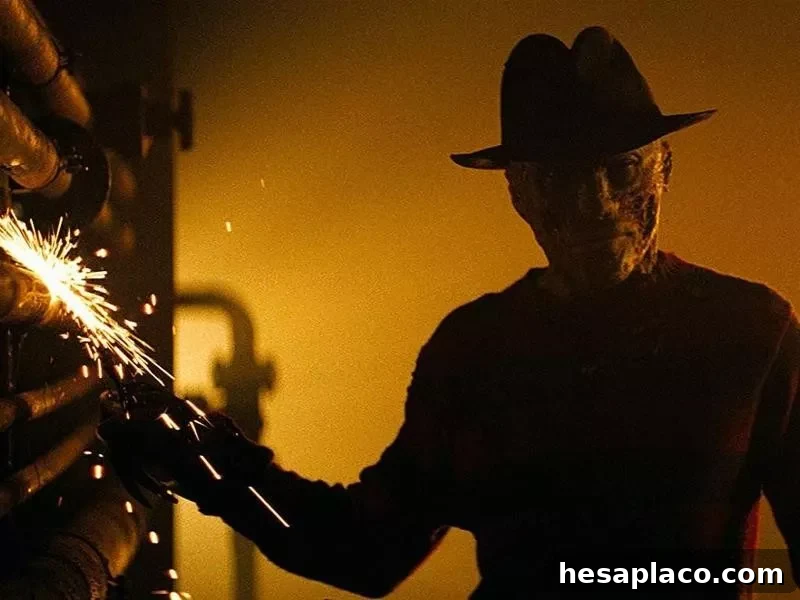
The 2010 “Nightmare on Elm Street” reboot. New Line Cinema
Year: 2010
Budget: $35 million
Worldwide gross: $115,664,037
Net: $80,664,037
Bottom Line: A Nightmare on Elm Street (2010)
The original 1984 film introduced Freddy Krueger and became a horror touchstone. The 2010 reboot performed reasonably at the box office but failed to relaunch the franchise in the way producers had hoped.
48. The Amityville Horror (2005)
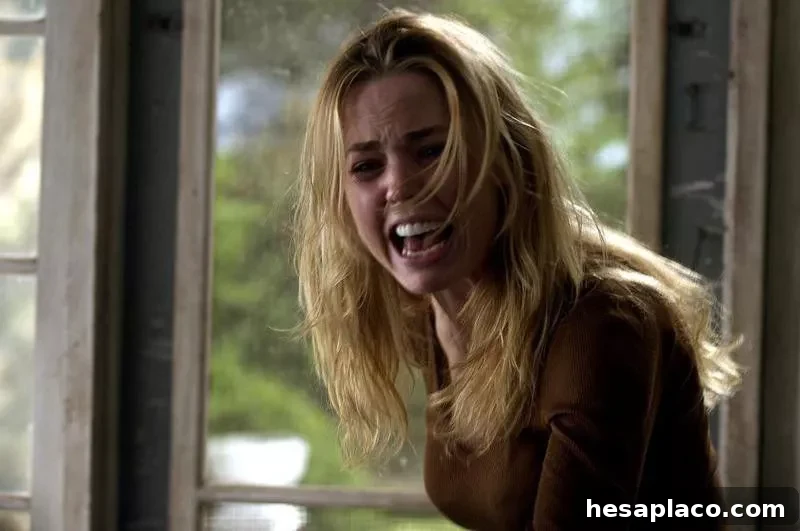
Melissa George in “The Amityville Horror” (2005). MGM
Year: 2005
Budget: $19 million
Worldwide gross: $108,047,131
Net: $89,047,131
Bottom Line: The Amityville Horror (2005)
This remake of the 1979 film was inspired by Jay Anson’s 1977 book. Despite controversy over the “true story” claims, audiences responded strongly and the remake earned solid box-office returns.
47. Insidious
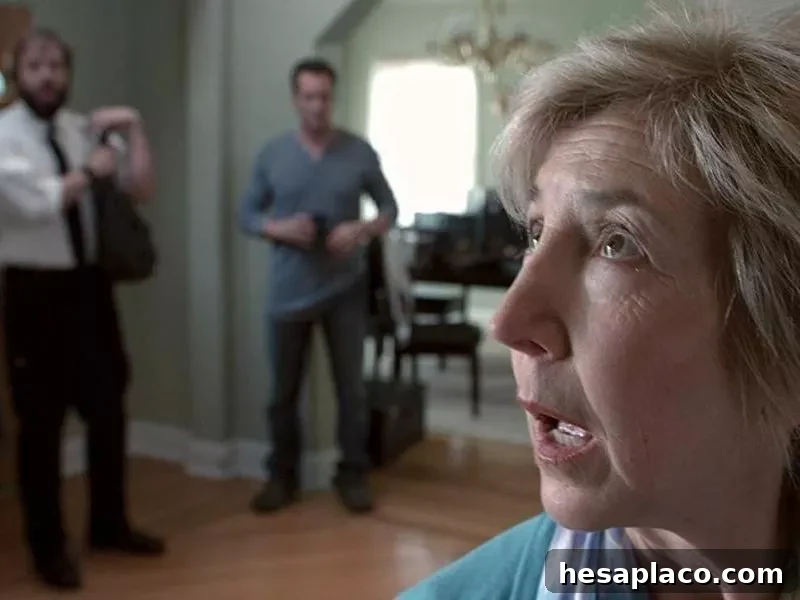
“Insidious” launched a franchise. FilmDistrict
Year: 2010
Budget: $1.5 million
Worldwide gross: $97,009,150
Net: $95,509,150
Bottom Line: Insidious
Directed by James Wan, this low-budget supernatural horror about a boy who becomes a conduit for malevolent entities became a breakout hit and spawned multiple sequels, demonstrating how modest investment plus effective scares can create a lucrative franchise.
46. The Haunting (1999)
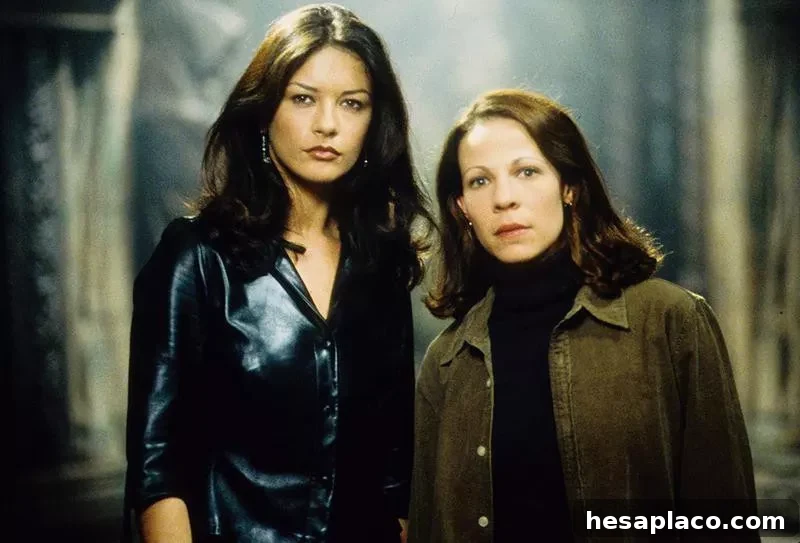
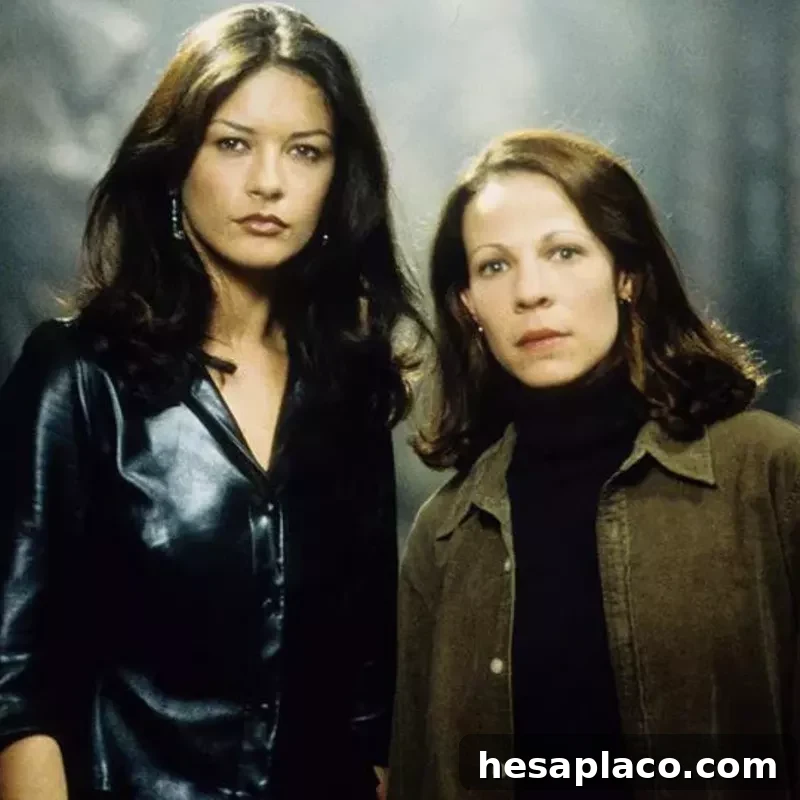
Catherine Zeta-Jones and Lili Taylor in “The Haunting.” DreamWorks
Year: 1999
Budget: $80 million
Worldwide gross: $177,311,151
Net: $97,311,151
Bottom Line: The Haunting (1999)
Based on Shirley Jackson’s novel “The Haunting of Hill House” and a remake of the 1963 film, this big-budget adaptation mixed psychological tension with supernatural chills and later inspired a successful Netflix series adaptation of the novel.
45. The Texas Chainsaw Massacre (2003)
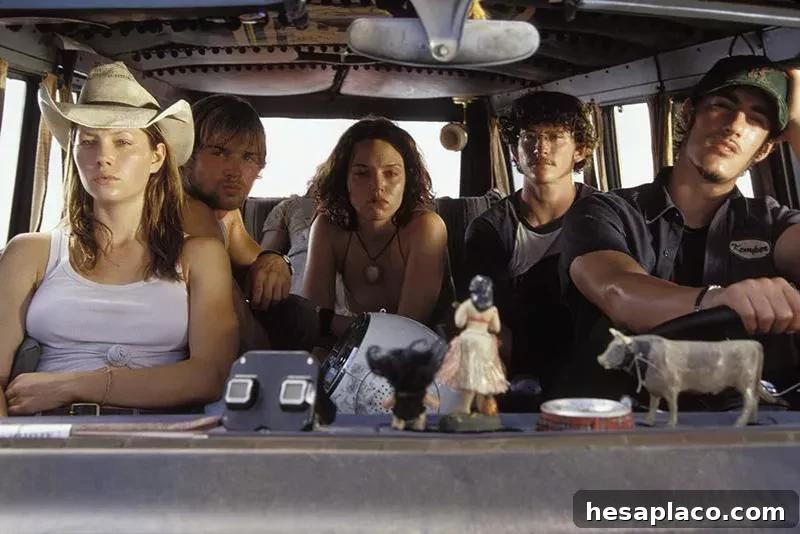
Andrew Bryniarski as Leatherface in “The Texas Chainsaw Massacre” (2003). New Line Cinema
Year: 2003
Budget: $9.5 million
Worldwide gross: $107,071,655
Net: $97,571,655
Bottom Line: The Texas Chainsaw Massacre (2003)
This successful remake updated the 1974 cult classic for modern audiences. It was the first production from Platinum Dunes, a company that would go on to produce several profitable horror reboots.
44. Saw
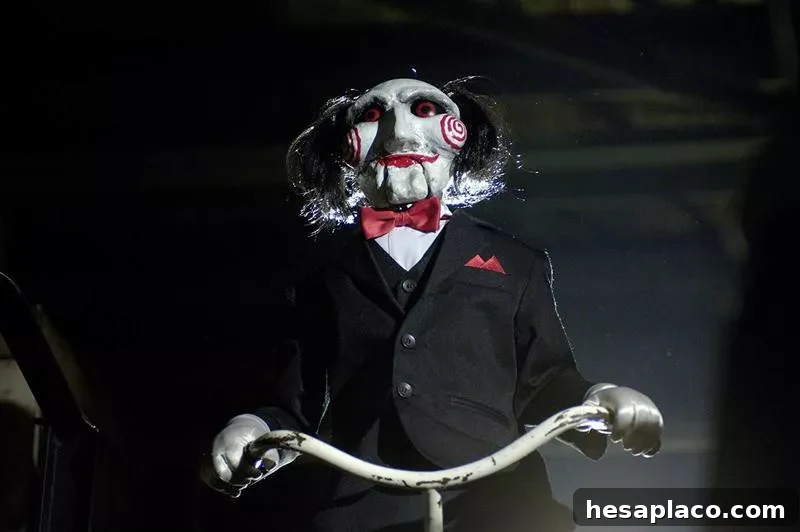
The Jigsaw puppet from “Saw.” Lions Gate Films
Year: 2004
Budget: $1.2 million
Worldwide gross: $103,911,669
Net: $102,711,669
Bottom Line: Saw
James Wan’s directing debut shocked audiences with its inventive traps and moral games, delivered on a micro-budget and launched a long-running, profitable franchise centered on the enigmatic Jigsaw killer.
43. Sleepy Hollow
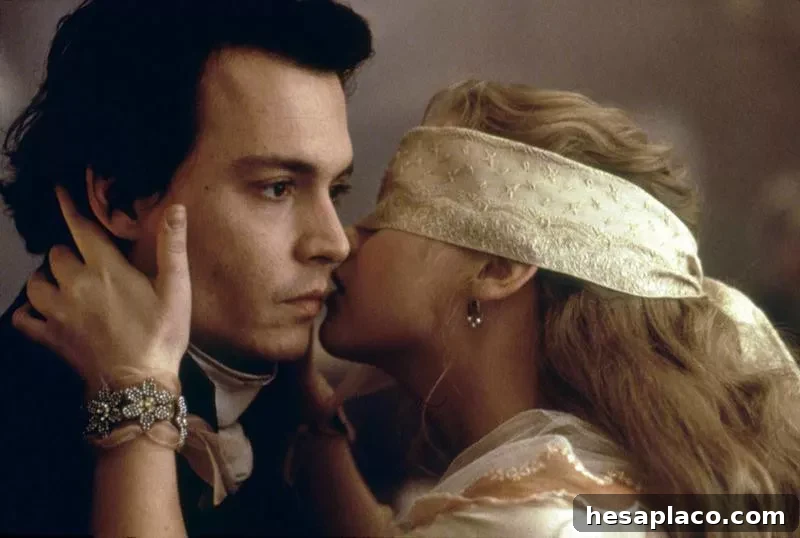
Johnny Depp and Christina Ricci in Tim Burton’s “Sleepy Hollow.” Paramount Pictures
Year: 1999
Budget: $100 million
Worldwide gross: $206,071,502
Net: $106,071,502
Bottom Line: Sleepy Hollow
Tim Burton’s gothic reinterpretation of Washington Irving’s tale paired star power with lavish production design—earning both box-office success and an Academy Award for Best Art Direction.
42. The Ring Two
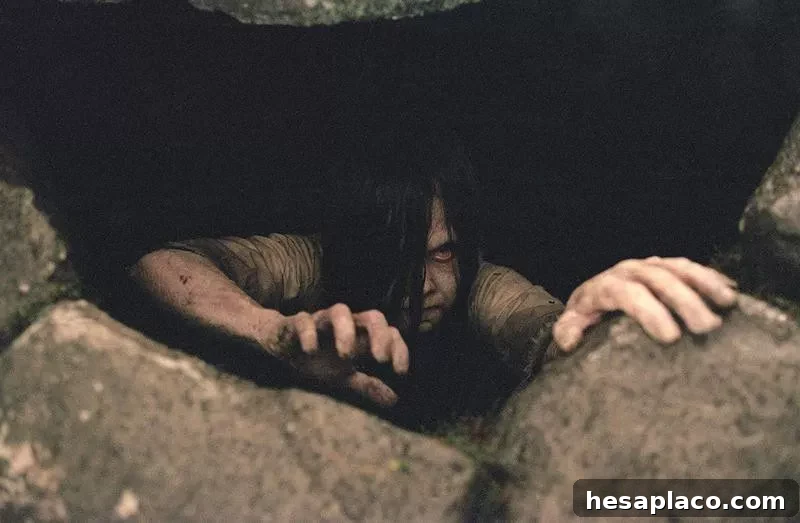
“The Ring Two.” DreamWorks
Year: 2005
Budget (estimated): $50 million
Worldwide gross: $161,451,538
Net: $111,451,538
Bottom Line: The Ring Two
Although it didn’t match the original’s cultural impact, the sequel still turned a healthy profit and extended a franchise built around the eerie cursed videotape concept.
41. Happy Death Day
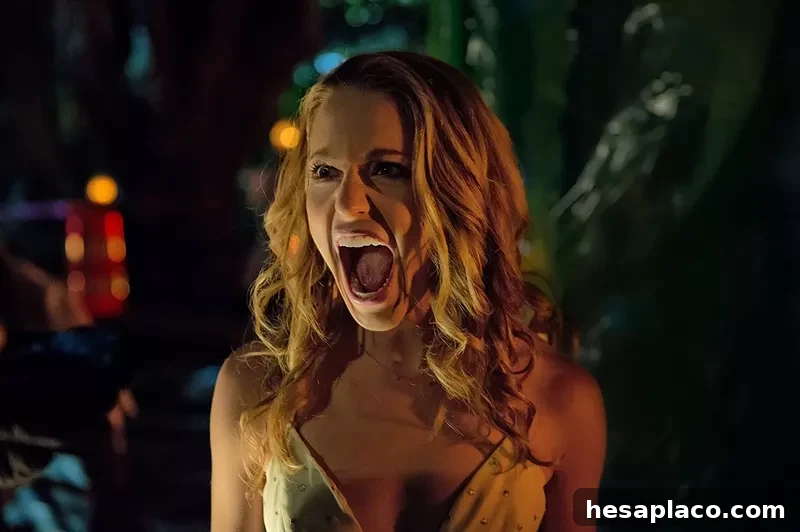
Jessica Rothe stars in “Happy Death Day.” Universal Pictures
Year: 2017
Budget: $4.8 million
Worldwide gross: $125,479,266
Net: $120,679,266
Bottom Line: Happy Death Day
A clever mash-up of Groundhog Day and a slasher film, this comedy-horror surprised audiences and earned big returns thanks to a tight concept and a small budget.
40. The First Purge
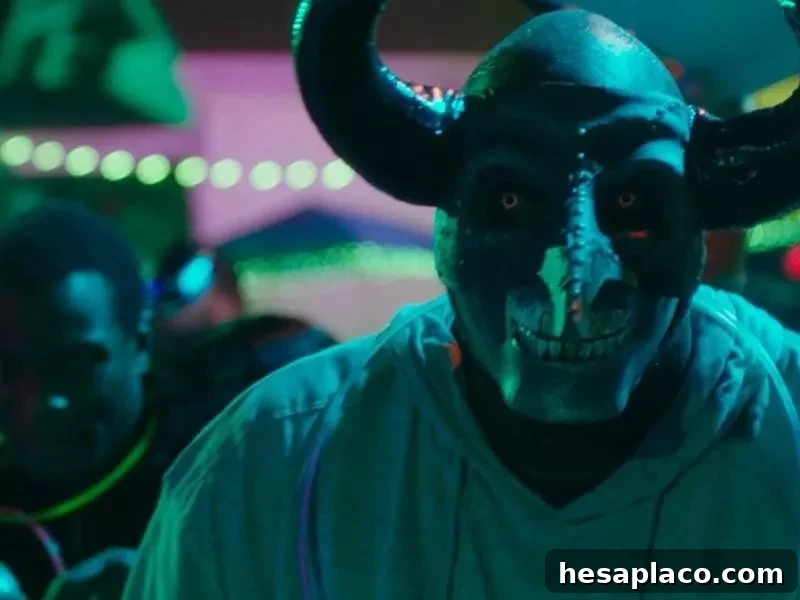
“The First Purge.” Universal Pictures
Year: 2018
Budget: $13 million
Worldwide gross: $137,056,262
Net: $124,056,262
Bottom Line: The First Purge
This prequel explores the origin of the Purge experiment and smartly tapped topical themes and bold marketing—helping it earn more than ten times its production budget.
39. The Exorcism of Emily Rose
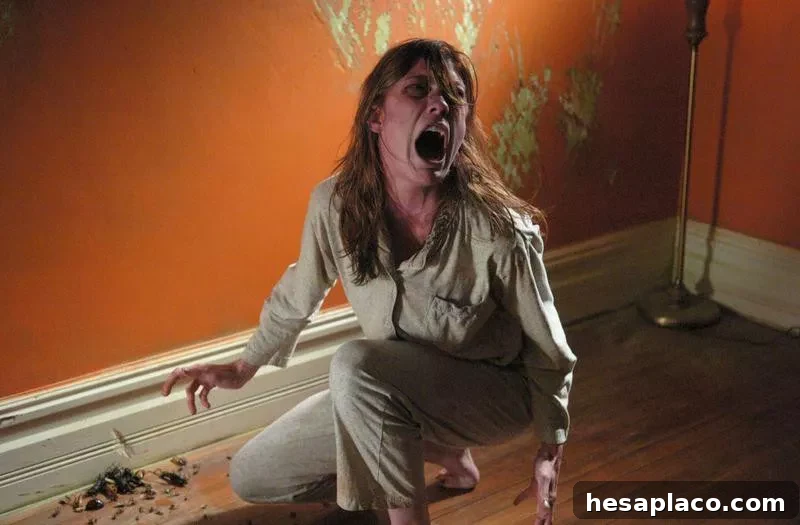
Jennifer Carpenter in “The Exorcism of Emily Rose.” Screen Gems
Year: 2005
Budget: $19 million
Worldwide gross: $144,216,468
Net: $125,216,468
Bottom Line: The Exorcism of Emily Rose
Loosely based on a real case, this courtroom-horror hybrid blended legal drama with chilling spiritual themes, drawing audiences intrigued by its “inspired by true events” premise.
38. Mama
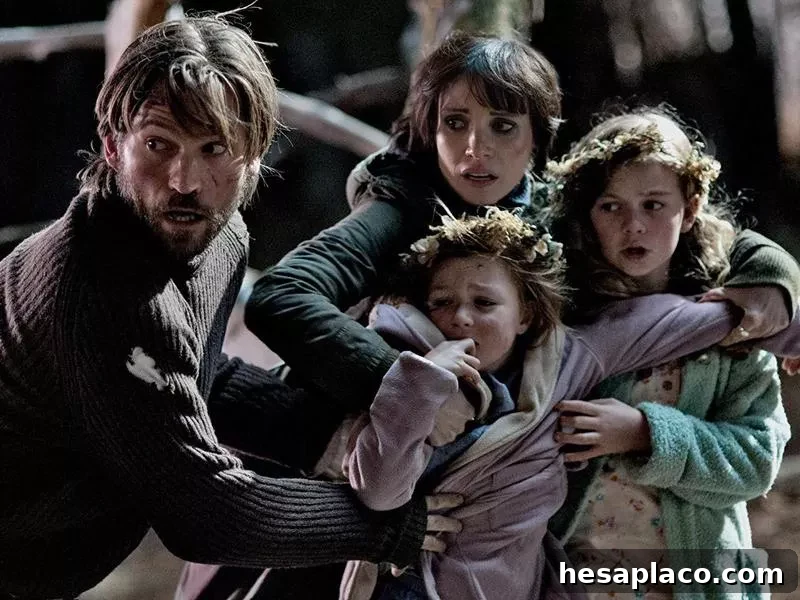
Jessica Chastain and co-stars in “Mama.” Universal Pictures
Year: 2013
Budget: $15 million
Worldwide gross: $146,428,180
Net: $131,428,180
Bottom Line: Mama
This original ghost story—about a supernatural figure who cares for abandoned children—offered a fresh take on haunting tropes and translated into global box-office success.
37. Van Helsing
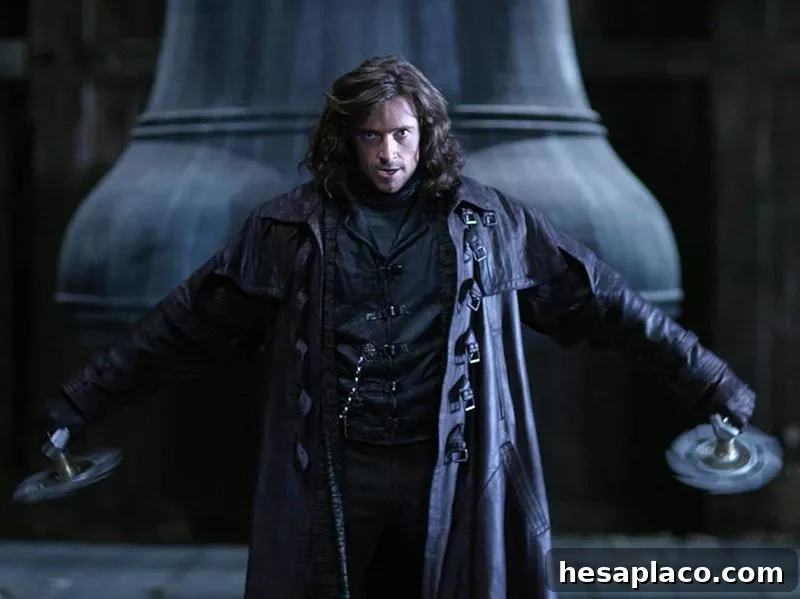
Hugh Jackman in “Van Helsing.” Universal Pictures
Year: 2004
Budget: $160 million
Worldwide gross: $300,257,475
Net: $140,257,475
Bottom Line: Van Helsing
A big-budget monster adventure that paid homage to classic Universal creatures, the film underwhelmed critics but still delivered a substantial worldwide gross.
36. Don’t Breathe
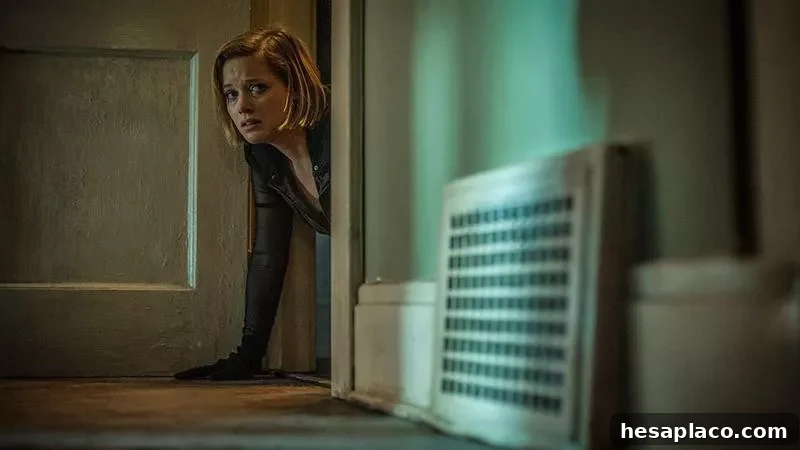
Jane Levy in “Don’t Breathe.” Sony Pictures
Year: 2016
Budget: $9.9 million
Worldwide gross: $157,100,845
Net: $147,200,845
Bottom Line: Don’t Breathe
Fede Álvarez’s claustrophobic thriller about burglars trapped by a blind, trained survivor tapped into primal fears and became a surprising hit on a modest budget.
35. Scream 2
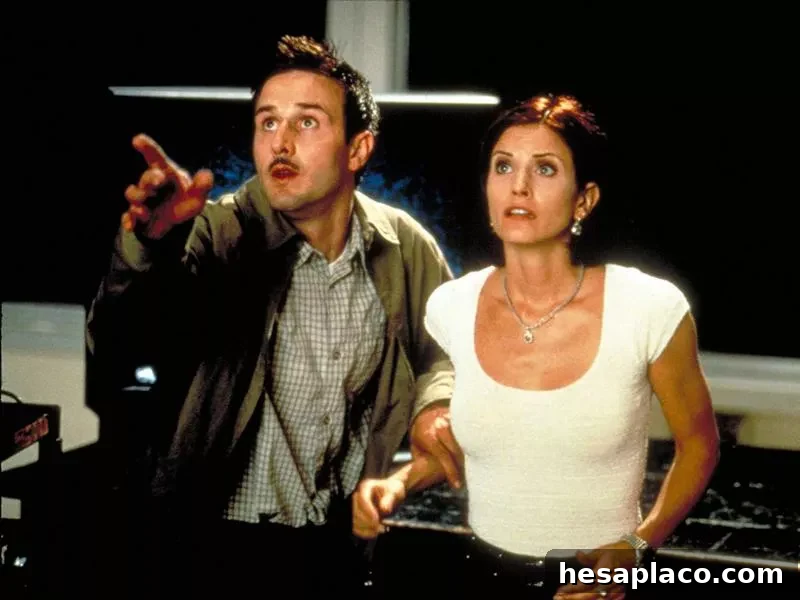
David Arquette and Courteney Cox in “Scream 2.” Dimension Films
Year: 1997
Budget: $24 million
Worldwide gross: $172,363,301
Net: $148,363,301
Bottom Line: Scream 2
The sequel continued the franchise’s self-aware take on horror conventions, drawing loyal fans back to theaters and expanding the influence of the original film.
34. Insidious: Chapter 2
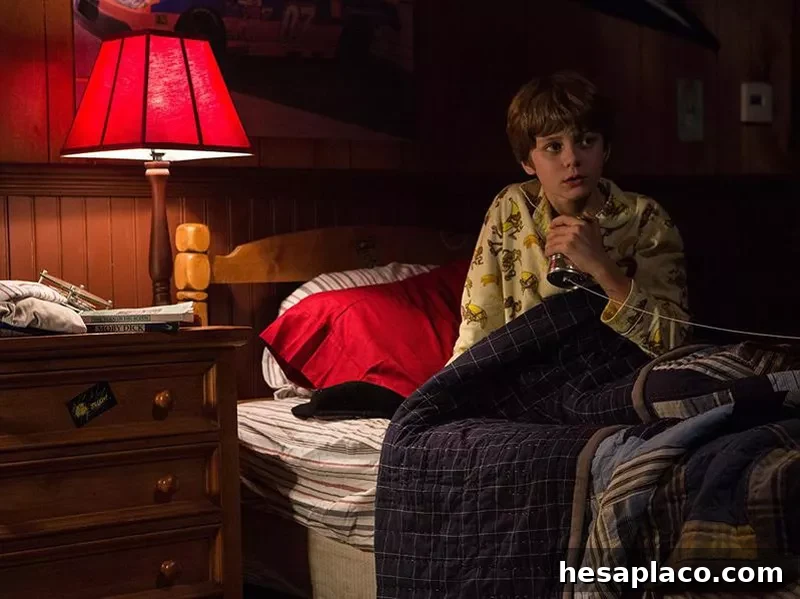
Ty Simpkins in “Insidious: Chapter 2.” FilmDistrict
Year: 2013
Budget: $5 million
Worldwide gross: $161,919,318
Net: $156,919,318
Bottom Line: Insidious: Chapter 2
The sequel expanded the original’s mythology while remaining economical, yielding large profits and reinforcing the franchise’s popularity.
33. Scream
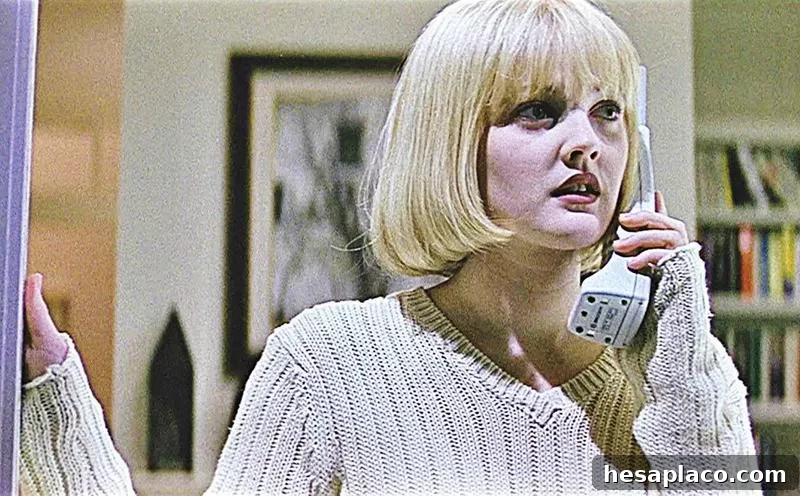
“Scream” reinvented slasher conventions. Dimension Films
Year: 1996
Budget: $14 million
Worldwide gross: $173,046,663
Net: $159,046,663
Bottom Line: Scream
Wes Craven’s meta-slasher broke genre rules, beginning with the shocking opening sequence, and inspired multiple sequels and countless pop-culture references.
32. Interview with the Vampire
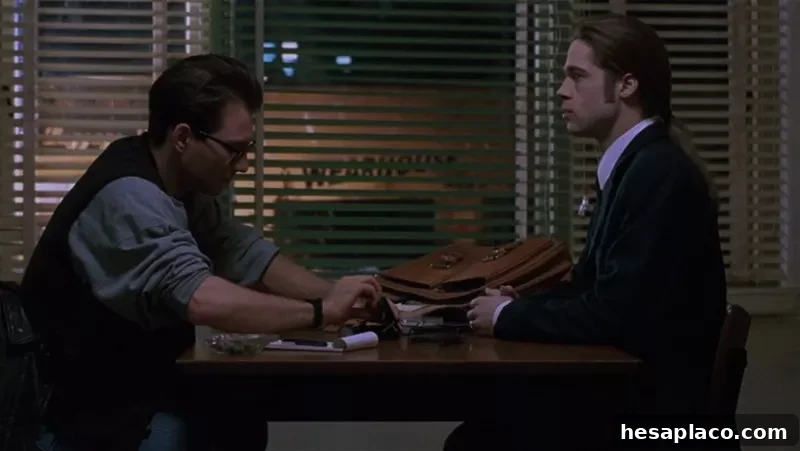
Brad Pitt and Christian Slater in “Interview with the Vampire.” Warner Bros.
Year: 1994
Budget: $60 million
Worldwide gross: $223,664,608
Net: $163,664,608
Bottom Line: Interview with the Vampire
This lavish adaptation of Anne Rice’s novel combined gothic atmosphere and star power to become a major box-office success and a long-standing piece of vampire cinema.
31. Paranormal Activity 2
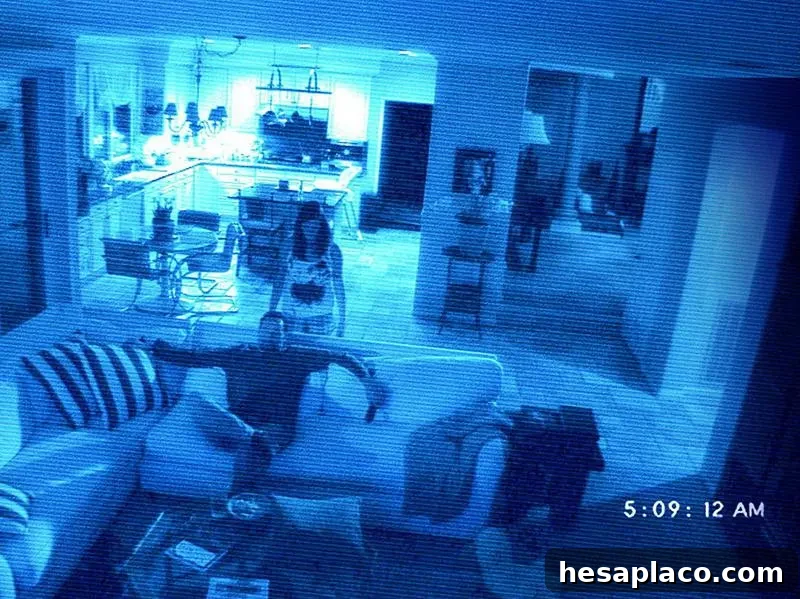
“Paranormal Activity 2.” Paramount Pictures
Year: 2010
Budget: $3 million
Worldwide gross: $177,512,032
Net: $174,512,032
Bottom Line: Paranormal Activity 2
Building on the original’s found-footage approach, the sequel delivered more scares and strong profits while expanding the franchise.
30. The Grudge (2004)
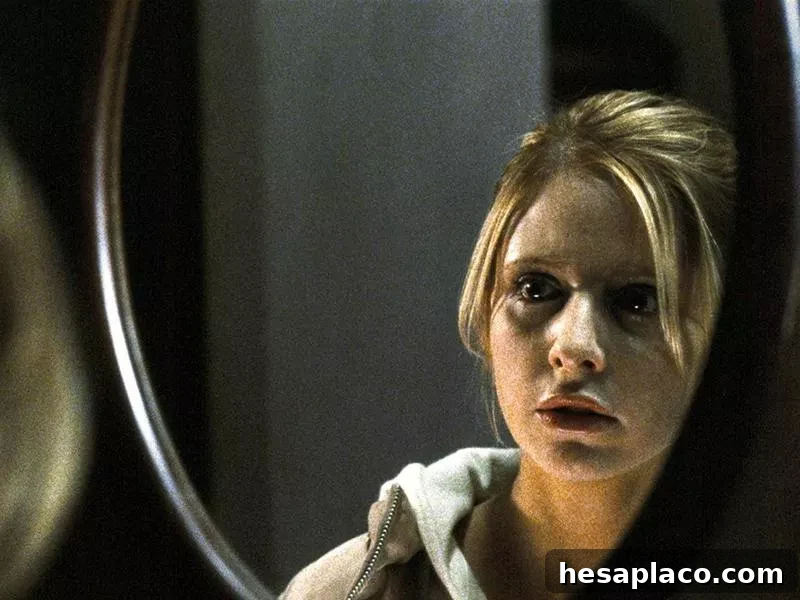
Sarah Michelle Gellar in “The Grudge.” Sony Pictures
Year: 2004
Budget: $10 million
Worldwide gross: $187,281,115
Net: $177,281,115
Bottom Line: The Grudge (2004)
An American remake of a Japanese horror film, “The Grudge” used disjointed timelines and eerie imagery to unsettle viewers and spawn sequels.
29. What Lies Beneath
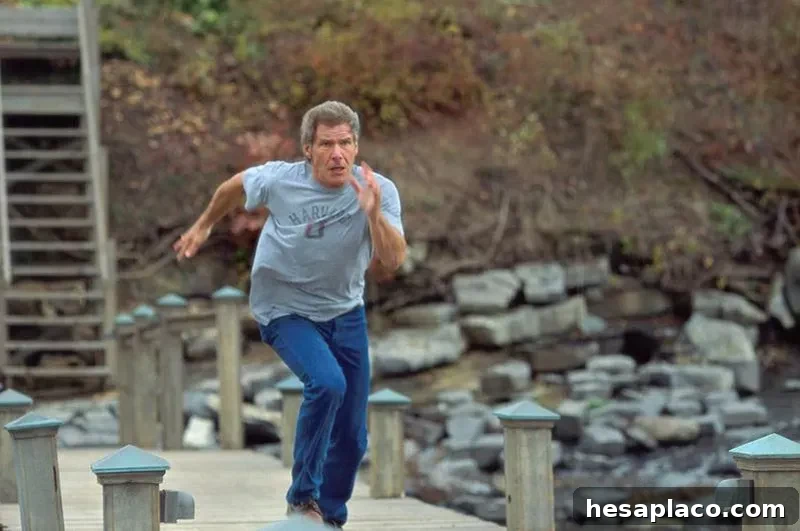
Harrison Ford and Michelle Pfeiffer in “What Lies Beneath.” DreamWorks/Fox
Year: 2000
Budget: $100 million
Worldwide gross: $291,420,351
Net: $191,420,351
Bottom Line: What Lies Beneath
Starring two major stars, this supernatural thriller proved that big names can anchor a horror film and still draw large audiences.
28. The Others
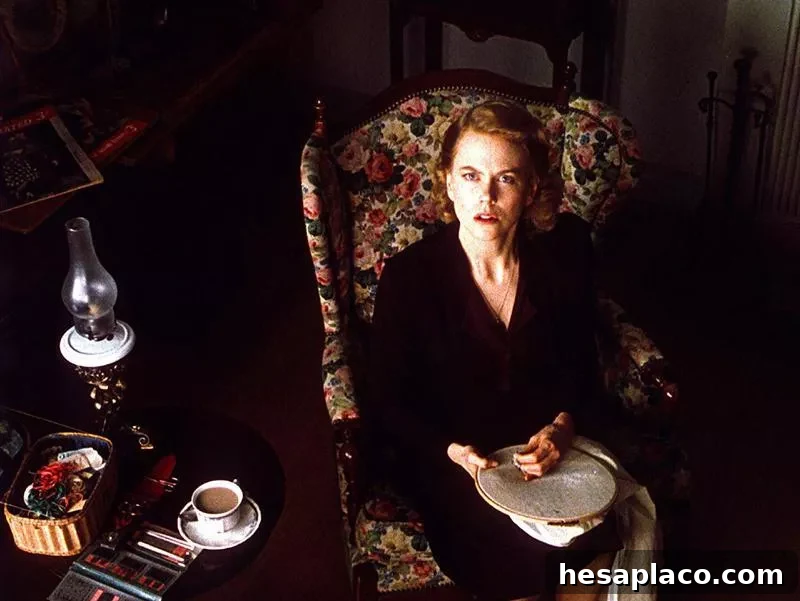
Nicole Kidman in “The Others.” Dimension Films
Year: 2001
Budget: $17 million
Worldwide gross: $209,947,037
Net: $192,947,037
Bottom Line: The Others
Inspired by Henry James–adjacent gothic themes, Alejandro Amenábar’s chilling film combined mood, mystery, and a twist that resonated strongly with critics and audiences.
27. Annabelle Comes Home
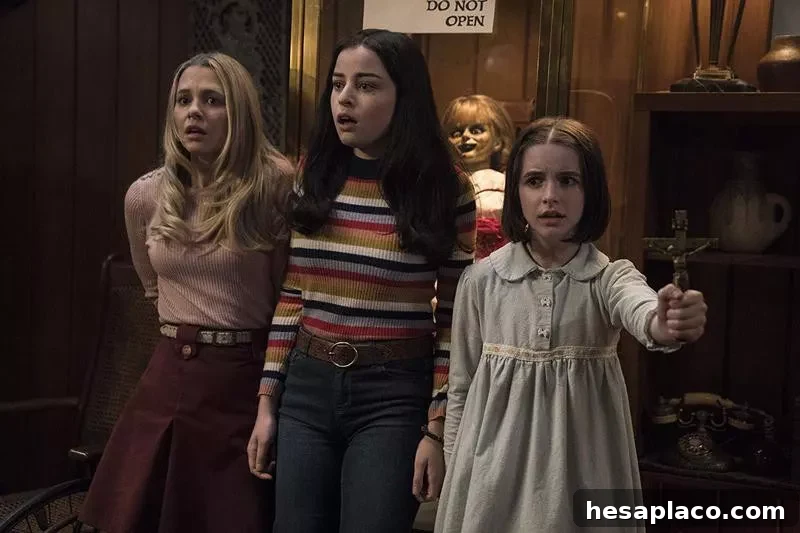
“Annabelle Comes Home.” Warner Bros.
Year: 2019
Budget (estimated): $32 million
Worldwide gross: $225,248,905
Net: $193,248,905
Bottom Line: Annabelle Comes Home
A spin-off within The Conjuring universe, this installment leveraged franchise recognition to perform well commercially despite mixed critical response.
26. Paranormal Activity
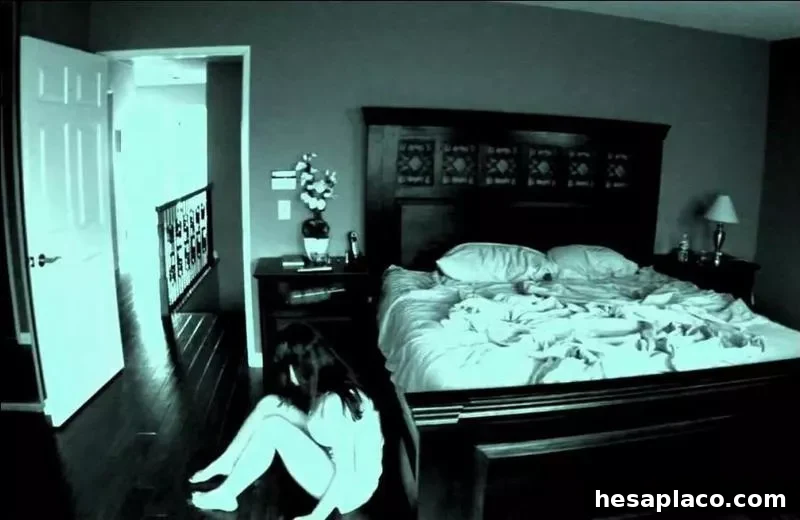
“Paranormal Activity.” Solana Films
Year: 2007
Budget: $15,000
Worldwide gross: $193,355,800
Net: $193,340,800
Bottom Line: Paranormal Activity
Made for almost nothing, this found-footage hit convinced audiences of its realism and generated massive returns, launching a franchise and several sequels.
25. The Village
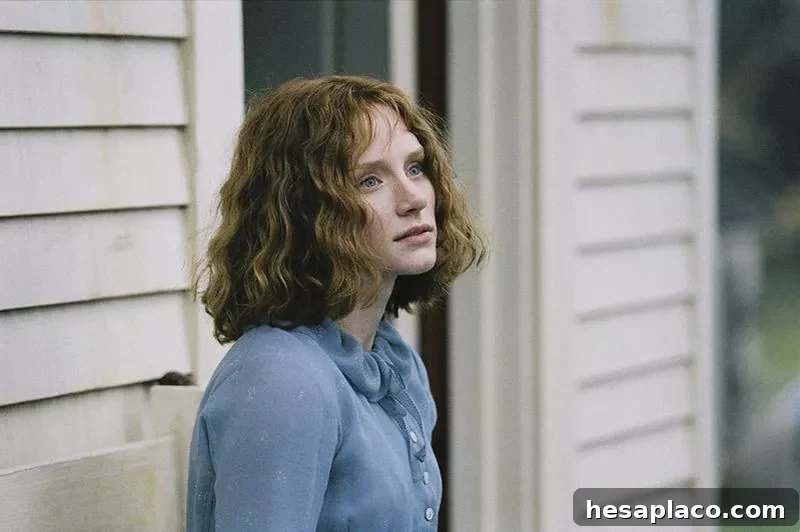
Bryce Dallas Howard in “The Village.” Touchstone Pictures
Year: 2004
Budget: $60 million
Worldwide gross: $256,697,520
Net: $196,697,520
Bottom Line: The Village
M. Night Shyamalan’s rustic thriller traded on paranoia and a major twist ending, drawing audiences and earning an Academy Award nomination for its score.
24. The Ring
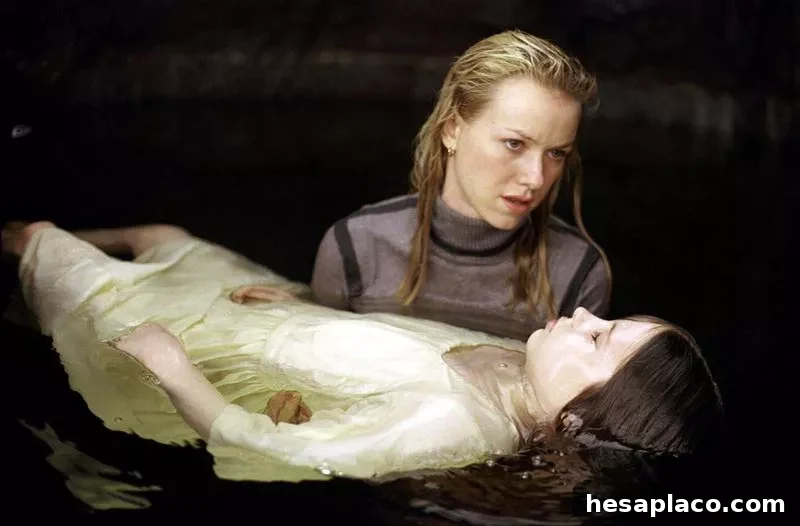
Naomi Watts in “The Ring.” DreamWorks
Year: 2002
Budget: $48 million
Worldwide gross: $249,348,933
Net: $201,348,933
Bottom Line: The Ring
The American remake of a Japanese hit introduced Samara’s unsettling image to Western audiences and opened the door for more successful foreign-horror adaptations.
23. Paranormal Activity 3
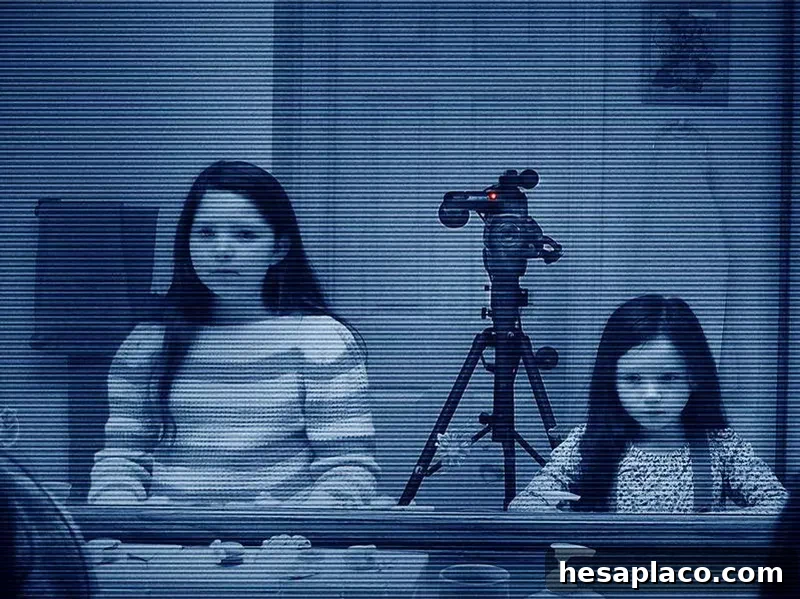
“Paranormal Activity 3.” Paramount Pictures
Year: 2011
Budget: $5 million
Worldwide gross: $207,039,844
Net: $202,039,844
Bottom Line: Paranormal Activity 3
A prequel that kept the franchise formula intact: low production costs, found-footage terror, and high returns.
22. Shutter Island
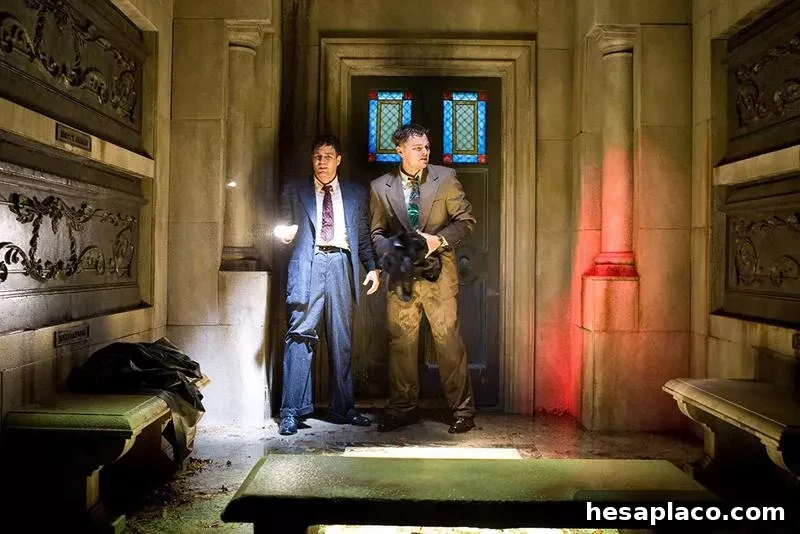
Leonardo DiCaprio and Mark Ruffalo in “Shutter Island.” Paramount Pictures
Year: 2010
Budget: $80 million
Worldwide gross: $294,804,195
Net: $214,804,195
Bottom Line: Shutter Island
With Martin Scorsese directing Leonardo DiCaprio, this psychological thriller delivered a twist-filled, atmospheric experience that appealed broadly to audiences and critics.
21. Us
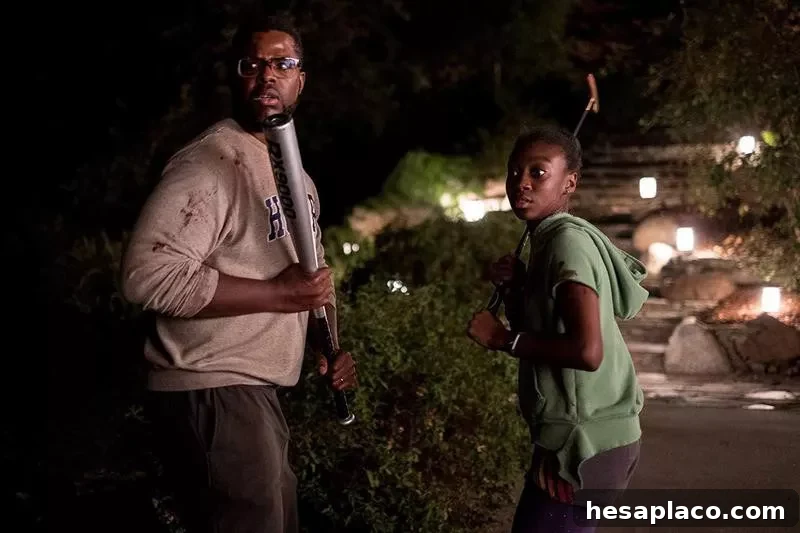
Winston Duke in “Us.” Universal Pictures
Year: 2019
Budget: $20 million
Worldwide gross: $255,105,930
Net: $235,105,930
Bottom Line: Us
Jordan Peele’s follow-up to Get Out blended social commentary with homegrown dread, and despite some mixed reviews it achieved strong box-office returns and cultural impact.
20. Resident Evil: Afterlife
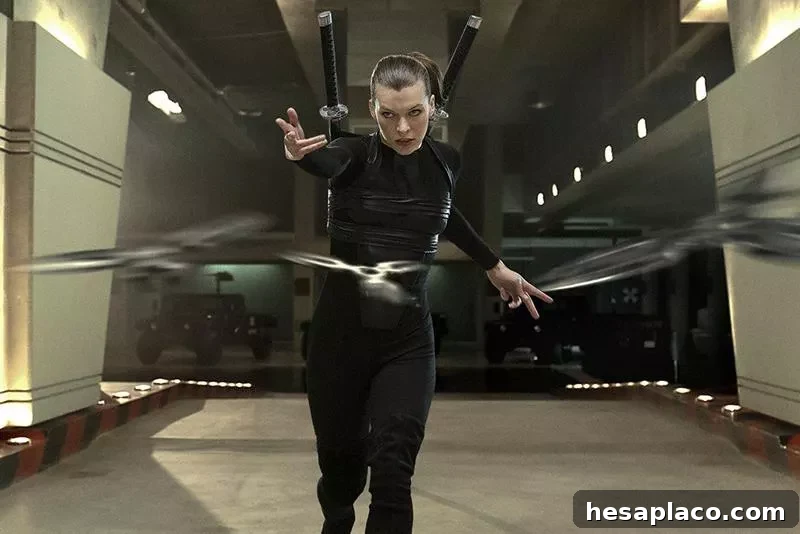
Milla Jovovich in “Resident Evil: Afterlife.”
Year: 2010
Budget: $60 million
Worldwide gross: $300,228,084
Net: $240,228,084
Bottom Line: Resident Evil: Afterlife
The fourth film in the video-game–inspired franchise was the first in 3D and capitalized on the series’ established fanbase to deliver solid global box-office returns.
19. Halloween (2018)
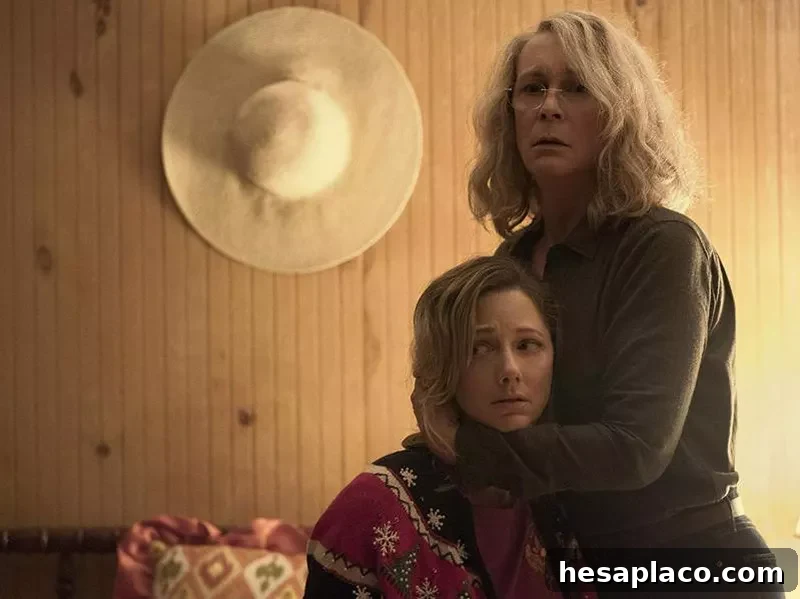
Jamie Lee Curtis returns in “Halloween” (2018). Universal Pictures
Year: 2018
Budget: $10 million
Worldwide gross: $255,485,178
Net: $245,485,178
Bottom Line: Halloween (2018)
This direct sequel to the 1978 original brought back Jamie Lee Curtis and leaned into nostalgia, delivering an impressive profit thanks to a relatively small production budget.
18. The Blair Witch Project
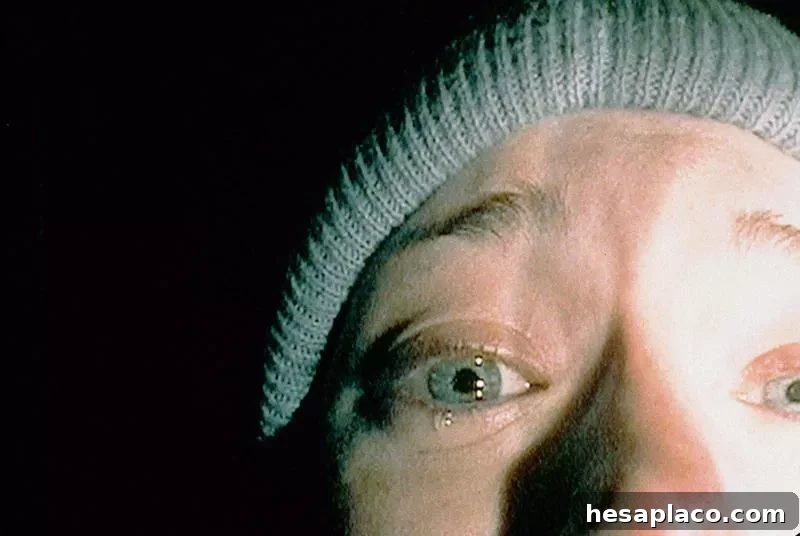
Heather Donahue in “The Blair Witch Project.” Artisan Entertainment
Year: 1999
Budget: $60,000
Worldwide gross: $248,639,099
Net: $248,579,099
Bottom Line: The Blair Witch Project
This groundbreaking found-footage marketing campaign blurred fact and fiction, convincing many viewers it was real and generating massive profits from a minuscule budget.
17. Annabelle
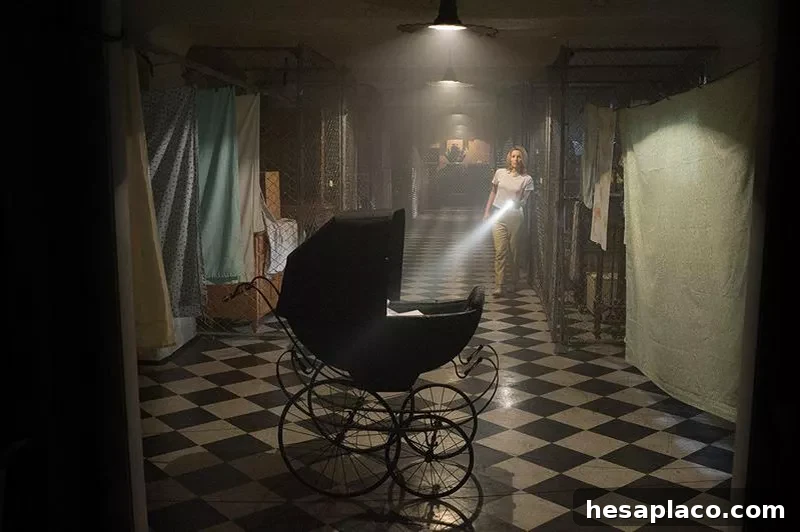
Annabelle Wallis in “Annabelle.” Warner Bros.
Year: 2014
Budget: $6.5 million
Worldwide gross: $257,047,661
Net: $250,547,661
Bottom Line: Annabelle
Spinning out of The Conjuring universe, this doll-centered horror found a large audience and helped expand a lucrative franchise with subsequent prequels and sequels.
16. Get Out
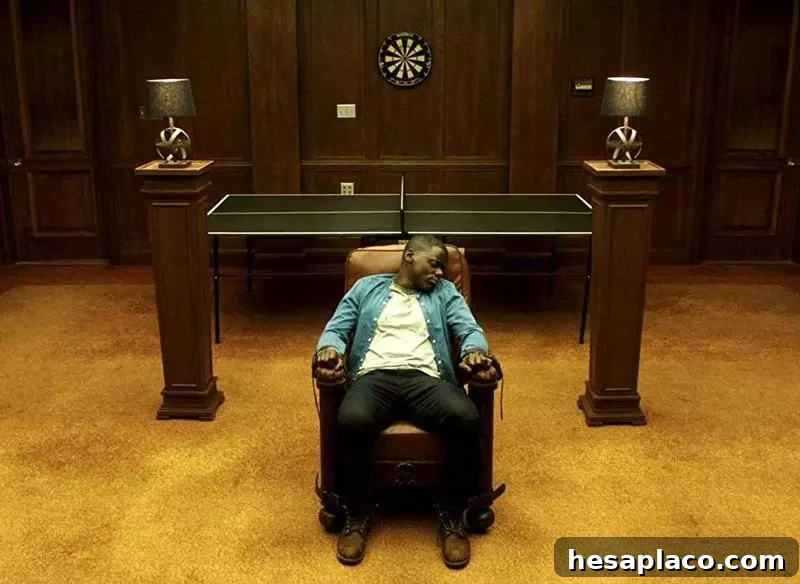
Daniel Kaluuya in “Get Out.” Universal Pictures
Year: 2017
Budget: $4.5 million
Worldwide gross: $255,457,364
Net: $250,957,364
Bottom Line: Get Out
Jordan Peele’s debut fused social commentary with horror, becoming a cultural phenomenon and demonstrating how the genre can address serious themes while achieving blockbuster success.
15. The Silence of the Lambs
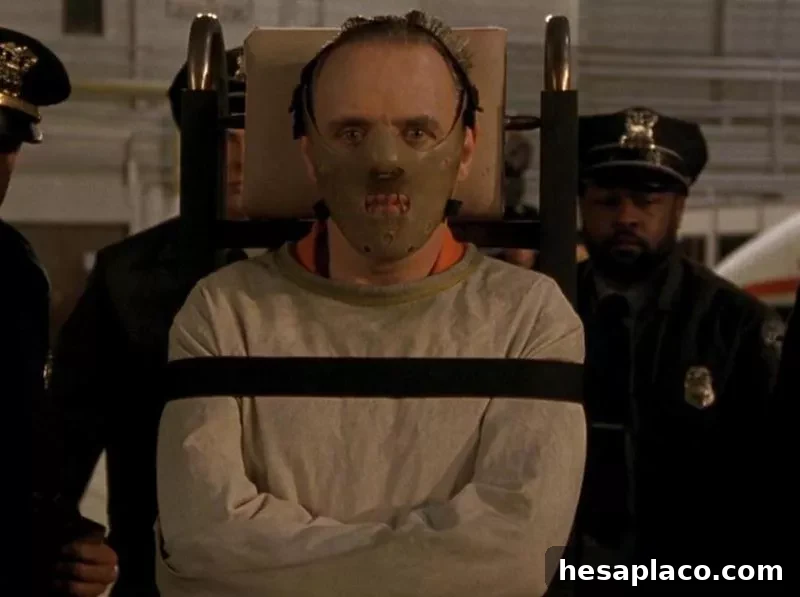
Anthony Hopkins in “The Silence of the Lambs.” Orion Pictures
Year: 1991
Budget: $19 million
Worldwide gross: $272,742,922
Net: $253,742,922
Bottom Line: The Silence of the Lambs
A critical and commercial landmark, it won the “Big Five” Academy Awards and introduced Hannibal Lecter as one of cinema’s most chilling characters; it remains a cornerstone of psychological horror.
14. Hannibal
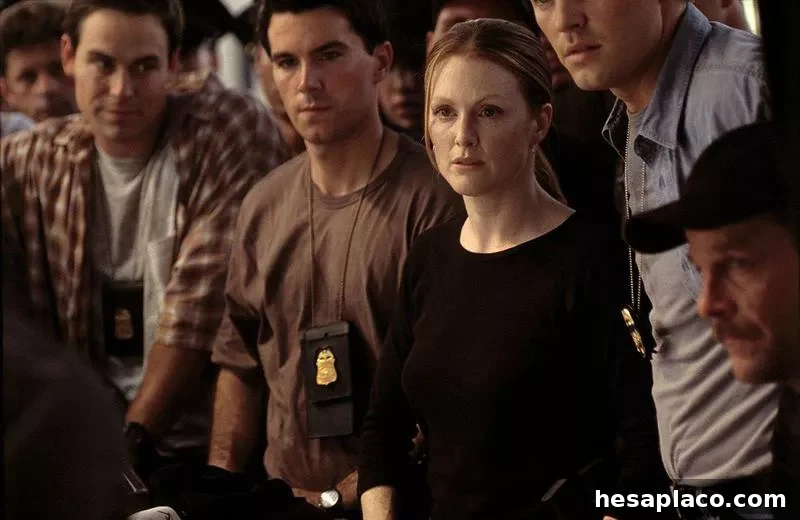
Anthony Hopkins and Julianne Moore in “Hannibal.” MGM
Year: 2001
Budget: $87 million
Worldwide gross: $351,692,268
Net: $264,692,268
Bottom Line: Hannibal
Ridley Scott’s continuation of Lecter’s story brought back Anthony Hopkins and drew large audiences, proving rare sequel success for a major horror character.
13. Split
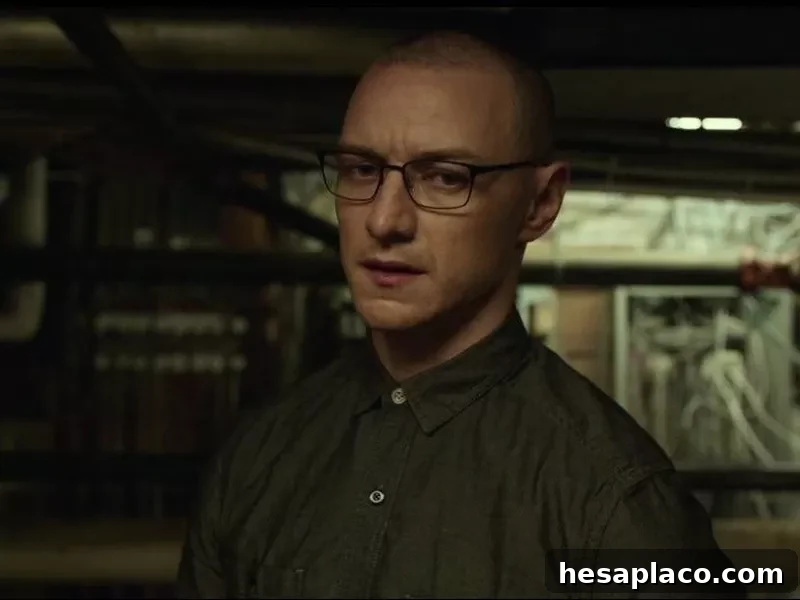
Anya Taylor-Joy in “Split.” Universal Pictures
Year: 2017
Budget: $9 million
Worldwide gross: $278,454,358
Net: $269,454,358
Bottom Line: Split
M. Night Shyamalan’s psychological thriller about a man with multiple personalities blurred the lines between horror and suspense and delivered huge returns on a modest budget.
12. The Conjuring 2
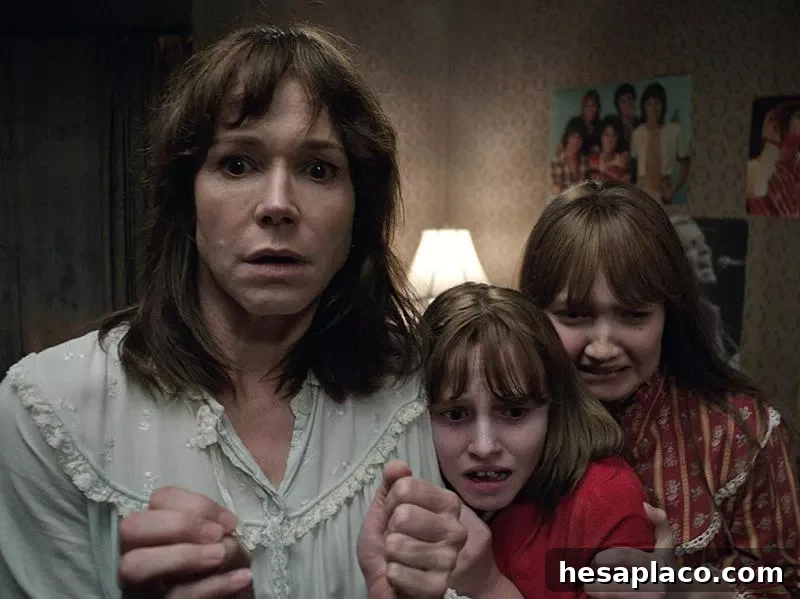
“The Conjuring 2.” Warner Bros.
Year: 2016
Budget: $40 million
Worldwide gross: $320,392,818
Net: $280,392,818
Bottom Line: The Conjuring 2
The sequel continued to follow paranormal investigators Ed and Lorraine Warren and expanded a franchise that would spawn multiple spin-offs and sequels.
11. Annabelle: Creation
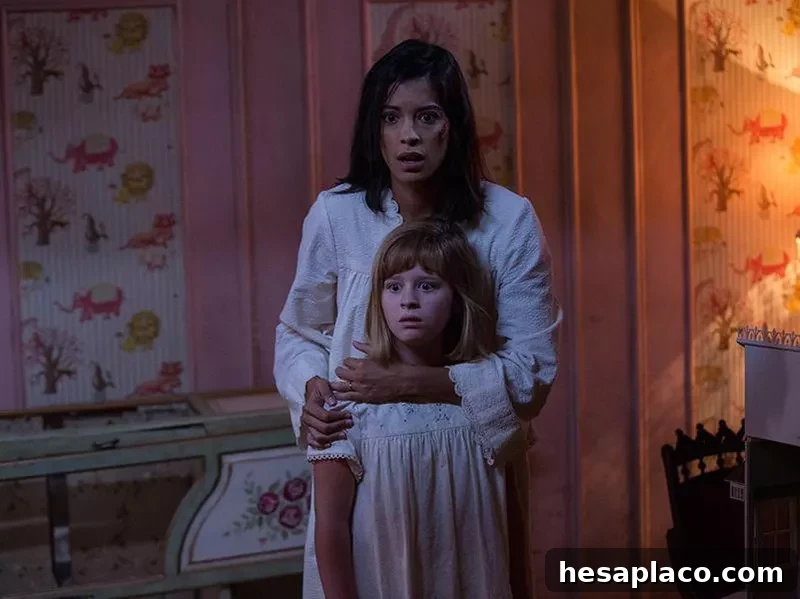
“Annabelle: Creation.” Warner Bros.
Year: 2017
Budget: $15 million
Worldwide gross: $306,515,884
Net: $291,515,884
Bottom Line: Annabelle: Creation
A prequel that explains the doll’s origin, this film earned stronger critical notice than other installment(s) and proved highly profitable.
10. Se7en
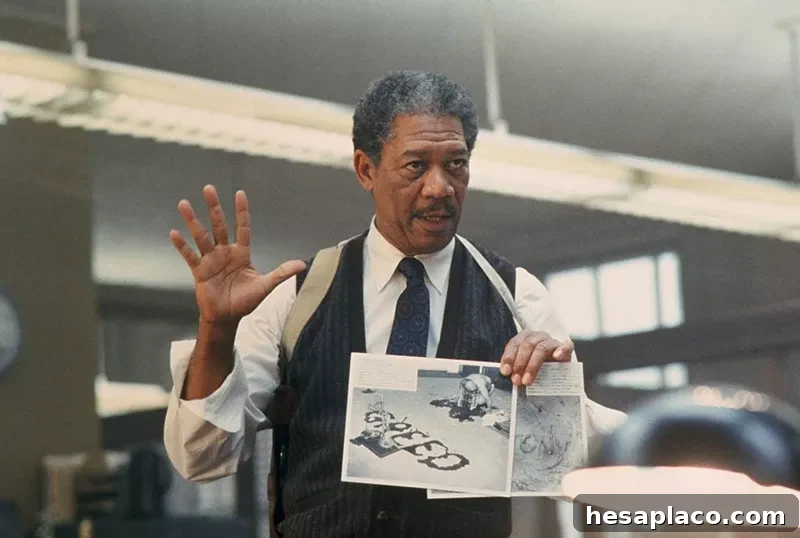
Brad Pitt and Morgan Freeman in “Se7en.” Warner Bros.
Year: 1995
Budget: $33 million
Worldwide gross: $327,311,859
Net: $294,311,859
Bottom Line: Se7en
David Fincher’s dark, methodical thriller about a serial killer who punishes sin is often classified as a thriller, but its brutality and atmosphere place it comfortably in the horror conversation.
9. The Conjuring
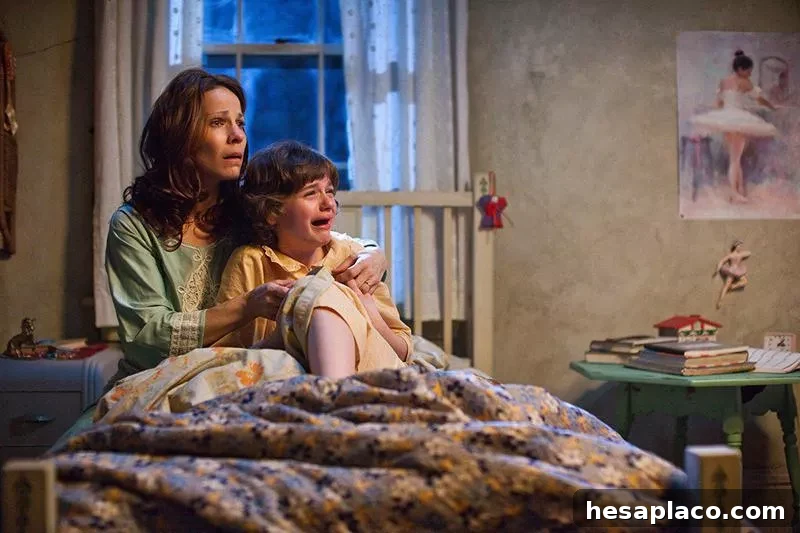
“The Conjuring.” Warner Bros.
Year: 2013
Budget: $20 million
Worldwide gross: $319,494,638
Net: $299,494,638
Bottom Line: The Conjuring
Inspired by cases investigated by Ed and Lorraine Warren, this haunted-house tale launched a blockbuster franchise and proved highly effective at delivering chills and box-office returns.
8. Black Swan
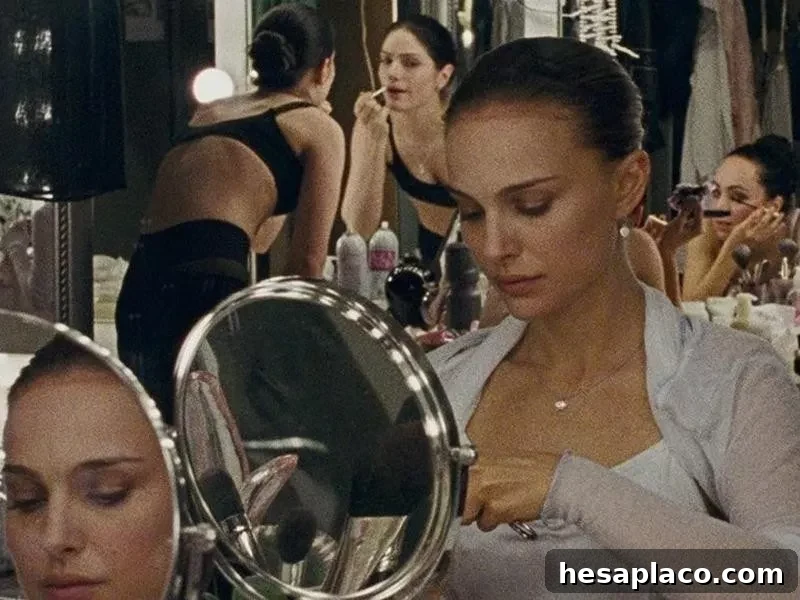
Natalie Portman in “Black Swan.” Fox Searchlight Pictures
Year: 2010
Budget: $13 million
Worldwide gross: $329,398,046
Net: $316,398,046
Bottom Line: Black Swan
Darren Aronofsky’s psychological horror set in the ballet world combined disturbing imagery with strong performances, earning critical acclaim and major box-office returns.
7. A Quiet Place
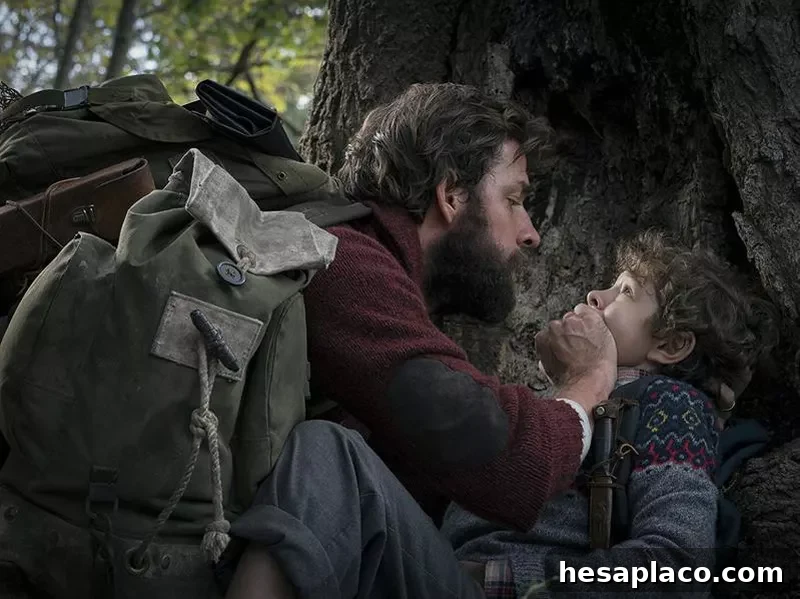
John Krasinski and Emily Blunt in “A Quiet Place.” Paramount Pictures
Year: 2018
Budget: $17 million
Worldwide gross: $338,563,752
Net: $321,563,752
Bottom Line: A Quiet Place
Directed by and starring John Krasinski, this tense, minimalist monster movie used sound—and its absence—to build suspense and achieved both critical praise and box-office success.
6. Signs
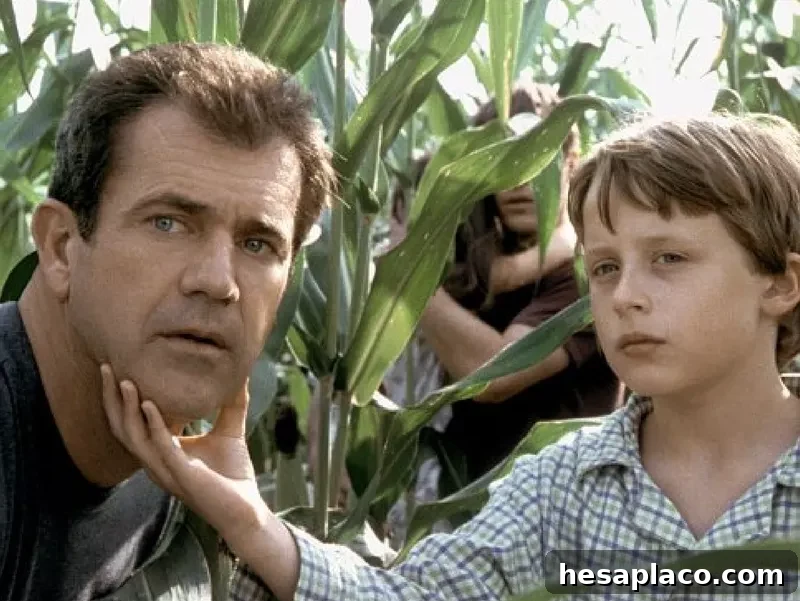
Mel Gibson in “Signs.” Touchstone Pictures
Year: 2002
Budget: $72 million
Worldwide gross: $408,247,917
Net: $336,247,917
Bottom Line: Signs
M. Night Shyamalan’s alien-infused thriller combined family drama with existential dread, translating into major box-office returns and wide audience engagement.
5. The Nun
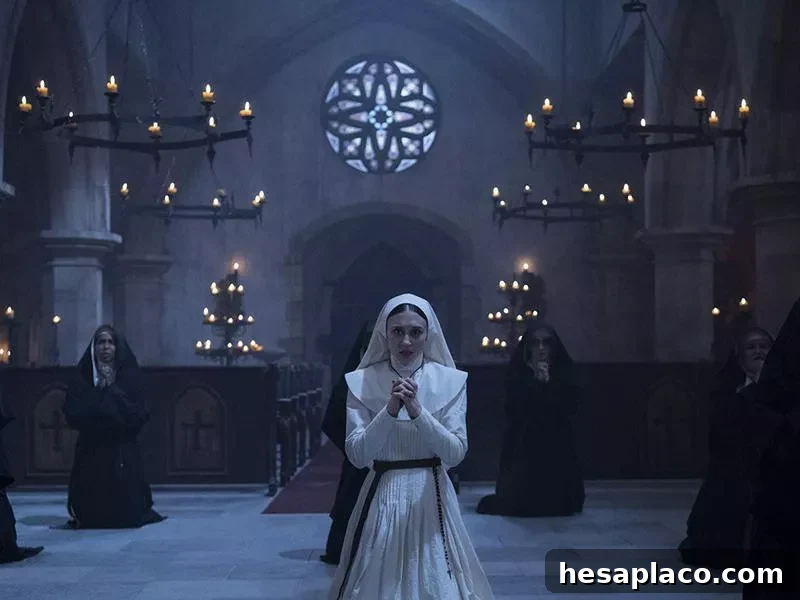
Taissa Farmiga in “The Nun.” Warner Bros.
Year: 2018
Budget: $22 million
Worldwide gross: $363,560,762
Net: $341,560,762
Bottom Line: The Nun
A spin-off from The Conjuring universe, this film capitalized on familiar lore and a jump-scare approach to become one of the highest-grossing entries in the franchise.
4. It Chapter Two
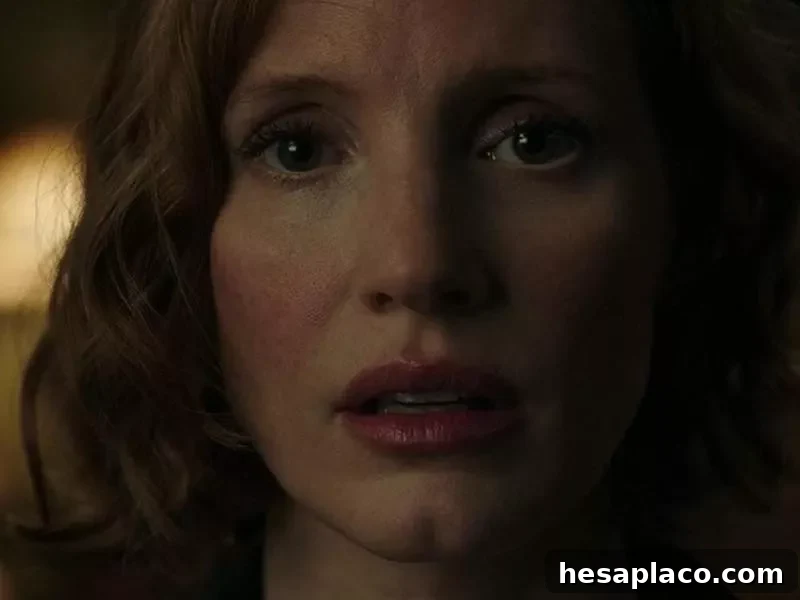
Jessica Chastain in “It Chapter 2.” Warner Bros.
Year: 2019
Budget: $79 million
Worldwide gross: $473,093,228
Net: $394,093,228
Bottom Line: It Chapter 2
Reuniting the adult members of the Losers’ Club against Pennywise, the sequel delivered spectacle and closure for fans while achieving strong global revenue.
3. The Exorcist
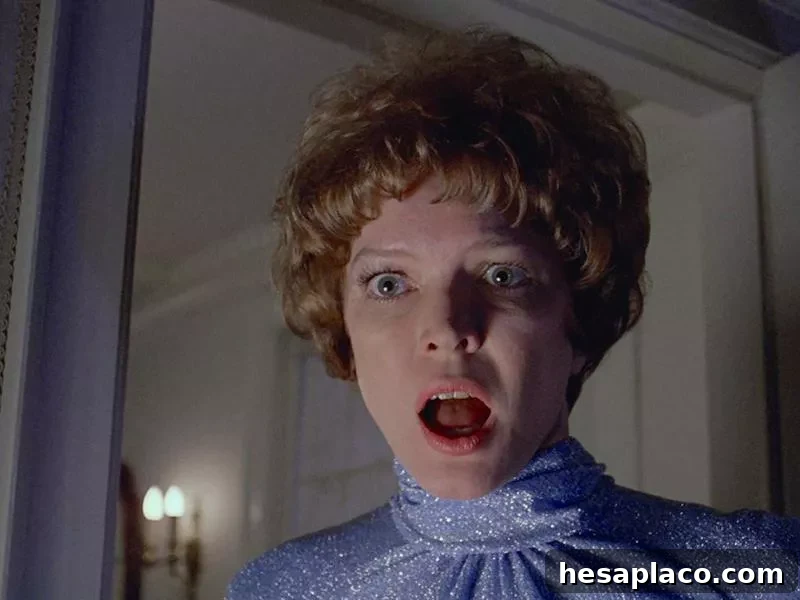
Ellen Burstyn in “The Exorcist.” Warner Bros.
Year: 1973
Budget (estimated): $12 million
Worldwide gross: $441,306,145
Net: $429,306,145
Bottom Line: The Exorcist
One of the foundational films of modern horror, The Exorcist’s shocking imagery and purported real-world inspirations have kept audiences coming back and ensured its long-term financial success.
2. The Sixth Sense
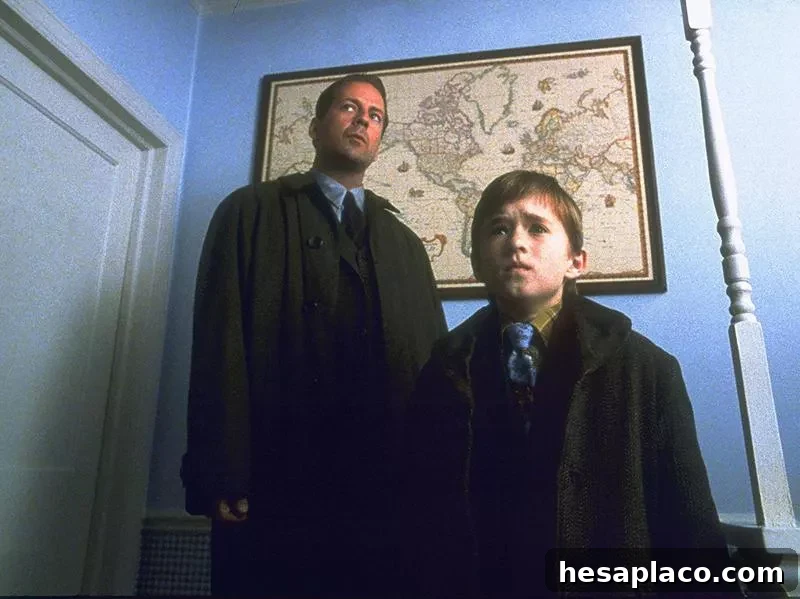
Bruce Willis and Haley Joel Osment in “The Sixth Sense.” Buena Vista Pictures
Year: 1999
Budget: $40 million
Worldwide gross: $672,806,292
Net: $632,806,292
Bottom Line: The Sixth Sense
M. Night Shyamalan’s breakout hit combined eerie atmosphere with a now-iconic twist ending and became one of the decade’s most successful and discussed films.
1. It
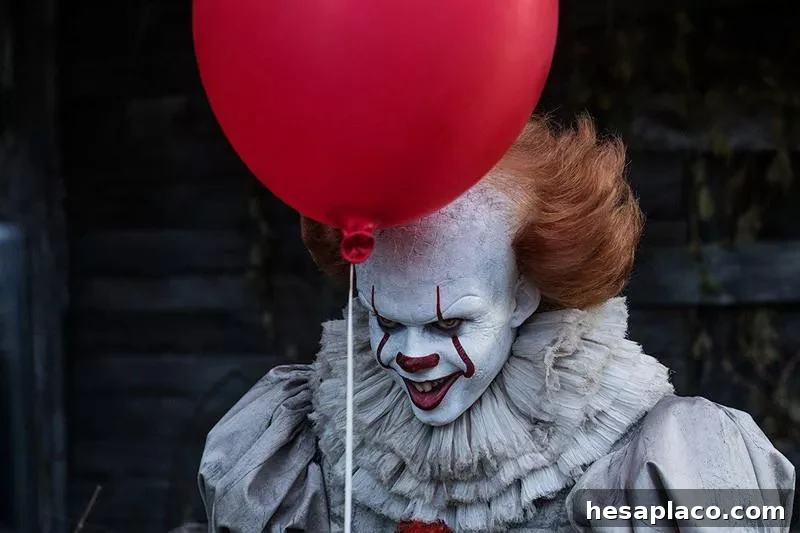
Bill Skarsgård as Pennywise in “It.” Warner Bros.
Year: 2017
Budget: $37 million
Worldwide gross: $700,381,748
Net: $663,381,748
Bottom Line: It
Adapted from Stephen King’s novel, this terrifying take on Pennywise the Clown exceeded expectations and became the highest-grossing horror film on this list, proving that a strong source, effective marketing, and striking visuals can create a modern horror juggernaut.