
The daily grind isn’t always easy. Even when you’re grateful for the paycheck, any job can become tiring or frustrating. Most people who generally like their work still have days when they seriously consider quitting.
Quitting is rarely simple. A swirl of emotions and internal debates arise when you think about actually walking away. Sometimes you follow through and make major changes; other times you push those feelings aside and stay put. That’s normal — and the examples below show a wide range of reactions people have when they consider leaving a job.
There’s no single right or wrong response. The important thing is knowing you’re not alone in wrestling with these thoughts. If you’ve ever wanted to quit, you’ll likely recognize several of these scenarios.
The Daily Quitting Routine
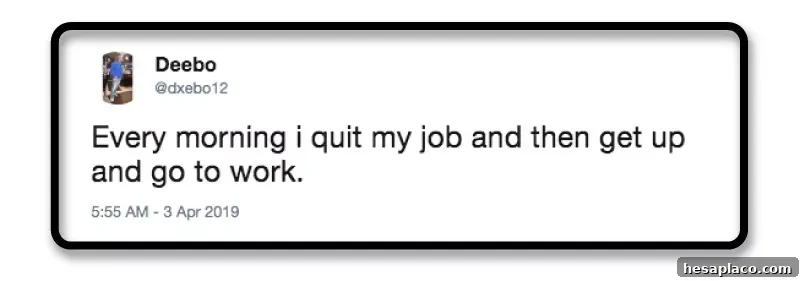
For some people, thinking about quitting becomes part of their morning ritual — a repeated fantasy that fades once they get to work.
No Follow Through

Thinking about quitting is one thing. Telling yourself you’ll quit is another. Telling yourself repeatedly and never doing it can lead to frustration and questions about whether you ever will.
Mental Quitting

Visualizing a different life can sometimes help you plan for change. Other times, it’s simply a harmless way to vent while you’re stuck in a frustrating job.
When You Don’t Have the One Thing You Need
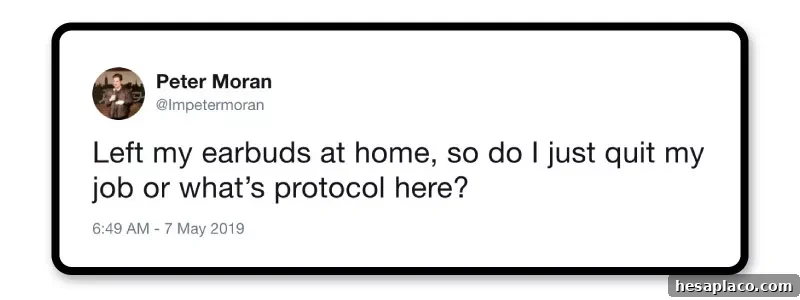
One missing tool or small comfort can feel disproportionately important when you’re already fed up. It’s often the little things that push you toward a breaking point.
Sweet Coworker Support
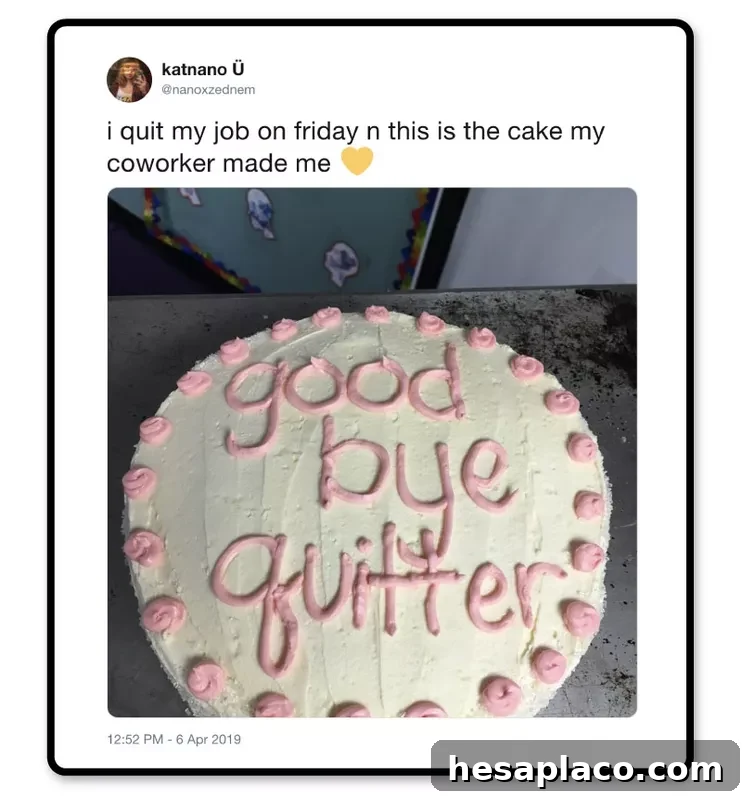
A dash of sarcasm paired with genuine support from colleagues can make the idea of leaving feel lighter — and sometimes oddly comforting.
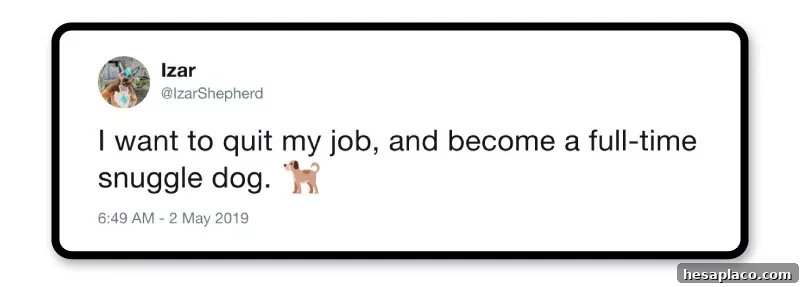
Professional Animal Social Media Manager
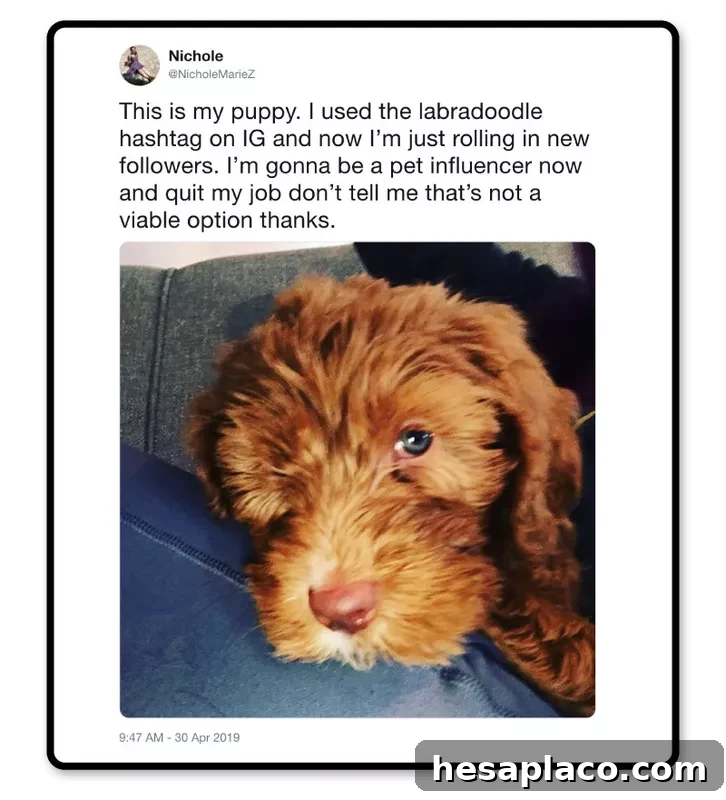
The internet has opened new career paths. Wanting to turn your pet into a social media star isn’t as far-fetched as it used to be — especially when your dog is irresistibly cute.
Quit in Style
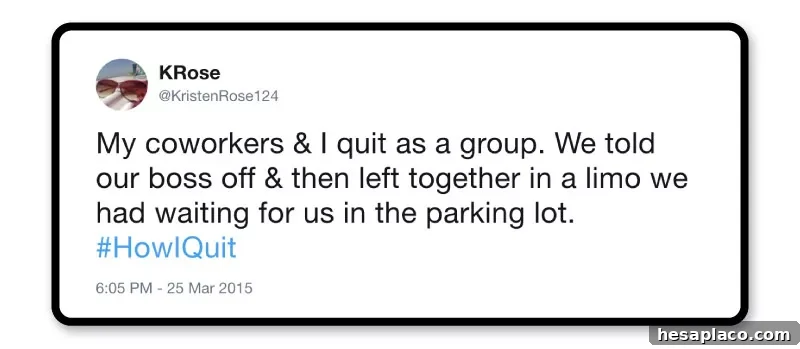
Your resignation day will be memorable. If you decide to go, why not make the moment feel special and celebrate a little?
The Question of the Hour
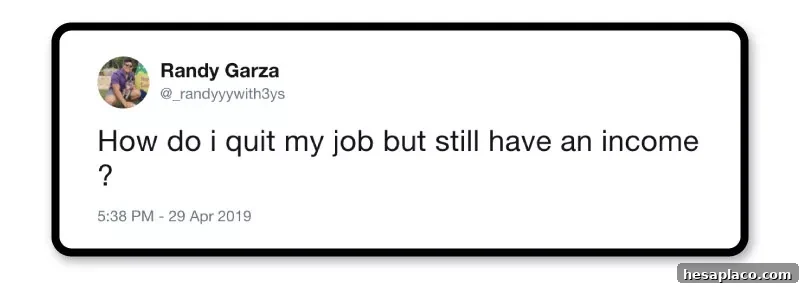
Who wouldn’t want a way to stop working while still earning a comfortable income? It’s a common daydream for anyone fed up with their job.
Outsource the Quitting
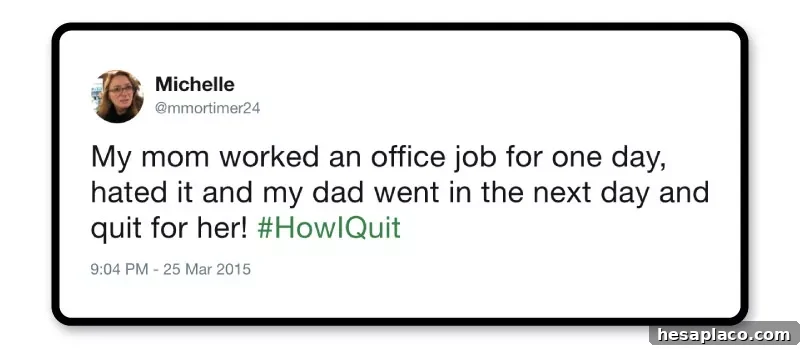
If you can’t bring yourself to hand in a resignation, some people fantasize about having a friend or loved one do it for them — assuming someone is willing to be that bold.
Ambitious Post-Quitting Plans
Many people imagine grand adventures after leaving a job — and some of those plans are genuinely exciting and inspiring.
Happy to the Moon and Back
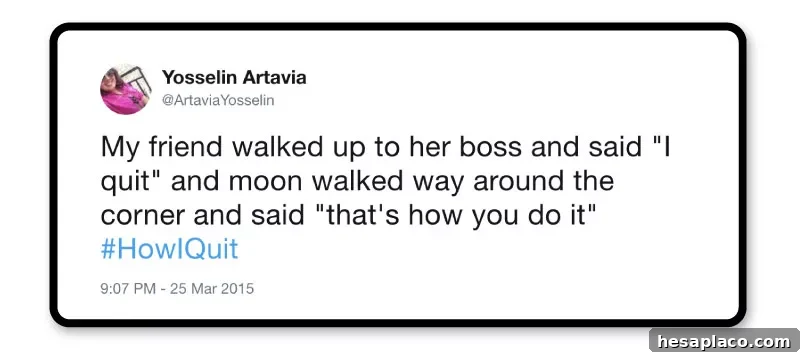
Celebrating your resignation with a little performance — even a silly dance — can be cathartic and help you mark the transition.
Threatening Bagels
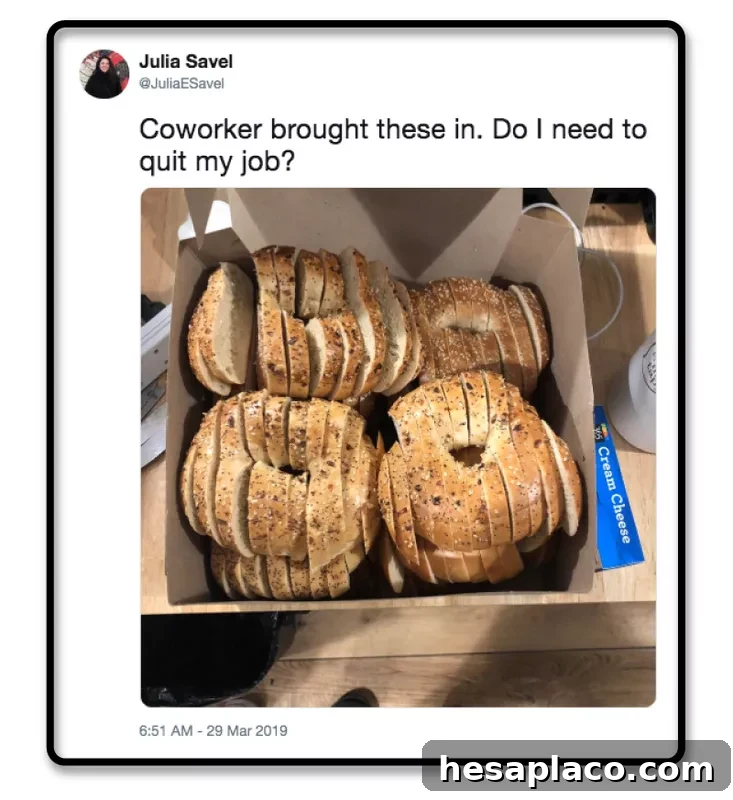
Small annoyances can add up. If a coworker’s harmless habit becomes intolerable, it can be the straw that breaks the camel’s back.
Compelling Reasons to Stay
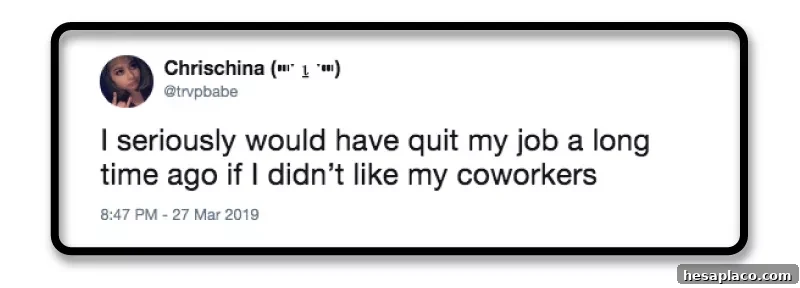
Even if you don’t love the work itself, strong relationships with colleagues can be an important reason to stay.
Sleep Deprived Quitting

Sometimes exhaustion makes everything feel unbearable. On those days, quitting can seem like the quickest path to rest.
Back-Up Plan

Dreams of instant wealth after quitting are common, but they aren’t guaranteed. It’s sensible to balance ambition with realistic planning.
When You Outsource the Decision

If you’re already inclined to leave, even a small nudge from someone else can push you to actually do it.
Getting Called Out
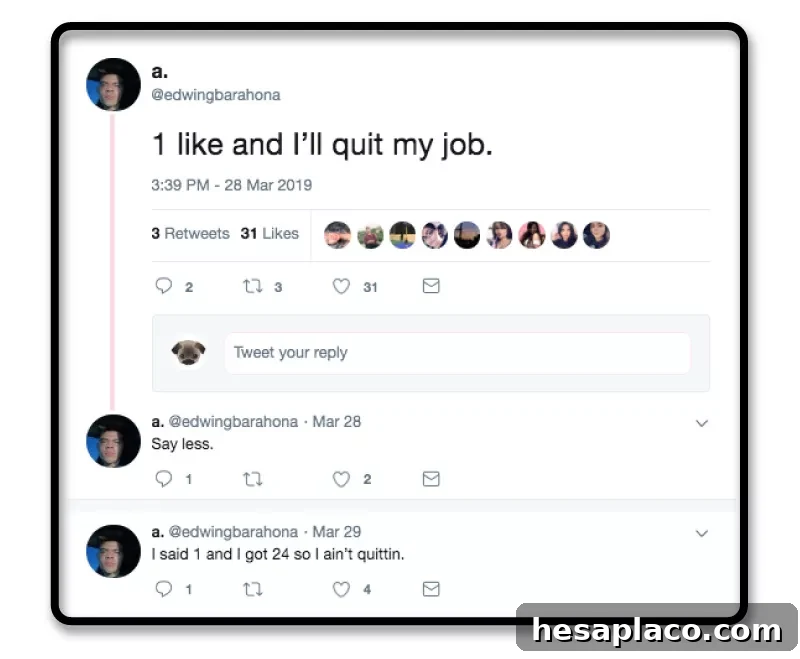
Be careful when you tease leaving as a joke or dare: if coworkers call your bluff and you don’t follow through, you might regret it.
Paying Bills

Financial obligations often keep people in jobs they don’t love. Practical needs are a major factor when weighing a resignation.
Just $1
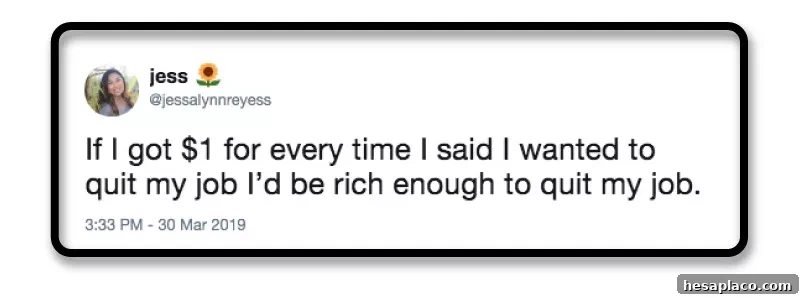
If only people could be paid for expressing their deepest desires — then quitting might look very different.
It Doesn’t Take Much
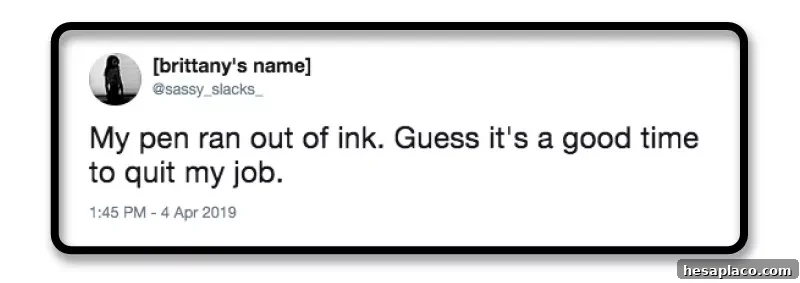
@sassy_slacks_ / Twitter
When you truly want to quit, even the smallest reason feels enough to justify it.
Dog Preference

It’s hard to leave a pet you love every day. If your dog seems to wish you’d stay home, that emotional tug can influence your choices.
Do It With Confidence
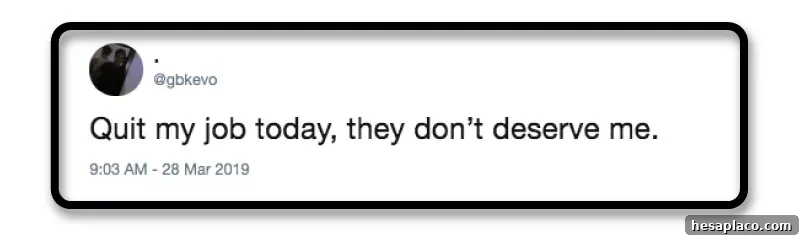
Quitting becomes less scary when you’re confident you can move on to better opportunities.
Reveling in Following Through

For many, the moments after handing in a resignation are filled with relief and genuine happiness.
Second Guessing

Even after deciding to quit, a mix of confusing emotions — doubt, relief, anxiety — can follow.
Moving On Quickly
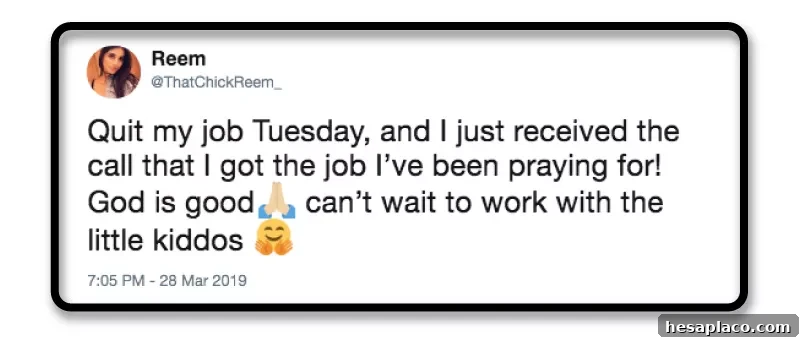
Many people share positive experiences of leaving a job and moving on swiftly, which can inspire others to take the leap.
Text Quit
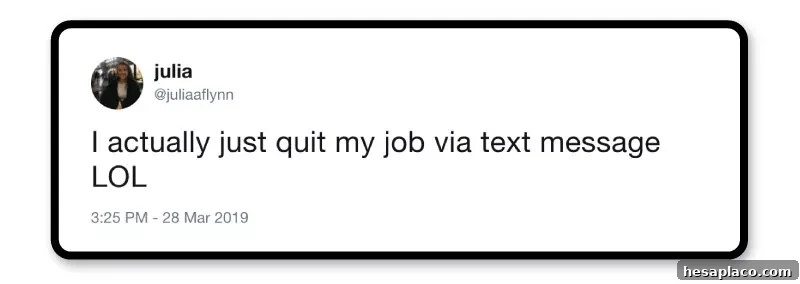
With modern communication, some choose to resign in less traditional ways. While unconventional, it reflects changing norms.
Can’t Handle It
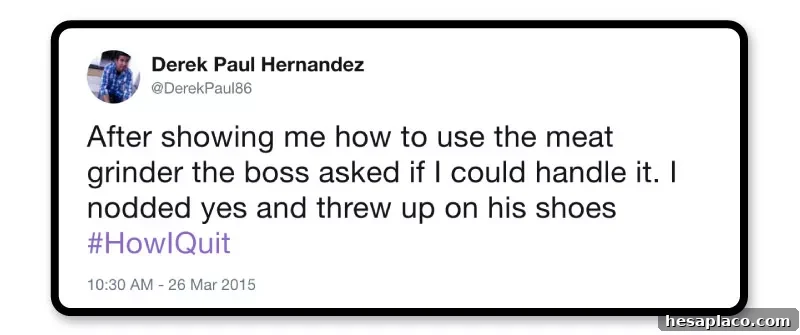
No matter how confident you act, chronic stress or health issues can reveal that you’re no longer able to cope with a job’s demands.
Forgetting Something

After years of routine, suddenly not having somewhere to be can feel disorienting. You might spend your first days off wondering what to do with yourself.
Highly Recommended
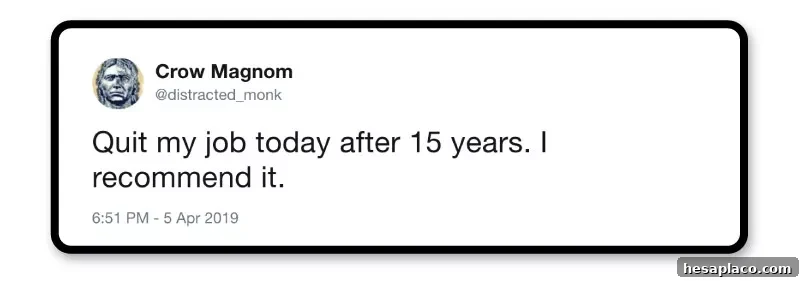
If someone can leave a long-term job without regret, it’s encouragement that others can do the same when the time is right.
When Only Emojis Can Express Your Quitting Rage

Resorting to emojis and crowdsourcing advice online signals that your frustration has reached a boiling point — a common tipping point for resignations.
Nobody Asked (But You’ll Say Anyway)

Some jobs drain you so thoroughly that you feel compelled to broadcast your unhappiness, even if no one asked.
When You’re Legitimately Grossed Out
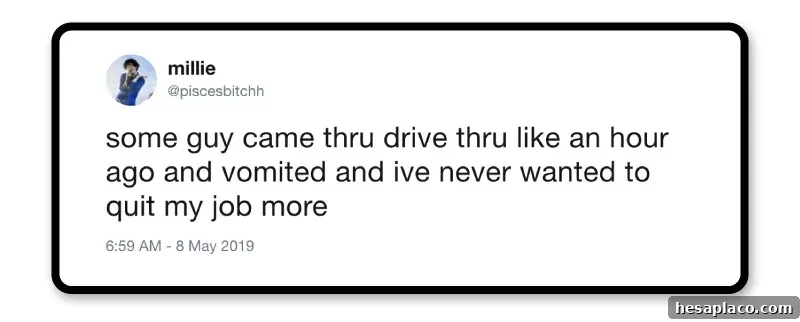
Occasionally, there are truly unpleasant conditions that justify leaving immediately — and those are valid reasons to quit.
Pursuing a Magical Life Beyond Work

Some people imagine dramatically different lives after quitting — from carefree hobbies to imaginative, playful futures. Those visions can motivate real change.
Listen to the Signs

When you ask the universe for guidance, sometimes it answers in obvious ways. Pay attention to the signs that align with what you truly want.
You Look Too Good

Good hair days and standout outfits can make a cubicle feel like wasted potential. Sometimes style and confidence remind you you belong out in the world, not behind a desk.
A Moody Choice

A persistent low mood could signal the need for significant change. If the feeling doesn’t pass, it may be time to consider new directions.
You’re Ready but Have to Hide It
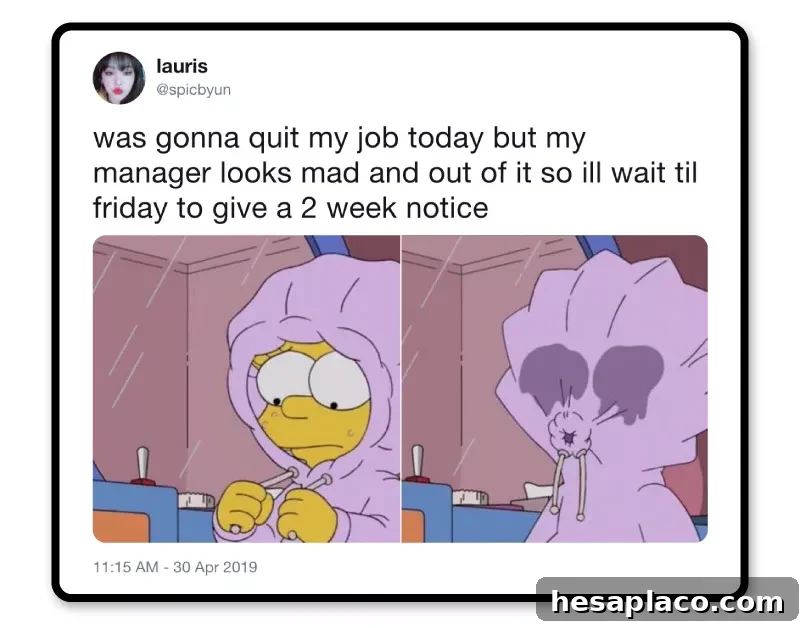
There are moments when you must hide how much you want to leave. In those times, conserve your energy, get through the day, and give yourself space to plan — and maybe keep a hoodie handy for emotional moments.