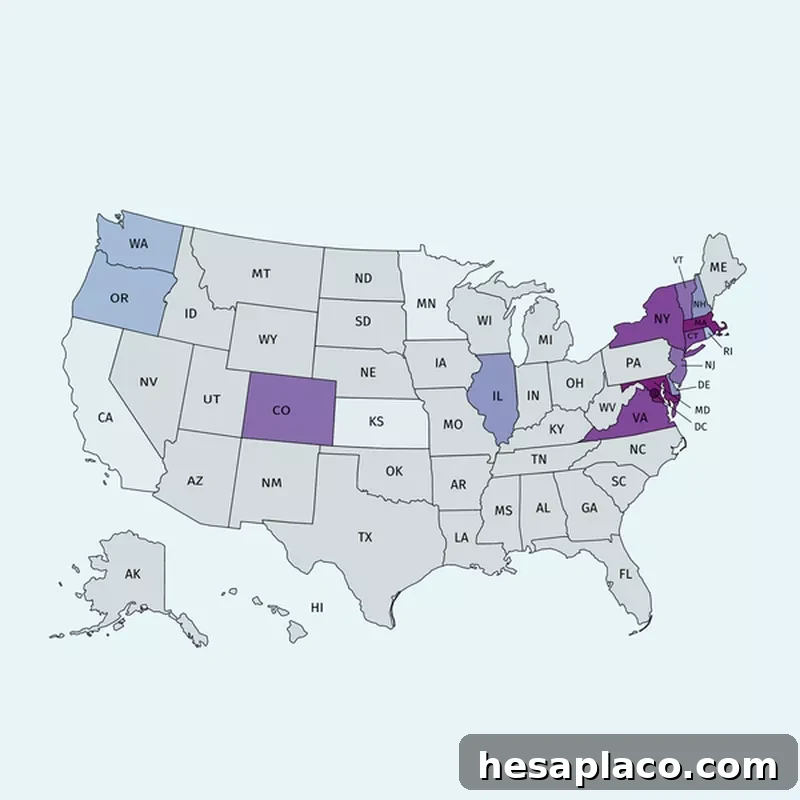
The share of Americans aged 25 and older with a master’s or doctoral degree has more than doubled since 2000, now exceeding 28 million. Roughly 13 percent of U.S. adults hold an advanced degree, and on average they earn about 3.7 times more than people who never finished high school.
Educational patterns vary by institution type and location. Graduates of community colleges and state universities often remain near their alma maters, while graduates of elite institutions tend to move to large metropolitan areas—sometimes hundreds of miles away—to pursue career opportunities. As a result, certain states and metro regions attract and retain a higher concentration of residents with advanced degrees.
State economic strength, cultural amenities, and entertainment options also influence where degree holders live. States with large metropolitan areas and corporate headquarters generally report higher shares of residents with advanced degrees: people tend to relocate where the best jobs are.
Below is a ranked list of U.S. states and the District of Columbia by the percentage of residents holding advanced degrees, presented from lowest to highest. Each entry includes a brief snapshot of population, capital, percentage holding advanced degrees, median household income, and a concise bottom-line summary.
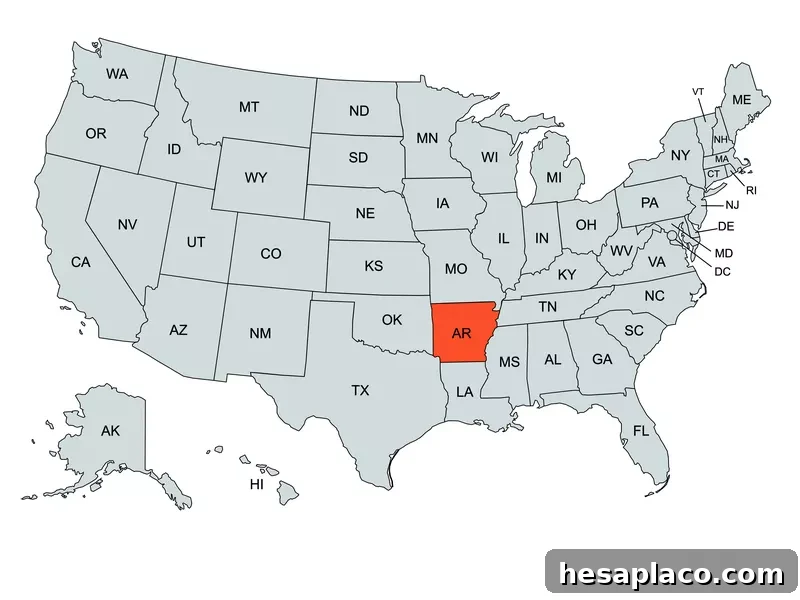
51. Arkansas
mapchart.net
Population: 3,011,524
Capital: Little Rock
Percent holding advanced degrees: 8.3
Median household income: $47,062
Bottom line: Arkansas attracts residents with a low cost of living and strong agricultural industries. The state offers numerous public and private higher-education options, including two- and four-year colleges and an academic health center.
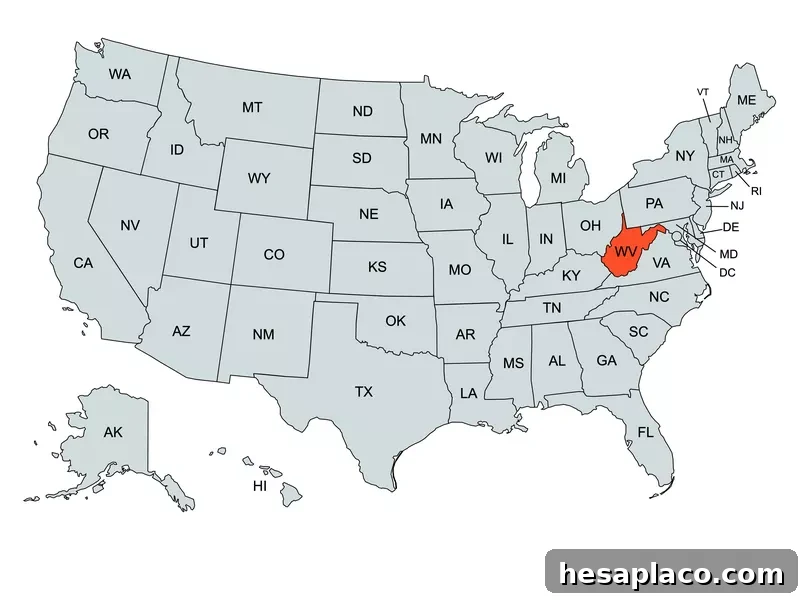
50. West Virginia
mapchart.net
Population: 1,793,716
Capital: Charleston
Percent holding advanced degrees: 8.4
Median household income: $44,097
Bottom line: West Virginia offers abundant natural beauty, low housing costs, and outdoor recreation. The state contains a number of colleges and universities, though some areas face deep economic challenges.
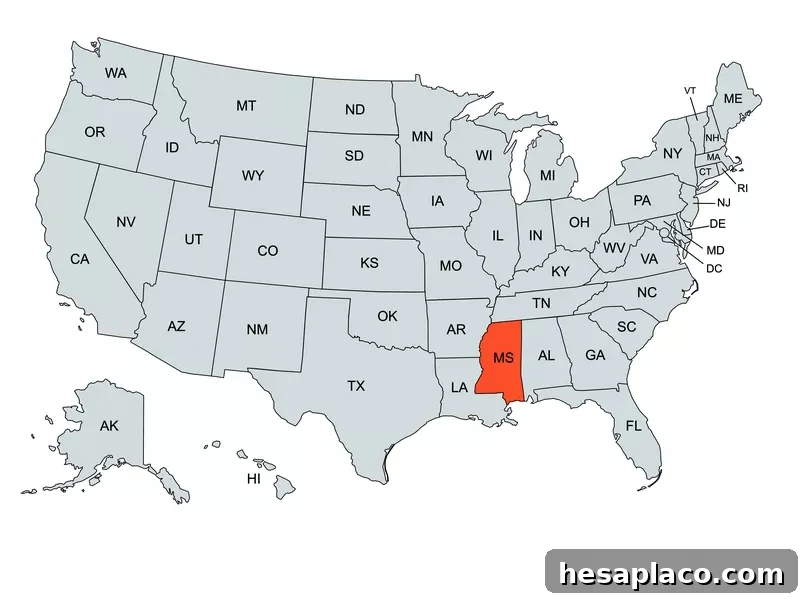
49. Mississippi
mapchart.net
Population: 2,961,279
Capital: Jackson
Percent holding advanced degrees: 8.6
Median household income: $44,717
Bottom line: Mississippi offers some of the most affordable housing and education costs in the country, with a variety of public and private higher-education institutions serving a significant student population.
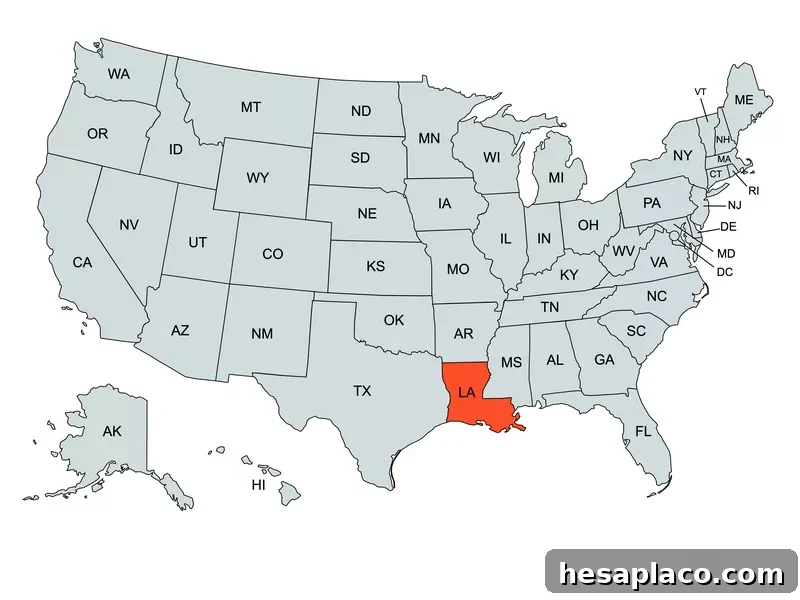
48. Louisiana
mapchart.net
Population: 4,657,757
Capital: Baton Rouge
Percent holding advanced degrees: 8.9
Median household income: $47,905
Bottom line: Louisiana’s rich culture, affordable living, and industries such as petroleum, fishing, agriculture, and tourism draw residents. The state supports a large system of colleges and universities.
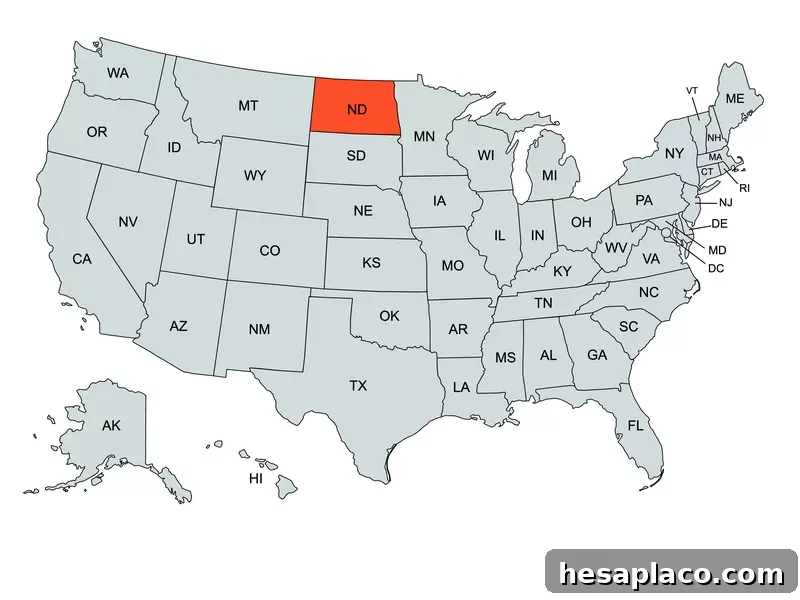
47. North Dakota
mapchart.net
Population: 779,094
Capital: Bismarck
Percent holding advanced degrees: 8.9
Median household income: $63,837
Bottom line: North Dakota offers wide-open spaces, strong job markets in energy and agriculture, and affordable in-state college options that benefit residents seeking higher education.
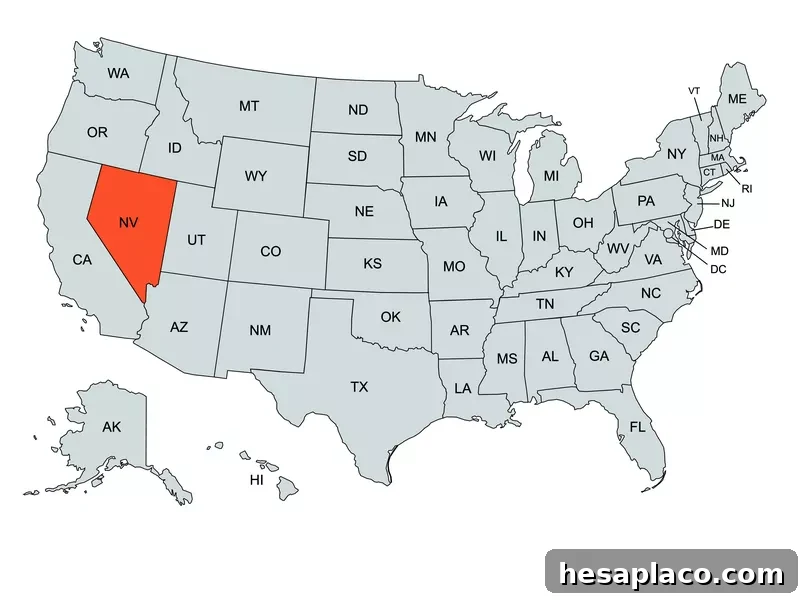
46. Nevada
mapchart.net
Population: 3,104,614
Capital: Carson City
Percent holding advanced degrees: 9.0
Median household income: $58,646
Bottom line: Beyond its well-known entertainment sector, Nevada has diversified industries in aerospace, defense, energy, healthcare, and technology and supports programs aimed at increasing college access.
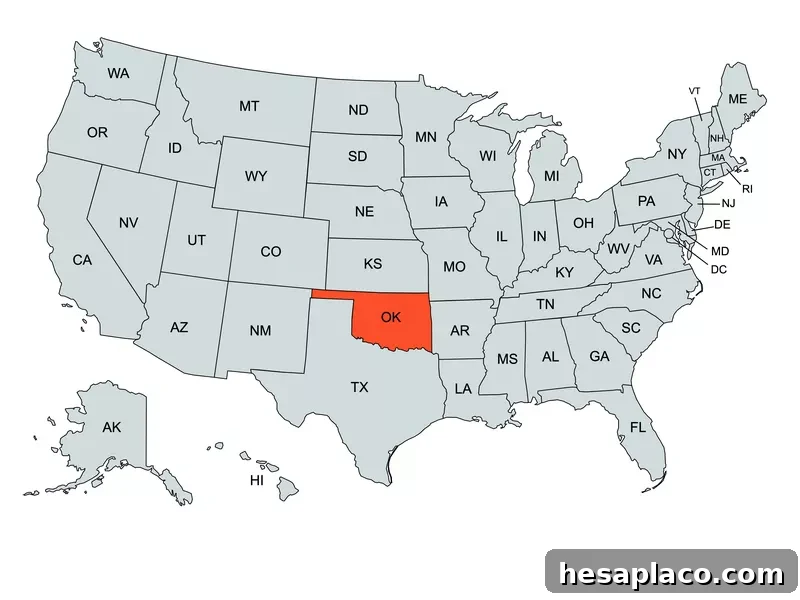
45. Oklahoma
mapchart.net
Population: 3,959,353
Capital: Oklahoma City
Percent holding advanced degrees: 9.1
Median household income: $51,924
Bottom line: Oklahoma offers affordable housing, a relatively young population, and a steady employment picture supported by defense, retail, higher education, and tribal enterprises.
44. South Dakota
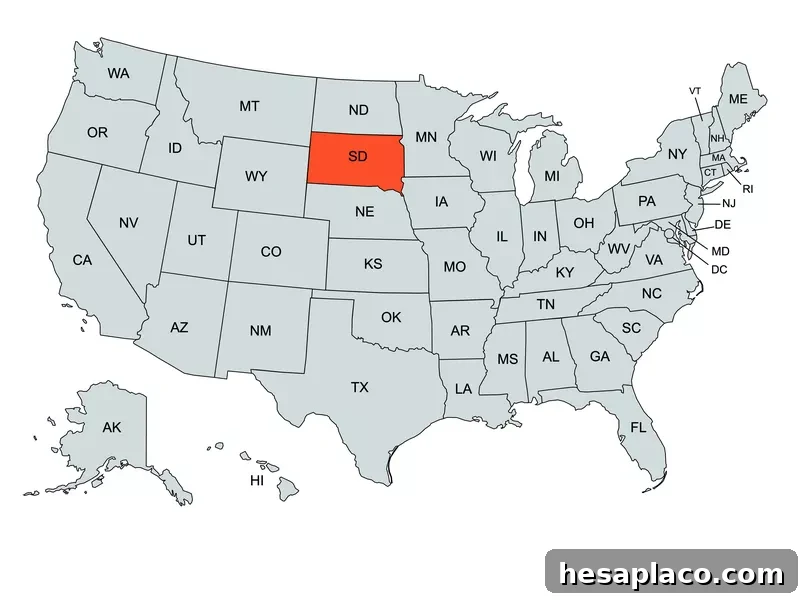
mapchart.net
Population: 5,118,425
Capital: Pierre
Percent holding advanced degrees: 9.1
Median household income: $56,274
Bottom line: South Dakota appeals to those who prefer small-town living, low crime, and strong agricultural and manufacturing sectors, and it supports a range of regional colleges.
43. Iowa
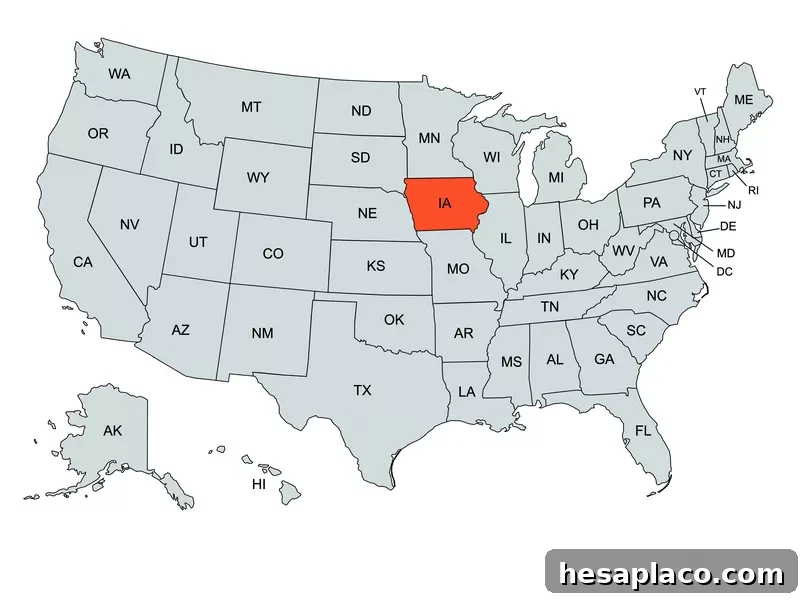
mapchart.net
Population: 3,190,369
Capital: Des Moines
Percent holding advanced degrees: 9.5
Median household income: $59,955
Bottom line: Iowa has a strong agricultural base and growing manufacturing and renewable-energy job opportunities. The state is also notable for high school graduation rates and respected public universities.
42. Indiana
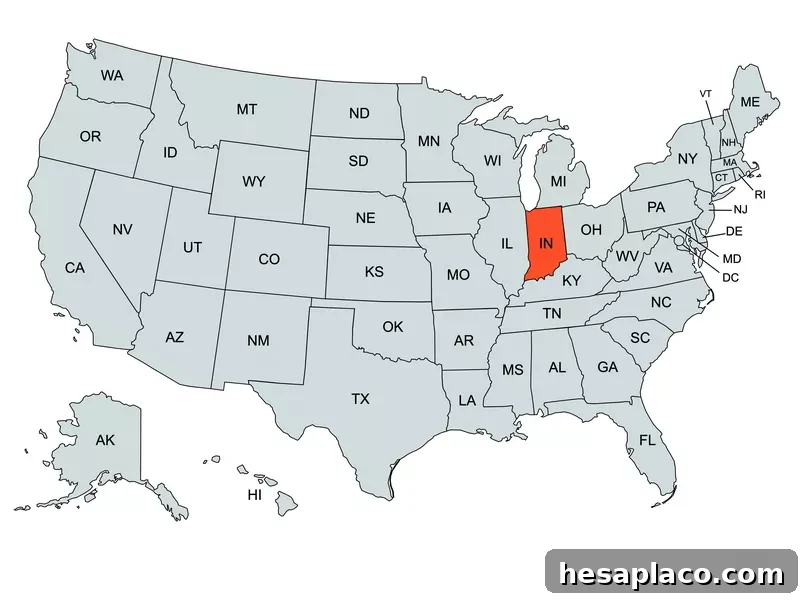
mapchart.net
Population: 6,785,528
Capital: Indianapolis
Percent holding advanced degrees: 9.7
Median household income: $55,746
Bottom line: Indiana’s affordable living costs, robust manufacturing base (including steel and automobile production), and strong higher-education institutions help support local economies and career paths.
41. Idaho
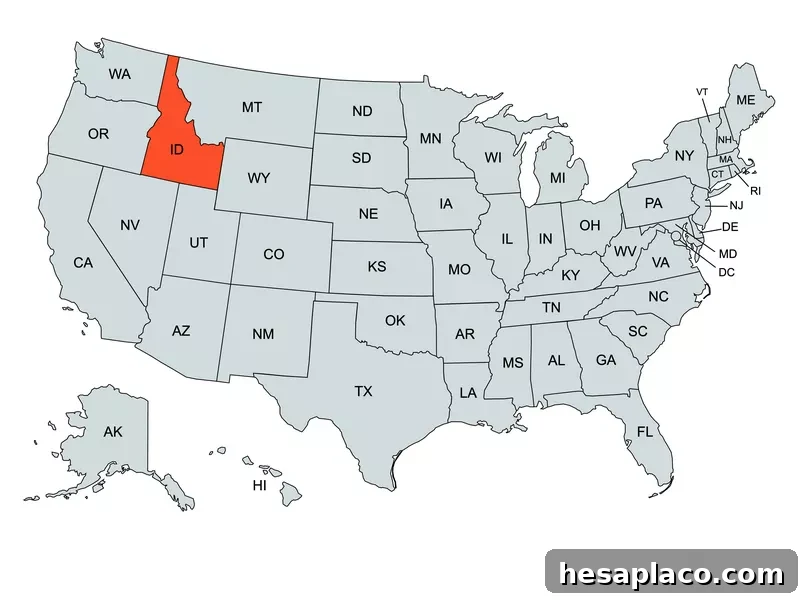
mapchart.net
Population: 1,839,106
Capital: Boise
Percent holding advanced degrees: 9.9
Median household income: $55,583
Bottom line: Idaho’s natural attractions, outdoor lifestyle, and growing housing market have encouraged migration into the state. Agriculture, healthcare, and government are major employers, and Boise State is the largest campus.
40. Alabama
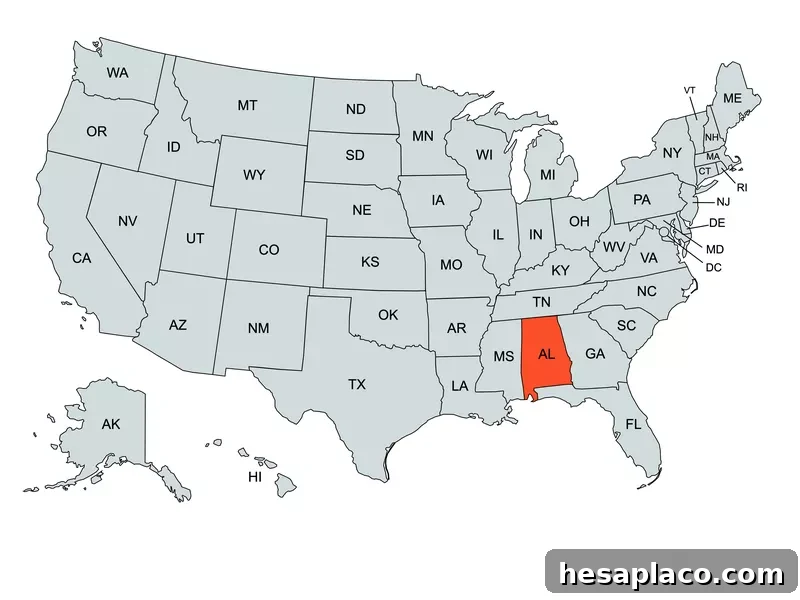
mapchart.net
Population: 5,024,279
Capital: Montgomery
Percent holding advanced degrees: 10.0
Median household income: $49,861
Bottom line: Alabama blends coastal beaches and mild climate with industries such as manufacturing, mining, and vehicle production. The state hosts many higher-education institutions with strong engineering and medical programs.
39. Kentucky
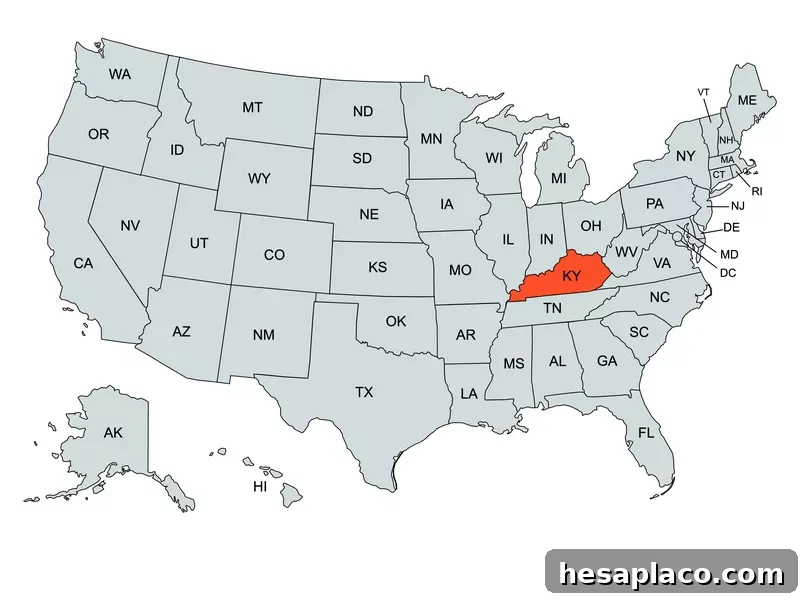
mapchart.net
Population: 4,505,836
Capital: Frankfort
Percent holding advanced degrees: 10.3
Median household income: $50,247
Bottom line: Kentucky offers abundant outdoor recreation, relatively low housing costs, and a strong collegiate sports culture. Cities like Lexington and Louisville provide broader career options.
38. Wyoming
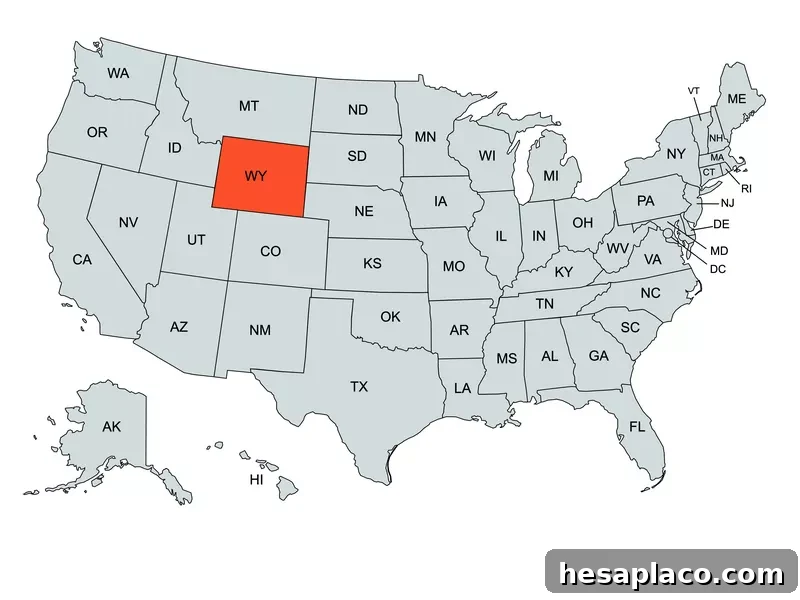
mapchart.net
Population: 578,803
Capital: Cheyenne
Percent holding advanced degrees: 10.4
Median household income: $61,584
Bottom line: Wyoming’s favorable tax structure and low property taxes support small businesses and retirees. Industry leans on manufacturing, mining, and agriculture; tourism is increasing.
37. Montana
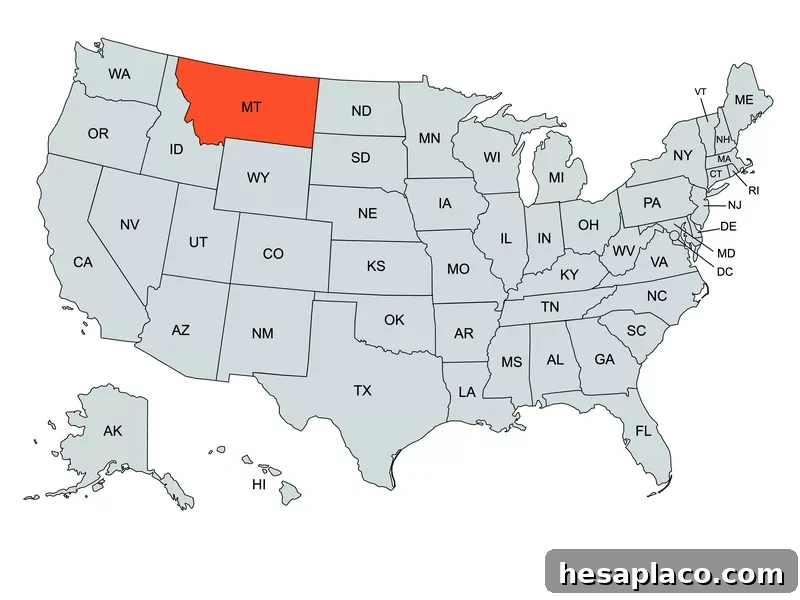
mapchart.net
Population: 1,084,225
Capital: Helena
Percent holding advanced degrees: 10.5
Median household income: $55,328
Bottom line: Montana’s vast open spaces and low property taxes appeal to many. The state supports a modest higher-education sector and benefits from natural-resource industries.
36. Wisconsin
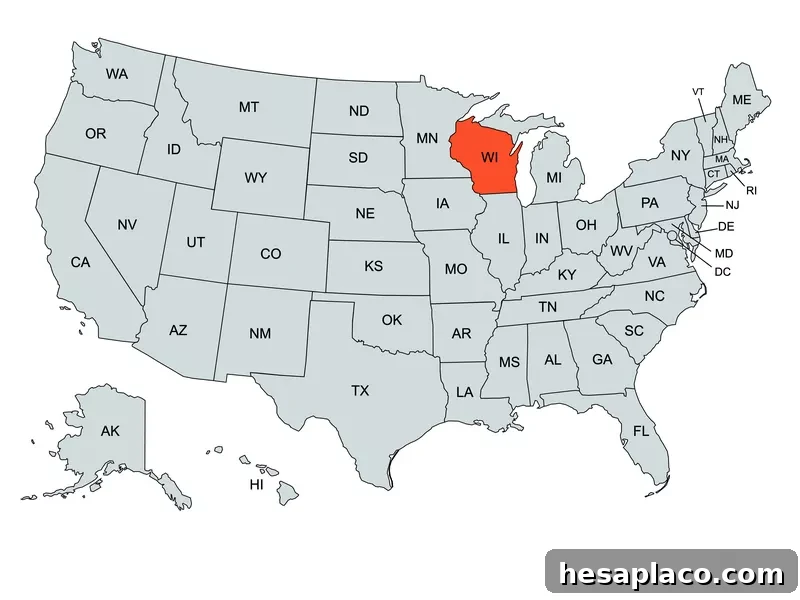
mapchart.net
Population: 5,893,718
Capital: Madison
Percent holding advanced degrees: 10.7
Median household income: $60,773
Bottom line: Wisconsin’s cost of living is below the national average in many regions. Strong agriculture, manufacturing, and tourism industries coexist with respected colleges and universities.
35. Tennessee
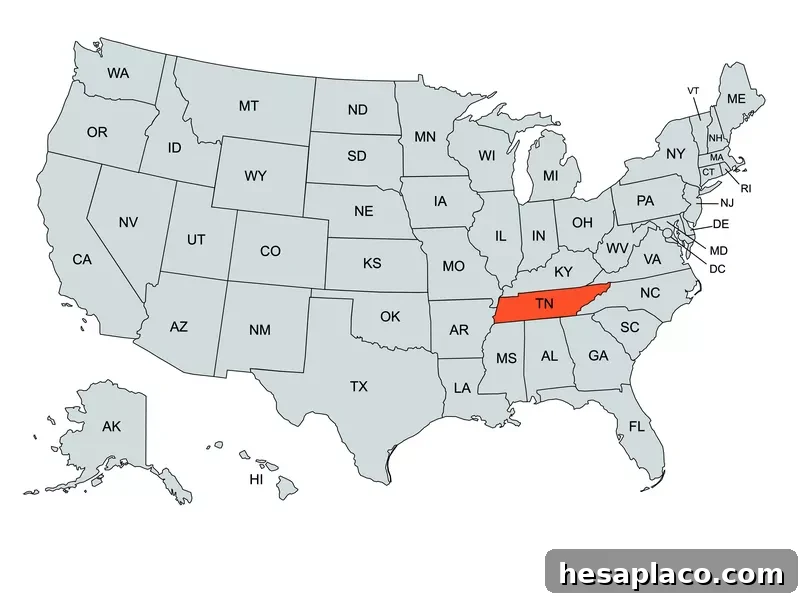
mapchart.net
Population: 6,910,840
Capital: Nashville
Percent holding advanced degrees: 10.7
Median household income: $52,375
Bottom line: Tennessee remains a popular destination for its lack of state income tax, vibrant music and entertainment scenes, and growing healthcare and finance sectors. Programs like Tennessee Promise help increase college access.
34. Texas
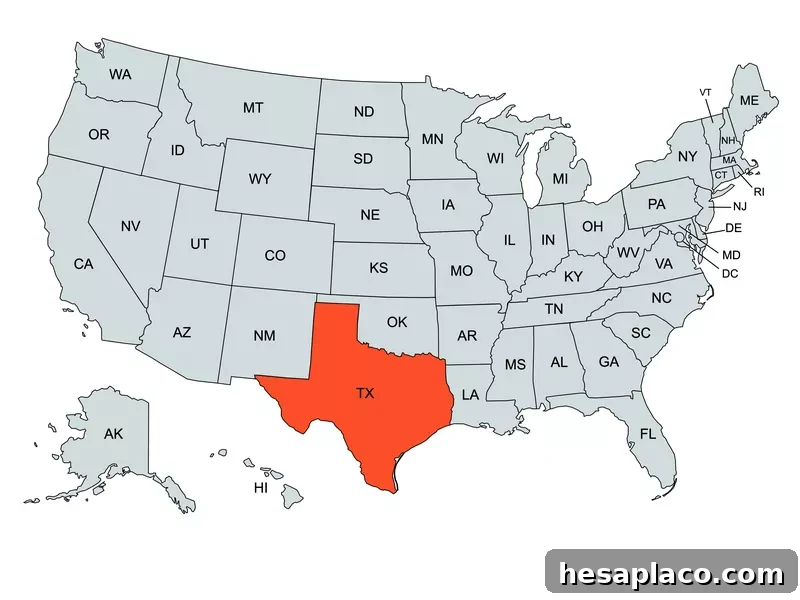
mapchart.net
Population: 29,145,505
Capital: Austin
Percent holding advanced degrees: 10.8
Median household income: $60,629
Bottom line: Texas’ booming economy, lack of state income tax, and broad selection of four-year universities make it a major destination for job seekers and students alike.
33. Ohio
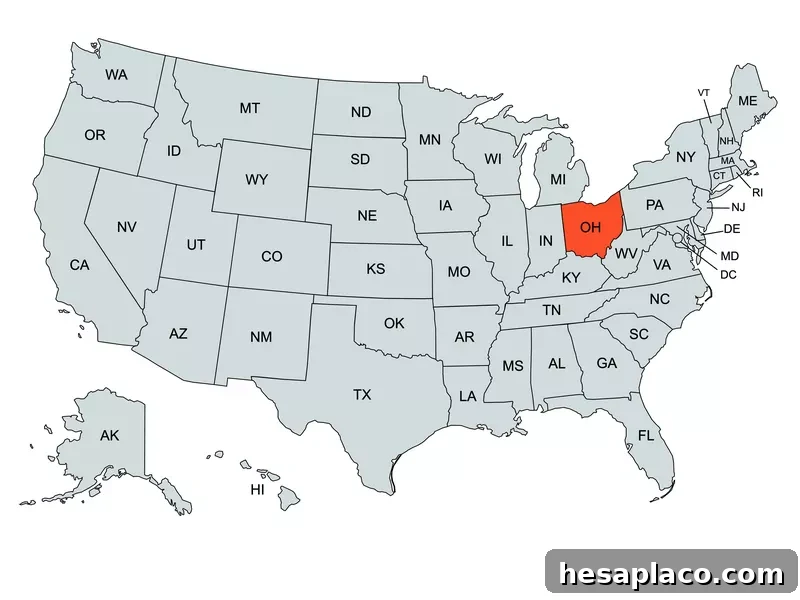
mapchart.net
Population: 11,799,448
Capital: Columbus
Percent holding advanced degrees: 11.0
Median household income: $56,111
Bottom line: Ohio’s economy is diversifying beyond its Rust Belt roots into aerospace, healthcare, and technology. Affordable home values and a broad higher-education system make the state attractive to families and students.
32. South Carolina
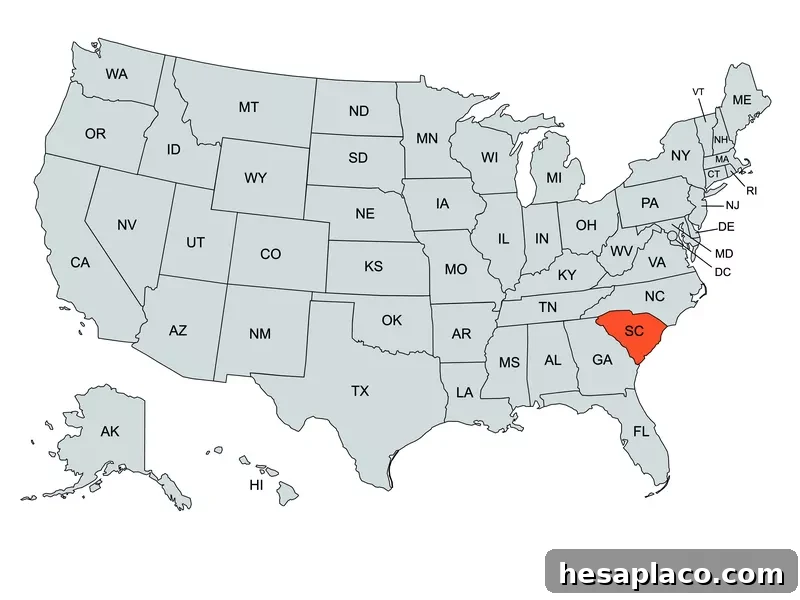
mapchart.net
Population: 5,118,425
Capital: Columbia
Percent holding advanced degrees: 11.2
Median household income: $52,306
Bottom line: South Carolina combines coastal appeal and growing tech and manufacturing sectors with incentives such as free college access for eligible senior residents.
31. Utah
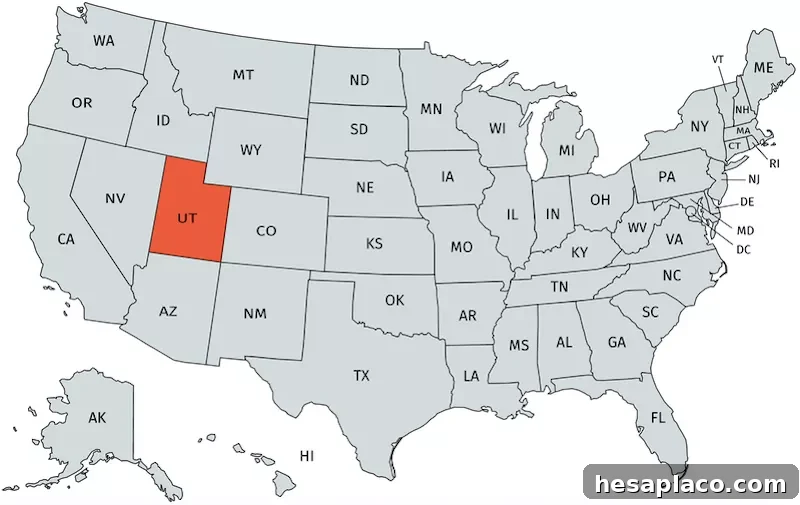
mapchart.net
Population: 3,161,105
Capital: Salt Lake City
Percent holding advanced degrees: 11.3
Median household income: $71,621
Bottom line: Utah’s strong economic growth, startup activity, and expanding professional services make it an attractive location for educated workers and entrepreneurs.
30. Arizona
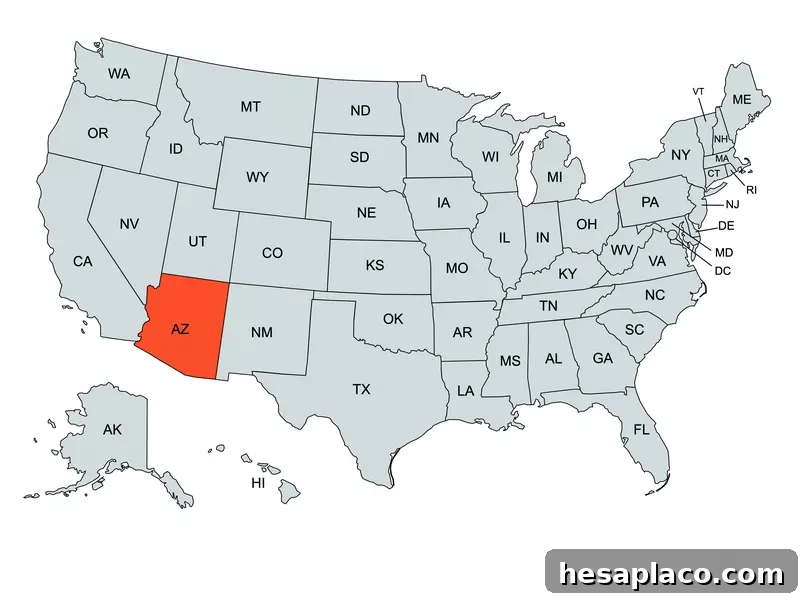
mapchart.net
Population: 7,151,502
Capital: Phoenix
Percent holding advanced degrees: 11.3
Median household income: $59,246
Bottom line: Arizona offers warm weather, an affordable cost of living in many areas, and a growing tech, aerospace, and tourism presence supported by numerous colleges and universities.
29. Florida
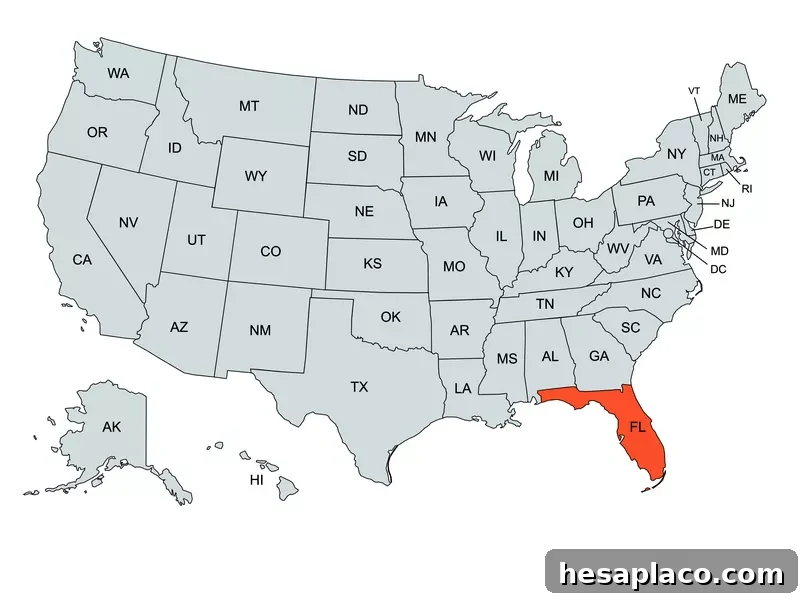
mapchart.net
Population: 21,538,187
Capital: Tallahassee
Percent holding advanced degrees: 11.4
Median household income: $55,462
Bottom line: Florida’s no-income-tax policy, warm climate, and strong tourism industry make it a magnet for retirees and families; the state supports a very large higher-education system.
28. Nebraska
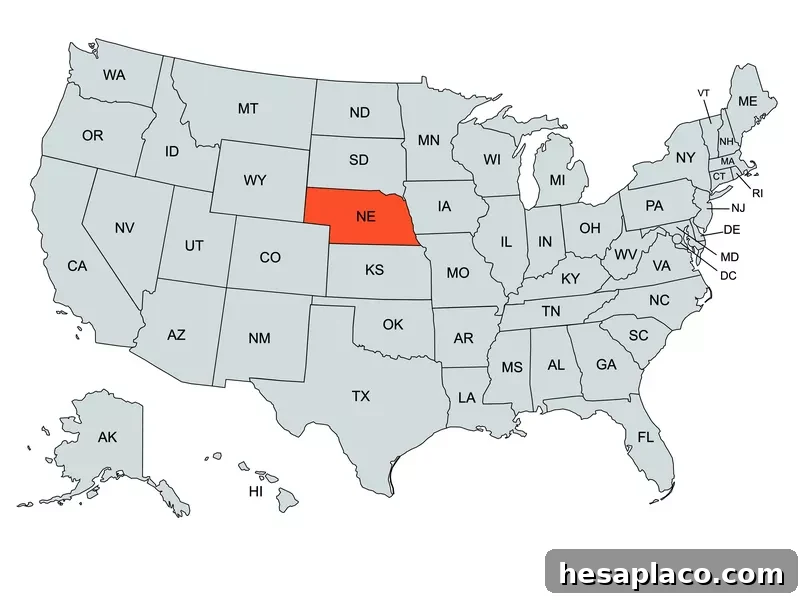
mapchart.net
Population: 1,961,504
Capital: Lincoln
Percent holding advanced degrees: 11.4
Median household income: $59,566
Bottom line: Nebraska ranks highly for well-being and family-friendly living, with a low population density and a mix of community colleges and universities supporting education and workforce needs.
27. Hawaii
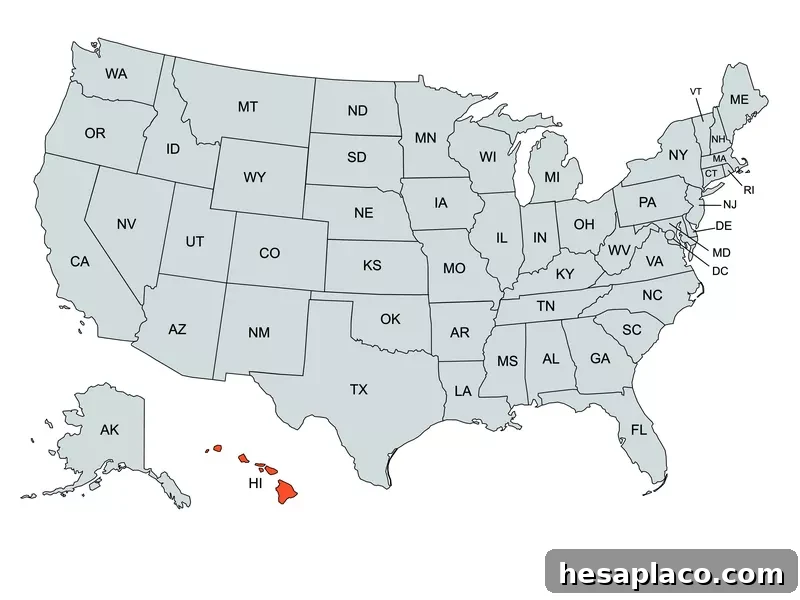
mapchart.net
Population: 1,420,491
Capital: Honolulu
Percent holding advanced degrees: 11.6
Median household income: $81,275
Bottom line: Hawaii’s economy relies heavily on tourism and healthcare. The state ranks highly for health care performance and maintains low unemployment compared with many other states.
26. Alaska
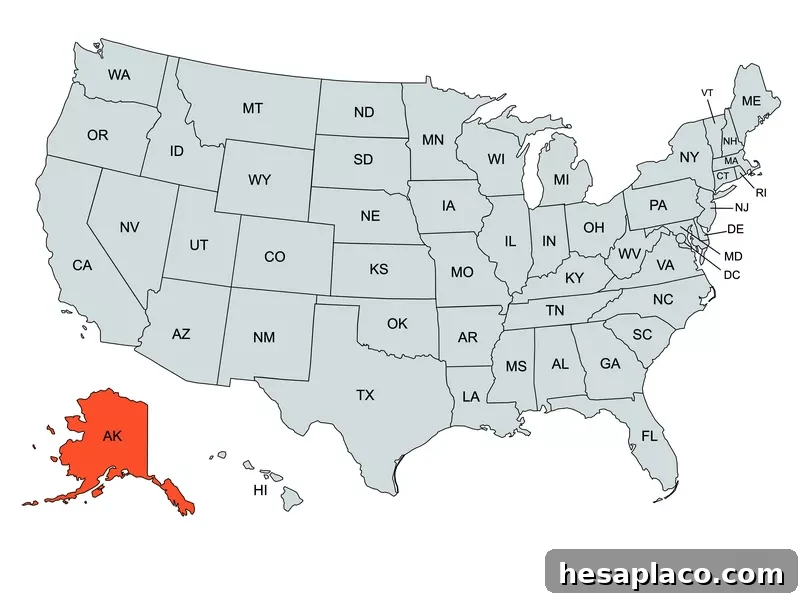
mapchart.net
Population: 733,391
Capital: Juneau
Percent holding advanced degrees: 11.7
Median household income: $74,346
Bottom line: Alaska appeals to outdoor enthusiasts and offers abundant natural-resource jobs. The state provides financial aid programs to help low-income students attend local colleges and universities.
25. Missouri
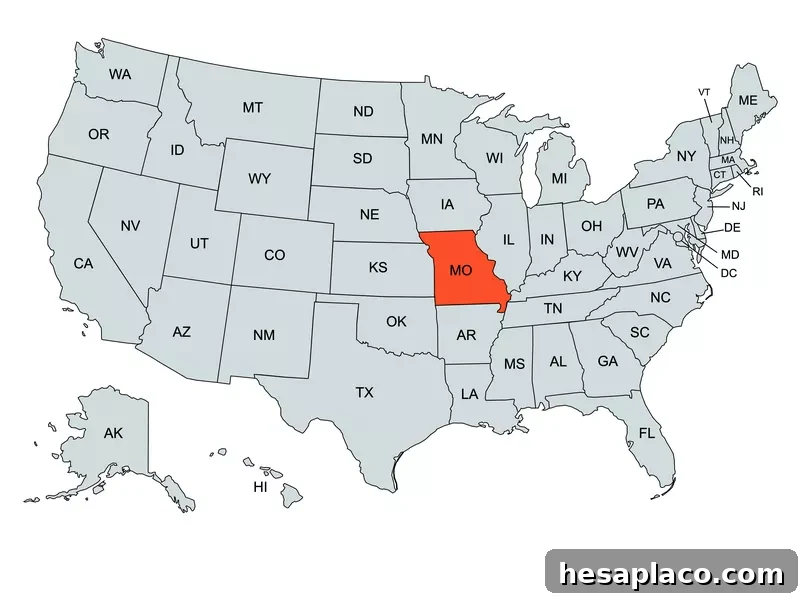
mapchart.net
Population: 6,154,913
Capital: Jefferson City
Percent holding advanced degrees: 11.8
Median household income: $54,478
Bottom line: Missouri’s low cost of living supports industries like biotech, retail, and manufacturing. A broad network of colleges and universities serves a diverse student population.
24. North Carolina
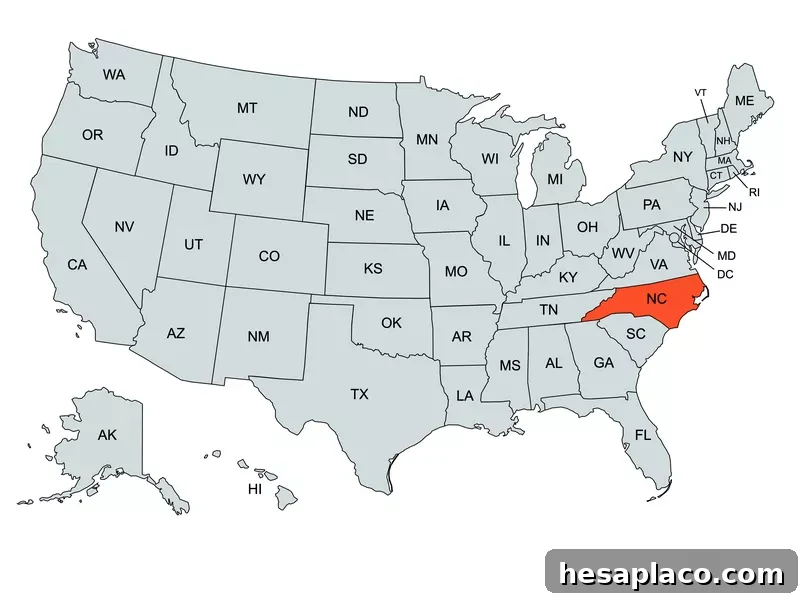
mapchart.net
Population: 10,439,388
Capital: Raleigh
Percent holding advanced degrees: 11.8
Median household income: $53,855
Bottom line: North Carolina combines strong higher-education institutions with growing technology, banking, and manufacturing sectors, fueling population growth and economic opportunity.
23. Michigan
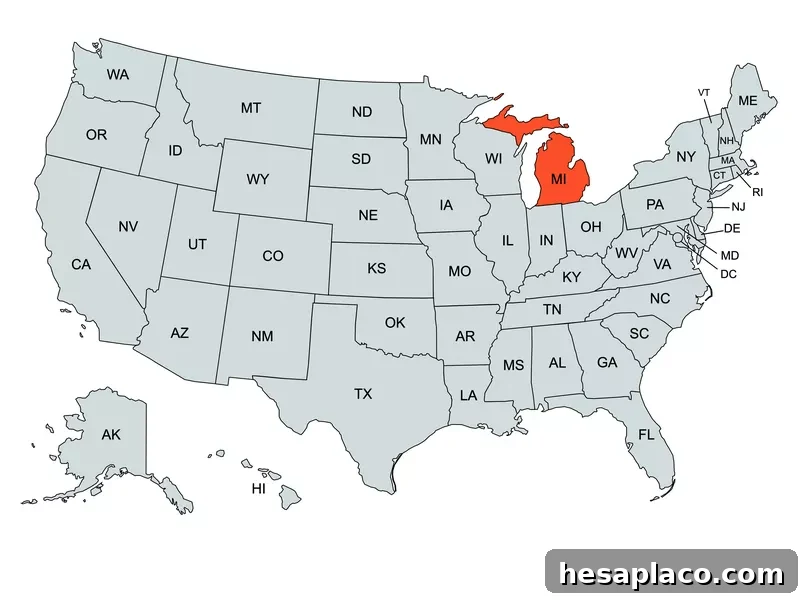
mapchart.net
Population: 9,995,915
Capital: Lansing
Percent holding advanced degrees: 11.9
Median household income: $57,144
Bottom line: Michigan has transitioned from a primarily auto-focused economy to a broader mix that includes transportation, trade, healthcare, and education, with major research universities among the state’s largest employers.
22. New Mexico
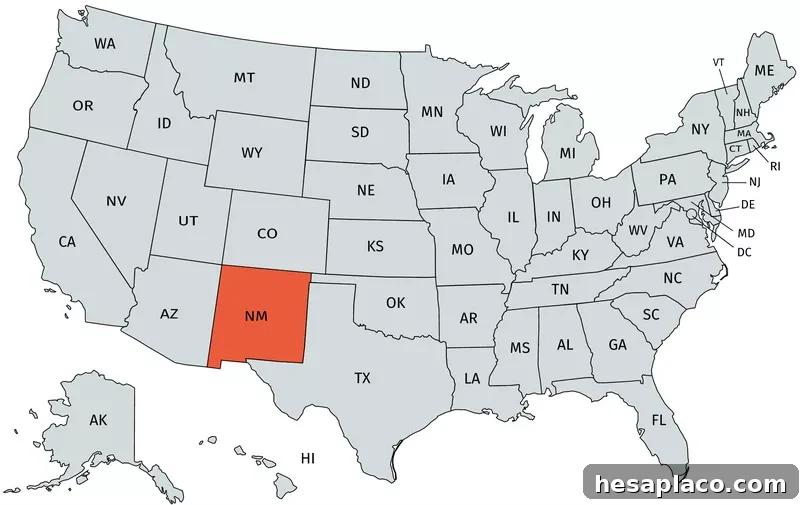
mapchart.net
Population: 2,095,428
Capital: Santa Fe
Percent holding advanced degrees: 12.1
Median household income: $49,754
Bottom line: New Mexico supports high-tech industries, federal research facilities, and a significant defense presence, alongside vast federally protected lands and natural attractions.
21. Kansas
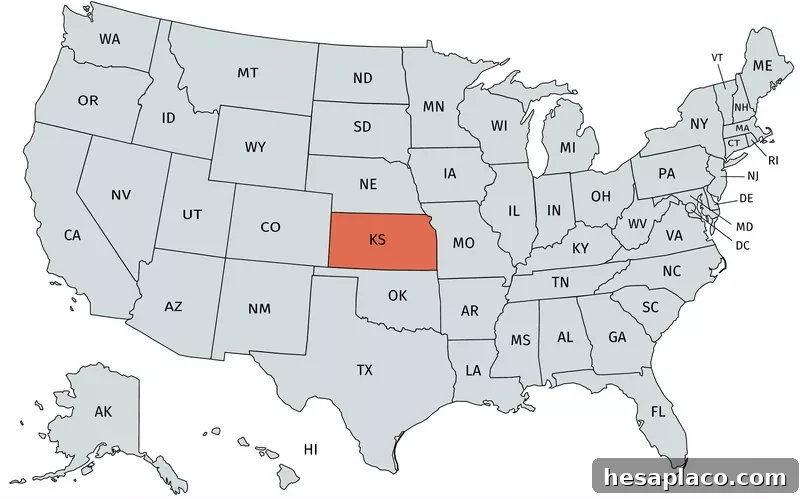
mapchart.net
Population: 2,911,505
Capital: Topeka
Percent holding advanced degrees: 12.4
Median household income: $59,597
Bottom line: Kansas is a major agricultural producer with a growing manufacturing and bioscience base. Several Kansas City-area employers help anchor the state’s economy.
20. Maine
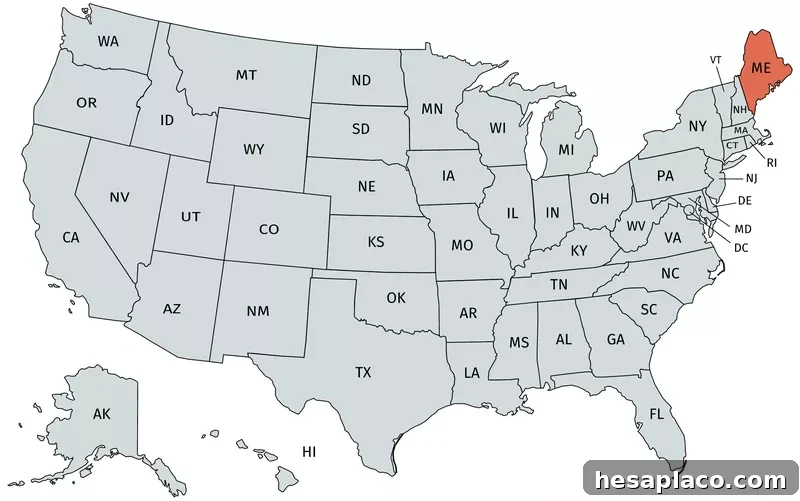
mapchart.net
Population: 1,338,404
Capital: Augusta
Percent holding advanced degrees: 12.4
Median household income: $57,918
Bottom line: Maine’s economy centers on forestry and healthcare; Portland is an important regional port. The University of Maine is a significant educational and employment anchor for the state.
19. Georgia
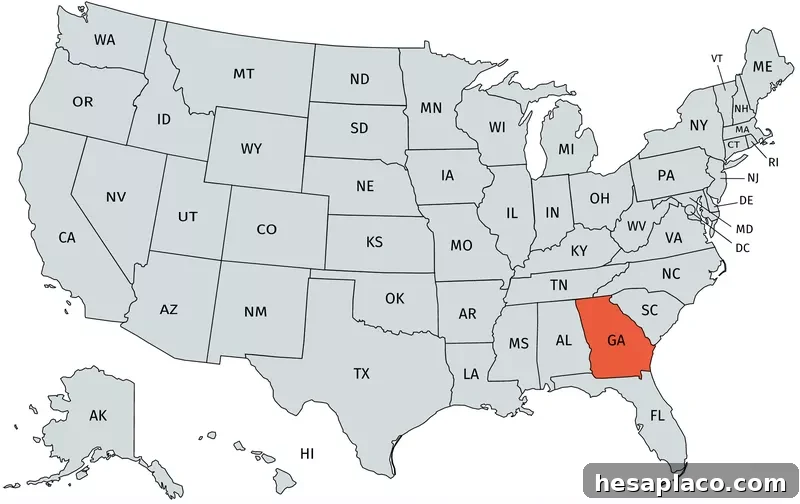
mapchart.net
Population: 10,519,475
Capital: Atlanta
Percent holding advanced degrees: 12.6
Median household income: $58,700
Bottom line: Georgia blends a strong agricultural history with robust medical, aeronautics, and technology sectors. Prominent universities and research hospitals contribute substantially to the state’s economy.
18. Minnesota
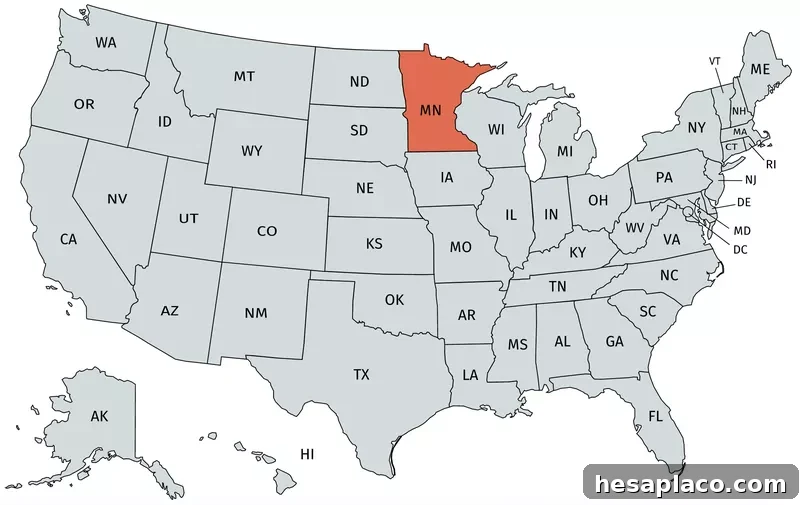
mapchart.net
Population: 5,611,179
Capital: St. Paul
Percent holding advanced degrees: 12.8
Median household income: $71,306
Bottom line: Minnesota’s strong healthcare, retail, and manufacturing sectors—anchored by institutions like the Mayo Clinic and major Fortune 500 companies—support high levels of education and innovation.
17. Pennsylvania
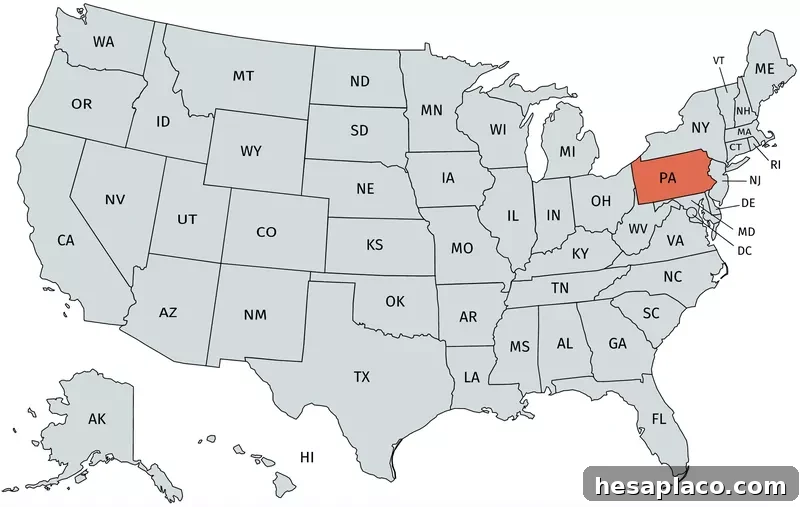
mapchart.net
Population: 12,807,060
Capital: Harrisburg
Percent holding advanced degrees: 12.8
Median household income: $61,744
Bottom line: Pennsylvania’s diverse economy includes agriculture, manufacturing, and food production, supported by an extensive network of colleges and universities and large research institutions.
16. California
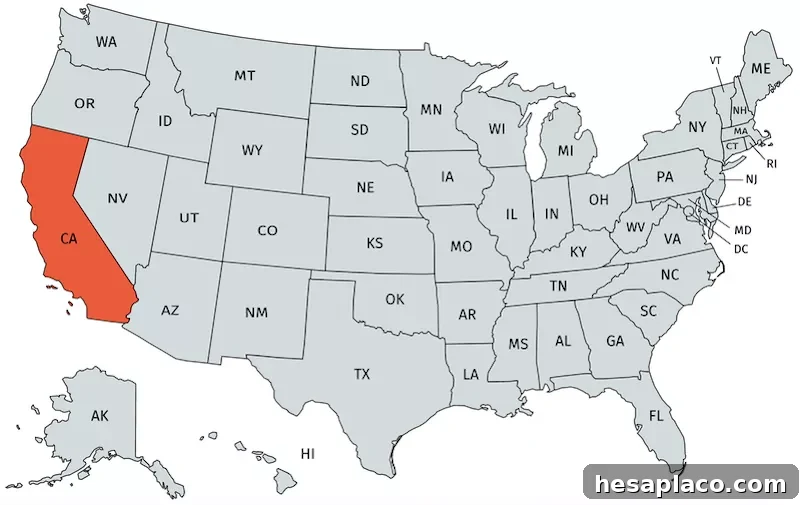
Mapchart.net
Population: 39,557,045
Capital: Sacramento
Percent holding advanced degrees: 13.1
Median household income: $75,235
Bottom line: California’s massive economy leads in technology, entertainment, and innovation. A large number of research universities and private institutions contribute to high concentrations of advanced-degree holders.
15. Oregon
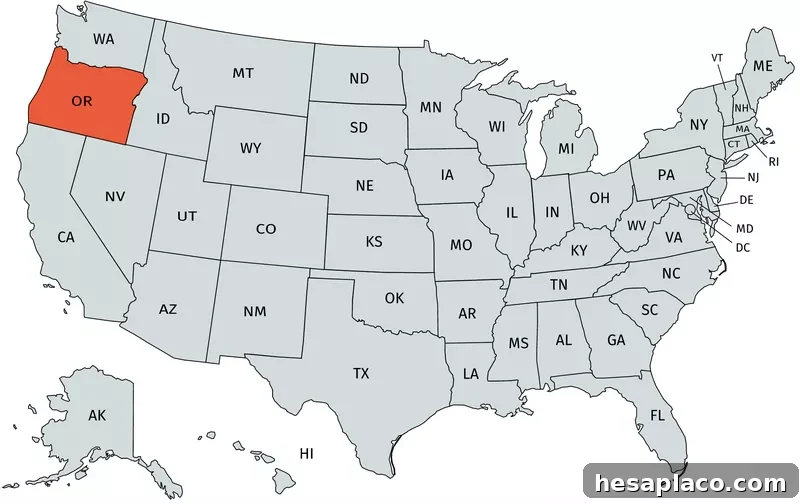
mapchart.net
Population: 4,190,713
Capital: Salem
Percent holding advanced degrees: 13.5
Median household income: $62,818
Bottom line: Oregon’s economy is shifting from traditional resource industries toward manufacturing and technology. The state ranks highly for inventor activity and hosts several major employers and universities.
14. Delaware
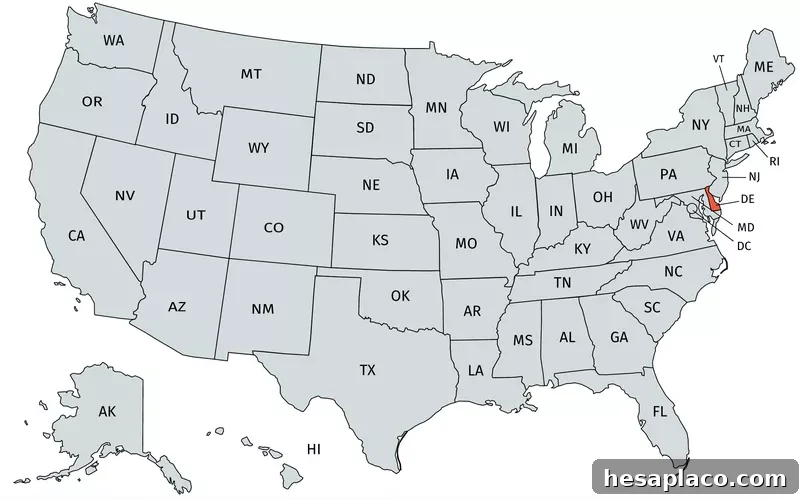
mapchart.net
Population: 967,171
Capital: Dover
Percent holding advanced degrees: 13.7
Median household income: $68,287
Bottom line: Delaware’s favorable business climate supports chemical manufacturing, finance, and healthcare. The University of Delaware and other institutions support advanced-degree programs.
13. Rhode Island
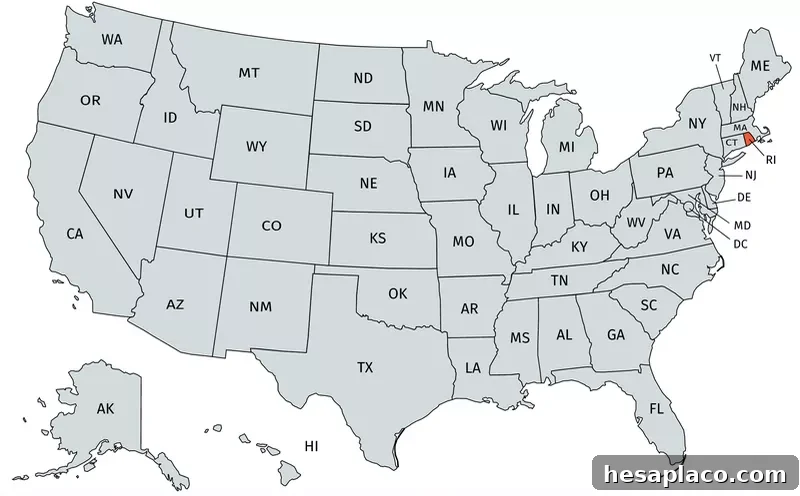
mapchart.net
Population: 1,057,315
Capital: Providence
Percent holding advanced degrees: 13.9
Median household income: $67,167
Bottom line: Rhode Island’s strong finance, insurance, and real estate sectors—along with distinguished institutions like Brown University—support a high concentration of educated workers.
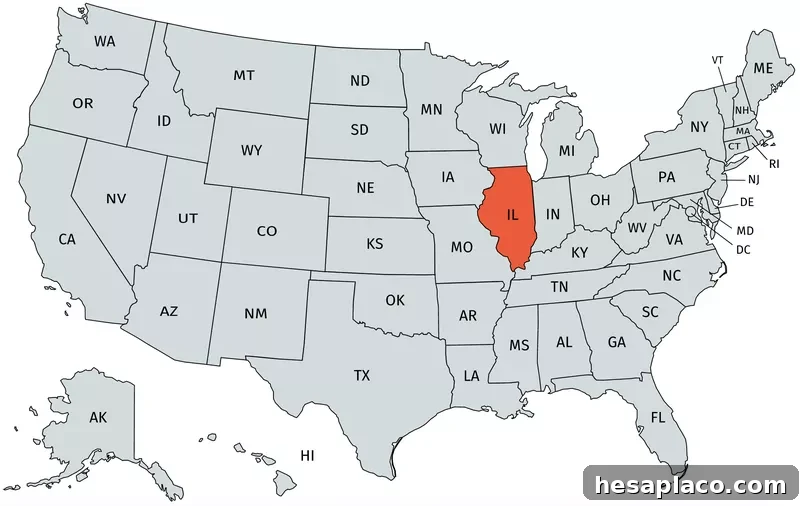
12. Illinois
mapchart.net
Population: 12,741,080
Capital: Springfield
Percent holding advanced degrees: 14.1
Median household income: $61,229
Bottom line: Illinois hosts major corporate headquarters and a broad higher-education system including top research universities, supporting advanced-degree attainment and diverse industries like biotech and energy.
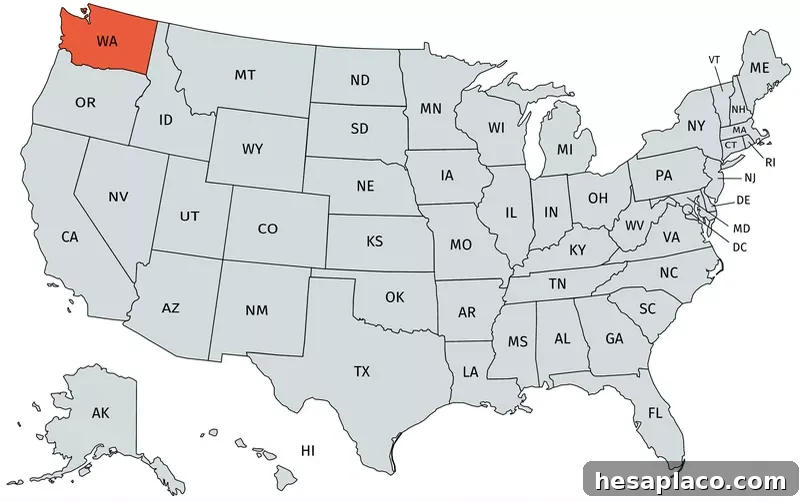
11. Washington
mapchart.net
Population: 7,535,591
Capital: Olympia
Percent holding advanced degrees: 14.2
Median household income: $73,775
Bottom line: Home to major tech employers and a large STEM workforce, Washington’s strong economy and patent activity support high levels of advanced education and innovation.
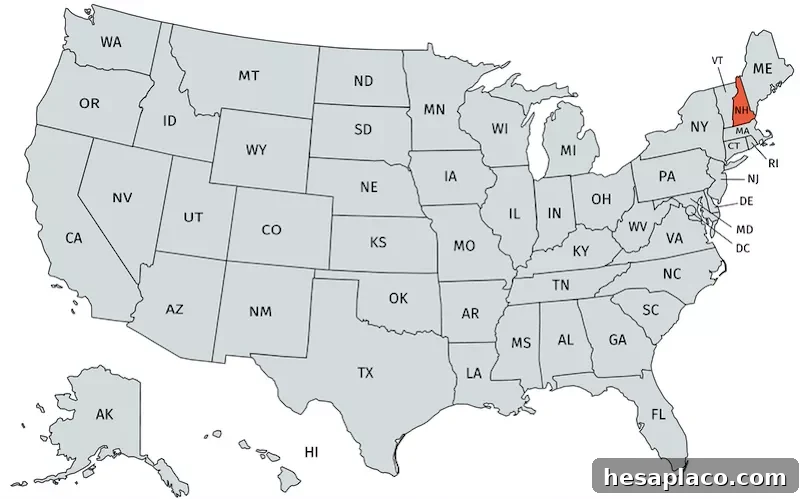
10. New Hampshire
Mapchart.net
Population: 1,356,458
Capital: Concord
Percent holding advanced degrees: 14.7
Median household income: $76,768
Bottom line: New Hampshire’s strong manufacturing and aerospace sectors, along with prestigious colleges, contribute to relatively high rates of advanced-degree attainment and low unemployment.
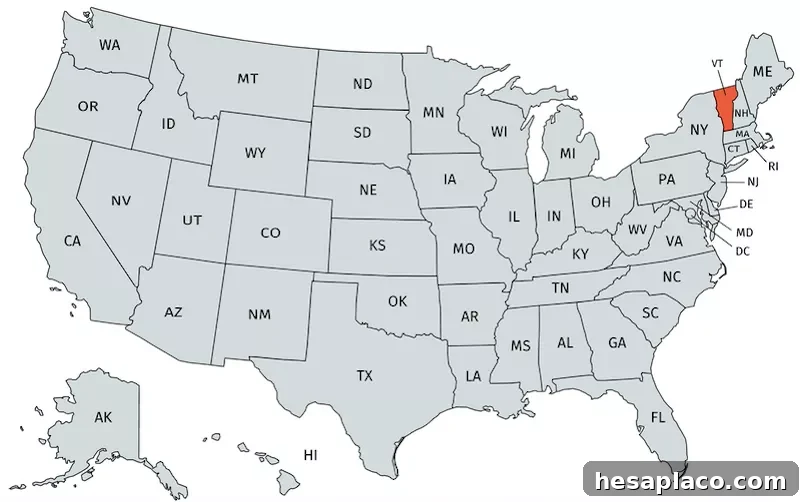
9. Vermont
Mapchart.net
Population: 626,299
Capital: Montpelier
Percent holding advanced degrees: 15.9
Median household income: $57,808
Bottom line: Vermont’s small economy focuses on agriculture and specialty food production; its flagship university and medical center are major employers, and unemployment remains low.
8. Colorado
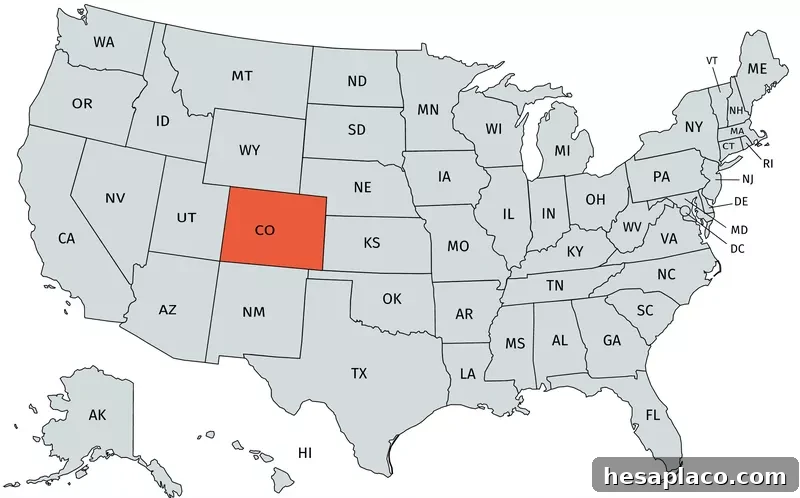
mapchart.net
Population: 5,695,564
Capital: Denver
Percent holding advanced degrees: 16.0
Median household income: $72,331
Bottom line: Colorado’s expanding tech sector, strong startup activity, and top educational institutions contribute to a high proportion of residents with advanced degrees and a robust economy.
7. New Jersey
Mapchart.net
Population: 8,908,520
Capital: Trenton
Percent holding advanced degrees: 16.1
Median household income: $82,545
Bottom line: New Jersey’s dense concentration of technology, pharmaceutical, and financial firms, combined with historic colleges and research centers, helps sustain high educational attainment and income levels.
6. New York
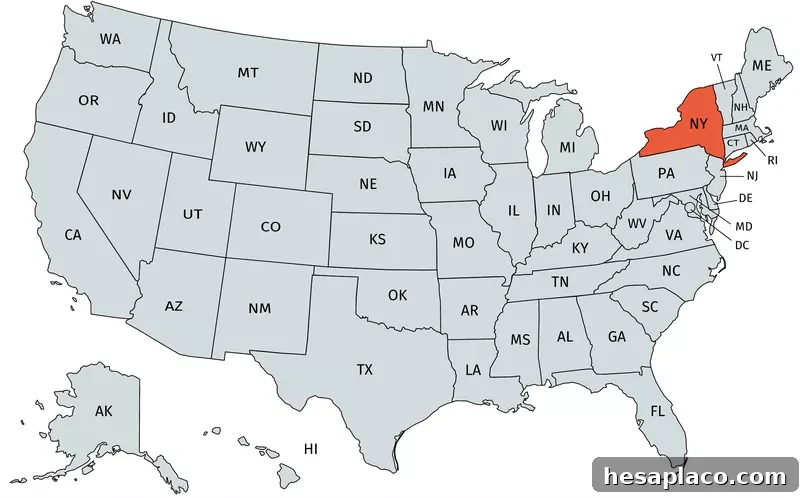
mapchart.net
Population: 19,542,209
Capital: Albany
Percent holding advanced degrees: 16.6
Median household income: $68,486
Bottom line: New York’s dense metro areas, global financial and cultural institutions, and prominent universities drive a high share of advanced-degree holders concentrated in urban centers like New York City.
5. Virginia
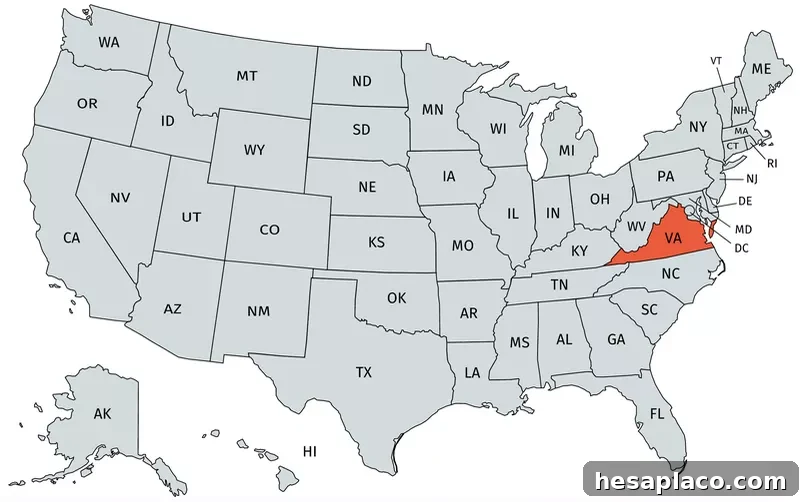
mapchart.net
Population: 8,517,685
Capital: Richmond
Percent holding advanced degrees: 17.2
Median household income: $74,222
Bottom line: Virginia’s proximity to Washington, D.C., strong federal presence, and regional technology and defense industries contribute to elevated advanced-degree attainment and high incomes.
4. Connecticut
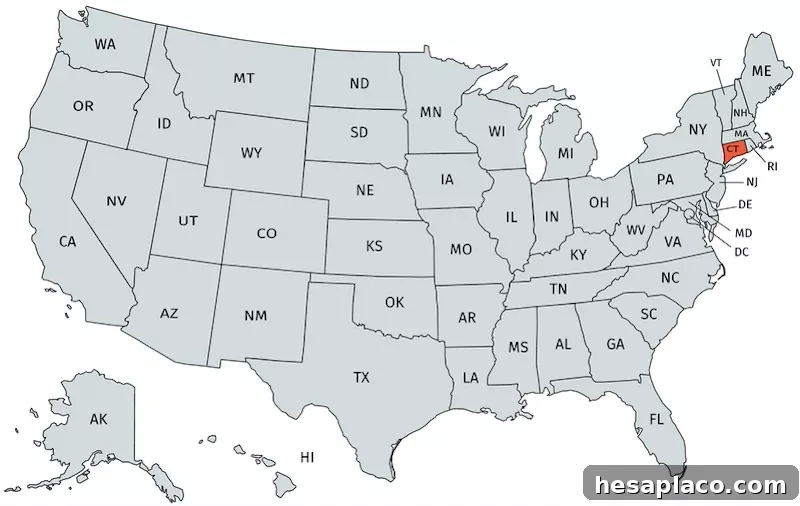
Mapchart.net
Population: 3,572,655
Capital: Hartford
Percent holding advanced degrees: 17.8
Median household income: $78,444
Bottom line: Connecticut’s finance, insurance, and professional services sectors, along with major research institutions such as Yale, support a relatively high concentration of graduate-level education.
3. Maryland
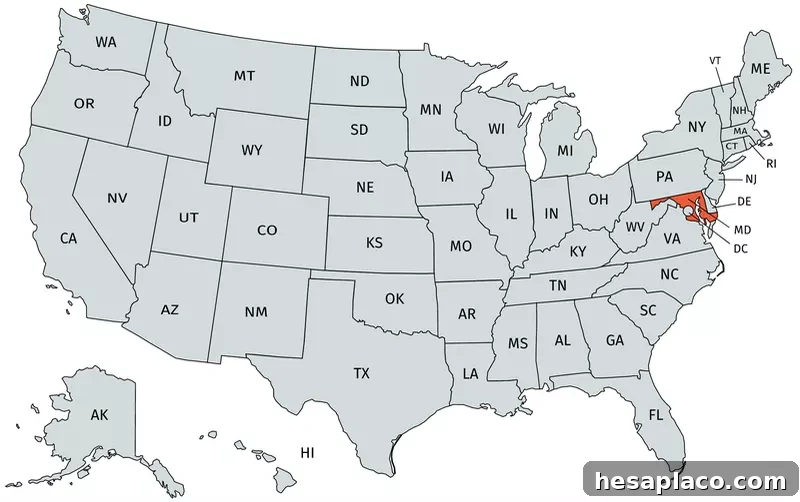
mapchart.net
Population: 6,042,718
Capital: Annapolis
Percent holding advanced degrees: 19.1
Median household income: $84,805
Bottom line: Maryland’s dense cluster of federal agencies, defense contractors, and research institutions—paired with top universities and medical centers—drives a high share of advanced-degree holders and strong incomes.
2. Massachusetts
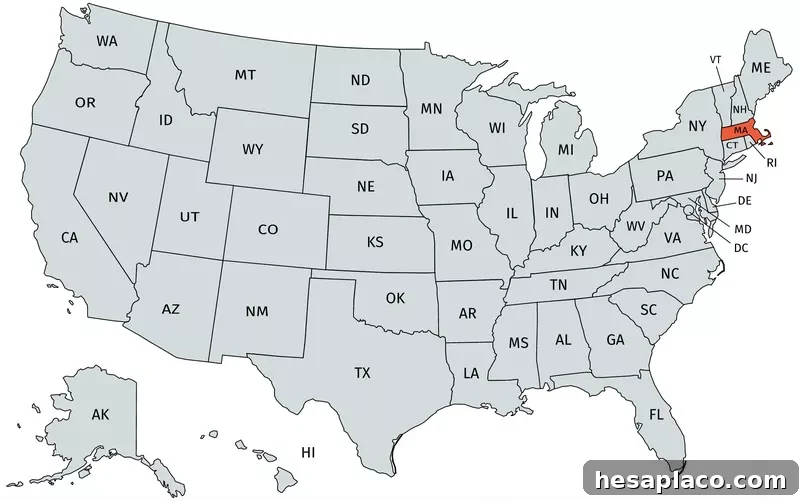
mapchart.net
Population: 6,902,149
Capital: Boston
Percent holding advanced degrees: 20.3
Median household income: $81,215
Bottom line: Massachusetts boasts world-class universities, a concentration of high-tech and biotech employers, and top rankings in education and healthcare—factors that contribute to a very high rate of advanced-degree attainment.
1. District of Columbia
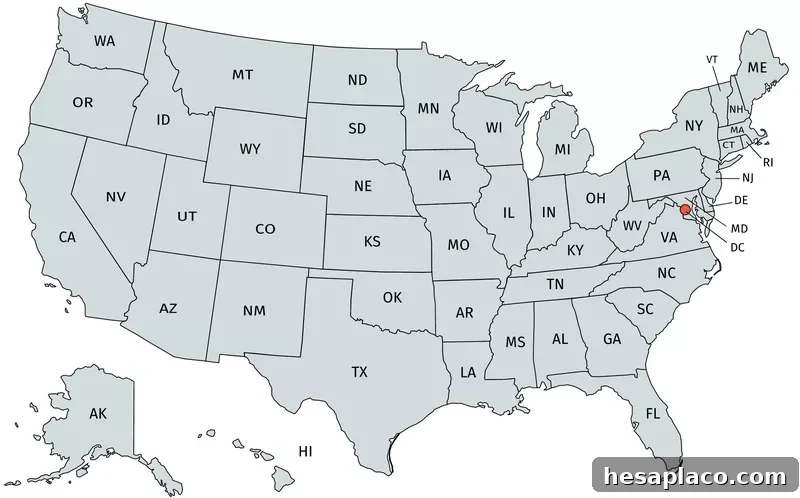
mapchart.net
Population: 702,455
Capital: Washington, D.C.
Percent holding advanced degrees: 33.9
Median household income: $92,266
Bottom line: Although not a state, the District of Columbia leads the nation in advanced-degree concentration. The federal government, abundant research institutions, think tanks, and professional services attract large numbers of highly educated professionals and sustain high median incomes.