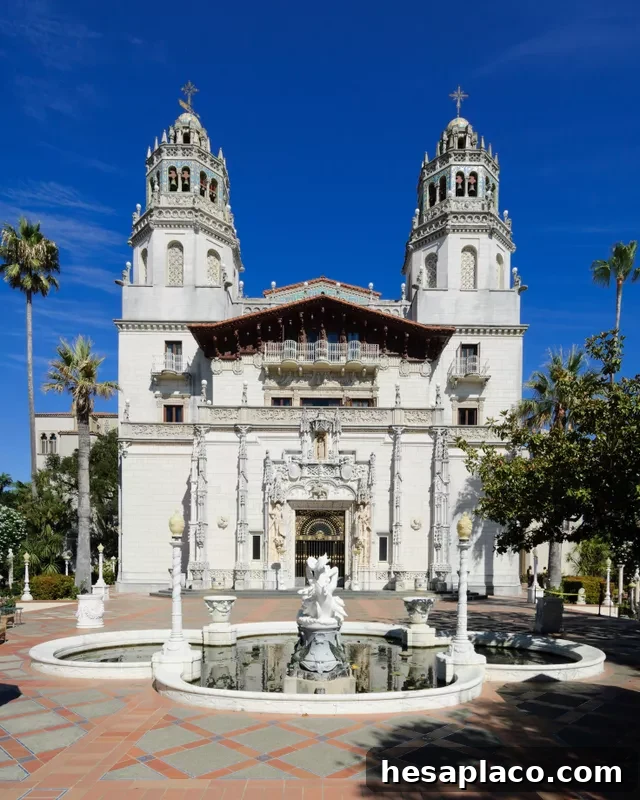
Every state in the U.S. has at least one house that captures part of its history or represents an iconic piece of American life. For this compilation, we selected one residential property—current or former—from each state that best reflects its cultural, architectural, or historical significance. Below are the most iconic houses across the nation.
Alabama
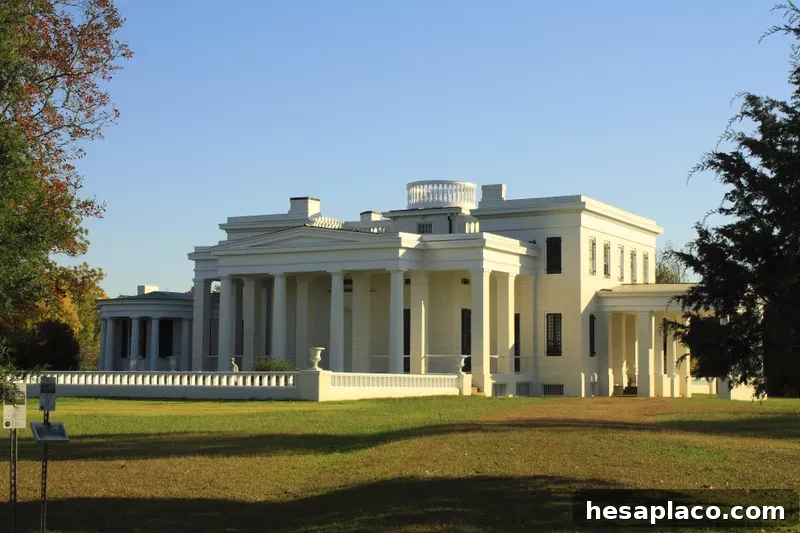
Altairisfar / Wikipedia
House: Gaineswood
Location: Demopolis
Gaineswood began as a modest two-room cabin during the “Alabama Fever” land boom and evolved over 18 years into an opulent Greek Revival plantation house. Completed in 1861 using enslaved labor, the 6,200-square-foot mansion stands as an important, if painful, reminder of the state’s antebellum past. The Alabama Historical Commission acquired the property in the 1970s, and Gaineswood is now open to visitors.
Alaska
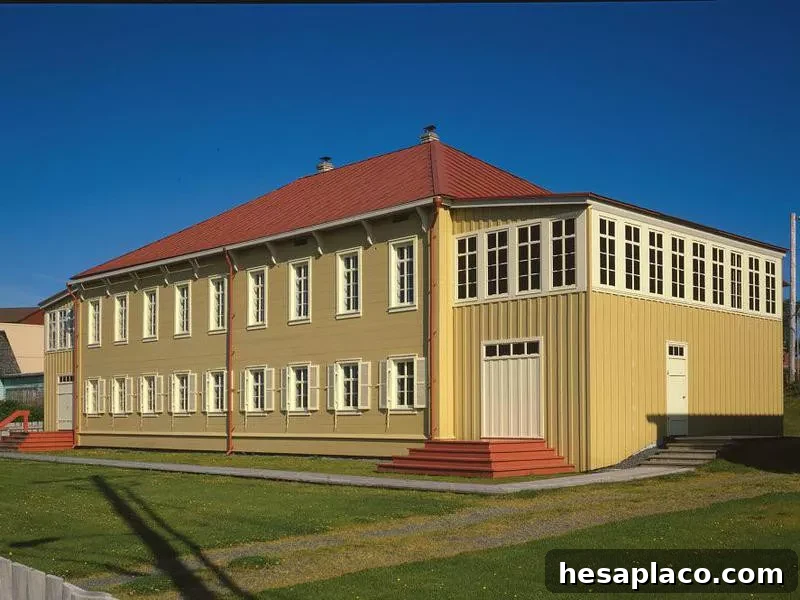
Library of Congress
House: Russian Bishop’s House
Location: Sitka
Built when Alaska was part of Russian America, the Russian Bishop’s House served as the regional center for the Russian Orthodox Church. After falling into disrepair, the National Park Service restored the building in the 1970s. Today it stands as a preserved example of Alaska’s colonial period and is open to the public.
Arizona
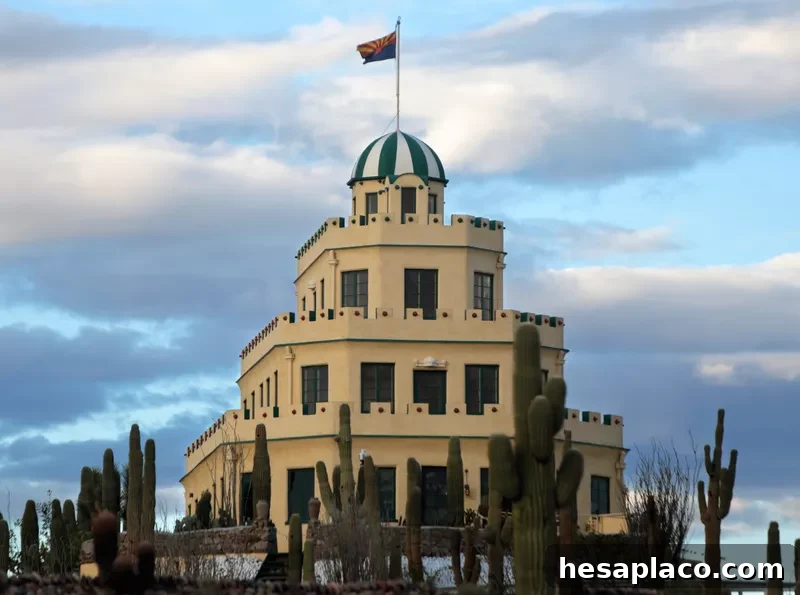
Gage Skidmore / Wikipedia
House: Tovrea Castle at Carraro Heights
Location: Phoenix
Nicknamed the “wedding cake” for its layered appearance, this four-story, roughly 5,000-square-foot castle was originally planned as a hotel and neighborhood centerpiece in 1930. It became the personal residence of meatpacking magnate Edward Ambrose Tovrea in 1931. Acquired by the city in 1993, the castle is now a Phoenix landmark and tourist attraction.
Arkansas
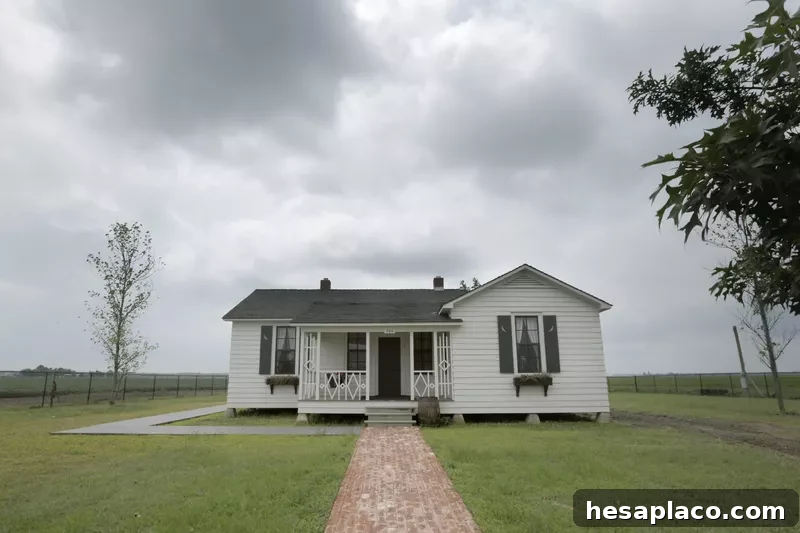
Danny Johnston / AP
House: Johnny Cash’s Childhood Home
Location: Dyess
This simple home in Dyess is where Johnny Cash grew up from age three until high school. The experiences he had there—such as surviving the 1930s flood that inspired “Five Feet High and Rising”—shaped his music. The house has been restored and is furnished to reflect the Cash family’s life, and it is open for tours through Historic Dyess Colony.
California
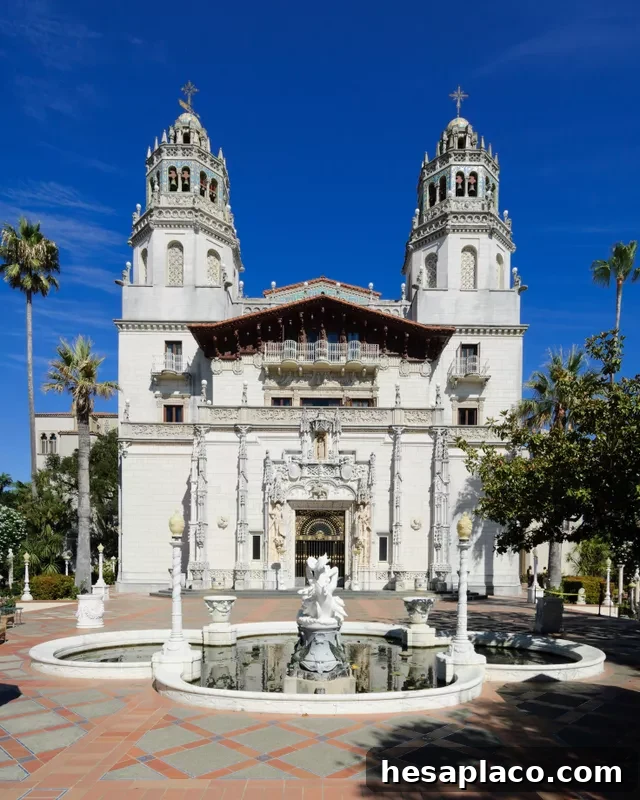
King of Hearts / Wikipedia
House: Hearst Castle
Location: San Simeon
William Randolph Hearst’s estate is a colossal symbol of Gilded Age excess: a 68,500-square-foot main house with three guest houses and 165 rooms, surrounded by lavish gardens, pools, and terraces. Furnished with priceless antiques and art, Hearst Castle took decades to build and is now a major state historic monument and visitor destination. Its scale and celebrity connections make it one of California’s most famous homes.
Colorado
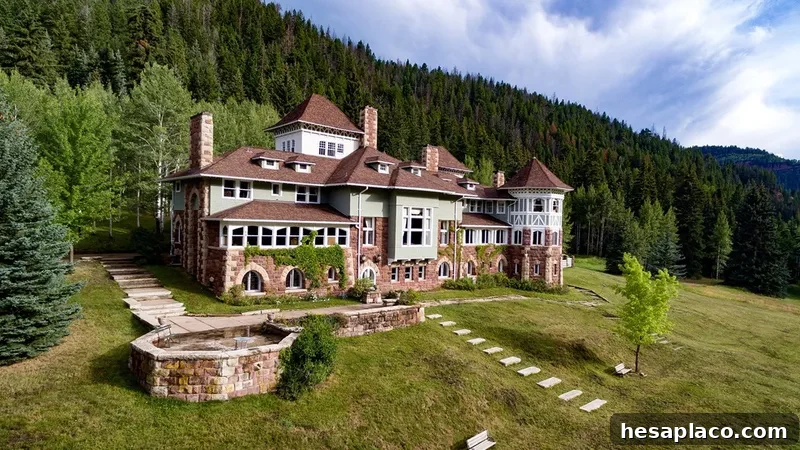
theredstonecastle.com
House: Redstone Castle
Location: Redstone
Industrialist John Cleveland Osgood founded the company town of Redstone and built a grand 23,000-square-foot Tudor mansion for himself in 1903. The town’s Swiss-style cottages housed workers while the castle served as Osgood’s personal showcase. The estate is visible in film and is open for tours and events today.
Connecticut
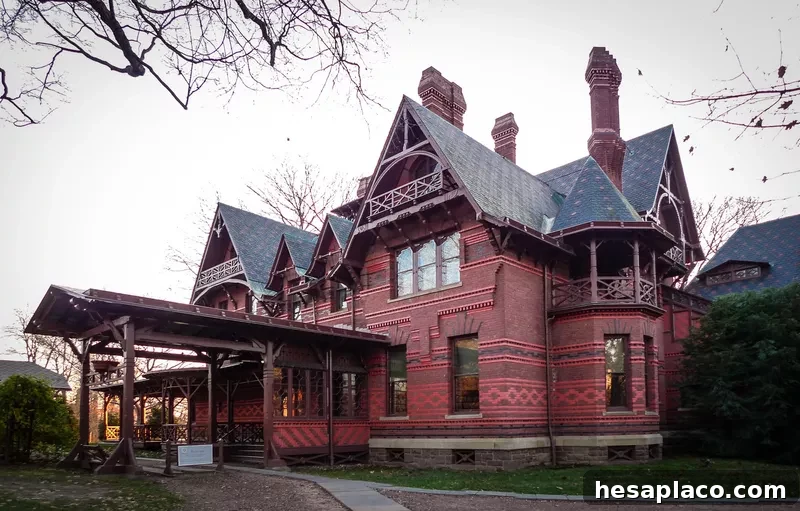
Kenneth C. Zirkel / Wikipedia
House: The Mark Twain House
Location: Hartford
Designed with input from Twain’s wife Livy and a New York architect, this distinctive Hartford home was where Mark Twain wrote many of his major works. Construction started in 1873, and although financial hardship forced the Twains to leave in 1891, the house remains a celebrated literary landmark. It now operates as a museum preserving the family’s history and period decor.
Delaware
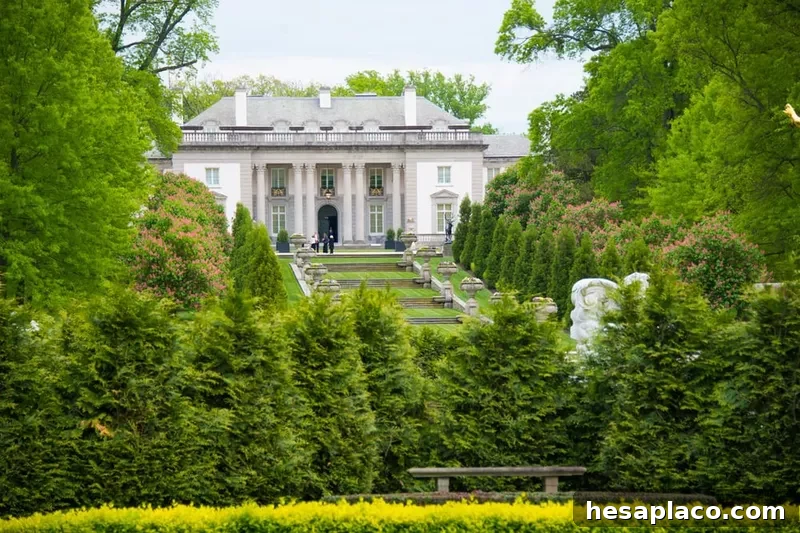
Nemours Estate / Yelp
House: Nemours Estate
Location: Wilmington
Built in 1909–1910 by Alfred I. du Pont, Nemours was modeled after Versailles. The 47,000-square-foot château includes 77 rooms and sits on 222 acres with formal gardens, fountains, and sculptures. The estate is open to the public and showcases Gilded Age landscaping and interior design.
Florida
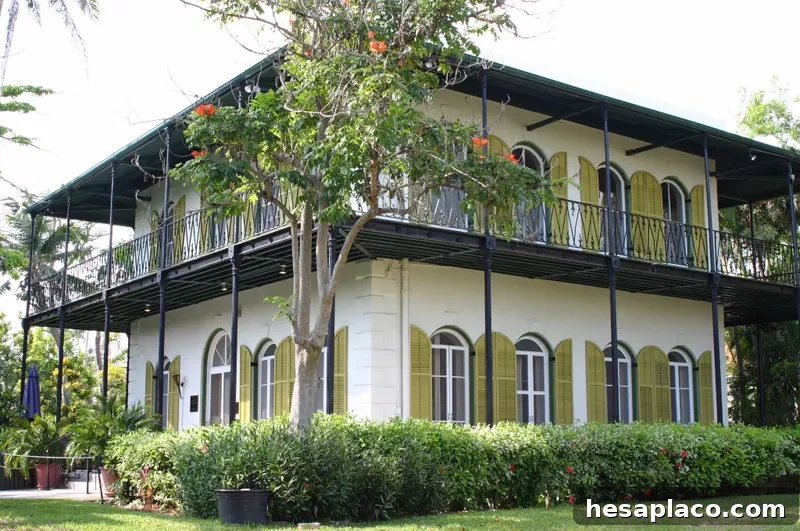
Andreas Lamecker / Wikipedia
House: Ernest Hemingway’s House
Location: Key West
Hemingway bought this mid-19th-century Spanish Colonial home in 1931 and renovated it with his wife. The property is famous for the descendants of Hemingway’s polydactyl (six-toed) cats that still roam the grounds. Today it operates as a museum and bookstore celebrating the author’s life and work.
Georgia
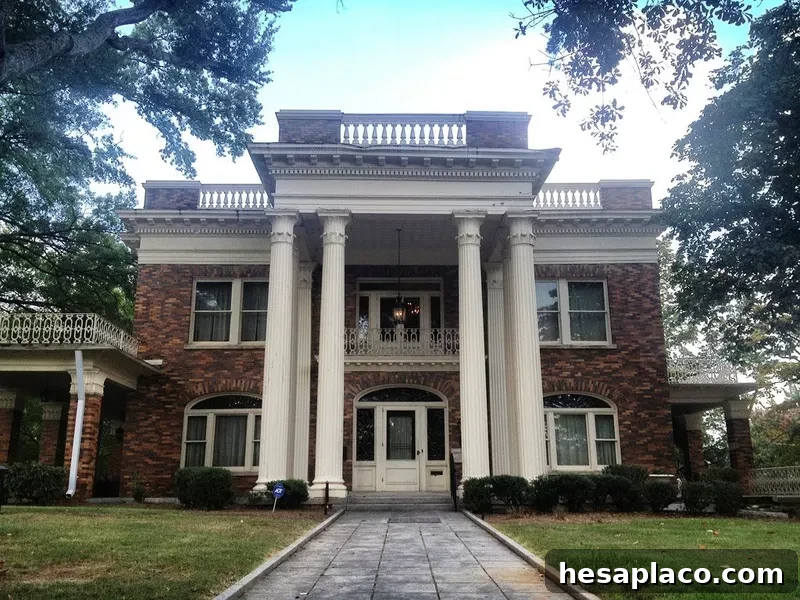
Herndon Home / TripAdvisor
House: The Herndon Home
Location: Atlanta
Born into slavery, Alonzo Herndon rose to become Georgia’s first Black millionaire through barbering and savvy real estate investments. Between 1908 and 1910 he built this impressive Georgia Revival mansion. The Herndon Home opened as a museum in 1983 and tells the story of Herndon’s remarkable life and legacy.
Hawaii
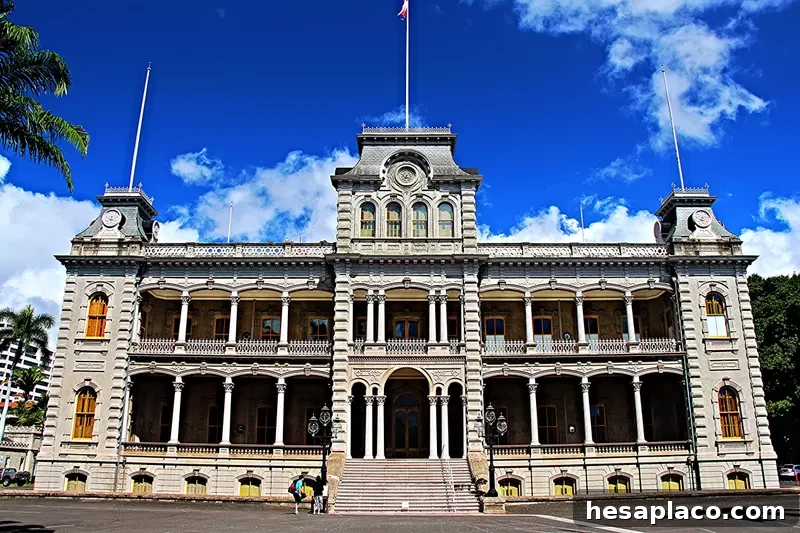
Jason Raia / Wikipedia
House: Iolani Palace
Location: Honolulu
The former residence of Hawaii’s kings and queens, Iolani Palace reflects the islands’ royal past and the political tumult that followed the overthrow of the monarchy. Restored in the 1970s, the palace is a major cultural landmark and open for tours in downtown Honolulu.
Idaho
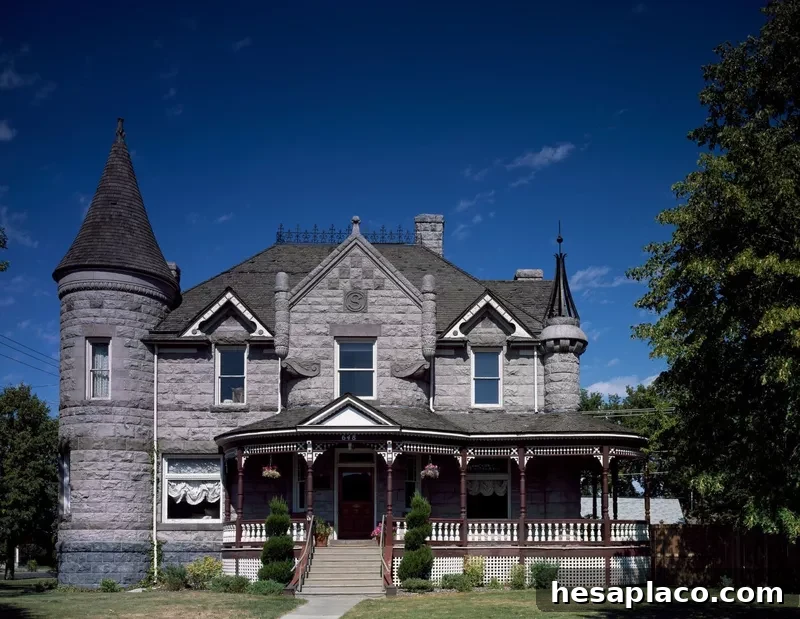
Library of Congress
House: Standrod Mansion
Location: Pocatello
Built in 1902 for Judge Drew Standrod, this 16-room, castle-like mansion is one of Idaho’s best-known historic homes. With six bedrooms in roughly 5,000 square feet, the Standrod Mansion has changed hands over time and was sold after a period on the market, preserving its place in local architectural history.
Illinois
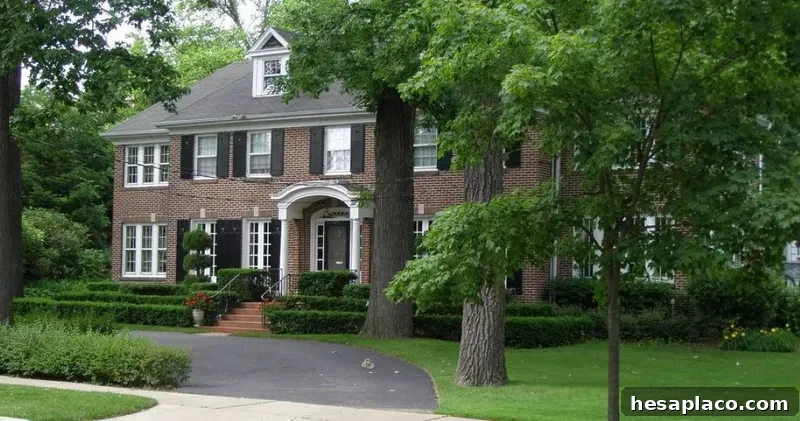
Zillow
House: “Home Alone” House
Location: Winnetka
This Georgian-style mansion served as the McCallister home in the classic film Home Alone. While only some interior scenes were filmed there, the house’s recognizable staircase, foyer, and kitchen made it a pop culture landmark. The private residence is not open for public tours.
Indiana
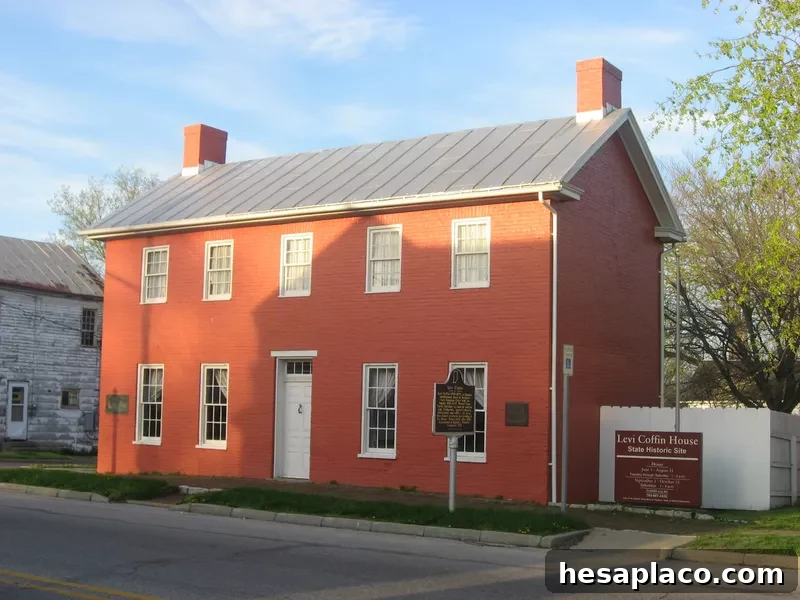
Nyttend / Wikipedia
House: Levi Coffin House
Location: Fountain City
For decades the Levi Coffin House was called the “Grand Central Station” of the Underground Railroad. Levi and Catharine Coffin are believed to have helped thousands of enslaved people seek freedom. The 1839 Federal-style brick home, which includes a hidden room, now operates as a museum honoring that abolitionist legacy.
Iowa
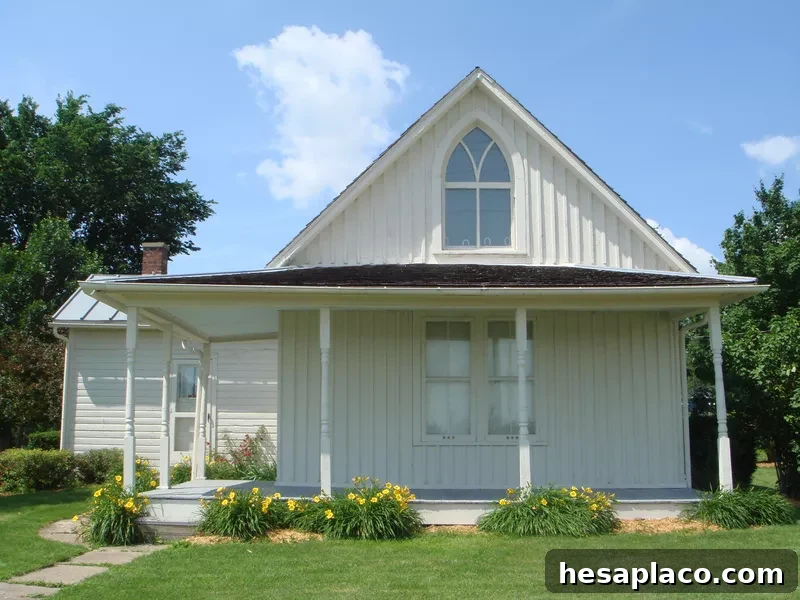
Jehjoyce / Wikipedia
House: American Gothic House
Location: Eldon
Grant Wood’s 1930 painting made this modest cottage instantly recognizable. The American Gothic House welcomes visitors who often recreate the painting’s iconic pose; the site provides period costumes and props for photos, preserving the artwork’s place in American cultural history.
Kansas
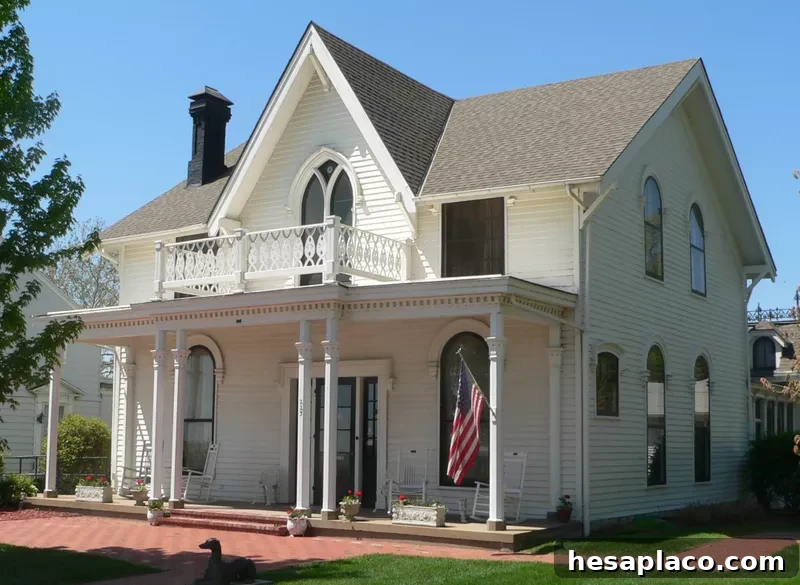
Ammodramus / Wikipedia
House: Amelia Earhart’s House
Location: Atchison
The Gothic Revival birthplace of Amelia Earhart is preserved as a museum by the Ninety-Nines, a women pilots’ organization originally led by Earhart. The house honors her pioneering aviation legacy and inspires visitors interested in early aviation history.
Kentucky
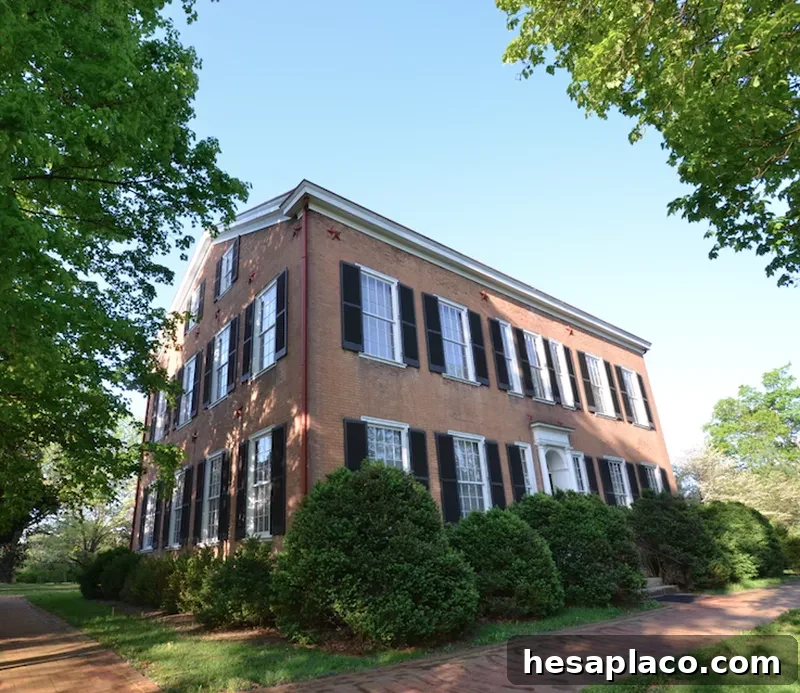
Firthpoind1700 / Wikipedia
House: Federal Hill
Location: Bardstown
Also known as “My Old Kentucky Home,” Federal Hill is a 7,500-square-foot Federal-style mansion that inspired the state song. The estate once operated as a plantation worked by enslaved people and today offers tours, including seasonal ghost tours that explore local folklore surrounding the property.
Louisiana
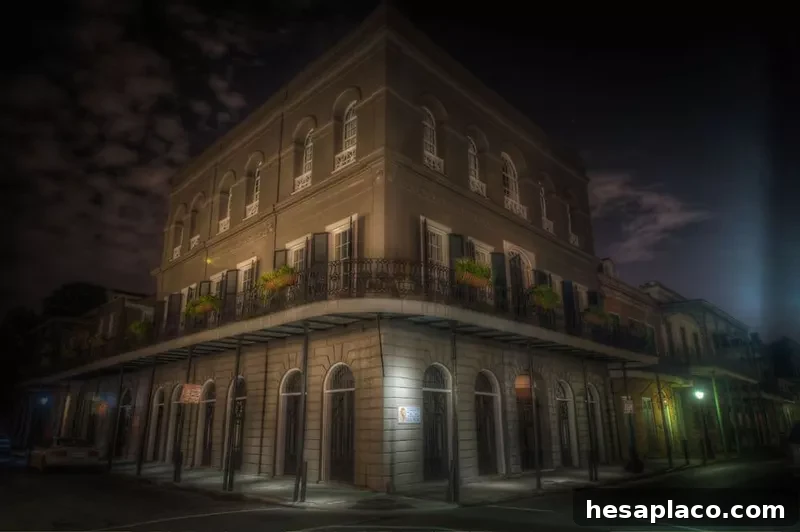
Carol I. / Yelp
House: LaLaurie Mansion
Location: New Orleans
Located in the French Quarter, the LaLaurie Mansion is infamous for its gruesome history involving the mistreatment of enslaved people in the 19th century. Though now privately owned, its exterior draws constant attention from ghost tours and visitors intrigued by New Orleans’ complex and haunting past.
Maine
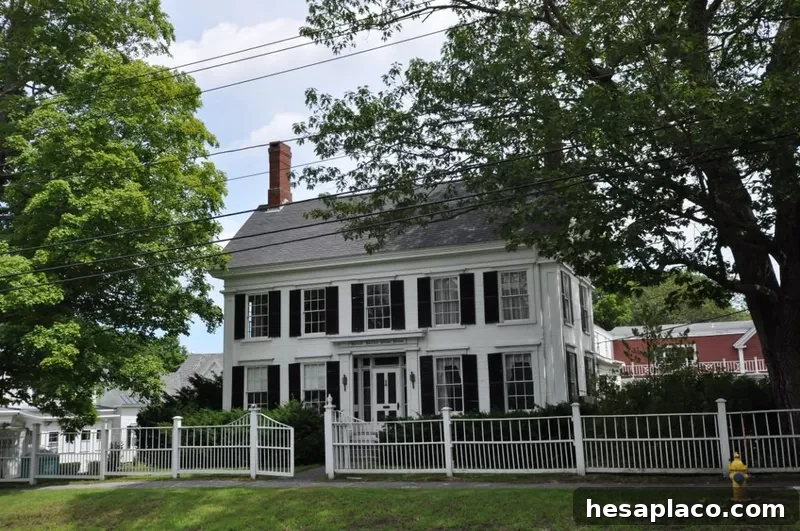
Magicpiano / Wikipedia
House: Harriet Beecher Stowe House
Location: Brunswick
Harriet Beecher Stowe lived in this modest Brunswick home when she began writing what would become Uncle Tom’s Cabin, a novel that profoundly influenced public opinion about slavery. The house is an important site in American literary and social history.
Maryland
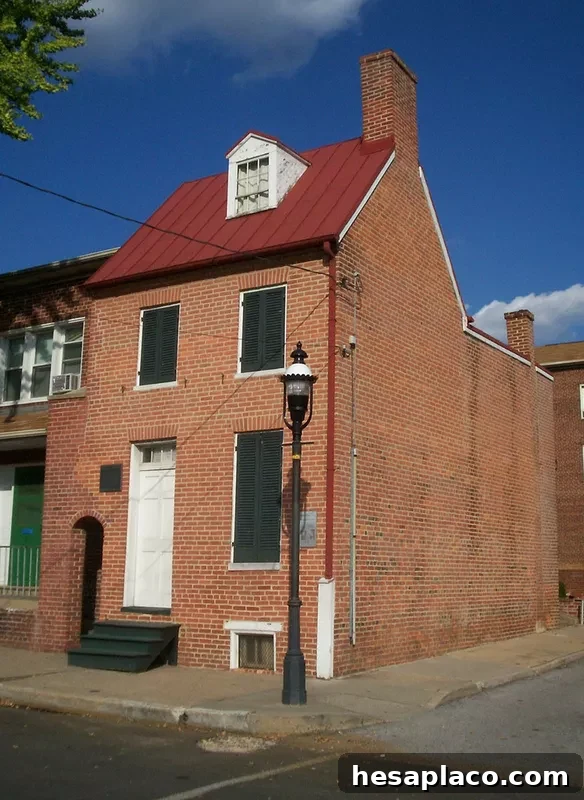
Midnightdreary / Wikipedia
House: Edgar Allan Poe House
Location: Baltimore
Edgar Allan Poe lived in this row house in the mid-1830s and wrote early works that launched his literary career. The courtyard-facing brick house is preserved as a museum celebrating Poe’s life and gothic legacy.
Massachusetts
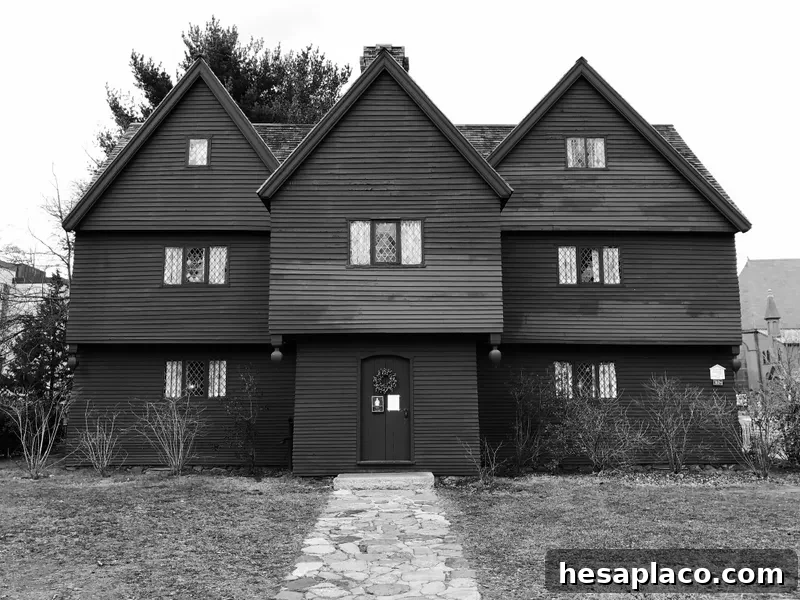
massmatt / Flickr
House: The Witch House
Location: Salem
The Witch House is the only building in Salem with direct ties to the 1692 witch trials. Formerly the home of Judge Jonathan Corwin, the house has been a museum since 1948 and offers visitors a window into a dramatic and often-misunderstood chapter of colonial American history.
Michigan
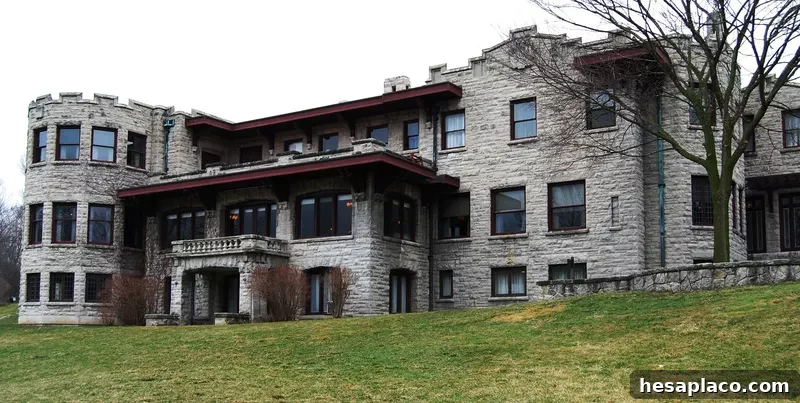
Dave Parker / Wikipedia
House: Fair Lane
Location: Dearborn
Fair Lane was Henry Ford’s custom estate. Frank Lloyd Wright initially produced renderings for the property, but Marion Mahony Griffin ultimately designed the house that became Ford’s 31,000-square-foot residence. After renovation, Fair Lane is open to the public as a historic site.
Minnesota
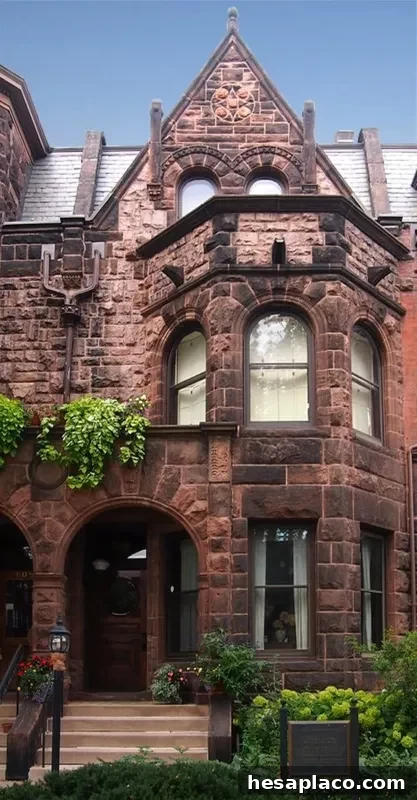
McGhiever / Wikipedia
House: The F. Scott Fitzgerald House
Location: Saint Paul
F. Scott Fitzgerald lived and wrote in this brownstone Victorian while producing early stories and his first novel, This Side of Paradise. The house, known as Summit Terrace, remains a point of literary interest in Saint Paul.
Mississippi
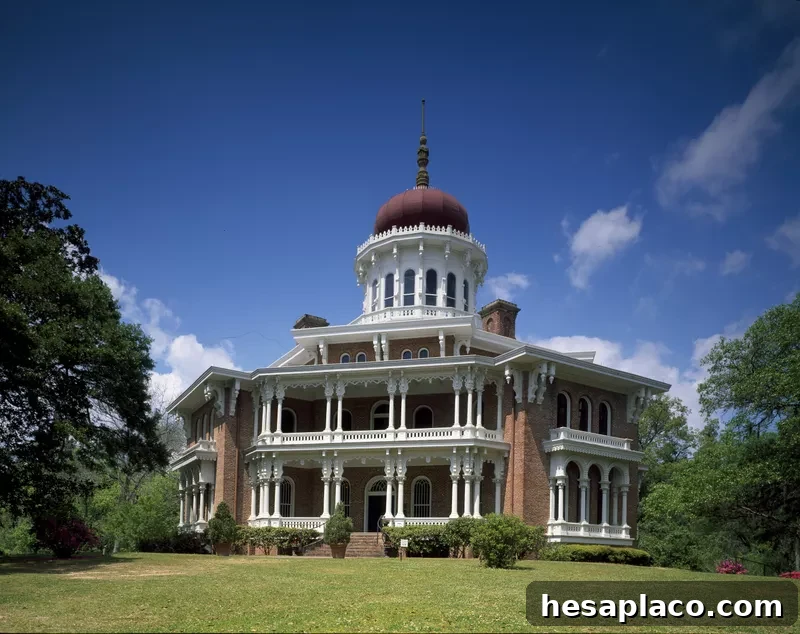
Carol M. Highsmith / Wikipedia
House: Longwood
Location: Natchez
Longwood is the nation’s largest octagonal house. Intended to rise six stories and total roughly 30,000 square feet, construction stopped in 1861 when the Civil War began. The unfinished structure remains preserved as a unique snapshot of a halted moment in American history.
Missouri
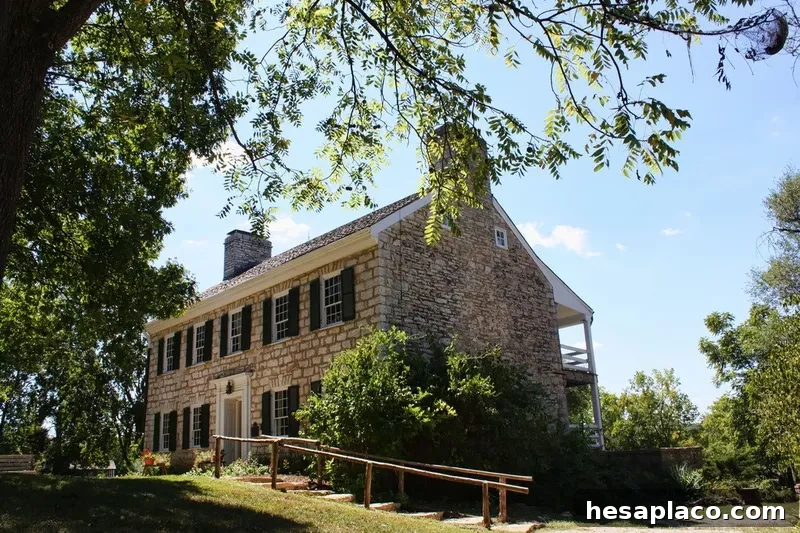
The Historic Daniel Boone Home / Facebook
House: The Daniel Boone House
Location: Defiance
Settled by Daniel Boone and his family in 1799, this Georgian home was built with local limestone and black walnut. Boone spent his final years here and died in the house in 1820. It now serves as a museum highlighting frontier life and Boone’s role in American expansion.
Montana
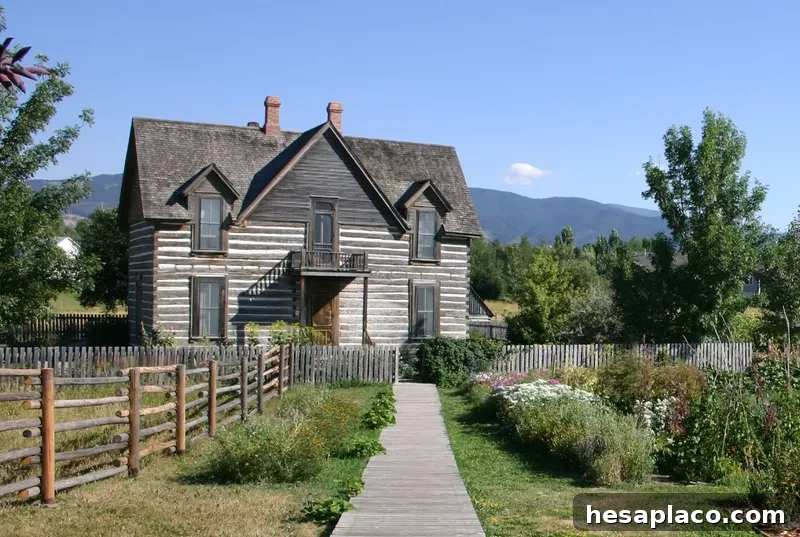
Jllm06 / Wikipedia
House: The Tinsley House
Location: Bozeman
Built in 1889, the Tinsley House represents Montana’s homesteading era. Moved to the Museum of the Rockies in 1986, the two-story log cabin educates thousands of annual visitors about early settler life in the newly formed state.
Nebraska
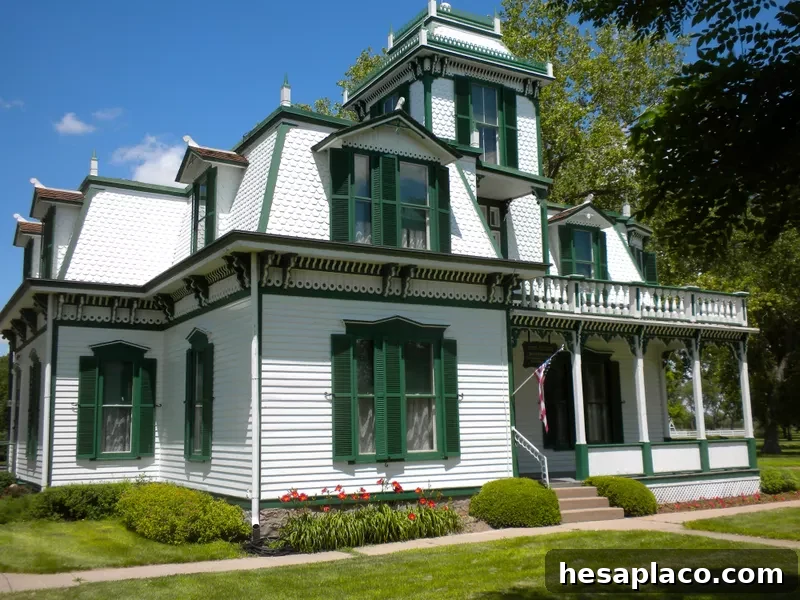
Smallbones / Wikipedia
House: Buffalo Bill Ranch
Location: North Platte
William “Buffalo Bill” Cody purchased this ranch in 1886 after rising to fame with his Wild West shows. The property is now a state park and preserves the legacy of one of the Old West’s most famous personalities.
Nevada
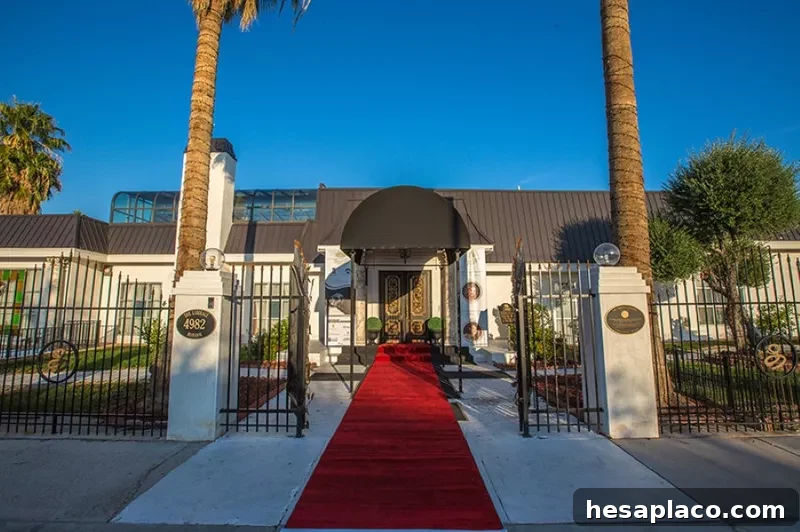
Liberace Mansion
House: Liberace’s Mansion
Location: Las Vegas
Famed showman Liberace’s 14,393-square-foot Las Vegas mansion is a study in theatrical excess: mirrored walls, lavish marble, and ornate details including a custom tub framed by Corinthian columns and a ceiling mural. Restored by an admirer in the 2010s, the home is a colorful piece of Vegas history and appears in the film Behind the Candelabra.
New Hampshire
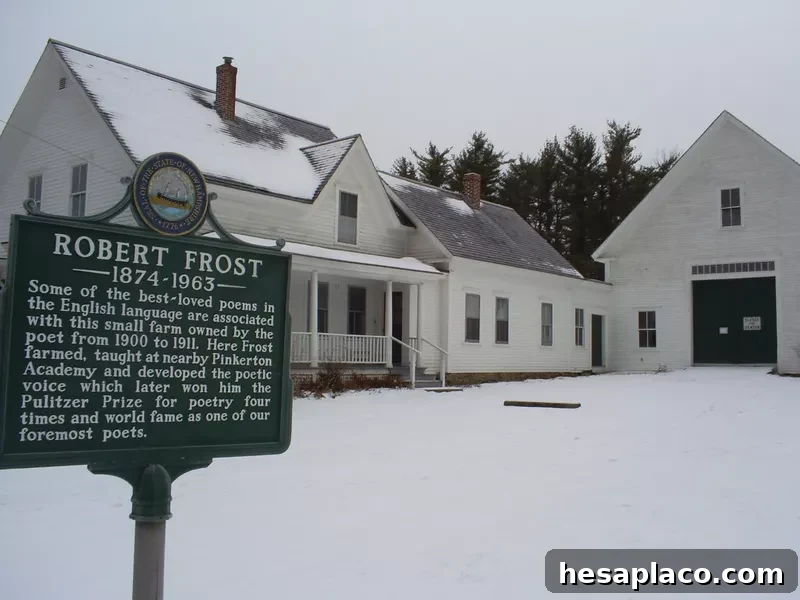
Craig Michaud / Wikipedia
House: The Robert Frost Farm
Location: Derry
Robert Frost lived in this white clapboard farmhouse from 1900 to 1911. It was here that he farmed, taught, and wrote poems that later appeared in collections like A Boy’s Will and North of Boston. The farm is open for tours that explore Frost’s early life and work.
New Jersey
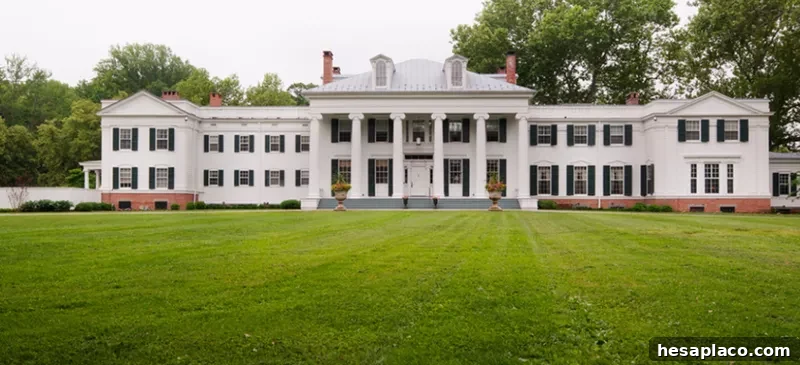
The Drumthwacket Foundation / Google Maps
House: Drumthwacket
Location: Princeton
Set on land once owned by William Penn and later associated with the Battle of Princeton, Drumthwacket has passed through notable owners and now serves as New Jersey’s governor’s mansion. The estate’s name—meaning “wooded hill”—reflects its serene, historic setting.
New Mexico
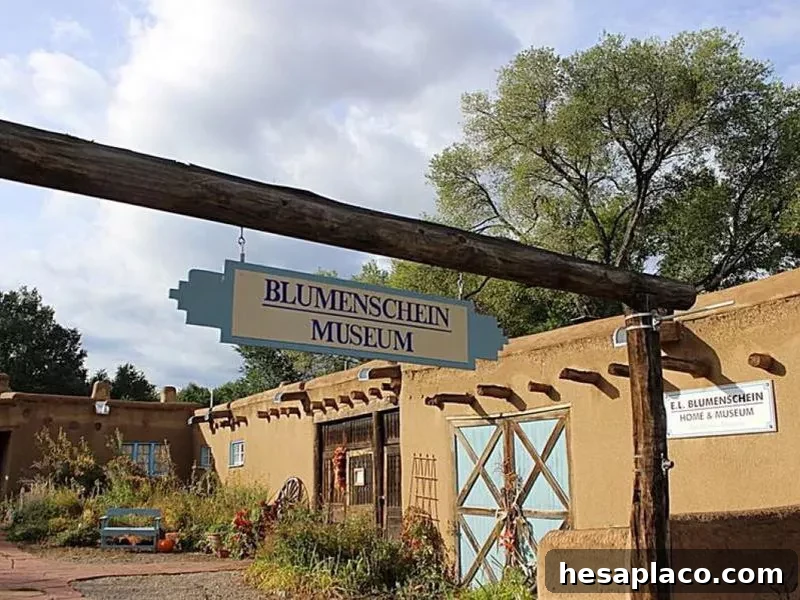
Blumenschein Museum / Facebook
House: Ernest Blumenschein House
Location: Taos
Artist Ernest Blumenschein helped found the Taos art colony and co-founded the Taos Society of Artists. His Taos home is preserved as a museum furnished to reflect the period when he lived and worked there, celebrating the region’s artistic heritage.
New York
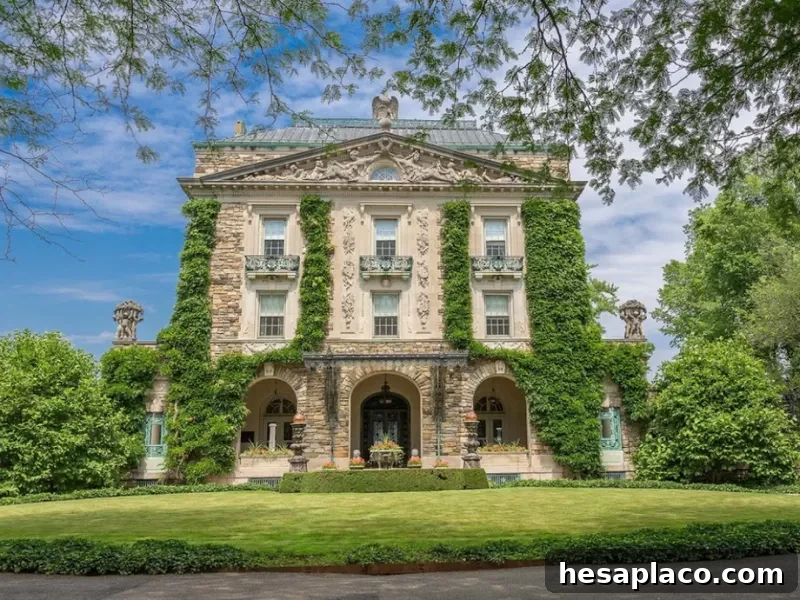
Rockefeller Estate / Google Maps
House: The Rockefeller Estate (Kykuit)
Location: Sleepy Hollow
Kykuit, the Rockefeller family estate, is a 36,000-square-foot stone mansion perched above Sleepy Hollow. The estate housed extensive art collections and features landscaped gardens, terraces, pools, and sculptures. It remains a notable example of early 20th-century wealth and taste.
North Carolina
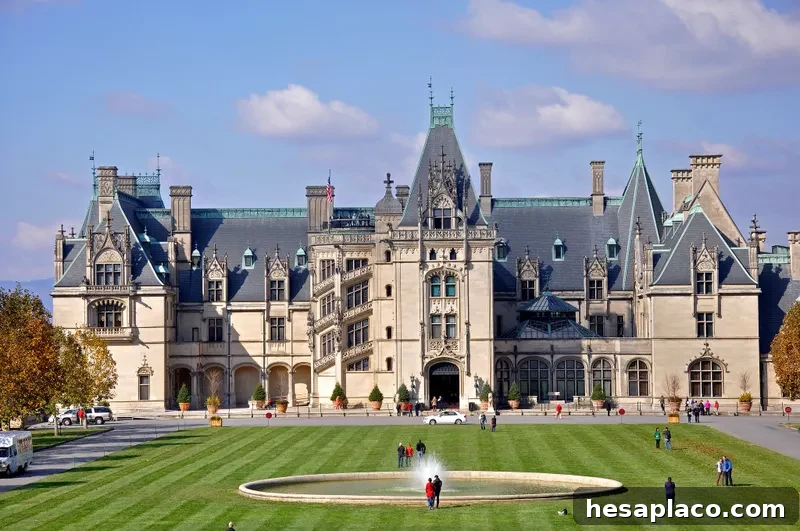
Jennifer Boyer / Flickr
House: Biltmore
Location: Asheville
Built for George Washington Vanderbilt II and designed by Richard Morris Hunt, the Biltmore House is the largest private home in the U.S., exceeding 175,000 square feet. The French Renaissance–style chateau sits on thousands of acres and remains a premier example of the Gilded Age estate.
North Dakota
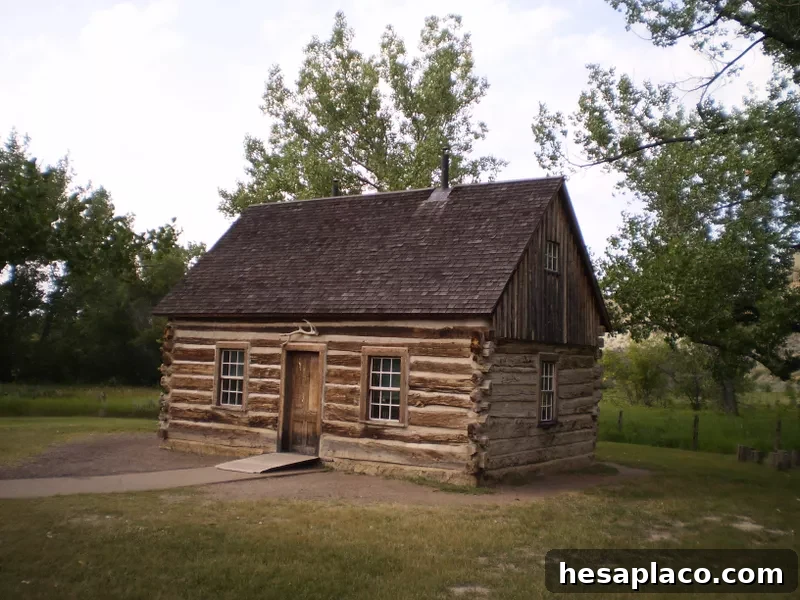
Podruznik / Wikipedia
House: Maltese Cross Cabin
Location: Theodore Roosevelt National Park
Theodore Roosevelt built this cabin while ranching in the Dakota Territory in 1883. His experiences in the West deeply influenced his conservation and political career. The cabin toured the country during his presidency and was ultimately placed in the national park bearing his name.
Ohio
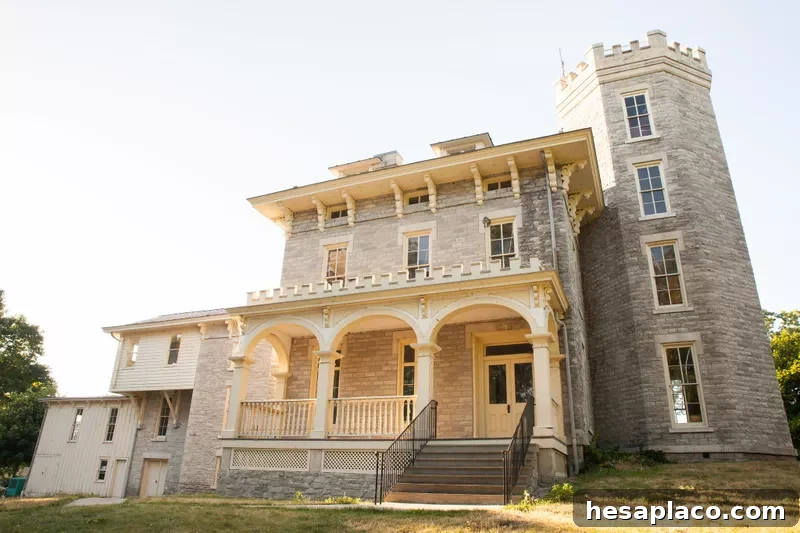
Ohio Sea Grant
House: The Cooke Castle
Location: Gibraltar Island
Built by financier Jay Cooke, this castle on Gibraltar Island reflects the Gilded Age taste of a prominent banker whose financial collapse helped trigger the Panic of 1873. The property is owned by Ohio State University; visitors can tour the grounds though the interior remains closed.
Oklahoma
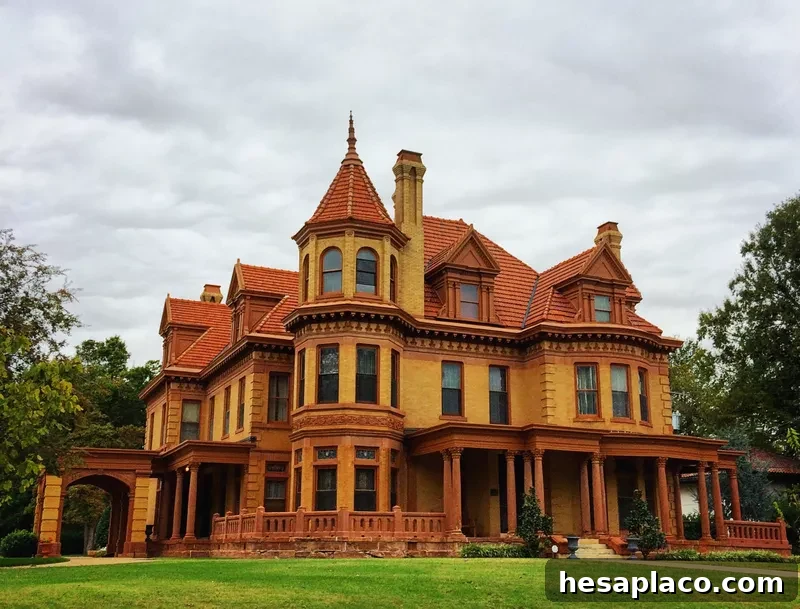
Urbanative / Wikipedia
House: Henry Overholser Mansion
Location: Oklahoma City
Built in 1904 by real estate developer Henry Overholser, this French château–inspired, three-story mansion showcases stained glass, hand-painted ceilings, and ornate detailing across 11,700 square feet. It stands as an early symbol of Oklahoma City’s development.
Oregon
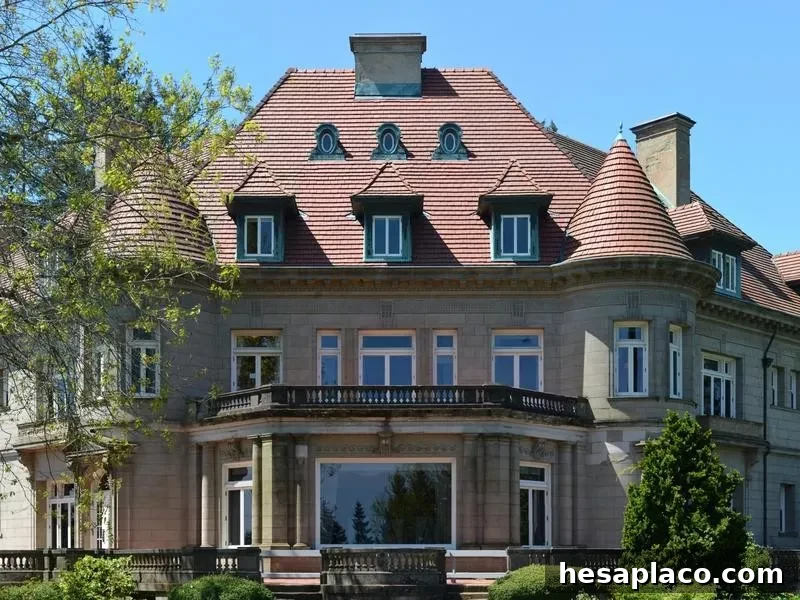
Chrismiceli / Wikipedia
House: Pittock Mansion
Location: Portland
Newspaper publisher Henry Pittock built this 46-room mansion in 1914 with sweeping views of Portland. The home remains one of Oregon’s most recognizable historic properties and is open to the public as a museum and event space.
Pennsylvania
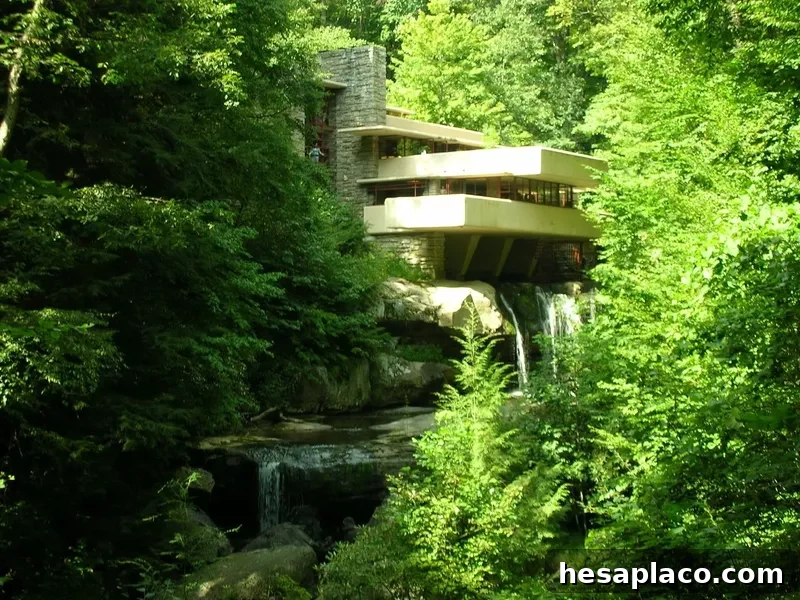
Hannah Rosen / Flickr
House: Fallingwater
Location: Mill Run
Frank Lloyd Wright’s Fallingwater is an architectural masterpiece cantilevered over a waterfall. Completed in 1937, it remains one of the most celebrated homes in architectural history and is a UNESCO World Heritage Site open for tours most of the year.
Rhode Island
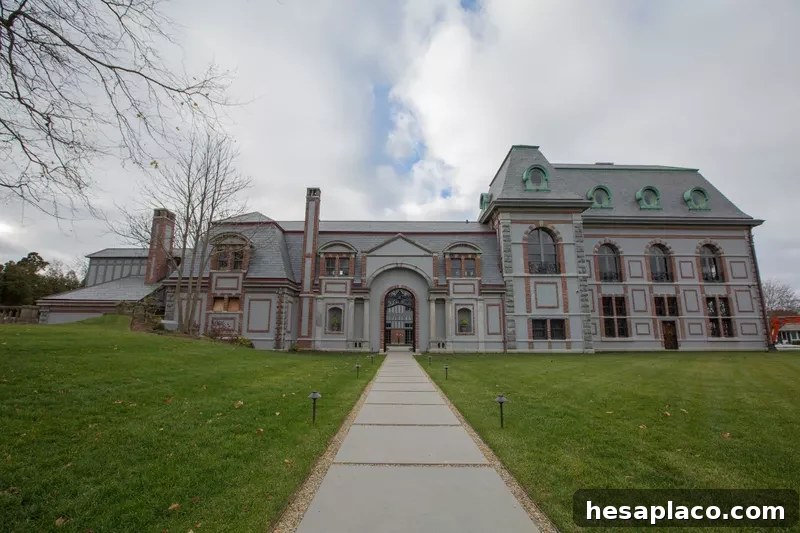
Belcourt of Newport / Facebook
House: The Belcourt of Newport
Location: Newport
Oliver Belmont built this 56,000-square-foot Gilded Age mansion initially as a showplace for horses and entertainments. Later conversions made it a lavish residence. After restoration, it remains a prominent Newport landmark reflecting the era’s grandeur.
South Carolina
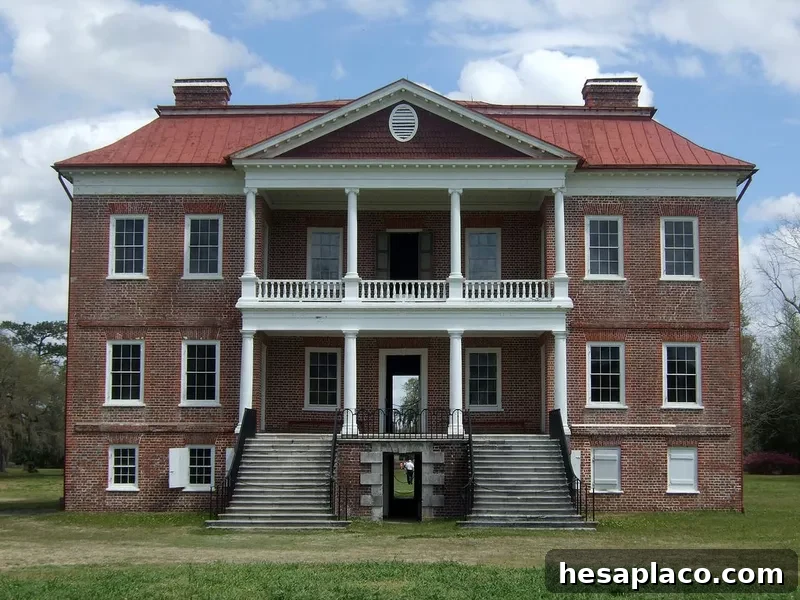
Goingstuckey / Wikipedia
House: Drayton Hall
Location: Charleston
Built between 1738 and 1742, Drayton Hall is one of America’s oldest plantation houses and a leading example of Georgian Palladian architecture. The house survived both the Revolutionary and Civil Wars and remains a well-preserved historic site built largely by enslaved labor.
South Dakota
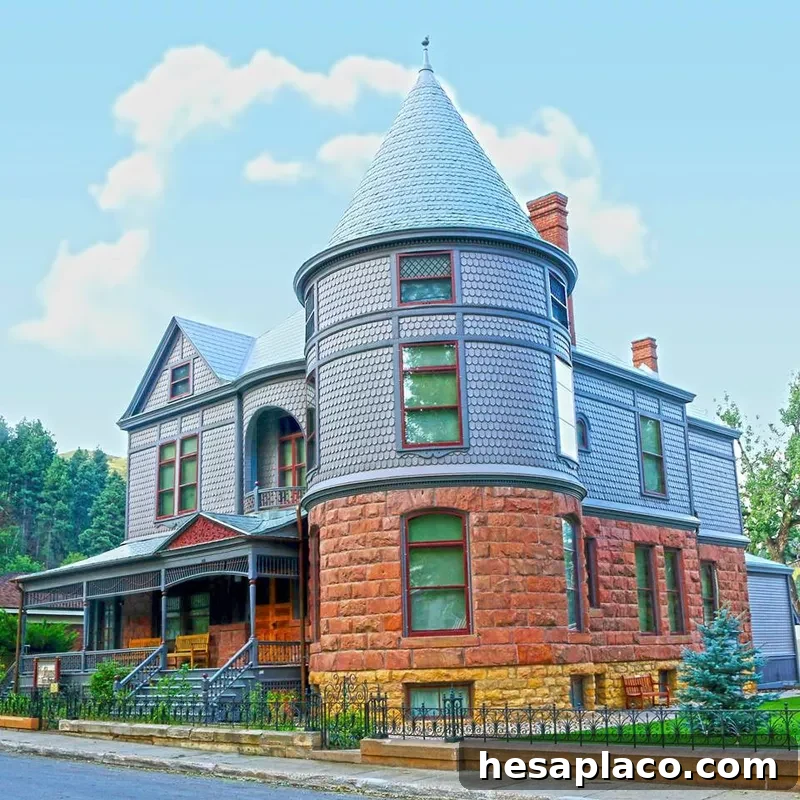
Adams Museum / Facebook
House: Adams House
Location: Deadwood
Built in 1892 by locals who prospered during Deadwood’s boom years, the Adams House featured modern comforts for its time—electricity, hot water, and central heating. It later became the mayor’s residence and today operates as a museum showcasing the town’s gold-rush history.
Tennessee
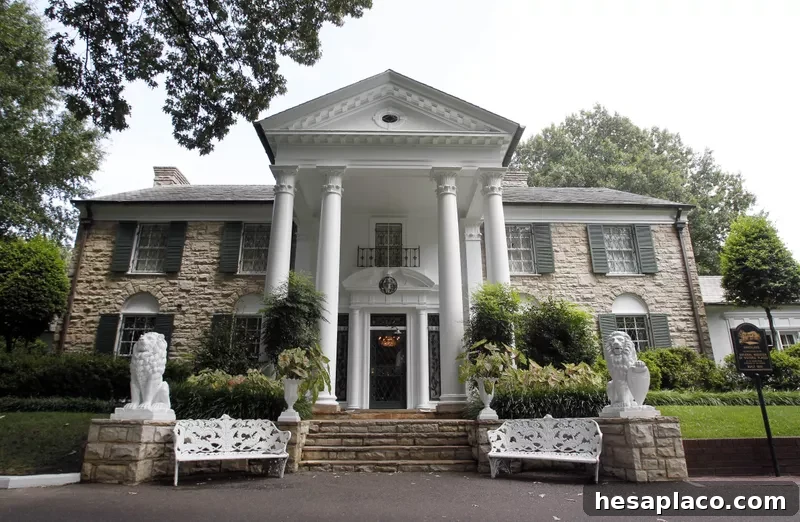
Mark Humphrey / AP
House: Graceland
Location: Memphis
Purchased by Elvis Presley in 1957, Graceland became the King’s iconic home. The 17,552-square-foot colonial revival mansion welcomes hundreds of thousands of fans each year who tour the house, gardens, and memorabilia—a centerpiece of American pop culture.
Texas
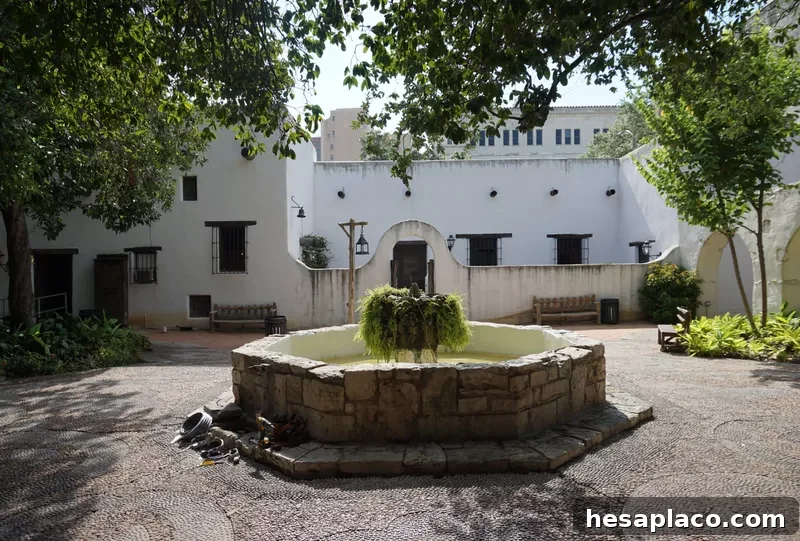
Michael Barera
House: Spanish Governor’s Palace
Location: San Antonio
Completed around 1749, the Spanish Governor’s Palace is the best-preserved example of an 18th-century Spanish colonial townhouse in Texas. The U-shaped, single-story building served as a residence for military and civilian leaders and is now open for public tours and events.
Utah
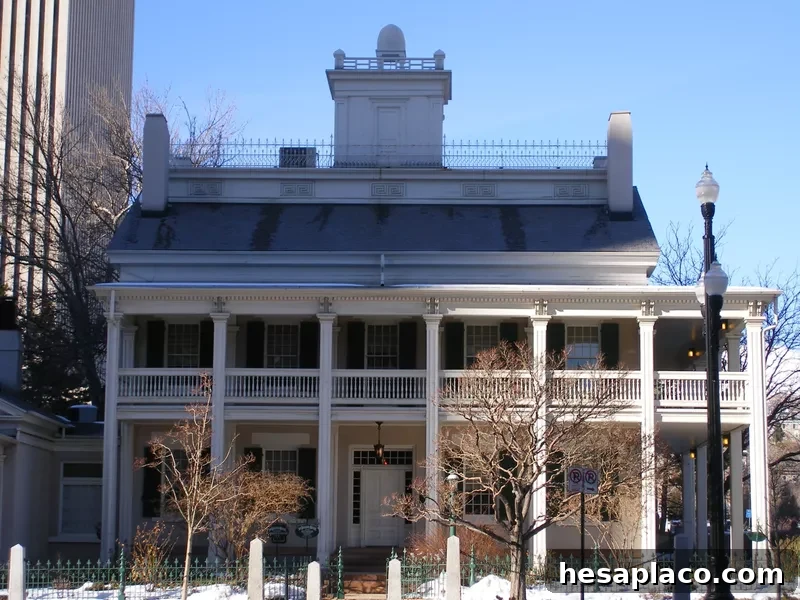
Derek P. Moore / Wikipedia
House: The Beehive House
Location: Salt Lake City
Named for the beehive ornament on its roof, the Beehive House was Brigham Young’s residence and reflects early Utah Mormon leadership. Restored and operating as a museum, it offers insight into the region’s 19th-century religious and civic history.
Vermont
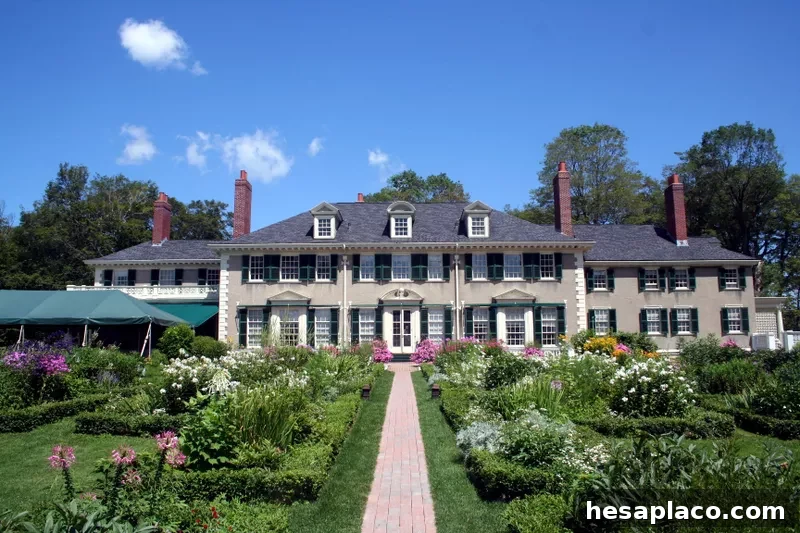
Rolf Müller / Wikipedia
House: Hildene
Location: Manchester
Hildene was built by Robert Todd Lincoln, Abraham Lincoln’s eldest son, as a summer estate around the turn of the 20th century. The Georgian Revival mansion and its surrounding farmland—including a working goat dairy, gardens, and orchards—are open to visitors.
Virginia
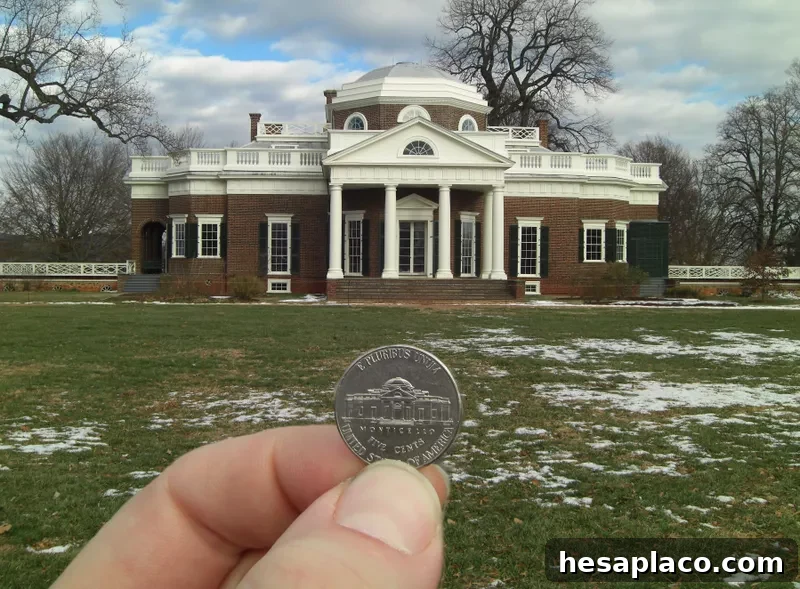
Ward.Stolk / Wikipedia
House: Monticello
Location: Charlottesville
Thomas Jefferson’s neoclassical Monticello is one of America’s most iconic homes, featured on the U.S. nickel. The plantation also forces reflection on Jefferson’s complex legacy, including the enslaved people who maintained the estate and the descendants of Sally Hemings.
Washington
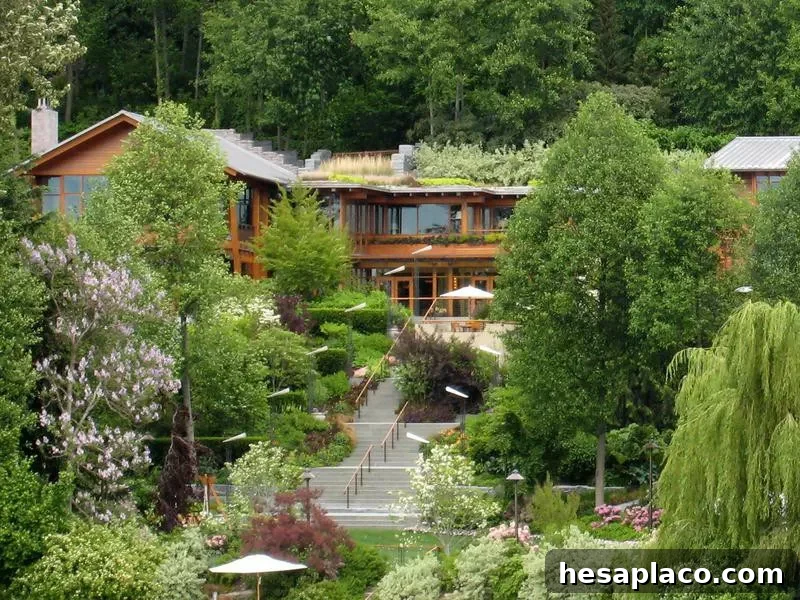
jeffwilcox / Wikipedia
House: Bill Gates’ House (Xanadu 2.0)
Location: Medina
Completed in 1997 and nicknamed Xanadu 2.0, this contemporary, high-tech estate reflects the influence of its owner, Microsoft cofounder Bill Gates. The sprawling home spans tens of thousands of square feet and showcases advanced design and technology for the late 20th century.
West Virginia
WVhybrid / Wikipedia
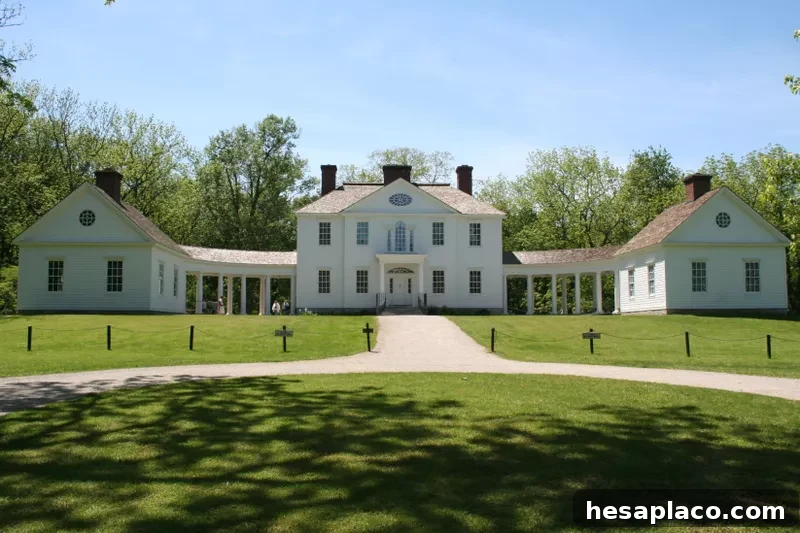
House: Blennerhassett Mansion
Location: Blennerhassett Island State Park
Originally settled in 1789, the Blennerhassett estate became entangled in Aaron Burr’s ill-fated western plans. After the original mansion burned in 1811, a reconstructed U-shaped house was completed in 1973. The site is open as a state park and museum.
Wisconsin
Sailko / Wikipedia
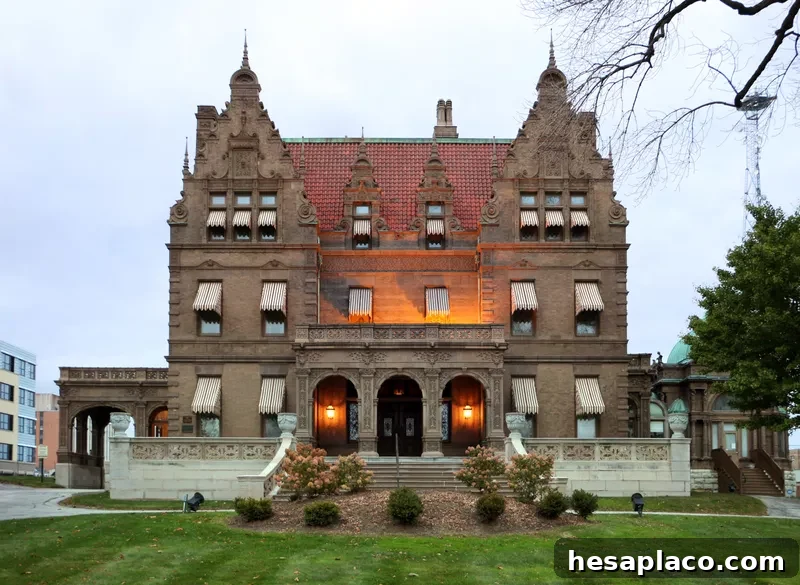
House: Pabst Mansion
Location: Milwaukee
Built by the founder of the Pabst Brewing Company, this ornate brick-and-terracotta mansion showcases the taste and prosperity of Milwaukee’s brewing magnates. After changing owners several times, the mansion is preserved as a historic site.
Wyoming
Matt Howry / Wikipedia
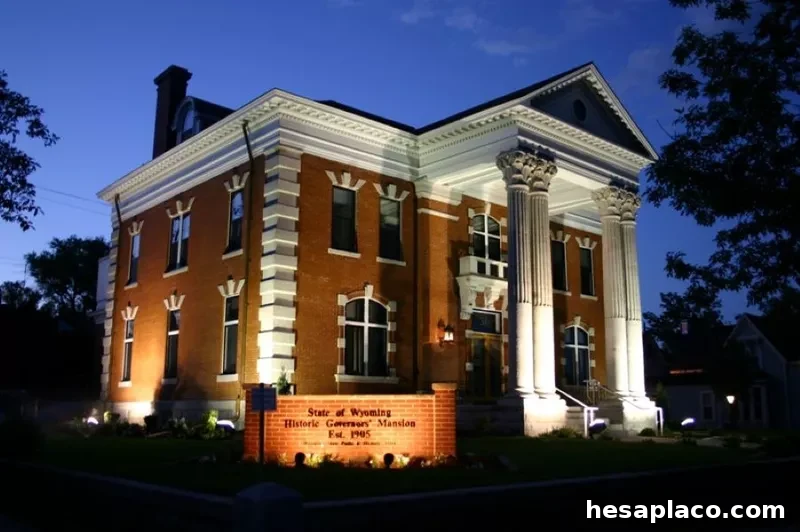
House: Historic Governor’s Mansion
Location: Cheyenne
Completed in 1904, Wyoming’s Historic Governor’s Mansion served as the state’s gubernatorial residence for decades and was home to the nation’s first female governor, Nellie Tayloe Ross (1925–1927). The house now operates as a historic site showcasing early 20th-century state leadership and domestic life.