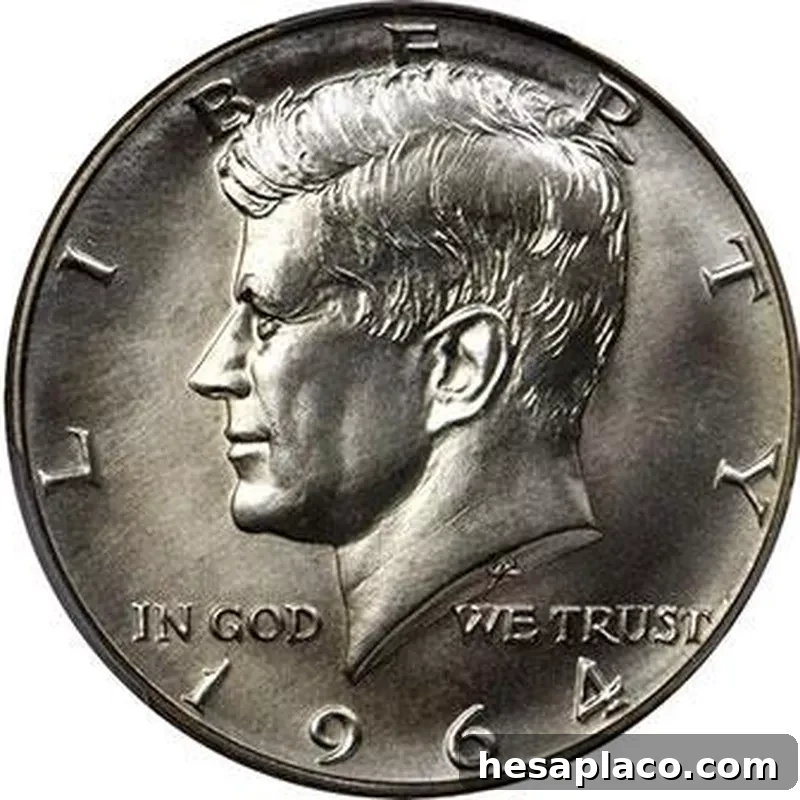
The Kennedy half-dollar, a commemorative coin issued by the United States, is a recognizable piece of modern American numismatic history. While many examples remain common in everyday circulation and are worth face value, certain varieties and well-preserved specimens command significantly higher prices from collectors.
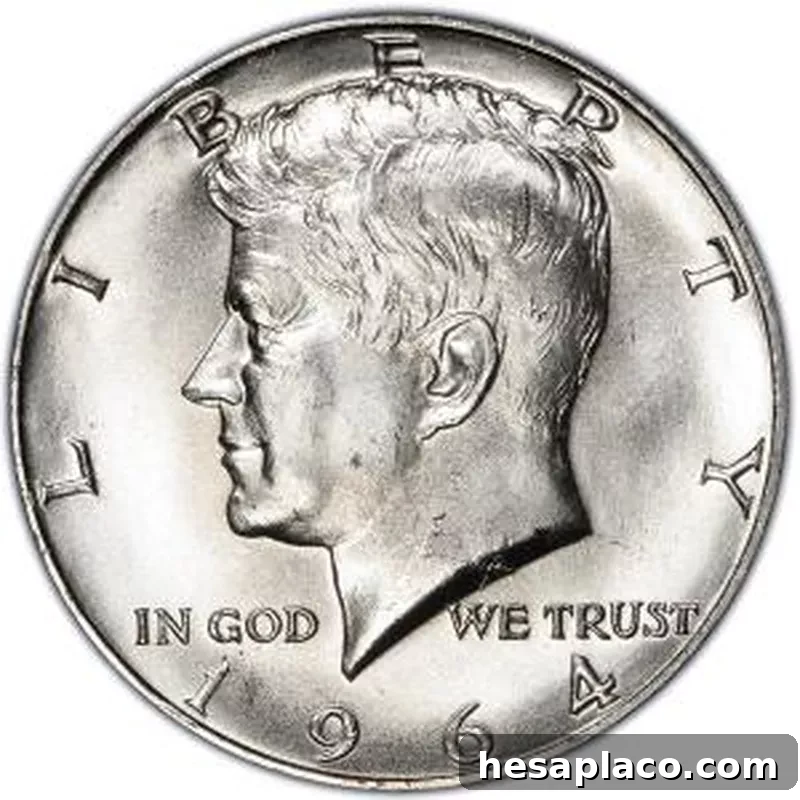
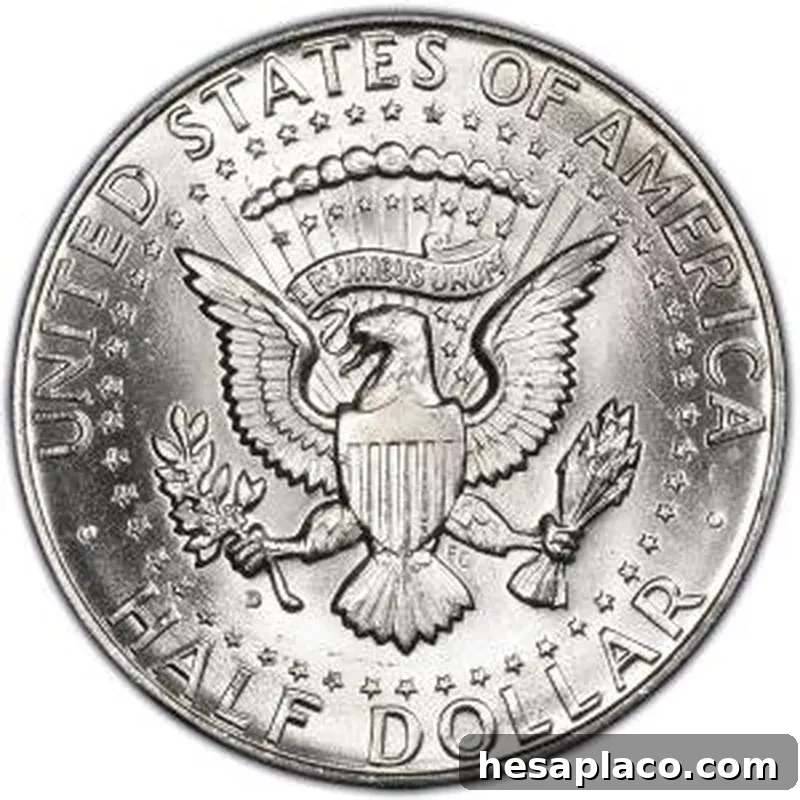
Introduced in 1964 to honor President John F. Kennedy after his assassination, the coin’s obverse displays a left-facing portrait of Kennedy and the reverse shows the presidential seal. Although regular minting tapered off after the early 2000s, Kennedy half-dollars still circulate and remain a popular target for collectors and metal enthusiasts.
What Is a Kennedy Half-Dollar Worth?
PCGS
Are Kennedy Half-Dollars Valuable?
Most Kennedy half-dollars are not rare and typically circulate at their face value of 50 cents. However, certain dates, mint marks, and high-grade specimens carry premiums. For example, an uncirculated 1970 issue can trade for several dollars to around $8 depending on condition. Scarcer varieties or exceptional strikes can reach much higher prices.
What Makes a Kennedy Half-Dollar Valuable?
Value depends on factors such as year of issue, mint mark, metal composition, strike quality, and overall condition (grade). Some examples from specific years or with specific mint marks, particularly high-grade or proof strikes, are more desirable to collectors and therefore worth more than face value.
Collectible vs. Face Value
Although every Kennedy half-dollar has a face value of fifty cents, collectible worth can be far greater. Most coins remain inexpensive, but notable rarities and premium-condition pieces can fetch significant sums. As an example of how high prices can climb for exceptional coins, there have been dramatically priced sales of rare Kennedy half-dollar varieties in specialized auctions.
Are Kennedy Half-Dollars Still Minted?
Regular production of circulating Kennedy half-dollars slowed and effectively ended in the early 2000s, though special or collector issues have been produced in later years. Coins issued for circulation, however, remain commonly encountered in pocket change.
Melt Value
Melt value depends on the coin’s metal content and current precious metal prices. Early Kennedy half-dollars (1964) contained 90% silver, giving them intrinsic metal value beyond face. Later issues contain less or no silver and therefore have lower melt value. Collectible premiums often exceed simple melt calculation.
How Do You Identify a Kennedy Half-Dollar?
PCGS
Mint Mark Location
The mint mark, a small letter denoting the mint facility that produced the coin, helps identify origin and sometimes value. Typical mint marks include “P” for Philadelphia and “D” for Denver. The mint mark location varies by year and issue type; examine the area near the obverse or reverse appropriate to the date for the tiny letter.
Weight and Composition
Early Kennedy half-dollars (1964) were struck in 90% silver and weigh about 11.34 grams. From 1965–1970, composition shifted to reduced silver content in some issues, and by the 1970s most circulating half-dollars were copper-nickel clad. Knowing composition by year is essential when estimating melt value.
How to Check for Silver
To test whether a Kennedy half-dollar contains silver, examine the date and known composition tables: 1964 issues are 90% silver. A basic non-destructive check includes a magnet test (silver is not magnetic; however, a non-magnetic result does not guarantee silver) and visual inspection for edge and color consistent with silver. For certainty, have the coin assessed by a professional or use a precise specific-gravity or XRF test.
Values by Year and Notable Dates
USA Coin Book
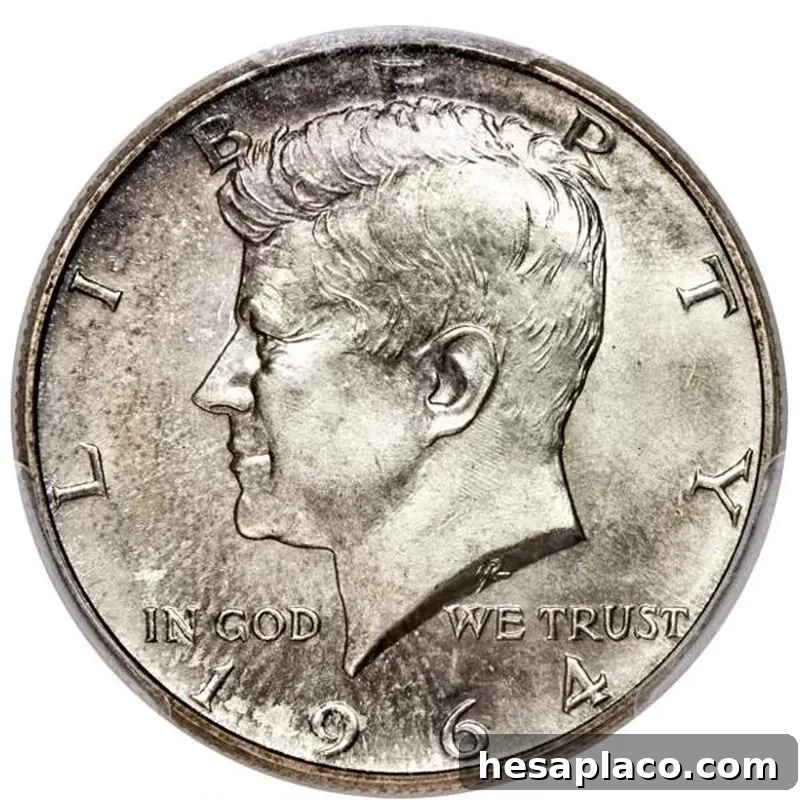
1964 Kennedy Half-Dollar
The 1964 Kennedy half-dollar was the first year of issue and is notable for its 90% silver content. Many 1964 examples remain common; however, high-grade or special struck pieces are more valuable than common circulated specimens.
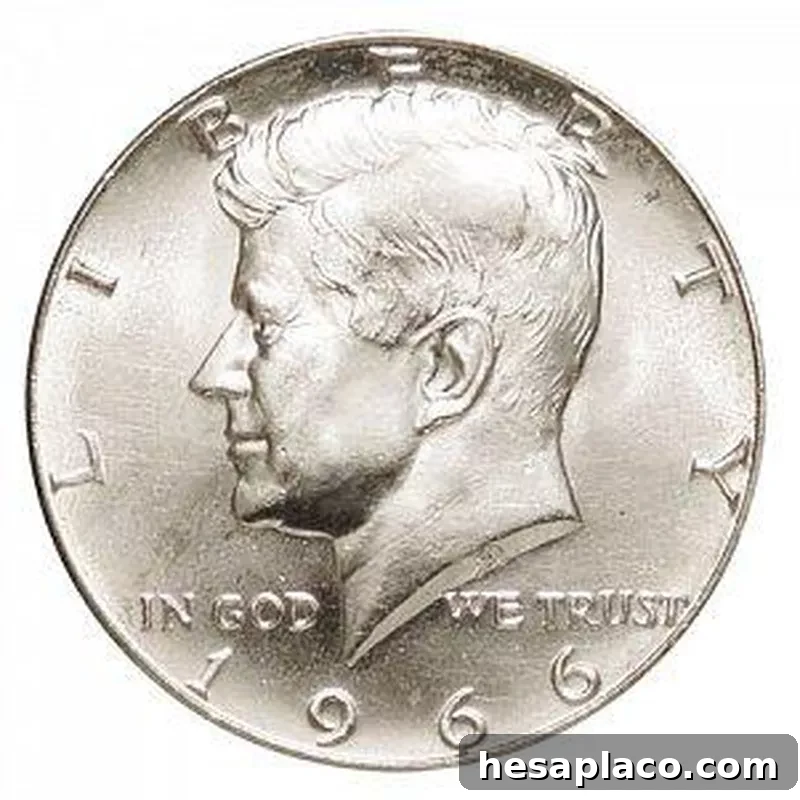
1966 Kennedy Half-Dollar
By 1966, composition had changed compared with 1964. A typical circulated 1966 half-dollar may only be worth a modest premium over face, while uncirculated examples can be worth significantly more. Collector value varies with condition and market demand.
1970 and Later Dates
Some 1970-dated pieces and those with certain mint marks are more sought after. From the early 1970s onward, most circulating Kennedy half-dollars are copper-nickel clad and generally trade near face value unless in exceptional condition or a rare minting error.
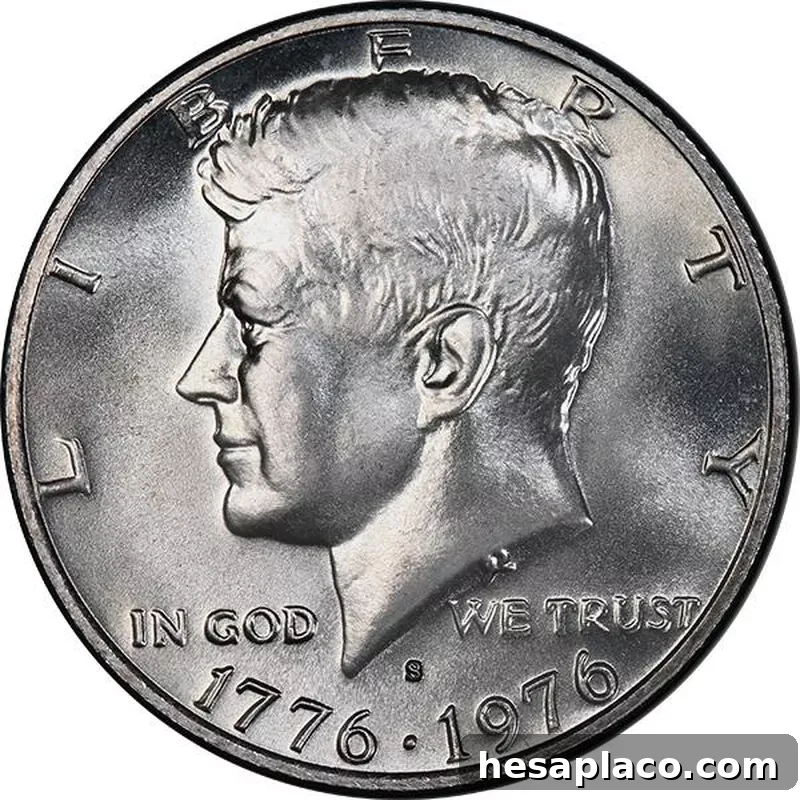
Bicentennial Kennedy Half-Dollars (1976)
CoinWeek
The 1976 Bicentennial half-dollars were struck to commemorate the United States’ 200th anniversary. Some bicentennial pieces—particularly certain uncirculated or proof sets and those with unusual errors such as missing dates—carry collector premiums. Most standard bicentennial circulation coins remain inexpensive, but error varieties and pristine examples can be worth more.
Collecting Kennedy Half-Dollars
CoinWeek
Why Collect Them?
Kennedy half-dollars make an attractive collection focus because they are widely available, cover many varieties and compositions over a relatively short historical span, and include interesting error and proof issues. Collectors value them for historical significance as well as the variety of dates, mint marks, and finishes available.
Care and Storage
Proper care preserves collectible value: store coins in a stable, low-humidity environment away from heat and direct sunlight. Avoid touching coin surfaces with bare hands; handle by the edges or use gloves. Do not attempt to polish or clean collectible coins, as that can damage surfaces and reduce value. If you suspect a coin has substantial value, consult a trusted professional for grading and authentication.
Where to Buy or Sell
Kennedy half-dollars are available from coin dealers, coin shops, and reputable auction platforms. When buying or selling higher-value pieces, rely on certified graders, documented provenance, and reputable marketplaces to ensure fair pricing and secure transactions.
Other Notable Silver Coins
Stack’s Bowers
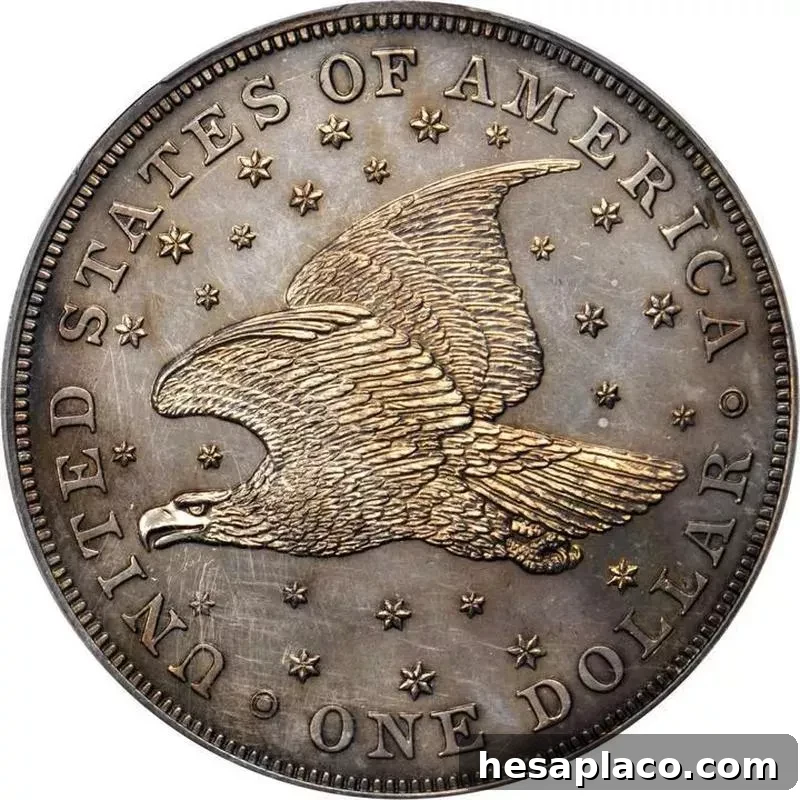
While the Kennedy half-dollar is a popular and accessible collectible, many other historic silver coins hold substantial value. Rare early silver dollars and classic issues can reach high auction prices, reflecting rarity, historical importance, and condition. Collectors often balance interest in modern commemoratives like the Kennedy half-dollar with older silver issues when building diverse collections.