You just inherited a beautiful ring. The question is: is it a real diamond? Today’s simulants and synthetic diamonds can look very convincing, and there’s an important distinction between lab-grown diamonds and natural diamonds. Knowing whether you own genuine diamond jewelry affects both its value and how you care for it. Diamonds remain among the most prized and expensive gemstones; here’s a clear, practical guide to help you identify what you have.
How to Tell Whether a Diamond Is Real
RHJ / Getty Images
Appearance: visual clues a real diamond often shows
Inspect the stone closely in good light. Several visual signs can point toward a genuine diamond or a simulant:
- Cloudiness or visible bubbles: Air bubbles inside a stone generally indicate glass or resin—not a real diamond. Natural diamonds may contain inclusions, but bubbles are characteristic of man‑made paste.
- Excessive rainbow flashes: Real diamonds produce strong white sparkle (brilliance) and sharp flashes of color (fire), but they don’t usually appear overly rainbow-hued. If a stone throws vivid, disco-like rainbow flashes, it could be cubic zirconia (CZ) or moissanite.
- Unnaturally perfect clarity: Flawless stones are uncommon among natural diamonds; a completely flawless gem might be lab-grown or a high-quality simulant.
- Fog test: Exhale on the stone. A real diamond disperses heat quickly, so any fog should vanish within a second or two. Lingering fog suggests a fake.
- Hardness demonstration: Diamonds are very hard and can scratch glass, but attempting to scratch items can damage the mounting or the stone and isn’t a recommended first step.
You don’t need to rely on appearance alone. There are reliable tools and professional tests that provide more conclusive results.
Using tools to test a diamond
Diamond testers and refractometers are common tools used by jewelers and pawnshops to distinguish real diamonds from simulants.
- Diamond tester: Affordable, handheld testers measure thermal or electrical conductivity. Genuine diamonds conduct heat and, depending on the tester type, will trigger a positive indicator (often green light and a beep). Simulants typically do not conduct heat the same way and register differently.
- Refractometer: This instrument measures refractive index and dispersion—the optical properties that create a stone’s “fire.” A refractometer requires more skill and is more specialized; with a real diamond you may notice optical double images in certain setups that differ from simulants.
How to test a diamond using simple steps
- For a diamond tester: power the unit and gently touch the probe to the stone. Observe the indicator lights and sounds following the manufacturer’s instructions.
- For a refractometer: hold the stone securely and view through the eyepiece while shining a steady light on the facet. Look for refractive behavior consistent with known diamond values; a trained operator can interpret these results accurately.
What the setting and metal can reveal
The way a stone is set and the type of metal used often give clues about authenticity:
- Bezel and pavé settings require precise cutting and secure fitting; these settings are more commonly used with genuine diamonds. Tiny, closely set stones in pavé work tend to be natural or lab-grown diamonds rather than low-cost simulants.
- Claw (prong) settings are easier to use with various stones, including simulants, because the prongs conceal edges. A prong setting alone doesn’t prove a stone is fake, but it’s not a strong indicator of authenticity.
- Examine the metal stamp: high-quality diamonds are usually set in precious metals—14k or 18k gold, platinum, or marked silver. A low-quality metal or lack of hallmarks can be a warning sign.
Provenance and documentation
If you’re buying from a reputable jeweler, ask for documentation about the stone’s origin and any treatments. Provenance explains where the diamond came from and whether it has been treated or enhanced. Sellers should disclose known treatments (for example, irradiation or clarification) that affect appearance and value. A lack of origin information is a potential red flag—not only about authenticity but also about ethical sourcing.
Lab-grown versus natural diamonds
Lab-grown diamonds are chemically, physically, and optically the same as natural diamonds; the difference is the origin. Many lab-grown stones are inscribed on the girdle with a microscopic marking identifying them as lab-created. A jeweler with a loupe or microscope can usually verify an inscription. If you need to know whether a diamond is lab-grown, request certification from an accredited lab or have a professional evaluation.
Conflict-free considerations
If ethical sourcing matters to you, ask for documentation such as the Kimberley Process certificate or other responsible sourcing assurances. The Kimberley Process aims to prevent the trade of conflict diamonds by tracking them from mine to market. Responsible sourcing labels from reputable trade organizations indicate compliance with ethical and legal standards.
How a jeweler verifies a diamond
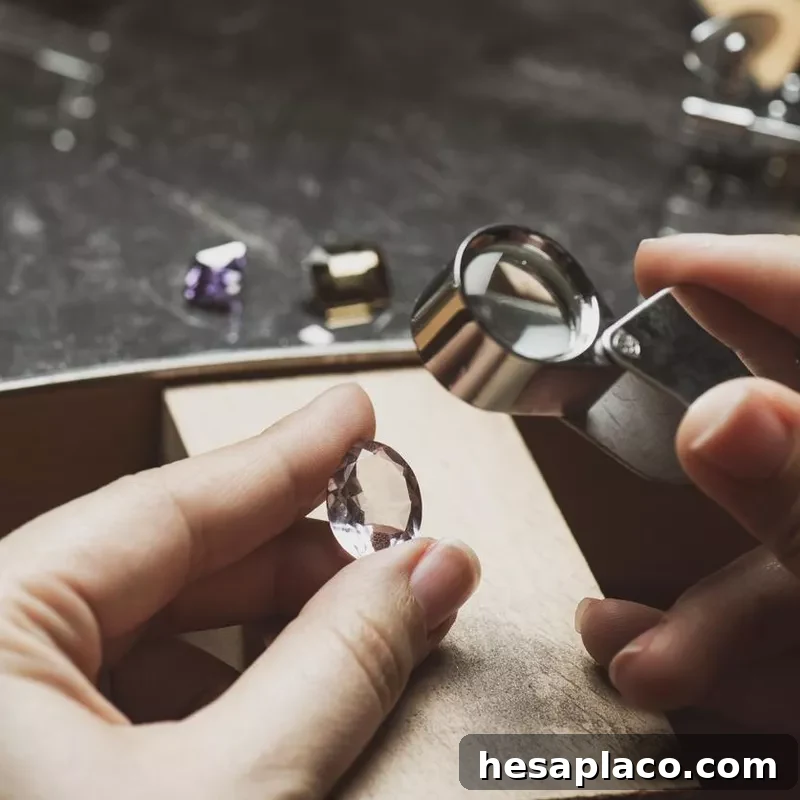
A professional jeweler uses a 10× loupe and trained observation to assess clarity, cut, and other identifying features. They also evaluate weight and proportions and compare optical properties to known diamond standards. Jewelers can detect certain treatments, inclusions, and cutting styles that distinguish natural stones from lab-grown or fake gems. If accuracy is critical, a jeweler can arrange gemological testing and certification from an independent laboratory.
Types of Fake Diamonds
Oat_Phawat / Getty Images
Several common simulants imitate diamonds at various price points and quality levels:
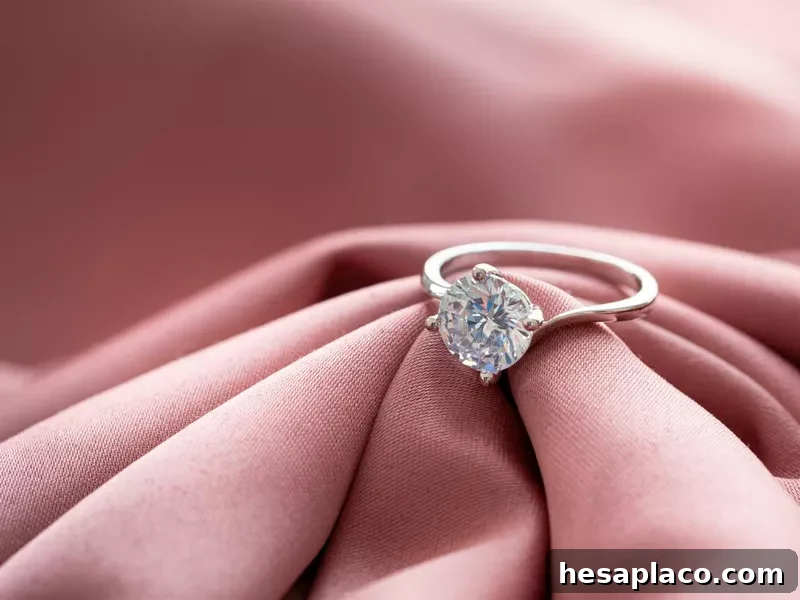
- Cubic zirconia (CZ): A crystalline form of zirconium dioxide, CZ is inexpensive and often used in fashion jewelry. CZ tends to be flashier with broader rainbow flashes and, under magnification, flat facet edges and different wear patterns than diamond.
- Moissanite: Silicon carbide that closely mimics diamond sparkle and is harder than most simulants. Moissanite displays more colorful fire and can sometimes be mistaken for diamond without specialized testing; it is often used as a diamond alternative even in higher-end settings.
- Glass and paste: These are the least costly fakes and are easy to spot by their weak refraction and different surface wear. Glass stones often show bubbles and do not return the optical performance of a diamond.
Why Diamonds Are Expensive
studiocasper / Getty Images
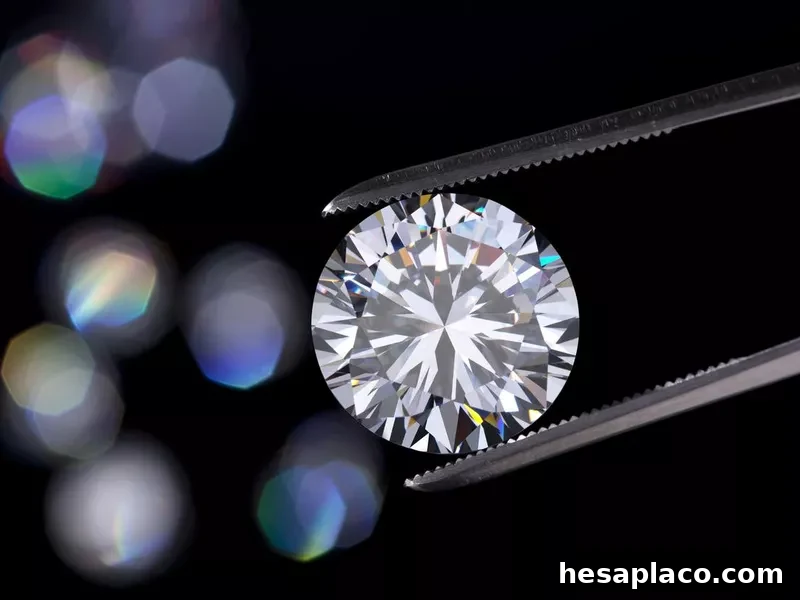
Diamonds command high prices for several reasons: rarity of high-quality stones, the cost and labor of mining and cutting, established market demand, and branding and supply management within the industry. Natural, untreated diamonds that combine size, color, clarity, and excellent cut are scarce, which drives their market value. Lab-grown diamonds are typically less expensive because production methods can scale; however, they are still genuine diamonds with many of the same properties.
When you inherit a ring or consider a purchase, use these visual checks and consider a professional assessment for a definitive answer. Proper testing and documentation will clarify whether a stone is natural, lab-grown, or a simulant, and help you care for and value the piece appropriately.