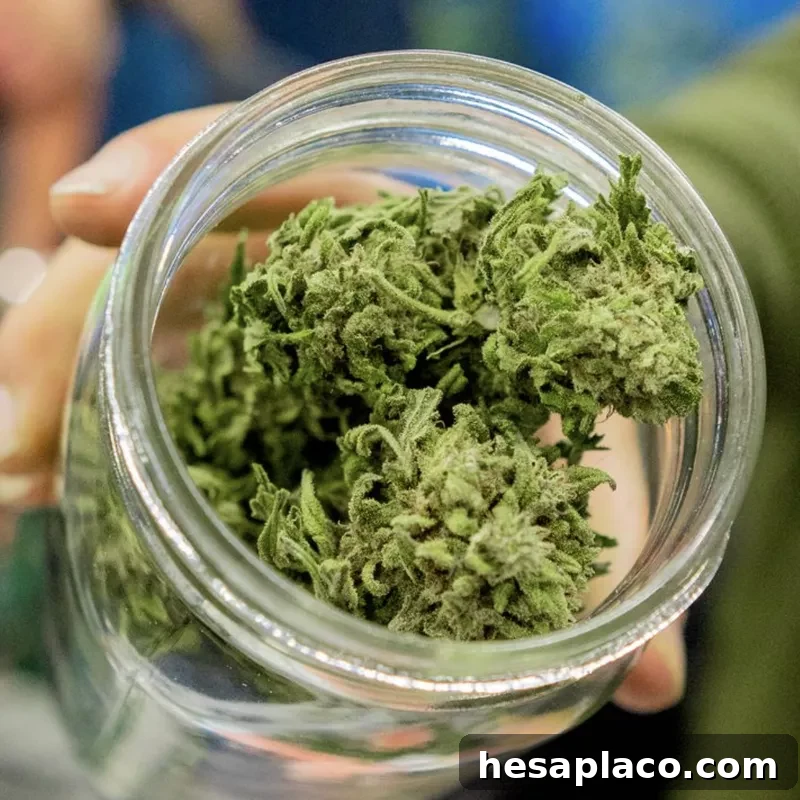
In the heart of California’s Emerald Triangle, the Emerald Cup has become one of the most recognized celebrations of cannabis culture, cultivation, education and community. What began as a small local competition has grown into a major annual event that brings together farmers, brands, judges, advocates, consumers and industry leaders.
For nearly two decades, the Emerald Cup has highlighted the craftsmanship behind cannabis cultivation while also promoting sustainability, responsible production and consumer education. The event honors the heritage of California cannabis while reflecting the rapid evolution of the legal cannabis industry.
Work + Money spoke with Emerald Cup founder Tim Blake about the event’s origins, its role in the cannabis community, the rise of new product categories and what the future may hold for one of the industry’s most influential competitions.
This Competition Is Unlike Any Other in the World
konnects / Emerald Cup
Work + Money: What is the history of the Emerald Cup, and why is it significant within the cannabis industry?
Tim Blake: The Emerald Cup started in 2004 as a friendly contest for personal-use flowers within the local community. I grew up on the West Coast, and when I was young, I loved going to county fairs. I enjoyed seeing the animal contests, food competitions and the sense of local pride. We wanted to create something similar for cannabis: a celebration that also included a meaningful competition.
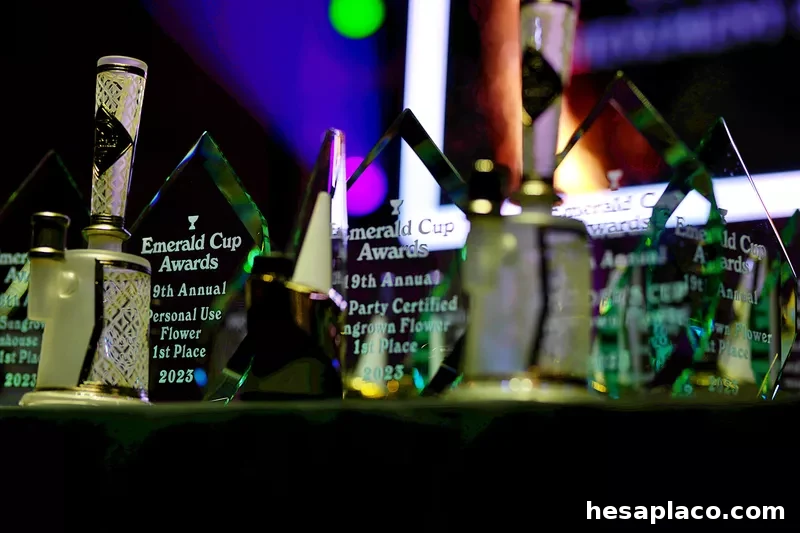
That simple contest has grown into 48 categories with 100 judges from eight countries. Today, the Emerald Cup receives hundreds of entries and has become a serious competition for cannabis brands. Winning matters. We are unlike any other cannabis competition in the world.
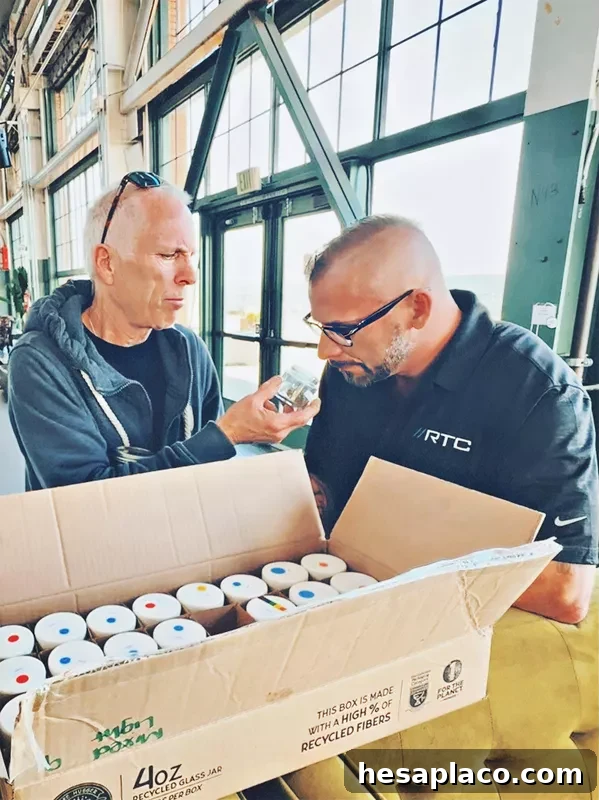
One major difference is the judging process. We do not judge everything in a single day. Our judging takes about two months. Judges meet over several weeks, review the entries carefully and take products home for further evaluation. This gives them time to form thoughtful conclusions and helps ensure the right winners are recognized. We also promote and market the winning brands.
For many years, the competition focused mainly on sungrown cannabis. We have since expanded to include mixed-light flower, indoor flower, solventless concentrates, solvent-based extracts and a best-in-show category that compares the top sungrown, mixed-light and indoor entries.
Edibles Have Become Big Business

konnects / Emerald Cup
Work + Money: The event also includes a large edible category.
Tim Blake: Edibles have become a major part of the industry. The category now includes sweet edibles, savory products, gummies, health-conscious items, beverages and beverage enhancers. There are so many different areas of creativity and product development within edibles, and each one deserves recognition.
People put a tremendous amount of time, care and skill into creating these products. We want to honor that work and showcase the variety within the cannabis edible market.
It’s Fascinating to See the Evolution Every Year

Emerald Cup
Work + Money: What major milestones or changes have shaped the Emerald Cup over the years? Is it still focused only on Northern California?
Tim Blake: We are now a statewide competition. We have drop-off locations across California, and our judges come from throughout the state. For about the last 10 years, we have not focused only on Northern California. We have opened the competition to the entire state.
We also accept hemp entries from around the country, so we are moving toward becoming a national contest, and eventually we hope to become a worldwide competition.
In the early years, we did not allow concentrates or seeds to be sold because the legal risks were still severe. Over time, genetics were introduced, then concentrates, and later CBD came into the competition around the sixth or seventh year.
About 10 or 11 years ago, we brought SC Labs into the event for testing. At first, many people did not understand why a lab was at the show. They assumed testing was only about THC levels. They did not yet realize how important lab testing would become for safety, transparency and consumer trust. Today, SC Labs handles testing for the competition.
The first year we judged concentrates, there was a 75 percent failure rate because concentrating cannabinoids also concentrates pesticides. That was a major wake-up call. The following year, the failure rate dropped to about 5 percent. Through education and testing, farmers quickly understood that chemical contamination would no longer be accepted. We are very proud of that progress.
Pre-rolls have also changed dramatically. They once had a reputation as products made from shake or leftovers. Over the last several years, pre-rolls have become a leading category in the Cup, with about 90 entries.
We have also seen solvent-based concentrates decline as more high-quality cannabis becomes available. Consumers are increasingly interested in live resin and live rosin products. Natural, organic processes are becoming more desirable, and brands are moving away from inexpensive distillate and CO2 cartridge products in favor of higher-quality live resin and live rosin cartridges. Watching these changes year after year is fascinating.
All About Education

konnects / Emerald Cup
Work + Money: What criteria do judges consider when evaluating a product?
Tim Blake: We began with a simple 50-point scoring system. Judges scored products from one to 10 on smell, taste and appearance, and effect received a double score. Effect has always carried significant weight, but all of those qualities matter.
With legalization, packaging and branding also became part of the evaluation. Sustainability is now considered as well. We do not want winners decided by packaging alone, but packaging does matter because we encourage brands to use clear, high-quality and sustainable materials.
Different categories have specific qualifications, but the foundation of judging remains the same. Over time, we realized that judging every flower against every other flower did not make sense. It would be like comparing merlot directly to cabernet or chardonnay in a wine competition.
Alec Dixon from SC Labs encouraged me to classify entries by terpene profiles. That allowed similar products to compete against each other. An OG could be judged against another OG rather than against a Blue Dream or a sativa-dominant flower.
We created our own classification system based on terpene profiles. Each profile can have a first-place winner, and then we bring the results together for the top overall rankings.
This is also about educating consumers. Many people walk into dispensaries looking for the highest THC at the lowest price. We try to explain that cannabis is more complex than that. You would not start drinking alcohol with 151-proof rum. Most people begin with beer or wine and then learn what works for them.
Very high THC can make some consumers anxious or paranoid. Many people benefit more from a balanced cannabinoid profile. The highest THC flower has never won the Emerald Cup. Our judges are sophisticated. They look for balance, unique effects and overall quality.
Education is essential. Some people may need a flower that helps them sleep, while others may prefer something more uplifting. Understanding what works for each person is one of the most important parts of responsible cannabis use.
Everybody Is Part of the Family and Welcome
Emerald Cup
Work + Money: Does the Emerald Cup offer networking opportunities such as workshops, panels or activities?
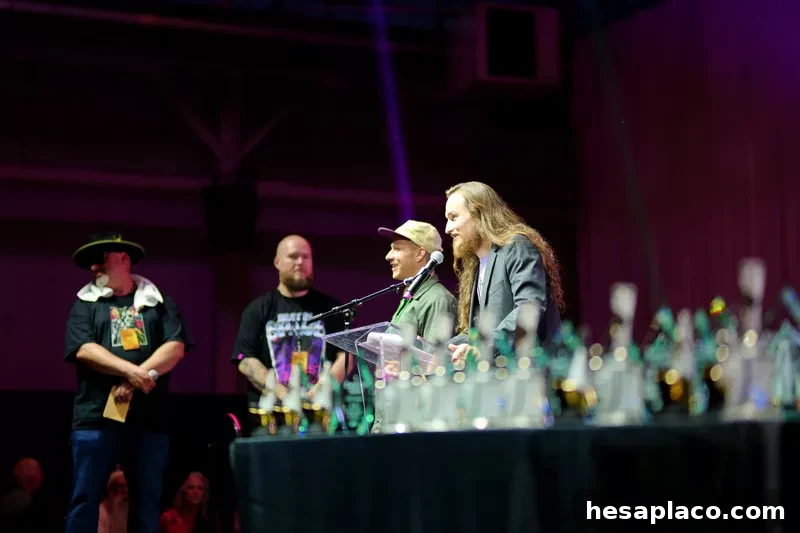
Tim Blake: The Emerald Cup is a cultural event. It brings together West Coast and California cannabis culture, including brands, farmers, longtime industry figures and consumers. People come to see each other, reconnect and build relationships.
We have speaker panels because people want to learn. Attendees can speak directly with farmers and brands in a relaxed environment. The event is also entertaining, with three stages and a lot of music.
Everyone is welcome. People are part of the family. It is a place for networking, learning, celebrating and enjoying the cannabis community.
A Community of Shared Fellowship and Passion
Emerald Cup
Work + Money: How many people attend the Emerald Cup each year?
Tim Blake: In 2017 and 2018, we had almost 40,000 people. Then COVID hit, and everything stopped.
A year ago, attendance was around 15,000, and this year it was about 12,000. Weather also affected us. We have had two difficult years with heavy rain.
Waiting for Los Angeles to Open Up to Cannabis

Emerald Cup
Work + Money: Do you plan to expand the Emerald Cup into other California regions?
Tim Blake: We were one public hearing away from moving the Emerald Cup to Long Beach and the Queen Mary. The city councils had approved us, and then COVID happened.
Our intention was to bring the Cup to Los Angeles because it is the largest cannabis market and one of the biggest media markets in the world. That is where many of our contestants and brands need to be. We did plant a flag in Los Angeles with an event at the Montalbán Theatre, where Woody Harrelson joined us as the Willie Nelson recipient.
Los Angeles, however, still has not fully opened up to cannabis events. For now, we decided it was better to return to Northern California for the Emerald Cup ceremony. We are still waiting for Los Angeles to open up more fully to cannabis.
‘I Want to See the World Get Healed’
Emerald Cup
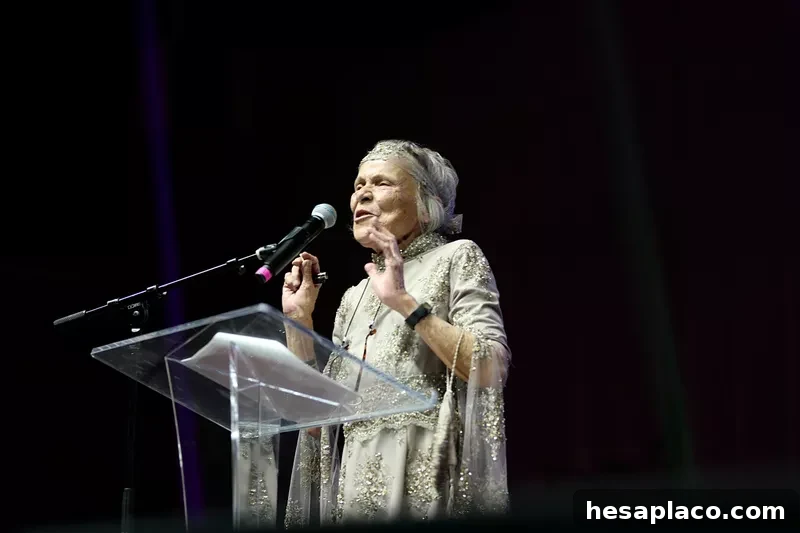
Work + Money: How have legalization and regulation changed compliance requirements for the Emerald Cup?
Tim Blake: It has been a major process to educate the Department of Cannabis Control. Before legalization, we had 400 vendors and no major problems. After legalization, we had to attend meetings across the state to make sure events were included in the regulatory framework.
When Proposition 64 became law, there was no clear structure for cannabis events. Regulators did not yet understand how important events were to the industry. We worked to show them why these gatherings matter, not only for the Emerald Cup but also for other cannabis events.
In the first regulated year, officials wanted products removed from the event site every day. The security issues were enormous. We had to build armed vaults behind booths and spend a significant amount of money to prove we could protect products while operating the event safely.
Two years ago, the DCC took a very strict approach. Small farmers were told they could not show their flowers, and consumers were hassled in ways that created a negative experience. Since then, we have worked closely with the DCC. We gave them a speaking panel, provided a free booth and collaborated on outreach.
By the end of the event, the DCC said it had been an amazing experience. They expected conflict, but people simply wanted clarity and cooperation. In the end, it was positive for everyone. The DCC allowed small farmers to show their flowers and did not hassle consumers.
That collaboration can serve as a model for other events. I want to see the world healed and everyone in a better place. Events need equal access, and we are showing regulators what small farmers need in order to survive.
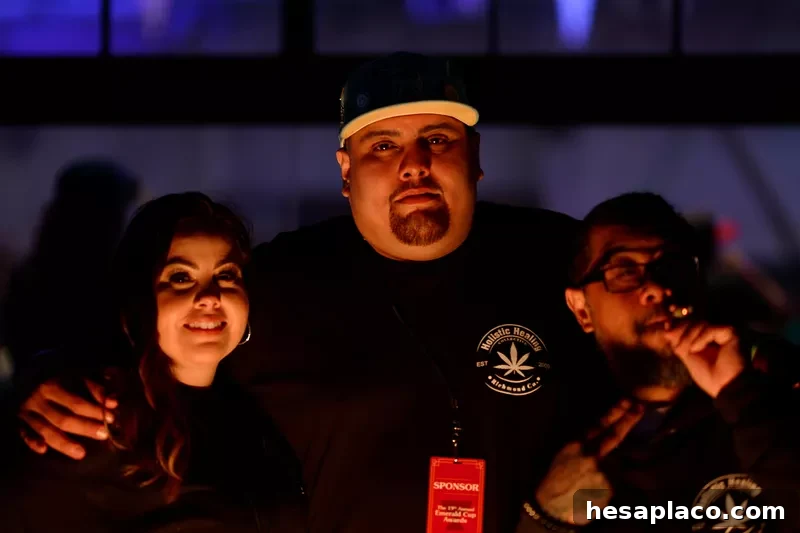
Department of Cannabis Control Experience
Emerald Cup
Work + Money: Will the DCC return for future Emerald Cup events?
Tim Blake: I have a feeling they will be with us from now on.
Good Cannabis Farmers Love What They Do

Emerald Cup
Work + Money: What advice would you give to someone who wants to compete or exhibit at the Emerald Cup?
Tim Blake: In the past, someone could grow a B- or C-grade flower, wait until summer when supply was dry, and sell it elsewhere for a high price. There was not always a strong incentive to grow truly high-quality cannabis. I have been telling people that those days are ending.
Today, success depends on growing excellent flower. If you want to be in this industry, you need to be a good farmer. It is no longer just about growing cannabis for money. If you love growing vegetables or plants, you may become a strong cannabis farmer because you are passionate about cultivation.
When you look at Emerald Cup winners, you see people who are deeply passionate. They love what they do, they are committed to quality, and they put in the work. Sometimes people notice that the same names win more than once. That happens because those growers are dedicated and passionate. Passion always rises to the top.
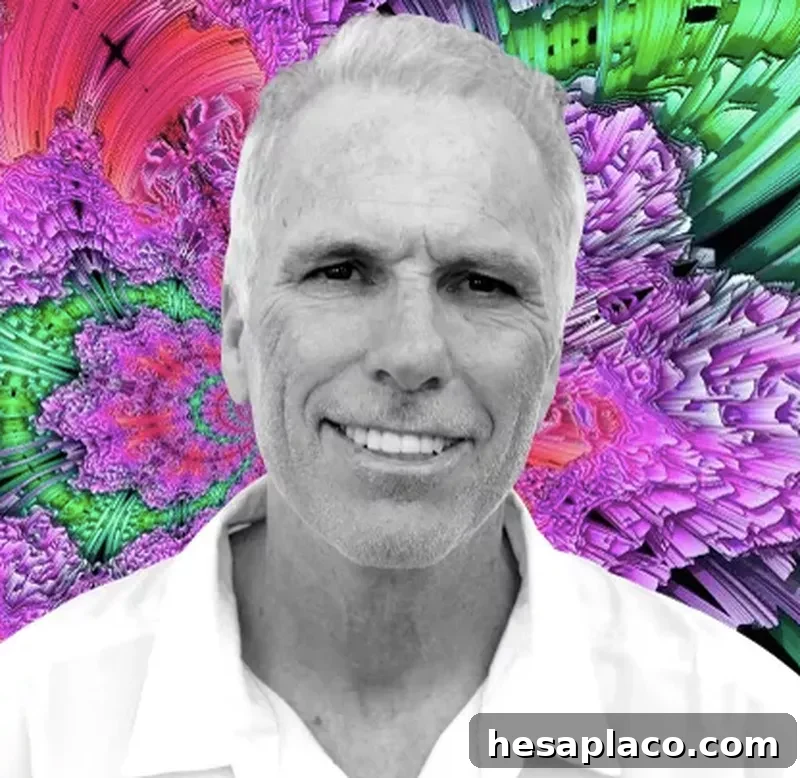
Tim Blake, Founder of the Emerald Cup
The Emerald Cup
Tim Blake founded the Emerald Cup to bring together leading voices in the cannabis industry and to educate and inspire farmers, patients and patrons. What began as a community celebration has grown into a global movement honoring consciously grown cannabis harvests and high-quality cannabis products.
The Emerald Cup will celebrate its 20th anniversary in 2024. Over the years, it has become a symbol of excellence, resilience and innovation within the cannabis industry, while continuing to champion education, sustainability and community connection.