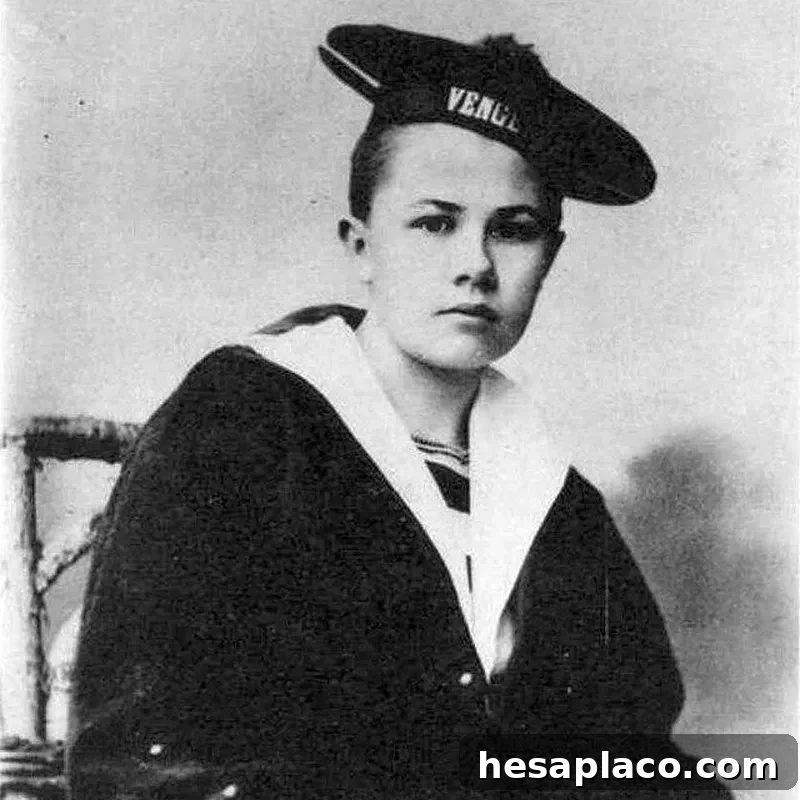
Throughout history, many women have dressed as men to survive, work, travel, fight, or challenge the restrictions placed on them by society. Some entered military service when women were barred from the battlefield. Others adopted male identities to pursue careers, gain freedom of movement, or live outside the expectations of their time. Their stories reveal courage, risk, ambition, and the heavy personal cost that often came with crossing strict gender boundaries.
Here are 10 notable women who dressed as men and are remembered today as bold figures who pushed against the limits of their eras.
Norah Vincent
Legacy.com / Wikimedia Commons
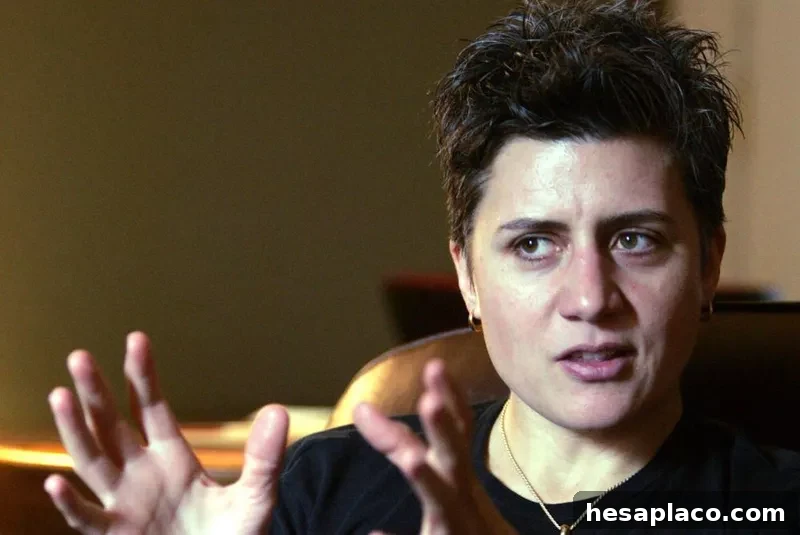
Writer Norah Vincent became widely known for her 2006 book, Self-Made Man: One Woman’s Journey Into Manhood and Back Again. For 18 months, Vincent lived as a man named Ned in order to explore how men experienced everyday life. During that time, she worked as a salesman and entered several male-dominated spaces, including a bowling league, a monastery, and a men’s awareness group.
While living as Ned, Vincent also visited strip clubs and dated women. The experience gave her insight into pressures faced by men, but it also placed a serious emotional strain on her. She later said that stepping into men’s shoes made her realize that men also suffer, though often in different ways than women.
The psychological burden of maintaining the Ned persona contributed to a deep depression. Vincent eventually admitted herself to a psychiatric facility, but she continued to struggle with mental illness. She died by assisted suicide at a clinic in Switzerland on July 6, 2022, at the age of 53.
Mary Read
Library of Congress / Wikipedia
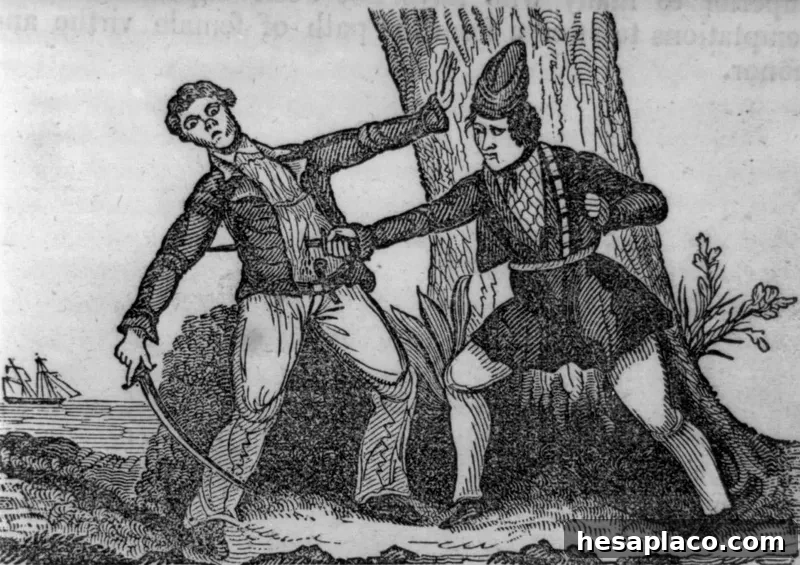
Mary Read, who lived in the late 17th and early 18th centuries, is remembered as one of history’s most famous female pirates. Long before she became known as the pirate Mark Read, her mother dressed her as her deceased brother so the family could continue receiving financial support from her grandmother.
As a teenager, Read worked as a foot-boy and later found employment on a ship. She eventually traveled to Flanders and served in the military while presenting herself as a man. There, she met another soldier. After revealing her identity to him, the two married and ran an inn together in the Netherlands. When her husband died, Read once again adopted male dress and returned to life at sea.
By the early 18th century, she had joined the pirate crew led by Calico Jack, also known as Captain Jack Rackham. In 1720, while operating in the Bahamas, Read and the rest of the crew were captured by the British navy. She was tried, convicted of piracy, and sentenced to hang. Read claimed she was pregnant, which delayed the sentence, but she died of fever before it could be carried out.
Dorothy Lawrence
Wikimedia Commons
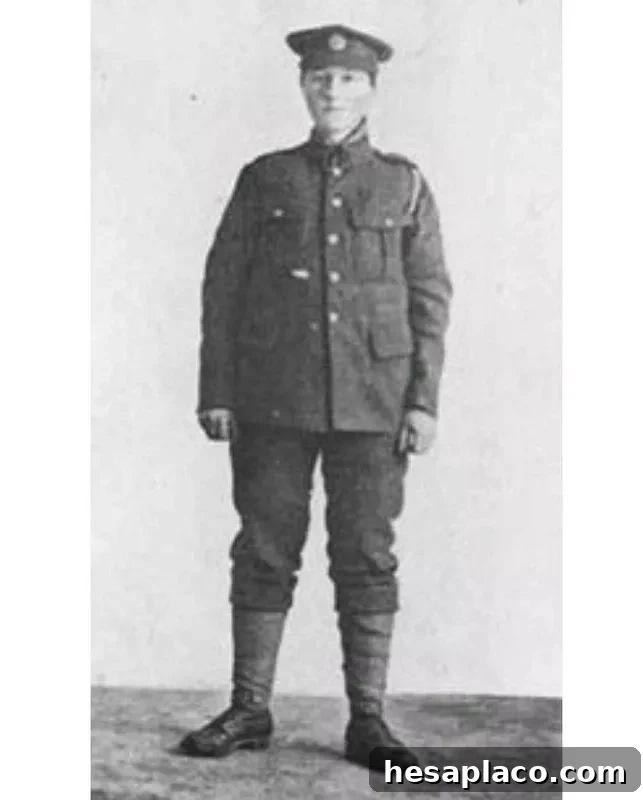
British writer Dorothy Lawrence is best known for disguising herself as a male soldier during World War I. In 1915, she left her work as a domestic servant and took on the identity of Private Denis Smith. Her goal was to reach France and report directly from the front lines.
Because women were not accepted as soldiers, Lawrence was repeatedly turned away by the British Army. Determined to witness the war for herself, she found her own way to the front. She successfully lived among British troops and wrote about their experiences, but the situation was dangerous from the beginning. She faced enemy fire, suspicion from others, and the possibility of being accused of spying.
Lawrence’s health also suffered, and she developed a lung condition while near the front. Eventually, military authorities discovered her identity and arrested her. After being sent back to England, she wrote Sapper Dorothy Lawrence: The Only English Woman Soldier, which was published in 1919 and continues to be remembered as a rare firsthand account of a woman who reached the front lines in disguise.
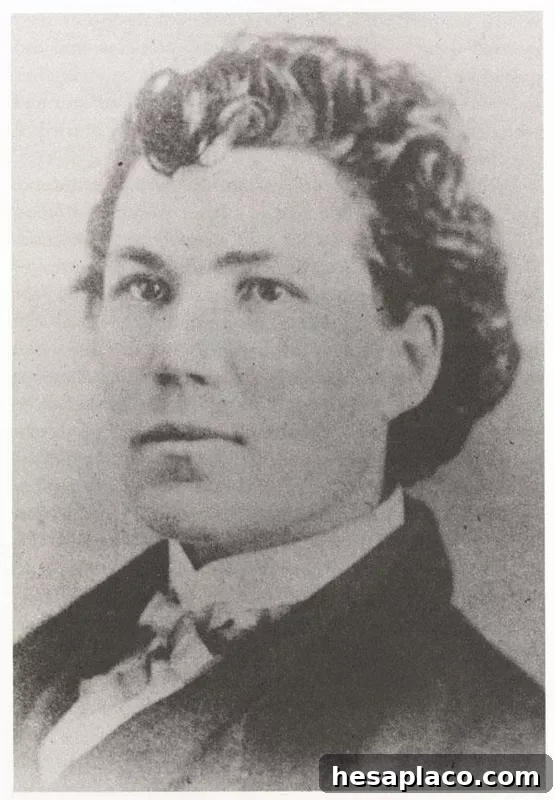
Sarah Emma Edmonds
Wikipedia
Sarah Emma Edmonds was born in Canada and became known for her service as a soldier and spy during the U.S. Civil War. At the age of 15, she ran away from home to avoid an arranged marriage and began living as Franklin Flint Thompson.
When the Civil War began, Edmonds joined the Union Army’s 2nd Michigan Infantry while presenting herself as a man. She first served as a male nurse and later worked as a field hospital orderly. Her work placed her close to the harsh realities of war, including illness, injury, and battlefield suffering.
Edmonds also served as a Union spy. She shaved her head, wore a Confederate uniform, and entered enemy territory to gather information. In 1863, she left the army because she feared her identity would be discovered.
After the war, Edmonds married, settled in Texas, and worked as a nurse. She wrote Nurse and Spy in the Union Army, which was published in 1865. In 1884, she received a military pension for her service, making her the only woman from the Civil War to be granted one. When she died in 1898, she was buried with full military honors.
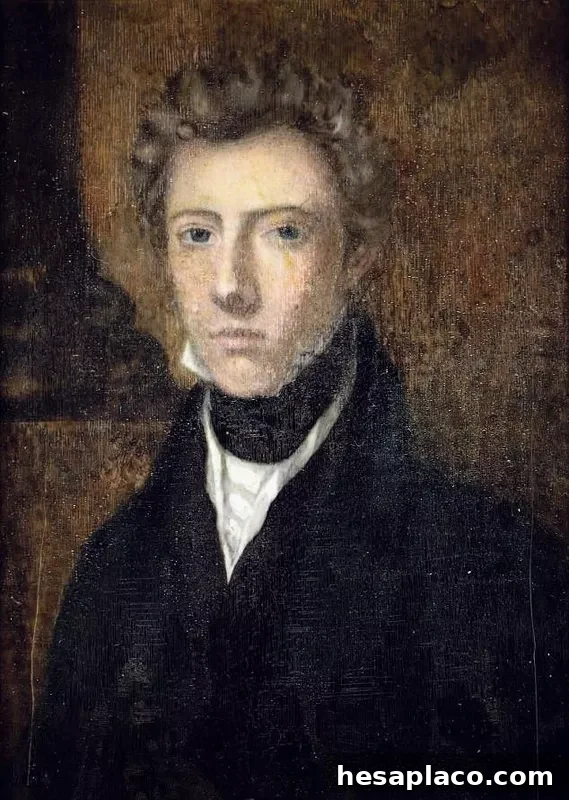
Margaret Anne Bulkley
Wikimedia Commons
Margaret Anne Bulkley lived in the early 19th century as Dr. James Barry and became a respected military surgeon in the British Army. Unlike many others who adopted male identities for a limited purpose or period of time, Barry lived as a man throughout adult life.
After studying medicine in Edinburgh and London, Barry became a surgeon and served in several parts of the British Empire, including South Africa, Canada, and Jamaica. Barry gained recognition for medical skill, especially in obstetrics, and advocated for improved hygiene and sanitation in military hospitals.
Barry died in 1865 at the age of 76. The fact that Barry had been assigned female at birth was not discovered until after death, making the story one of the most remarkable examples of a woman who dressed as a man to build a medical career in a time when women faced severe professional barriers.
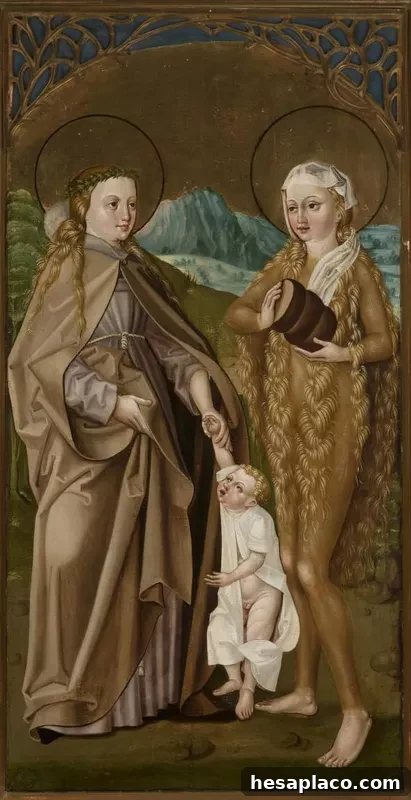
St. Marina the Monk
Pawe Czernicki / Wikimedia Commons
St. Marina the Monk lived during the fourth century in Antioch, a region now associated with modern-day Turkey. According to tradition, Marina’s father wanted a son and raised her as a boy.
Marina felt drawn to religious life and entered a monastery, where she lived for several years while practicing her faith. She became known for humility, wisdom, and miracles, and her story later became part of Christian religious tradition.
After Marina’s identity was discovered, she was forced to leave the monastery. She then lived as a hermit but continued her spiritual devotion. Over time, many people came to admire her, and she gained followers who were inspired by her faith and endurance.
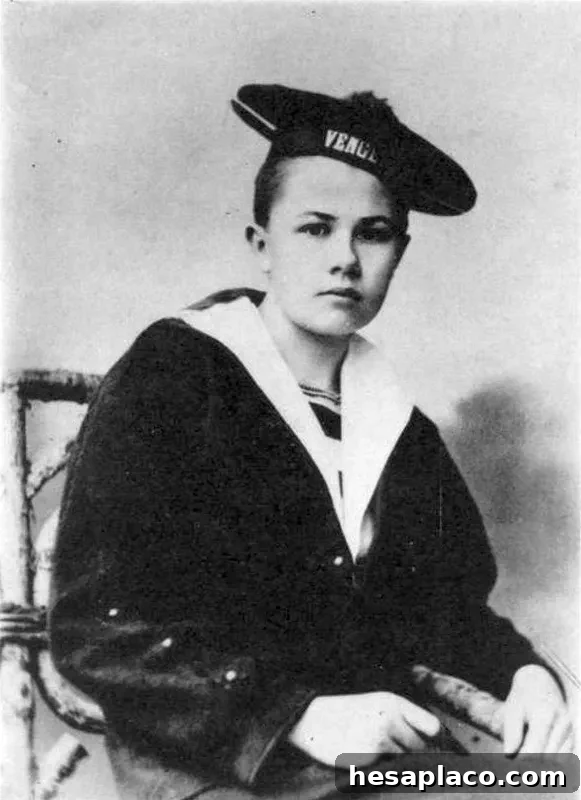
Isabelle Eberhardt
Wikimedia Commons
Swiss explorer and author Isabelle Eberhardt lived in the late 19th and early 20th centuries. Fascinated by the Middle East and North Africa, she traveled to Algeria at the age of 20 to explore and write about the region.
To move more freely and become part of the local culture, Eberhardt converted to Islam, wore men’s clothing, and took the name Si Mahmoud Saadi. She lived among local communities for several years and wrote extensively about her experiences.
Her writing received critical attention, and her life became a powerful example of independence and cultural curiosity. However, her story ended early. Eberhardt died in a flash flood in Algeria at just 27 years old. Her life later inspired a 1991 film starring Peter O’Toole.
George Sand
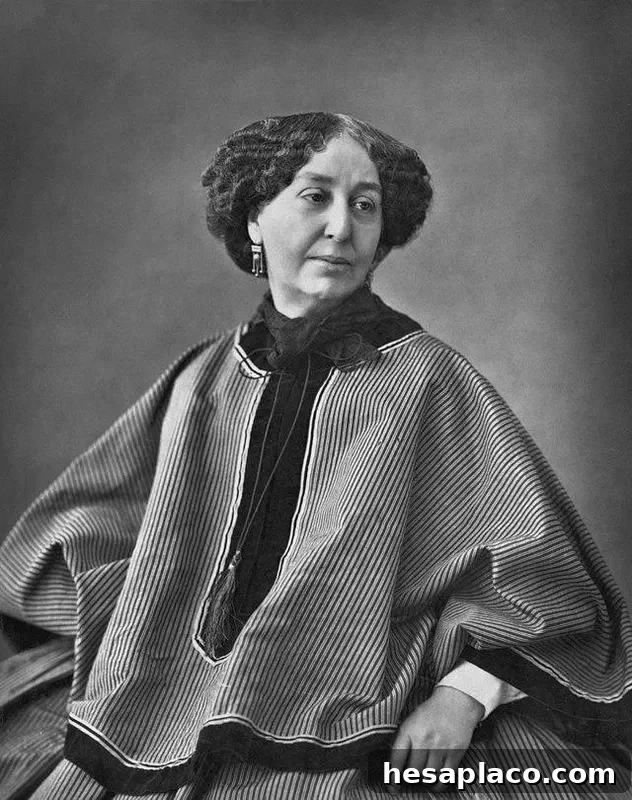
Wikimedia
French novelist and memoirist George Sand was born Amantine Lucile Aurore Dupin in Paris in 1804. Sand did not pretend to be a man, but she often dressed in men’s clothing as a way to claim independence and challenge the strict gender roles of 19th-century society.
By dressing as a man, Sand could move more freely in public spaces and take part in activities often associated with men at the time, such as smoking and drinking in public. Her clothing choices were both practical and symbolic, allowing her greater personal freedom in a society that limited women’s behavior.
Sand faced criticism and ridicule for dressing in men’s clothes, but she continued to live according to her own convictions. Through her writing, public image, and personal life, she challenged cultural expectations and became one of the most famous literary figures associated with gender nonconformity.
Malinda Blalock
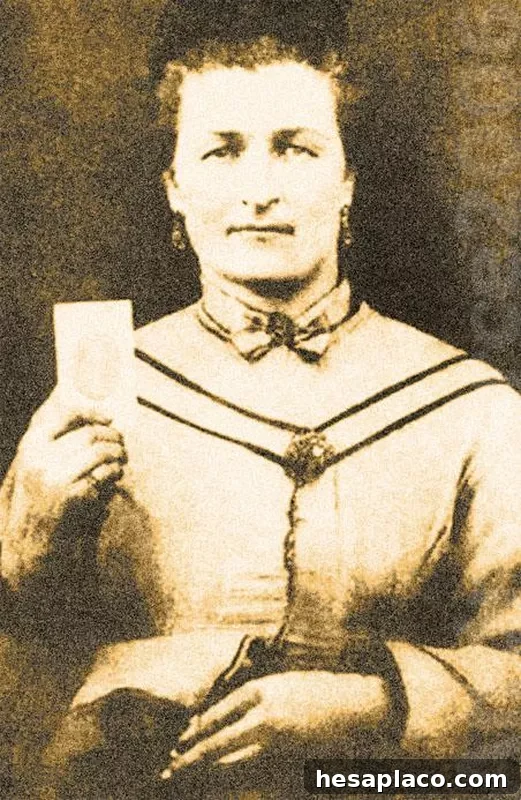
Wikimedia
Malinda Blalock fought during the U.S. Civil War after disguising herself as a man. Her husband, Keith Blalock, joined the Confederate Army with a plan to defect to the Union Army once his unit reached Virginia.
Without her husband’s knowledge, Malinda disguised herself as a man named Sam and trained alongside the other soldiers. About a month later, she was wounded. While receiving medical care, her identity was discovered, and she was discharged after recovering.
Keith’s plan to defect also failed to unfold as intended. He reportedly rolled in poison ivy, developed a fever and blisters, and was discharged when doctors believed he was suffering from an outbreak.
The Blalocks returned to their home in North Carolina. After the war, Malinda wrote A Woman’s Life and Adventures in the Army of Tennessee, which described her experiences as a soldier and gave readers a rare view of a woman who entered the army in disguise.
Billy Tipton

Discogs
Billy Tipton was born Dorothy Lucille Tipton in Oklahoma City in 1914 into a family of musicians. A talented pianist and saxophonist, Tipton built a career as a jazz musician. He adopted the name Billy, wore men’s clothing, and bound his chest while pursuing music professionally.
Tipton became successful in the jazz world, releasing albums and touring with his band throughout the United States. His identity was kept private from nearly everyone around him, including his wives and children.
After Tipton died in 1989, it was revealed that he had been assigned female at birth. His son Scott later said that he believed Tipton may have kept the truth hidden because he feared rejection. For Scott, however, what mattered most was the role Tipton played in his life: he remembered Billy Tipton as his father.
These stories of women who dressed as men show how deeply social rules shaped access to work, travel, war, art, religion, and public life. Whether their choices were driven by survival, ambition, faith, creativity, or personal freedom, each of these figures left behind a striking legacy of courage and defiance.