
The United States real estate market is undergoing a major generational shift. People born between 1946 and 1964 own an outsized share of the nation’s housing wealth, which affects younger buyers, overall supply, and long-term market dynamics. As many younger adults look for starter homes or hope to move up, a significant portion of the housing market is already in the hands of older homeowners. What does that mean for today’s buyers and for the housing market’s future?
The Ownership Balance Is Skewed
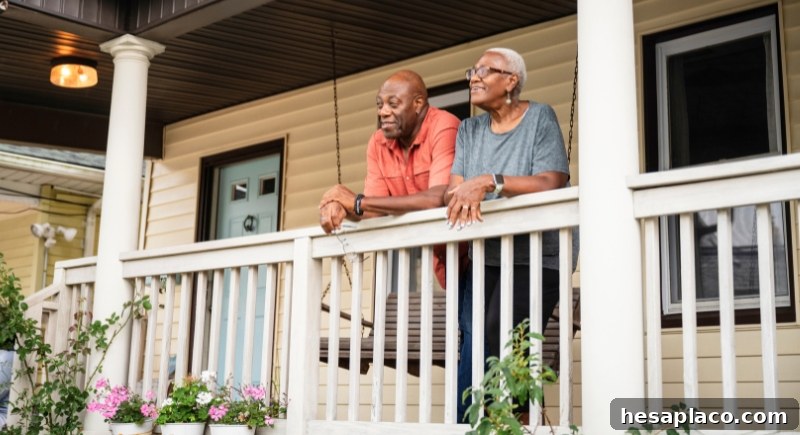
Image via iStockphoto/JohnnyGreig
Data show that Baby Boomers control roughly 41 percent of U.S. real estate assets, amounting to an estimated $18 to $19 trillion in housing. By comparison, Millennials own around $9.8 trillion, roughly 20 percent of the total. The imbalance is striking: Boomers make up about one-fifth of the population but hold the largest share of housing wealth.
Several factors helped create that advantage. Many Boomers bought homes when prices were lower and mortgage terms were different; years of steady appreciation and fewer relocations allowed equity to compound. In some metro areas—such as North Port–Bradenton and Naples–Marco Island in Florida—Boomer-held property values reach into the tens of billions of dollars.
What It Means for Younger Buyers

Image via Getty Images/AndreyPopov
For prospective buyers today, conditions are very different than when Boomers were starting out. Home values have risen considerably, down payments and interest rates play a larger role in affordability, and a substantial share of housing stock is held by older owners who may not be motivated to sell. That combination reduces the number of available listings, limits mobility for would-be sellers, and intensifies competition for existing homes.
Where This Wealth Lives, and Might Go
Much of the generational housing wealth is concentrated in retirement- and lifestyle-oriented markets, with Florida prominent among the highest-value metros where homeowners aged 65 and older hold significant equity. Common expectations predict a large transfer of homes to the market as Boomers age, but many are choosing to age in place and preserve their equity. That decision delays potential increases in supply and shapes how younger generations access homeownership.
The Future Isn’t Just Waiting on an Inheritance

Image via Getty Images/Creativeye99
There’s a common belief that younger generations will benefit when Boomers sell or bequeath homes. The reality is more nuanced. Many Boomers do not plan to leave homes to heirs or are intent on using their housing equity to support retirement lifestyles. For heirs who do inherit property, taxes, upkeep costs, and unfavorable market timing can make inherited homes costly to keep. Meanwhile, the current concentration of ownership by older cohorts affects supply and affordability now—not just when homes change hands later.
Policy choices, financial products, and housing development also influence how—and how quickly—homeownership circulates between generations. Strategies such as targeted housing supply increases, incentives for downsizing, or programs that help younger buyers with down payments can affect market access. However, these measures operate within the context of large-scale demographic ownership patterns that don’t change overnight.
In short, the generational distribution of housing wealth is a defining feature of today’s real estate landscape. It shapes availability, pricing, and the options younger buyers face. Understanding where equity sits and how older homeowners are likely to respond over the coming years helps clarify why the housing market feels so tight and what kinds of solutions could widen access in the future.