
In the 1990s, Starbucks changed how people experienced coffee. Instead of a quick caffeine pickup, customers could linger over a handcrafted beverage, watch the barista work, and feel part of something social and familiar. That approach grew into a global company worth tens of billions, with tens of thousands of stores across six continents.
Recently, however, that glow has dimmed. In the most recent quarter, same-store sales fell 7% worldwide and foot traffic declined by 10%. Those figures reflect more than a temporary slowdown; they reveal a deeper shift. Years of aggressive expansion and operational focus have eroded many of the attributes that once made Starbucks feel distinct.
The Erosion of Brand Equity
Image via Unsplash/Athar Khan
Declining sales are only one symptom. More worrisome is the drop in consumer trust and emotional connection. Reputation scores have fallen significantly—from a reported 71.5 points in 2021 to 57.7 by January 2025—placing the brand in what many analysts call “vulnerable” territory. That reputational deterioration spans product value, workplace culture, leadership credibility, and community impact.
Brand rankings reflect this shift: Starbucks fell from 15th to 45th among the world’s most valuable brands, one of the steepest declines in the top 100. Such rapid slippage suggests systemic issues rather than a temporary setback.
Customer experience has become more transactional than experiential. Where Starbucks once served as a “third place” between home and work, many locations now feel like high-throughput coffee dispensaries. Mobile ordering and digital initiatives intended to boost convenience have often created chaotic in-store environments, with baristas juggling complex customizations while in-store patrons wait in increasingly impersonal spaces.
Structural Challenges Run Deep
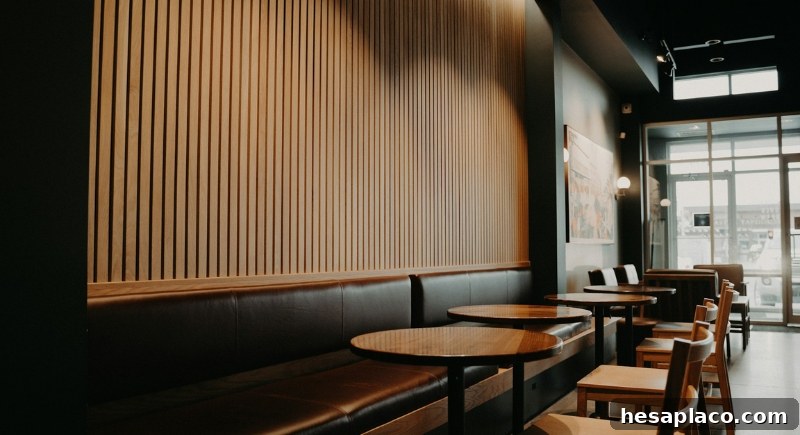
Image via Unsplash/99.films
Many of Starbucks’ attempts to solve growth challenges have created fresh problems. Heavy emphasis on efficiency and digital ordering has reshaped the employee experience and contributed to workplace stress, which in turn impacts service quality and customer satisfaction.
Unionization efforts among baristas—reported at more than 11,000 employees across roughly 500 locations—underscore that these are not isolated incidents. The gap between corporate leadership and frontline reality has widened. Highly visible executive compensation, including CEO Brian Niccol’s reported $117 million package and perks like corporate jet use, stands in stark contrast to the wages and working conditions reported by many hourly employees.
Product missteps have highlighted the disconnect between corporate direction and customer preferences. The widely noted olive oil–infused coffee experiment, which failed to gain traction, underlined how out of step some corporate choices can feel. Meanwhile, independent coffee shops continue to capitalize on artisanal craft and local identity, and competitors like Dunkin’ and fast-food chains have sharpened value propositions that appeal to budget-conscious consumers.
Strategic Misalignment Creates Vulnerability
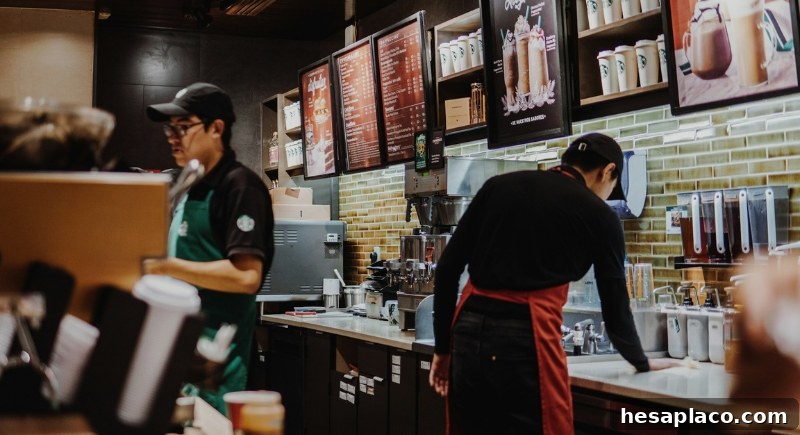
Image via Unsplash/Asael Peña
The core strategic tension is this: how do you preserve an authentic, local café feel while operating at massive scale? Starbucks originally succeeded by transplanting European café culture to American consumers, emphasizing crafted beverages and comfortable spaces. But the systems required to run 38,000 locations—standardized processes, digital platforms, supply-chain efficiencies—can conflict with the intimate, locally nuanced experiences that justified premium pricing.
It is more than poor execution; many of the systems that enable scale push the brand away from the qualities that made it distinctive. The result is a narrowing strategic position. Independents have claimed the artisanal high ground Starbucks ceded, while value-minded competitors have improved taste and convenience at lower price points. Starbucks increasingly sits in a squeezed middle: too generic for those seeking craft, and too expensive for value seekers.
The Turnaround Challenge
Image via Unsplash/AK
CEO Brian Niccol’s “Back to Starbucks” initiative acknowledges the need to restore customer experience, invest in employees, and revive community-oriented stores. Those priorities are necessary, yet they may not fully address the underlying causes of decline.
There are practical constraints. Cultural change is slow; meaningful shifts in morale and service quality can take years, while shareholders expect quarterly results. Restoring authentic, locally resonant experiences across thousands of outlets would require granting far more autonomy at the store level, which conflicts with the drive for operational consistency and efficiency. Improving employee satisfaction also requires sustained investment and trust-building after years of mixed messaging and cost pressures.
Most importantly, the competitive landscape has changed: customer expectations for either authentic local experiences or clear value propositions have intensified. The broad middle that Starbucks once occupied may have diminished or disappeared, leaving the company to decide whether to reposition toward craft, value, or a new hybrid—each choice carrying significant trade-offs.
A Question of Fixability
Starbucks retains important advantages: strong brand recognition, premium real estate positions, and a core base of loyal customers. Those assets mean the company could recover if it provides compelling reasons to return. But the problems it faces are interconnected—financial performance, employee relations, customer experience, brand reputation, and strategy all influence one another.
Succeeding will likely require more than operational tweaks. It may demand fundamental reconsideration of the business model: changes in scale, governance, store-level autonomy, product strategy, and cost structures. Such transformation could conflict with stakeholder expectations for growth and profitability that helped create today’s challenges.
In short, the company’s scale, once its greatest strength, now complicates efforts to reclaim the distinctiveness that defined its rise. Whether Starbucks can redesign its model to deliver both authentic experiences and sustainable profitability remains the central question facing its leadership and investors.