
If you think of your résumé as the gift in the box you’re sending prospective employers, then you might be treating your cover letter like the unopened card tossed aside with the bow and wrapping paper.
But the cover letter is critical — it often determines whether you land in the “no” pile or get invited to interview.
Knowing the essentials — clear font choices, authenticity, and concise writing — matters. Equally important is avoiding obvious mistakes like typos, sloppy grammar, and turning the letter into a long-winded autobiography.
These rules may seem as obvious as looking both ways before crossing the street, but creating a compelling cover letter takes time and care. Here’s what experts recommend.
Cover Letter vs. Curriculum Vitae
Laura Gano, lead recruiting specialist for Noll Human Resources in Omaha, Nebraska, says that in some industries cover letters are “a thing of the past” and she often doesn’t spend time reading them. For roles in science, manufacturing, and healthcare she focuses primarily on the résumé to determine whether a candidate meets the client’s requirements.
“I print the cover letter and staple it behind the résumé,” she says. “Although the letter may tell me why you are interested, if you don’t have what our client needs I can’t move forward.”
Still, different hiring professionals prioritize different materials. David Janke, former Associate Dean of Students at the International Culinary Center, believes the cover letter’s purpose is to “connect the dots and explain why the experience on your résumé makes you eligible for the available position.”
Show Off, Don’t Brag
A résumé or cover letter won’t speak for you if you don’t highlight your accomplishments. Be confident in naming your skills and achievements; being overly modest won’t help you land the role.
Rutgers University stresses applicants must “identify and articulate one’s skills, strengths, knowledge and experiences relevant to the position desired.” Megan Randall of the University of Utah Career & Development Center says in today’s market “we have to push ourselves.”
“If you’re not confident talking about yourself, the employer won’t be confident either,” she says.
Keep It Professional and Readable
Good cover letter etiquette starts with readability. Choose professional fonts such as Arial, Times New Roman, or Calibri, and avoid decorative fonts like Papyrus and Zapfino. Use a font size between 10 and 12 points to ensure legibility.
Avoid “To Whom It May Concern”
Do some research to find a real name to address in your letter. Addressing your cover letter to a specific person demonstrates initiative and allows you to tailor tone and content more effectively. Distinguish between the HR contact and the direct supervisor so your letter reaches the right decision-maker.
Keep It Short — Not a Memoir
Employers spend a lot of time screening candidates, so the more concise and readable your cover letter, the better. Aim for a single page. Megan Randall emphasizes: “The cover letter shouldn’t be more than a page. You don’t want employers flipping to a second page about you.”
Avoid excessive self-praise. Hiring managers need to know both that you can do the job and that you’ll fit on the team. Balance your achievements with examples that show how you will contribute to the company.
First Impressions Count — You Have Seconds
Be intentional about your structure and wording. Employers often spend four to six seconds on a résumé and likely even less on a cover letter. Communicate the most important points quickly and clearly.
David Janke notes that many hiring managers are pressed for time and prefer concise, direct letters. Avoid sloppiness; a professional-looking cover letter shows time and attention were invested.
Don’t Reuse the Same Letter
Resist the temptation to copy and paste one generic letter across many applications. Each company has a distinct personality and requirements — personalize your letter and write to the individual reader. Generic letters are easy to spot and often contain mistakes like the wrong organization name.
Tailor, Don’t Boilerplate
The cover letter is your opportunity to tell your story and explain how your experience aligns with the role. While résumés tend to be factual and impersonal, the cover letter should be specifically tailored to the job description and clarify how your background makes you a strong candidate.
Reveal Your Character
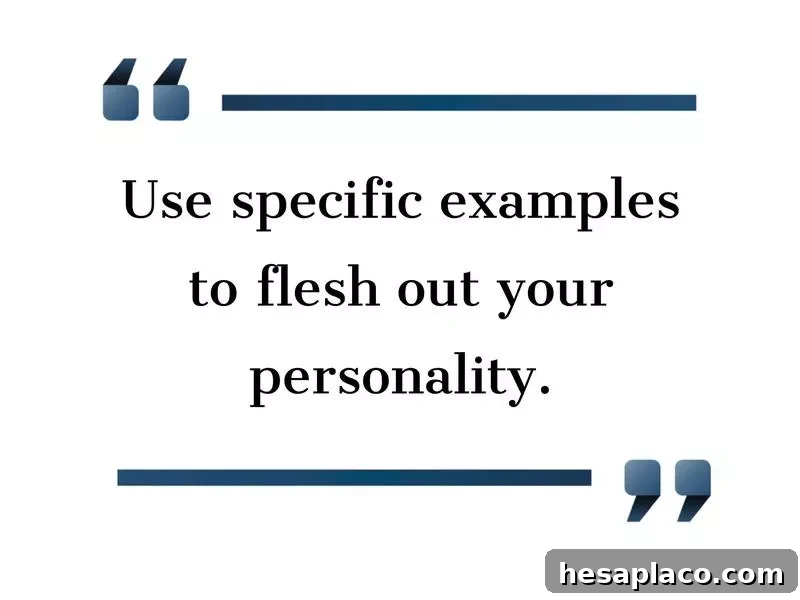
Illustrate the breadth of your skills with specific examples and allow some of your personality to show. Don’t overstate your abilities; convey proven strengths while acknowledging areas of growth where appropriate. A modest, honest tone reassures employers you are skilled and coachable.
Hook Them from the First Sentence
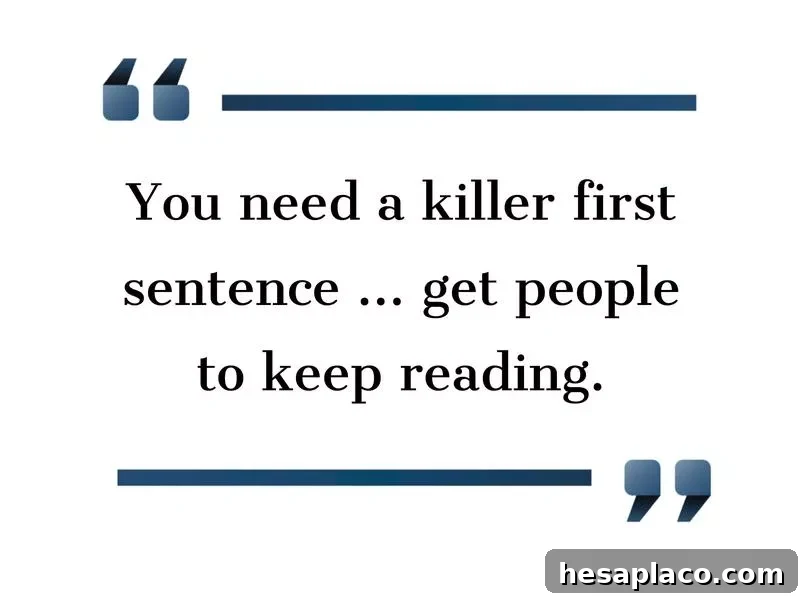
Your opening sentence should capture attention and lead into concise qualifications. Jay Johnson stresses the importance of a strong first line to compel the reader to continue. Follow up by explaining why you’re interested in the company and what draws you to that particular role.
Be Specific, Not Vague
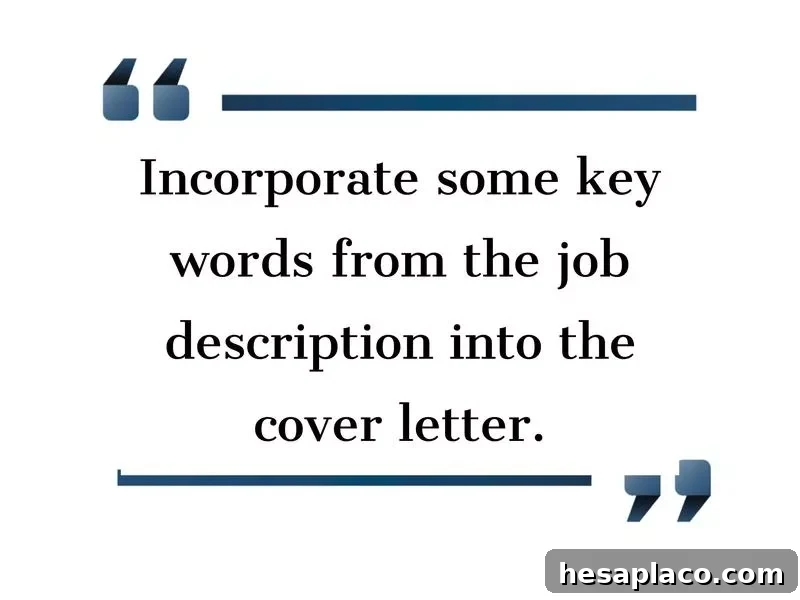
Demonstrate your understanding of the role and the organization by using specific language. Avoid general statements that could apply to many employers. Incorporate key terms from the job description where relevant to show you understand the position and can speak its language.
Use Bullets When Appropriate
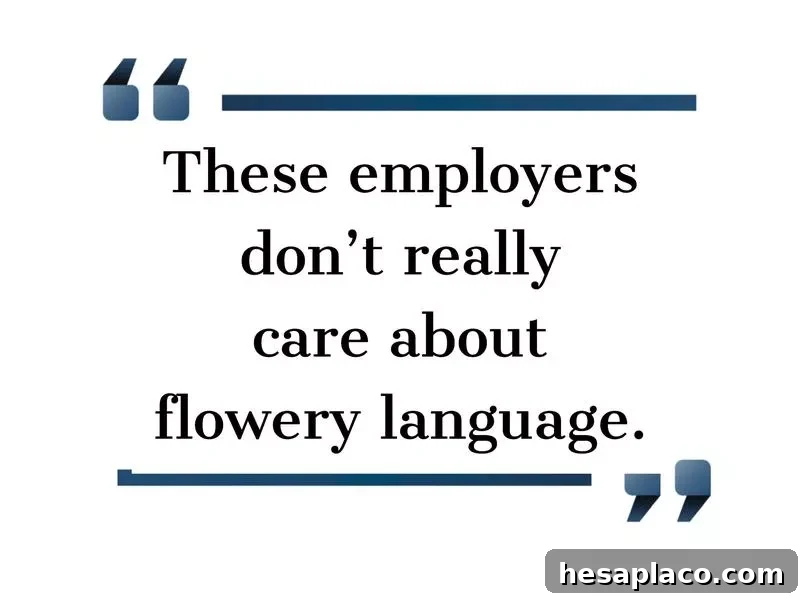
Format choices depend on the field. Creative industries may welcome a more narrative style, while technical fields often appreciate clarity and brevity. For architecture, science, or engineering roles, consider using bullet points to present accomplishments and qualifications clearly.
Conclude with a Clear Call to Action
End by showing how you can help the company and by clearly expressing continued interest. Jay Johnson suggests summarizing your main points and including a call to action that encourages the reader to contact you. Companies want to know what you will do for them — highlight your potential impact, then invite further conversation.
Avoid unrelated boastful details. Focus on experiences that directly relate to the role and leave out anything that doesn’t strengthen your candidacy.
Get It Right — or Lose the Chance
Some recruiters prioritize the résumé while others weigh the cover letter heavily. Jay Johnson warns that a poor cover letter can prevent your résumé from even being read. A strong, tailored cover letter can be the deciding factor that earns you an interview.
Like a First Date, Aim for a Second
Your letter should reveal a bit of vulnerability, competence, and personality without oversharing. Treat the cover letter like a first date: let just enough of your character shine through to be engaging and memorable, but not so much that it becomes off-putting.
Triple-Check Before Sending
Before you submit, proofread thoroughly and run spell check. Typos and grammatical errors are easy to spot and can signal a lack of attention to detail. David Janke recommends having someone else review your letter to catch mistakes you might miss. Megan Randall adds that careless errors are an immediate reason to reject a candidate.
Follow these guidelines: tailor each letter, be concise and specific, highlight how you’ll add value, and proofread carefully. A well-crafted cover letter increases your odds of moving from the pile of applicants to the interview stage.