
Dangerous Vintage Collectibles and Antiques to Handle With Care
Vintage collectibles and antiques are valued for their history, craftsmanship, beauty, and nostalgic appeal. Many people enjoy decorating with older pieces, collecting rare objects, or preserving family heirlooms. However, some items from the past can carry hidden risks that are easy to overlook.
Older objects were often made before modern safety rules existed. Some contain toxic materials, while others were built with designs that are now known to be unsafe. Lead paint, mercury, asbestos, radium, choking hazards, and worn mechanical parts can all turn a charming antique into a potential danger.
This does not mean you should avoid collecting vintage items altogether. It simply means you should understand the risks before using, displaying, restoring, or giving these objects to children. The following antique and vintage collectibles deserve extra caution.
Older Cribs Are Not for Modern Use
Bill Oxford / Getty Images
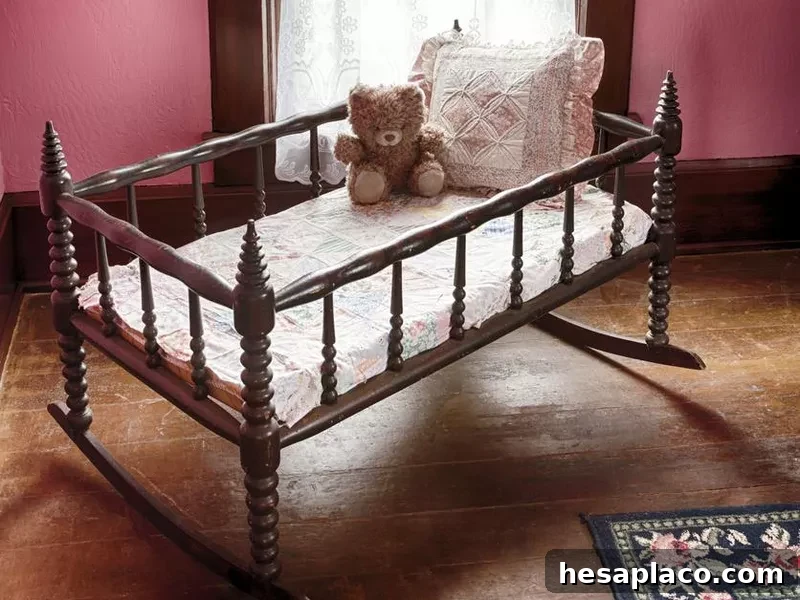
Furnishing a nursery can be expensive, and an older crib may seem like a budget-friendly or stylish choice. A vintage crib might also match a classic nursery design. Unfortunately, old cribs are not safe for modern use. Cribs more than 10 years old can pose serious dangers to babies and toddlers.
Drop-side cribs, once common, have been linked to entrapment and suffocation. Older cribs may also have slats spaced too far apart. Today, crib slats are required to be no more than 2 3/8 inches apart, about the width of a soda can, to prevent a child from slipping through or becoming trapped.
Vintage cribs may include decorative cutouts in headboards or footboards, which can create additional hazards. Lead paint, splinters, loose hardware, and unstable construction are also concerns. Antique high chairs and playpens can be dangerous for many of the same reasons and should be treated as display pieces rather than items for daily use.
Thermometers and Other Items With Mercury Can Be Deadly

borevina / Getty Images
Many people know that vintage thermometers can contain mercury, but mercury was also used in other older objects. Antique clock pendulums, mirrors, organs, barometers, and even some decorative vases may contain this toxic substance.
Mercury can leak when an item is moved, damaged, or when old seals break down over time. Even small amounts can be hazardous. Exposure may affect vital organs, including the brain, heart, lungs, and immune system. Because mercury is difficult and dangerous to clean up safely, old items that may contain it should be handled carefully and kept away from children and pets.
Old Blow Dryers Can Have Asbestos

gilotyna / Getty Images
Asbestos was once used in a wide variety of products, including auto parts, flooring, insulation, holiday decorations, and household appliances. It was also used in some older hair dryers.
Until the late 1970s, certain blow dryers contained asbestos because of its heat-resistant properties. People who used these appliances regularly may have been exposed to asbestos fibers, which are associated with serious illnesses such as mesothelioma, lung cancer, and asbestosis.
Although asbestos-containing hair dryers were recalled decades ago, some may still appear in secondhand markets, antique shops, estate sales, or online listings. A vintage hair dryer may look interesting as a collectible, but it should not be used. If you own one, avoid taking it apart or disturbing any internal materials.
Antique Firearms Lack Many Modern Safety Features

alacatr / Getty Images
Antique firearms are commonly found at gun shows, flea markets, estate sales, and private collections. While they may be historically significant, they can be dangerous if they are not handled properly.
Older firearms may have wear, corrosion, or weakened components that compromise their structural integrity. They also often lack the safety features found on modern firearms. Some have outdated designs, such as single-action trigger mechanisms, which may make accidental firing more likely.
Because an antique firearm may not have been maintained consistently over the years, rust or damaged parts can increase the risk of malfunction. Any old firearm should be treated as potentially loaded and unsafe until examined by a qualified professional.
Antique Hardware Can Become Faulty Over Time

Madrolly / Getty Images
Antique hardware adds character to older homes. Vintage door handles, locks, hinges, knobs, and latches can be beautiful, but they may also come with risks that homeowners do not immediately notice.
Hardware from past decades may be covered in lead-based paint. Lead becomes dangerous when it chips, peels, or turns into dust. Children are especially vulnerable because they may touch old painted surfaces and then put their hands in their mouths.
Old hardware can also fail mechanically. Cracks, loose parts, weakened springs, and worn locking mechanisms can develop over time. A broken lock or latch may cause injuries or even leave someone trapped inside or locked outside of a room or building. Decorative antique hardware should be inspected carefully before it is relied upon for everyday use.
Small Pieces and Lead Paint Make Old Toys a Danger

Superhoop / Getty Images
Vintage toys are among the most popular collectibles because they bring back memories of childhood. However, old toys can be unsafe, especially for children.
Many older toys were painted with lead-based paint or made with materials that would not meet today’s safety standards. When paint chips or surfaces deteriorate, toxic substances can become accessible. Children are particularly at risk because they often put toys in their mouths.
Choking hazards are another major concern. Older toys may have small detachable parts, sharp points, sharp edges, or brittle materials that can break into dangerous pieces. Even if a toy looks sturdy, its age and outdated design may make it unsuitable for play. Vintage toys are best kept as collectibles and displayed safely out of reach of young children.
Old Medical Equipment Can Be Toxic
Ekely / Getty Images
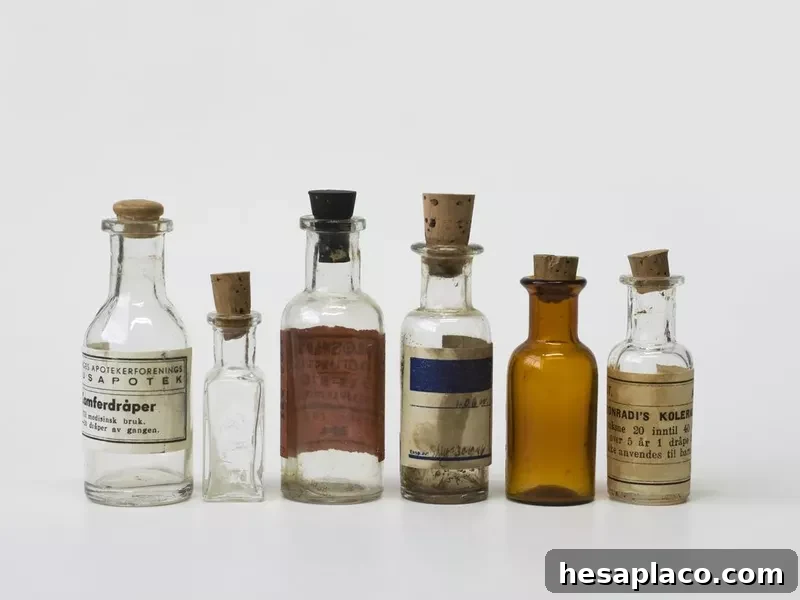
Antique medical equipment can make an unusual and memorable collection, but it can also present serious safety concerns. Old medical tools, devices, and bottles may have been used in clinical settings, and it is often impossible to know their full history.
Used medical equipment may have come into contact with bodily fluids, infectious agents, or other contaminants. If it was not properly sterilized or stored, it could still harbor bacteria, viruses, or other pathogens. Some medical devices may also contain materials such as lead, mercury, or asbestos.
Old medicine bottles are also popular with collectors, but they may contain residue from expired or degraded medications. Over time, some substances can lose potency or become unsafe. For this reason, antique medical items should be handled as display objects, not functional tools.
While Not Inherently Dangerous, There Are Some Things to Consider About Old Textiles

kool99 / Getty Images
Antique textiles are not usually dangerous on their own, but they can still create health concerns. Vintage clothing, quilts, rugs, linens, and decorative fabrics may have been stored for decades in attics, basements, trunks, or closets.
If textiles were not stored properly, they may contain insects, mites, larvae, dust, dirt, mold, or allergens. These can be irritating or harmful, especially for people with asthma, allergies, or other respiratory conditions.
Some older textiles may also have been treated with dyes, finishes, or chemicals that are now considered harmful. Direct contact or inhalation of dust from deteriorating fabric can be a concern. Before displaying or using antique textiles, it is wise to inspect them carefully and clean or preserve them using methods appropriate for delicate materials.
Even Glassware Used to Contain Lead and Other Toxic Substances

Liliboas / Getty Images
Old glassware is a favorite collectible, but many pieces made before the late 1970s may contain lead. Occasional use may not be a major concern, but it is best not to make a habit of eating or drinking from questionable vintage glassware.
Older glassware should not be used in a microwave or dishwasher. High temperatures can increase the chance that lead or other substances may leach from the surface. Leaded crystal is often heavier than regular glass, may ring when tapped, and can have extra brilliance or sparkle.
Colored glassware, especially pieces with deep, vibrant colors, may also be more likely to contain lead or other substances. Some vintage glassware and ceramics were coated with materials containing radionuclides such as uranium, thorium, or potassium, which were used in coloring glazes and can emit radiation.
Beware of Clocks or Watches and Other Items with Radium
jsolie / Getty Images
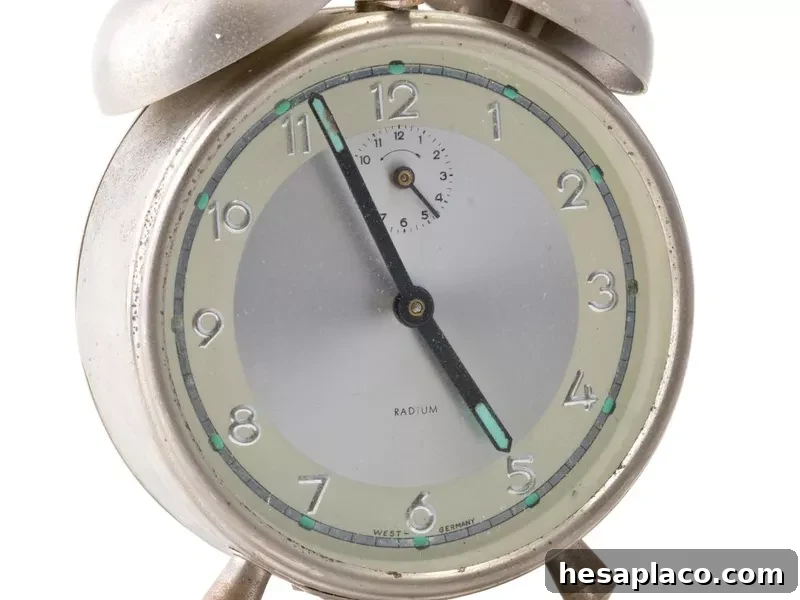
Old clocks and watches with glow-in-the-dark parts may contain radium, a radioactive material once used in luminous paint. Radium allowed clock faces, watch dials, and hands to glow without an external light source.
The dangers of radium became widely known through the tragic story of the “Radium Girls.” These factory workers painted radium-based paint onto clocks and watches and shaped their brushes with their lips and tongues. They were not warned about the risks and later suffered severe illnesses, including radiation sickness, anemia, bone fractures, necrosis, and cancer.
Radium was not banned from consumer products until 1968, which means many radium-painted timepieces may still exist. If intact and in good condition, they may not pose a major risk when left undisturbed. However, they should never be opened, repaired casually, sanded, scraped, or taken apart, because radium dust can be dangerous if inhaled or ingested.
Collecting antiques can be rewarding, but safety should always come first. Before using or restoring vintage collectibles, consider their age, materials, condition, and original purpose. When in doubt, treat older items as decorative pieces rather than functional objects, especially around children, pets, and food.