The automotive world is always evolving, with models appearing, disappearing and sometimes returning years later with fresh designs and updated features.
Some cars arrive amid huge excitement and build devoted followings; when those models are discontinued, fans are left wondering if their favorites will ever return.
Below are 40 discontinued cars that many people still miss. The list includes practical but polarizing crossovers, quirky vehicles, and some truly outrageous performance machines.
Did your favorite discontinued car make the list?
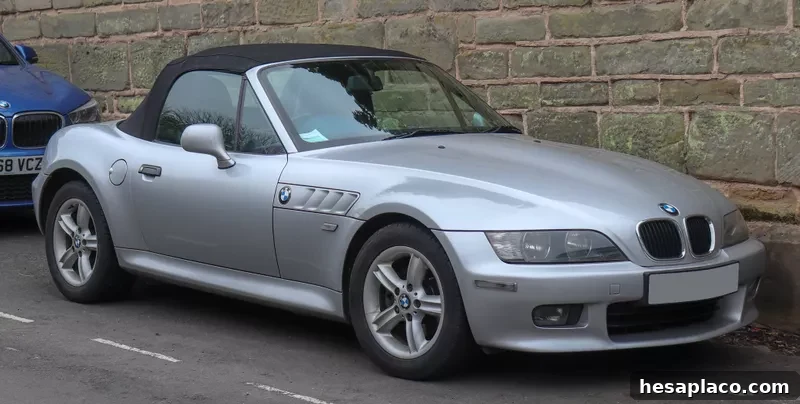
BMW Z3
Vauxford / Wikipedia
Introduced in 1996, the BMW Z3 revived the brand’s tradition of lightweight, road-focused roadsters. Its simple, driver-oriented approach and classic proportions made it an instant hit and gave BMW a distinctive model that stood apart from the rest of its lineup.
Production ended in 2002 when BMW replaced it with the Z4. Many enthusiasts feel the Z4 lost some of the Z3’s raw charm and driving purity.
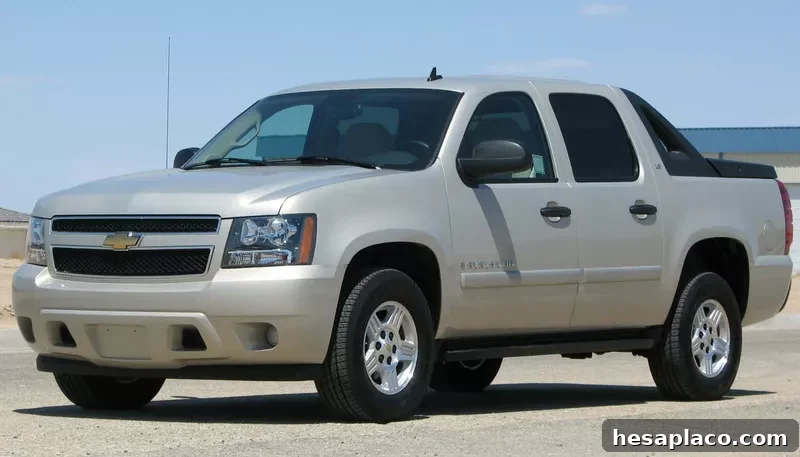
Chevrolet Avalanche
safercar.gov
The Avalanche blended SUV comfort and truck utility in a way few models attempted. Its clever midgate design allowed the rear cabin wall to fold down, extending the bed to over eight feet and providing the rare flexibility of carrying passengers or long cargo without sacrificing one or the other.
Chevrolet discontinued the Avalanche after the 2012 model year, and that combination of crew-cab comfort and genuine long-bed capability has been missed by many.
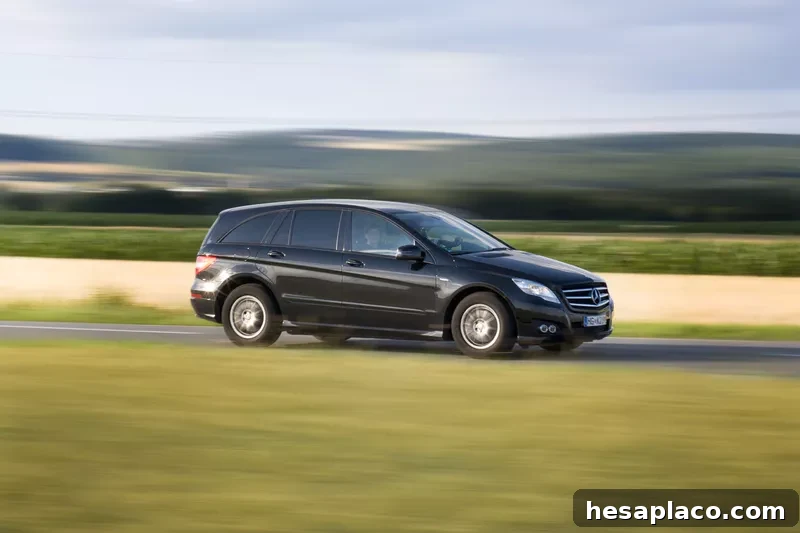
Mercedes-Benz R-Class
Getty Images
The Mercedes-Benz R-Class offered an upscale take on the family wagon or people mover. It combined Mercedes luxury with surprising performance, including rare high-performance AMG variants that packed a 6.3-liter V-8 and more than 500 horsepower—an astonishing level of performance for a three-row vehicle.
The R-Class proved unconventional and ultimately short-lived, but it left an impression for those who wanted luxury, space and pace in one package.
Saturn Sky
Reedred / Wikimedia Commons
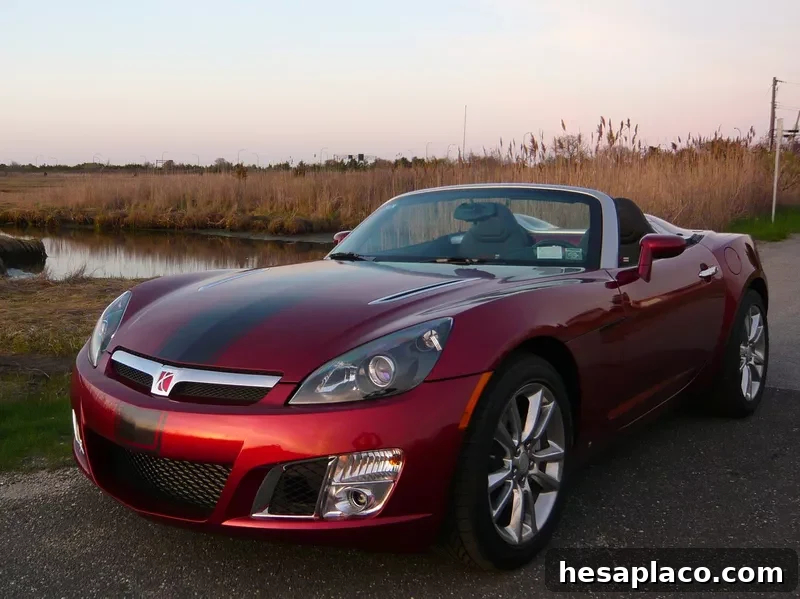
Saturn introduced several novel ideas over its lifespan, and the Sky roadster (2007–2009) remains one of the brand’s most memorable models. The Sky’s bold styling and the Redline edition’s turbocharged 260-horsepower engine created an affordable, attention-grabbing two-seater that was fun to drive and visually distinctive.
Though short-lived, the Sky made a mark thanks to its styling and spirited performance.
Chevy Trailblazer SS
Edmunds
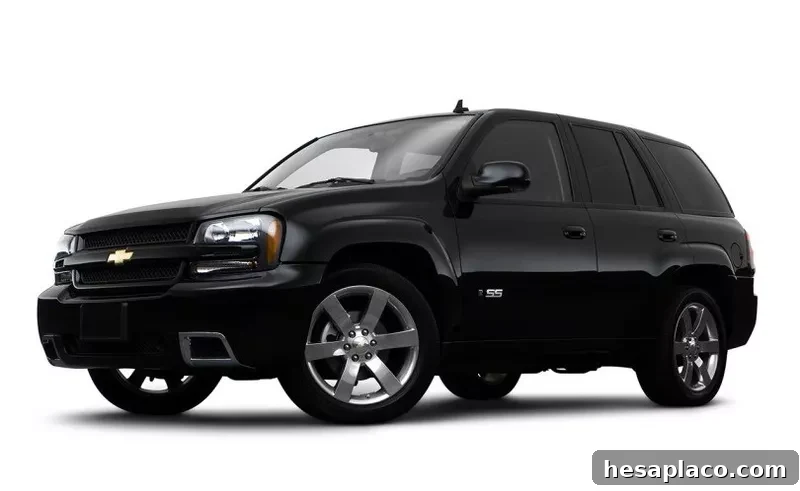
The Trailblazer was an unremarkable mid-size SUV until Chevrolet installed a Corvette-derived 6.0-liter V-8 in the SS variant (2006–2010). The result: a nearly 400-horsepower family hauler that sprinted to 60 mph in around 6.3 seconds—impressive for a vehicle of its size and weight.
While the Trailblazer name returned in 2021 on a different vehicle, the SS performance variant remains a relic of a bolder era.
Ford Focus (performance variants)
Getty Images
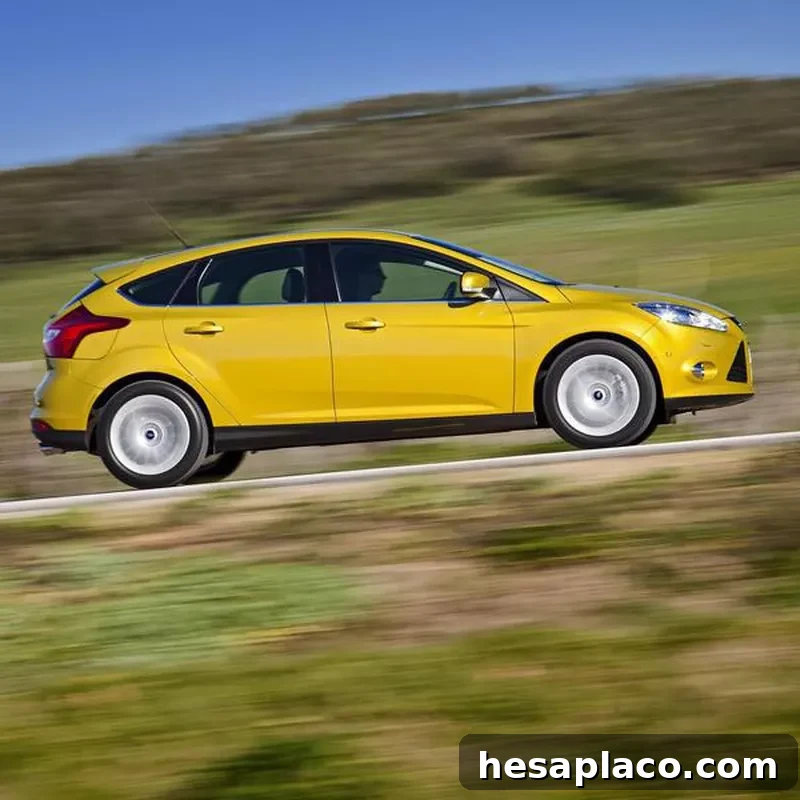
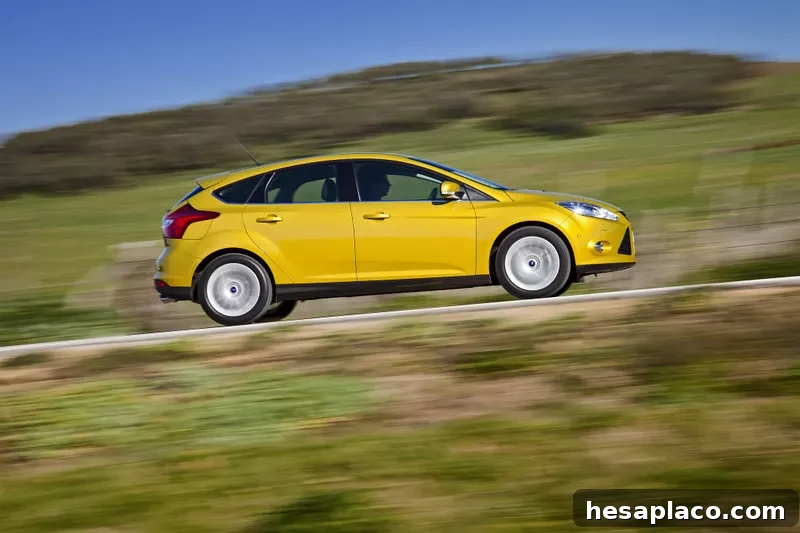
The Ford Focus spawned several beloved hot-hatch variants over its history. The early 2000s SVT model delivered engaging handling and a revvy 2.0-liter engine. The later Focus ST (2013–2018) and the hardcore 2016 Focus RS—an all-wheel-drive, 350-horsepower powerhouse—captured attention and built passionate followings.
Ford discontinued those high-performance Focus models as it shifted strategy, much to the disappointment of enthusiasts.
Ford Fusion Sport
Ford.com
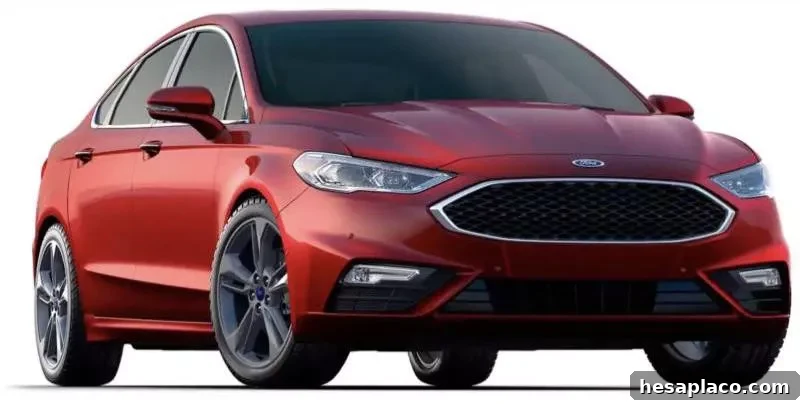
The Fusion was usually a sensible midsize sedan, but the Fusion Sport (2017–2019) injected real muscle into the lineup. Its turbocharged 2.7-liter V-6 produced 325 horsepower, making the Sport a surprising sleeper: understated looks with genuinely brisk performance and a 0–60 time around 5.1 seconds.
When the Fusion lineup was retired, the Sport model went with it.
Honda S2000
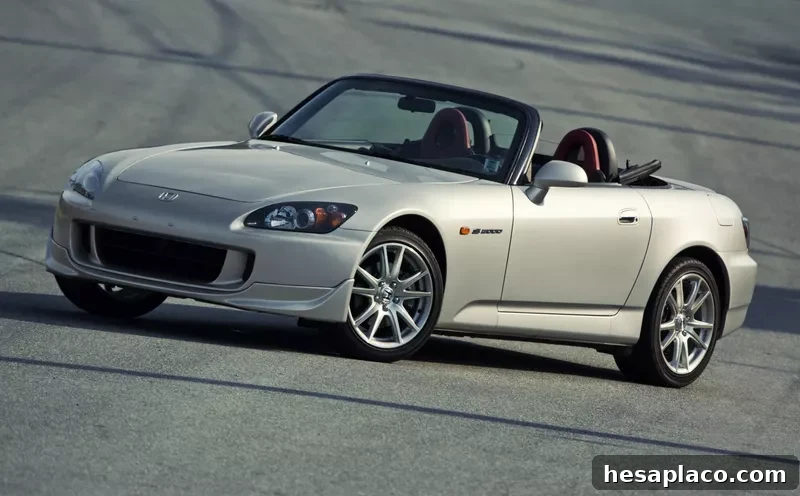
Getty Images
The S2000 challenged the Mazda Miata with a high-revving 2.0–2.4-liter VTEC engine that produced 240 horsepower in later models. Paired with a precise chassis and a short-throw manual gearbox, the S2000 delivered an exhilarating, driver-focused experience that quickly earned it a loyal following.
Honda ended S2000 production after the 2009 model year, and many enthusiasts still long for its unique combination of revs, balance and feedback.
Mitsubishi Lancer Evolution
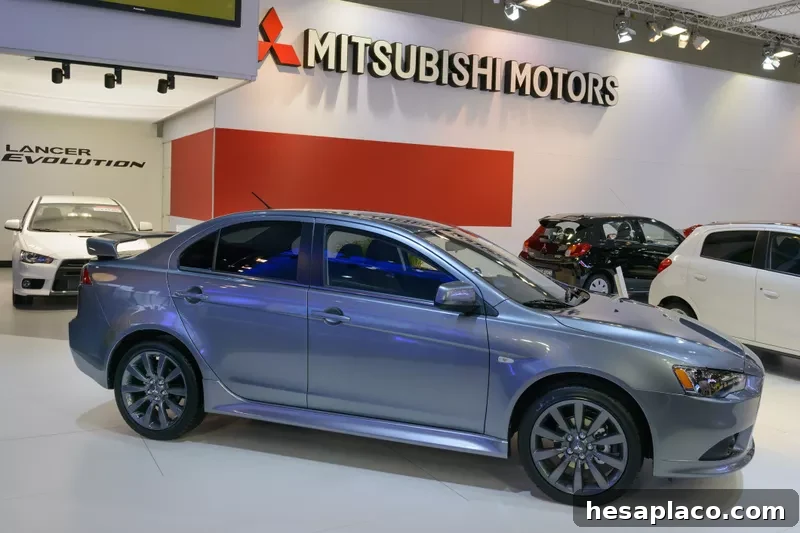
Getty Images
The Lancer Evolution brought rally-bred performance to the street with a turbocharged four-cylinder, all-wheel drive, and aggressive tuning. Initially arriving in the U.S. in 2003, the Evo offered sharp handling and strong performance, lasting through the 2015 model year before Mitsubishi shifted focus to SUVs and discontinued the Lancer family.
Acura Integra
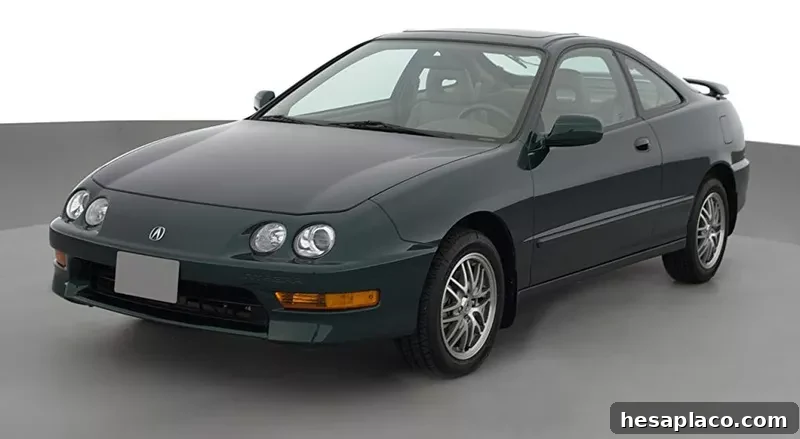
Amazon
The Integra began as an upmarket Civic and evolved into a performance staple. The GSR and later Type R variants delivered crisp handling and high-revving engines—especially the Type R, which became legendary for driving purity. Acura discontinued the original Integra coupe after 2001, leaving many fans hoping for a true successor.
Mazdaspeed MX-5 Miata
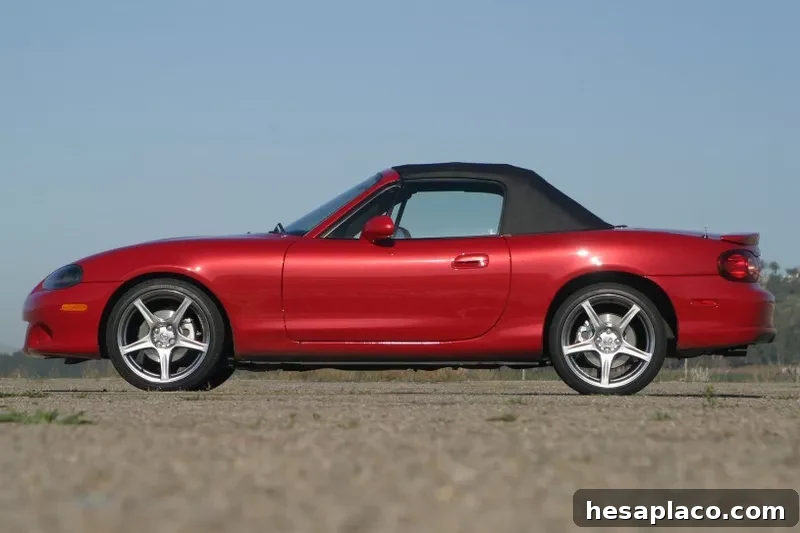
Edmunds.com
The Mazdaspeed Miata was the only factory-turbo Miata produced, boosting the lightweight roadster’s 1.8-liter engine to around 178 horsepower. It offered a quicker, more focused driving experience than the base model, but production ended after a factory fire in 2005 and the model never returned.
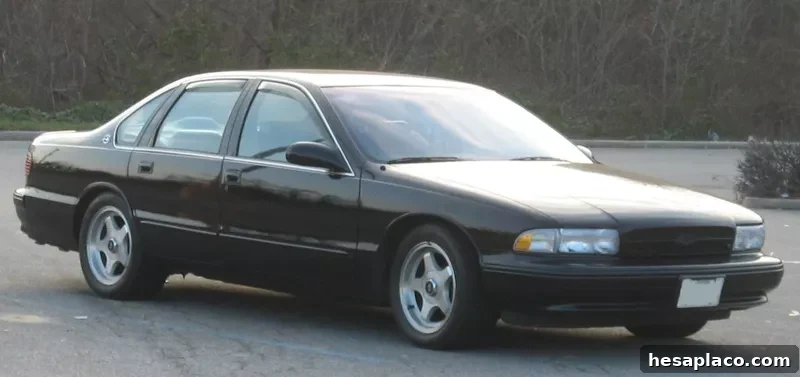
Chevy Impala SS
Wikipedia
The mid-1990s Impala SS offered V-8 performance in a full-size sedan with a muscular presence that stood out in its era. Later revivals offered more power but mixed results. Still, those original Impala SS models hold a nostalgic place among fans who remember their bold, rumbling character.
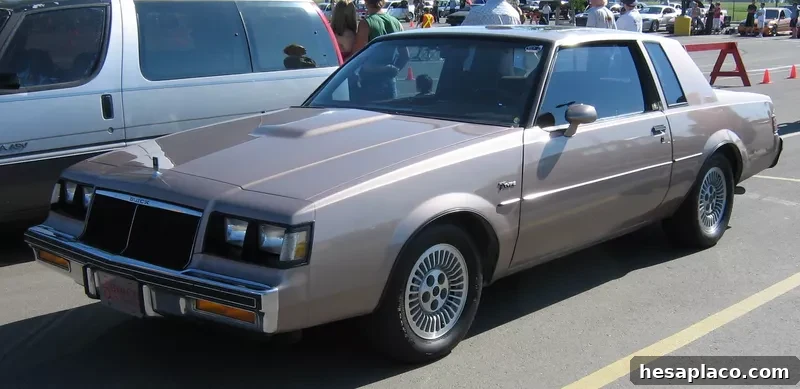
Buick Regal T-Type / Grand National
Wikimedia Commons
In the 1980s Buick produced unexpectedly potent machines like the Grand National and GNX. Their turbocharged 3.8-liter V-6 engines turned these black Regals into quarter-mile threats, and the GNX in particular became an instant cult classic for blending luxury with serious street performance.
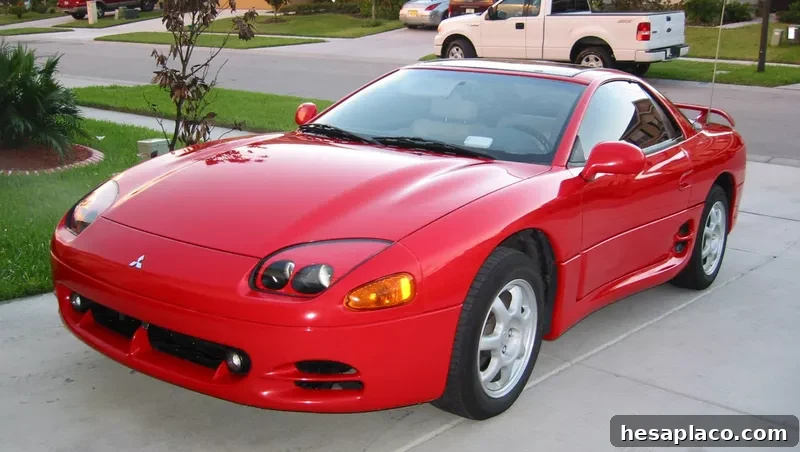
Mitsubishi 3000GT
Thaian07 / Wikipedia
The 3000GT and its Dodge Stealth cousin offered cutting-edge technology and, in VR-4 form, a twin-turbo V-6 and all-wheel drive that produced extremely impressive acceleration for the era. Despite that, the model line ended before the 2000s, leaving a legacy of advanced engineering and strong performance.
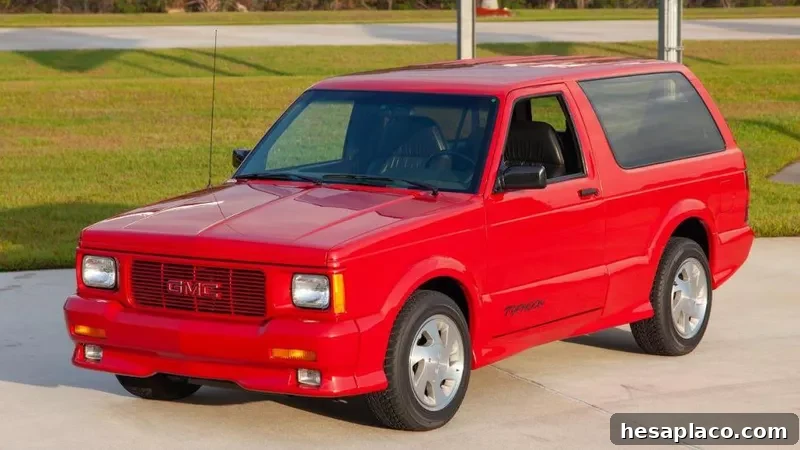
GMC Typhoon
Hemmings
The early 1990s GMC Typhoon transformed a compact SUV into an unexpected performance machine by turbocharging its 4.3-liter V-6 and adding significant drivetrain upgrades. With sports-car-level acceleration, it was a rare performance SUV of its time and remains a standout piece of 1990s automotive oddity and achievement.
Honda Civic CRX
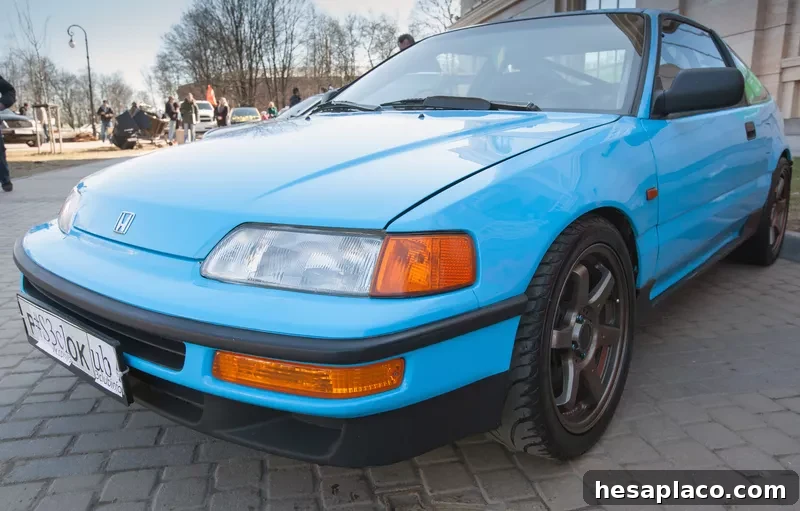
Getty Images
The CRX was a lightweight, fun, and efficient two-seat hatchback that became a fixture at track events and in the tuner scene. Its blend of simplicity and tunability made it a favorite among enthusiasts. Attempts to revive that spirit with later models didn’t quite capture the original CRX magic.
Mazda RX-7
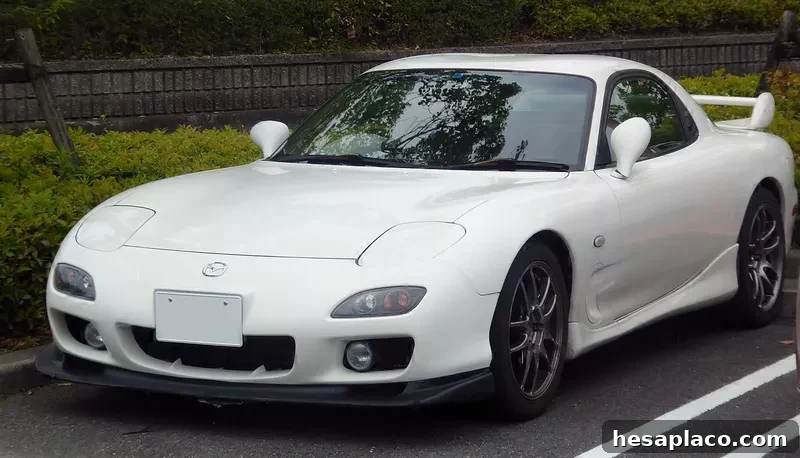
Wikimedia Commons
The RX-7’s rotary engine and balanced chassis delivered a unique driving experience. Turbocharged variants pushed power into the high numbers for a lightweight sports car, creating an enduring enthusiast following. The spiritual successors struggled to match the RX-7’s combination of character and responsiveness.
Mazdaspeed3
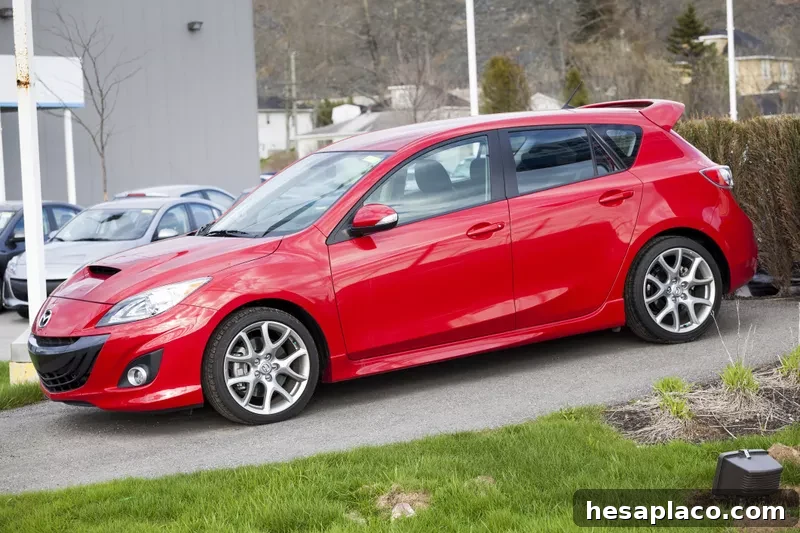
Getty Images
The Mazdaspeed3 was a hot-hatch that married practicality with performance. Its turbocharged engine delivered lively acceleration and torque in a chassis that was enjoyable on twisty roads, making it a favorite among drivers who wanted usable performance every day.
Pontiac Aztek
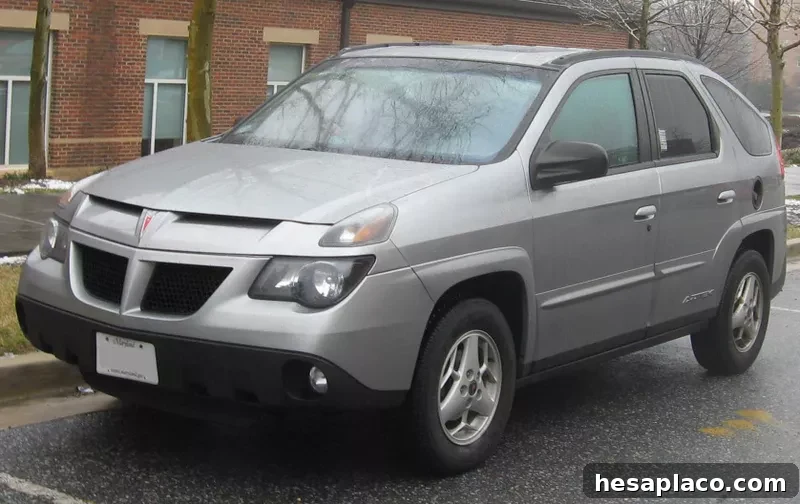
Wikipedia
The Aztek’s styling divided opinion, but owners often praised its versatility: it offered clever cargo solutions, an available tent that connected to the roof rails, and practical features aimed at outdoor lifestyles. While its aesthetics were controversial, many who used them appreciated their functionality.
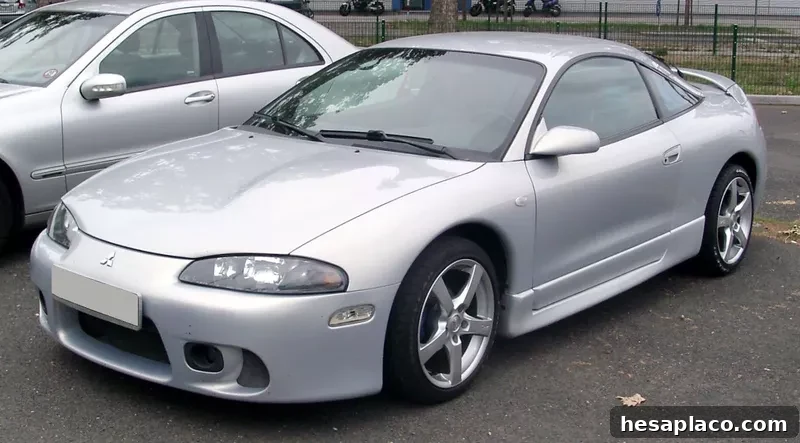
Mitsubishi Eclipse
Wikimedia Commons
The Eclipse was a defining import coupe in the 1990s with turbocharged engines and sporty handling. Later moves away from the lightweight, turbocharged formula and the name’s reuse on crossovers disappointed many fans who remember the original performance-focused models.
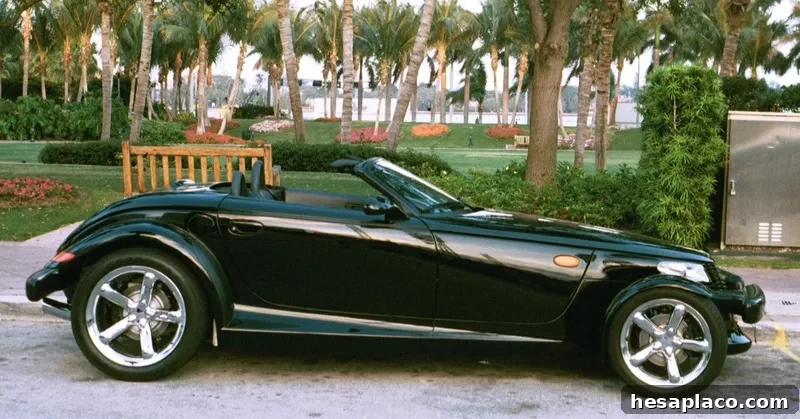
Plymouth / Chrysler Prowler
CZmarlin / Wikipedia
The Prowler turned heads with retro-inspired styling and exposed front wheels. Though its V-6 powertrain didn’t match the V-8 roadsters it recalled, the Prowler offered distinctive looks and a unique presence that made it an unforgettable conversation piece.
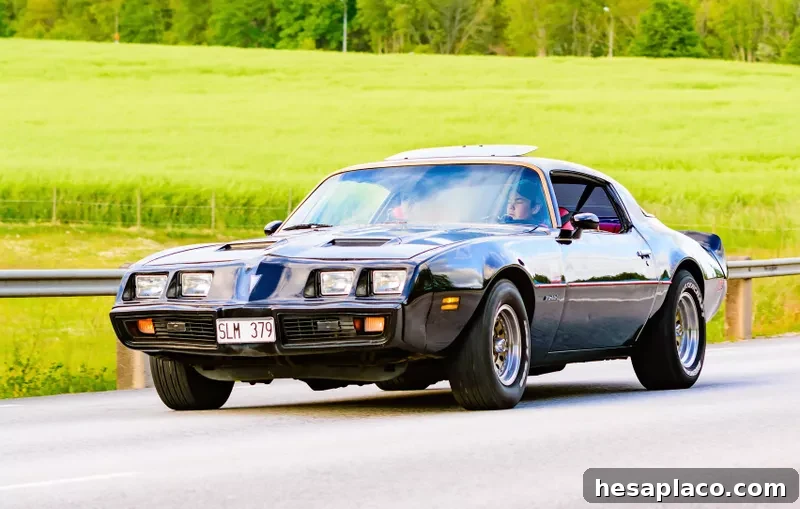
Pontiac Firebird
Getty Images
The Firebird was an iconic pony car with a long history of strong performance models. Though production ended in the early 2000s, the Firebird’s legacy—especially in high-horsepower Trans Am form—remains a cherished chapter of American muscle-car lore.
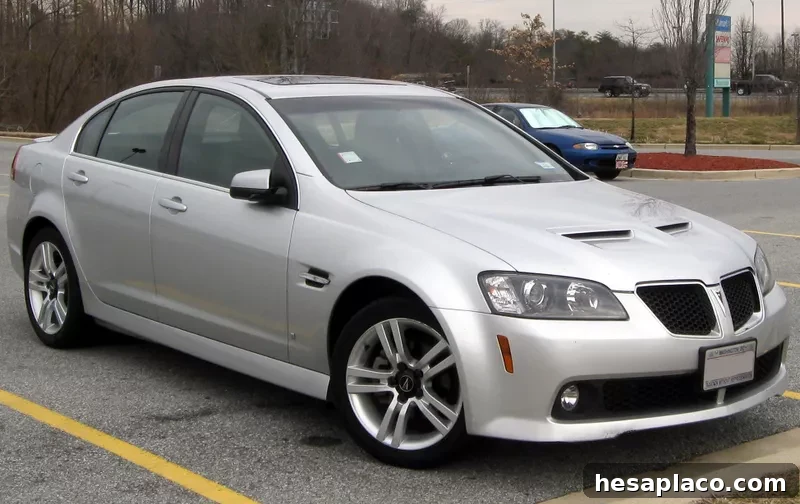
Pontiac G8
IFCAR / Wikipedia
The G8 was a rebadged Australian Holden Commodore that offered genuine V-8 performance in sedan form. High-output GT and GXP models provided thrilling acceleration and manual-transmission options, making the G8 a modern muscle sedan many still remember fondly.
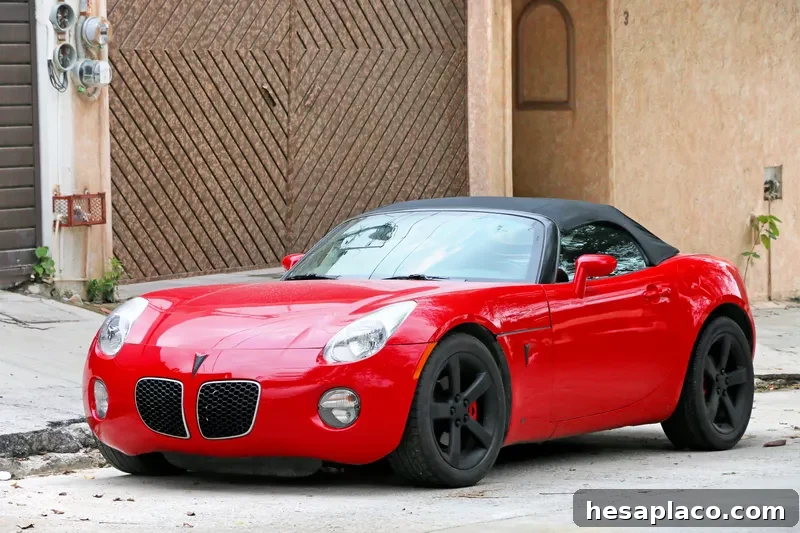
Pontiac Solstice
Getty Images
The Solstice was a visually striking two-seat roadster that shared its underpinnings with the Saturn Sky. The GXP version matched the Sky’s Redline performance and offered lively handling and good looks—qualities that continue to make the Solstice desirable on the used market.
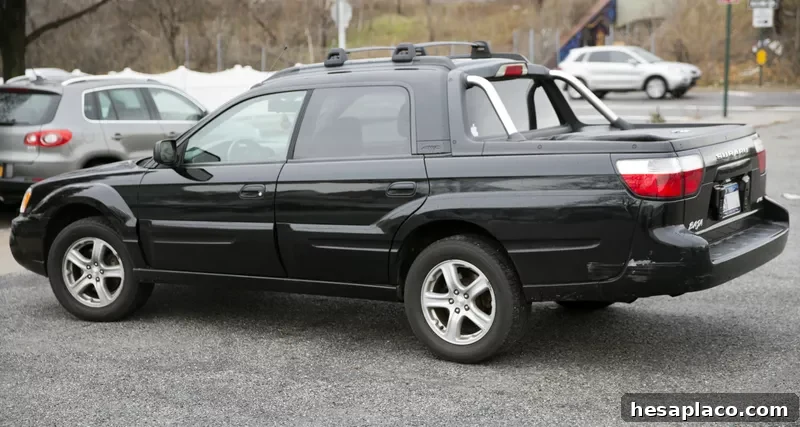
Subaru Baja
Mr.choppers / Wikimedia Commons
Inspired by the quirky Subaru Brat, the Baja combined passenger-car comfort with a small, practical bed. It appealed to buyers who wanted a compact, versatile vehicle for light hauling and outdoor activities, but its compromise between car and truck roles limited broad appeal and led to a short production run.
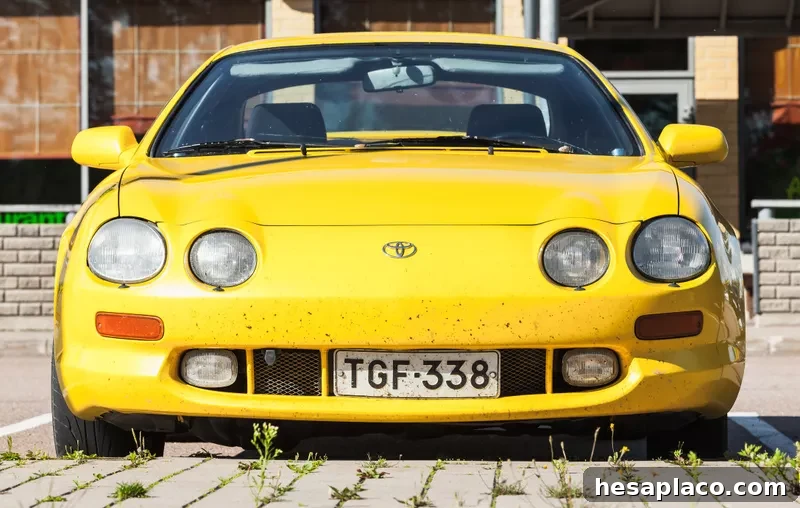
Toyota Celica
Getty Images
With roots going back to the late 1960s, the Celica delivered sporty, accessible driving across multiple generations. Notable variants like the turbocharged All-Trac added all-wheel-drive performance to the lineup. The Celica’s final generation offered improved agility but ultimately ended in 2006 as market tastes shifted.
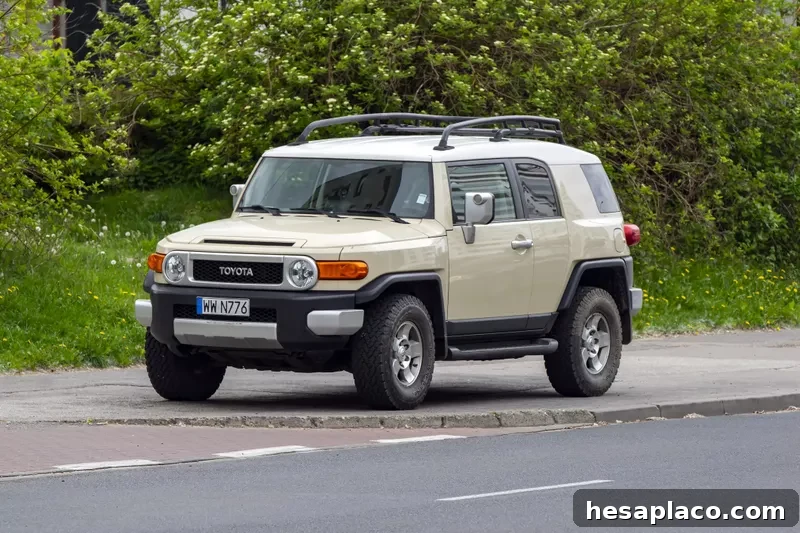
Toyota FJ Cruiser
Getty Images
Inspired by Toyota’s classic FJ series, the modern FJ Cruiser revived rugged styling, body-on-frame robustness and off-road capability. It quickly became a cult favorite for hikers, campers and off-road enthusiasts before being discontinued as sales declined and regulatory pressures increased.
Toyota MR2
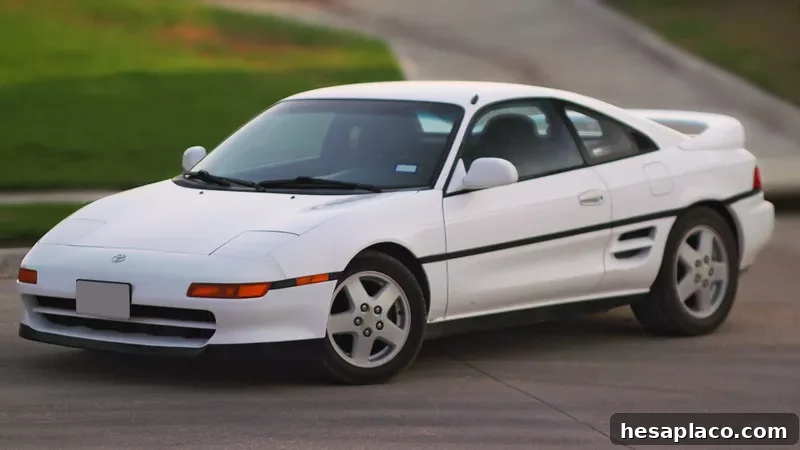
GreenGhost74 / Wikimedia Commons
The MR2 emphasized light weight and mid-engine balance over outright power. Across its generations it offered nimble handling, and the Turbo model in the early 1990s pushed performance to new levels. The MR2’s fun-to-drive nature earned it the “poor man’s Ferrari” nickname among some fans.
Volkswagen Corrado
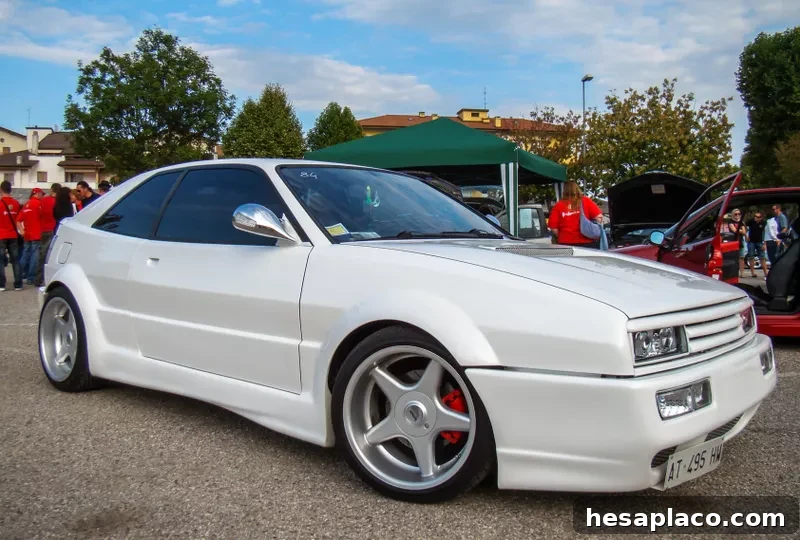
Getty Images
The Corrado combined distinctive styling with performance features like a supercharged four-cylinder and later a V-6, plus an active rear spoiler. Its blend of refinement and sportiness gave Volkswagen a compelling coupe during its production run.
Chevrolet Chevelle
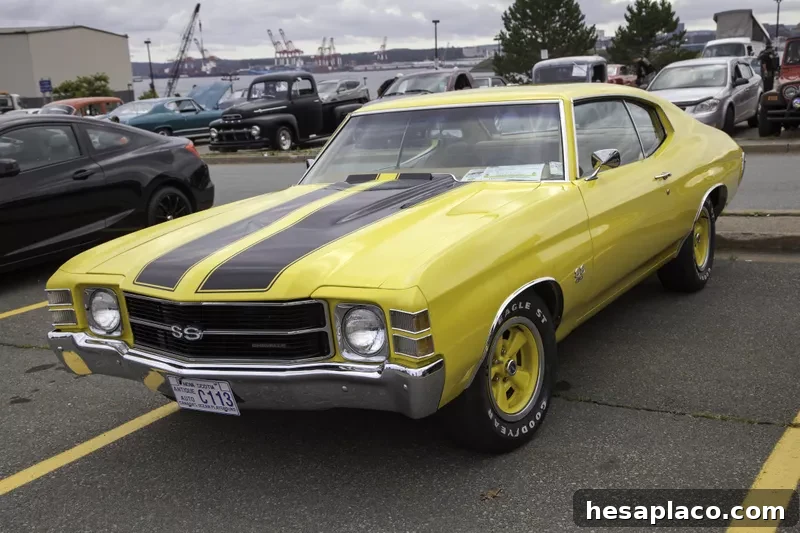
Getty Images
The Chevelle was a cornerstone of the late-1960s muscle-car era, offering a range of powerful V-8 engines, including a rare 427 option. Changing regulations and evolving tastes eventually ended its run, but the Chevelle remains a classic nameplate with strong nostalgic appeal.
Pontiac GTO
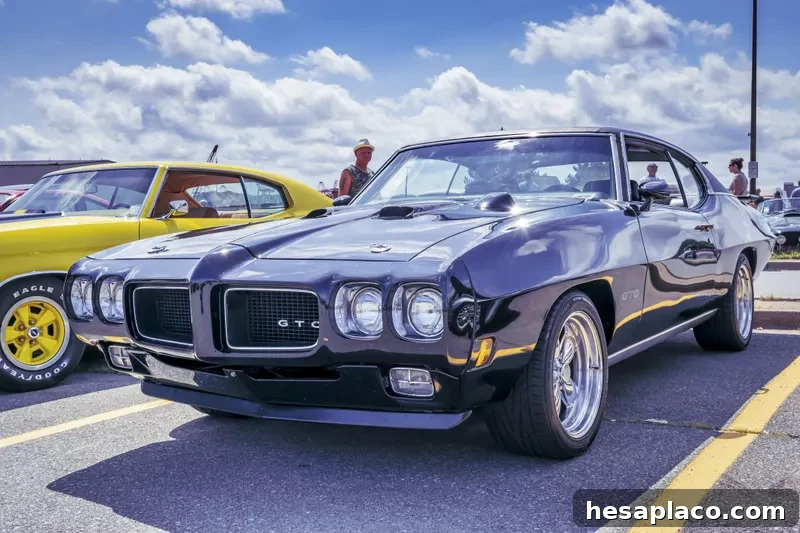
Getty Images
The GTO started life as an option package that evolved into one of the original muscle cars. Although the 1970s curtailed its power, the GTO name resurfaced in the mid-2000s on a rebadged Holden Monaro, reminding fans of the model’s historic performance pedigree.
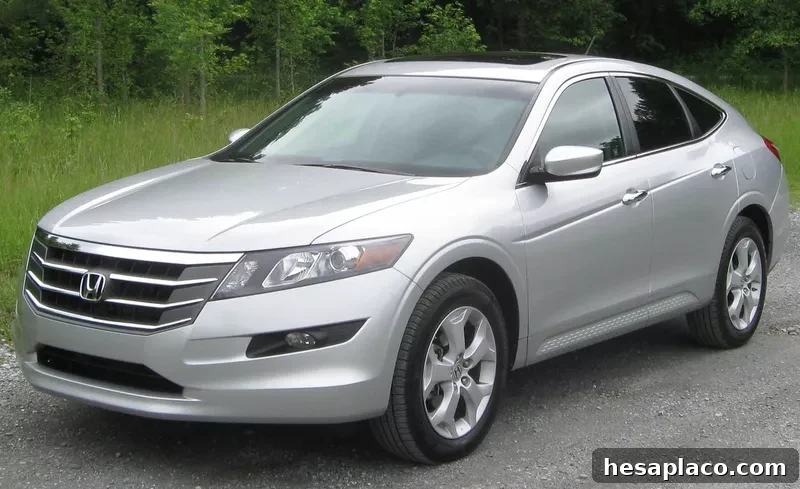
Honda Accord Crosstour
IFCAR / Wikipedia
The Crosstour offered a raised, hatchback-like design based on the Accord platform. Its styling polarized buyers, but owners appreciated the added cargo flexibility and comfortable interior. Honda discontinued it in 2015 as sales slowed, even as similar designs became more popular later on.
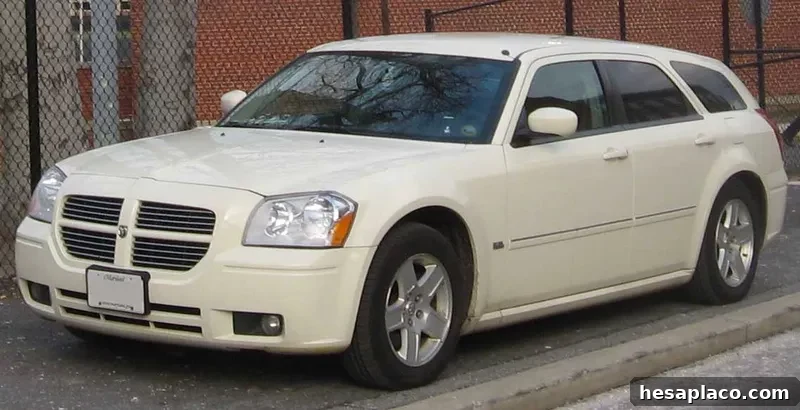
Dodge Magnum
IFCAR / Wikimedia Commons
The Magnum was a muscular station wagon built on Chrysler’s LX platform that also underpinned the 300 and Charger. In performance trims like the R/T and SRT-8, it married V-8 power with genuinely useful cargo capacity, a combination many buyers now miss in an age dominated by crossovers.
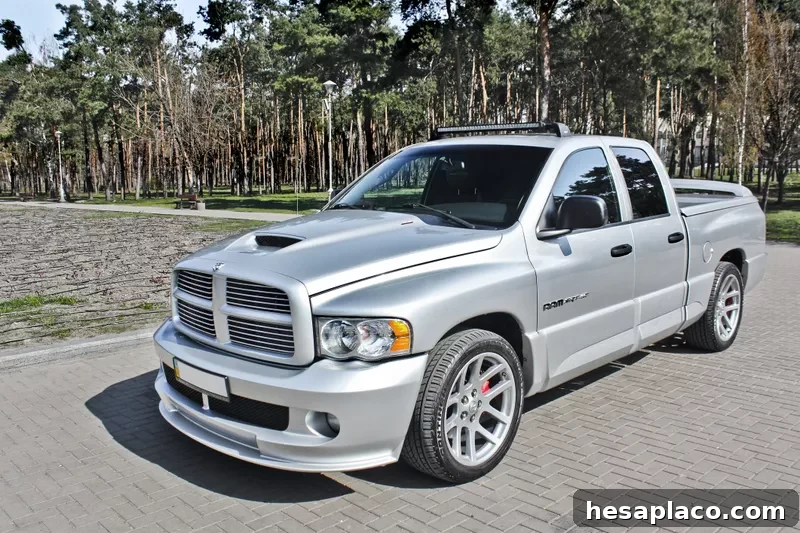
Dodge Ram SRT-10
Getty Images
The Ram SRT-10 installed the Viper’s 8.3-liter V-10 in a pickup, producing 500 horsepower and astonishing performance for a truck. With a six-speed manual and sub-five-second sprint times in certain configurations, it remains an icon among performance pickup enthusiasts.
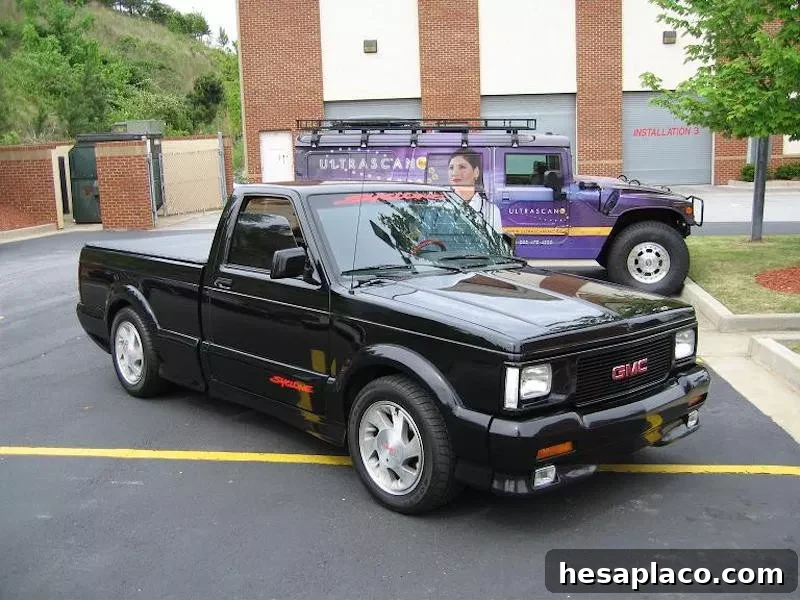
GMC Syclone
Willyson / Wikimedia Commons
Based on the Sonoma pickup, the Syclone packed a turbocharged engine and all-wheel drive, delivering sports-car-level acceleration in a compact truck body. Its startling 0–60 time made it a standout one-year wonder that’s still talked about by fans.
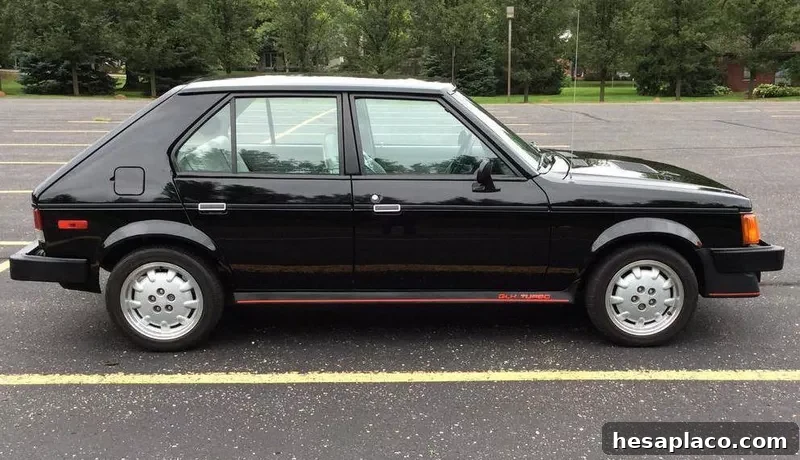
Dodge Omni GLH
Hemmings
The Omni GLH (Goes Like Hell) was a Shelby-tuned, small hatchback that punched well above its weight. Turbocharged versions and limited Shelby-run specials delivered surprising performance and established the Omni GLH as a quirky but beloved pocket rocket from the 1980s.
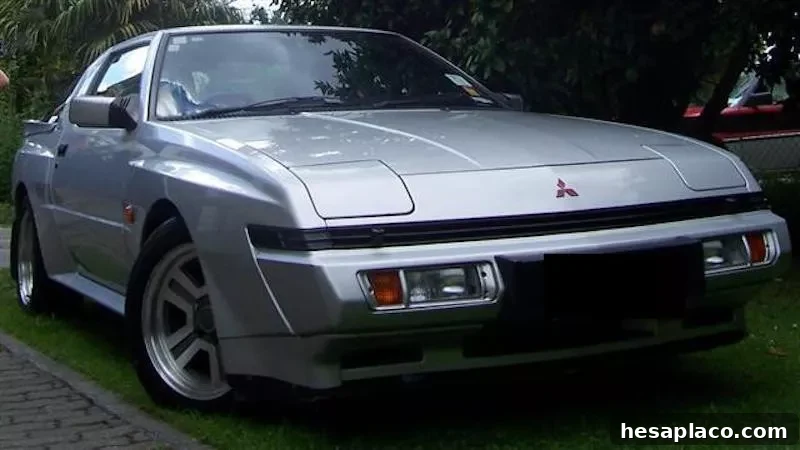
Mitsubishi Starion
Masty / Wikimedia Commons
The Starion was a sharp-handling, turbocharged coupe with bold, angular styling and strong performance for its time. Enthusiasts frequently call for its return, but Mitsubishi’s current focus on crossovers makes a revival unlikely.
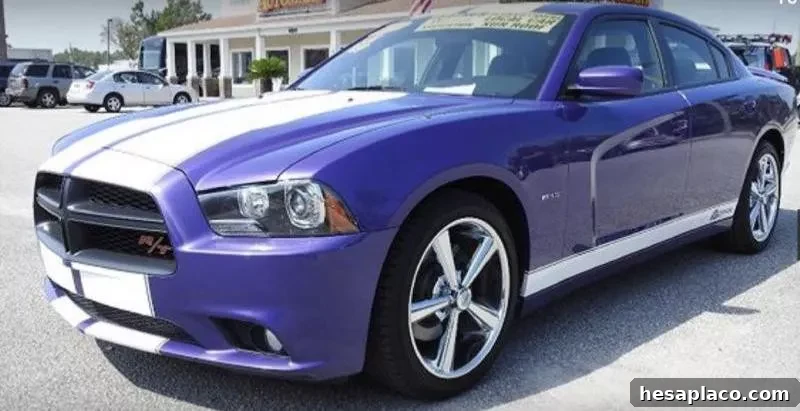
Dodge Charger R/T AWD (2014)
Carfax
The 2014 Charger R/T offered the rare combination of a V-8 HEMI and all-wheel drive. This configuration appealed to buyers in snowy climates and those who wanted improved traction without giving up muscle-car performance. Dodge discontinued the V-8 AWD option after a single year, and fans still hope for its return.
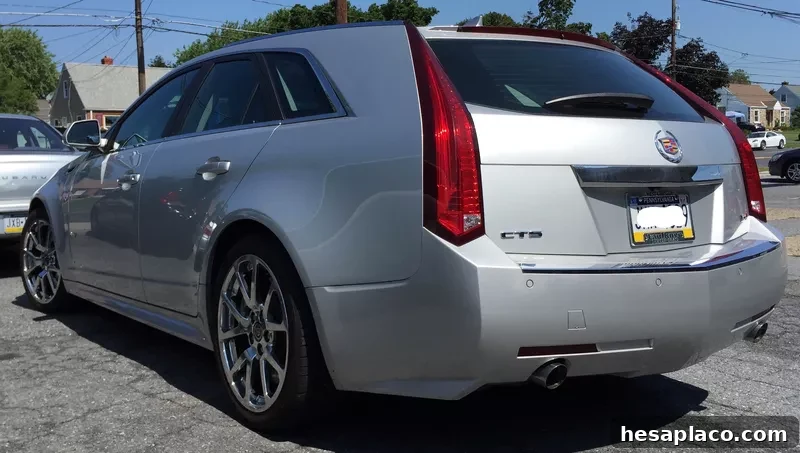
Cadillac CTS-V Sport Wagon
ilikewaffles11 / Wikimedia Commons
The CTS-V Sport Wagon combined supercar-level performance with genuine practicality. With over 550 horsepower, available manual transmission and ample cargo space, it offered the rare opportunity to haul gear and still accelerate like a sports car—a combination many remain nostalgic for.