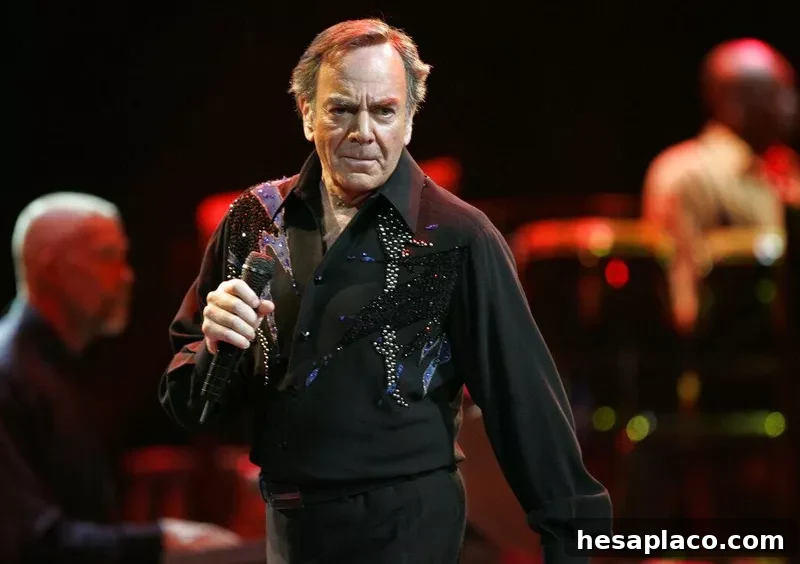
Biggest Music Catalog Sales by Famous Rock and Pop Artists
Many legendary musicians have sold their music catalogs for enormous sums in recent years. These deals often include publishing rights, recording royalties, performance income, or a combination of several rights connected to an artist’s work. For older artists and estates, selling a catalog can simplify finances, create immediate wealth and make it easier for heirs to manage assets in the future.
Not every deal works the same way. Some artists sell their entire catalog, while others sell only a percentage of their rights. In those cases, the artist may remain involved as a partner and still have influence over how the music is marketed, licensed or used in new projects.
From classic rock bands to solo icons, these are some of the biggest music catalog deals of recent years, ranked by reported value.
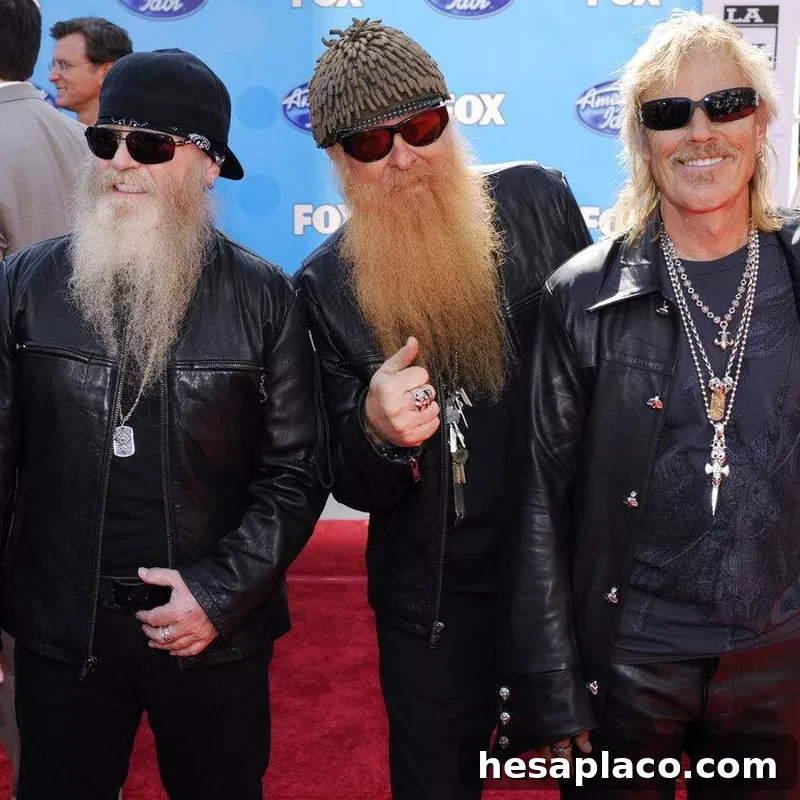
10. ZZ Top
Chris Pizzello/AP Photo
Value: $50 million
Bottom line: ZZ Top, often called “That Little Ol’ Band from Texas,” sold its full music catalog to international music company BMG. The company already had a long relationship with the band, having worked with ZZ Top for decades as a co-publisher and administrator of its music.
The deal includes the band’s publishing catalog as well as royalties connected to recordings and performances. For a group with decades of recognizable songs, the sale gave BMG control over a valuable rock catalog with lasting commercial appeal.
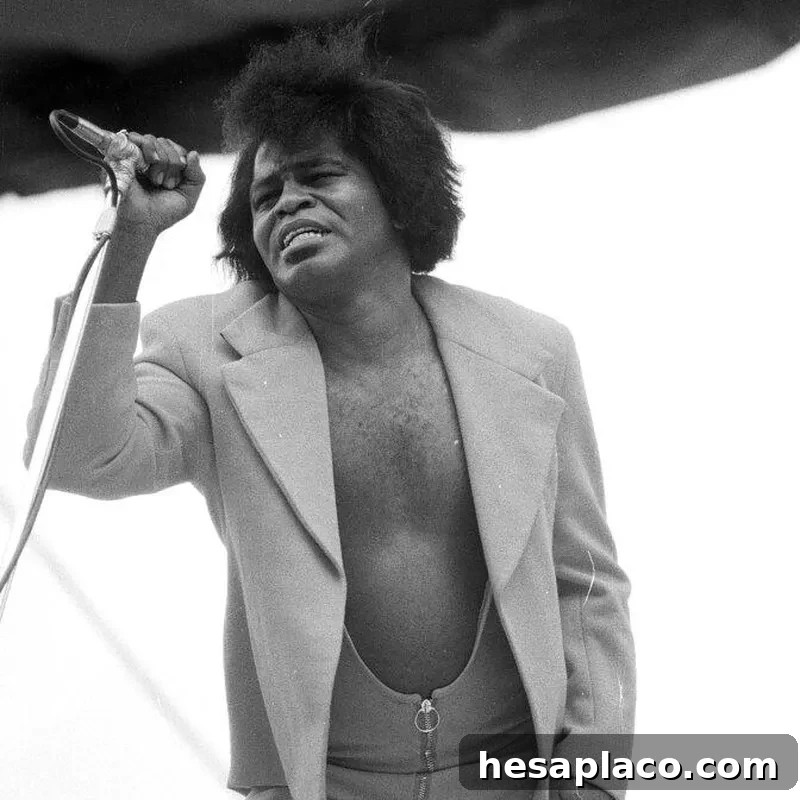
9. James Brown
ALLAN GREEN/AP Photo
Value: $90 million
Bottom line: In 2021, Primary Wave Music purchased the remaining assets of James Brown’s estate. The agreement included rights to his music as well as control over future uses of his name and likeness.
The deal between Brown’s estate and Primary Wave took about four years to complete. Proceeds from the sale were intended to support Brown’s scholarship trust, ensuring that part of his legacy would continue through education as well as music.
8. Stevie Nicks

Charles Sykes/AP Photo
Value: $100 million
Bottom line: In 2020, Stevie Nicks sold 80 percent of her catalog to Primary Wave. The arrangement allowed the publishing company and the singer to remain partners in marketing, branding and digital strategy for her music.
The sale covers songs Nicks wrote for Fleetwood Mac as well as music from her solo career. With a catalog that includes some of the most beloved songs in rock and pop, the deal reflected the enduring value of her songwriting.
7. Red Hot Chili Peppers

Willy Sanjuan/AP Photo
Value: $140 million to $150 million
Bottom line: The Red Hot Chili Peppers sold the rights to their song catalog to Hipgnosis, a music investment company based in the United Kingdom. This company should not be confused with the album art design collective of the same name, which disbanded in 1983.
The band’s catalog has been reported to generate between $5 million and $6 million per year from publishing alone. That consistent income made the Red Hot Chili Peppers’ songs especially attractive in the growing market for music rights.
5. Neil Young (Tie)

Barry Brecheisen/AP Photo
Value: $150 million
Bottom line: Hipgnosis also purchased 50 percent of the rights to Neil Young’s back catalog in 2021. The agreement covered about 1,200 songs from one of the most respected singer-songwriters in rock history.
Young has long been known for protecting how his music is used, and he has avoided licensing his songs for commercial advertising. Hipgnosis founder Merck Mercuriadis acknowledged that position, saying the company intended to respect Young’s values while helping more listeners experience the music on the artist’s terms.
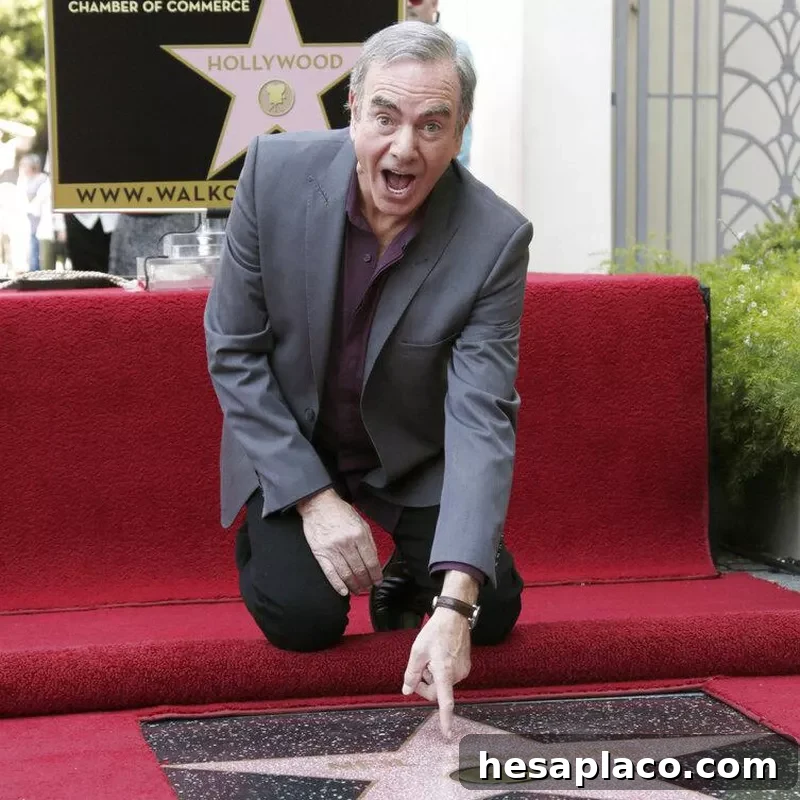
5. Neil Diamond (Tie)
Todd Williamson/AP Photo
Value: $150 million
Bottom line: Universal Music Group purchased Neil Diamond’s entire catalog in early 2022. The deal included his released music as well as 110 unreleased songs, an unreleased album and several long-form videos.
The agreement also stated that any future releases from Diamond would go through Universal Music Group. For the company, the purchase secured control of a catalog filled with songs that have remained popular for generations.
4. David Bowie
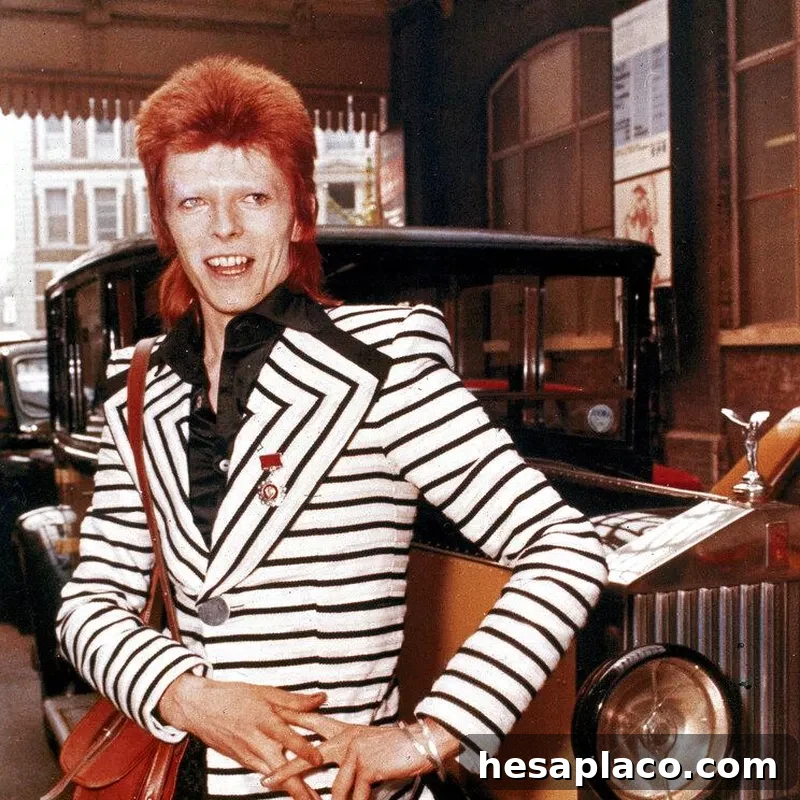
John Glanvill/AP Photo
Value: $250 million
Bottom line: Warner Music acquired David Bowie’s full music catalog in early 2022. The purchase covered all 26 studio albums released during his lifetime, along with the posthumous studio album “Toy,” which was released in 2021.
In September 2021, Bowie’s estate had already granted Warner Music worldwide rights to his music from 2000 to 2016. The later catalog deal expanded Warner’s control over one of the most influential bodies of work in modern music.
3. Genesis

Frank Augstein/AP Photo
Value: $300 million
Bottom line: Genesis members Phil Collins, Tony Banks and Mike Rutherford sold their publishing rights and some recorded music rights to Concord Music Group in September 2022.
The deal included Genesis albums featuring all three members, along with their solo work and Rutherford’s band Mike & the Mechanics. However, the catalogs of former Genesis members, including Peter Gabriel, were not included in the agreement.
2. Bob Dylan
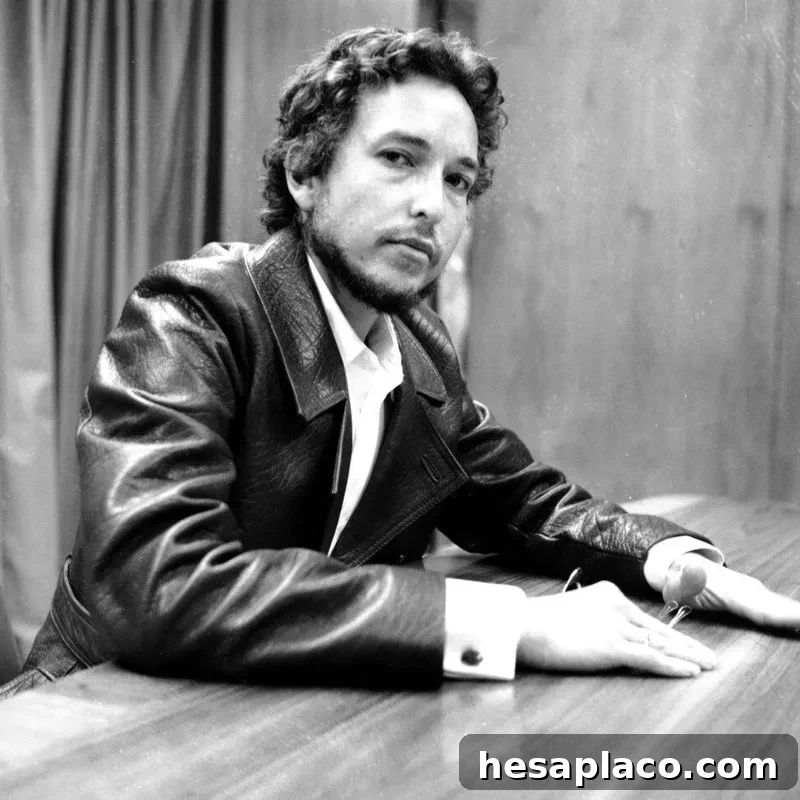
AP Photo
Value: $300 million to $400 million
Bottom line: Sony Music acquired the rights to Bob Dylan’s entire recorded back catalog in 2022. The collection begins with his 1962 self-titled debut album and continues through 2020’s “Rough and Rowdy Ways.” The agreement also includes rights to future releases.
The previous year, Dylan sold the rights to his song lyrics and compositions for more than $200 million. Together, these deals placed one of the most important songwriting and recording catalogs in popular music under major corporate ownership.
1. Bruce Springsteen
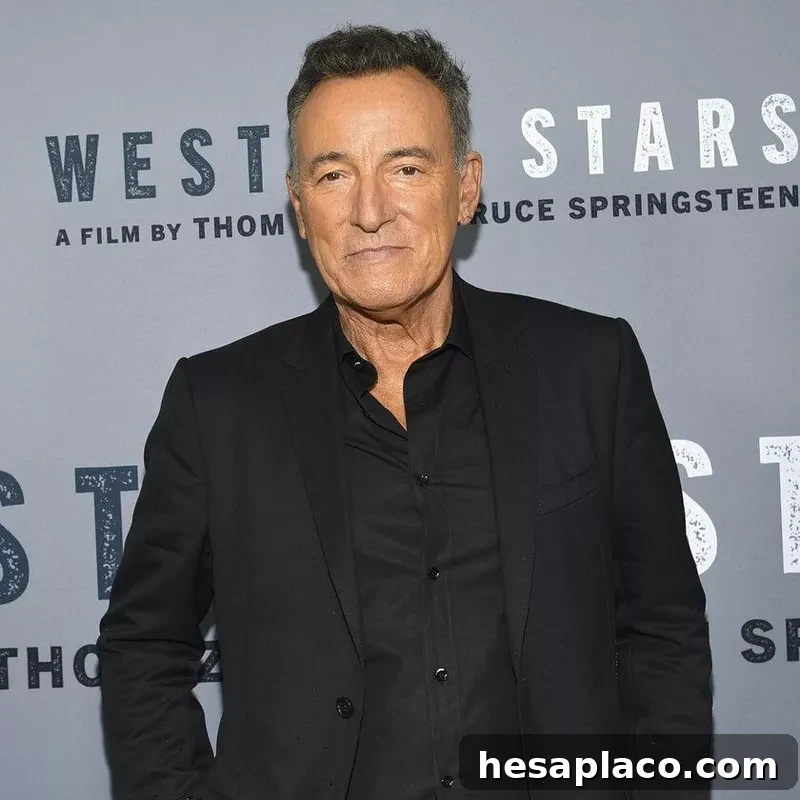
Evan Agostini/AP Photo
Value: $550 million
Bottom line: Bruce Springsteen, known worldwide as “The Boss,” sold both his publishing rights and recording rights to Sony Music. At the time, it was reported as the largest deal of its kind.
The sale gave Sony ownership of one of the most valuable catalogs in rock history, covering 300 songs and 20 studio albums. Even after the deal, Springsteen continued to earn money through writing, recording and performing, showing that a catalog sale does not necessarily mark the end of an artist’s creative career.