
Most people think they understand what “investing” means: committing money to earn a financial return. Speculating, by contrast, is forming a theory or guess without firm evidence. Yet many confuse the two, believing they are investing when in reality they are speculating.
Sound investments tend to be transparent, reasonably liquid (easy to buy and sell), grounded in intrinsic value, and supported by a track record. But the line between investing and gambling can be wide. Many trendy opportunities are little more than gambles in disguise, and without careful thought they can look like investments only in hindsight.
Below is a list of nine investment ideas that are often poor choices for most investors.
Art: The Allure

Getty Images
Art has glamour and prestige. Works by high-profile artists can sell for millions, and international art fairs keep attracting buyers. But treating art primarily as an investment presents significant challenges. The market is highly concentrated and competitive: a small group of artists often accounts for a disproportionate share of auction sales.
A specialized ecosystem exists to support art-as-investment—consultants, advisors, art funds, and price indices—but valuations vary widely and experts often disagree. Each artwork is unique, making objective valuation difficult.
Art: The Danger
The art market is vulnerable to fads, fraud, and provenance issues. Even if you identify an artist poised to gain, converting that appreciation into cash can be slow and costly. Art sales involve lengthy processes and high fees, and the secondary market is far less liquid than stocks or bonds.
If you enjoy collecting, buy art because you appreciate it—not because you expect consistent, long-term financial returns comparable to diversified securities.
Baseball Cards: The Allure
Getty Images
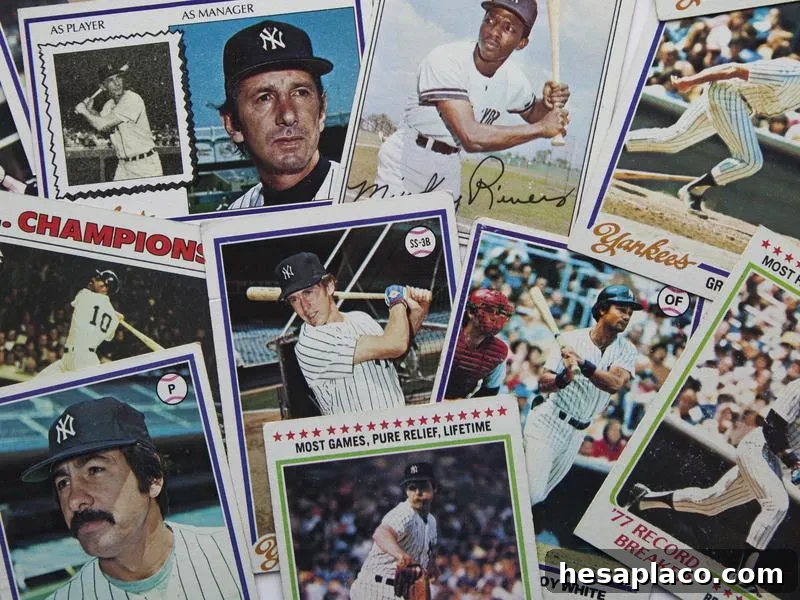
Collectibles like baseball cards once seemed like promising investments. The market boomed in past decades and attracted speculators looking for quick gains.
Baseball Cards: The Danger

Collectibles face oversupply risk and shifting tastes. Condition and rarity matter enormously—only pristine vintage cards or authenticated autographs may hold value. Most cards are illiquid, and markets can collapse quickly. If you collect cards, treat it as a hobby and only spend what you can afford to lose.
Bitcoin: The Allure
Rick Bowmer / AP Photo
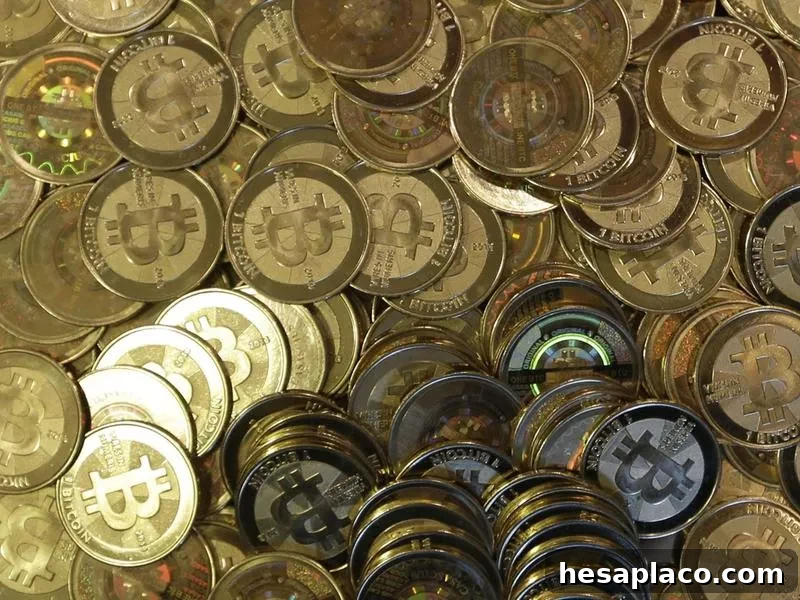
Bitcoin and other cryptocurrencies were touted as the future of money—anonymous, secure, and independent of traditional payment systems. That promise drew massive public interest and speculation.
Bitcoin: The Danger

Cryptocurrencies have a limited track record, volatile prices, and uneven liquidity. Exchanges have been hacked, and scandals and failures have been frequent. Regulatory treatment varies by country, and banks and regulators sometimes shy away from crypto-related activity. While early adopters profited, for most people crypto remains a high-risk, speculative asset with uncertain long-term prospects.
Your Employer’s Stock: The Allure

Getty Images
Buying your employer’s stock feels intuitive: you know the company and may be eligible for purchase discounts. But concentration in a single company is risky.
Your Employer’s Stock: The Danger
Diversification explains the majority of investment returns over time. Relying heavily on one employer exposes both your income and your investments to the same business risk. If the company struggles, you could lose your job and see your portfolio decline simultaneously. If you participate, limit exposure and maintain broad diversification elsewhere.
Classic Cars: The Allure

Getty Images
Vintage cars attract passionate collectors and high-profile auctions. Certain marques and eras command strong interest and can fetch high prices.
Classic Cars: The Danger
Costs for restoration, maintenance, storage, insurance, and parts add up quickly. Driving a classic increases wear and repair costs. The market for specific models is narrow, values fluctuate, and only a small share of cars ever sell at auction. Treat classic cars as a costly hobby, not a reliable investment.
Penny Stocks: The Allure

Getty Images
Penny stocks trade at very low prices and can seem appealing because small moves translate to large percentage gains. But their low price masks significant risks.
Penny Stocks: The Danger

Penny stocks often trade on over-the-counter markets with limited regulation. Many issuers don’t provide audited financials, trading is thin, and markets can be manipulated. They are notoriously illiquid—easy to buy, hard to sell—and attract scammers. If you want exposure to smaller companies, consider small-cap stocks tracked by established indices and mutual funds instead.
Startups Your Friends Recommend: The Allure

Getty Images
Investing in a friend’s startup can feel personal and exciting. Early headlines sometimes suggest massive valuations for simple ideas, fueling the appeal of backing the next big app or platform.
Startups Your Friends Recommend: The Danger

Venture capitalists expect most startups to fail and back many companies to find a small number of big winners. They also perform deep due diligence and negotiate terms unavailable to typical individual investors. If you invest directly in startups, you’ll often be later in the capital stack and pay higher prices with less information and protection. Accept the high failure rate and treat such investments as speculative.
Vineyards (and Wineries): The Allure

Kym Ellis / Unsplash
Owning a vineyard or winery appeals to those who love wine and the lifestyle surrounding production. It can seem romantic and potentially lucrative.
Vineyards (and Wineries): The Danger
Vineyards require years of investment before a first harvest and ongoing capital for equipment, labor, storage, and aging. Weather, pests, and natural disasters can devastate crops. Wine production is highly regulated and operationally complex. For most buyers, vineyards and wineries are lifestyle purchases that often produce losses rather than reliable financial returns.
Anything You Don’t Understand: The Allure

Make sure you know what you’re doing before you leap. Nicolas Tissot / Unsplash
An investment should play a clear role in your portfolio. Focus on what you can control: diversification, asset allocation, saving rate, and behavior. Match investments to your goals and time horizon. Understand the risks and whether you can tolerate price swings. If an opportunity keeps you awake at night worrying, it’s likely a poor fit.
Anything You Don’t Understand: The Danger

Good investing requires assessing downside risk and choosing assets whose risks you can quantify. If you can’t clearly explain how an investment creates returns or what could go wrong, you shouldn’t commit significant capital to it. Even with the right analysis, remember there are no guarantees—you can be right and still lose money.