
We’ve all wondered how some co-workers ever passed an interview—or how they were even hired. Do interviewers sometimes simply give up after odd exchanges and hire the next person on the schedule?
Judging by the candidates shown in these tweets, many didn’t seem interested in landing the job. They offered behavior that violates common interview advice: discussing salary too early, showing no enthusiasm, lying, or failing to ask thoughtful questions. These blunders topped the list.
Let’s hope most of these were staged for laughs on Twitter rather than real job-seeking attempts.
Aim High
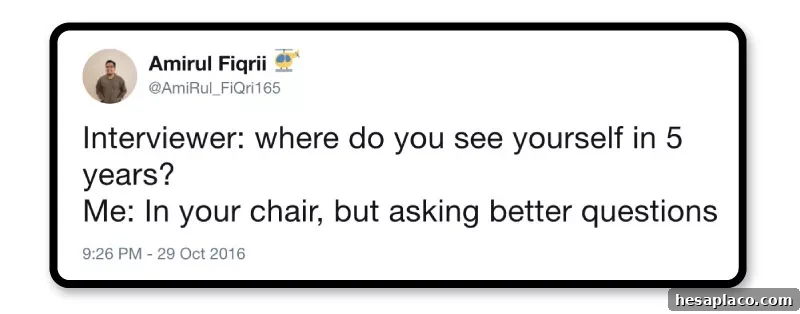
@AmiRul_FiQri165
Criticizing your future manager during an interview is a quick way to derail your chances.
Reverse Psychology
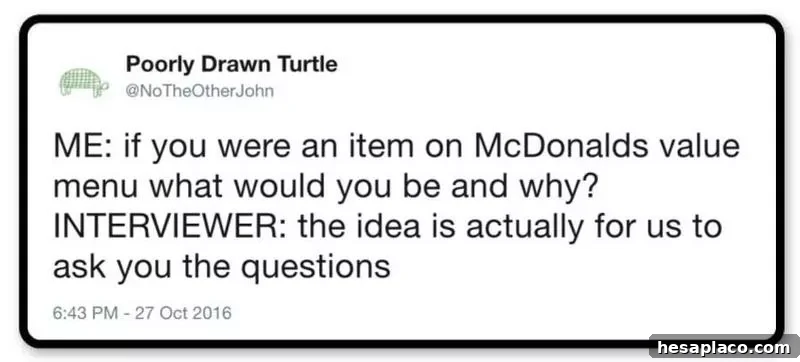
@NoTheOtherJohn
Making the interviewer reveal whether they buy fast food might be funny, but it gives little useful information about the job fit—and could be awkward if the interviewer feels judged.
Exaggerate Your Assets
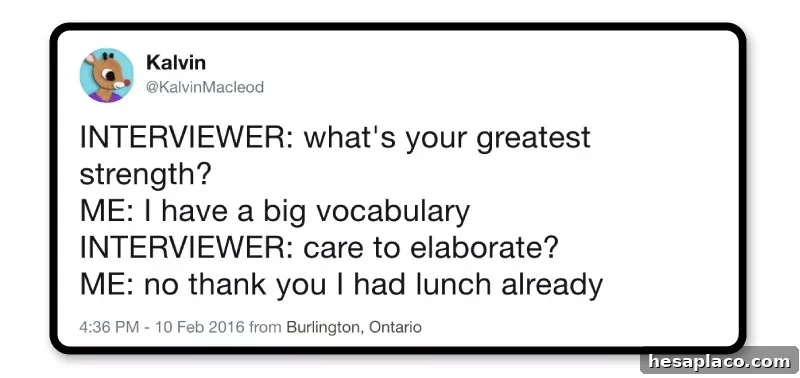
@KalvinMacleod
Using a big word without understanding it can be entertaining, but it undermines credibility. Better to speak clearly and honestly about your strengths.
A Single Criterion
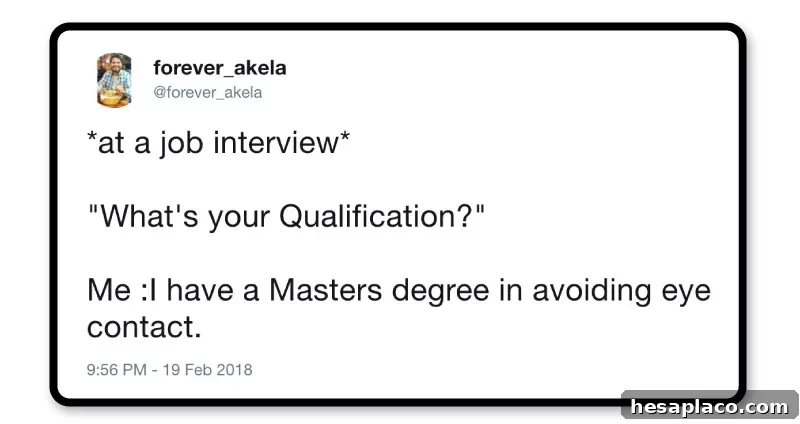
@forever_akela
Jokes are fine, but evading eye contact or focusing on a single trivial trait can read as evasiveness or dishonesty.
Tell It Like It Is
@audipenny
Openly broadcasting negativity during an interview rarely helps. Employers want team members who can be candid but constructive.
One Meal at a Time
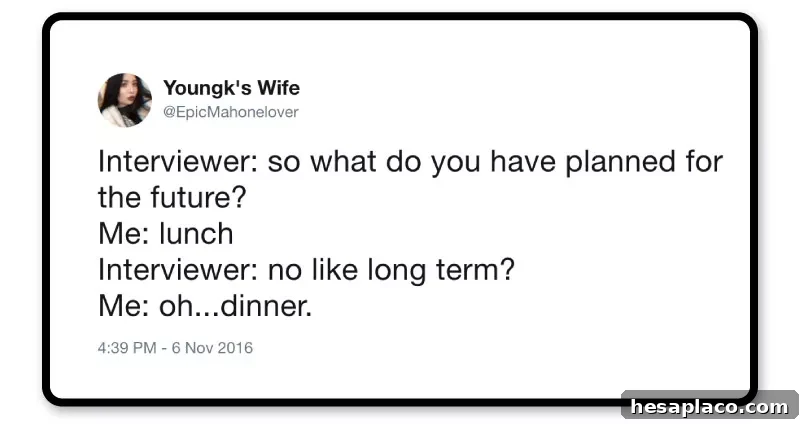
@EpicMahonelover
Constant talk about food may signal a lack of professional focus. Office etiquette and consideration for coworkers matter.
Unsee This Visual
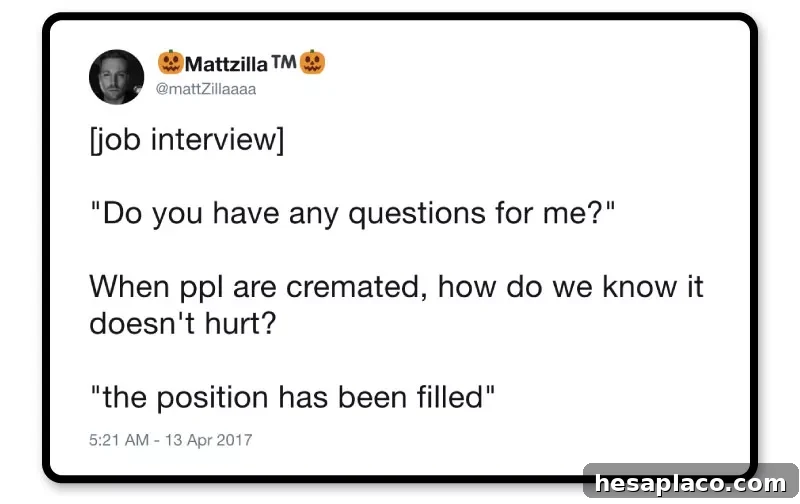
@mattZillaaaa
Some interview answers are so disconnected they leave the interviewer needing a moment to regroup.
Taking Counsel Literally
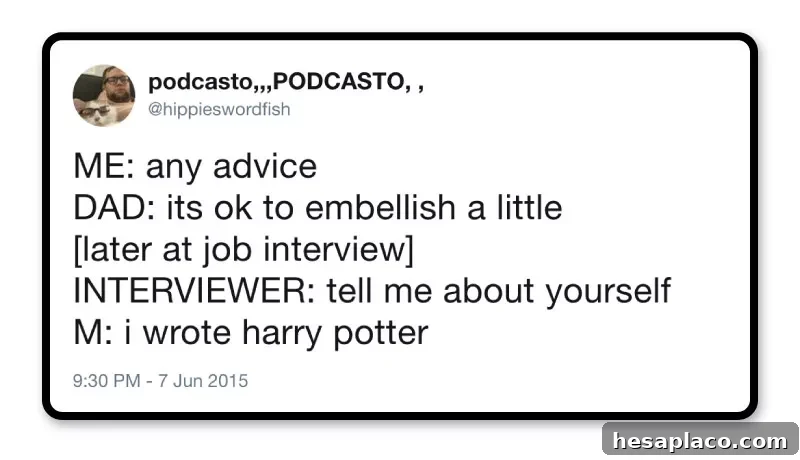
@hippieswordfish
Quoting fiction or fantastical references can be charming in moderation, but relying on them in a serious interview may confuse the interviewer.
Do We Need More of These Folks in the Workplace?
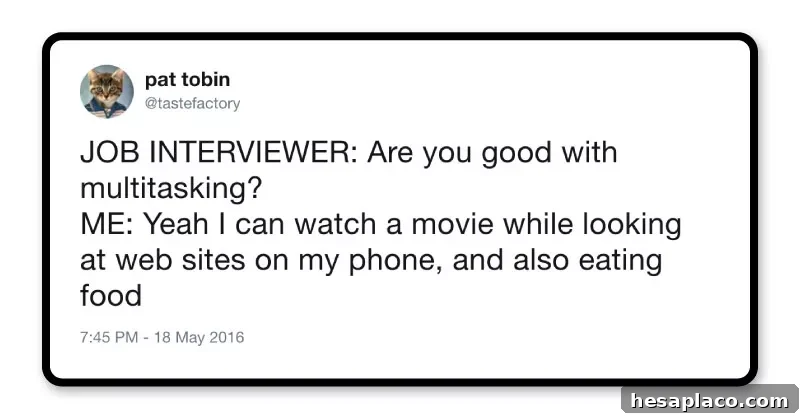
@tastefactory
If a candidate plans to spend their workday scrolling social media, that’s a red flag for productivity and focus.
Don’t Answer This
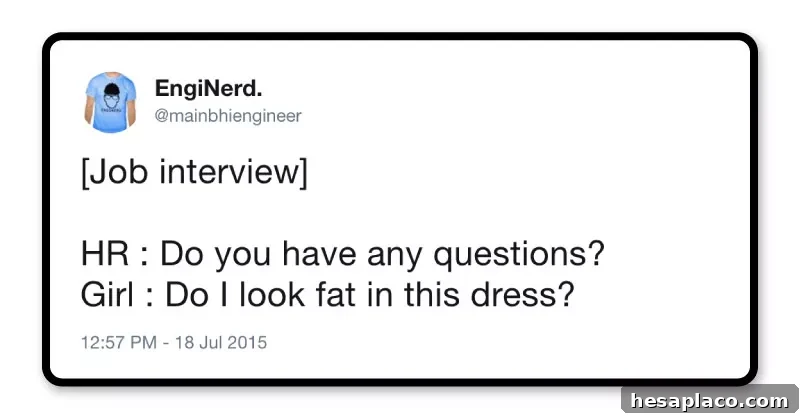
@mainbhiengineer
Some questions are traps; answering impulsively can reveal more than you intend or derail the conversation.
A Bit Too Cutesie
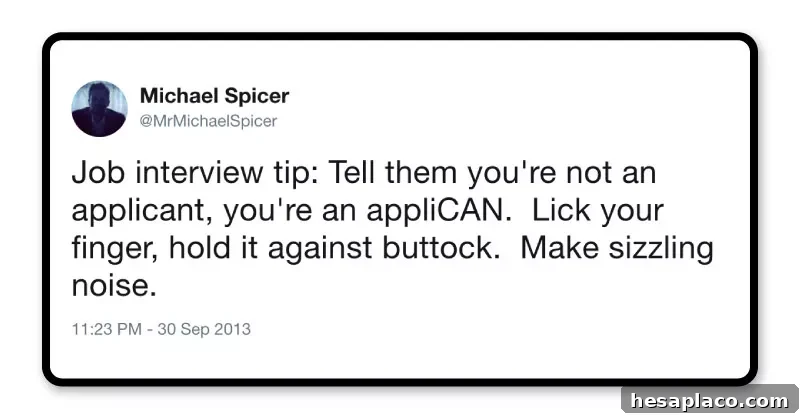
@MrMichaelSpicer
Playful answers can be memorable, but overly cute responses may not suit most professional roles.
Not the Best Idiom
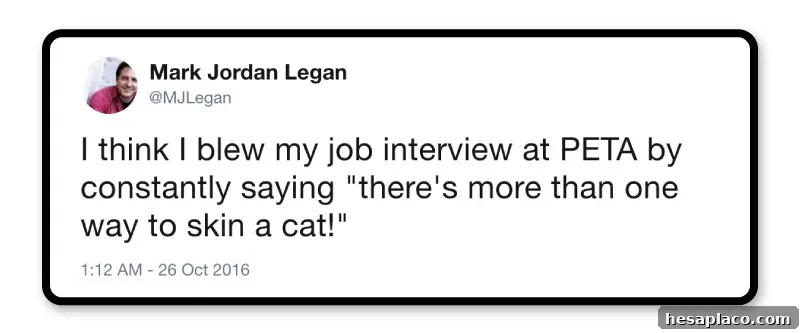
@MJLegan
Poorly chosen idioms or flippant comments about wealth or appearance can give the wrong impression.
A Hard Pass
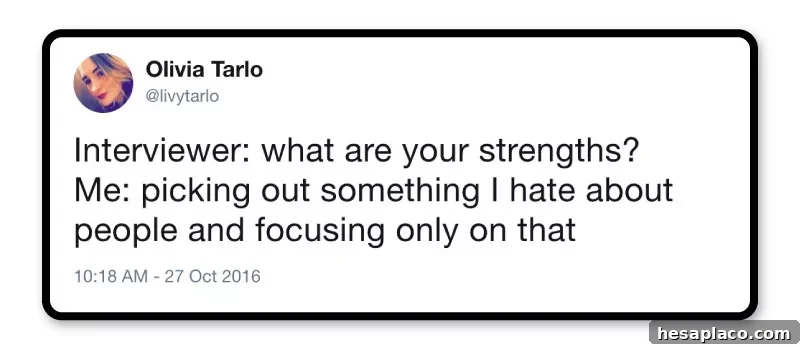
@livytarlo
Statements that suggest deeper personal issues may indicate this candidate needs support beyond a hiring decision.
Toss This Resume
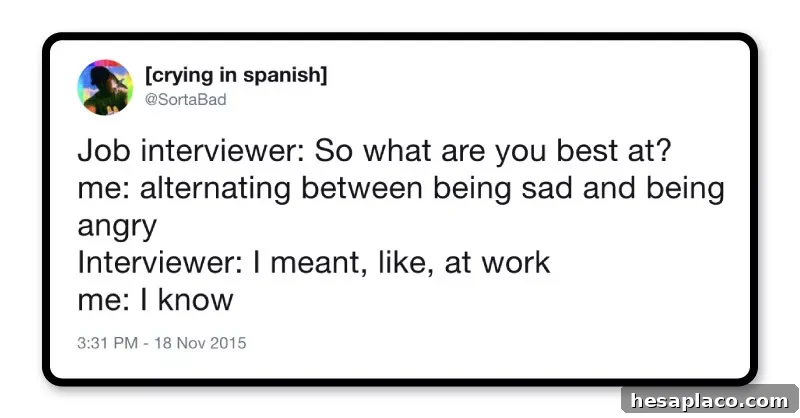
@SortaBad
Some resumes and interview answers are so off-base they warrant immediate rejection, and possibly a nudge toward professional help.
Fantasy Land
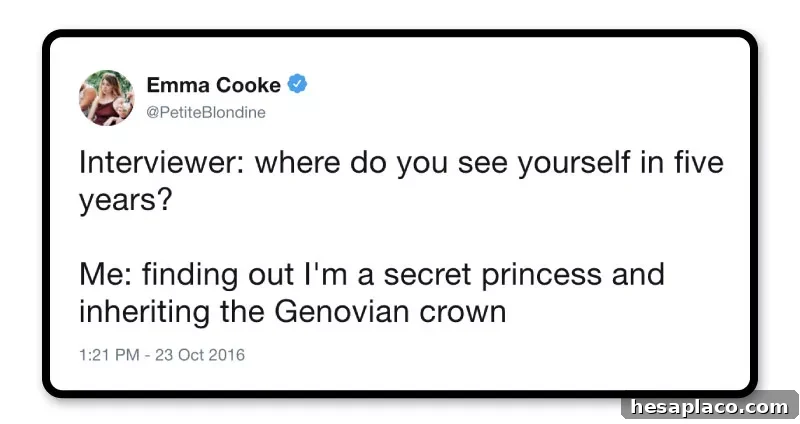
@PetiteBlondine
Candidates who are detached from reality are unlikely to meet workplace expectations or practical demands.
Captain Obvious
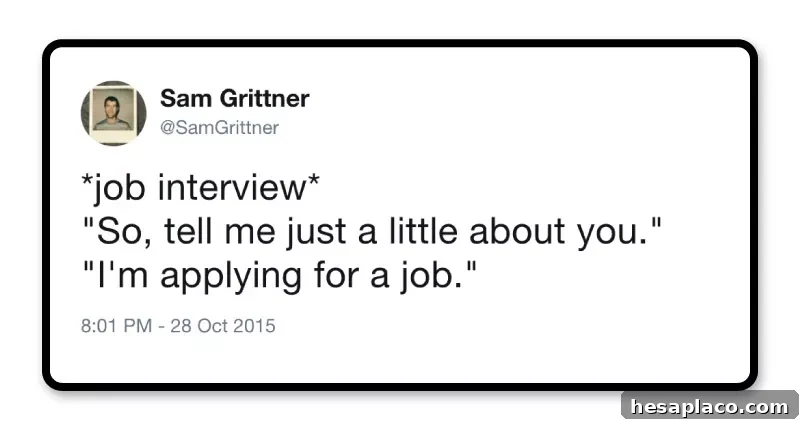
@SamGrittner
Sharing information the interviewer already knows adds nothing to your candidacy—focus on value and insight instead.
Not Much of a Talker
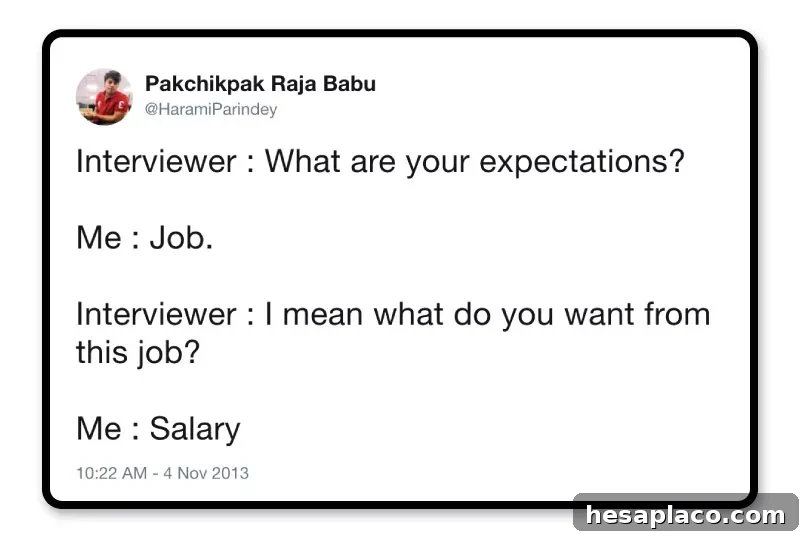
@HaramiParindey
Concise answers can be effective, but ensure you still communicate relevant experience and personality.
Wait for It
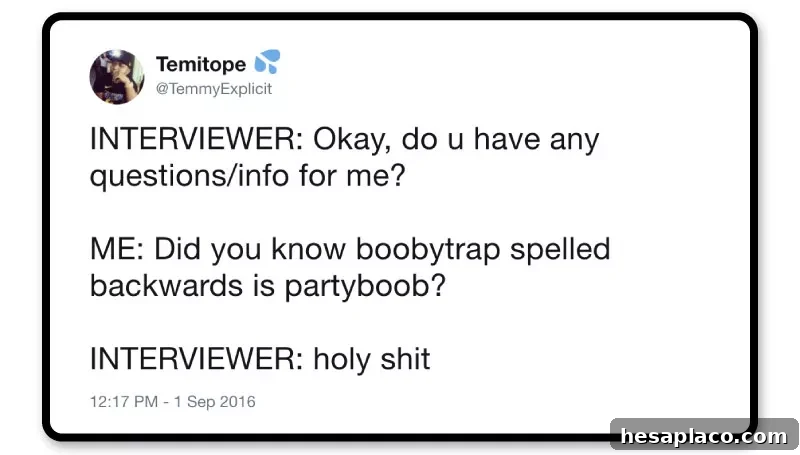
Using humor to entertain is fine, but it should be paired with substance that demonstrates capability.
Not the Sharpest Candidate
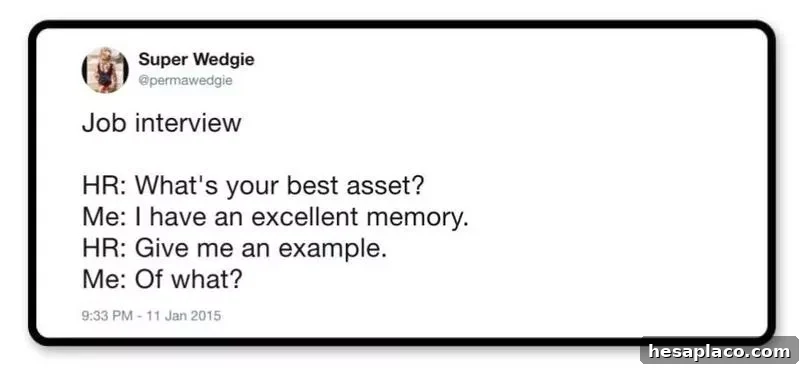
@permawedgie
Short-term memory or surface-level recall might be amusing, but for many jobs deeper understanding and retention are essential.
Puns for Buns
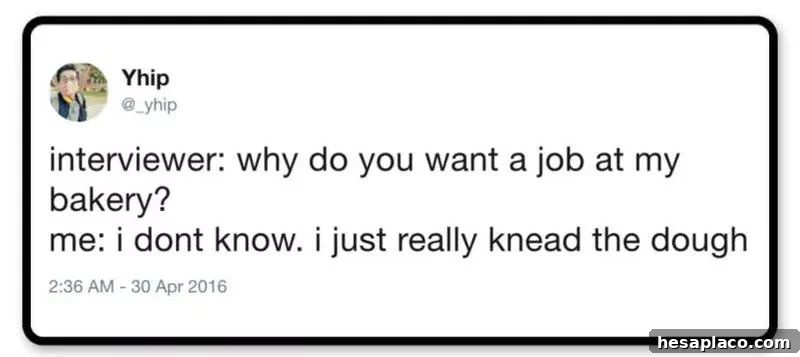
@_yhip
Witty puns can be charming, but they shouldn’t replace evidence of skills or reliability.
A Wannabe Astronaut
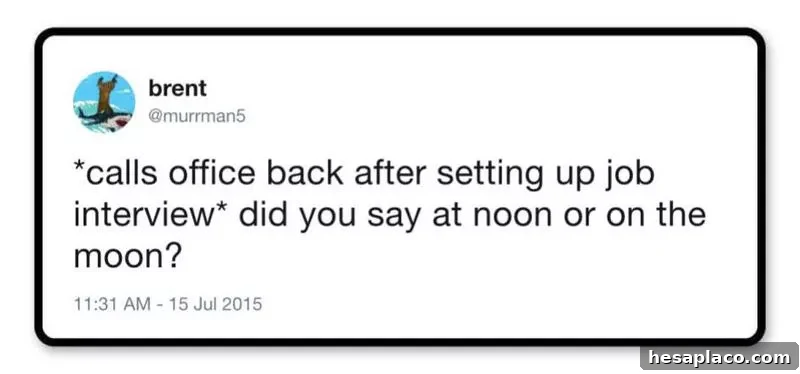
@murrman5
Ambition is good, but unrealistic claims about space travel or other fantasies won’t convince practical employers.
Mixing Things Up
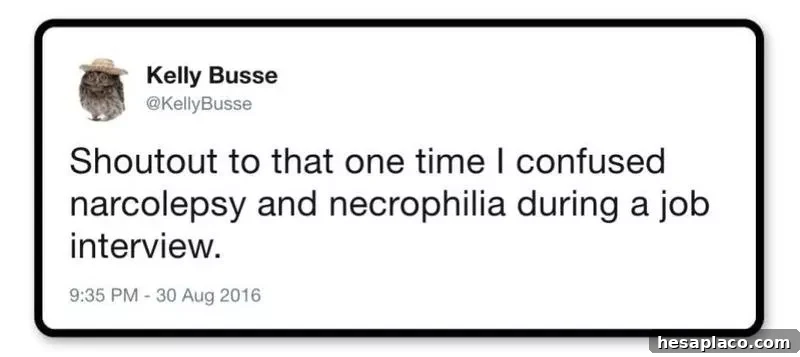
@KellyBusse
Confusing medical terms with criminal ones—or otherwise mixing metaphors poorly—can create the wrong impression.
Flirting With Disaster
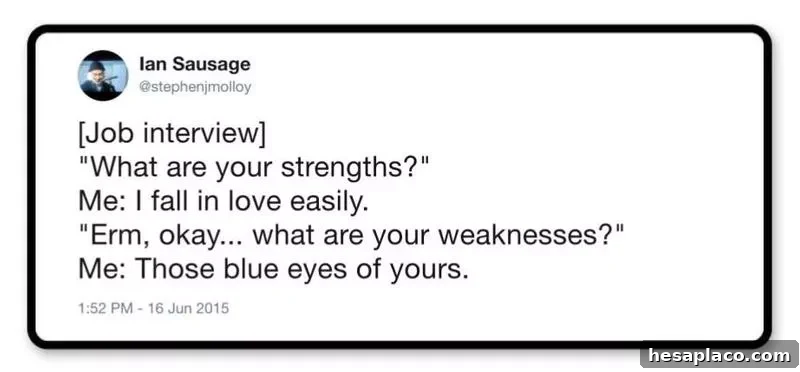
@stephenjmolloy
Overconfident or flirtatious behavior can distract from qualifications and raise serious concerns about professionalism.
Reveal Nothing
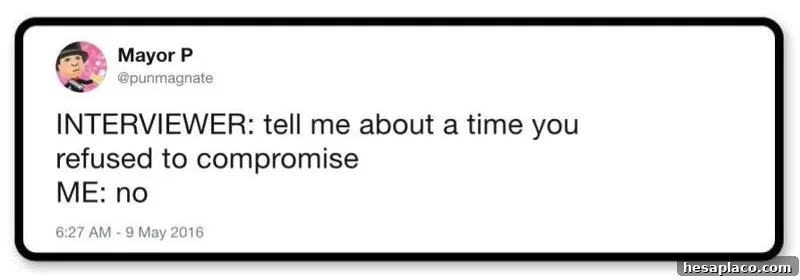
@punmagnate
Guarding your work history too tightly leaves interviewers guessing. Be selective, but clear and honest.
Admit Your Faults
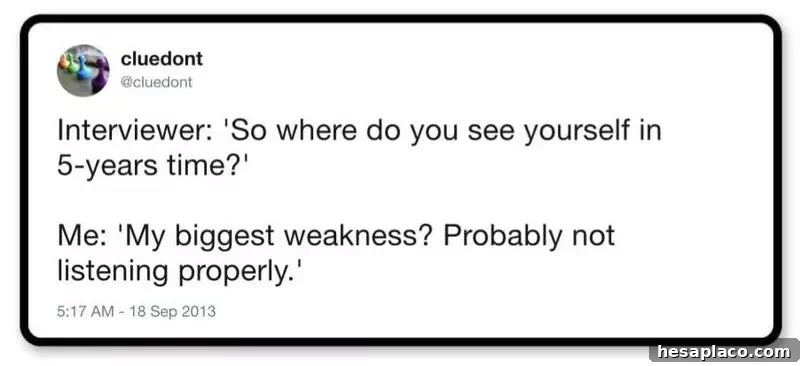
@cluedont
Owning weaknesses can be powerful when paired with examples of learning and improvement.
Unintentional Disclosure
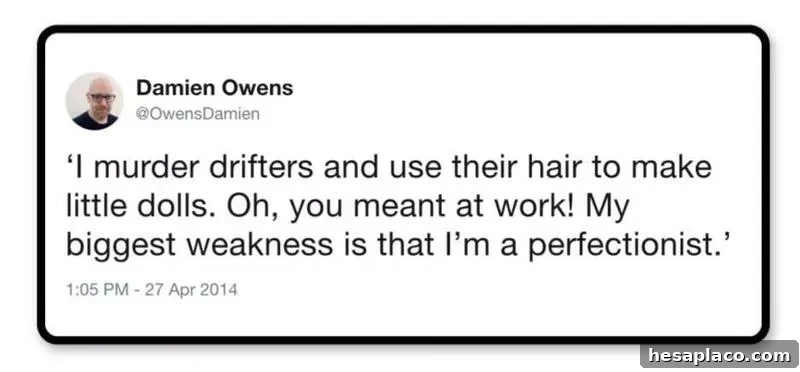
@OwensDamien
Some interview revelations are immediate deal-breakers. If a candidate reveals dangerous or unethical behavior, act quickly to protect the workplace.
Social Media Victory
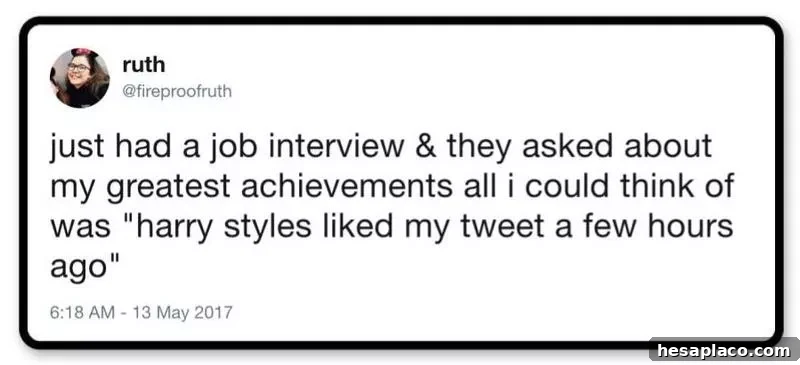
@fireproofruth
What dominates a candidate’s thoughts—likes, followers, or personal wins—may not align with job responsibilities.
Cast Doubt on Your Ethics
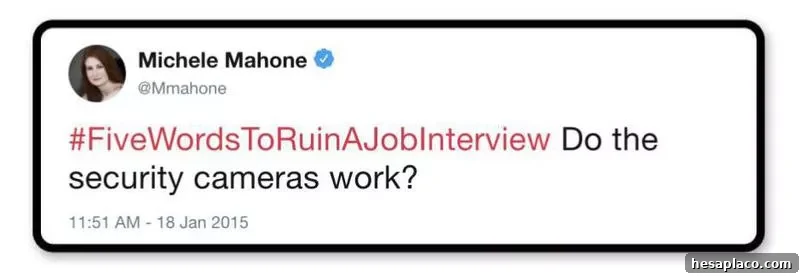
@Mmahone
Jokes or comments that suggest dishonesty or harm toward coworkers are major red flags. Integrity matters in every workplace.
In short, interviews reward preparation, honesty, and professionalism. Humor and personality have their place, but they should support—never replace—clear evidence of competence and fit.