
Across social media feeds, glossy magazines, and the aisles of beauty stores, women are routinely exposed to idealized images—slim waists, sculpted faces, and flawless skin. These images create pressure that carries both emotional and financial consequences.
Recently, the rise in off-label use of medications like Ozempic—originally developed for medical conditions—has underscored how far some people are willing to go to chase beauty standards. With monthly costs approaching $900–$1,000 and thousands of legal claims over side effects, the stakes go well beyond aesthetics.
How did an individual preference for appearance become a recurring financial burden? The answer lies at the intersection of societal expectations, marketing, and health trends, all of which amplify the perceived need to spend. Below, we examine how beauty norms quietly erode women’s finances and offer practical approaches to reclaiming both money and autonomy.
The Hidden Cost of Beauty
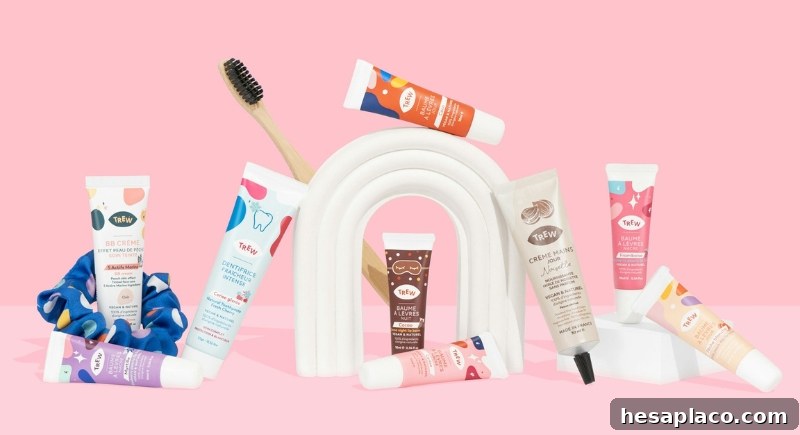
Image via Unsplash/Trew
Financial barriers women face—wage gaps, caregiving responsibilities, and career interruptions—are well documented. One frequently overlooked expense is the cost of conforming to beauty standards. As Katie Gatti Tassin writes in Rich Girl Nation: Taking Charge of Our Financial Futures, beauty can be an “insidious force” in women’s financial lives, pushing many onto what she calls the “hot girl hamster wheel.”
Each dollar spent to maintain an “acceptable feminine appearance” feeds a cycle that typically demands more spending with limited long-term benefit. Regular investments in skincare, hair care, cosmetic dental work, or professional styling require constant upkeep because appearance is inherently perishable.
Unlike conventional financial assets that can appreciate, beauty is a depreciating commodity by nature. Expenditures on cosmetic treatments or products rarely build value over time; instead, they necessitate ongoing maintenance. That pattern makes beauty-related spending a recurring drain on savings and limits funds available for investments, retirement accounts, or emergency reserves.
Although so-called “pretty privilege” can yield social advantages, the economic trade-offs are often ignored. Women may gain short-term benefits from certain investments in appearance, but those returns are typically temporary and must be balanced against long-term financial goals.
The Scale of the Spending

Image via Unsplash/Annie Spratt
Statistics reveal the magnitude of this financial pressure. A 2023 Morning Consult survey estimated the average American woman spends roughly $313 per month—about $3,756 per year—on beauty and personal care products. Over a decade, that adds up to nearly $37,560, excluding inflation and higher-cost services such as professional coloring, cosmetic procedures, or specialized treatments.
Other research shows that women spend more than men on grooming and cosmetic products, emphasizing how gendered beauty expectations translate into meaningful financial differences. These expenditures can compound existing obligations like student loans, rent, and childcare, making financial stability more difficult to achieve.
From an early age, cultural messages teach women to treat appearance as a form of currency. Advertising, mainstream media, and social platforms perpetuate the idea that looks can provide leverage in social and professional settings. While men also face grooming expectations, the intensity and frequency of these pressures are generally greater for women.
As Gatti Tassin notes, beauty functions as a type of social power: usable in certain contexts, but rarely fully controllable or sustainable without ongoing cost.
The “Hot Girl Detox” Approach

Image via Unsplash/AngTheDesigner
To counteract this cycle, Gatti Tassin proposes a “hot girl detox,” a pragmatic process for evaluating and reducing beauty-related spending. The first step is tracking all personal care expenses and annualizing them to understand their true impact relative to income and financial objectives.
Next, categorize expenses to identify what genuinely adds value versus what is habitual or socially driven. Simple changes—reducing the frequency of salon visits, choosing budget-friendly skincare, or prioritizing multipurpose products—can translate into substantial savings over time.
Redirecting money away from recurring beauty costs toward savings or investments can significantly improve financial resilience. For instance, investing the average annual beauty spend of $3,756 into a diversified portfolio with a conservative 7% annual return could grow to more than $120,000 over 20 years. That hypothetical illustrates the opportunity cost of habitual beauty spending and underscores the value of reassessment.
Intersection with Gender and Employment
Beauty-related expenses also intersect with workplace dynamics. Appearance bias can affect hiring, promotions, and compensation, creating a dilemma: investing in appearance may sometimes open doors, but those gains are unpredictable and often short-lived.
These pressures are especially acute for younger women and those in visually focused fields such as media, marketing, hospitality, or client-facing roles. Recognizing how appearance expectations operate in professional contexts helps women make more informed decisions about where and when such investments might be worthwhile.
Beyond Numbers: Choosing Autonomy

Image via Unsplash/Fleur Kaan
Conversations about beauty spending should go beyond dollars and cents. The “hot girl hamster wheel” consumes time, mental energy, and emotional bandwidth—frequent appointments, daily routines, and social media maintenance can contribute to stress and decision fatigue. Simplifying routines or setting intentional limits can free up time and reduce anxiety while improving financial outcomes.
Reclaiming autonomy means making conscious choices about appearance rather than reflexive ones driven by outside expectations. Whether the goal is saving for an emergency fund, investing for retirement, or simply reducing day-to-day stress, reassessing beauty expenditures is a practical step toward greater financial independence and well-being.