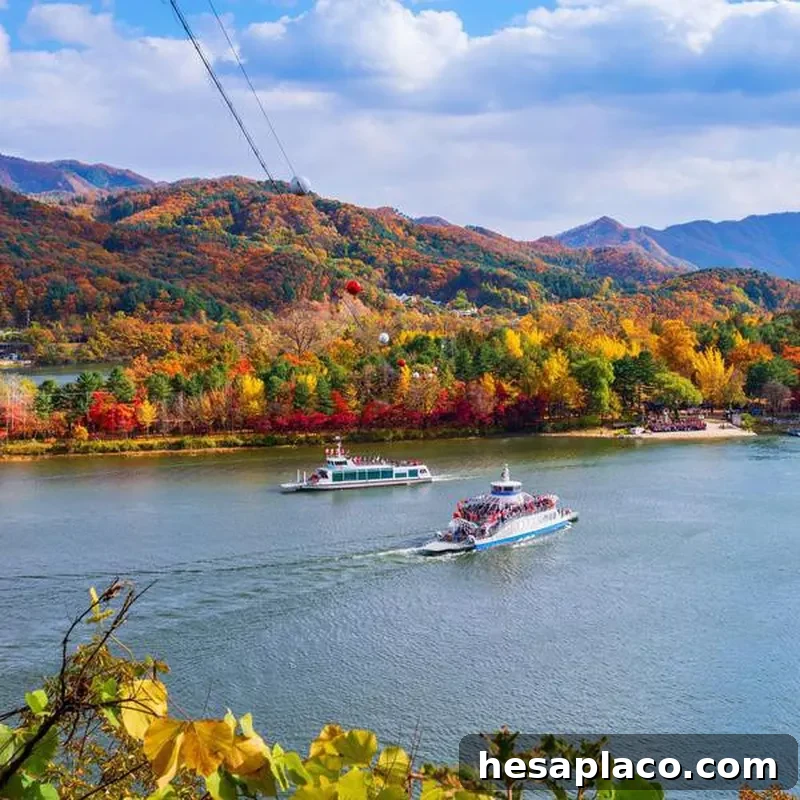
Most people dutifully pay taxes, vote and participate in civic life. Yet some become dissatisfied with belonging to an existing state and choose to form their own. Whether motivated by politics, lifestyle or a desire for an intentional community, founders of micronations—very small, self-declared countries—follow similar steps to bring their vision to life.
Micronations can range from a single individual to a family or a small group sharing common goals. Creating one is possible, though it brings practical and legal challenges: acquiring land or an offshore site, raising funds, and establishing an administration capable of sustaining basic services. The 1933 Montevideo Convention outlines the basic criteria commonly used to assess statehood—permanent population, defined territory and functioning government. Additional elements such as currency, taxation, legal frameworks and diplomatic capacity strengthen a claim but are not strictly required.
Estimates of how many micronations exist vary; some maps catalog dozens. Although none of these entities are widely recognized by other states, the trend of breakaway communities and experimental polities continues. The following is a practical roadmap for anyone considering starting a micronation.
Meet the Qualifications
The Montevideo Convention, ratified in 1933 by many American states, remains a useful reference for the minimum qualifications of statehood: a permanent population, a defined territory and an effective government with the capacity to enter into relations with other states.
Make a Plan
Before declaring independence, craft a clear plan. Choose a name, designate official languages, and decide whether you will adopt an existing legal code or create your own. Develop national symbols—flag, anthem, coat of arms—and outline your government structure and fiscal model. Consider whether you will accept residency, offer passports, issue postage or print a currency. Thoughtful branding and administrative design help a micronation operate coherently and attract interest or visitors.
Population
Micronations often have very small populations. In practice, even a single committed person can act as the nucleus of a micronation, though communities typically include a handful to a few dozen participants.
Government
A functioning government is required to make decisions and administer territory. The form of government—democratic, autocratic or otherwise—is a matter of choice and does not alone determine legitimacy. What matters is a consistent governing authority with the ability to create and enforce rules.
Develop a Legal System
Decide whether to adopt an existing legal system or to draft your own laws. Many states have historically blended preexisting customary law with legal frameworks inherited from previous administrations. Adopting a familiar legal structure can ease dispute resolution and interactions with external entities; a bespoke code can better reflect special values or goals of the micronation.
Currency
Choose a monetary approach. You may use the currency of a neighboring state, adopt a widely accepted foreign currency, issue your own physical notes or coins, or work primarily with digital currency. A recognizable or stable money system aids commerce and administration.
Using Cryptocurrency
Many micronations experiment with cryptocurrencies as a national medium. Digital assets offer advantages: they are difficult for external authorities to seize, ease cross-border transactions and can streamline accounting. Cryptocurrencies also expose state funds to market volatility, so consider safeguards and reserve policies if you adopt this route.
Financing Your Country
Every nation requires revenue to deliver services and build infrastructure: water, power, housing and transport all cost money. Potential revenue sources include taxes, fees for visas or entry, tourism, sale or lease of natural resources, company registrations and donations. Define a sustainable fiscal strategy before expanding operations.
Tourism Revenue
Tourism can be a lucrative source of income for small territories. Some microstates and culturally distinct zones attract visitors by offering unique experiences, events or permissive rules. Charging entrance fees, selling souvenirs, running tours and hosting festivals are common ways to monetize tourism.
Tax Haven Revenue
Some micronations aim to generate income by offering a favorable regulatory environment to corporations and individuals. Registering companies and providing financial or legal services can bring revenue, but such a strategy requires careful legal structuring and awareness of international rules and scrutiny.
Finding Land
A territory is essential. Options include purchasing available land, acquiring an island, occupying abandoned or disputed territory, creating artificial islands or establishing operations on seaborne structures. Each approach involves distinct legal and practical hurdles, and any land already claimed by another state will likely trigger diplomatic or legal disputes.
Buy an Island
Buying a private island is one path to territorial control, but islands within a nation’s territorial waters remain subject to that state’s sovereignty. Islands located beyond national territorial waters (more than 12 nautical miles offshore) present different legal possibilities, though international law and coastal-state rights still apply. Ownership and sovereignty are separate legal concepts—ownership does not automatically equal independence.
Claim an Undiscovered Island
Most islands are mapped and claimed, but remote or poorly charted regions occasionally offer opportunities. Thorough research and clear evidence of prior lack of claims are essential. Even then, international recognition and acceptance are uncertain and can provoke diplomatic challenges.
Make an Island
Constructing artificial land—land reclamation or building atop atolls—has been attempted historically. Artificial islands raise complex issues under maritime law and often require substantial capital and engineering expertise.
Build a Floating Island
Floating platforms or repurposed sea structures (for example, decommissioned rigs or forts) have been used as bases for self-declared territories. Operating at sea can create unique jurisdictional questions; however, proximity to coastal states and existing maritime regulations will strongly influence feasibility and legal risk.
Take Over Unclaimed or Abandoned Places
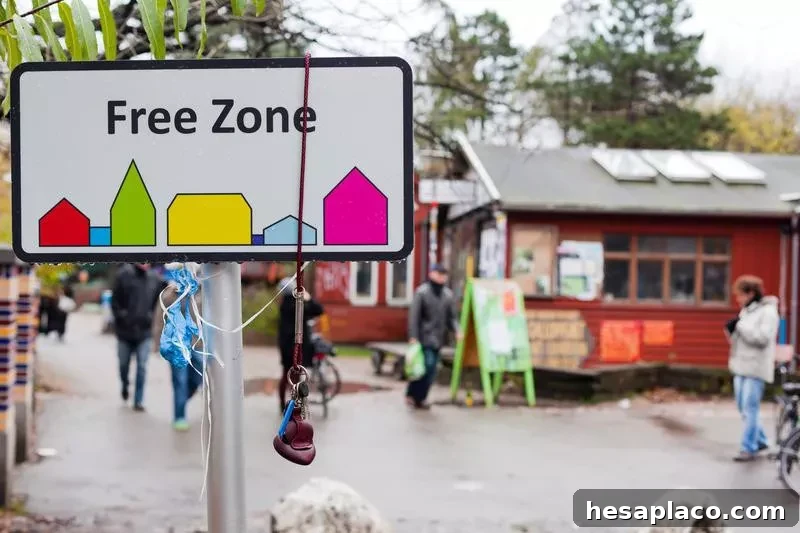
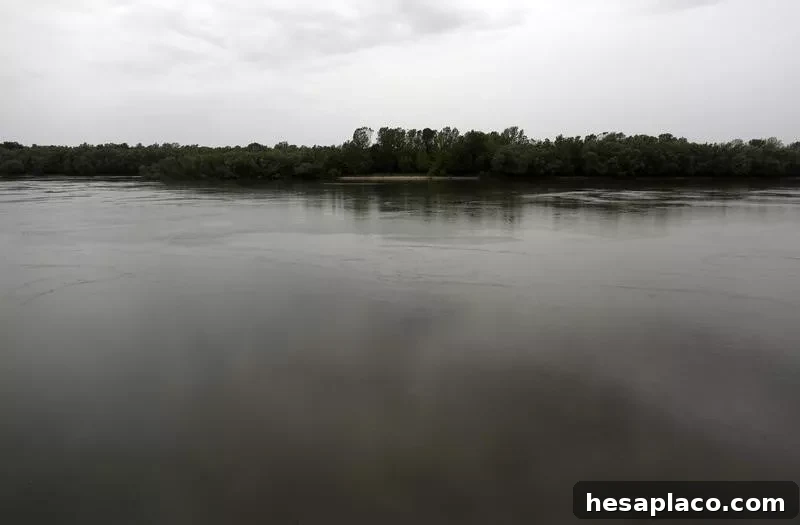
Some micronations arise in abandoned properties or marginal land. Examples include communities that repurpose derelict military sites, remote riverbanks or disputed border zones. Such projects often depend on local tolerance or ambiguous legal status and can evolve into stable communities with unique local rules.
Declare Your Micronation
There is no single required ritual for declaration. Many micronations make a public proclamation, register symbols and issue documents or passports. A clear constitution, an emblematic ceremony and consistent governance help clarify intent and attract supporters, but formal recognition by other states is rare and follows separate diplomatic processes.
Join the United Nations
Admission to the United Nations follows a formal process: an application letter, Security Council recommendation and a two-thirds vote by the General Assembly. Most micronations will find UN membership difficult due to political, territorial and recognition criteria. Nonetheless, understanding the established path helps clarify the gap between self-declared statehood and broad international recognition.
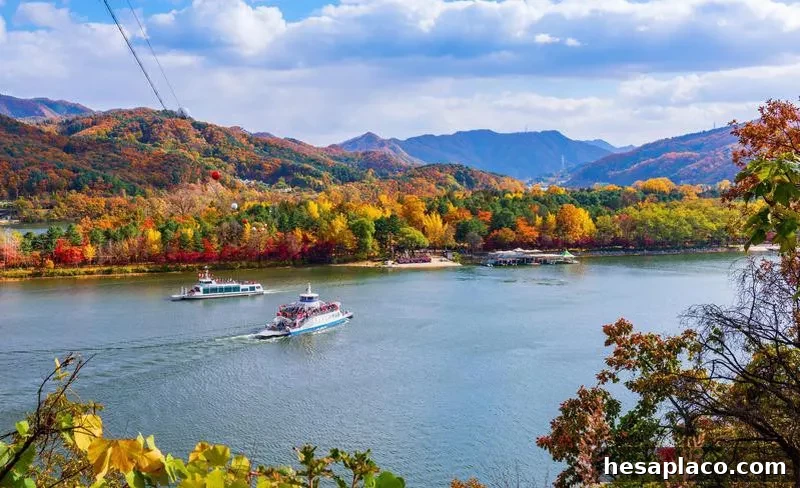
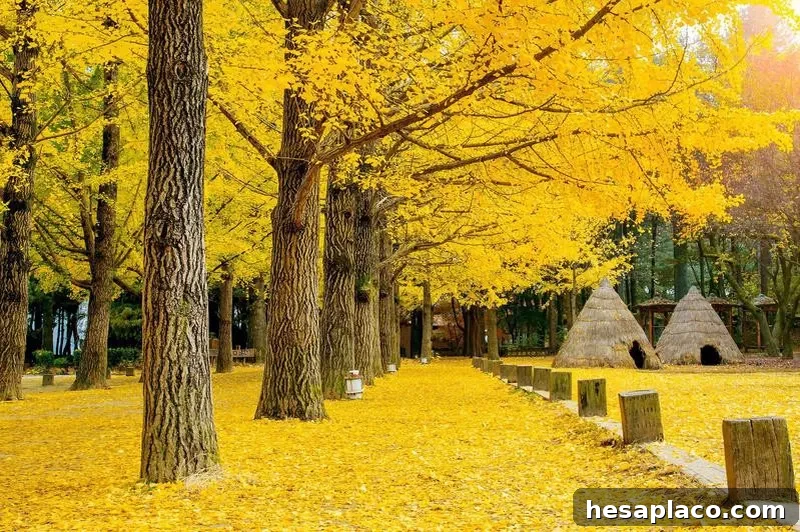
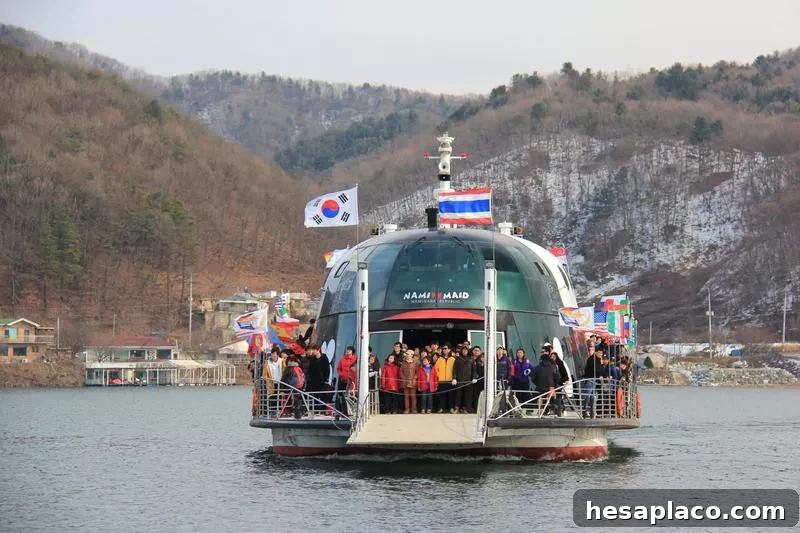
Photos: Naminara Republic
Getty Images

Getty Images

Getty Images
Getty Images

Getty Images
Getty Images
Photos: Freetown Christiania

Getty Images
Getty Images
Getty Images

Getty Images
Getty Images
Photos: Liberland

Darko Vojinovic / AP Photo

Darko Vojinovic / AP Photo
Vit Jedlicka, the self-declared president of Liberland, pictured in 2015.
Darko Vojinovic / AP Photo
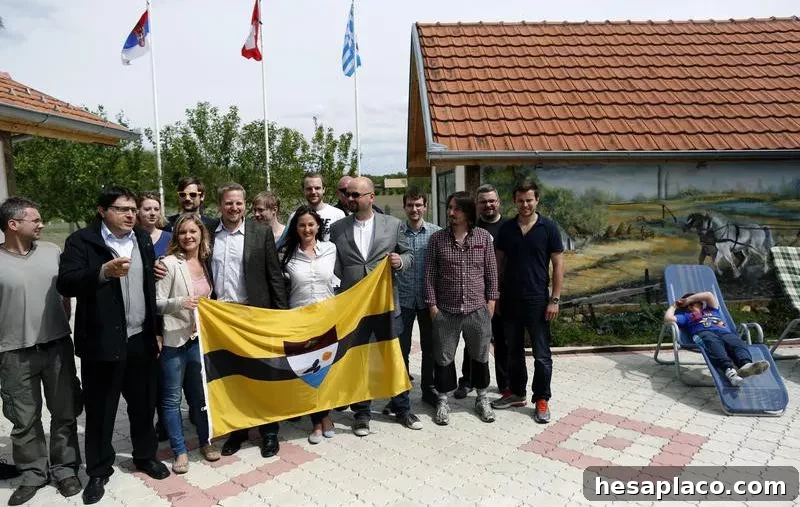
Darko Vojinovic / AP
Photos: North Dumpling Island
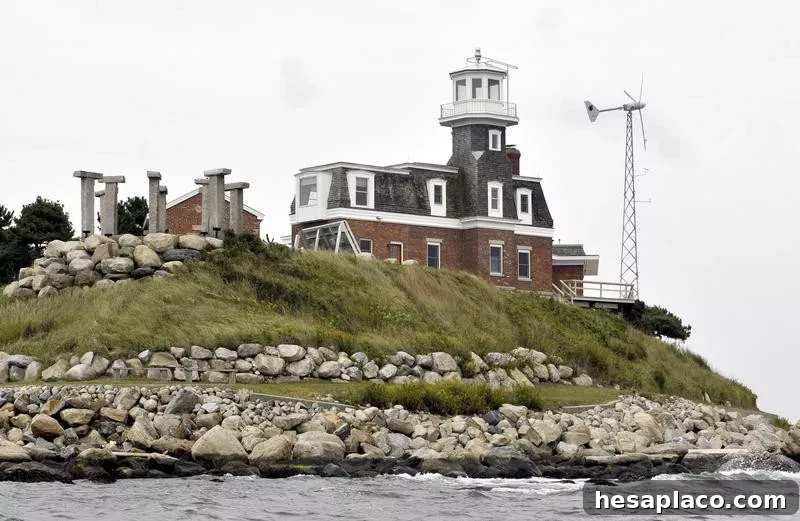
Jessica Hill / AP Photo
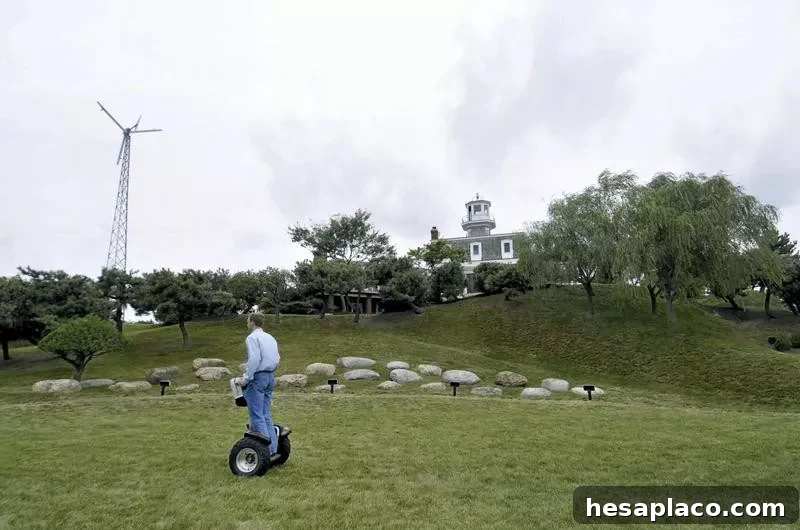
Jessica Hill / AP Photo
North Dumpling Island, located between Connecticut and Long Island, is privately owned and has been used by its owner to assert certain local arrangements.
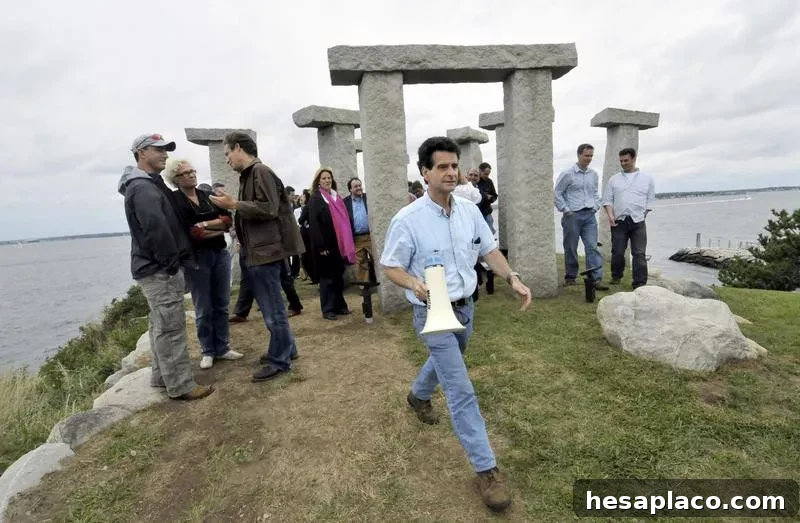
Jessica Hill / AP Photo
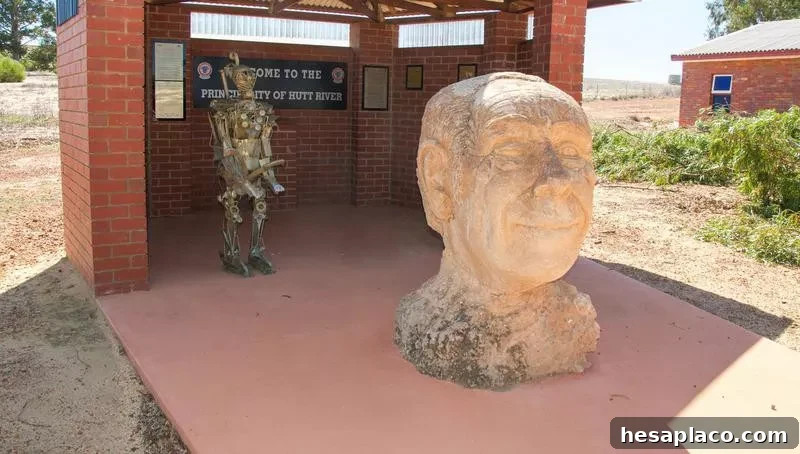
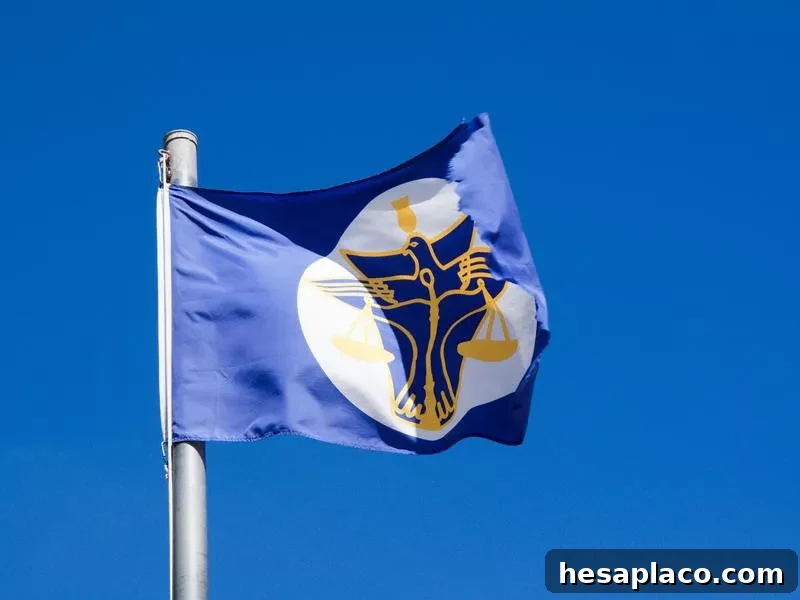
Photos: Principality of Hutt River
Getty Images
Getty Images