Most people fulfill civic duties like paying taxes and voting, but some become dissatisfied with their country’s system and choose to create their own. These founders can be a single family, a small group sharing political views, or a community seeking an intentional way of life. Establishing a micronation—a small, self-declared country—is often straightforward in concept, though practical challenges such as funding and securing land or an island can be significant.
The Montevideo Convention on the Rights and Duties of States (1933) outlines the basic criteria a state should meet to declare independence: a permanent population, defined territory, government, and capacity to enter relations with other states. Beyond these core requirements, practical features like a currency, taxation and legal systems, and an organized government help other states take a new micronation more seriously, even if they are not strictly required for a claim.
Estimates of how many micronations exist vary; some maps catalog dozens to hundreds. Although none of these entities is widely recognized as a sovereign state, the trend of people founding breakaway micronations continues. Below is a practical roadmap covering the main steps to build a viable micronation.
Meet the Qualifications
The Montevideo Convention established clear criteria for what constitutes a state. For anyone planning a micronation, ensuring you can demonstrate a population, defined territory, a functioning government, and the capacity to interact with other nations is a critical starting point.
Make a Plan
Begin by deciding essentials: the country’s name, official language, and financial system. Plan national symbols such as a flag, anthem, and other emblems. Think about passports, postage, and how you will present your identity to the wider world. Some micronations, like Sealand, have issued stamps, currency, flags and passports, while others maintain a strong online presence and a clear national motto.
Population
A micronation can be established by a single person; many have fewer than 15 inhabitants. The size of your population will shape the scale of your infrastructure, governance and services.
Government
You must create a functioning government able to make decisions and manage internal affairs. The form of government—democracy, monarchy, oligarchy or another system—does not determine legitimacy on its own. What matters is that your micronation can demonstrate organized governance and consistent decision-making.
Develop a Legal System
Decide whether to adopt an existing legal code or draft your own laws. Some newly independent entities adopt a blend of local customary rules and former colonial law; others base their systems on familiar models such as common law. Your legal framework should cover property, contracts, civil rights and dispute resolution to provide stability for residents and businesses.
Currency
Choose how your economy will operate. You might adopt another country’s currency, issue your own banknotes and coins, or rely on alternative monetary systems. Custom currency can support national identity and tourism, while using an established currency can simplify trade and finance.
Using Cryptocurrency
Many micronations use cryptocurrencies as a national or parallel currency. Cryptocurrencies can protect assets from seizure by other governments and simplify digital payments, taxation and record-keeping. They also offer the potential for asset appreciation, though they carry volatility and regulatory risks.
Financing Your Country
Funding is essential. A nation—no matter how small—needs money for infrastructure, utilities and public services. Consider revenue models such as taxation, natural resource sales, visa or entrance fees, tourism, company registrations, or donations. The chosen strategy should match your territory’s capacity and your political priorities.
Tourism Revenue
Tourism can be a major income source for a micronation with unique attractions. Some small entities attract hundreds of thousands or even millions of visitors annually. Charging visitor fees, selling souvenirs, running national museums or hosting festivals can generate steady funds while raising awareness of your micronation.
Tax Haven Revenue
Another route is positioning the micronation as a favorable jurisdiction for company registration and financial services. Offering low tax rates and business-friendly regulation can attract international registrations, though this approach raises significant legal and diplomatic considerations with neighboring nations and international bodies.
Finding Land
A defined territory is essential. Options include purchasing land or an island, claiming disputed or uninhabited land, occupying abandoned sites, or constructing artificial or floating islands. Each option involves legal, logistical and diplomatic challenges, and success often depends on the stance of nearby states and international law.
Buy an Island
Buying an island is a common strategy, but islands within another country’s territorial waters will usually remain subject to that country’s sovereignty. Islands farther offshore, beyond territorial limits, might offer a better chance of asserting independence, though recognition remains difficult to obtain.
Claim an Undiscovered Island
Most landmasses are already mapped and claimed, but some remote or poorly charted areas may still be overlooked. Discovering truly unclaimed land is rare; independent verification and careful legal research are essential before attempting a claim.
Make an Island
Creating an artificial island or reclaiming land from the sea has been attempted historically by micronation founders. Building new land requires significant investment and must comply with maritime and environmental regulations.
Build a Floating Island
Repurposing large sea structures or constructing floating platforms can create habitable territory outside conventional jurisdiction, but this approach faces technical, legal and safety challenges. Some projects pursue special economic zones or negotiated arrangements with coastal states.
Take Over Unclaimed or Abandoned Places
Some micronations are established on disputed, abandoned or neglected territories. Examples include communities formed in former military installations or small parcels of land left without effective governance. Occupying such areas may provoke legal disputes and require negotiation with existing authorities.
Declare Your Micronation
There is no universal formal process for declaring a micronation. When you are ready, make your declaration public in a way that reflects your goals—whether ceremonial, legal, online, or pragmatic. How you announce the micronation depends on the image you want to project and the level of seriousness you seek.
Join the United Nations
Gaining international recognition is the most difficult step. To join the United Nations, a new state must apply and secure approval from the UN Security Council and then a two-thirds majority vote in the General Assembly. Few micronations reach this stage; recognition often depends on broad diplomatic, political and legal acceptance by existing states.
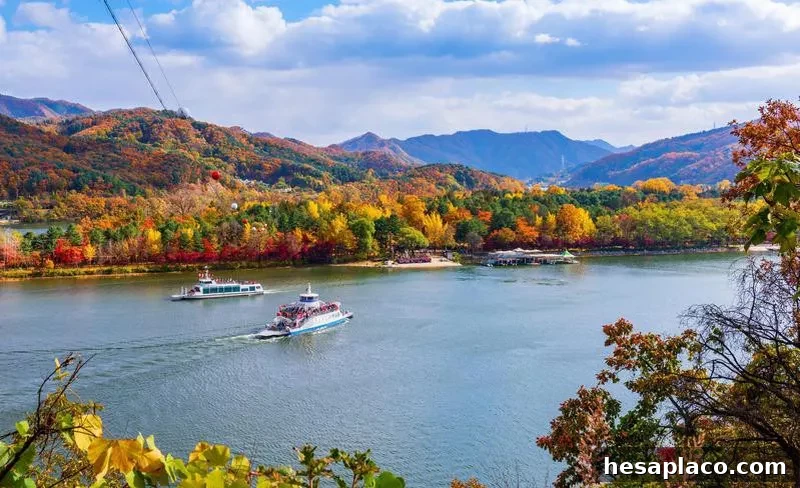
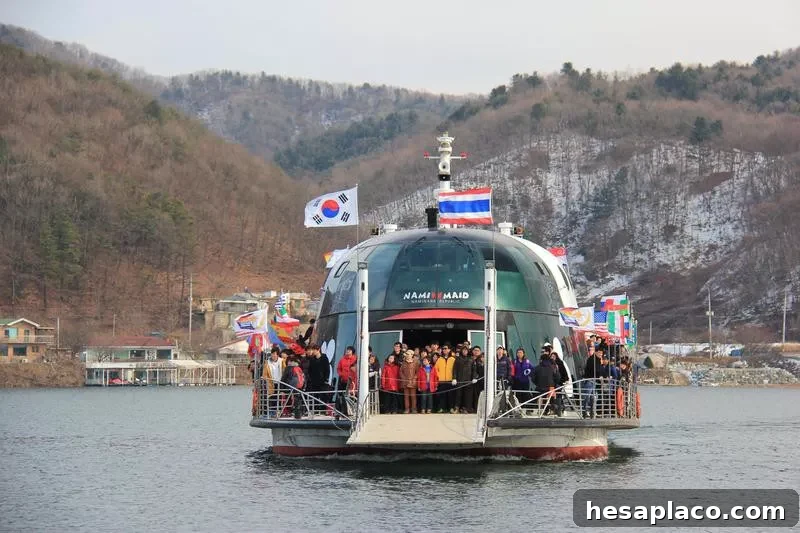
Photos: Naminara Republic
Getty Images

Getty Images

Getty Images

Getty Images

Getty Images
Getty Images
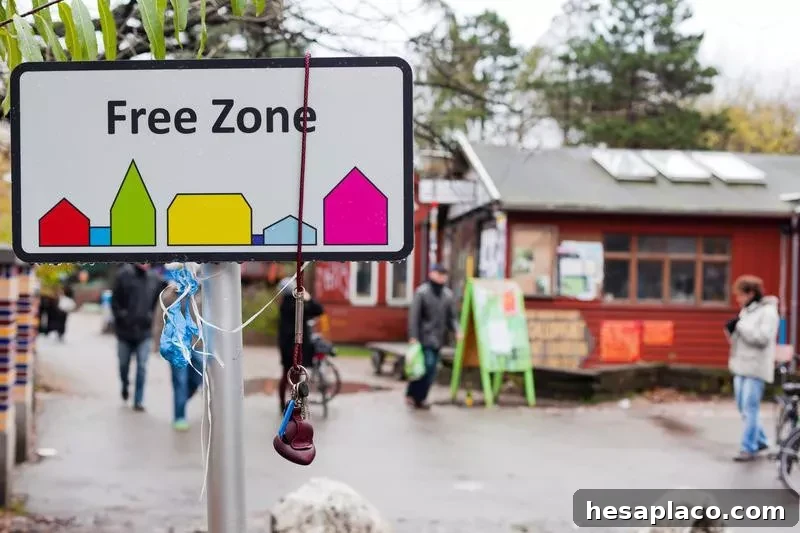
Photos: Freetown Christiania

Getty Images
Getty Images

Getty Images

Getty Images

Getty Images
Photos: Liberland

Darko Vojinovic / AP Photo

Darko Vojinovic / AP Photo
Vit Jedlicka, self-declared president of Liberland, seen in 2015.
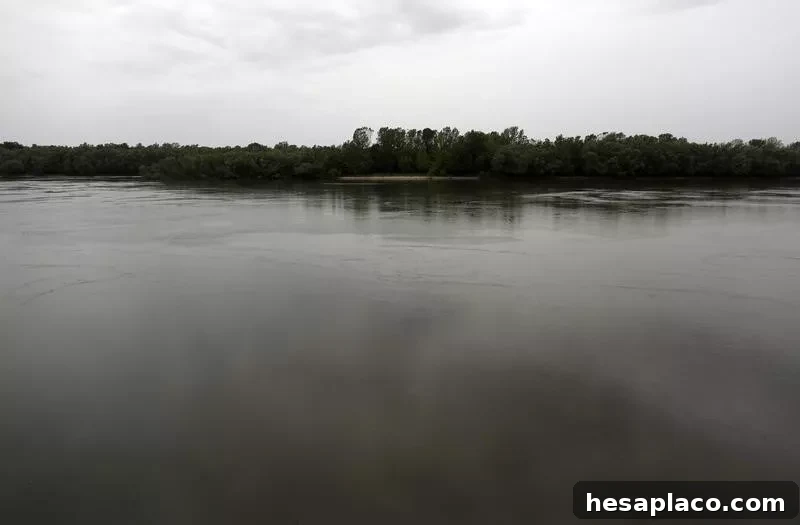
Darko Vojinovic / AP Photo
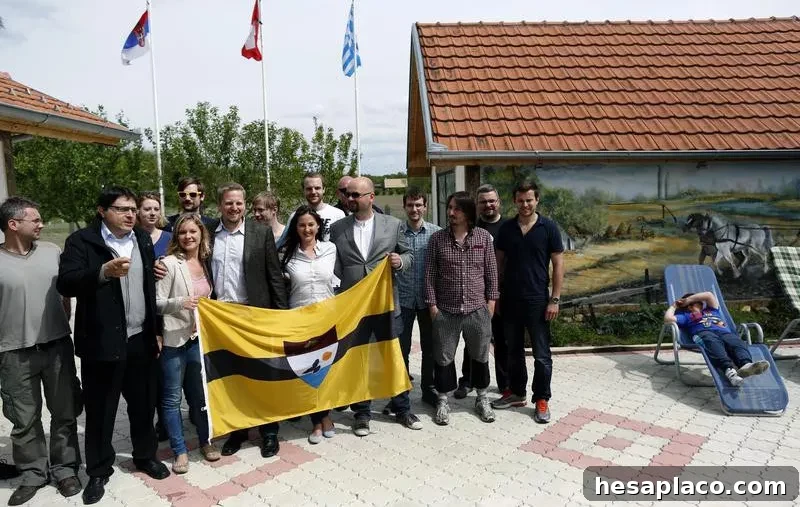
Darko Vojinovic / AP
Photos: North Dumpling Island
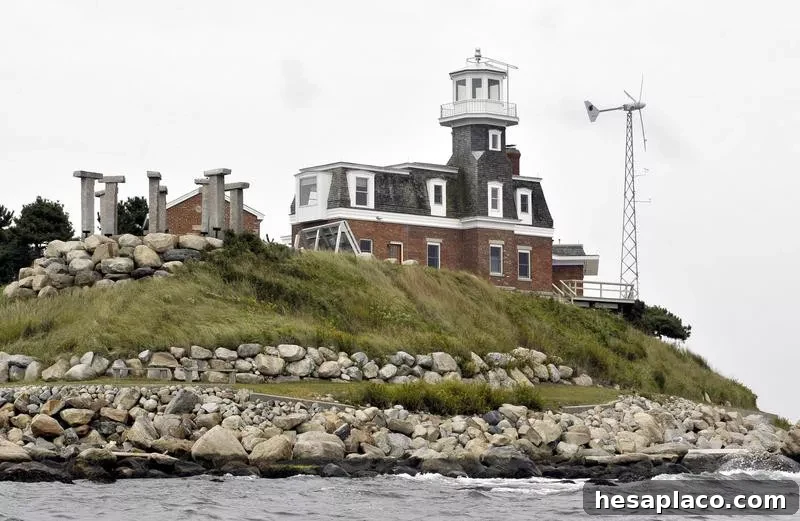
Jessica Hill / AP Photo

Jessica Hill / AP Photo
North Dumpling Island sits between Connecticut and Long Island, New York, and is privately owned by inventor Dean Kamen.
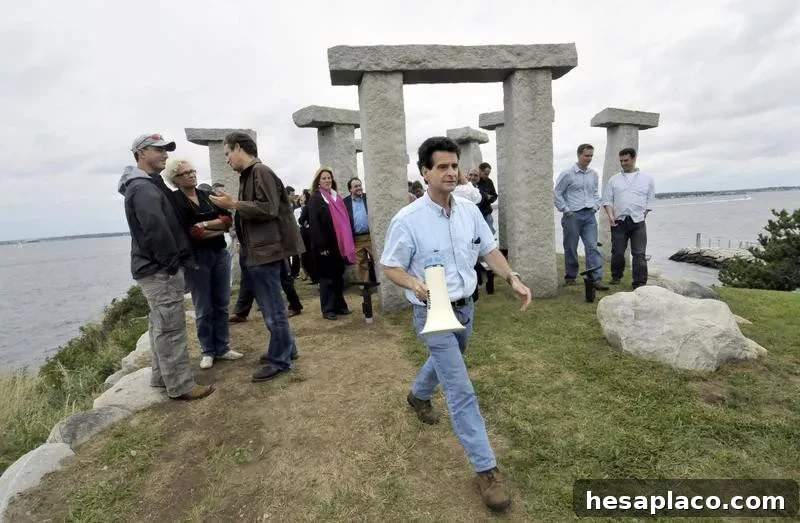
Jessica Hill / AP Photo
Photos: Principality of Hutt River
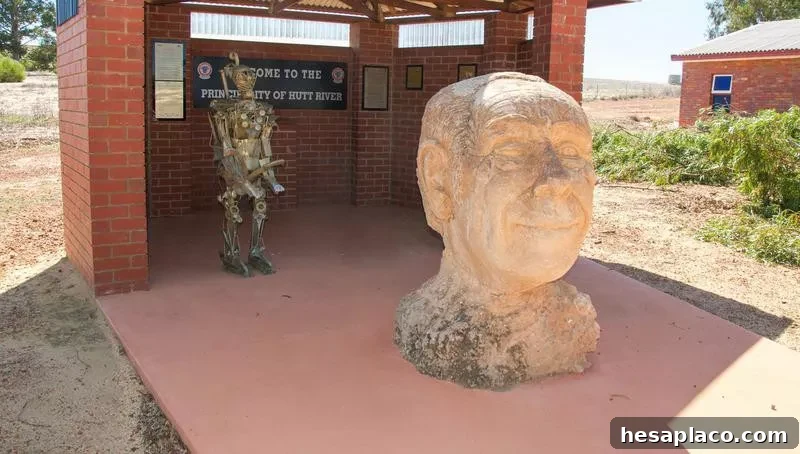
Getty Images
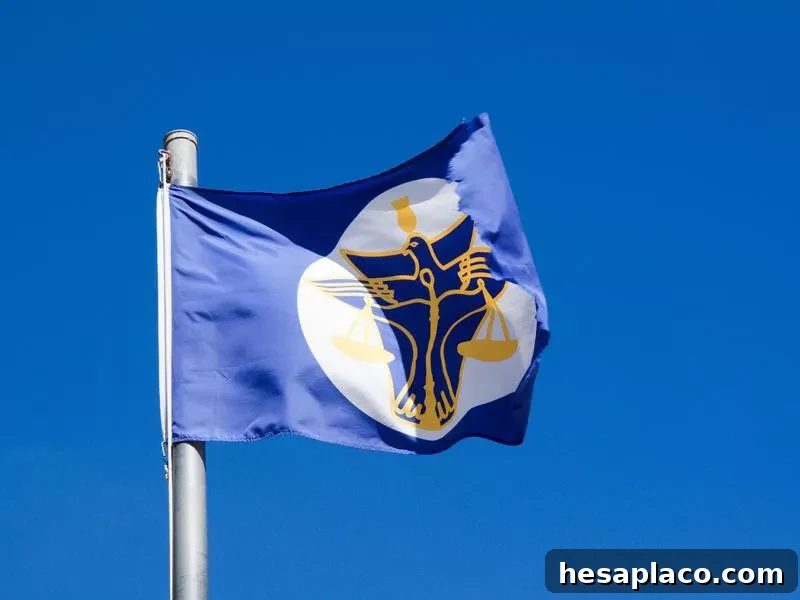
Getty Images