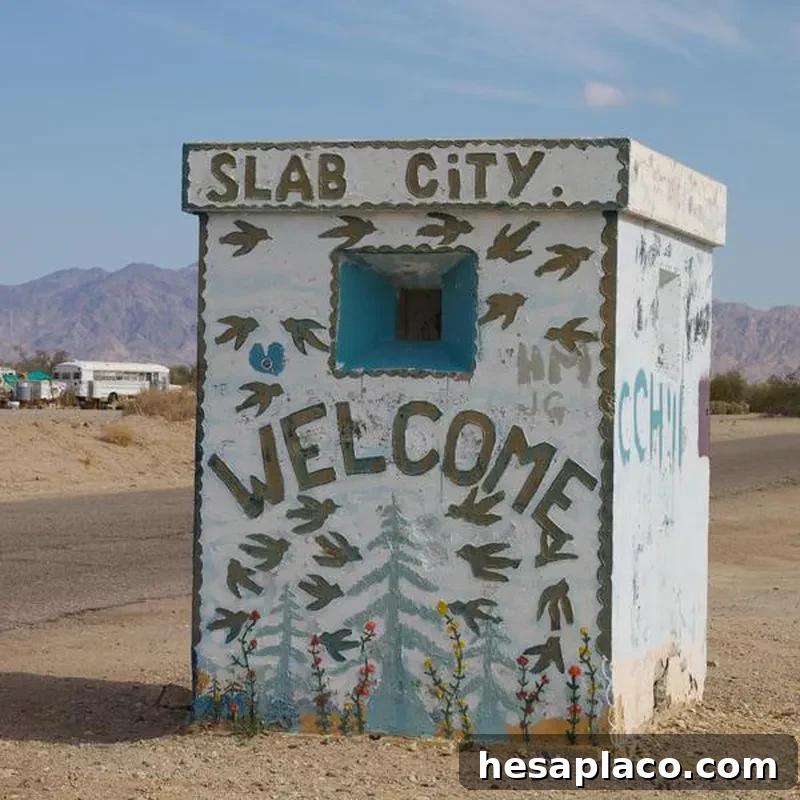
Most neighborhoods in America have familiar, predictable names. Wherever you live, you’ll likely find nearby areas called “Hills,” “Oaks,” “Lake,” or “Highland.” But some neighborhoods carry unusual or memorable names that make you pause and wonder why. Below are a selection of curious neighborhood names from across the United States, brief explanations of their origins, and a snapshot of current real estate conditions to give a sense of what it might cost to live there.
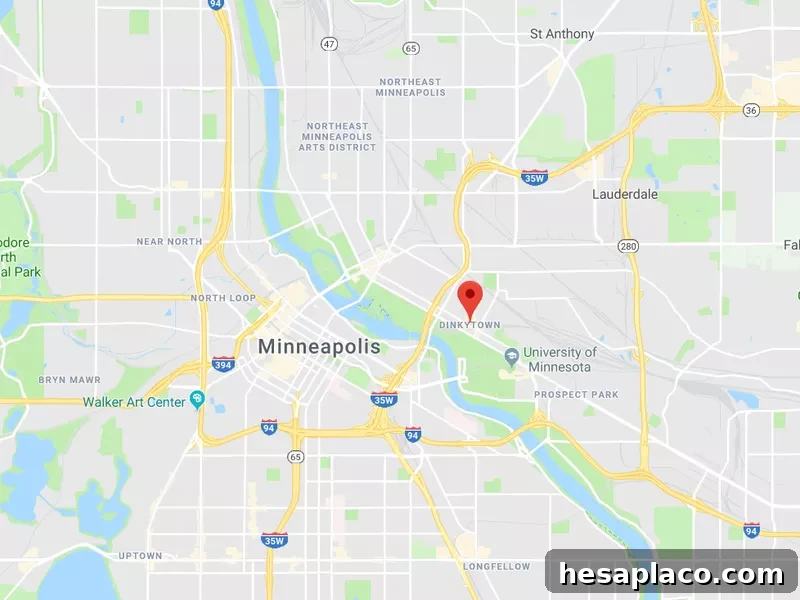
Dinkytown
Google Maps
Location: Minneapolis, Minnesota
Name origin: The origin of “Dinkytown” is uncertain, and several theories exist: it could refer to the neighborhood’s small size; a former dime store called Dinky Town Dime; a link to the Grodnik Building (with “grodnik” meaning “little village” in Russian); an early theater with only four rows of seats called “dinky”; or small rail locomotives known as dinkys near a local train station. Each explanation reflects a plausible piece of local history.
Real estate glimpse: Recently, a six-bedroom 2,023-square-foot house in the area sold for around $150,000.
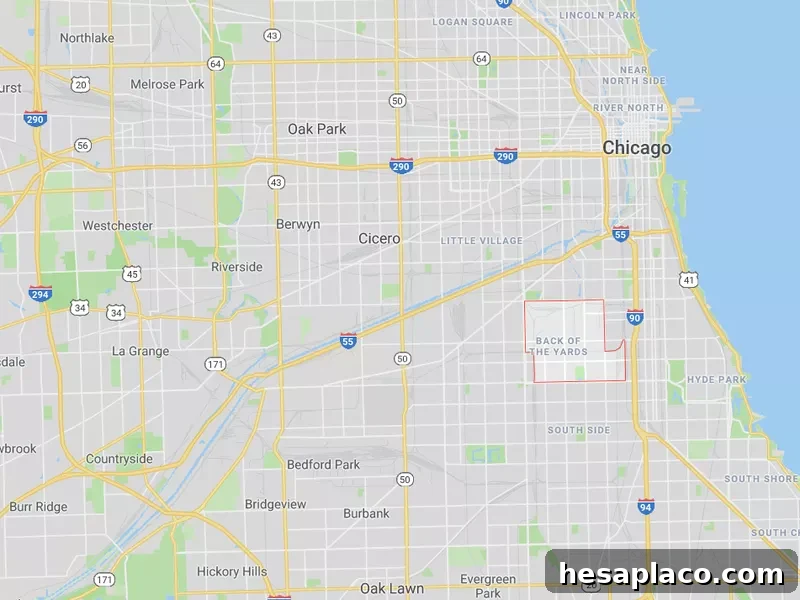
Back of the Yards
Google Maps
Location: Chicago, Illinois
Name origin: Named for its proximity to the Union Stock Yards, built in 1865, Back of the Yards grew as a community largely populated by immigrant butchers who worked in Chicago’s massive meatpacking industry. The neighborhood’s harsh historical conditions were famously depicted in Upton Sinclair’s novel The Jungle.
Real estate glimpse: Current listing prices in the area tend to range from roughly $70,000 to $250,000.
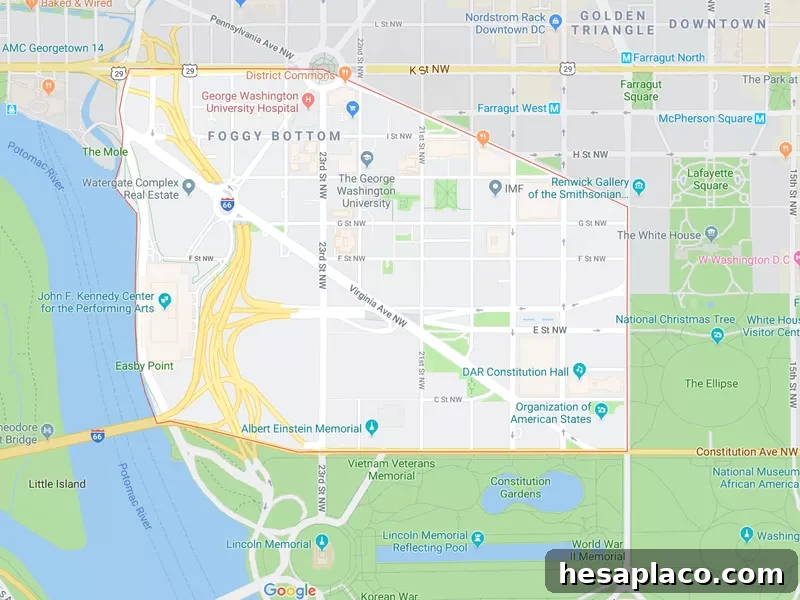
Foggy Bottom
Google Maps
Location: Washington, D.C.
Name origin: The name “Foggy Bottom” apparently arose from smoke and fog that lingered over the low-lying, marshy area when it housed industrial operations. The atmospheric description stuck and became the neighborhood’s enduring name.
Real estate glimpse: Foggy Bottom tends to be an affluent neighborhood dominated by apartments. Median listing prices hover around $600,000, and upscale properties can sell for several million dollars. It has also been recognized as one of the most expensive places to rent in D.C.
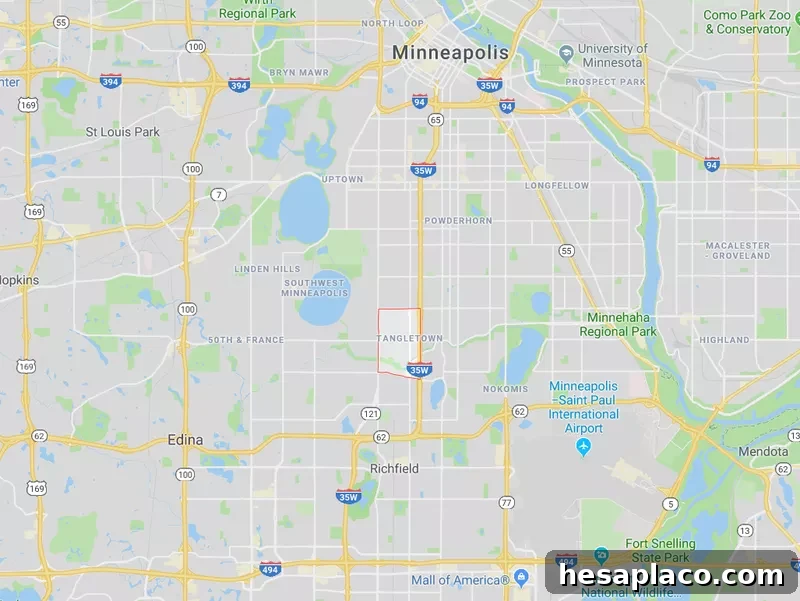
Tangletown
Google Maps
Location: Minneapolis, Minnesota
Name origin: Unlike most of Minneapolis, which follows a rigid grid system, Tangletown features a web of winding streets with unique names such as Gladstone and Rustic Lodge Avenue. Its irregular layout inspired the neighborhood’s descriptive name.
Real estate glimpse: The average home sale in Tangletown is around $533,000.
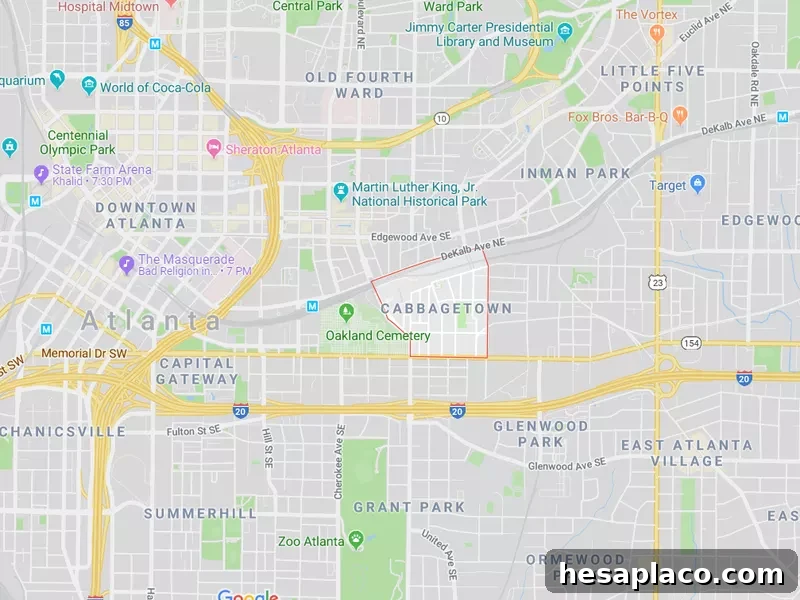
Cabbagetown
Google Maps
Location: Atlanta, Georgia
Name origin: The exact origin is unclear, but local theories include a produce seller who found cabbage especially profitable, Appalachian newcomers who grew and cooked cabbage in their yards, or a derailment that scattered cabbages taken home by residents. Any of these stories could explain how the “Cabbagetown” nickname arose and endured.
Real estate glimpse: Homes in Cabbagetown typically sell for an average of about $413,000.
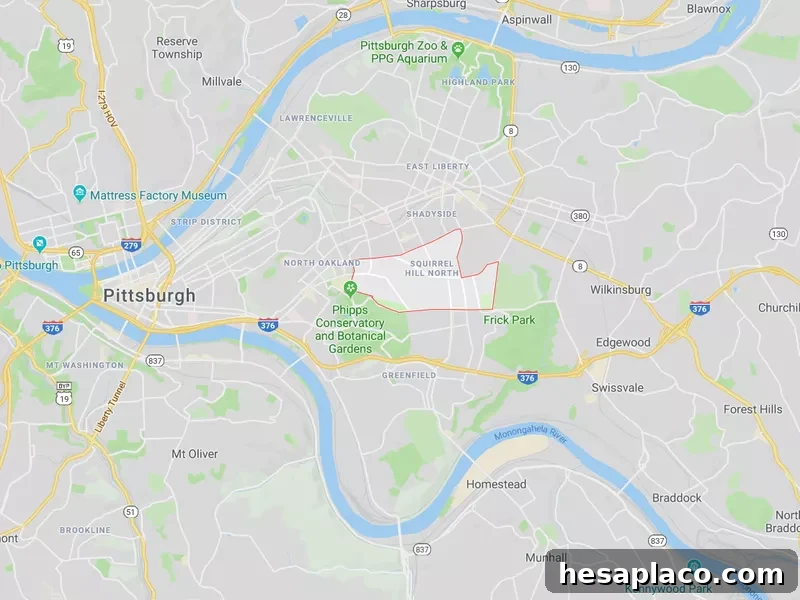
Squirrel Hill
Google Maps
Location: Pittsburgh, Pennsylvania
Name origin: Historical accounts suggest Squirrel Hill was named for the abundance of gray squirrels in the area that raided farms and nested in houses. The neighborhood is commonly referred to collectively, even though it’s formally divided into North and South sections.
Real estate glimpse: The median listing price in Squirrel Hill is around $425,000, with a number of higher-end homes listed for $1 million or more.
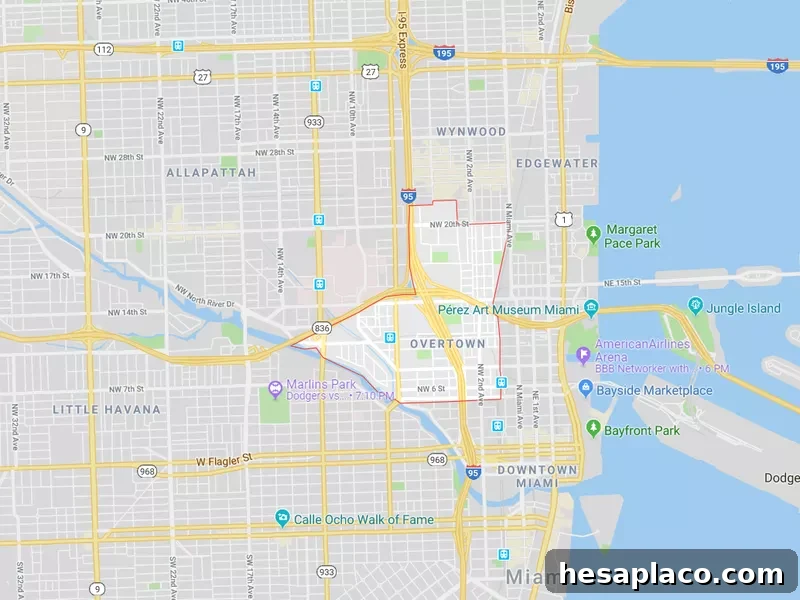
Overtown
Google Maps
Location: Miami, Florida
Name origin: Known historically as Colored Town, Overtown was a segregated Black neighborhood. The name “Overtown” reportedly comes from nearby white residents saying they had to go “over town” to reach the area, and the label was adopted over time.
Real estate glimpse: Median listing prices in Overtown are approximately $303,000.
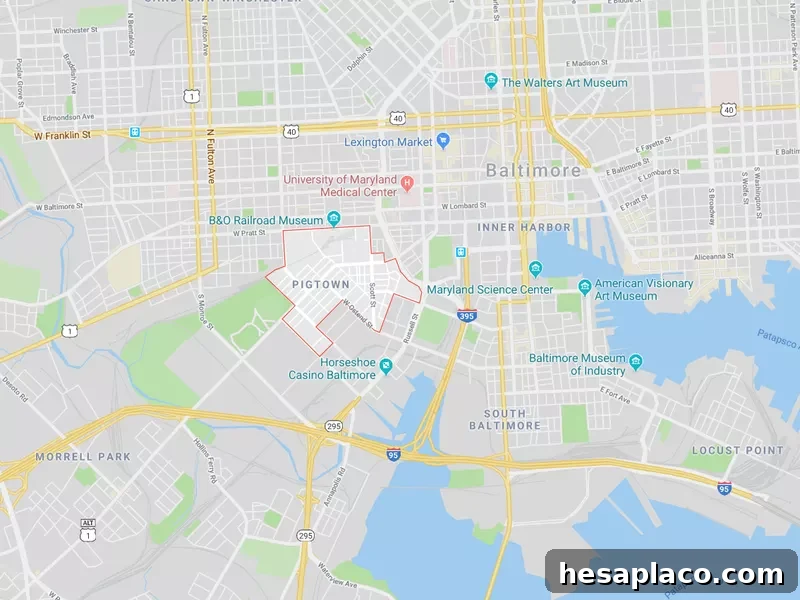
Pigtown
Google Maps
Location: Baltimore, Maryland
Name origin: Pigtown’s nickname dates to the 1840s, when railcars carrying pigs from the Midwest opened their doors at a nearby platform and let the animals out, leaving a lasting association that gave the neighborhood its name.
Real estate glimpse: Pigtown largely consists of condos and apartments, with median listing prices near $155,000.
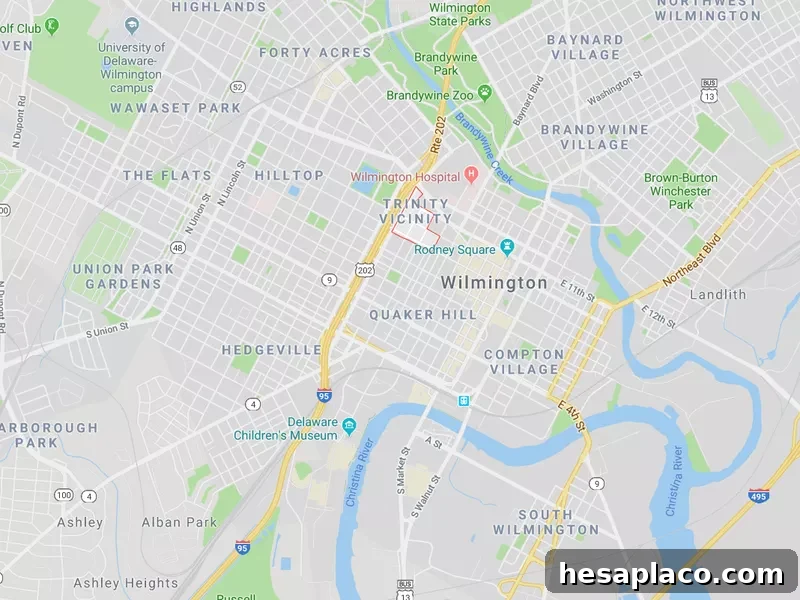
Trinity Vicinity
Google Maps
Location: Wilmington, Delaware
Name origin: Trinity Vicinity is named for its position around Trinity Episcopal Church. Many homes in the small neighborhood were built by different builders more than a century ago, so each house has unique architectural details.
Real estate glimpse: Listings are scarce, but a large six-bedroom triplex has recently been listed in the area for approximately $290,000.
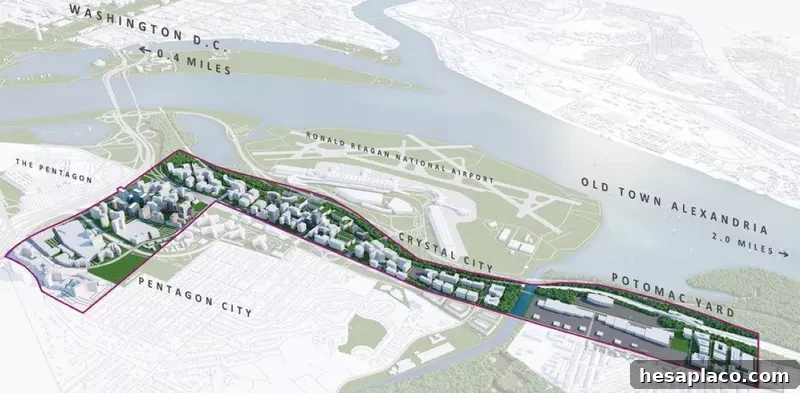
National Landing
JBG Smith
Location: Arlington, Virginia
Name origin: A recently created name, National Landing was coined after Amazon announced plans to build part of its second headquarters in Northern Virginia. Arlington County branded a combined area of parts of Pentagon City and Crystal City (and nearby Alexandria) as National Landing. The new name generated confusion among residents but also coincided with a notable surge in property values.
Real estate glimpse: Since the announcement, median listing prices in the area rose sharply, reflecting heightened demand and rapid development.
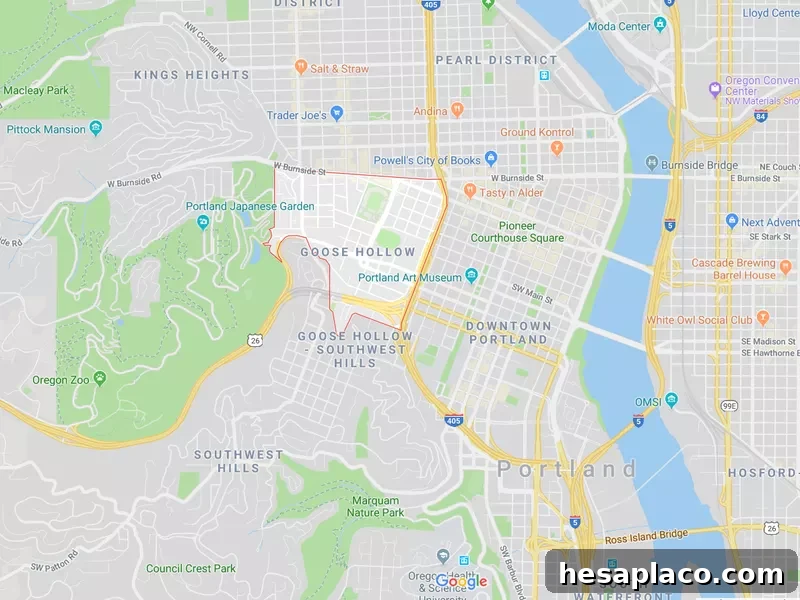
Goose Hollow
Google Maps
Location: Portland, Oregon
Name origin: In the mid- to late 1800s, local residents raised geese in the neighborhood’s hollows and gulches. A publicized dispute over goose ownership — which even led to a court case — caught the public imagination and helped cement the name “Goose Hollow.”
Real estate glimpse: Adjacent to downtown Portland, Goose Hollow is now a desirable and often pricey neighborhood. Small studios can rent for more than $1,000 per month, and the median listing price is in the mid-hundreds of thousands, primarily for condos and apartments.
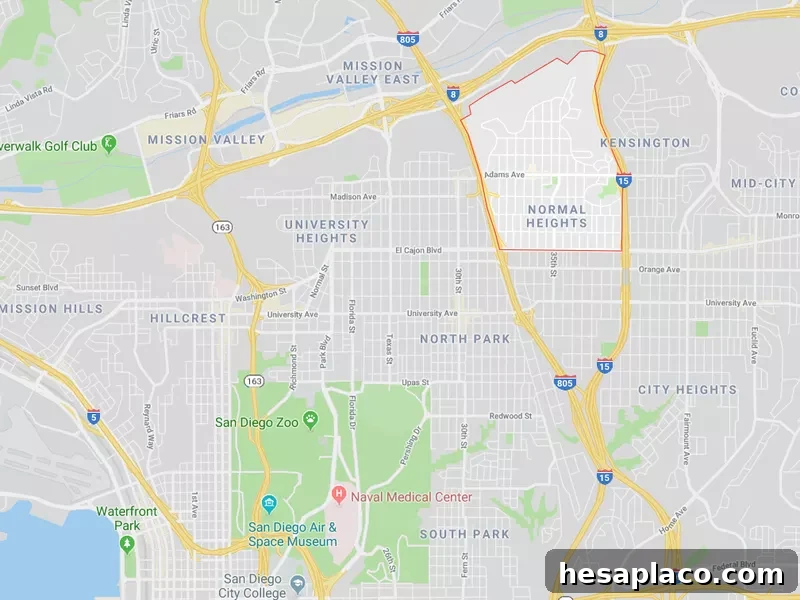
Normal Heights
Google Maps
Location: San Diego, California
Name origin: The “Normal” in Normal Heights comes from the San Diego State Normal School, an old state-funded teacher college that once stood nearby. The term “normal school” referred historically to institutions for training teachers.
Real estate glimpse: The median listing price in Normal Heights is around $559,500, with a relatively high price per square foot compared to many other neighborhoods.
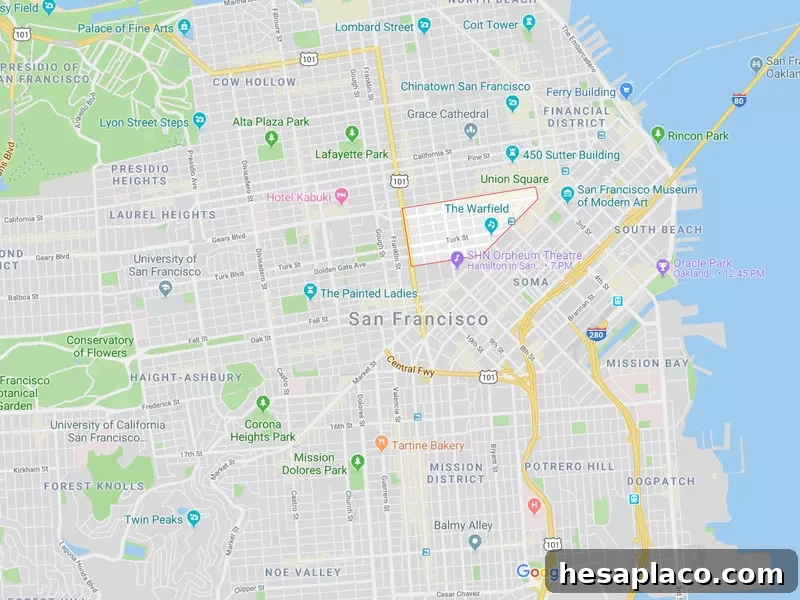
The Tenderloin
Google Maps
Location: San Francisco, California
Name origin: The Tenderloin’s name likely derives from a now-defunct Manhattan neighborhood once known as a rough red-light district. According to legend, a corrupt police captain transferred to that Manhattan precinct quipped that his new post would bring him more bribes and “a bit of tenderloin” after years of “chuck steak” — a metaphor that linked prosperity to the neighborhood’s vices.
Real estate glimpse: Properties in the Tenderloin vary widely. Some larger apartment buildings are listed for millions, while small single-unit condos and townhomes often sell in the mid six-figure range.
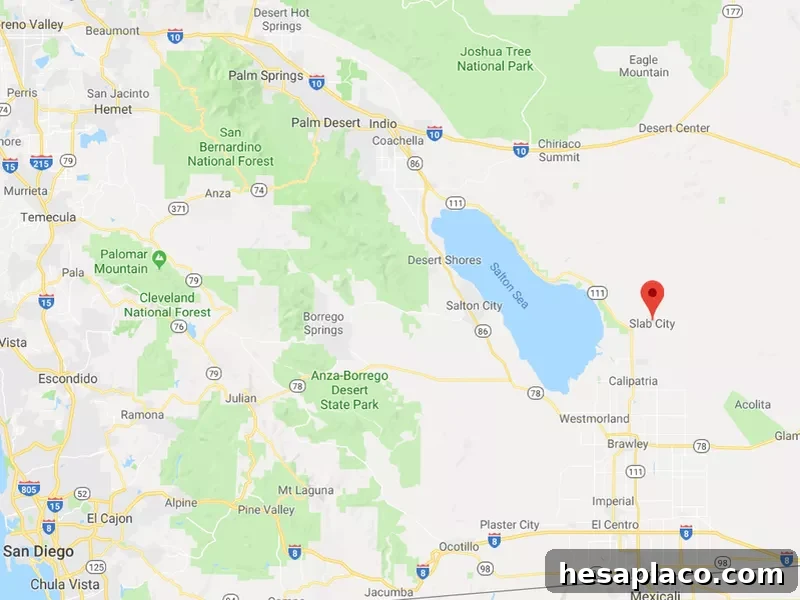
Slab City
Google Maps
Location: Imperial County, California
Name origin: Slab City is an informal, off-grid community made up largely of RVs and makeshift dwellings located on remnants of concrete slabs left from a decommissioned World War II military base. With no formal government services, residents provide their own water, waste disposal, and basic needs. The name comes from the concrete “slabs” scattered throughout the area.
Real estate glimpse: There is effectively no conventional real estate market in Slab City; people live there without owning traditional property, and occupancy is typically free or informal.
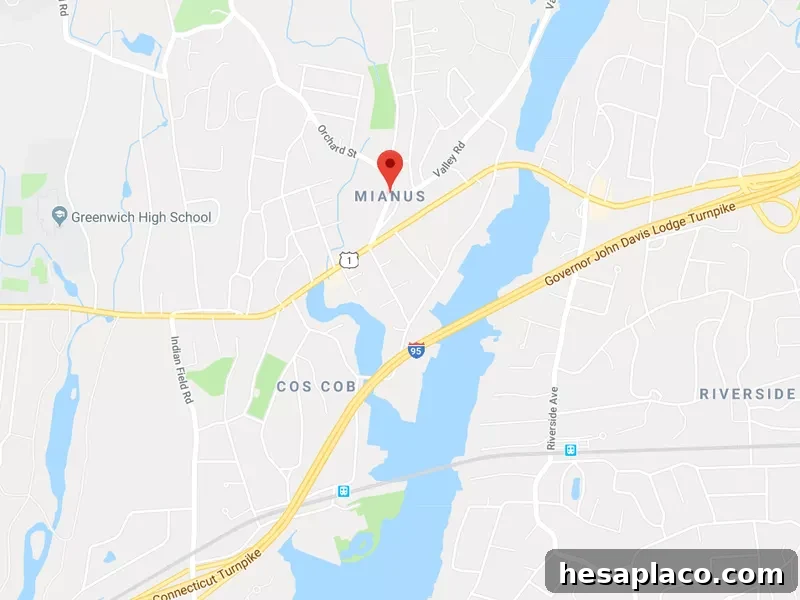
Mianus
Google Maps
Location: Greenwich, Connecticut
Name origin: Mianus is derived from the name of a Native American chief, Mayanno, which means “he who gathers together.” The name has been the source of jokes over the years due to its phonetic resemblance to certain crude terms, but its roots are Indigenous and historic.
Real estate glimpse: Real estate in the Mianus/Greenwich area is expensive; listings range from condominiums around half a million dollars to multi-million-dollar estates.
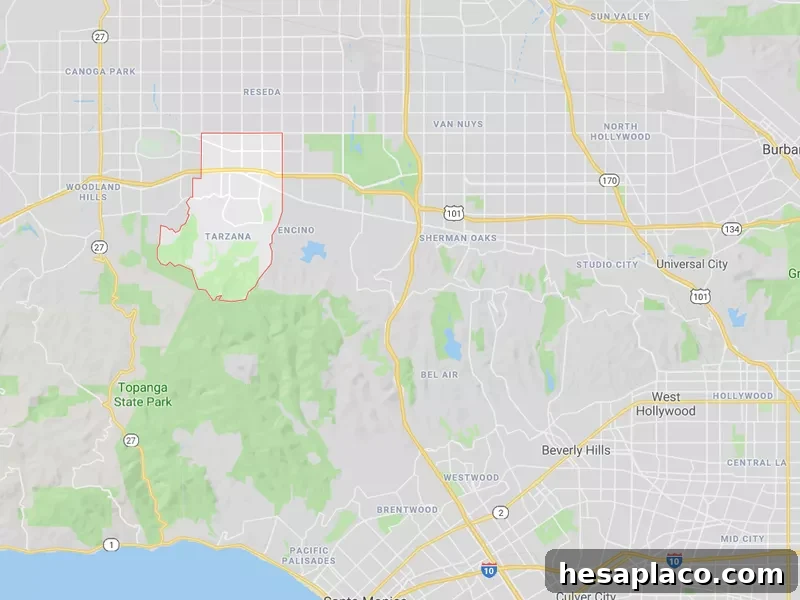
Tarzana
Google Maps
Location: Los Angeles, California
Name origin: Author Edgar Rice Burroughs, creator of Tarzan, named and developed this Los Angeles neighborhood in the early 20th century. He purchased a large estate and attempted to build a community he called Tarzana, a nod to his famous fictional character.
Real estate glimpse: Tarzana’s housing market tends to be costly. Median listing prices are in the high six-figures, and luxury homes can reach into the multi-million-dollar range.
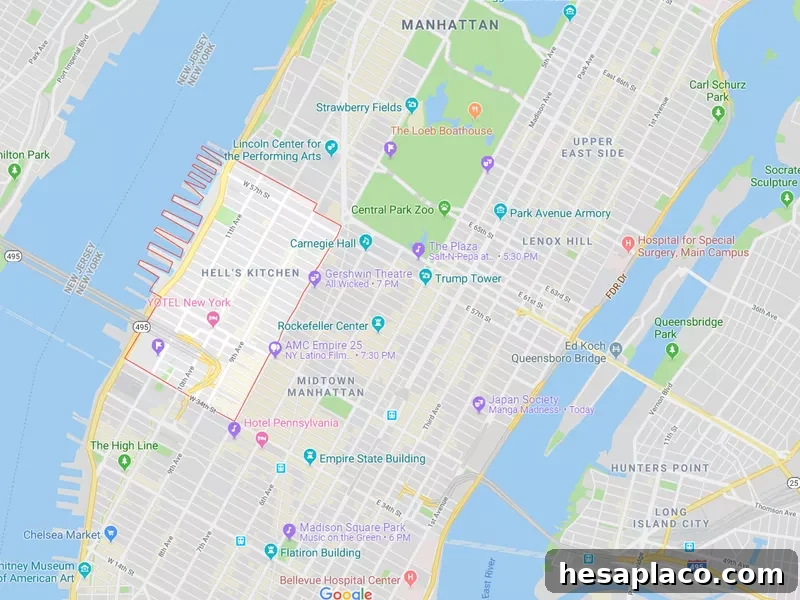
Hell’s Kitchen
Google Maps
Location: New York City, New York
Name origin: Once notorious for gangs, slums, and corruption from the 1880s through the mid-20th century, Hell’s Kitchen’s name likely reflects its rough character. One popular anecdote recalls a rookie cop calling the area “hell itself,” to which his partner replied, “Hell’s a mild climate. This is Hell’s Kitchen.”
Real estate glimpse: Real estate in Hell’s Kitchen spans a wide range, from modest co-ops and condos to ultra-luxury residences listed for tens of millions of dollars.
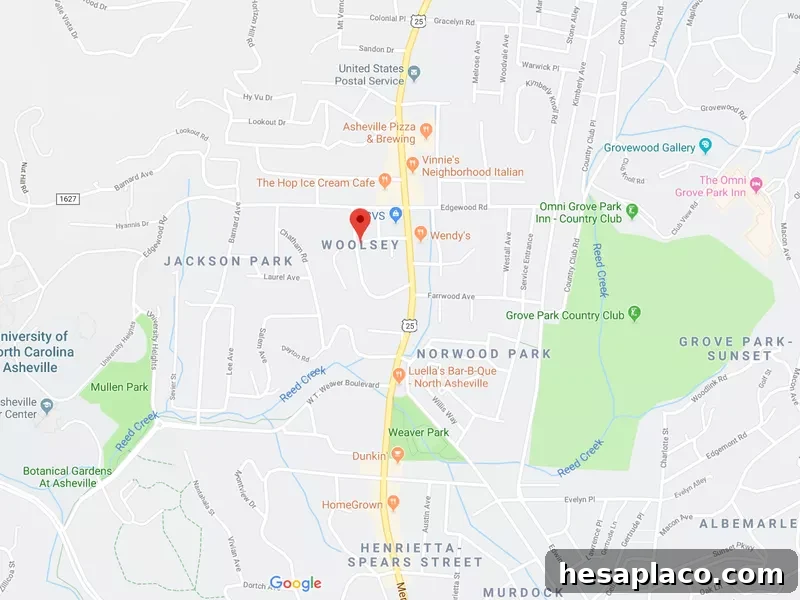
Woolsey Dip
Google Maps
Location: Asheville, North Carolina
Name origin: Named after Confederate Colonel Charles W. Woolsey, who built an eccentric residence known as Witchwood, Woolsey Dip sits in a small valley (hence “dip”) near Jackson Park. The neighborhood’s name reflects both its topography and historical association.
Real estate glimpse: There are few typical home listings in Woolsey Dip; however, short-term rentals and small cottages in the area can be booked for reasonable nightly rates.
These neighborhoods showcase the variety of origins behind place names across the country: geography, local industry, notable residents, animals, or even marketing and rebranding efforts. Each name carries a piece of local history and character that helps define the identity of its community.