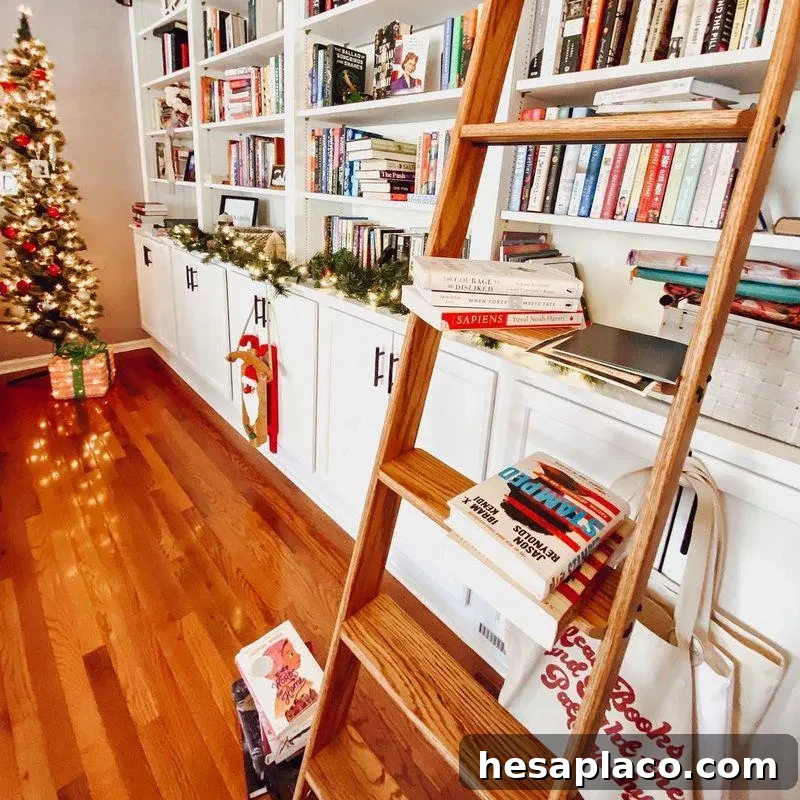
The trend of working from home (WFH) continues to grow, and many people are adapting their living spaces to include compact work areas or personal libraries.
One popular solution is the “cloffice” — a small office built inside a closet (closet + office = cloffice). Though closets converted into workspaces have existed for some time, the pandemic accelerated the idea as more people sought functional, private work zones in homes with limited space.
Some homeowners hire designers to craft a cloffice that reflects their personality, while many others use affordable, easy-to-install components sold by homeware retailers to create DIY cloffices. Another common choice for unused closet space is to build a personal library by installing shelves and a comfortable reading nook.
Whether you plan to build a compact home office, a reading corner, or a combined cloffice-library, the following design tips will help you make the most of the space.
Find the Ideal Space
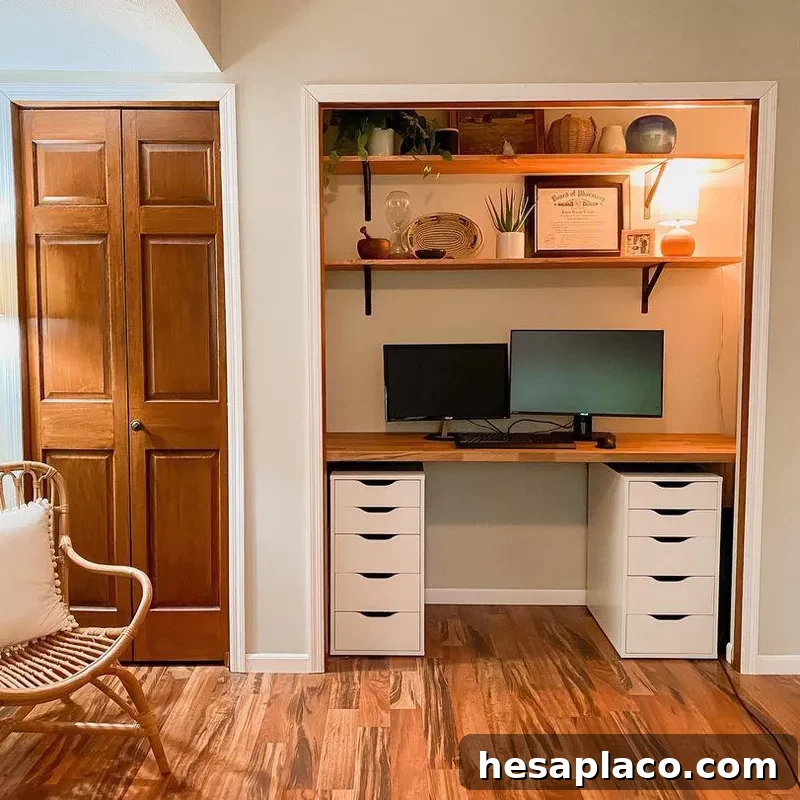
ournestinthemidwest
An unused closet in a spare bedroom is a great starting point for a cloffice: it keeps work separate from living and sleeping areas so you can close the door and mentally switch off at the end of the day. Pantries, entryway closets, or a hallway alcove can also be repurposed. Choose a spot that offers privacy and minimal distractions.
Let Out Your Inner Planner
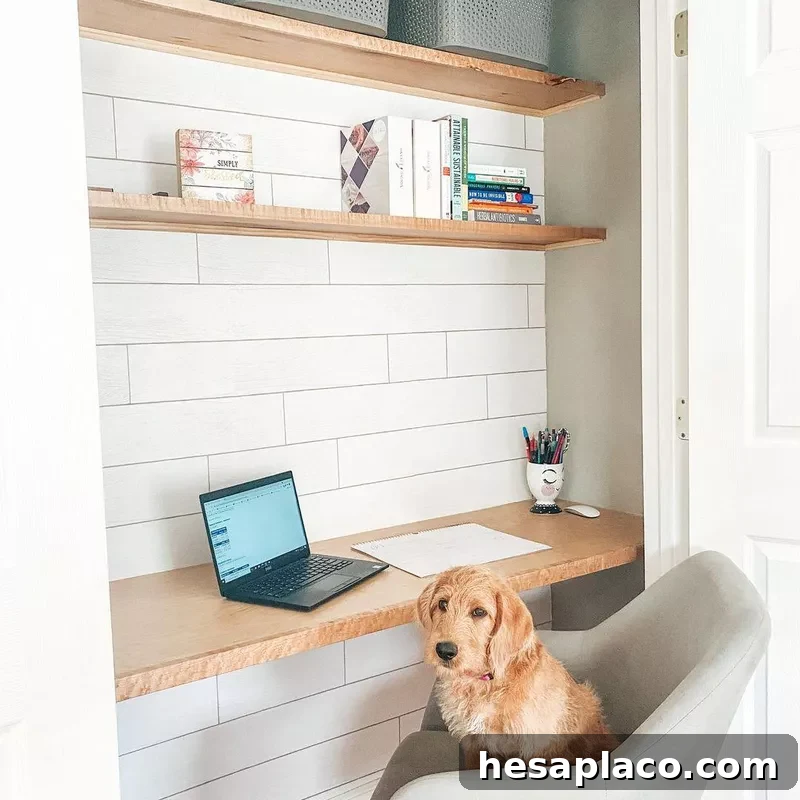
wholehearted.mama
Start by listing what you need: desk size, lighting, seating, storage, and a budget. Inventory items you already own that can be repurposed—bookshelves, cabinets, a kitchen trolley—to save money. If downsizing from a larger home office, you may only need a smaller desk or extra shelving.
Use a Closet Design Tool
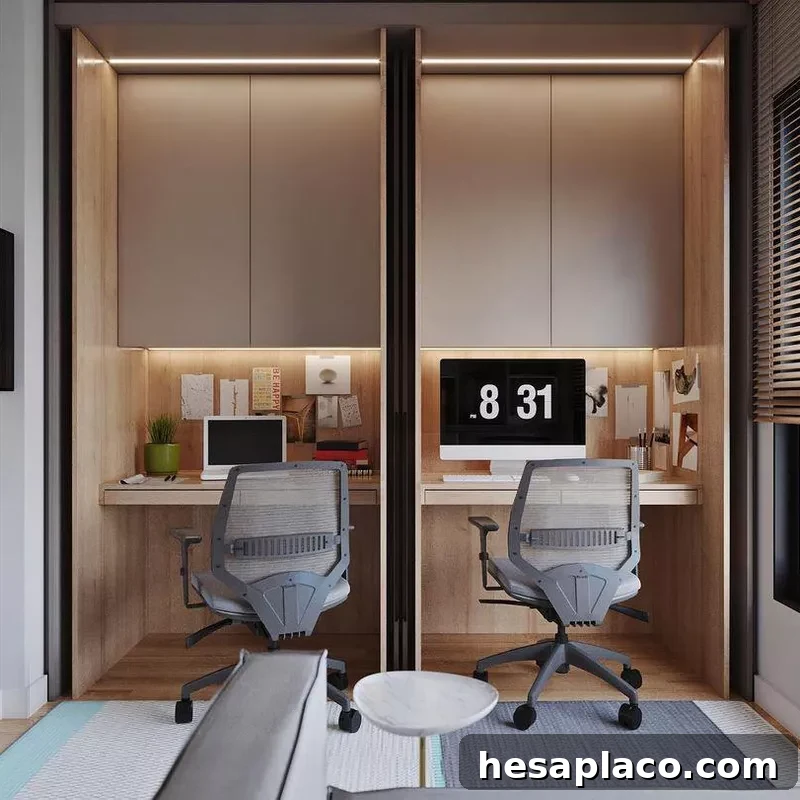
fprstudio
Free online closet or room-design tools help you visualize layouts, try color schemes, and experiment with desk and shelf placements before you buy materials. Planning in advance prevents costly mistakes and keeps your project within budget.
Consider Shiplap
visionswithvic
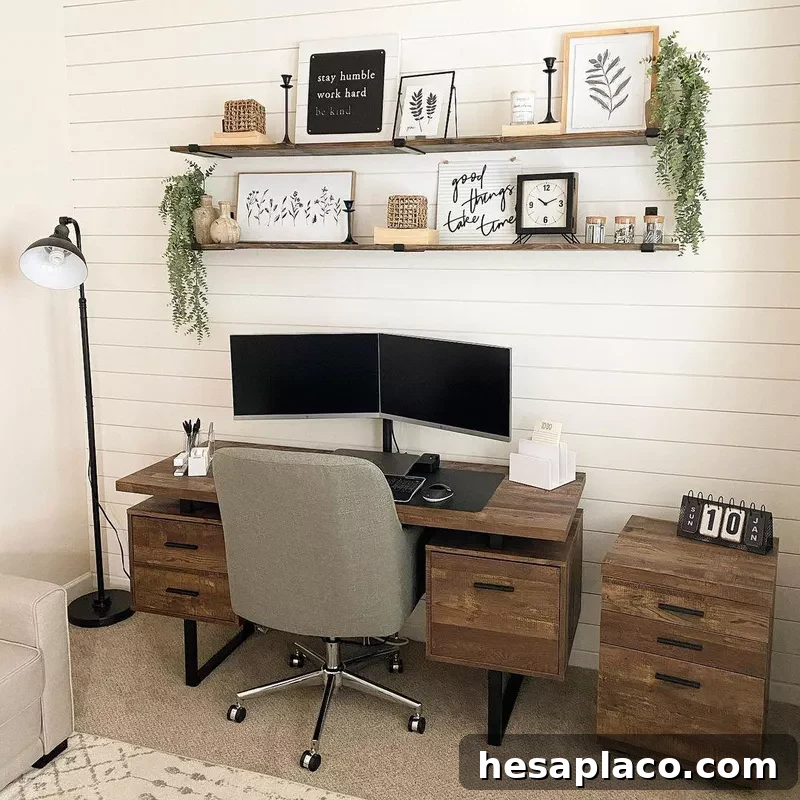
Shiplap is a trendy wall treatment that can visually expand a small space. While traditionally horizontal, vertical shiplap draws the eye upward and increases perceived height. Adding shiplap to a ceiling can also make the space feel larger and more finished.
Add Some Green
__untapped_potential__
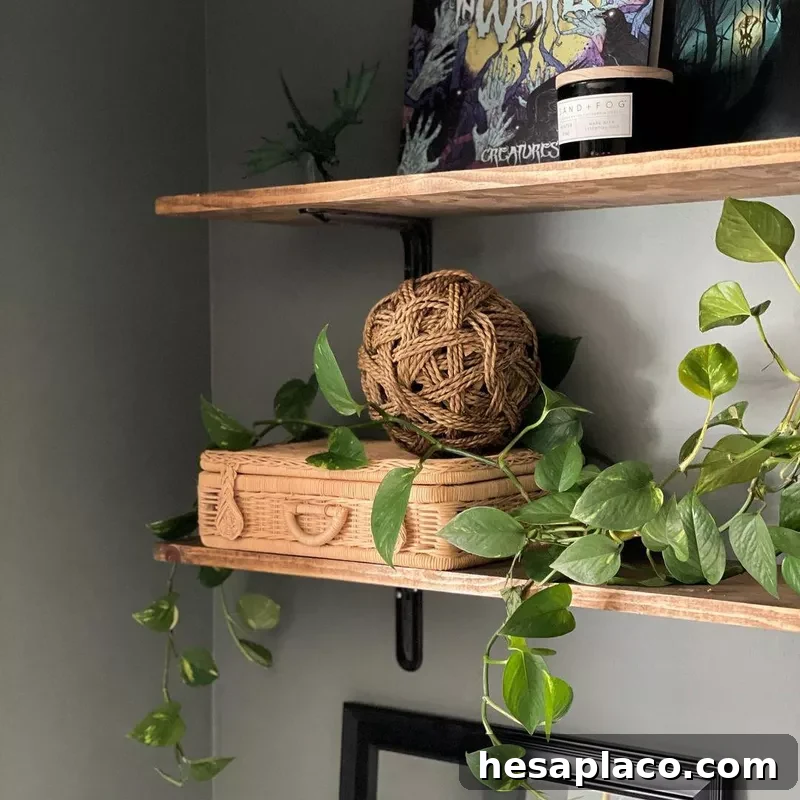
Plants add life and a calming touch to a small workspace. If natural light is limited, use low-light plants or high-quality artificial greenery. Popular design ideas include vines draped along shelves, vertical plant systems, and small living wall features paired with soft lighting.
Use Trolleys
The Container Store
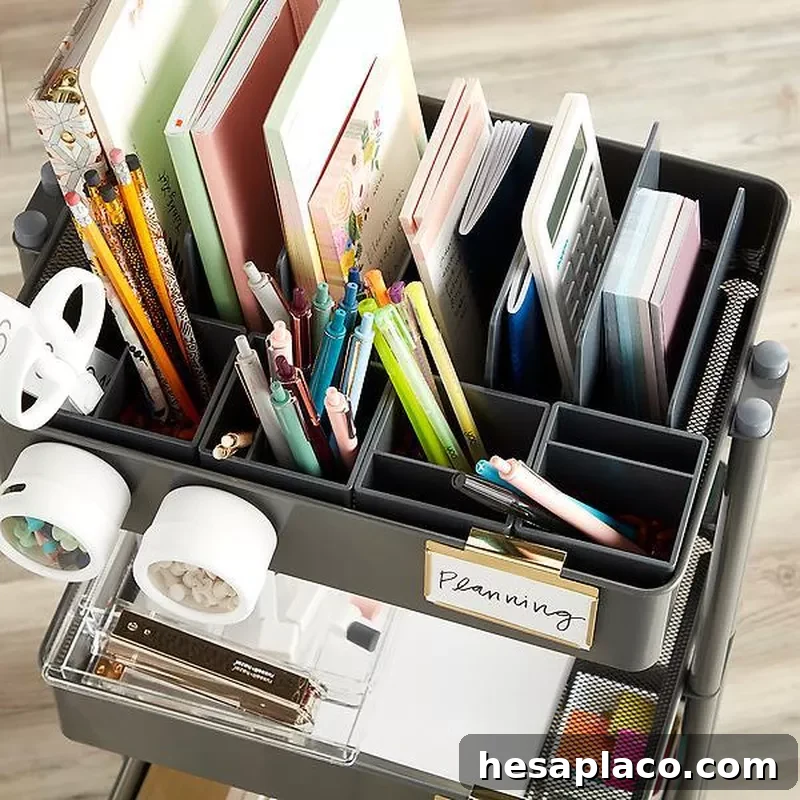
Rolling trolleys are versatile in tight spaces: slide one under the desk for supplies or keep it beside your workstation to hold files and stationery. They tuck away easily when not in use and come in various colors and price points to match your decor.
Stock Up on Storage Baskets
nstasa
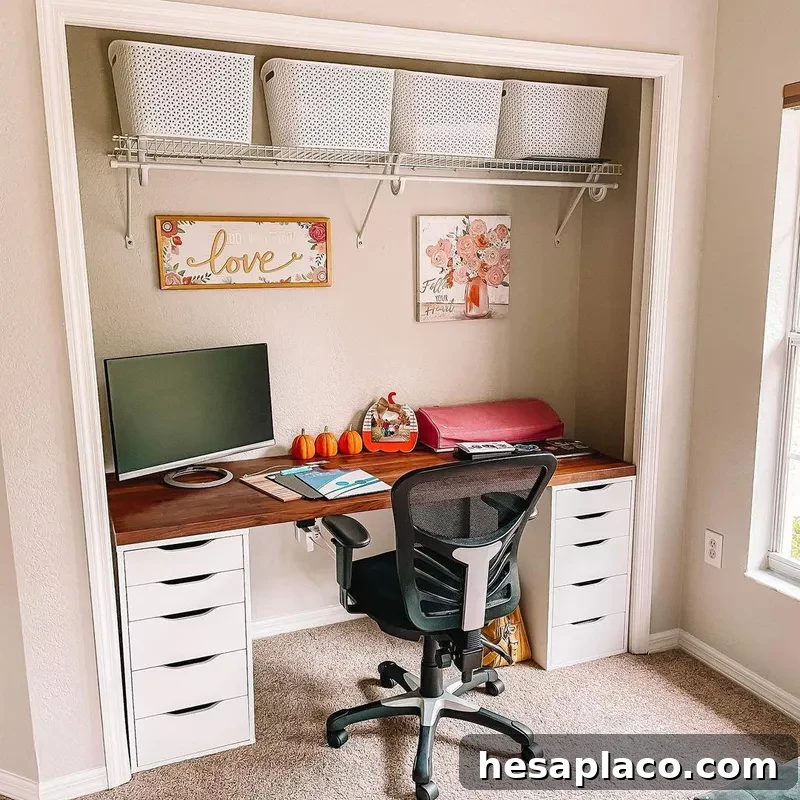
Baskets offer functional storage and add texture and warmth. Use small baskets on shelves for office supplies and larger ones under the desk for spillover items. They keep your cloffice tidy while contributing to an inviting aesthetic.
Stay Clutter Free
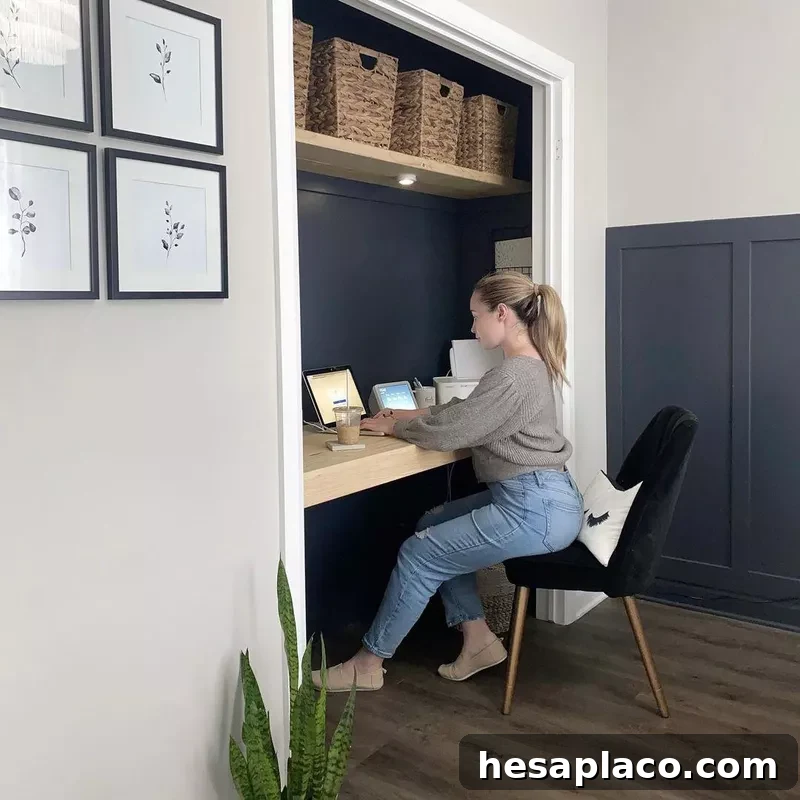
isabel.at.home
Clutter shrinks a small space. Store frequently used items in baskets, drawers, or under-shelf storage, and keep the desktop clear. Use wall-mounted racks, wire screens with hooks, or pegboards to maximize vertical space while keeping the floor visible and the area orderly.
Invest in Soundproofing
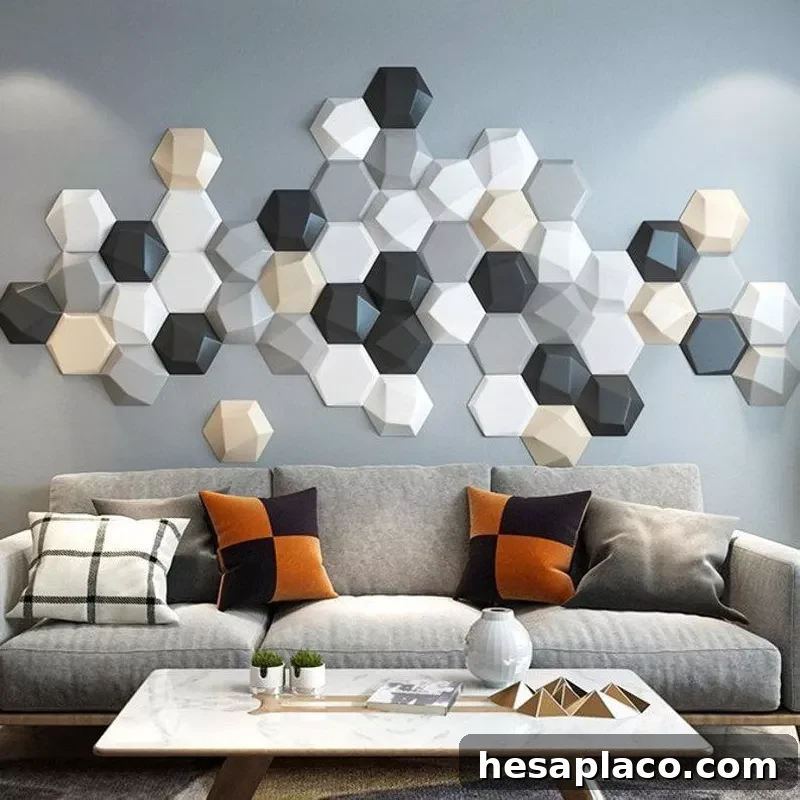
RedesignYourWall
Small rooms tend to amplify sound. If you take many video calls, reduce echo by adding acoustic panels, rugs, thick blankets, or moving pads. Cork panels and mounted textiles can muffle sound and double as pin boards for notes or inspiration.
Pick Up Some Wall-Mounted Racks or Cork Boards
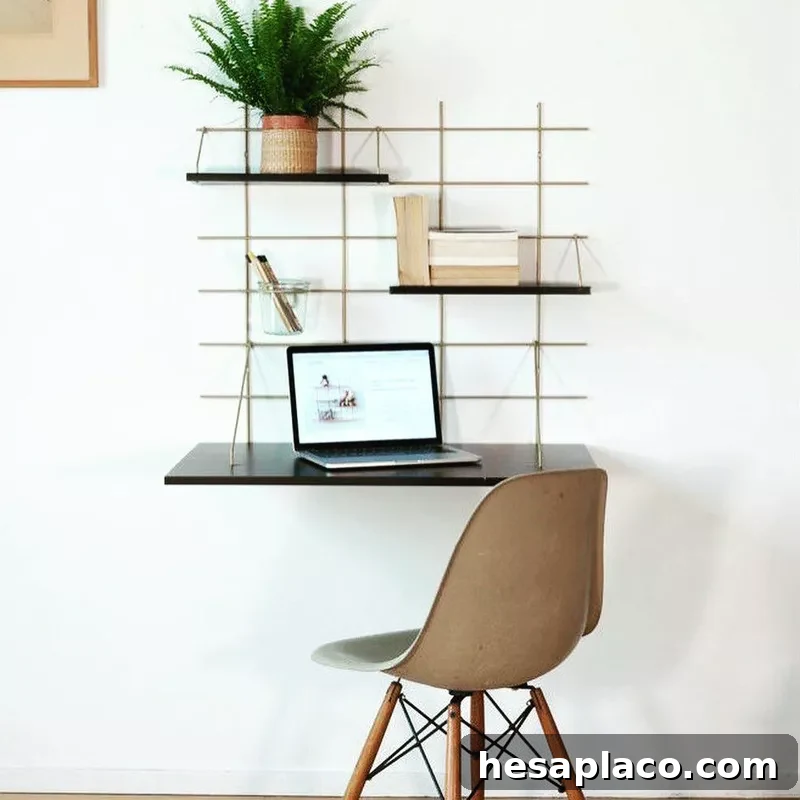
Corkboards, wire racks, and wall hooks keep essentials handy without stealing desk space. Use them for lists, bills, artwork, or tools so your work surface stays uncluttered and your important items remain visible and organized.
Use Mirrors
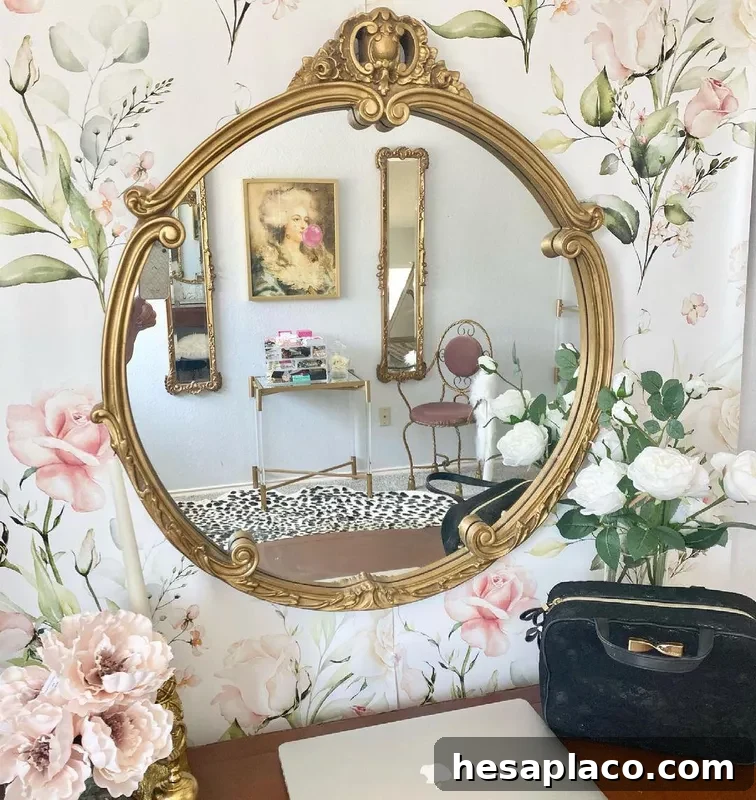
1christinahollensbe
Mirrors expand the perceived size of a room by reflecting light and depth. Place a mirror on a back wall or use mirrored panels on the inside of a closet door to brighten and visually enlarge your cloffice.
Paint With White or Light Colors
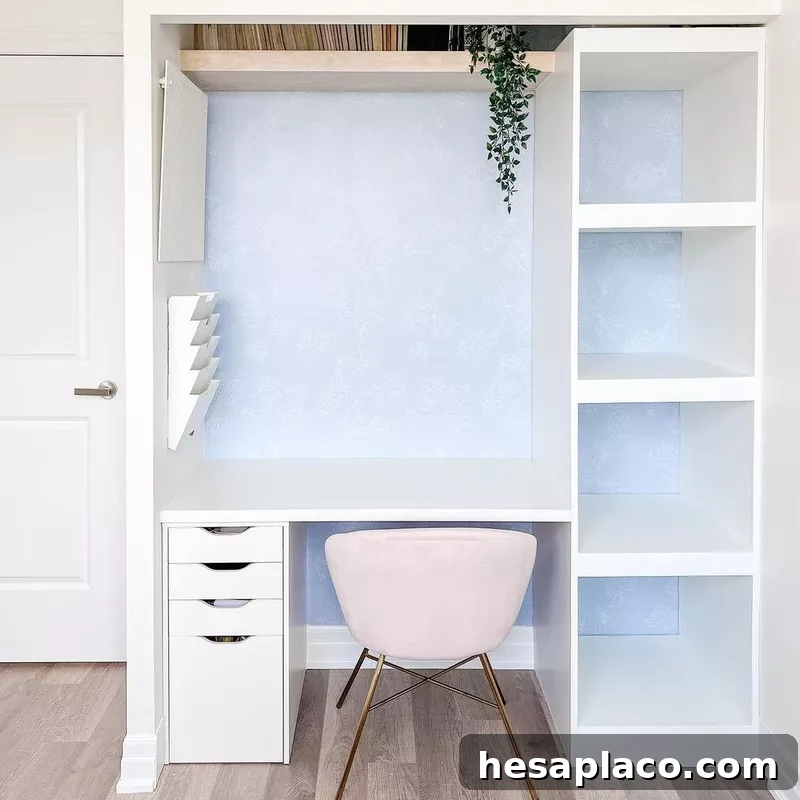
casamiasage
Light colors reflect light and make small spaces feel airier. Choose white or soft pastels like pale blue, sage, or light gray to create a professional, open atmosphere instead of a cramped, dark nook.
Do Your Research on Lighting
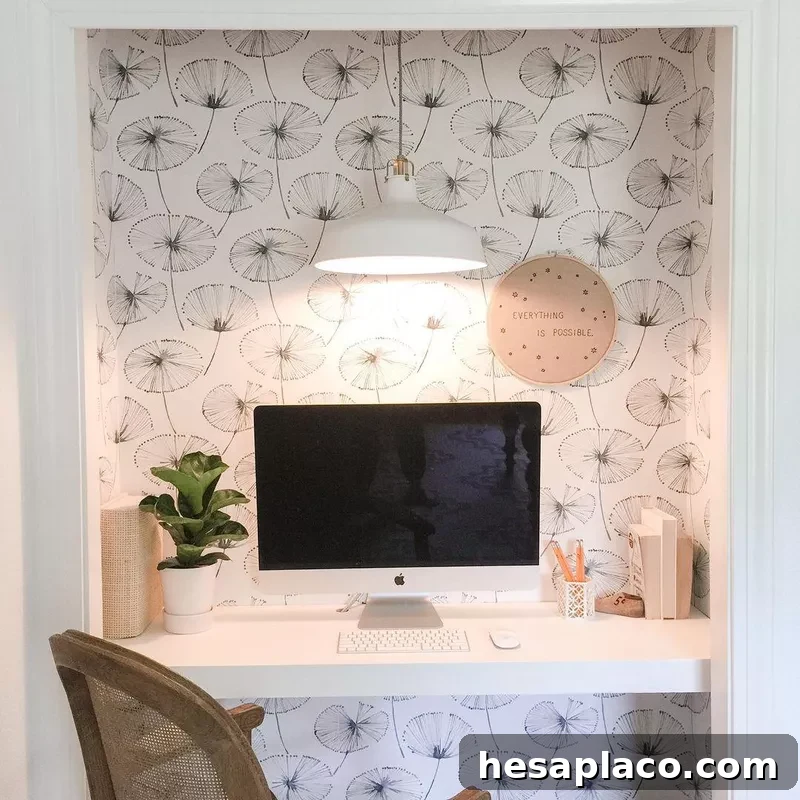
flynnhaus
Good lighting is essential. Consider desk lamps, wall-mounted fixtures, or LED strip lights for directional illumination in small spaces. LEDs are energy-efficient and long-lasting, while decorative string lights can add charm without overwhelming the room.
Consider Seating
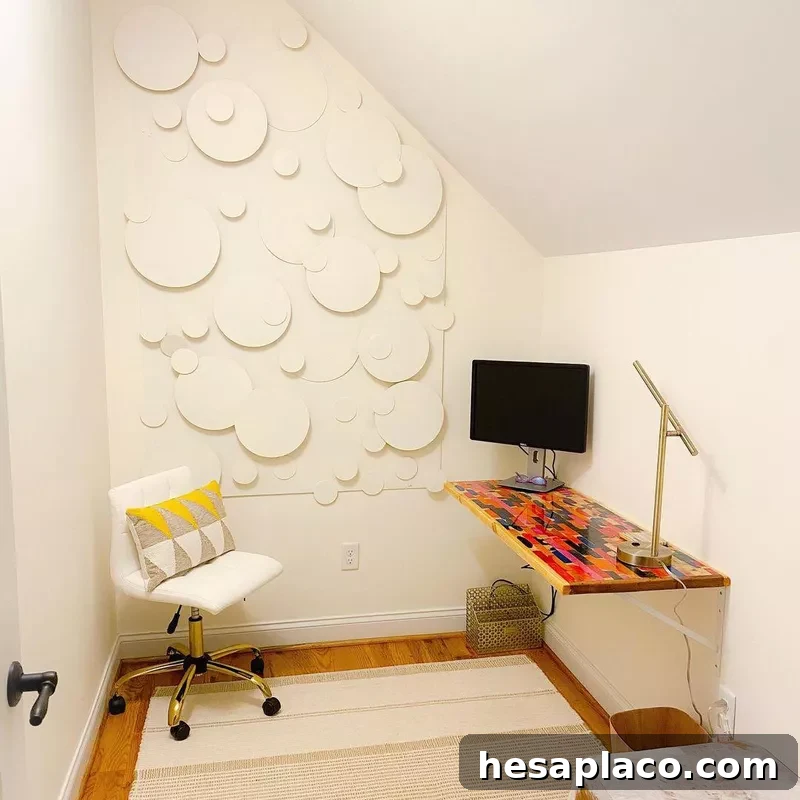
carla_neidigh
Choose seating that fits your closet size and work needs. Walk-in closets can accommodate ergonomic chairs and larger desks. Tight spaces benefit from compact chairs, stools, or foldable seating that tuck away when not in use.
We Can’t Emphasize the Importance of Storage and Shelves Enough
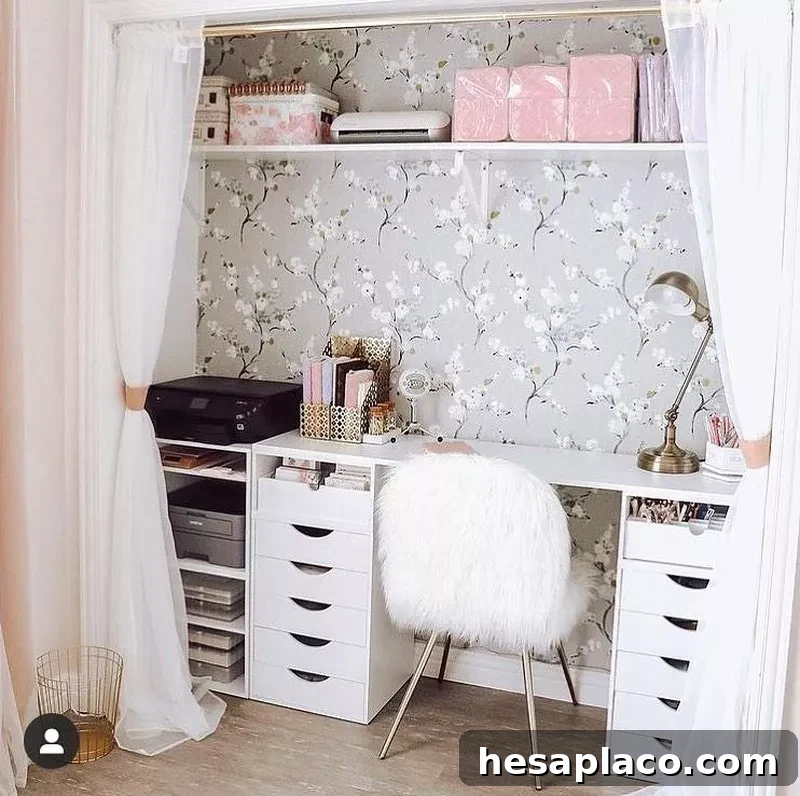
tklifestyleorganizer
Open shelving mounted above a workstation maximizes storage without encroaching on floor space. Adjustable shelves, floating options, or full floor-to-ceiling installations can be tailored to your book and supply volume.
Decide Between a Desk or Workstation
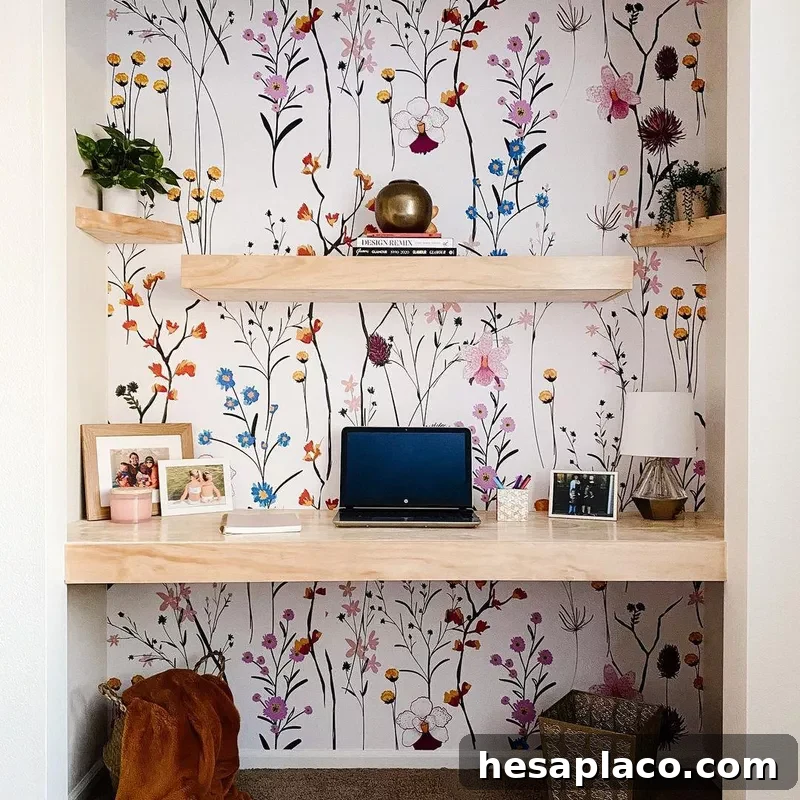
onthedailywith.chels
A desk can be a purchased unit, a custom-built surface, or a simple plank of wood supported by filing cabinets or shelves. Renters may prefer easily disassembled furniture; homeowners might opt for a permanent built-in workstation.
Use An Old Fireplace
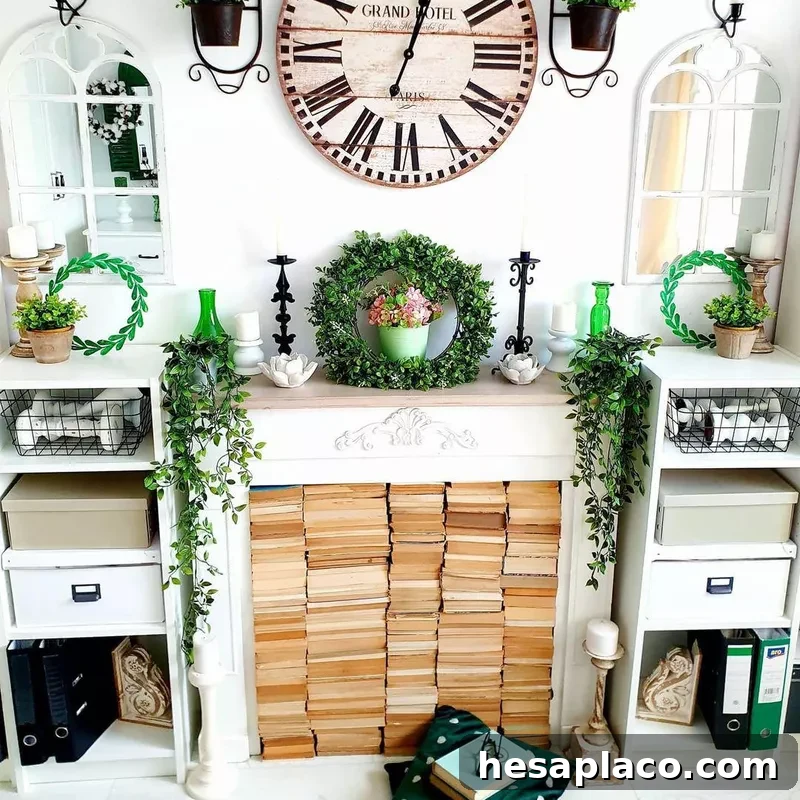
fleurdeliscottage
A sealed, non-working fireplace is an instant book nook—ideal for children’s books or a cozy reading corner. Ensure it’s properly sealed, then stack books or add shelving and a nearby chair for a fast, charming library upgrade.
Use Rolling Carts
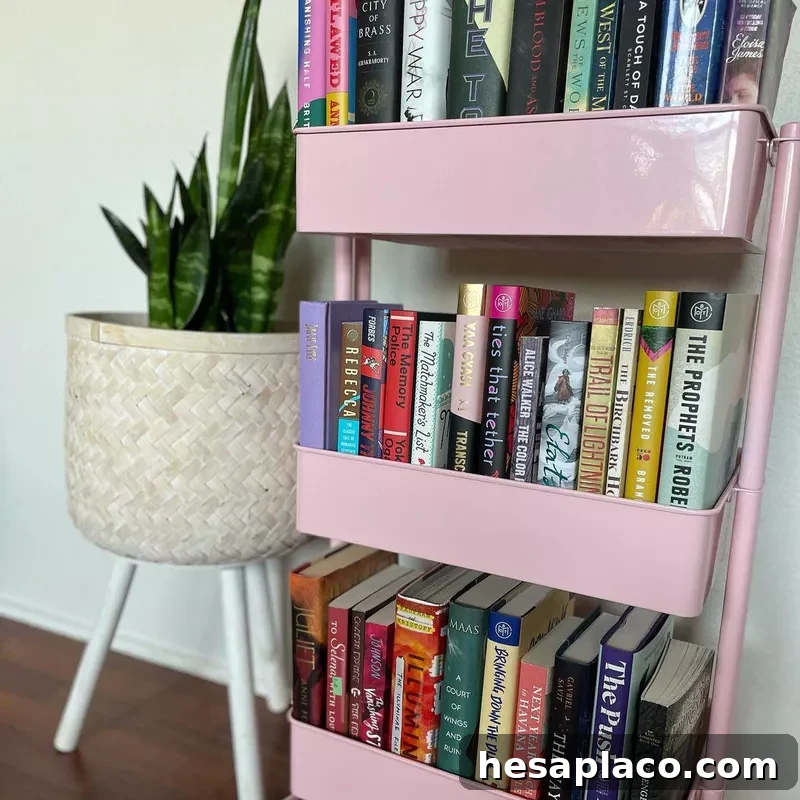
literallyloveliterary
Rolling carts make your library mobile: keep your current reading pile on a cart that moves from room to room and stores away easily when guests arrive.
Use A Closet
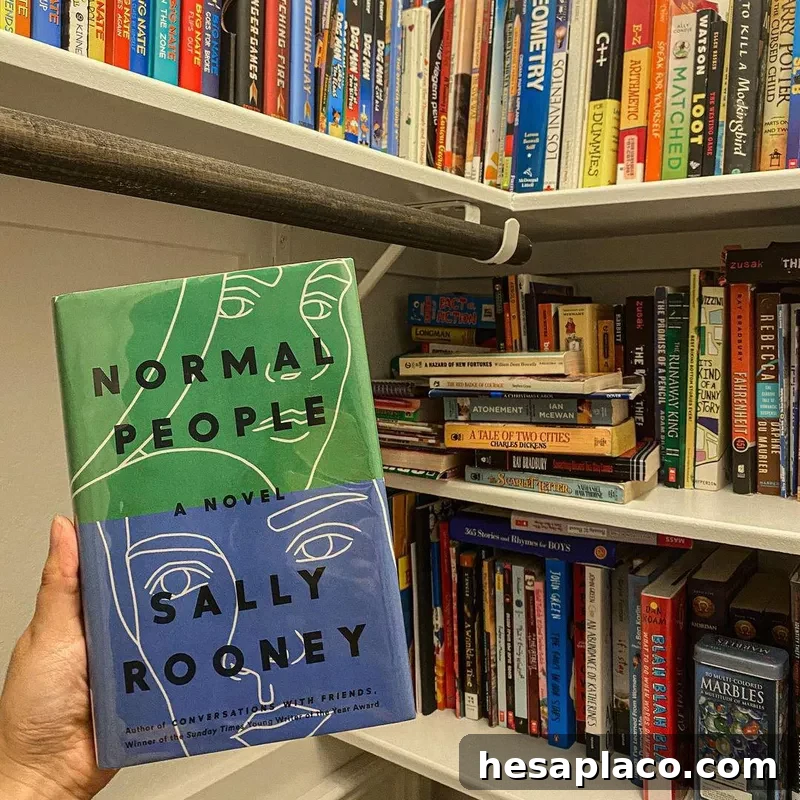
readbydash
Convert a closet into a compact library by mounting shelves, adding a bench with cushions, and installing extra lighting. Remove the door for an open display or keep it closed for a tidy look.
Or Use a Hallway or Entry
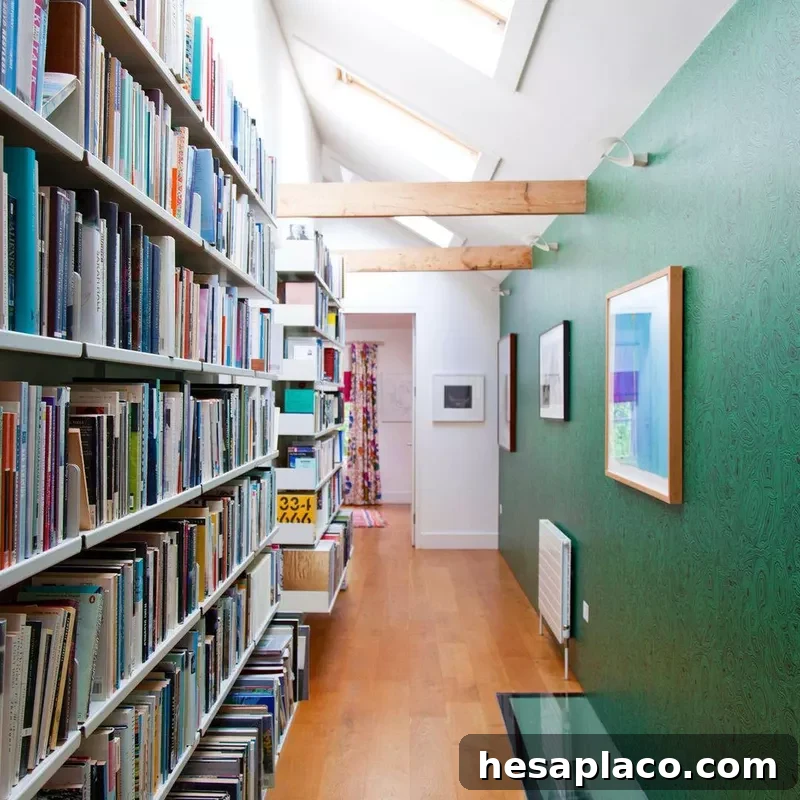
thebrickhouseshootlocation
Wide hallways and entryways can host floor-to-ceiling shelves and a small reading chair, making efficient use of otherwise underused space and freeing up room in the main living areas.
Repurpose That Hutch or China Cabinet
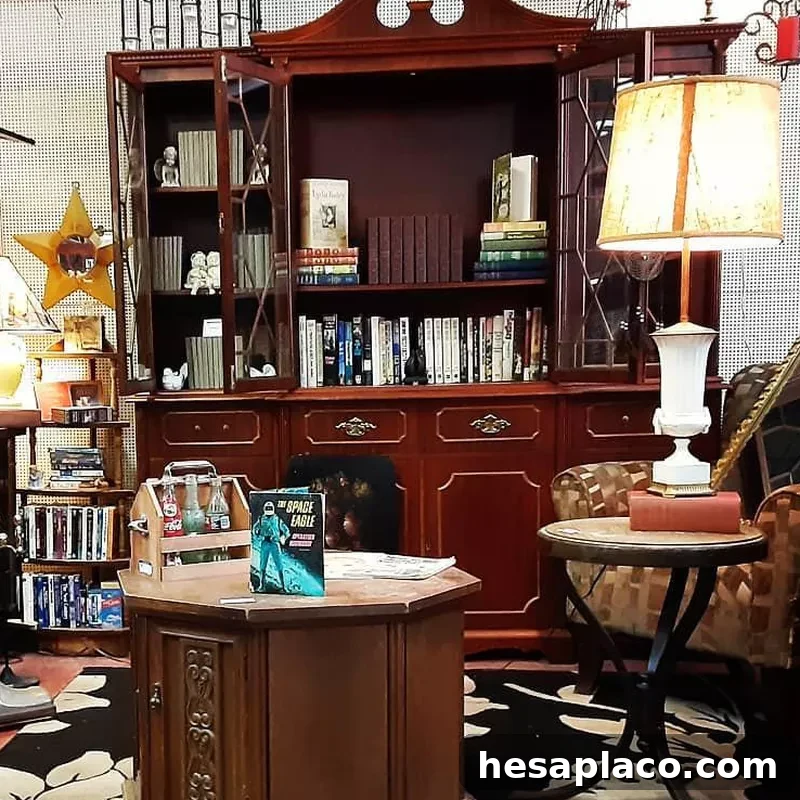
itsagoodethingvintagestore
Deep, sturdy hutches and china cabinets make excellent book storage. Paint or wallpaper the interior and repurpose the shelves to create a vintage, elegant focal point for your books.
Consider a Bookshelf Room Divider
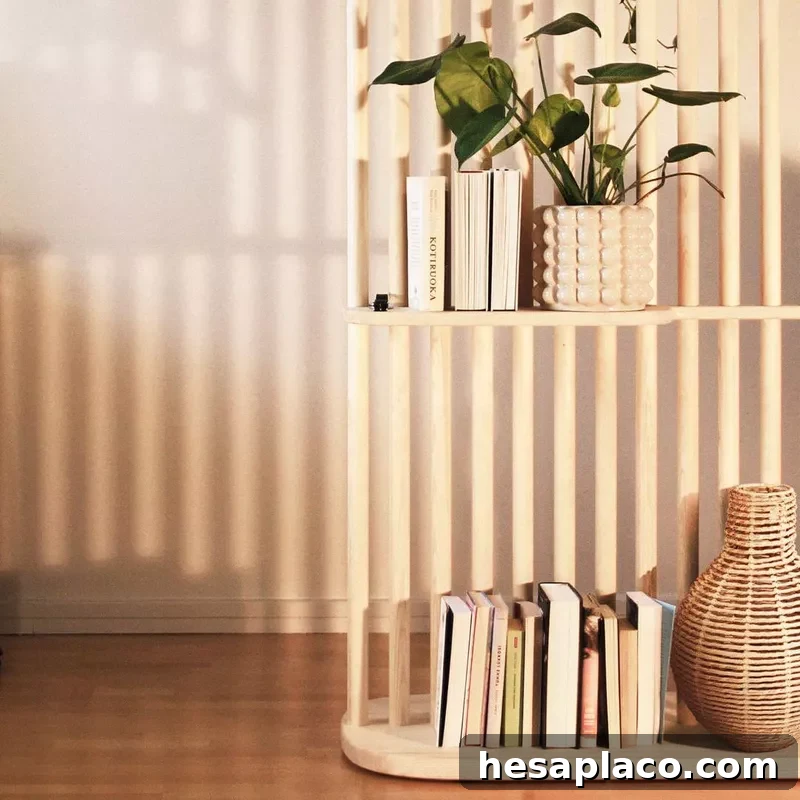
akoriadesign
An open bookshelf can divide a room without blocking light or airflow, creating a visual boundary for a home office or reading area while adding storage and display space.
Install a Ladder
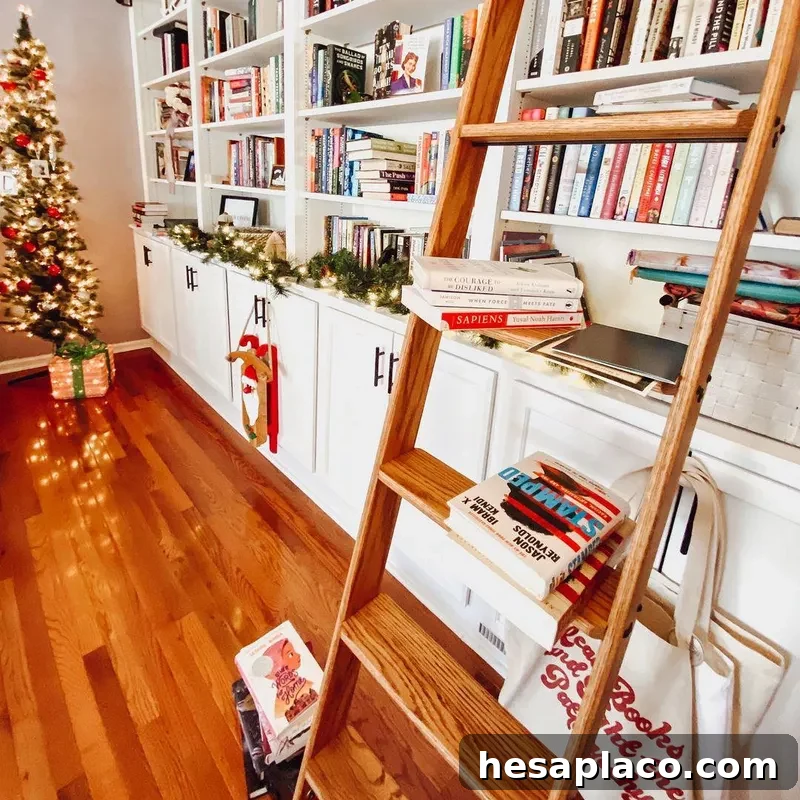
readingthroughspeech
When shelves run floor to ceiling, a rolling ladder provides safe access to high books and adds classic library character. It’s functional and visually striking.
Add Cabinets
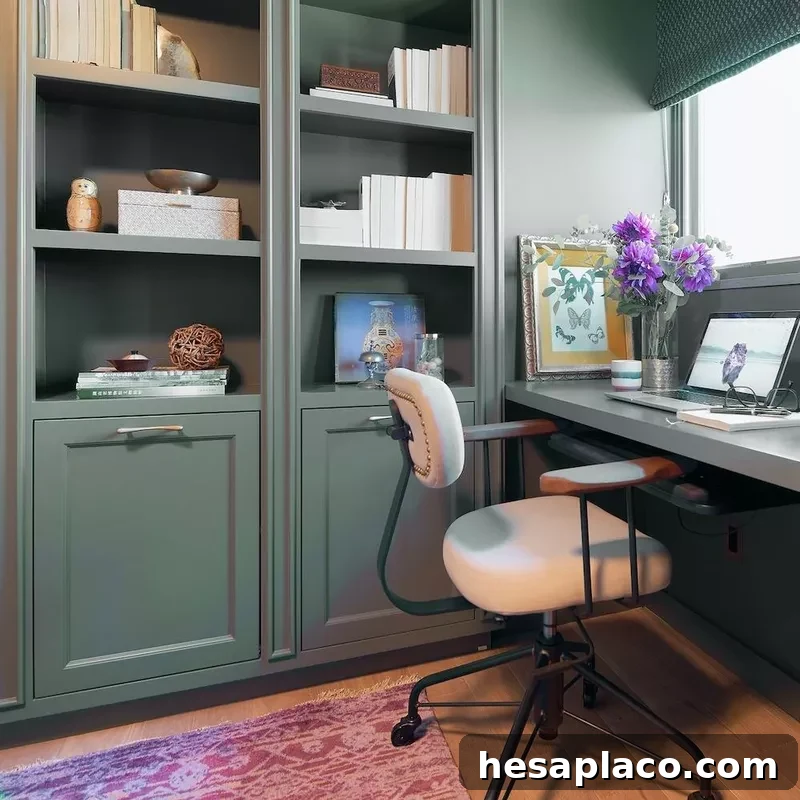
Lower cabinets beneath bookcases hide clutter—files, toys, or magazines—and blend into the room when painted to match surrounding shelves or walls.
Don’t Forget the Stairs
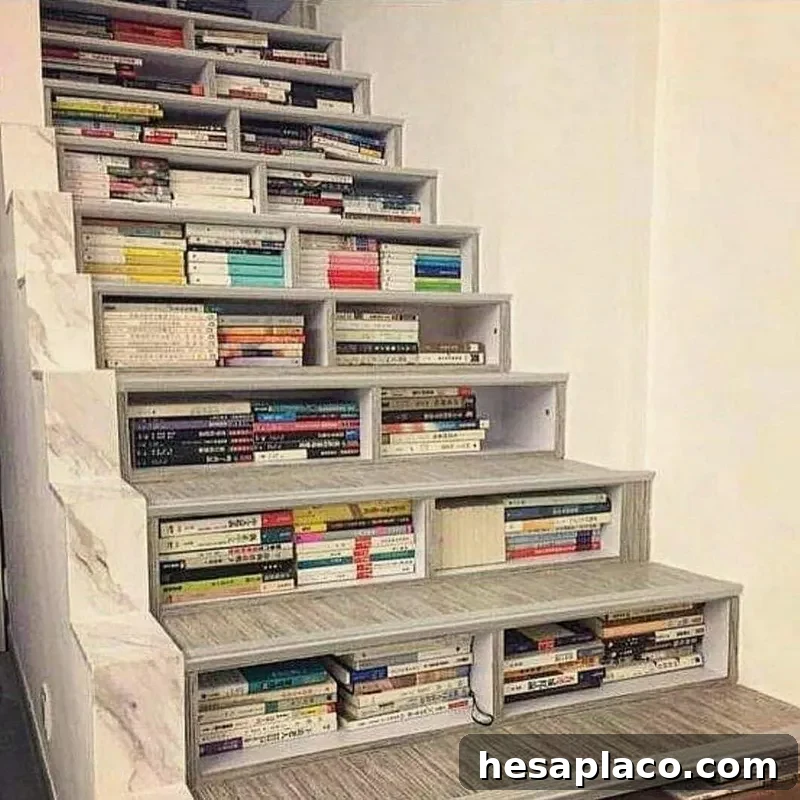
literaturamasuno
Staircases and the space beneath them are perfect for creative book storage. Built-in shelving or stacked books along stair risers can create a charming, efficient library solution.
Focus on Comfort
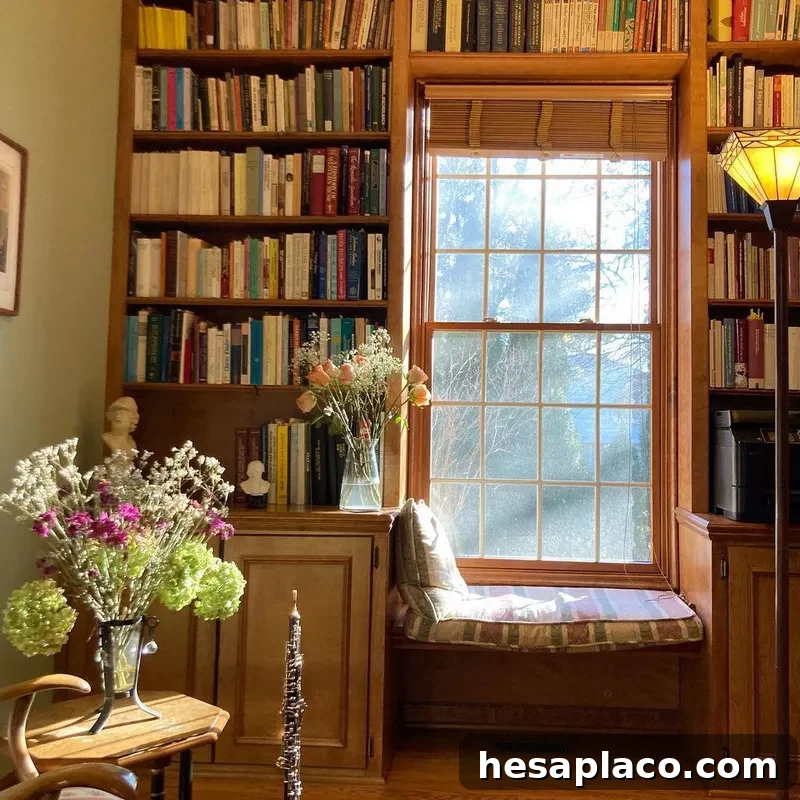
lemkestudio
Comfortable seating is essential for a home library. In small spaces, bench cushions, beanbags, or a cozy chair create inviting reading spots. Add side tables or a small trolley for books and drinks.
Combine a Home Office and Personal Library
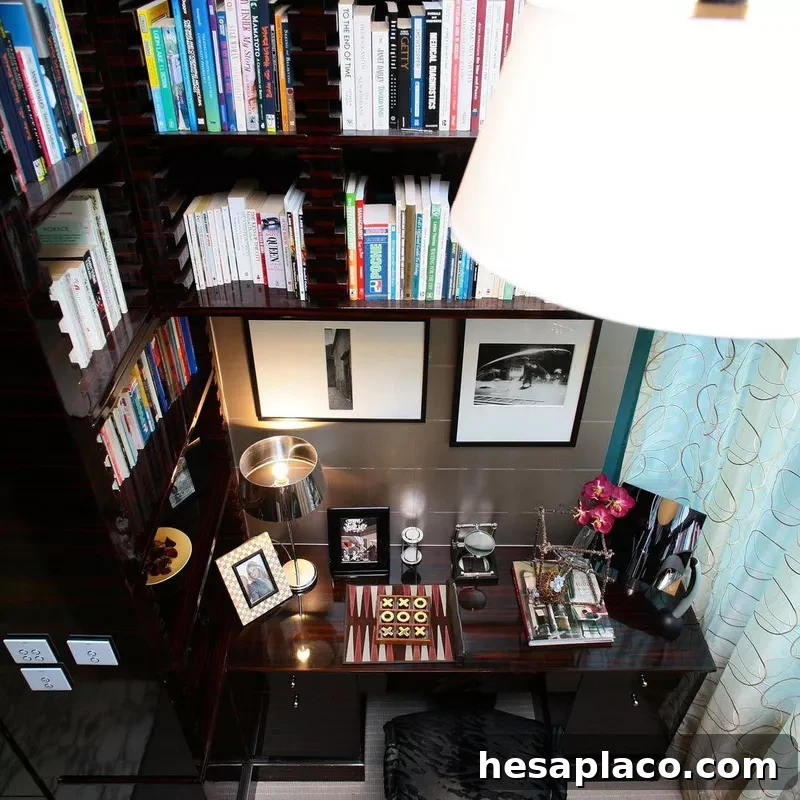
cypressdesignhk
A combined cloffice and library is efficient: both require good lighting, low noise, and organization. Surround a desk with shelving to serve dual purposes, saving space and stretching your budget further.
Budget, Budget, Budget

bookeaterreality
Set a realistic budget and reuse existing furniture where possible. For bookshelves, choose sturdy boards—at least 1.5 inches thick—to prevent sagging. Thrift stores and secondhand shops can be excellent sources for affordable shelving and cabinets you can refinish.
Use the Internet for Inspiration

mybookfeatures
Browse online platforms for ideas on color schemes, layouts, lighting, and DIY projects. Visual inspiration can spark new approaches and help you combine practical solutions with personal style to create a cloffice or home library that’s functional and welcoming.