The world still occasionally sees advertisements that shock and offend. Not long ago, Audi ran an ad in China comparing finding a used car to finding a wife, and the Co-op supermarket in the UK angered many by suggesting parents should “treat” daughters for doing the washing up. These examples show that while advertising has improved, offensive, sexist, or tone-deaf campaigns continue to appear.
What we see today can seem tame compared with some of the material advertisers produced in previous decades. Looking back at vintage ads reveals a history of blatant sexism, racism, dangerous medical claims, and alarming attitudes toward children and family life. The following selection highlights how societal norms once influenced advertising—and how far standards have come, even if missteps still happen.
‘You mean a woman can open it?’
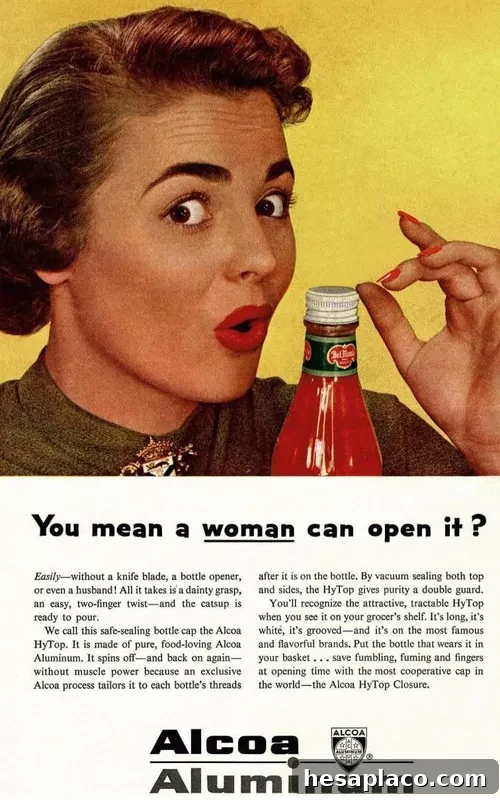
Alcoa Aluminum
Sexist stereotypes were common in the 1950s. A 1953 Alcoa Aluminum ad displayed a woman holding a bottle of Del Monte ketchup with the tagline, “You mean a woman can open it?” The ad underlined “woman,” explicitly suggesting that women were too weak to open ordinary bottles—except thanks to a twist-off cap marketed as a convenience that spared men the task.
‘This is no shape for a girl’
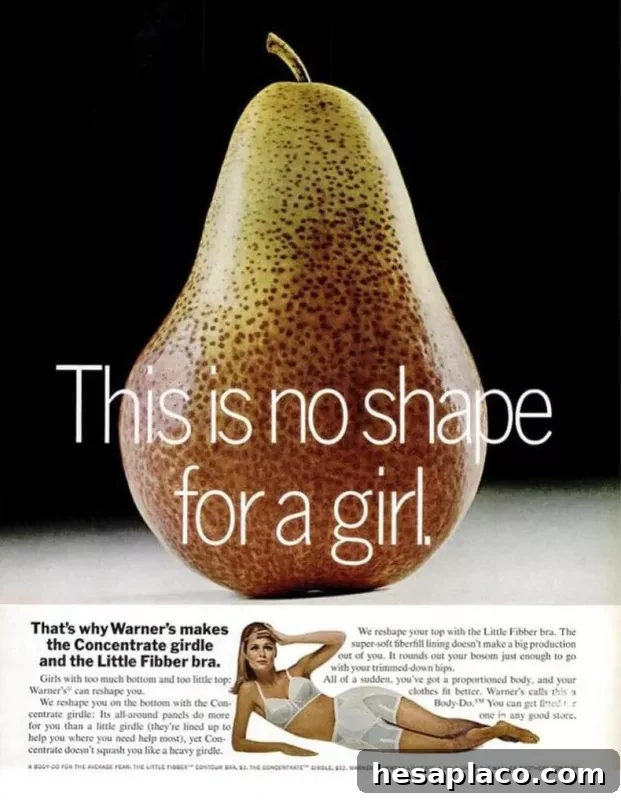
Warner’s
Body-shaming long preceded social media. In the 1970s ads often pushed insecurities to sell products. A Warner’s campaign for a girdle and bra promised to fix “girls with too much bottom and too little top,” using shame to drive sales and promising social acceptance through altering women’s bodies.
‘Begin Early. Shave Yourself.’
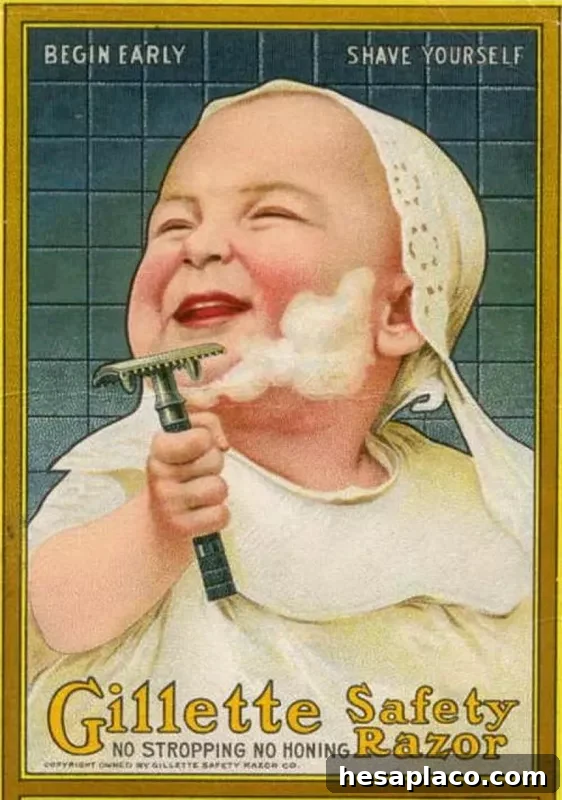
Gillette
Some early 20th-century ads are unsettling by modern standards. A Gillette advertisement showed a baby lathered up as if shaving to sell a “safety” razor. The image, intended as cute, appears dangerous and inappropriate today; it demonstrates how historical marketing sometimes blurred lines between humor and risk.
‘Cocaine Toothache Drops’
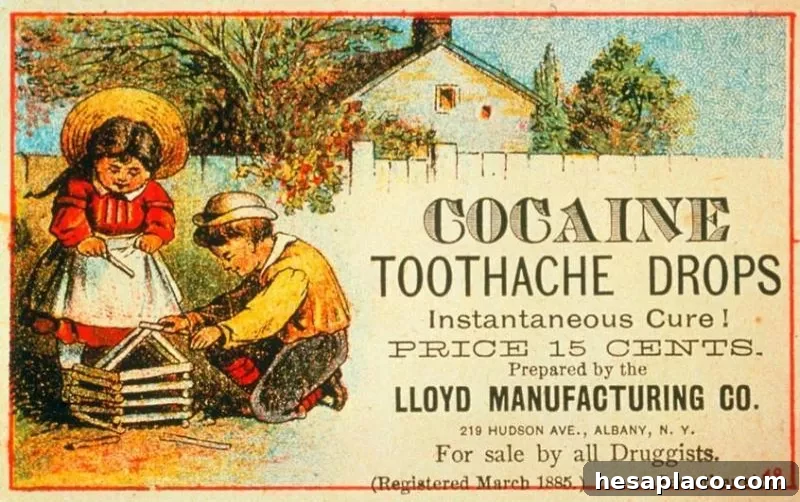
Lloyd Manufacturing
Early medicine and consumer products sometimes contained harmful substances. In the late 19th century, cocaine was used in remedies such as toothache drops, marketed as instant cures. Today, such treatments seem dangerous and irresponsible, but at the time they were sold openly as effective remedies.
‘More Doctors Smoke Camels’
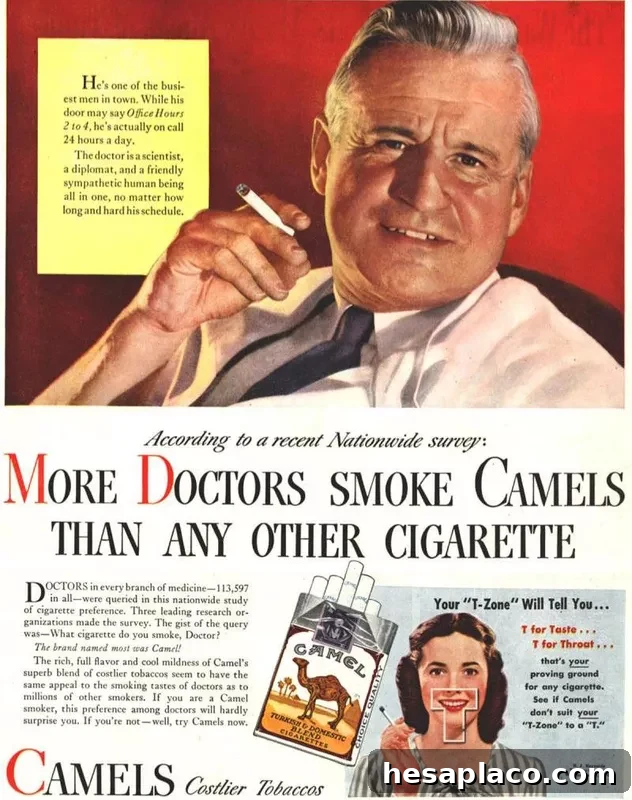
Camel
Medical authority was once used to promote cigarettes. A 1946 campaign suggested that more doctors favored Camel cigarettes, implying medical endorsement of a product now known to cause serious harm. These ads show how marketing exploited trust in professionals to sell dangerous goods.
‘Blow in her face’
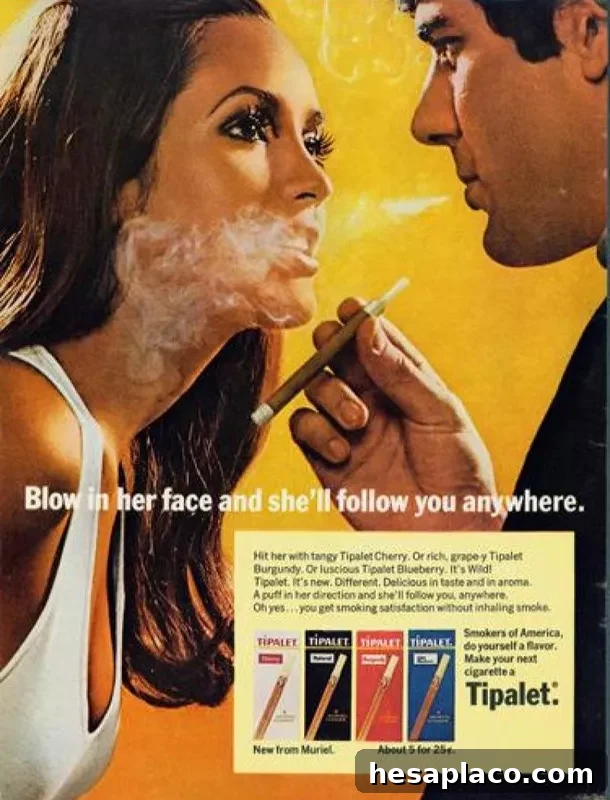
Tipalet
By the late 1960s cigarette ads still denied health risks and leaned on sexualized imagery. A Tipalet advertisement suggested smoking made men more attractive to women, using a suggestive scene of a man blowing smoke at a woman. Such campaigns normalized unhealthy behavior while appealing to desire and gender stereotypes.
Smoking Santa

Marlboro
Cigarette brands even used beloved cultural figures to promote smoking. Santa Claus was featured in ads implying that if Santa smoked, the product must be acceptable. This tactic exploited trust and affection for cultural icons to market a harmful product.
‘Does your husband yawn at the table?’
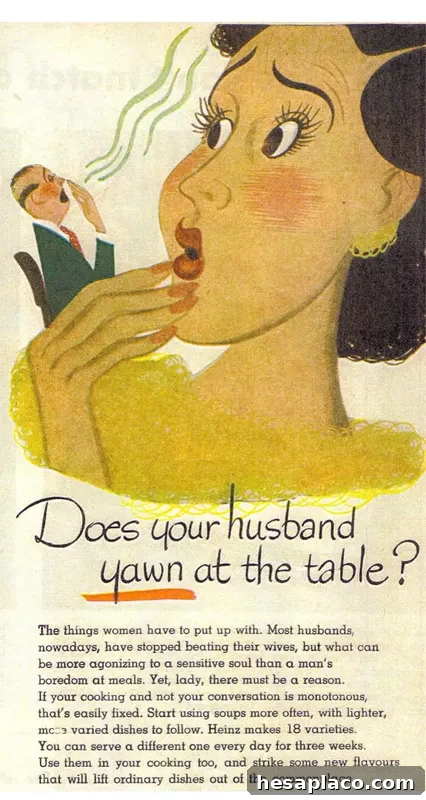
Heinz
Mid-century ads often reinforced domestic roles. A 1950 Heinz Condensed Soups ad framed a wife’s role as responsible for livening dinner conversation, suggesting variety in soups would keep husbands entertained. The message reduced domestic life to a woman’s duty to amuse and please her spouse.
‘If your husband ever finds out…’
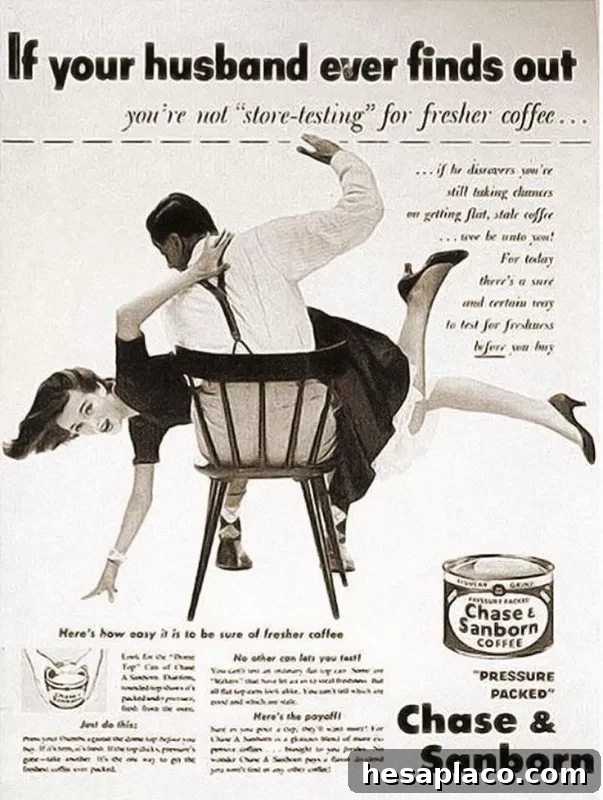
Some ads trivialized or even made light of domestic violence. A 1952 Chase & Sanborn coffee ad implied consequences for wives who failed to serve fresh coffee, reflecting an era when abusive behavior was sometimes normalized or minimized in public discourse.
‘Keep her where she belongs’
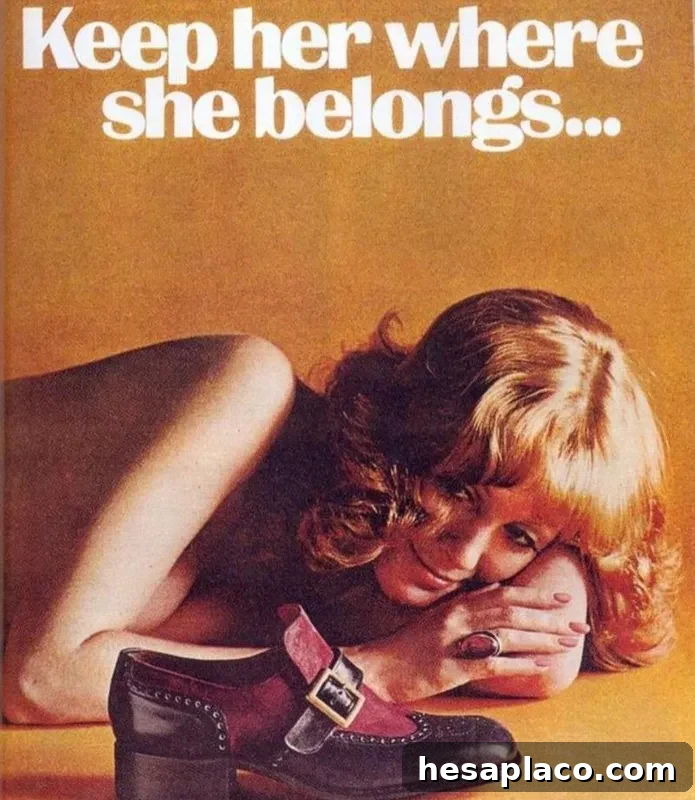
Weyenberg Shoes
Ads in the 1970s could be overtly degrading. A 1974 Weyenberg Shoes ad depicted a woman in a submissive pose, implying that women belonged in domestic roles while fetishizing their sexuality. The imagery and caption reinforce gendered power imbalances.
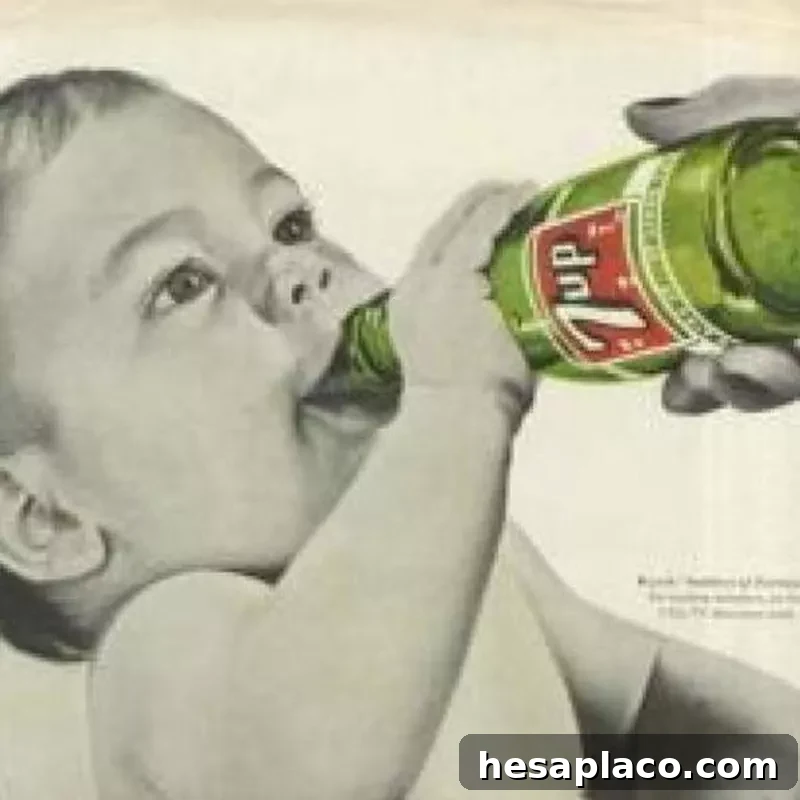
‘Why we have the youngest customers in the business’
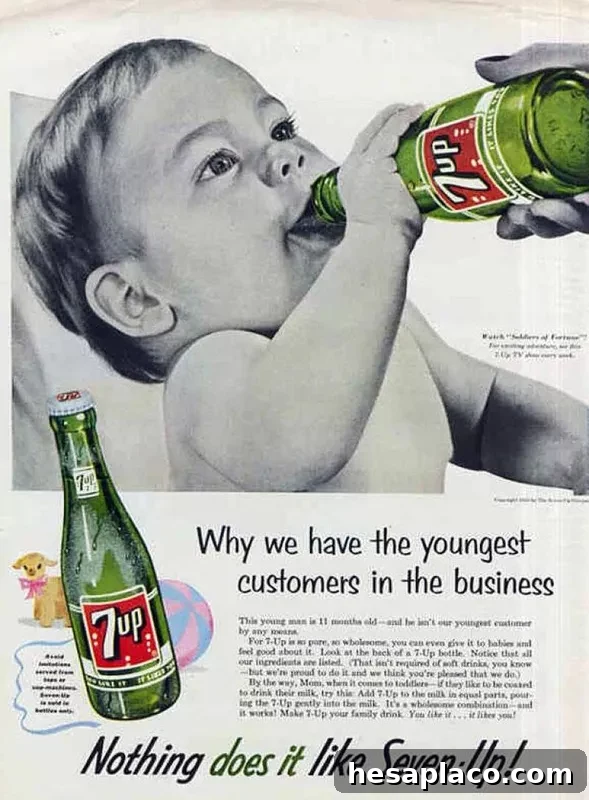
7Up
In the 1950s some companies promoted soda for children and even suggested it had health or soothing benefits. 7Up advertisements recommended giving soda to toddlers to make them drink their milk, reflecting outdated and unhealthy ideas about children’s diets.
‘Is it always illegal to kill a woman?’
Pitney-Bowes
Some advertising used shock and sensational copy to grab attention. A 1947 Pitney-Bowes ad posed the provocative question, “Is it always illegal to kill a woman?” The full context involved a sensational narrative about workplace frustration and a postage meter, but the headline relied on violent imagery tied to gender to create impact.
‘Why doesn’t your mama wash you with Fairy Soap?’
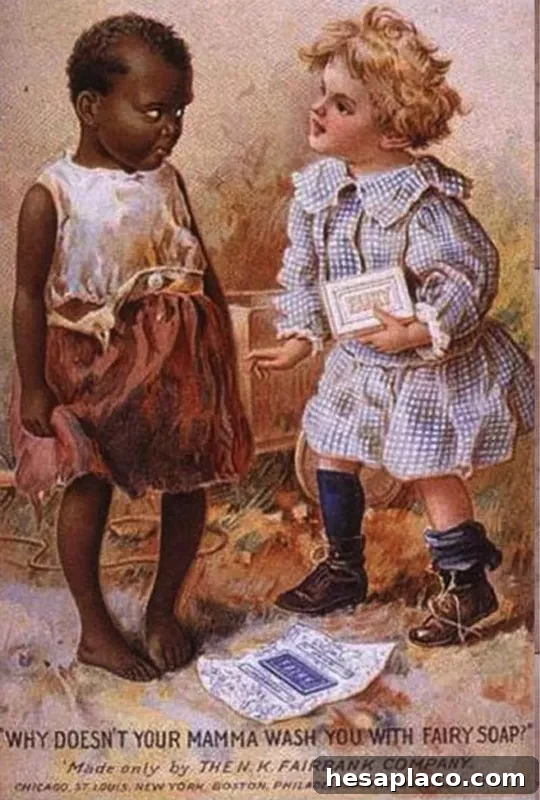
Racist and demeaning imagery appeared in some late-19th-century ads. An 1897 Fairy Soap ad contrasted a clean white child with a dirty Black child, implying racial superiority and equating cleanliness with moral worth. Such images served as propaganda for discriminatory attitudes.
‘Get out of the kitchen sooner!’
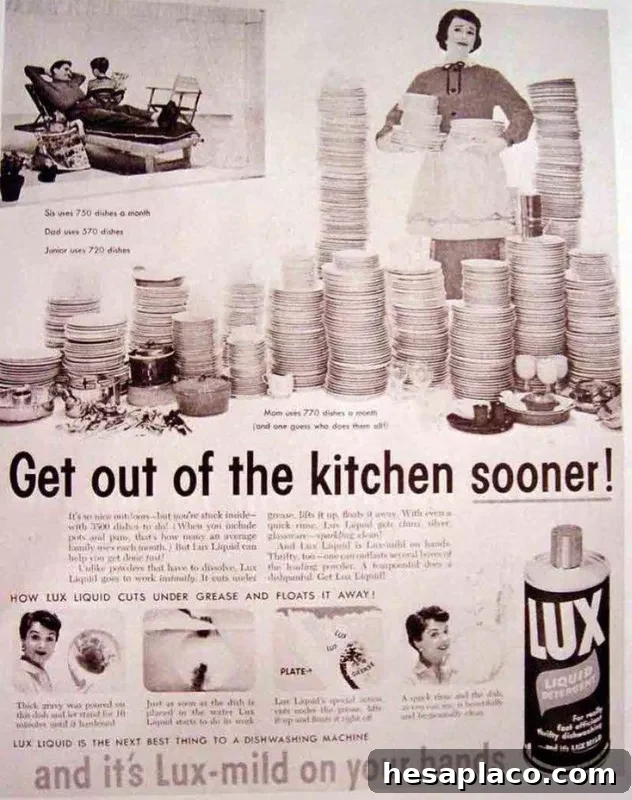
Lux
Many mid-century ads reinforced that women belonged at home. A Lux detergent ad from 1955 implied women should hurry through chores to join family life while men relaxed, presenting household labor as a woman’s burden and promoting products as ways to remain attractive despite that work.
‘Pull the Cords’
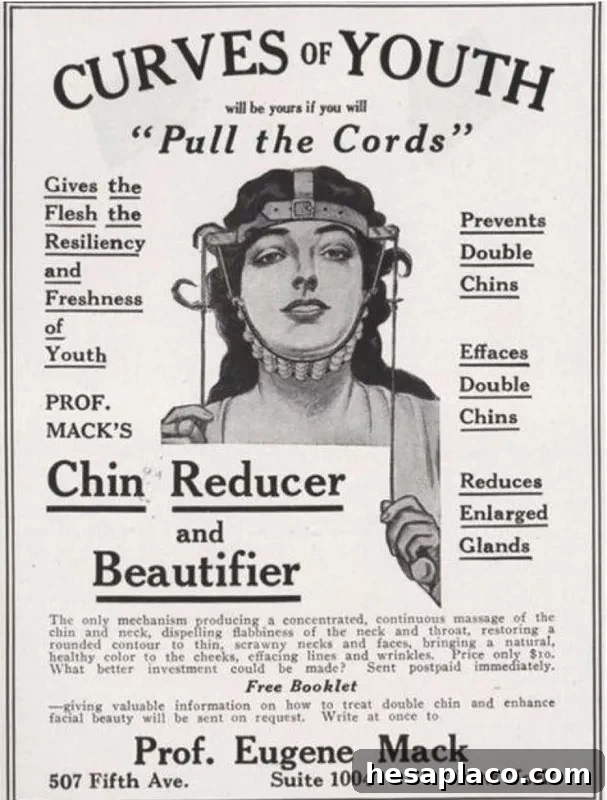
Prof. Mack’s Chin Reducer and Beautifier
Historical beauty products often relied on fear and extreme promises. “Prof. Mack’s Chin Reducer and Beautifier” is an example of a bizarre 19th-century device claiming to reshape the face and eliminate double chins, showing how longstanding and extreme beauty pressures have been.
‘It’s nice to have a girl around the house’
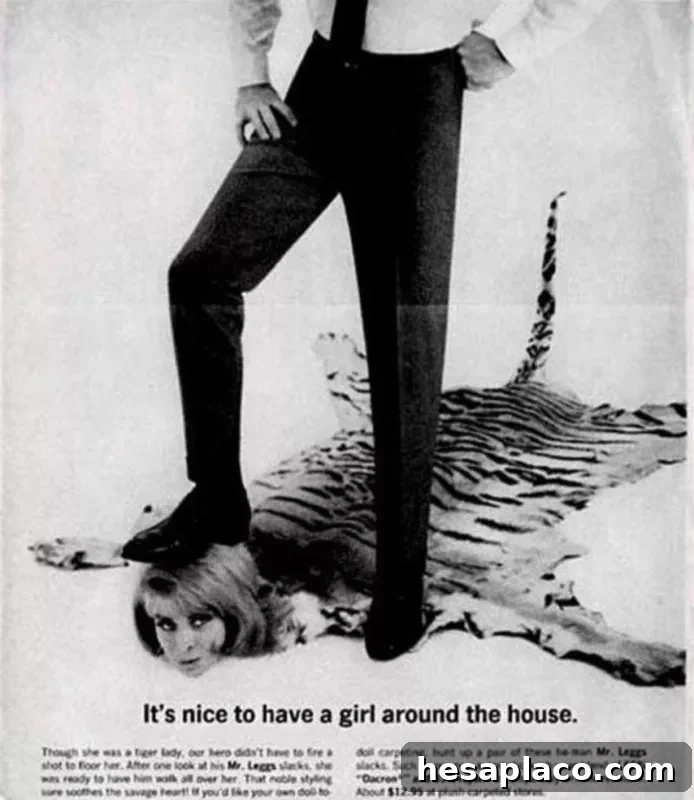
Mr. Leggs
A particularly disturbing 1950s ad for Mr. Leggs shows a man standing triumphantly with his foot on a woman’s head, conveying dominance and ownership. Even if intended as humor, the image reinforces degrading power dynamics and dismisses women’s autonomy.
‘Sooner or later your wife will drive home’
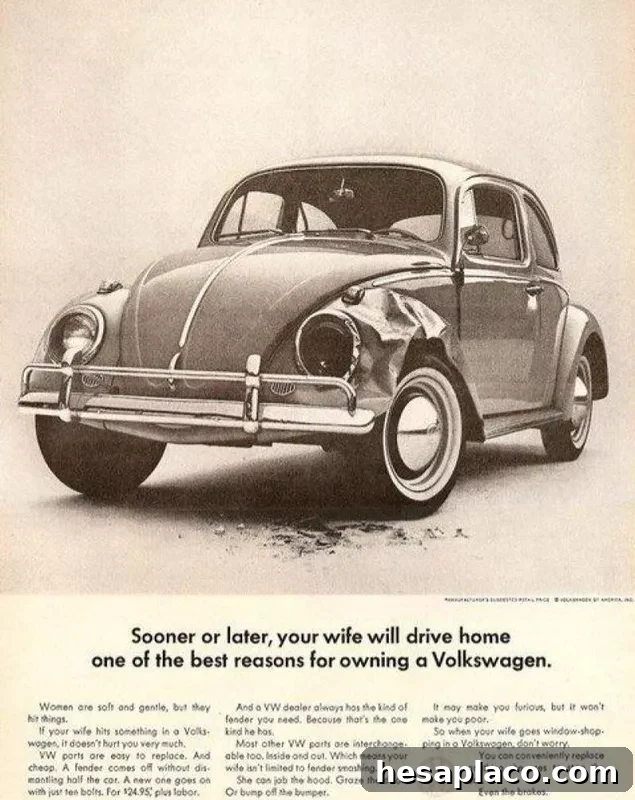
Volkswagon
Some car ads relied on stereotypes about women’s driving ability. A Volkswagen advertisement mocked wives behind the wheel, listing exaggerated driving mistakes to suggest female drivers were inept. The ad played on anxieties about changing gender roles and used ridicule as a sales tactic.
‘The More You Play the Harder It Gets’
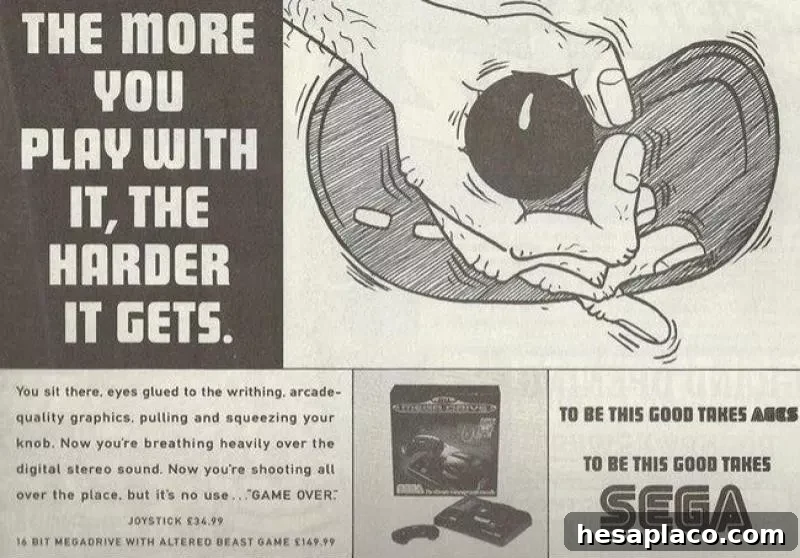
Sega
Even in the 1990s some campaigns crossed lines. Sega’s Mega Drive ads used explicit sexual innuendo and sexist copy that marginalized female gamers and relied on crude humor. Other materials in the campaign included tasteless imagery and sexual references that aged poorly and drew criticism.
‘Don’t worry darling, you didn’t burn the beer!’
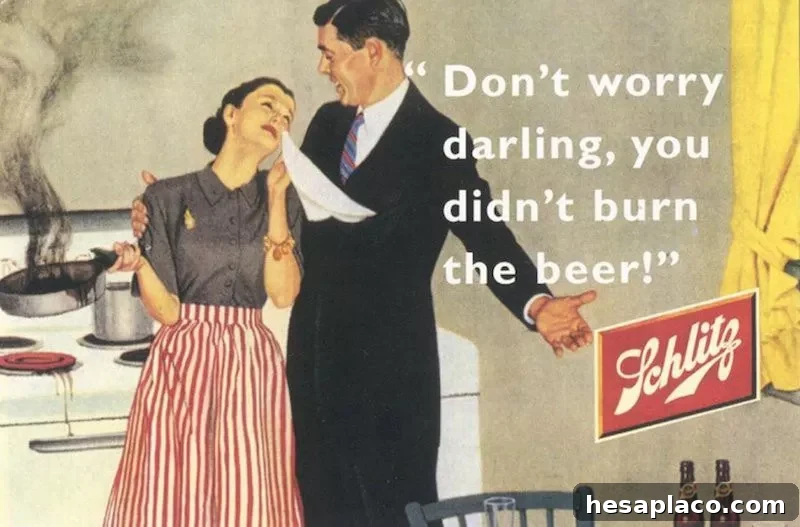
Schlitz
Many ads from earlier eras mocked women’s domestic “failures.” A Schlitz beer ad suggested a burned meal was forgivable because beer remained intact, perpetuating a stereotype that domestic competence was a woman’s primary value and worthy of mockery when it failed.
‘Another Love-match Shipwrecked…’
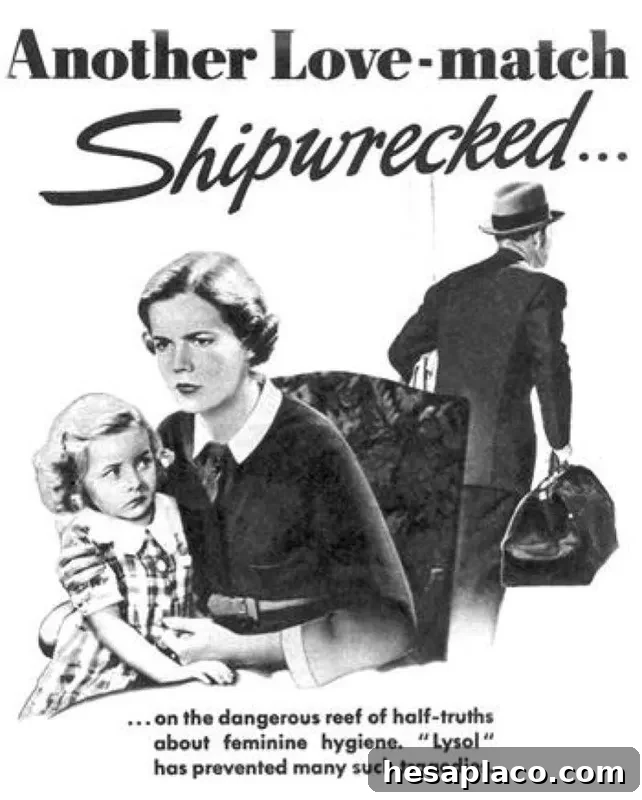
Lysol
In the 1930s Lysol promoted its disinfectant as a feminine hygiene product and produced ads suggesting marital breakdowns could be prevented by its use. Such campaigns reflect harmful myths and misinformation about women’s bodies and reproductive health.
If Men ‘Hate the Sight of You’ Read This
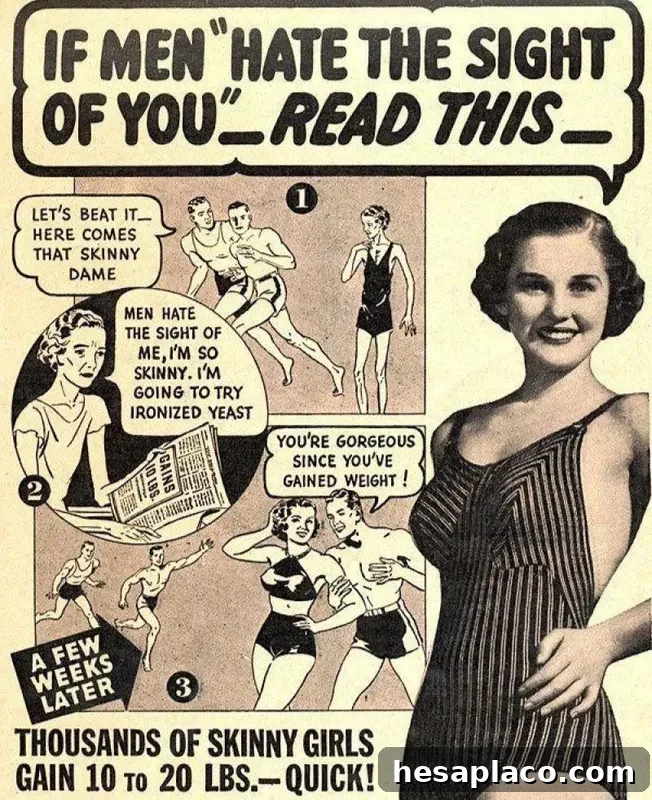
During the Depression, products promising to restore feminine curves were advertised as a remedy for social rejection. Ads for weight-gain products targeted women, promising to add weight to hips and breasts to make them desirable again—evidence of the intense pressure women faced to meet male-defined beauty ideals.
‘Romance dies at the touch of DISHPAN HANDS’
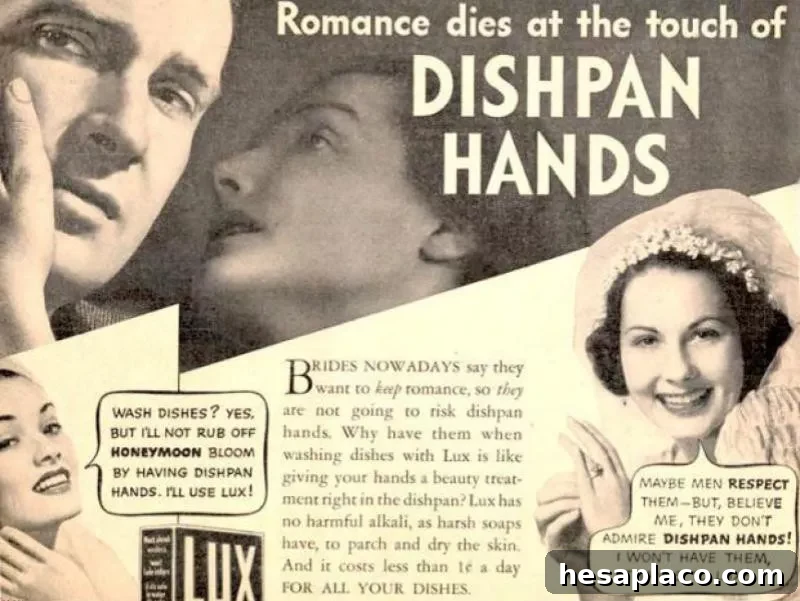
Lux
In the 1930s Lux promoted the idea that daily chores ruined a woman’s beauty and thus endangered her marriage. The ad urged women to buy Lux to protect their hands and preserve “romance,” tying household labor to a woman’s attractiveness and worth.
‘Presenting The Losers’
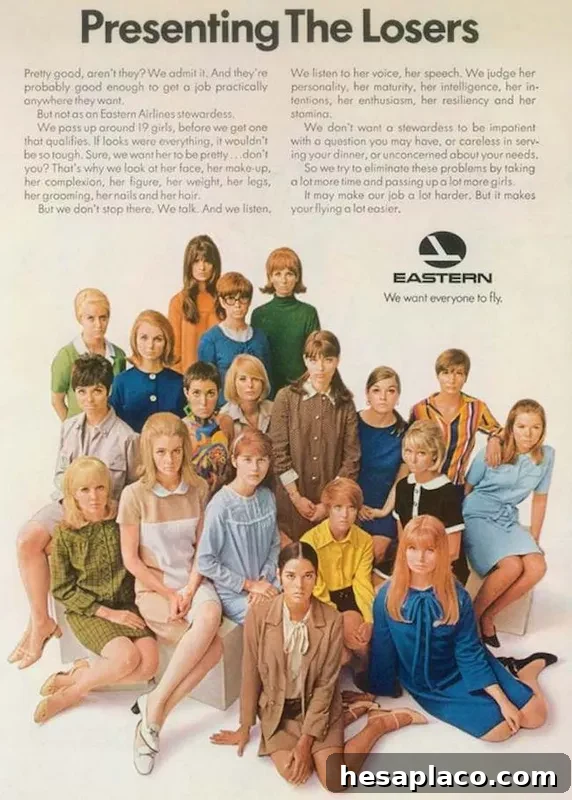
Eastern Airlines
By the 1970s the standards for appearance and demeanor for female workers—such as flight attendants—were strict and demeaning. Eastern Airlines ads demanded cabin crew meet an array of exacting traits while reinforcing narrow expectations about women’s appearances and behavior.
‘Married? No reason to neglect S.A.’ (Stocking Appeal)
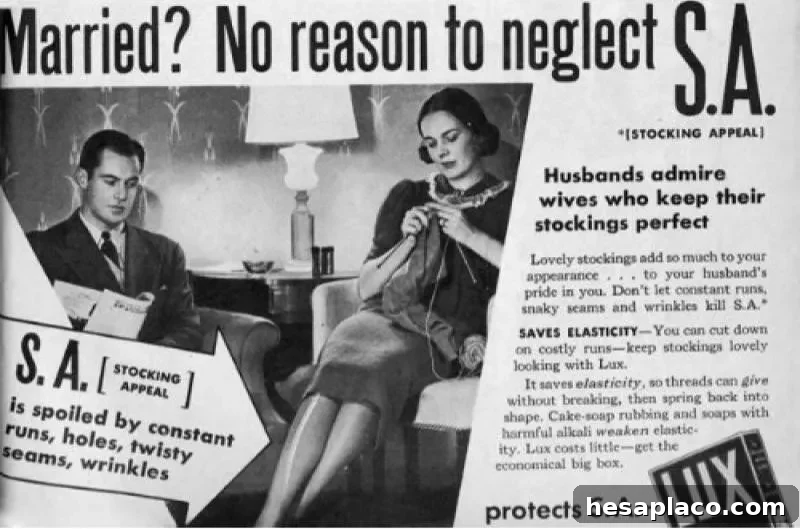
Lux
Some beauty ads reduced women’s value to trivial qualities. One Lux ad cautioned married women against neglecting “stocking appeal,” implying minor flaws could undermine marriage—yet another example of marketing capitalizing on women’s insecurities.
‘The best things in life come in Cellophane’
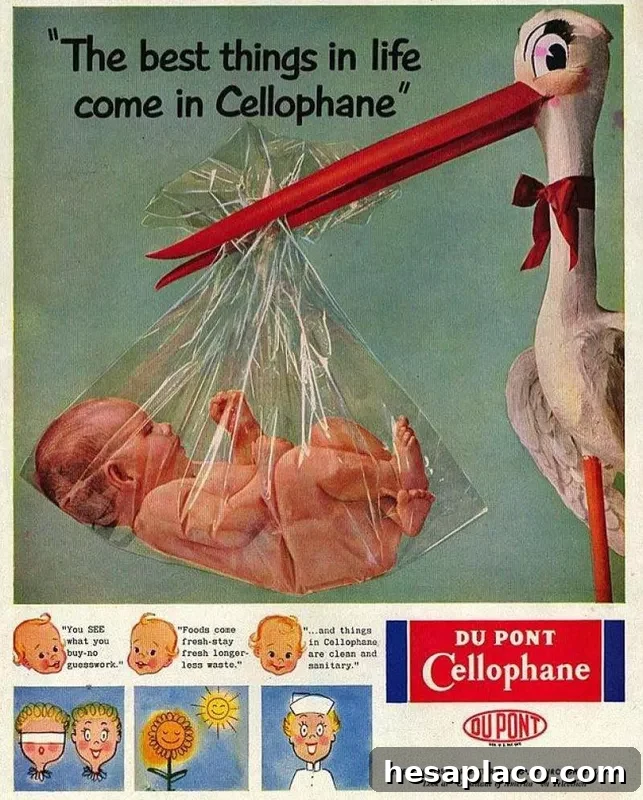
DuPont
DuPont’s cellophane campaigns in the 1950s sometimes used peculiar imagery to appeal to housewives. One ad featured a baby wrapped in plastic to promote food wrap—an odd choice that today raises concerns about taste and child safety, illustrating how marketing choices reflect cultural norms of their time.
‘Because innocence is sexier than you think’
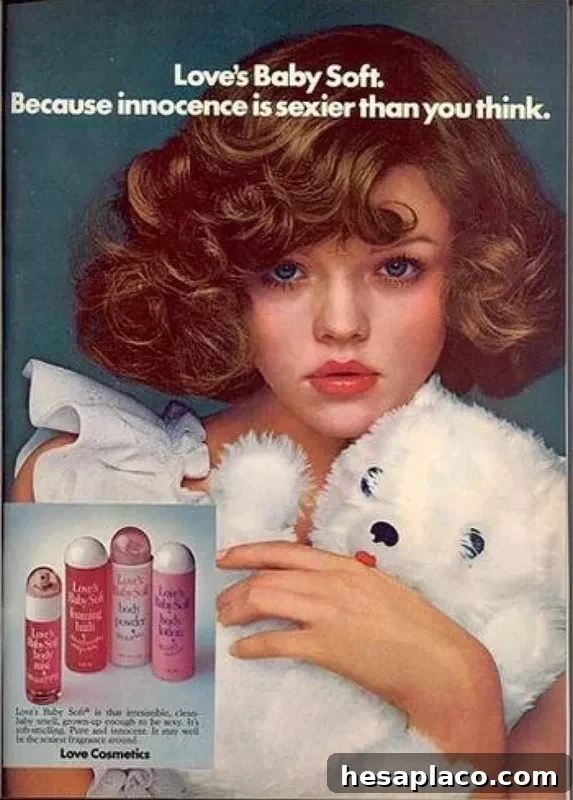
Love’s Baby Soft
One of the more disturbing examples is a mid-1970s ad for Love’s Baby Soft fragrance that featured a pre-teen girl posed and framed in a way that sexualized youth. The copy claimed a “baby smell” could be “sexiest,” a marketing approach that today would be rightly condemned.
‘Men are better than women!’
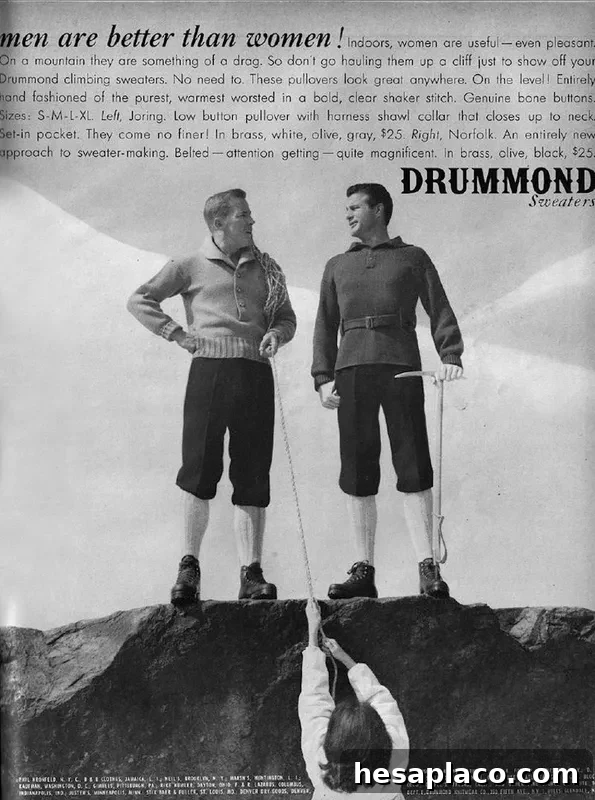
Drummond Sweaters
Some ads made no attempt to hide bias. A late 1950s Drummond Sweaters ad bluntly proclaimed men superior to women and labeled women “a drag,” using shock value that had nothing to do with the product and everything to do with reinforcing sexist norms.
‘Husband Pleasing Coffee’
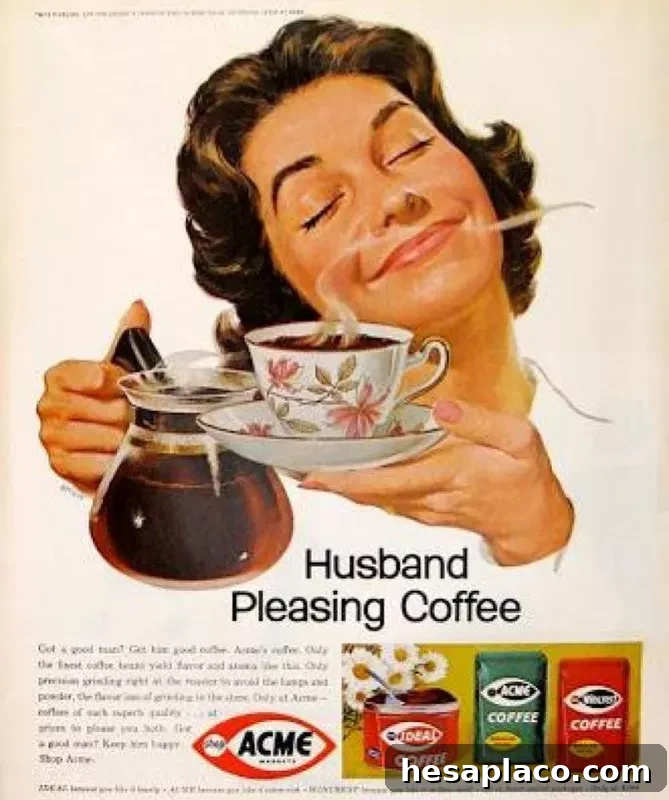
Acme Coffee
In the 1960s some brands marketed specifically to women’s duty to satisfy their husbands. Acme Coffee promoted a blend described as “husband pleasing,” prioritizing male approval over taste and independence and implying female responsibility for domestic contentment.
It’ll Blow Your Mind Away

Burger King
Not all offensive ads belong to a distant past. In 2009 a Burger King promotion for the “BK Super Seven Incher” relied on crude sexual innuendo and combined food with sexual desire in a way that many found offensive. This example shows how deliberately provocative advertising can still cross lines if it relies on sexist or sexualized content.
Looking back at these historical ads offers a stark reminder of how much advertising reflected—and reinforced—harmful social attitudes. While modern standards and sensitivity have improved, these examples underscore the importance of continued vigilance, better oversight, and ethical marketing that respects audiences rather than exploiting fears, prejudices, or stereotypes.