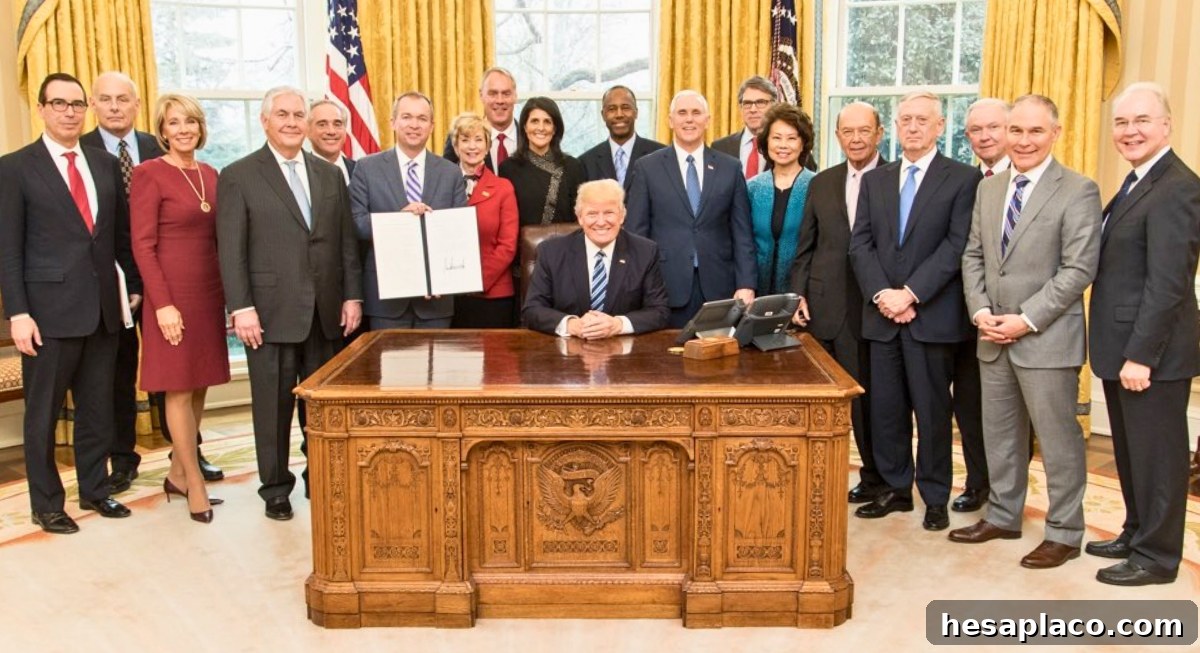
Donald Trump’s second administration features an unprecedented concentration of private wealth in top government posts. This cabinet is dominated by financiers, real estate developers, and corporate executives whose combined net worth runs into the hundreds of billions, making it the wealthiest in U.S. history. Many appointees are long-time Trump allies or important donors, and their private-sector success now informs roles across diplomacy, commerce, defense, and domestic agencies.
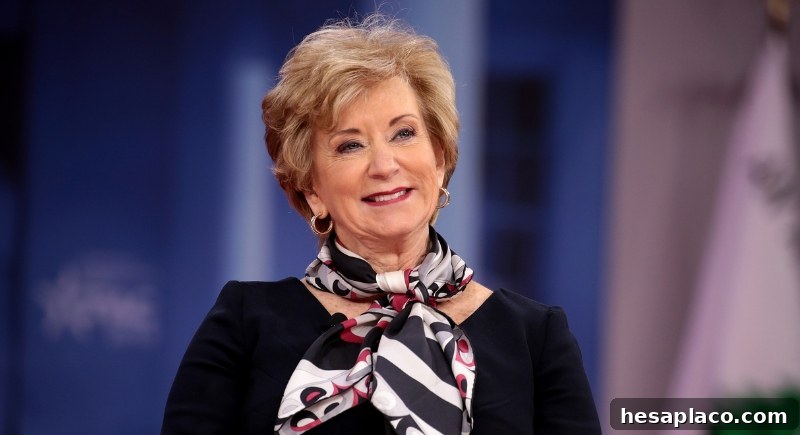
Linda McMahon – $3.2 Billion – Education Secretary
Credit: Wikimedia Commons
Linda McMahon, who previously ran the Small Business Administration during Trump’s first term, brings a high-profile transition from entertainment and business into education policy. She shares a multi-billion-dollar fortune with her former husband, Vince McMahon, and her appointment has drawn scrutiny from critics questioning her direct experience with K–12 and higher education administration.
Leandro Rizzuto Jr. – Est. $3.5 Billion – Ambassador to the Organization of American States

Credit: Youtube
Rizzuto rose through the family business to help build Conair into a global brand in personal grooming and household products. His considerable wealth from that enterprise has kept him among the nation’s richest business figures. After an earlier nomination for a Caribbean posting stalled, he was tapped to represent the U.S. at the Organization of American States.
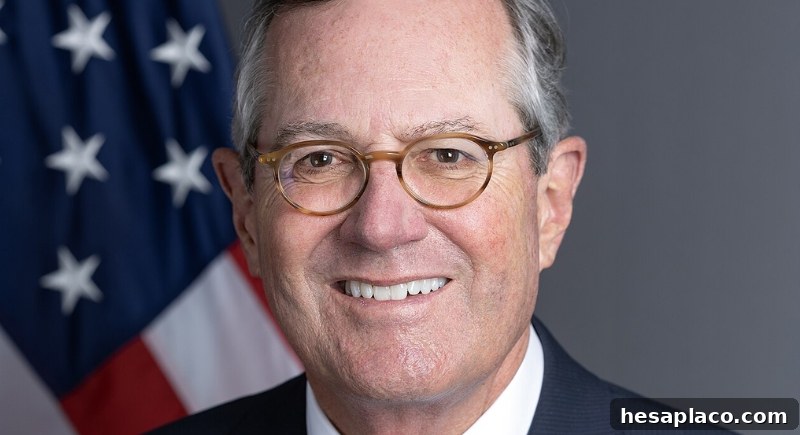
Warren Stephens – $3.5 Billion – Ambassador to the United Kingdom
Credit: Wikimedia Commons
Warren Stephens, an Arkansas-based investment banker with decades of experience, controls substantial assets through his firm. Although he initially opposed Trump’s candidacy, he later aligned with the administration. His appointment as ambassador to the United Kingdom places a seasoned financier in a high-profile diplomatic role.
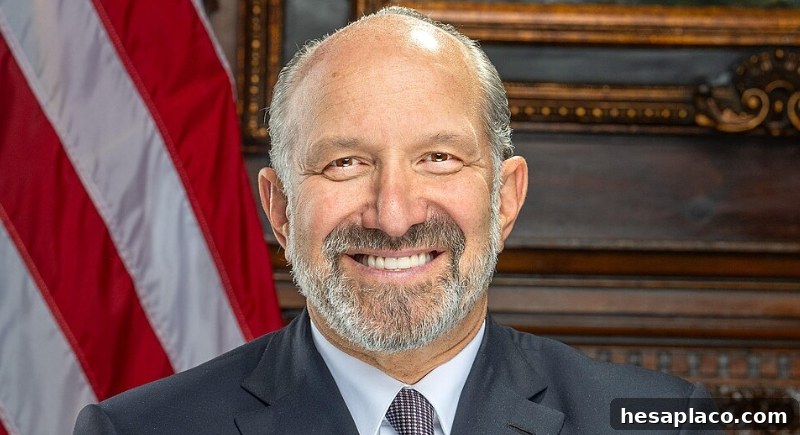
Howard Lutnick – Est. $2 Billion – Commerce Secretary
Credit: Wikimedia Commons
As CEO of Cantor Fitzgerald, Howard Lutnick rebuilt the firm and expanded its footprint in financial services. His longstanding connections to Trump date back to campaign support and transition planning. Lutnick brings extensive Wall Street experience to the Commerce Department, where trade and finance policy are central responsibilities.
Steven Witkoff – Est. $2 Billion – Special Envoy to the Middle East
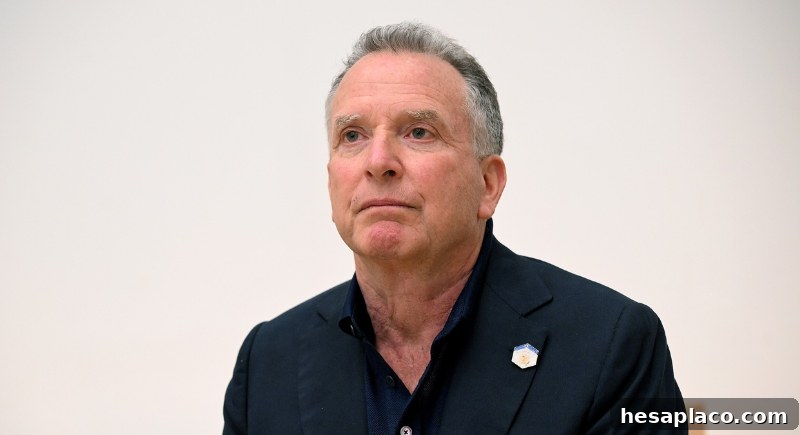
Credit: Wikimedia Commons
Steven Witkoff, a New York real estate developer, was chosen as special envoy to the Middle East despite limited public foreign-policy experience. Close personal ties to Trump and decades in high-value property development are the hallmarks of his career. His selection underscores the administration’s tendency to favor trusted private-sector associates for diplomatic assignments.
Charles Kushner – Est. $1.8 Billion – Ambassador to France
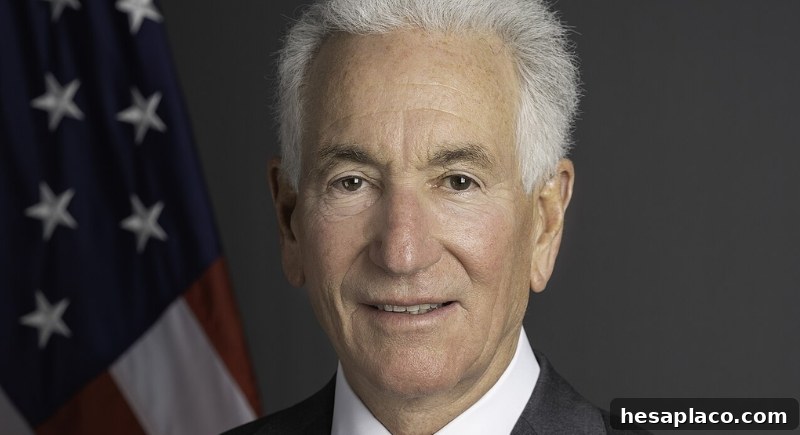
Credit: Wikimedia Commons
Charles Kushner, a long-established real estate investor and the father of Jared Kushner, returns to public attention with an ambassadorship to France. His past legal troubles, including convictions related to tax and witness-tampering offenses, have not prevented his appointment. Kushner’s asset portfolio has placed him among the higher-net-worth members of the administration.
Frank Bisignano – Est. $900 Million – Social Security Administration Commissioner
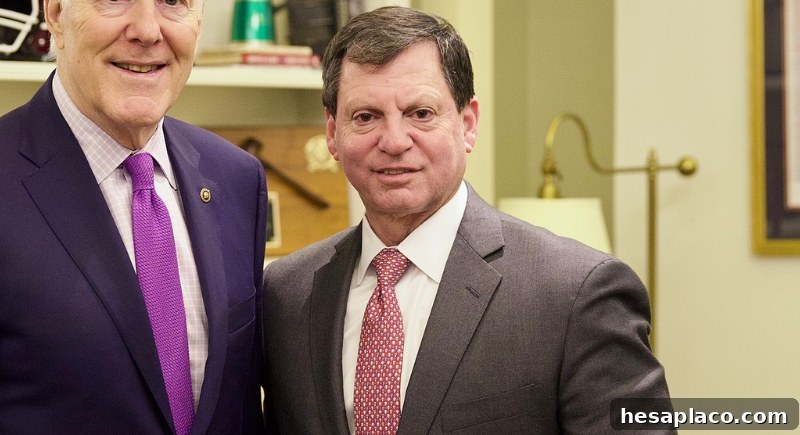
Credit: Wikimedia Commons
Frank Bisignano’s career spans major roles at JPMorgan, First Data, and Fiserv, where he earned substantial compensation. Known for leading firms through turbulent financial periods, he now oversees the Social Security Administration. His Wall Street background stands out in a role traditionally filled by career public administrators.
Scott Bessent – Est. $600 Million – Treasury Secretary
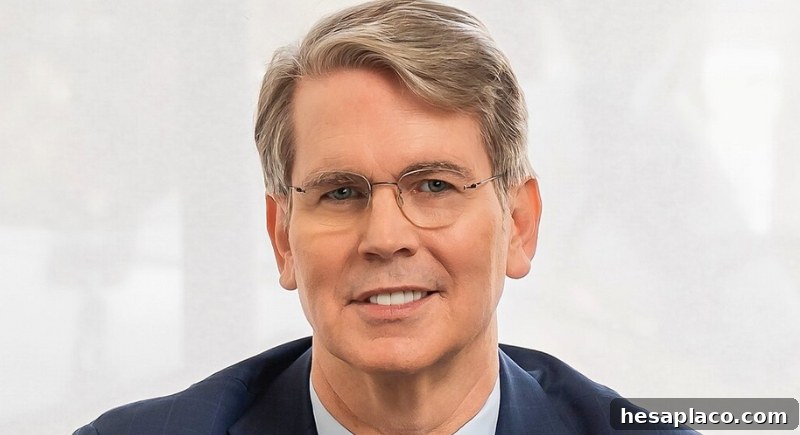
Credit: Wikimedia Commons
Scott Bessent, a successful hedge fund founder with a track record that includes high-profile currency bets, served as a major fundraiser and adviser during the campaign. His blend of market experience and occasional contrarian investment calls informed the decision to place him at the Treasury, a role requiring deep familiarity with global finance and markets.
Kelly Loeffler – Est. $1 Billion – Small Business Administration Administrator
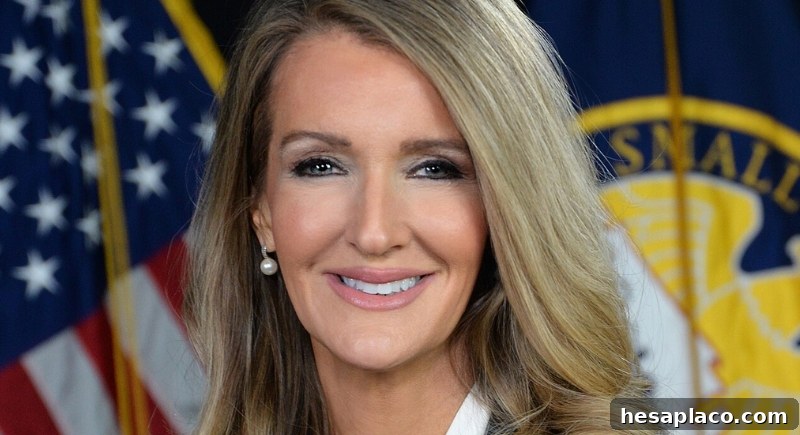
Credit: Wikimedia Commons
Former U.S. senator Kelly Loeffler, who amassed wealth through investments in financial platforms and cryptocurrency ventures, returns to Washington to lead the Small Business Administration. Her mix of private-sector experience and political loyalty to the president secured her place in the cabinet despite previous electoral defeat.
Thomas Barrack Jr. – $1 Billion – Ambassador to Turkey
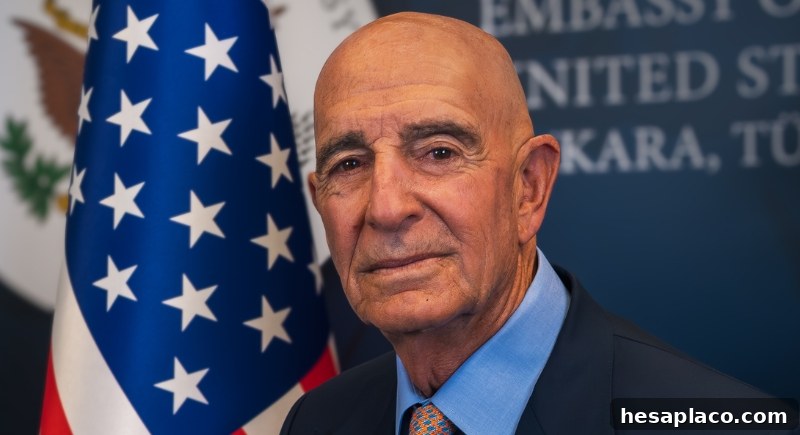
Credit: Wikimedia Commons
Thomas Barrack Jr., founder of Colony Capital (now DigitalBridge Group) and a key backer of Trump, returns to diplomatic service as ambassador to Turkey. A prominent dealmaker with extensive global business ties, Barrack previously chaired Trump’s 2017 inaugural committee and maintains strong relationships in international investment circles.
Doug Burgum – Est. $400 Million – Interior Secretary
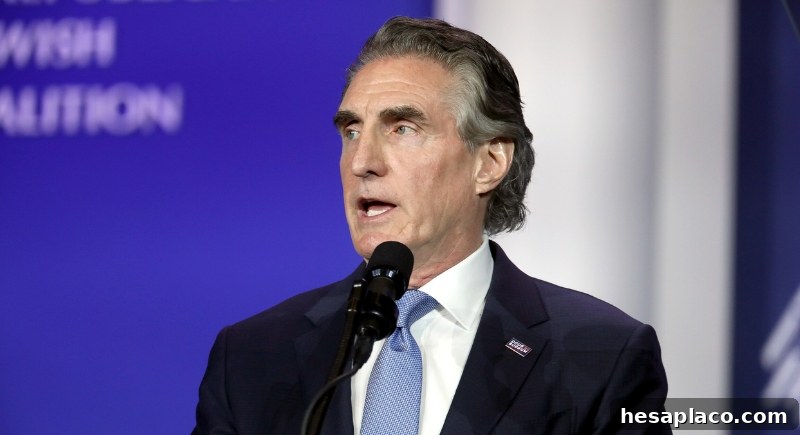
Credit: Wikimedia Commons
Former North Dakota governor Doug Burgum built a technology business that was sold to Microsoft and later transitioned into public office. Known for advocating tech-led economic initiatives, he brings private-sector experience to the Interior Department, which oversees federal lands, natural resources, and conservation policies.
Mehmet Oz – Est. $300 Million – Centers for Medicare and Medicaid Services Administrator
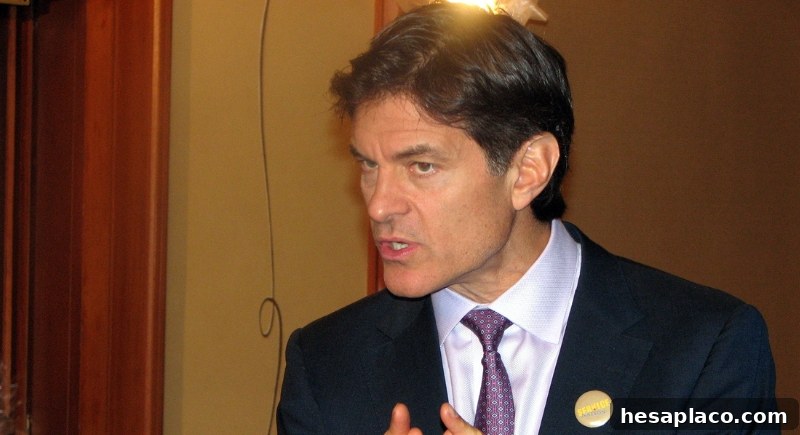
Credit: Wikimedia Commons
Dr. Mehmet Oz, who gained national prominence as a television personality and later pursued elected office, has been appointed to oversee Medicare and Medicaid programs. His background as a physician and public figure, along with controversies around medical endorsements, make this a notable and contested assignment given the scale and complexity of U.S. health programs.
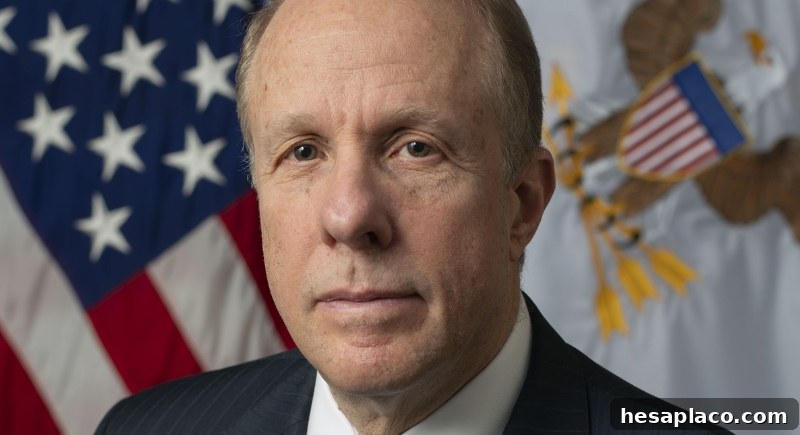
Stephen Feinberg – $5 Billion – Deputy Secretary of Defense
Credit: Wikimedia Commons
Stephen Feinberg co-founded Cerberus Capital Management and built a vast private-equity portfolio. As deputy secretary of defense, he enters a senior national-security role despite limited prior government service. His appointment raised questions about potential conflicts of interest, but his private-sector leadership and connections in defense and industry are clear assets in the administration’s view.
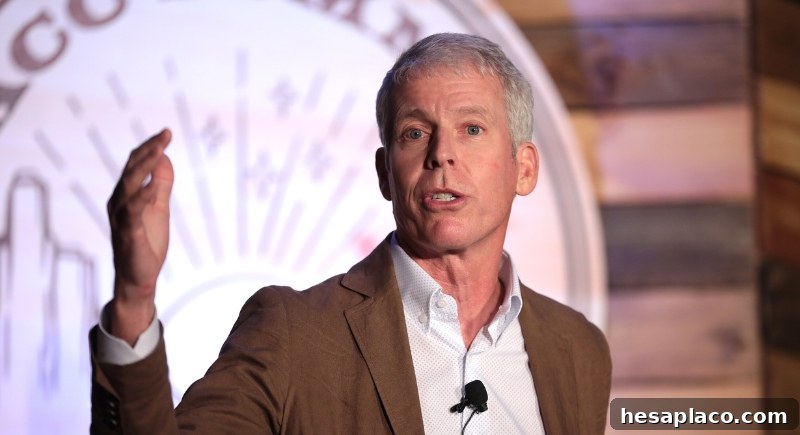
Chris Wright – $171 Million – Energy Secretary
Credit: Wikimedia Commons
Chris Wright, founder of Liberty Energy, a company focused on oilfield services and fracking, was chosen to lead the Department of Energy. His professional record and outspoken support for expanded fossil fuel development align with administration energy priorities. While not among the ultra-wealthy in the cabinet, his resources and industry experience set him apart from typical public servants.
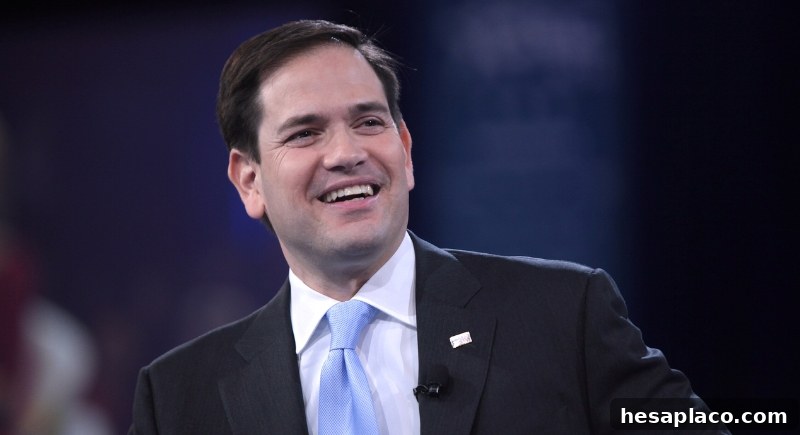
Marco Rubio – Est. $1 Million – Secretary of State
Credit: Wikimedia Commons
Marco Rubio’s appointment as Secretary of State represents a major shift from his earlier congressional career. His relatively modest personal wealth compared with other cabinet members does not diminish his political profile. Rubio’s hawkish posture on strategic competitors and long experience in national politics appear to have influenced this high-level foreign-policy appointment.
Across the cabinet, the combination of immense private wealth, deep business ties, and personal loyalty to the president shapes the administration’s personnel strategy. Appointees bring private-sector expertise and networks, but their backgrounds also raise questions about conflicts of interest, qualifications for public service roles, and how their priorities will affect policy decisions at home and abroad.