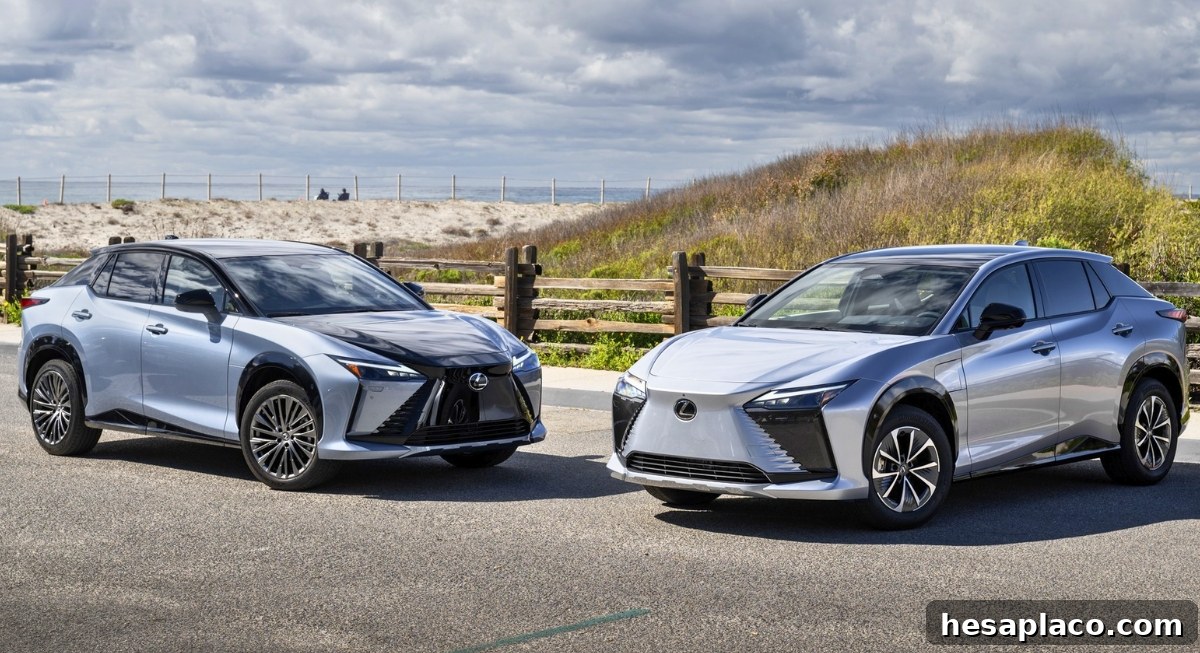
Lexus offers older drivers immediate benefits—smooth rides, strong resale value, and a reputation for reliability—but a luxury badge doesn’t always equal the best fit for retirement life. A low-slung sports coupe can be difficult to enter and exit, while a massive SUV can make parking and maneuvering needlessly stressful. This guide evaluates each Lexus model with one question in mind: which vehicles simplify retirement and which could introduce daily hassles?
Lexus LC
Credit: Wikimedia Commons
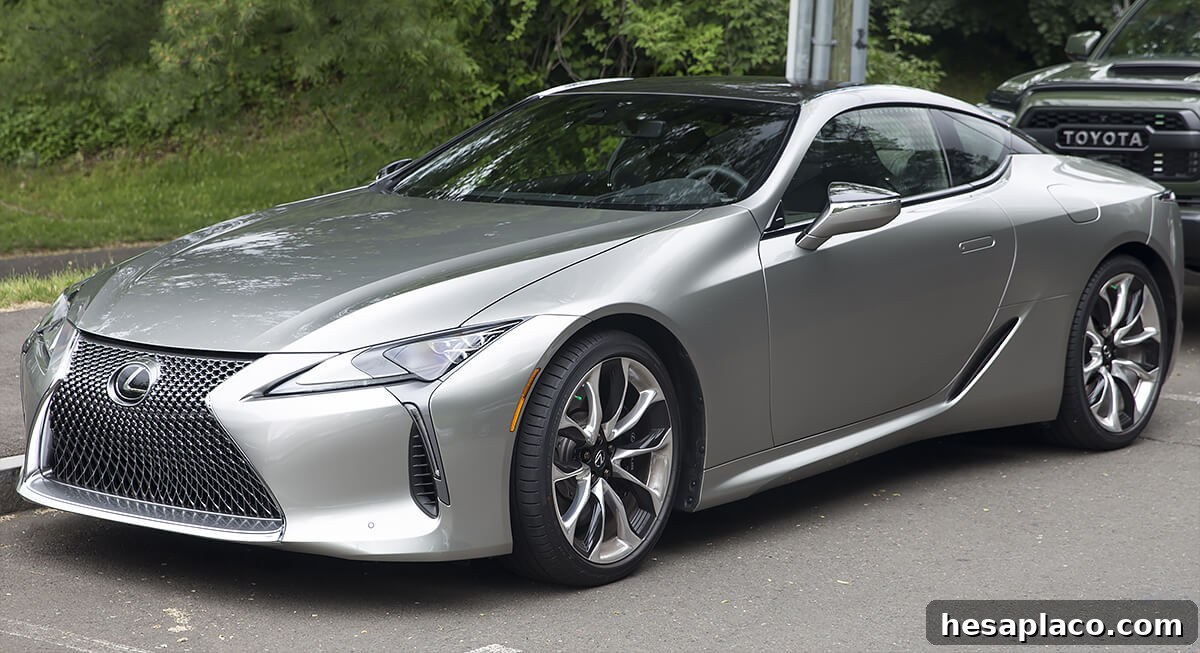
The Lexus LC is thrilling to drive, thanks to a V8 that produces lively acceleration and a rich exhaust note. The 2026 LC 500 boasts roughly 471 horsepower and brisk 0–60 times. That performance is intoxicating, but the car’s low seating position, narrow door openings, and limited trunk space reduce day-to-day practicality. Retirees who prioritize style and spirited driving may adore the LC, but those seeking ease of use for errands and routine trips will likely find it less convenient.
Lexus LX
Credit: Wikipedia
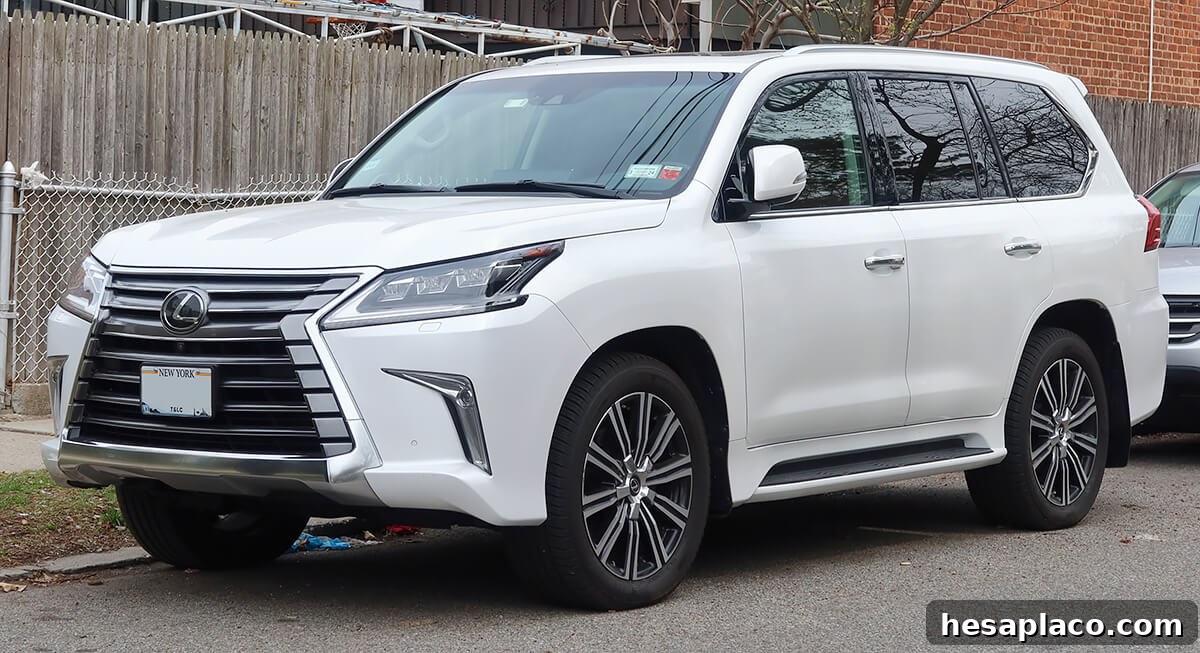
The Lexus LX delivers true luxury and off-road capability, but it can be overkill for retirees who mostly drive around town. Its full-time four-wheel drive, hefty curb weight, and strong towing capacity suit rugged use, yet come with lower fuel economy and a large footprint that complicates parking and navigation in tight urban areas. For drivers who value commanding presence and capability, the LX is compelling; for those wanting simplicity and thrift, it’s less ideal.
Lexus RZ
Credit: Wikipedia
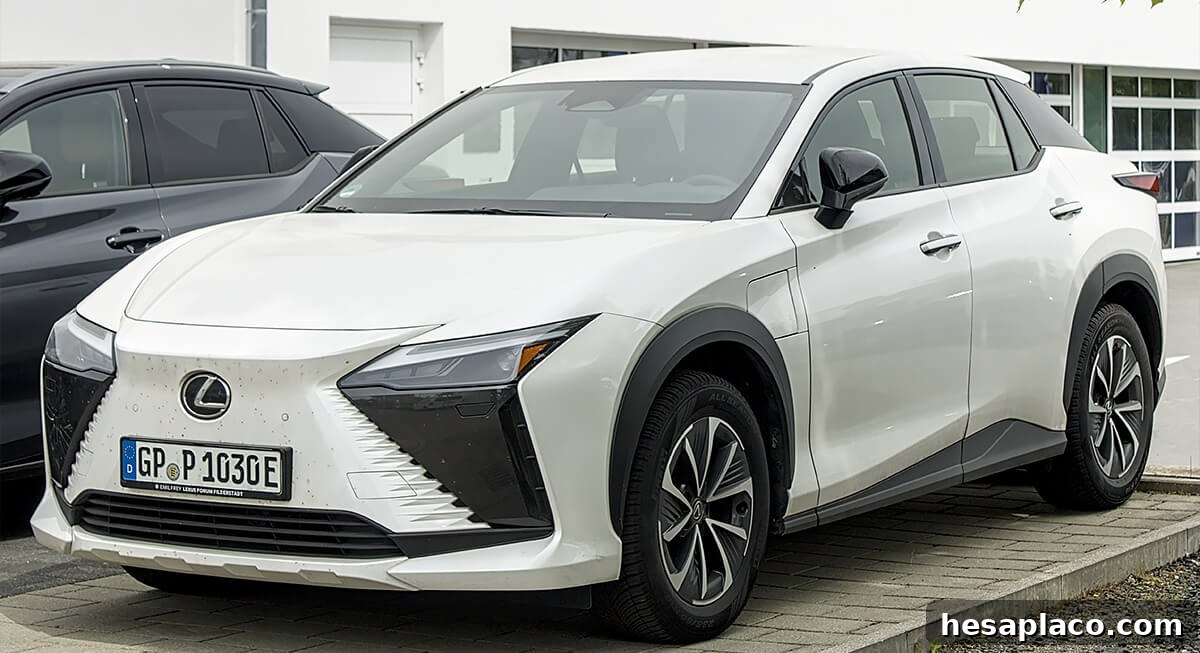
The RZ marks Lexus’s foray into fully electric SUVs, offering quiet operation and modern tech. Range varies by trim—many versions are estimated to achieve roughly 264–301 miles, while performance-focused models are lower. Electric ownership is smoothest when you have dependable home charging; without it, planning daily errands and longer trips requires more attention. For retirees ready to adopt EV routines and home charging, the RZ can be an excellent, low-maintenance choice. For those without charging access, it introduces extra logistics.
Lexus GX
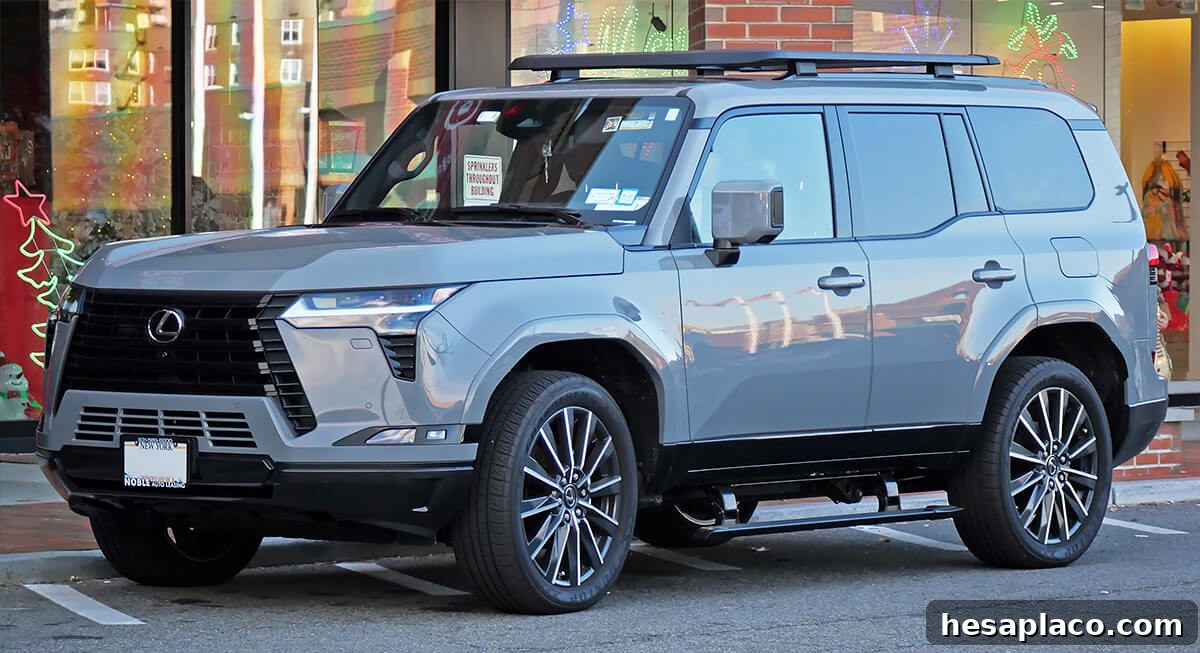
Credit: Wikipedia
The GX combines strong off-road capability and towing with comfortable luxury finishes. Its twin-turbo V6 and full-time four-wheel drive make it capable on rough roads and with heavy trailers. That capability means added weight, lower fuel economy, and a larger size that may be unnecessary for routine city driving. The GX is a solid option for those who need occasional towing or adventure-ready ruggedness, but it ranks lower for retirees focused on everyday simplicity and ease of use.
Lexus TX
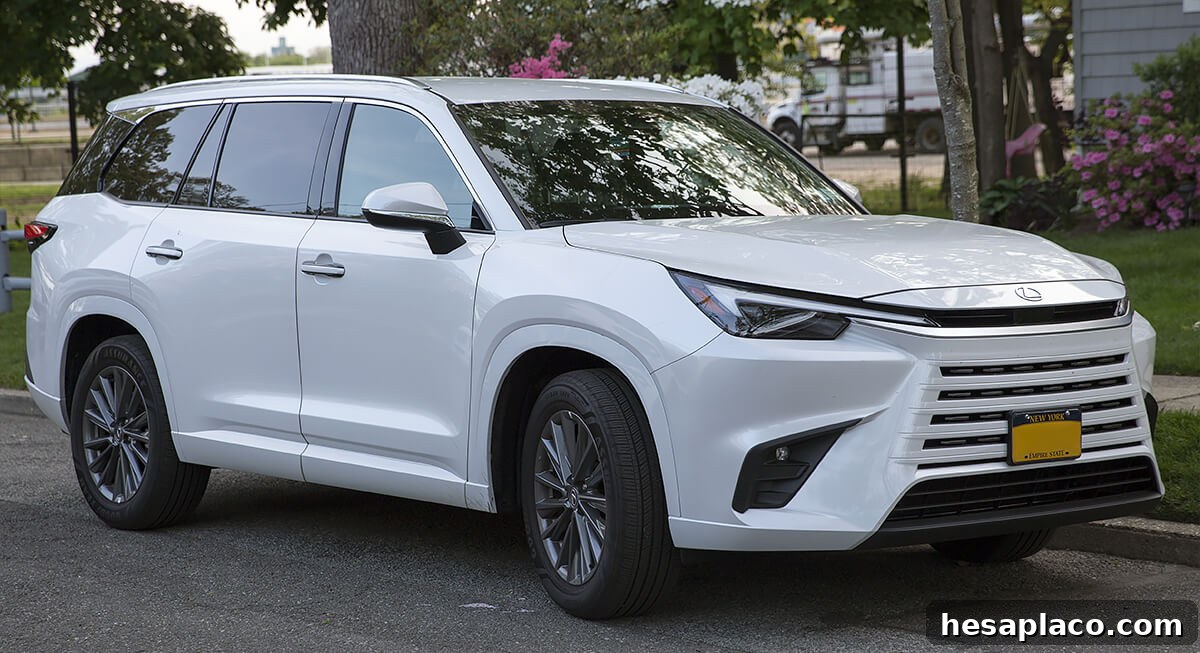
Credit: Wikipedia
The TX is aimed at families who need three rows and generous cabin space. The standard TX 350 returns around 23 mpg combined, while the plug-in hybrid TX 550h+ improves overall efficiency when its electric range is used and still delivers decent efficiency afterward. As a relatively large and costly vehicle, the TX makes most sense for retirees who regularly transport passengers or who prioritize spacious, practical interior accommodations for daily errands, grocery trips, and family visits.
Lexus IS
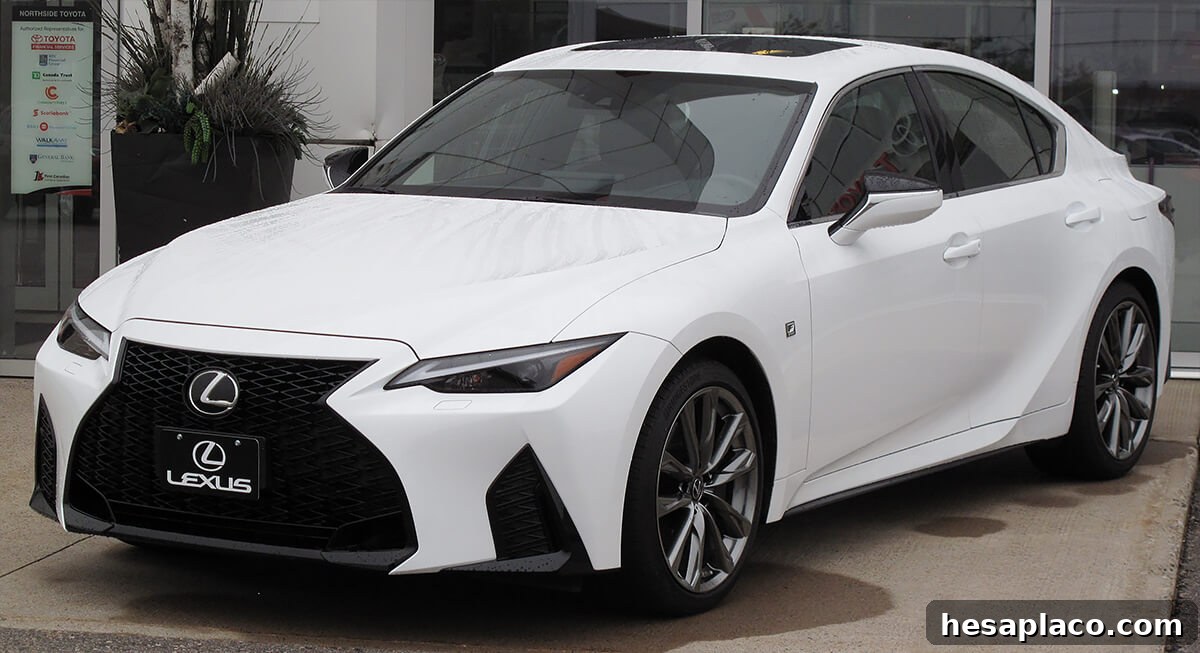
Credit: Wikipedia
The IS is a compact luxury sedan that blends refined ride quality with nimble handling and easy parking. Its smaller footprint makes it less intimidating to maneuver in tight spaces, though rear-seat room is limited compared with larger sedans or SUVs. The IS is a strong choice for retirees who value a composed ride, engaging steering, and a luxury experience without the bulk of an SUV—best suited to individuals or couples rather than those needing frequent rear passenger space.
Lexus NX
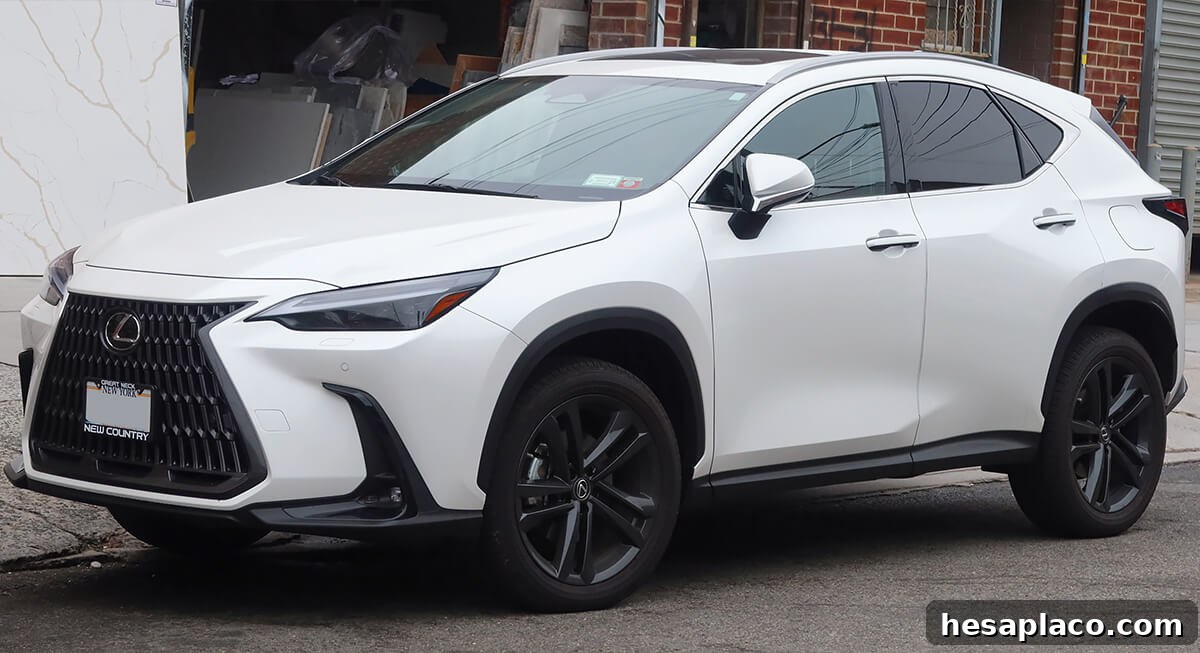
Credit: Wikipedia
The NX strikes a balance between compact size and useful interior space, making it one of the most practical Lexus crossovers. It’s easier to park and drive than larger SUVs while offering more cargo and passenger room than subcompact alternatives. Hybrid versions can return roughly 40 mpg combined, which helps keep operating costs down. Trunk space is adequate for typical errands, and the NX’s comfortable ride and manageable dimensions make it a smart everyday choice for many retirees.
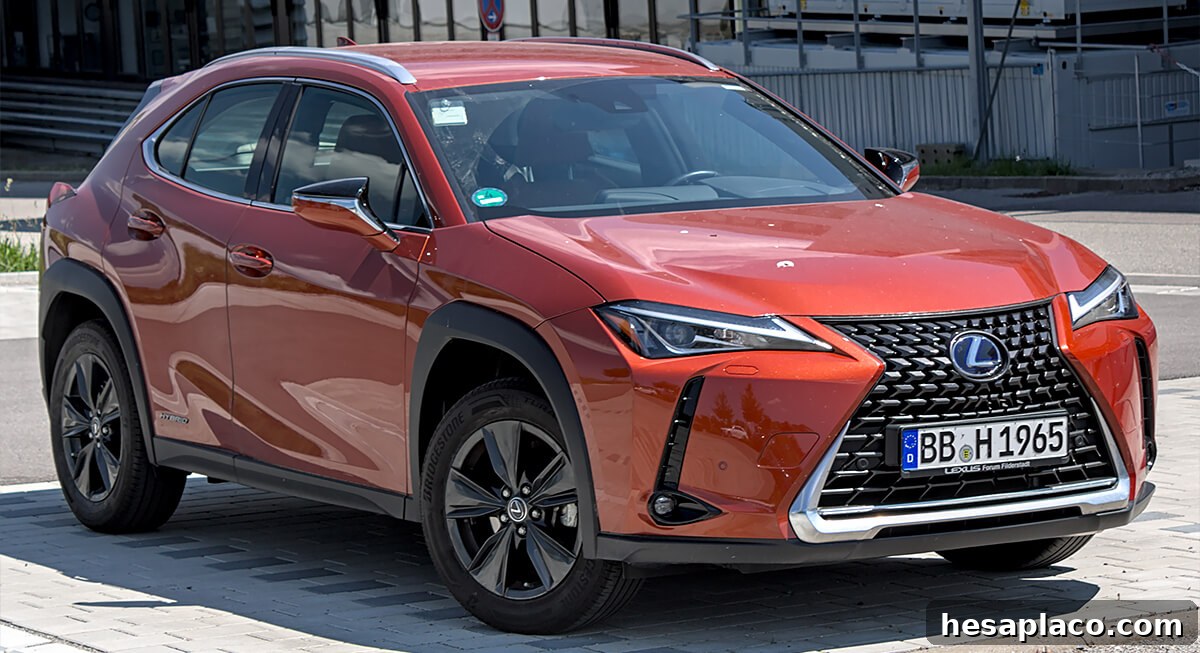
Lexus UX
Credit: Wikipedia
The UX excels in urban settings thanks to its compact footprint, excellent fuel economy in hybrid trims, and ease of parking. Lexus estimates up to roughly 43 mpg combined for select versions, which translates to lower fuel costs and fewer refueling stops. While rear-seat space and cargo capacity are modest, the UX is designed for short trips, grocery runs, and city errands—making it an attractive option for retirees who prioritize maneuverability and efficiency over passenger capacity.
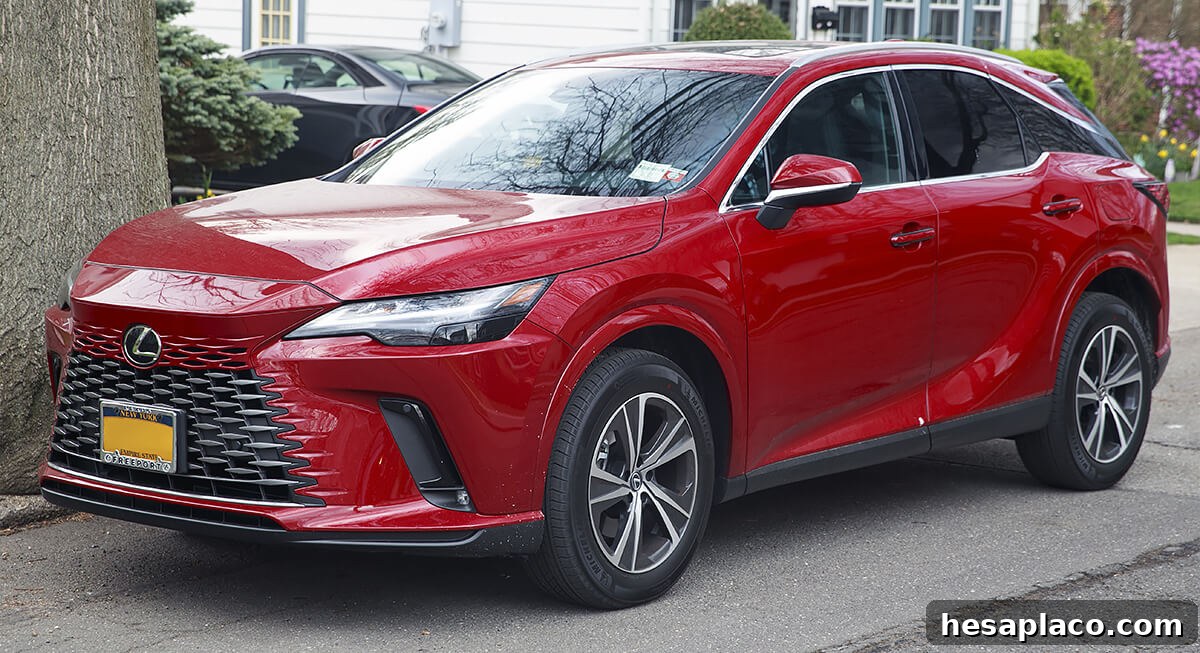
Lexus RX
Credit: Wikimedia Commons
The RX is widely praised for its comfort, refined cabin, and family-friendly dimensions. The RX 350h hybrid offers strong efficiency—around 36 mpg combined—while conventional models prioritize a quiet, composed ride and a convenient seating height. Its balance of size, comfort, and luxury amenities makes the RX an excellent fit for retirees who want added ride height and interior space without the unwieldy size of the largest SUVs.
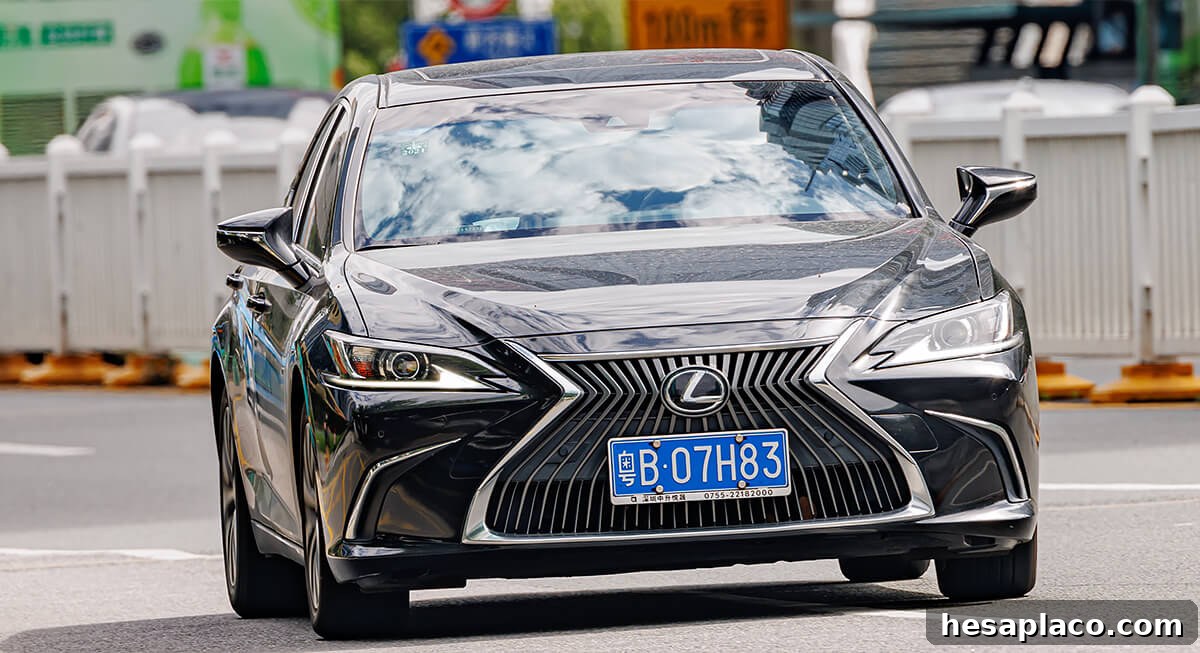
Lexus ES
Credit: Wikimedia Commons
The Lexus ES earns top marks for retirees because it combines a spacious, comfortable interior with an easy-to-live-with driving experience. The ES offers a generous rear seat, smooth ride quality, and competitive ownership costs compared with many luxury rivals. For 2026, the ES lineup broadens its appeal with new hybrid and all-electric options, so buyers can select the drivetrain that best fits their daily routine. Overall, the ES stands out as the most practical Lexus for retirement—offering comfort, simplicity, and reliable performance for everyday life.