
Inflation has driven up prices nationwide, but in some U.S. cities the effects are far more pronounced. Rent, groceries, and transportation consume a larger share of household income, and home prices often exceed one million dollars. Small apartments can cost more than a mortgage in many other regions. According to Numbeo, three U.S. cities rank among the world’s ten most expensive places to live. Below we examine the factors that make the ten priciest U.S. cities so costly and what drives their persistently high living expenses.
New York, New York
Credit: Canva
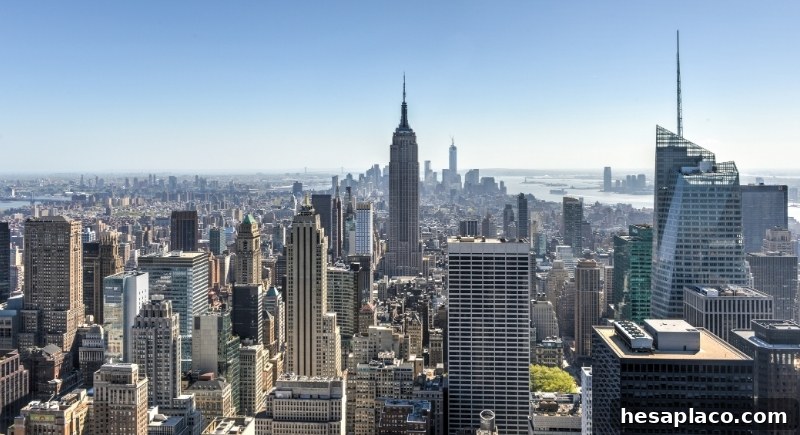
Manhattan rents continue to climb with limited signs of relief. Demand comes not only from newcomers in finance, media, and the arts but also from existing residents seeking market-rate units. Nearly half of New York City’s apartments are rent-stabilized, concentrating demand and upward pressure on the remaining market-rate housing. Strict zoning, historic preservation rules, and constrained buildable land further restrict new construction, keeping supply tight and prices elevated.
Honolulu, Hawaii
Credit: Getty Images
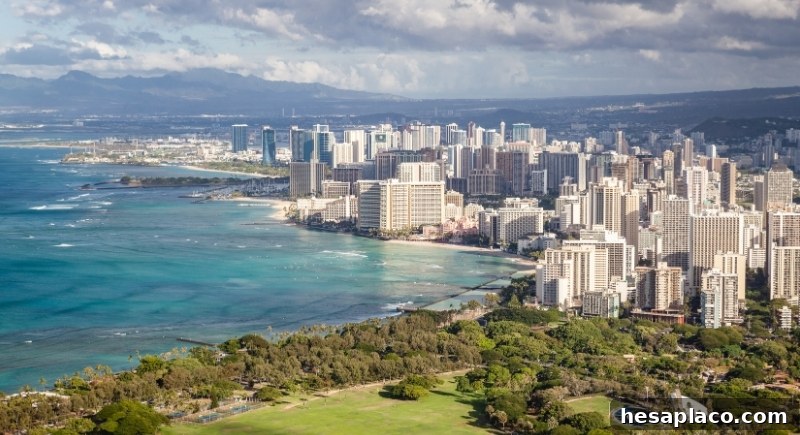
Honolulu’s isolation makes it heavily reliant on imports: most consumer goods arrive by ship, while high-value or perishable items are flown in. The Jones Act, which mandates that goods shipped between U.S. ports travel on U.S.-built vessels with American crews, raises shipping costs because it limits eligible ships. Those higher logistical costs show up on store shelves: everyday items such as milk and produce often cost noticeably more than on the mainland.
San Francisco, California
Credit: Getty Images
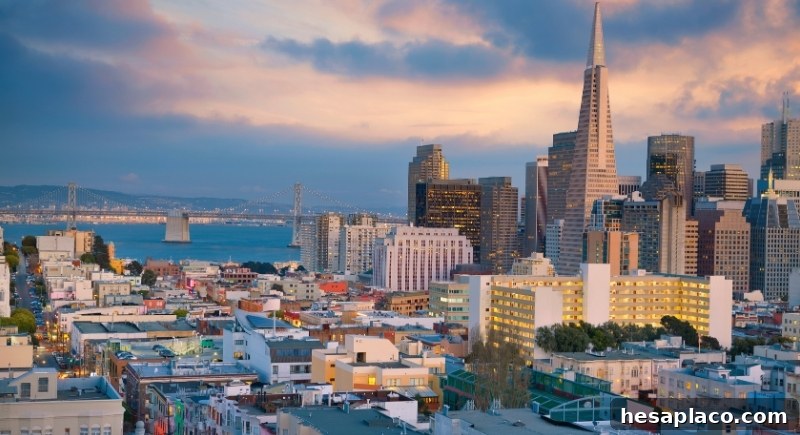
San Francisco’s high housing costs reflect years of limited development amid rapid job creation. In many neighborhoods, strict height limits cap buildings and restrict density, while permitting and land-use rules slow the pace of new housing. Between 2012 and 2016 the Bay Area added far more jobs than housing units, and continued tech-sector growth, including recent AI-related expansions, has increased demand with little corresponding rise in supply.
Seattle, Washington
Credit: Getty Images
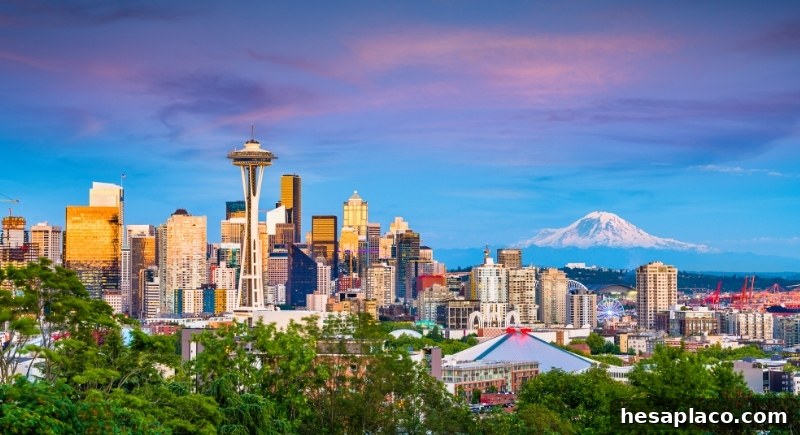
Tech giants reshaped Seattle’s neighborhoods and housing market. Amazon’s transformation of South Lake Union from an industrial area into a skyline of glass office towers and Microsoft’s earlier expansion in Redmond introduced many high-paying jobs. That influx increased competition for housing and pushed prices higher. While Washington’s lack of a state income tax can be attractive, rising property values and higher living costs quickly offset that advantage for many households.
Washington, D.C.
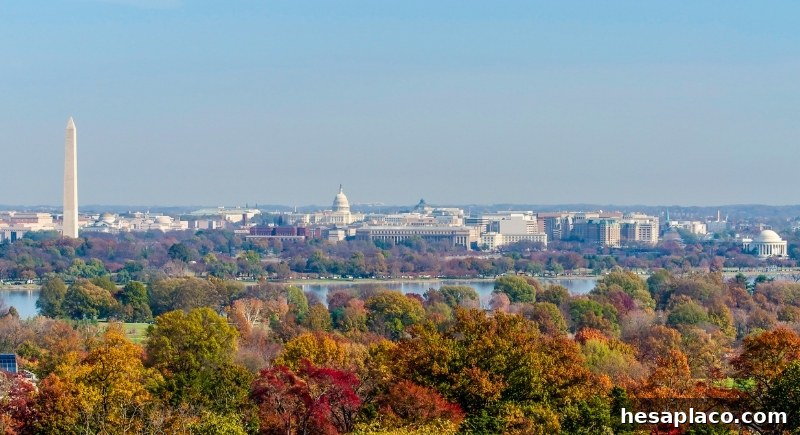
Credit: Getty Images
The nation’s capital carries higher costs tied to government, lobbying, and nonprofit sectors. Many jobs pay well, but housing still consumes a significant share of income. Numbeo ranks Washington, D.C. among the pricier global cities, and healthcare costs in the area run above the national average. Height limits enacted over a century ago restrict building heights, limiting housing supply and intensifying competition for available homes.
San Jose, California
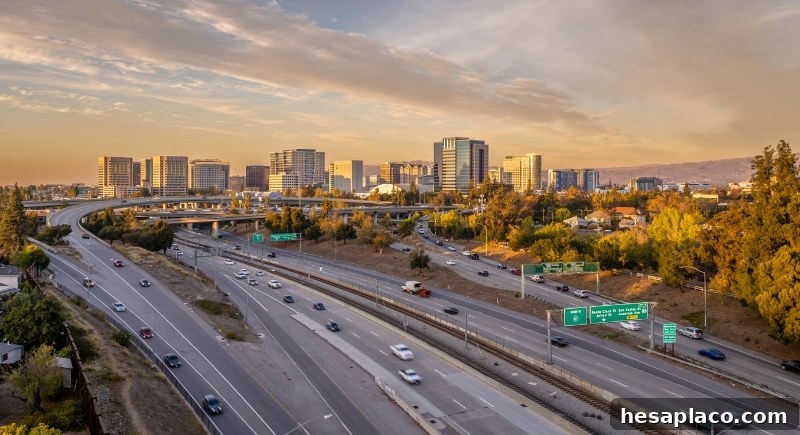
Credit: Getty Images
San Jose, the unofficial capital of Silicon Valley, carries extremely high housing costs driven by the concentration of major tech companies. Once orchards and farmland, the valley now hosts headquarters for leading firms and countless startups. Even with substantial tech salaries, many workers find affordable housing scarce close to employment centers, and long commutes or steep rents have become common trade-offs.
Boston, Massachusetts
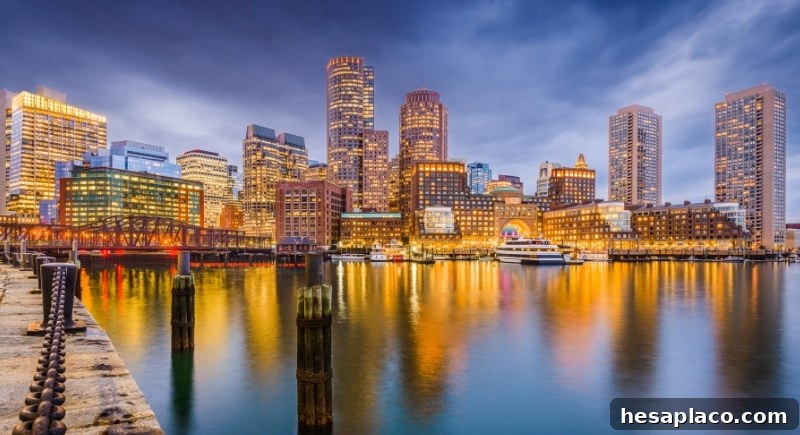
Credit: Getty Images
Boston’s mix of universities, hospitals, and biotech firms creates steady demand for housing from professionals and students. Historic preservation and strict zoning protect the city’s older architecture but also constrain new development. The city’s compact, colonial-era street grid limits outward expansion, and transportation and infrastructure designed for a smaller population contribute to higher commuting and living costs.
Charleston, South Carolina
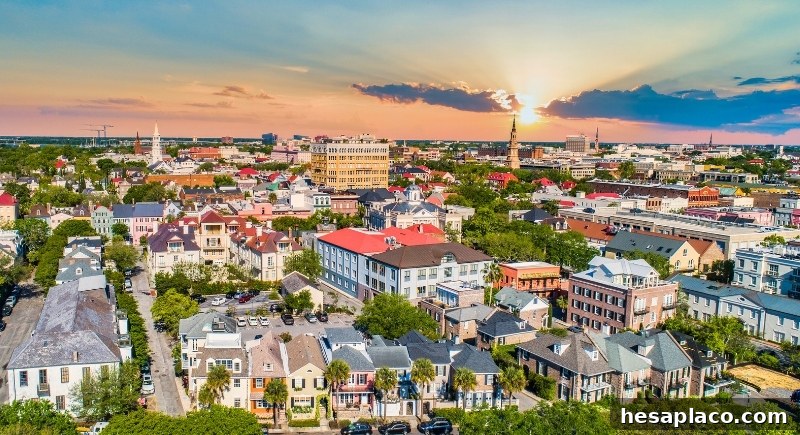
Credit: Getty Images
Charleston is the only Southern metro on this list, bucking regional patterns with a high cost of living driven by desirability and limited supply. The city’s historic charm, mild climate, and cultural amenities have attracted newcomers and investors, pushing prices up. Preservation efforts protect downtown and waterfront areas, limiting large-scale development in the most desirable neighborhoods and keeping real estate scarce and expensive.
Oakland, California
Credit: Getty Images
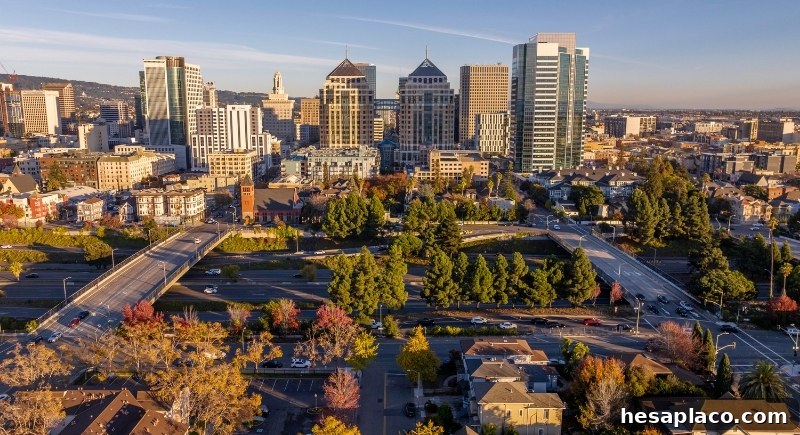
Oakland long marketed itself as a more affordable alternative to San Francisco, but rising demand has diminished that advantage. Geographic constraints—surrounded by the bay and hills—limit where the city can expand, constraining housing supply. Strong transit connections to San Francisco and major job centers make Oakland attractive to workers priced out of other neighborhoods, which has pushed rents and home prices higher.
Berkeley, California
Credit: Getty Images
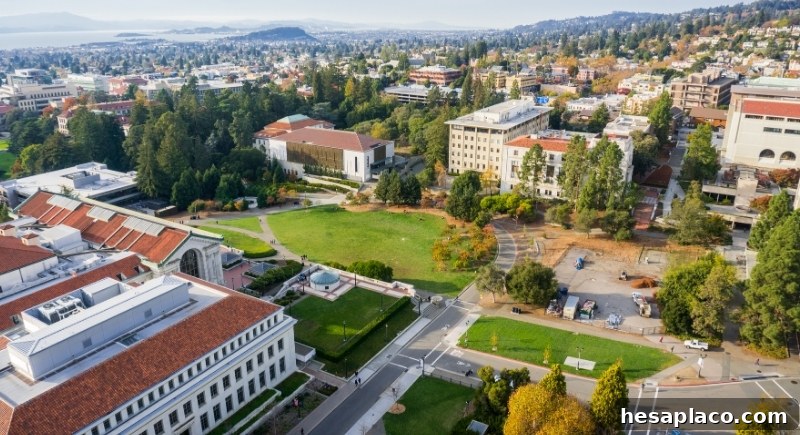
Berkeley’s identity centers on the University of California campus, and that concentration of students, faculty, and staff drives consistent housing demand. Progressive local policies, strong public schools, and desirable neighborhood amenities attract families and professionals willing to pay a premium to live there. With tens of thousands of university students in a city of roughly 124,000 residents, the rental market experiences constant pressure, particularly each academic year when new students and faculty search for housing.
Across these cities, recurring themes explain high living costs: limited land for development, strict zoning and historic-preservation rules, strong job growth in high-paying industries, and geographic constraints that restrict supply. Those factors combine to keep rents and home prices elevated, while transportation and everyday goods also cost more in some locations due to logistics, regulation, or infrastructure limits. For residents and prospective movers, the challenge is balancing income and quality of life against these persistent affordability pressures.