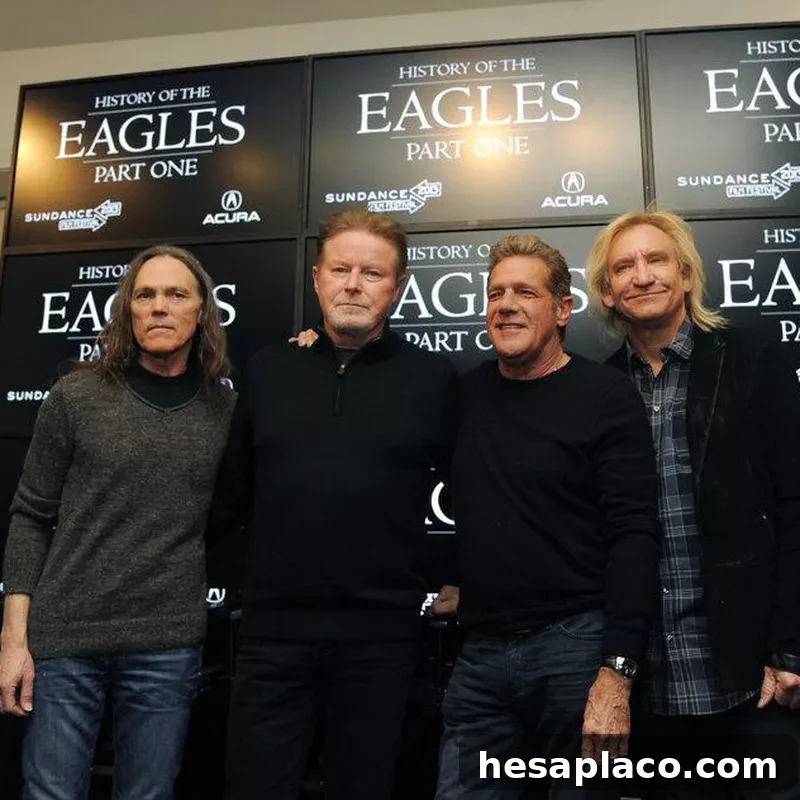
The Eagles left a lasting legacy in classic rock with songs that still connect with listeners across generations. From the mysterious atmosphere of “Hotel California” to the rich vocal harmonies of “Seven Bridges Road,” the band built its sound on memorable melodies, thoughtful lyrics, and a seamless blend of rock, country, and folk influences.
With more than 150 million records sold in the United States alone, the Eagles remain one of the best-selling music acts in history. As their music continues to define the sound of American classic rock, this list looks at their most successful songs based on their peak positions on the Billboard Hot 100 chart.
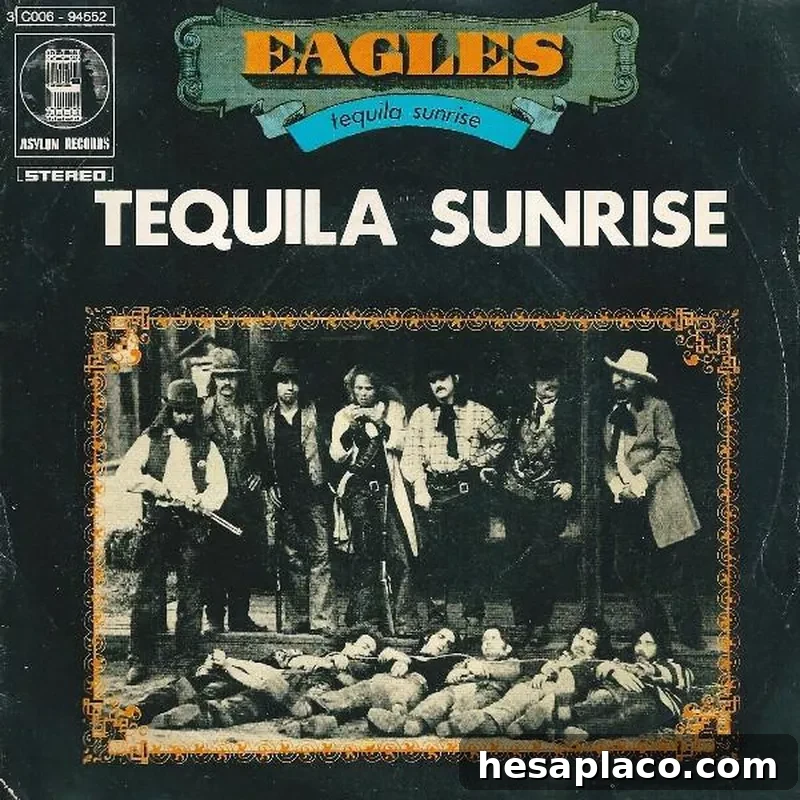
15. Tequila Sunrise
Discogs
Date released: April 17, 1973
Album: Desperado
Chart position: 64
Written by Glenn Frey and Don Henley, “Tequila Sunrise” uses Western imagery to compare the life of a cowboy with that of a traveling musician. Both lives are portrayed as restless, romantic, and temporary. Frey sang lead vocals and came up with the title, though he reportedly had some hesitation because of its connection to the popular cocktail.
Henley later explained that he encouraged Frey to think of the title differently: after drinking tequila through the night, the sun begins to rise. That perspective helped turn the phrase into one of the Eagles’ most understated and enduring songs.
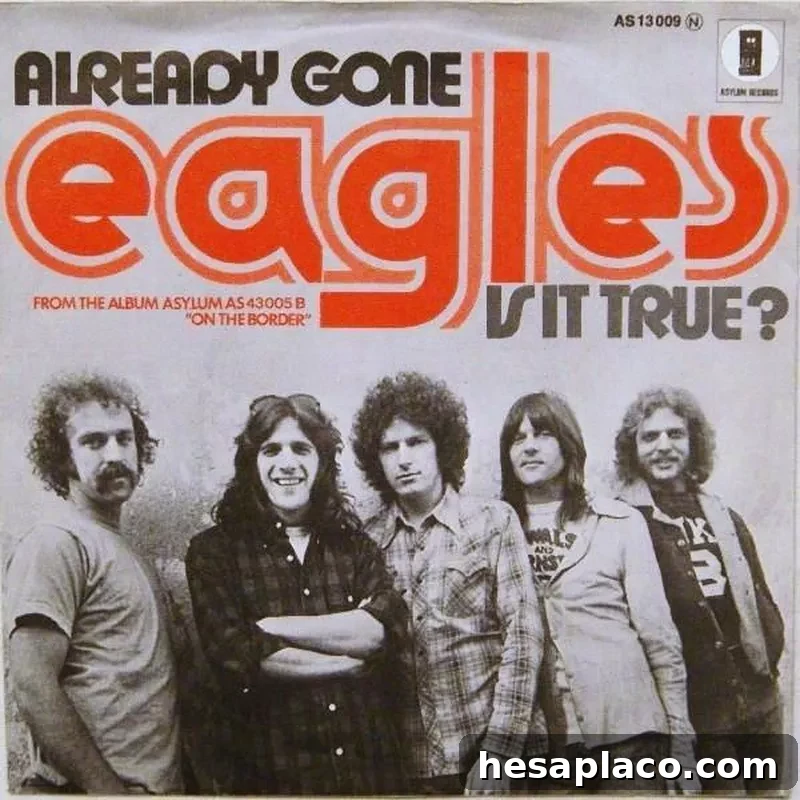
14. Already Gone
Discogs
Date released: April 19, 1974
Album: On the Border
Chart position: 32
“Already Gone” is one of the few Eagles hits not written by a member of the band. Jack Tempchin and Robb Strandlund wrote the song in the late 1960s. Tempchin later recalled that the upbeat chorus came from a spontaneous writing session after he and Strandlund found a jug of hard cider backstage at a San Diego club.
The result was a confident breakup anthem with a bright country-rock drive. Its “woo hoo hoo” refrain captured the feeling of sudden freedom and became one of the song’s most recognizable features.
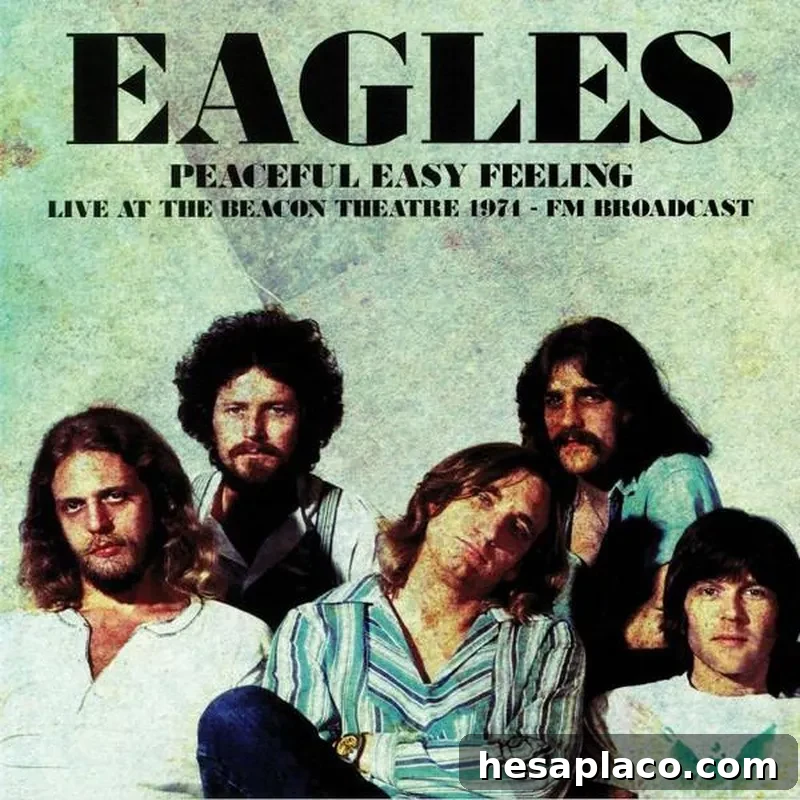
13. Peaceful Easy Feeling
Discogs
Date released: Dec. 1, 1972
Album: Eagles
Chart position: 22
Jack Tempchin wrote “Peaceful Easy Feeling” in 1969. When he came to Los Angeles, he was staying with Jackson Browne, and Glenn Frey eventually heard the song. The Eagles recorded it for their debut album, giving it the smooth harmonies and relaxed country-rock feel that helped define their early sound.
Tempchin has said the song is not exactly a love song. Instead, it reflects a calm acceptance of whatever happens next. That easygoing message has made it a lasting fan favorite.
12. Seven Bridges Road
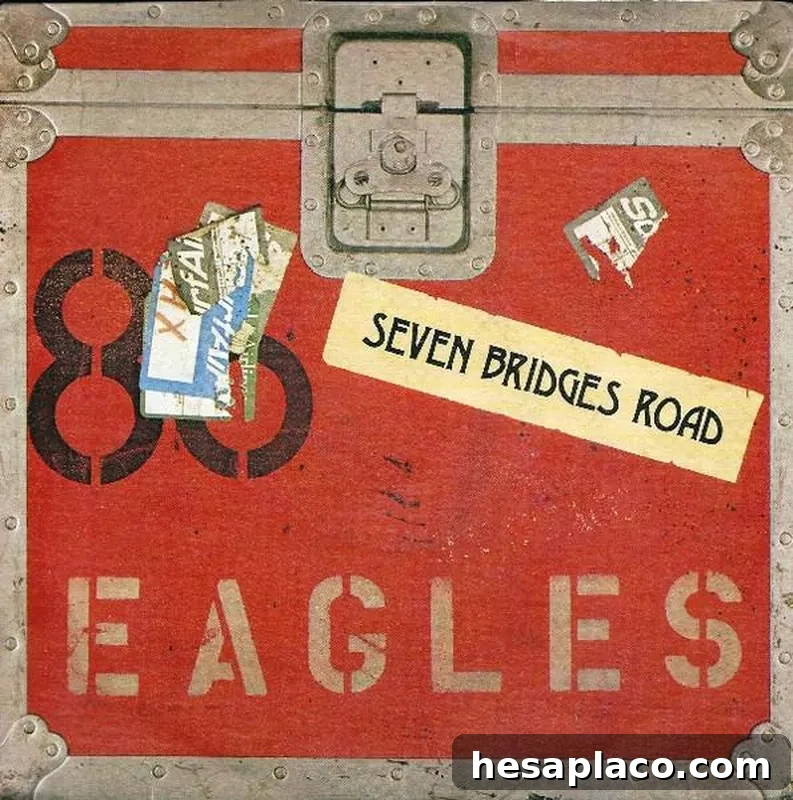
Discogs
Date released: Dec. 15, 1980
Album: Eagles Live
Chart position: 21
“Seven Bridges Road” was written by Steve Young and first recorded in 1969. Many artists have covered the song, but the Eagles’ version is the most famous. Its appeal comes largely from the band’s layered harmonies, which turned it into a showcase for their vocal chemistry.
The Eagles often used the song as a warm-up before concerts. Don Felder later said that when they began performing it on stage, audiences immediately responded to the power of all five voices coming together. Their live recording came from a July 28, 1980, concert in Santa Monica, California, and it became their last Top 40 hit until the mid-1990s.
11. Take It Easy
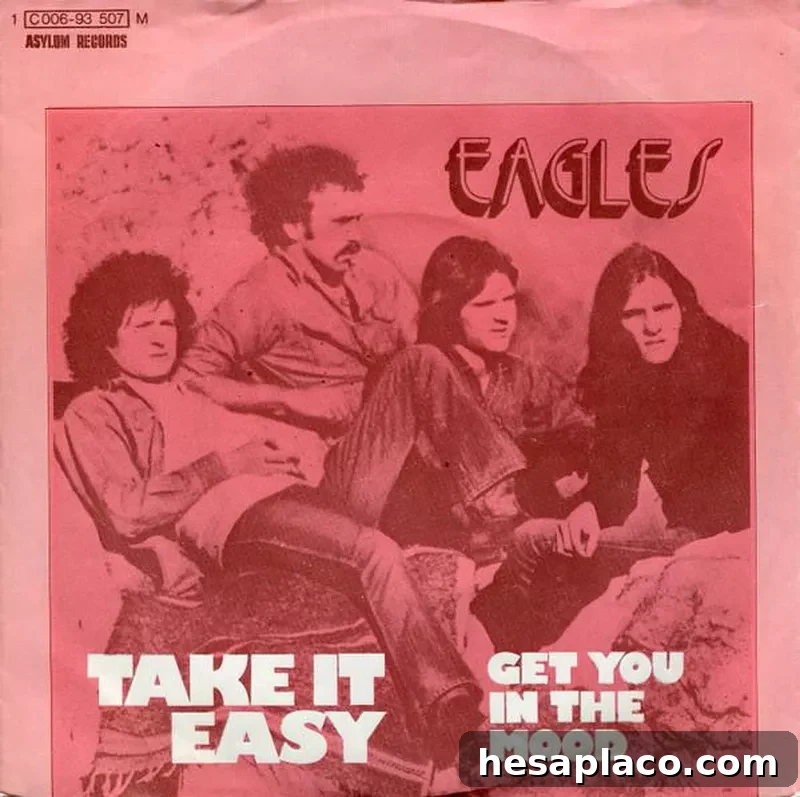
Discogs
Date released: May 1, 1972
Album: Eagles
Chart position: 12
Jackson Browne began writing “Take It Easy” but struggled to finish it. His downstairs neighbor at the time was Glenn Frey, who had recently played with Linda Ronstadt and was forming the Eagles. Frey contributed one of the song’s most famous lines: “It’s a girl, my lord, in a flatbed Ford, slowing down to take a look at me.”
The Eagles recorded the song for their debut album, and it became their first hit. With its bright rhythm, road-weary optimism, and effortless harmonies, “Take It Easy” helped introduce the band’s signature sound to a national audience.
10. Life in the Fast Lane
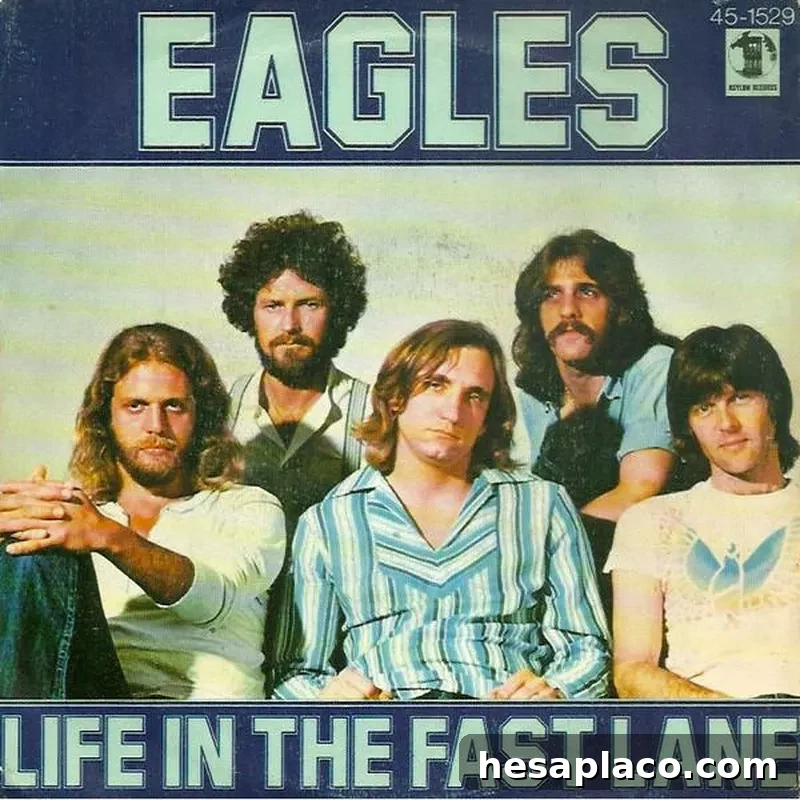
Discogs
Date released: May 3, 1977
Album: Hotel California
Chart position: 11
Joe Walsh, Glenn Frey, and Don Henley wrote “Life in the Fast Lane” as a sharp portrait of excess in Los Angeles. The phrase reportedly came to Frey while he was riding in a car with a driver who was moving too fast. When Frey asked him to slow down, the response was, “That’s life in the fast lane.”
Frey later described the song as a reflection of the stereotypical L.A. lifestyle of fast cars, parties, and constant stimulation. Rather than being about one specific person, it captured the extremes of a social scene built around money, status, and excess.
9. I Can’t Tell You Why
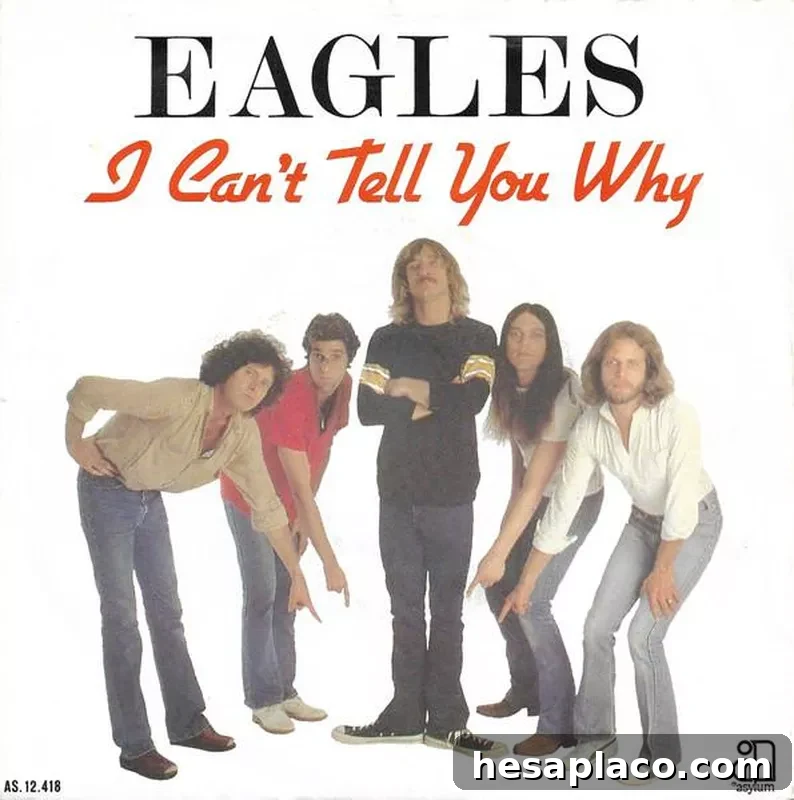
Discogs
Date released: Feb. 8, 1980
Album: The Long Run
Chart position: 10
“I Can’t Tell You Why” was written by Timothy B. Schmit, Glenn Frey, and Don Henley. Schmit sang lead vocals, bringing a smooth, soulful quality to one of the Eagles’ most emotional ballads. The song explores love, uncertainty, and the difficulty of understanding why relationships become complicated.
The lyrics unfold like a private conversation between two people who may or may not stay together. That ambiguity is part of its strength, and the song remains one of the band’s most beloved slow tracks.
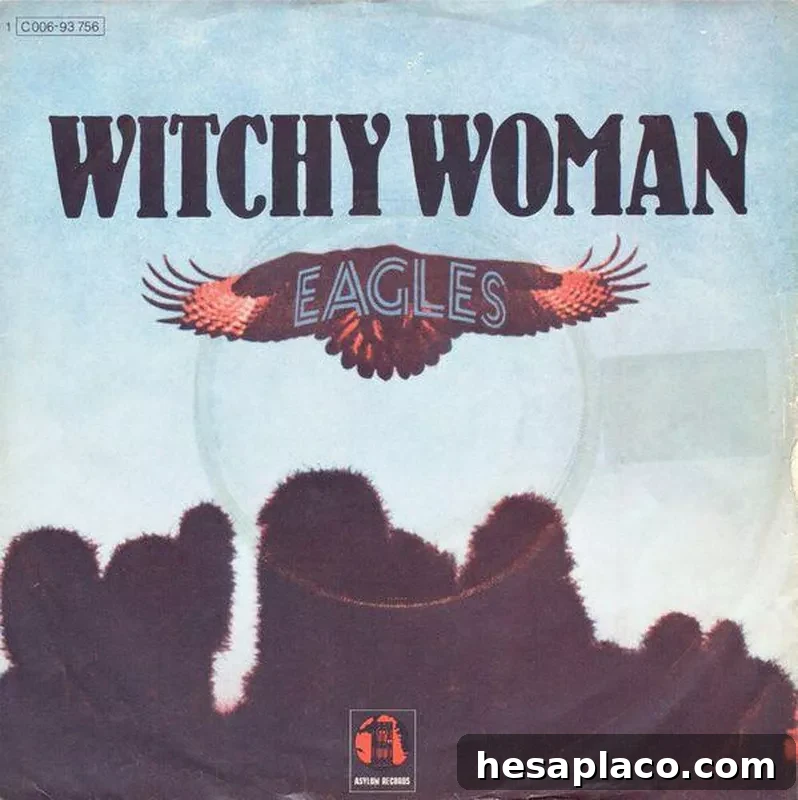
8. Witchy Woman
Discogs
Date released: Aug. 1, 1972
Album: Eagles
Chart position: 9
Don Henley and Bernie Leadon wrote “Witchy Woman,” one of the Eagles’ earliest major singles. Its darker mood, haunting rhythm, and striking vocal delivery made it stand apart from the band’s lighter country-rock material.
The song describes a mysterious woman who fascinates and unsettles the singer. Henley drew inspiration from several women he knew, as well as Zelda Fitzgerald, the wife of writer F. Scott Fitzgerald, whose biography he was reading while working on the lyrics.
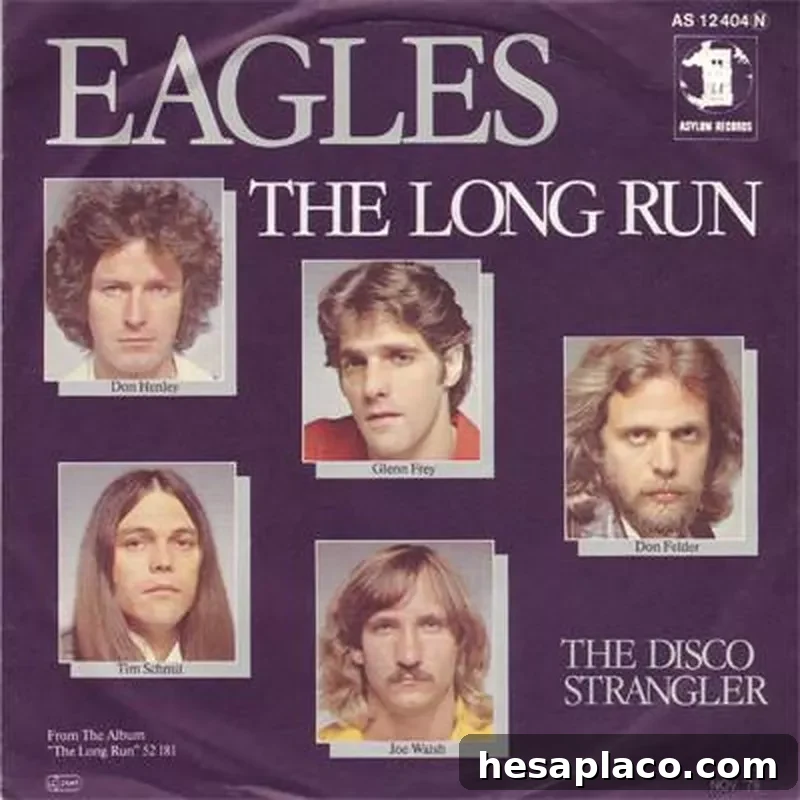
7. The Long Run
Discogs
Date released: Nov. 27, 1979
Album: The Long Run
Chart position: 8
The title track from the Eagles’ 1979 album was influenced by Stax and Memphis R&B, giving it a groove-based sound that differed from some of their earlier hits. Lyrically, “The Long Run” reflected the band’s awareness of changing musical trends and the pressure to remain relevant.
Don Henley later said the group was in a difficult place while making the album. Disco had exploded, punk was rising, and critics were beginning to suggest that the Eagles were becoming outdated. The song’s central question, “Who is gonna make it?” captured that uncertainty.
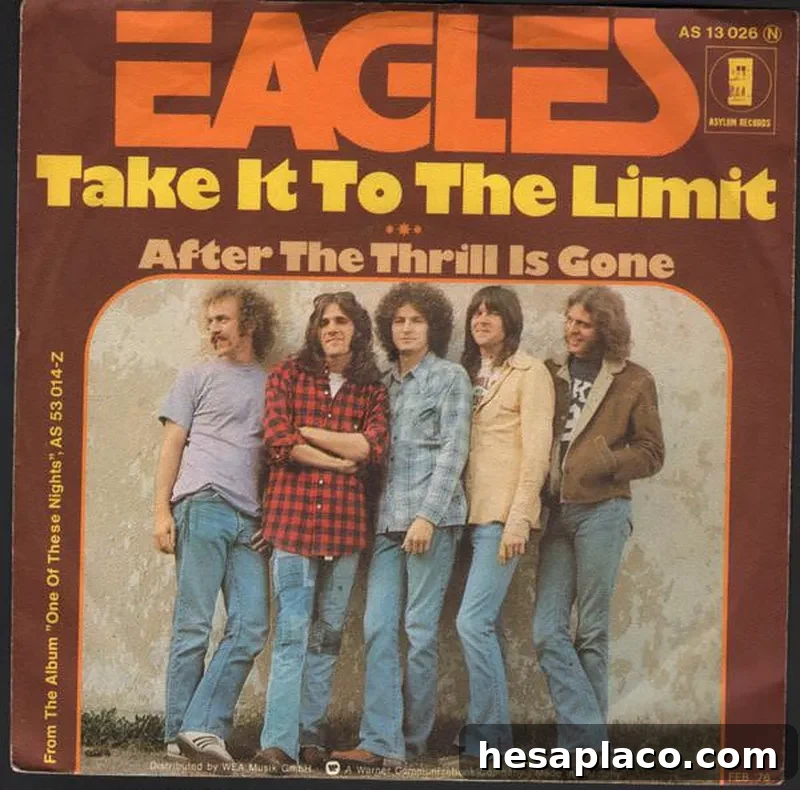
6. Take It to the Limit
Discogs
Date released: Nov. 15, 1975
Album: One of These Nights
Chart position: 4
“Take It to the Limit” was written by Randy Meisner, Glenn Frey, and Don Henley, with Meisner singing lead vocals. The song became one of the Eagles’ biggest ballads and reached No. 4 on the Billboard Hot 100.
Although audiences loved it, Meisner reportedly disliked performing the song live because of its demanding vocal range. That tension became a serious issue within the band and contributed to conflict between Meisner and Frey before Meisner eventually left the Eagles.
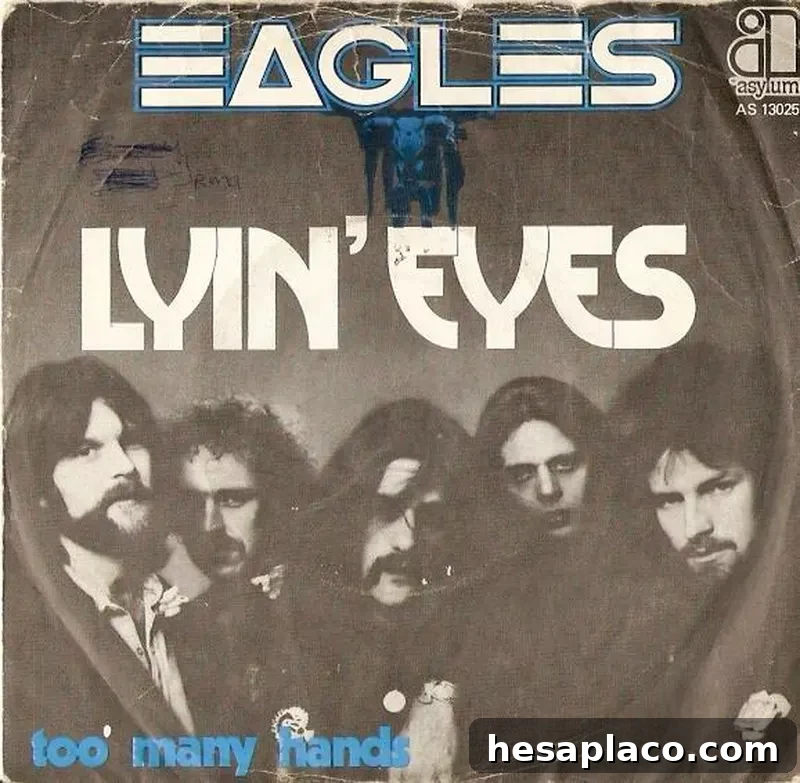
5. Lyin’ Eyes
Discogs
Date released: Sept. 8, 1975
Album: One of These Nights
Chart position: 2
Don Henley and Glenn Frey wrote “Lyin’ Eyes,” one of the Eagles’ most polished storytelling songs. The lyrics focus on a woman trapped in an unhappy relationship with a wealthy man while searching for affection elsewhere.
The band has said the song was inspired by scenes they observed around Hollywood, especially women who appeared glamorous but dissatisfied. “Lyin’ Eyes” reached No. 2 on the Billboard Hot 100 and also entered the top 10 on the Billboard country chart. In 1976, the Eagles won a Grammy for Best Pop Vocal Performance by a Duo, Group or Chorus for the song.
1. Heartache Tonight (Tie)
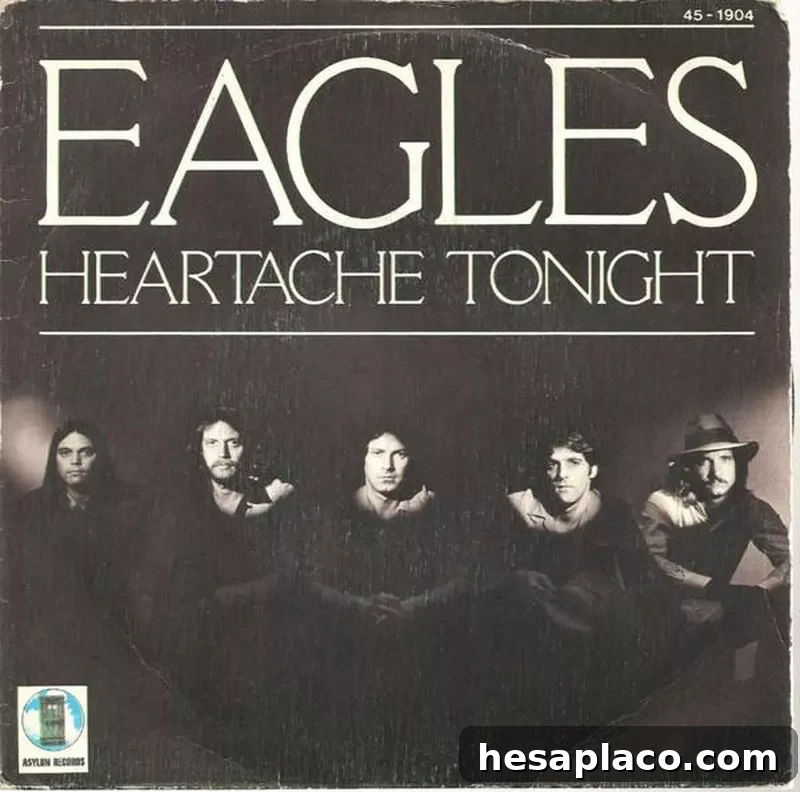
Discogs
Date released: Sept. 18, 1979
Album: The Long Run
Chart position: 1
“Heartache Tonight” was written by Don Henley, Glenn Frey, Bob Seger, and J.D. Souther. Frey, who sang lead vocals, had known Seger since his late teenage years, and that friendship helped shape the song’s loose, energetic feel.
Souther later recalled that he and Frey had been listening to Sam Cooke records, clapping their hands, snapping their fingers, and singing in the style of those old shuffles. Seger and Frey helped develop the chorus, and the track became a No. 1 hit. It also won the Grammy for Best Rock Vocal Performance by a Duo or Group.
1. Best of My Love (Tie)
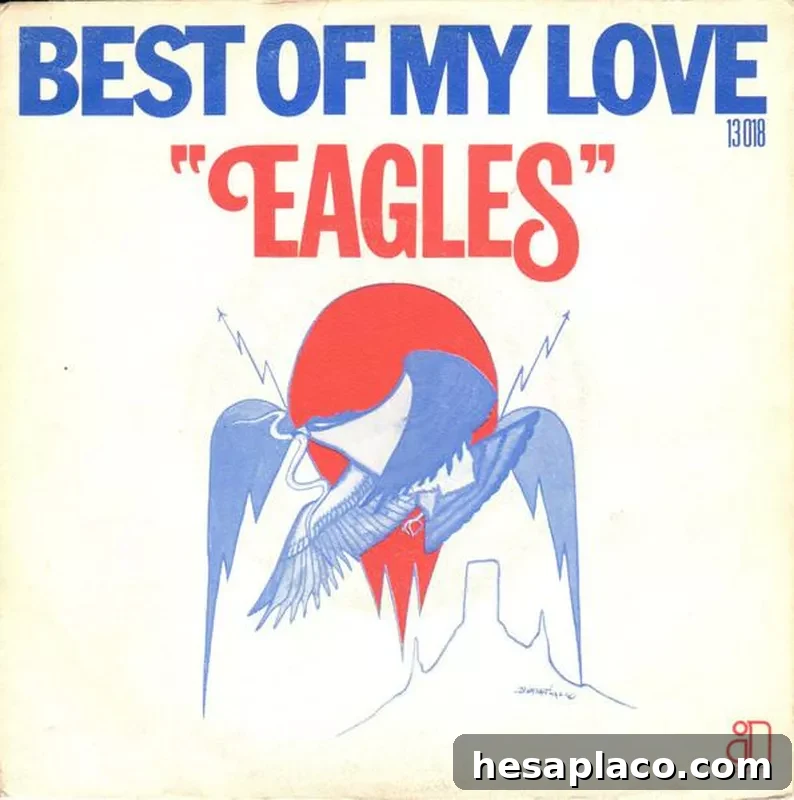
Discogs
Date released: Nov. 5, 1974
Album: On the Border
Chart position: 1
Although “Best of My Love” is often remembered as a tender romantic ballad, its lyrics are really about a relationship falling apart. Henley and Frey wrote the song with J.D. Souther while talking about their own frustrations with love and commitment.
The song became the Eagles’ first No. 1 single in the United States. Its gentle arrangement, heartfelt lead vocal, and emotional honesty helped establish the band as more than just a country-rock act.
1. New Kid in Town (Tie)
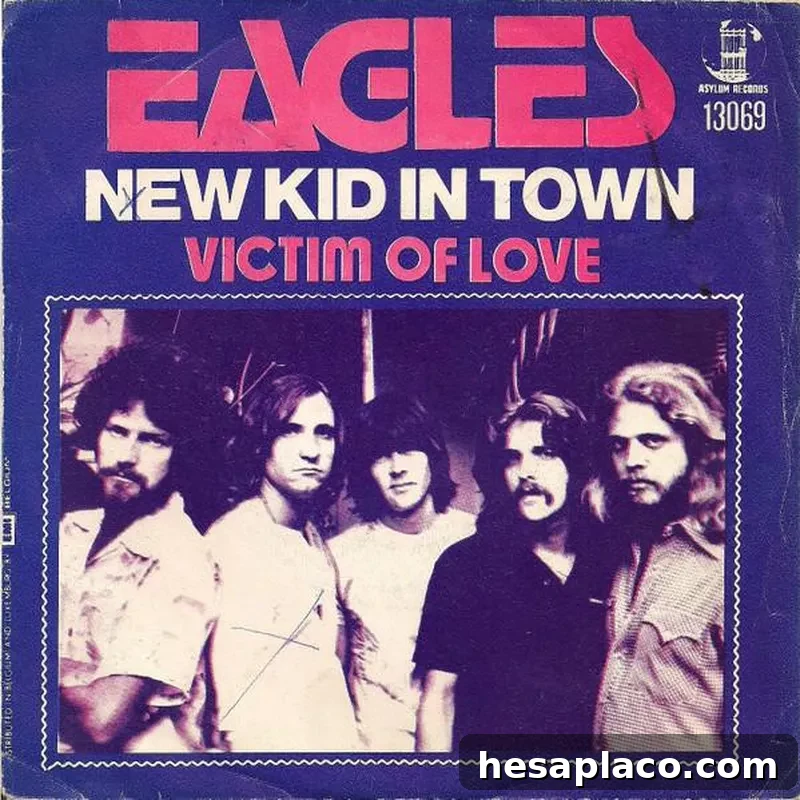
Discogs
Date released: Dec. 7, 1976
Album: Hotel California
Chart position: 1
Written by Glenn Frey, Don Henley, and J.D. Souther, “New Kid in Town” became the Eagles’ third No. 1 hit. The song reflects the anxiety of being replaced, both in music and in life. At the time, disco and punk were rising, and established rock bands were beginning to feel the pressure of newer sounds and younger artists.
Souther described the song as a story about someone faster and younger arriving in town. On a deeper level, it is about aging, competition, and accepting that every generation eventually makes room for the next.
1. Hotel California (Tie)
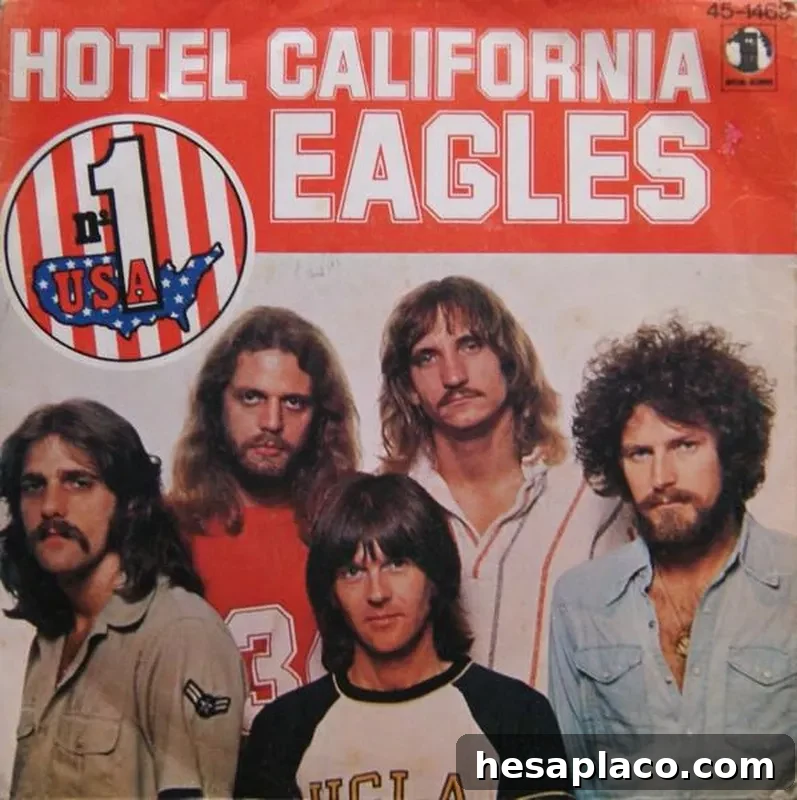
Discogs
Date released: Feb. 22, 1977
Album: Hotel California
Chart position: 1
“Hotel California” is the Eagles’ defining classic rock song. Its mysterious lyrics, unforgettable guitar work, and cinematic atmosphere have made it a constant presence on rock radio for decades. For the Eagles, it holds a place similar to what “Stairway to Heaven” represents for Led Zeppelin.
Listeners have offered many theories about the meaning of the song, ranging from addiction to darker symbolic interpretations. Don Henley has said it is more broadly about excess in American culture, the Los Angeles rock scene of the 1970s, and the uneasy relationship between art and commerce.
The song and the album of the same name became major successes. “Hotel California” reached No. 1 on the Billboard Hot 100 and won the Grammy for Record of the Year in 1978, securing its place as one of the most famous Eagles songs of all time.